

Neivamyrmex nigrescens
- Scientific Name
- Neivamyrmex nigrescens
- Subfamily
- Dorylinae
- Author
- Cresson, 1872
- Common Name
- Black Legionary Ant
- Distribution
- Found in 2 countries
Neivamyrmex nigrescens Overview
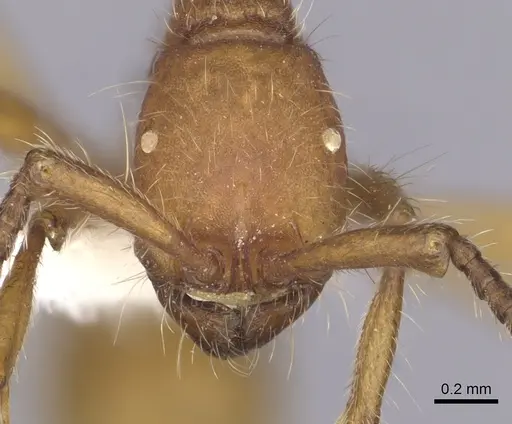
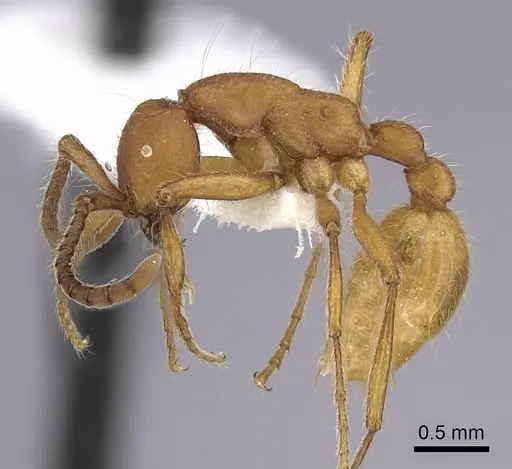
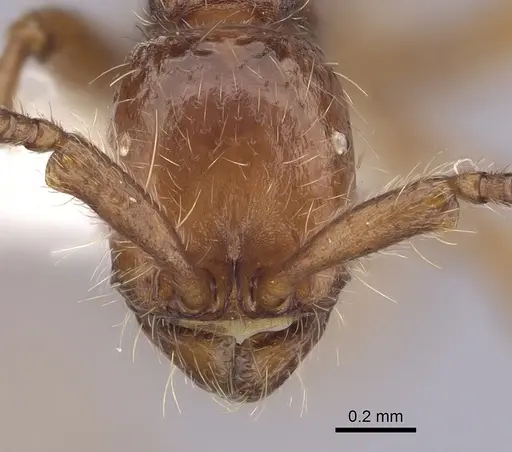
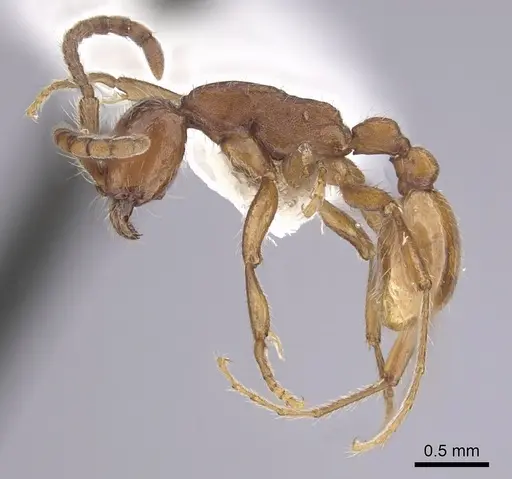
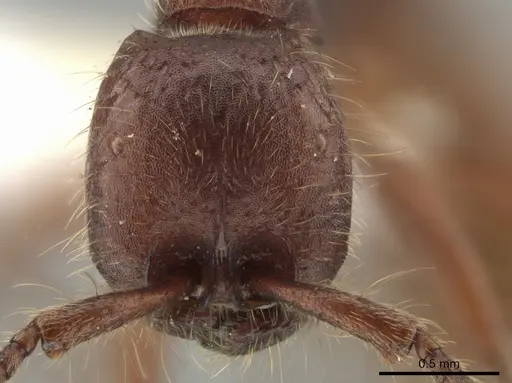
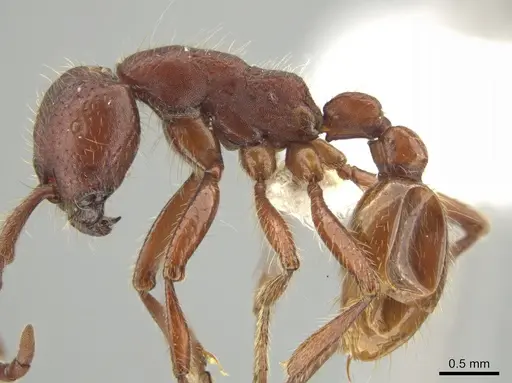
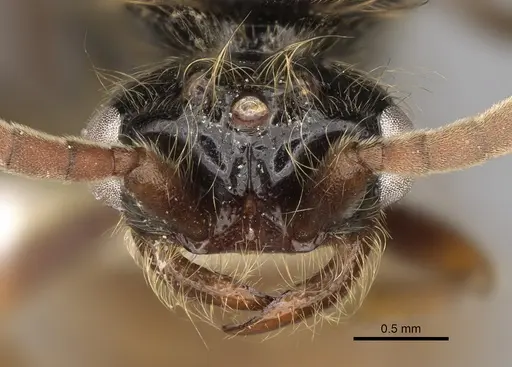
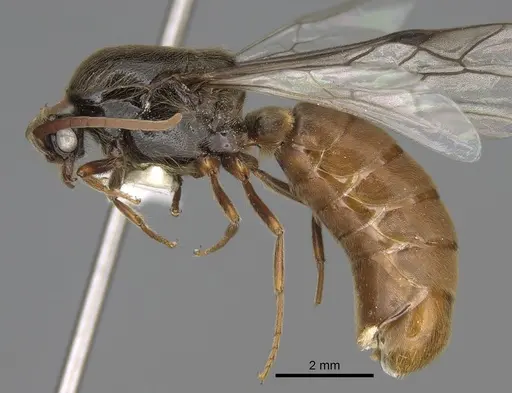
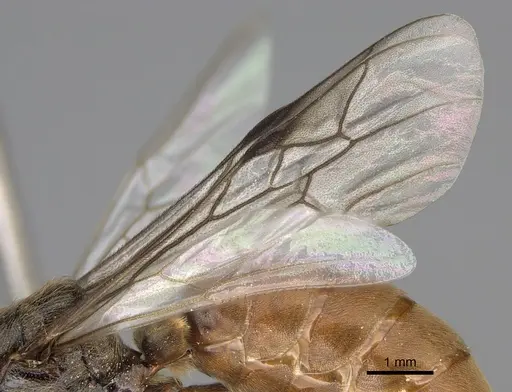
Neivamyrmex nigrescens (commonly known as the Black Legionary Ant) is an ant species of the genus Neivamyrmex. It is primarily documented in 2 countries , including Mexico, United States of America. Detailed taxonomic data and occurrence records can be further explored via authoritative databases such as AntWeb or the Global Biodiversity Information Facility (GBIF).
Neivamyrmex nigrescens - "Black Legionary Ant"
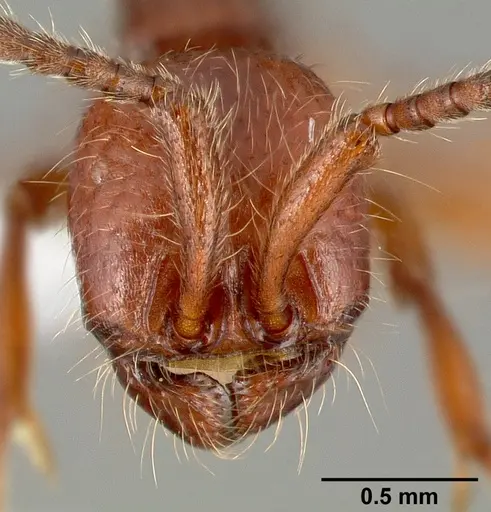
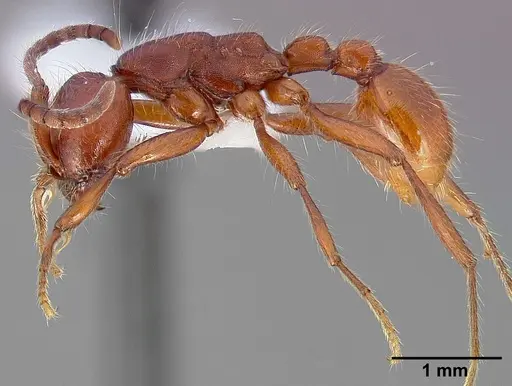
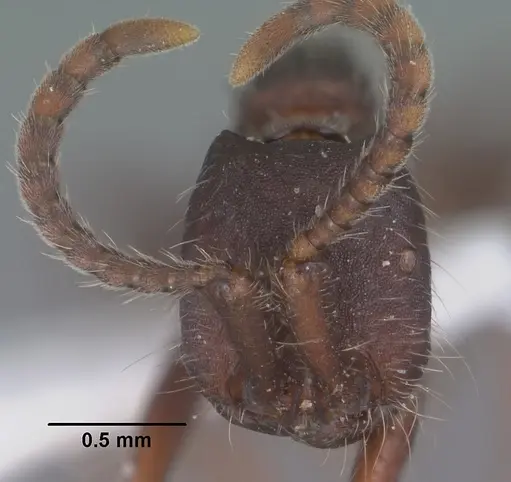
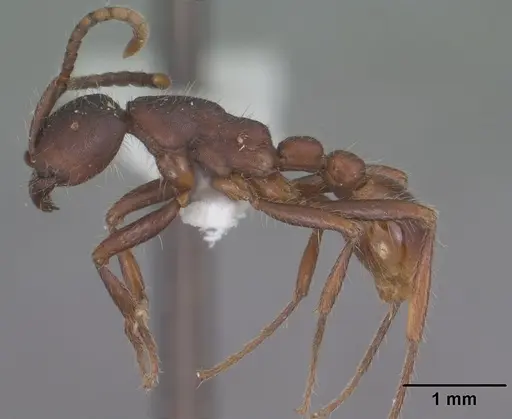
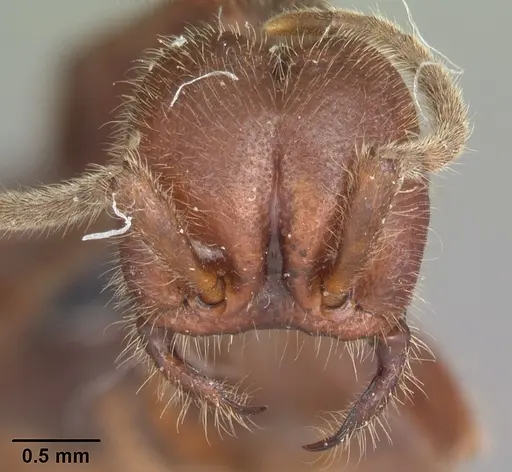
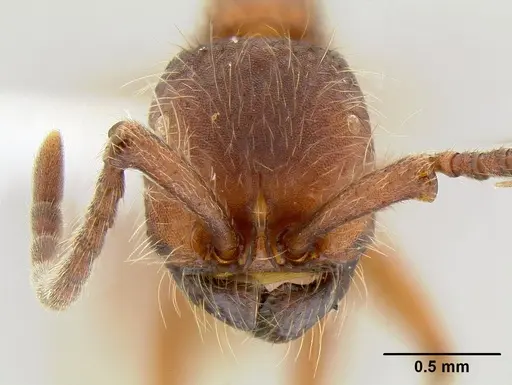
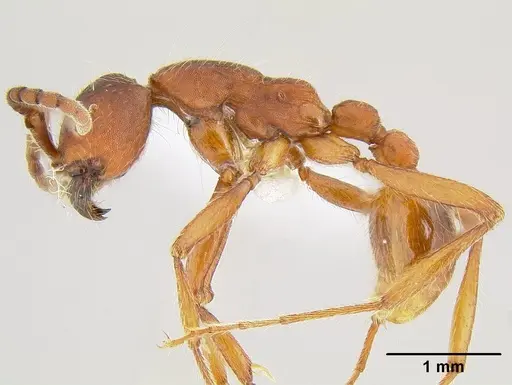
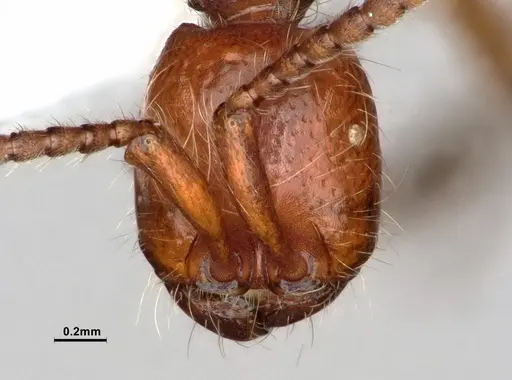
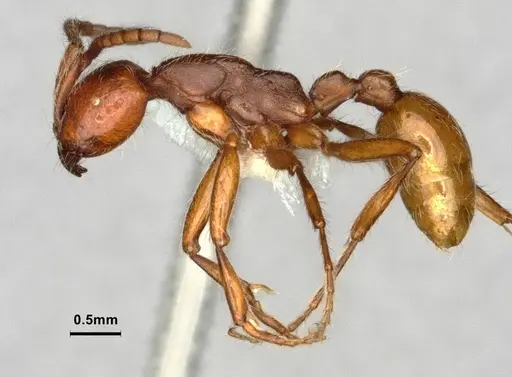
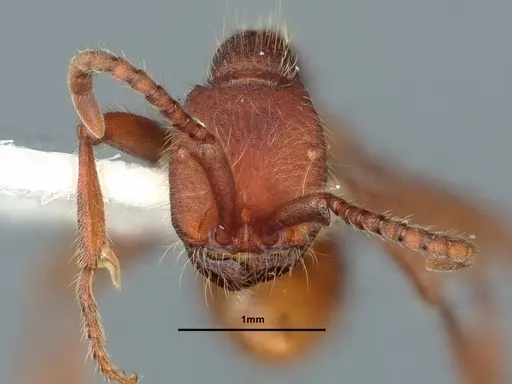
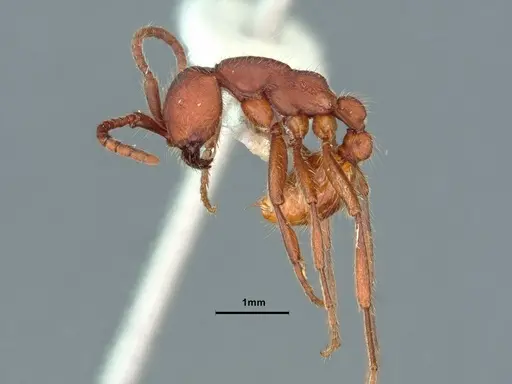
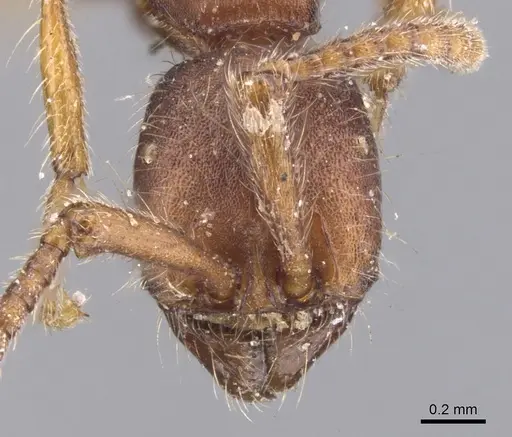
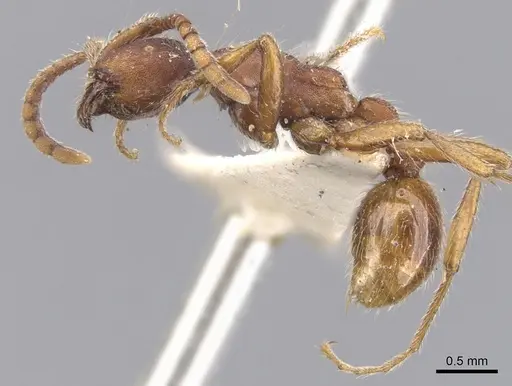
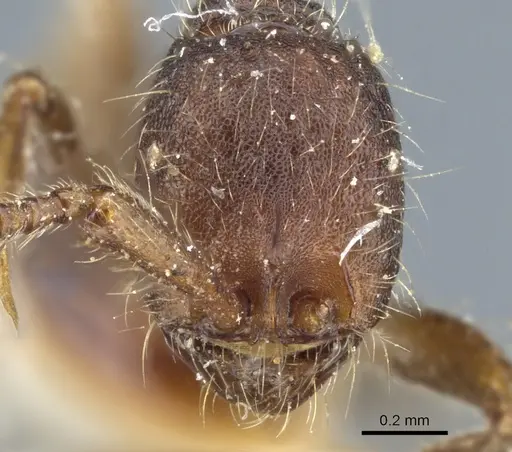
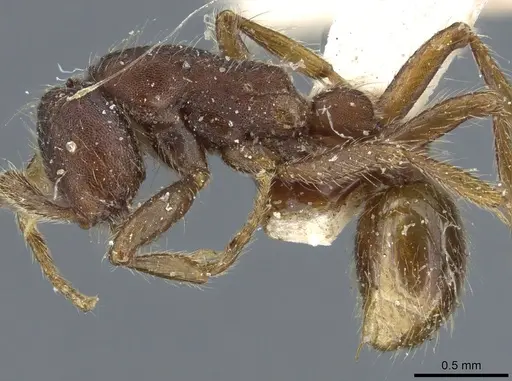
Neivamyrmex nigrescens is the most widespread and well-studied army ant species in the United States, ranging from coast to coast across southern states and north into areas like Iowa, Nebraska, and Colorado [1]. Workers are small at 4-5mm for majors, with a dark reddish-brown to nearly black body, and they have the characteristic army ant lifestyle of raiding colonies of other ant species [2]. Queens are large at 10-14mm and never develop wings, they leave the parental nest on foot accompanied by workers to found new colonies [1]. This species is notable for its nomadic/statary cycle, where colonies move every night during 'nomadic' phases lasting about three weeks, then remain stationary for roughly 18 days during 'statary' phases [1].
Quick Summary
- Difficulty: Expert
- Origin & Habitat: Native to the United States and Mexico, this species occurs across an extremely wide habitat range including scrubland, grassland, desert canyons, pine-oak-juniper woodland, prairie grassland, and eastern deciduous forest [2]. Found from sea level to 2200m elevation [1].
- Colony Type: Monogynous (single queen) colonies, though recent data suggests multiple functional queens may occur at times [1]. Colonies are massive with 150,000 to 250,000 workers [1]. New colonies form when a daughter queen leaves the parental nest accompanied by workers, queens are never winged and there is no nuptial flight [1].
- Colony: Monogyne
- Founding: Semi-claustral
- Size & Growth:
- Queen: 10-14mm [3]
- Worker: 4-5mm for major workers, body length 5.0-8.0mm [4][2]
- Colony: 150,000-250,000 workers per mature colony [1]
- Growth: Moderate, follows predictable nomadic/statary cycle
- Development: Unknown, development timeline has not been directly studied in this species (Development is phasic and tied to the colony cycle, larvae develop during nomadic phase and pupate as colony enters statary phase [1])
- Antkeeping:
- Temperature: Keep at room temperature around 20-24°C. This species is found across varied climates from desert to woodland, so moderate temperatures are appropriate [3].
- Humidity: Provide moderate humidity. In nature they nest in soil cavities and use abandoned ant nests, keep substrate lightly moist but not wet [1].
- Diapause: Yes, in northern parts of their range they likely enter winter dormancy. Reduce temperature to around 10-15°C for 2-3 months during winter [3].
- Nesting: This is a nomadic species that does not maintain permanent nests. In captivity they will need a large foraging area and should be allowed to form temporary bivouacs. A naturalistic setup with soil substrate and multiple chambers works best, or a large formicarium with deep soil layers [1].
- Behavior: These are highly aggressive predators that raid other ant colonies at night. Workers are active primarily during nocturnal hours and often forage below the soil surface [5]. They form raiding columns that can extend 90 meters, sweeping through areas and capturing any insects they encounter [1]. Their bite is painful for their size but they lack a stinger. Escape prevention is important, while workers are not particularly small, they are fast-moving and will readily climb smooth surfaces. This species is not suitable for beginners due to their specialized predatory diet and nomadic lifestyle [1].
- Common Issues: massive colony size makes captive housing extremely difficult, colonies can reach 150,000+ workers, requires constant supply of live ant brood and insects as prey, cannot be fed standard ant foods, nocturnal and often subterranean lifestyle makes them nearly invisible during daytime, nomadic nature means they constantly move within the enclosure, difficult to observe, difficult to establish in captivity, wild-caught colonies often fail to adapt
Housing and Enclosure Requirements
Neivamyrmex nigrescens presents unique housing challenges that make it one of the most difficult ants to keep. These are nomadic army ants that do not maintain permanent nests, instead they form temporary bivouacs in natural cavities, abandoned ant nests, or under stones [1]. In captivity you will need a large naturalistic setup with deep soil substrate (at least 10-15cm deep) that allows the colony to dig and form chambers. The enclosure should have a large foraging area where raids can be observed. Because they are nocturnal and often subterranean, include some covered areas or shallow burrows where they can rest during the day. Use a secure lid, while not excellent climbers, they will escape through small gaps. Provide a water source via a cotton wick or small dish [1].
Feeding and Diet
This is an obligate predator that specialized in raiding other ant colonies. In the wild, their diet consists almost entirely of other ants, they prey on species including Tetramorium, Solenopsis, Pheidole, Messor, Formica, and many others [1][2]. They take both adult workers and brood (larvae and pupae) from raided colonies. They also occasionally capture non-ant insects like click beetles, mayflies, water boatmen, and crickets [1]. In captivity, you must provide a constant supply of live ant brood and workers from feeder colonies (like Tetramorium or Solenopsis), or small live insects. They will not accept sugar water, honey, or dead protein, this is a true predator that requires live prey. You will essentially need to maintain feeder ant colonies to keep this species. Feed every few days during nomadic phases when the colony is active and moving [1].
The Nomadic-Statary Cycle
N. nigrescens exhibits the classic army ant colony cycle that governs all aspects of their behavior. The nomadic phase begins when pupae eclose to become workers, the entire colony then becomes active and moves every night along raiding columns that can extend 90 meters, capturing insects and raiding other ant nests [1]. This phase lasts approximately three weeks until the larvae in the colony begin to pupate. The colony then enters the statary phase, remaining stationary in a subterranean bivouac for about 18 days. During statary, raids continue but are less extensive [1]. This cycle repeats continuously, and understanding it is essential for keeping this species, they will be highly active during nomadic phases and nearly stationary during statary phases. The timing is predictable once established [6].
Temperature and Seasonal Care
This species tolerates a wide range of temperatures in the wild, from near sea level to 2200m elevation across varied climates [1][2]. Keep them at room temperature, ideally around 20-24°C. In northern parts of their range they likely experience winter dormancy, if your colony is healthy, you can simulate this by reducing temperatures to 10-15°C for 2-3 months during winter. However, many captive colonies may not need hibernation if kept at stable temperatures year-round. Avoid temperature extremes, sudden drops below 15°C or spikes above 30°C can stress colonies. Use a heat mat on one side of the enclosure only if room temperature falls below 18°C, and always provide a temperature gradient so ants can choose their preferred zone [3].
Colony Founding and Reproduction
Unlike most ants, N. nigrescens queens are never winged and cannot perform nuptial flights [1]. New colonies form when a daughter queen leaves the parental nest, accompanied by a group of workers, this is called dependent colony founding. Females can be fertilized in the nest by their brothers, but mating outside the nest with males from other colonies also occurs [1]. Queens are physogastric (their abdomen becomes distended with eggs) but are not mobile, workers must transport them during emigrations [7]. In captivity, obtaining a colony is challenging since you cannot catch a flying queen. The only option is to locate an existing colony in the wild and carefully collect a portion including the queen and workers. This is difficult and often unsuccessful [1].
Behavior and Defense
These ants are formidable predators with highly coordinated group behavior. Workers are primarily nocturnal, emerging at night to form massive raiding columns [1]. They communicate primarily through pheromone trails, scouts locate prey colonies and lay scent trails that other workers follow. Despite their fearsome reputation, they rarely bite humans unless handled, and they lack a stinger [3]. Their bite can be painful due to formic acid, but the pain is minor and short-lived. The main defense mechanism is their sheer numbers, a column of thousands of workers can overwhelm prey colonies quickly. They are not aggressive toward humans and will ignore you unless threatened. However, their nocturnal, subterranean habits mean you may rarely see them unless you observe at night [1][5].
Frequently Asked Questions
Can I keep Neivamyrmex nigrescens as a pet ant?
This species is not recommended for most antkeepers. They are one of the most difficult species to keep in captivity because they require massive colony sizes (often 150,000+ workers), a constant supply of live ant prey, and special nomadic housing arrangements. They are also nearly invisible during daytime hours since they are nocturnal and often subterranean. This is an expert-only species [1].
What do Neivamyrmex nigrescens eat?
They are obligate predators that specialize in raiding other ant colonies. In captivity you must provide live ant brood and workers from feeder colonies (like Tetramorium or Solenopsis), plus occasional small insects like crickets or mealworms. They will not accept sugar water, honey, fruits, or other standard ant foods, they are true predators that need live prey [1].
How long does it take for first workers to appear?
The development timeline for this species has not been directly studied. Unlike typical ant colonies, army ants have a phasic reproductive system where egg-laying coincides with the nomadic phase. Since colonies are already established when collected (queens are never winged and do not found colonies alone), this question does not apply to captive colonies in the same way [1].
Can I keep multiple queens together?
This species is primarily monogynous (single queen), though recent research suggests multiple functional queens may occur in some colonies. However, combining unrelated queens in captivity has not been studied and is not recommended. In the wild, new colonies form when a daughter queen leaves with workers, this is a natural process you cannot replicate easily in captivity [1].
Do they need hibernation?
In northern parts of their range (Colorado, Nebraska, and areas with cold winters), they likely experience winter dormancy. If your colony is healthy and established, you can provide a winter rest period by reducing temperatures to 10-15°C for 2-3 months. However, many captive colonies maintained at stable room temperature may not require this. Observe your colony's behavior, if they become less active in winter, a cooling period may help [3].
Why are my army ants always hiding?
This is normal behavior. N. nigrescens is primarily nocturnal and often forages below the soil surface. During the day they rest in subterranean bivouacs, and you will rarely see them unless you observe at night with a red light. They may also be in the statary phase when the colony remains stationary for about 18 days between nomadic periods [1].
Are Neivamyrmex nigrescens good for beginners?
No. This species is definitely not suitable for beginners. They require specialized care including live ant prey, massive enclosures, understanding of the nomadic-statary cycle, and the ability to maintain feeder colonies. They are also nearly impossible to find for sale since queens cannot be caught via nuptial flights. This is an expert-only species that most antkeepers should avoid [1].
References

This caresheet is licensed under CC BY-SA 4.0 .
CASENT0005332
View on AntWeb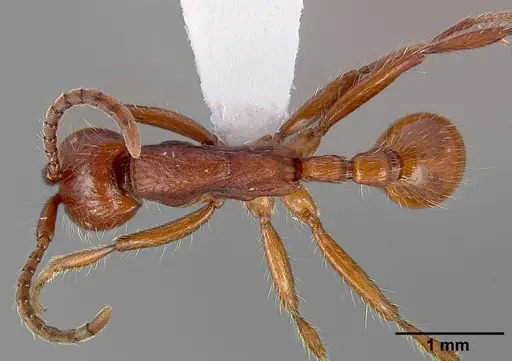
CASENT0102766
View on AntWeb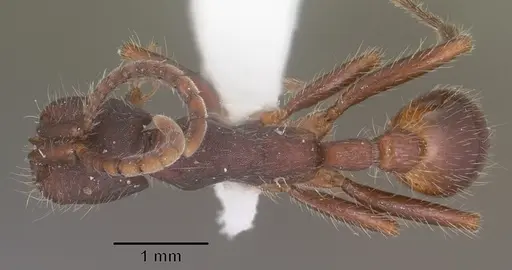
CASENT0104061
View on AntWeb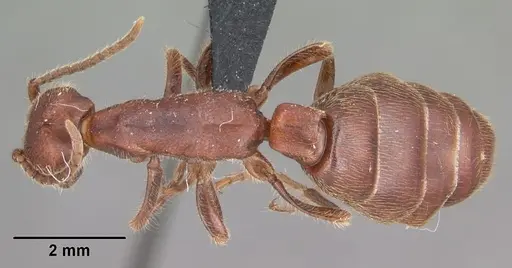
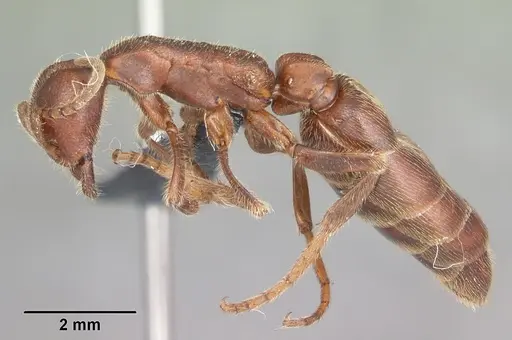
CASENT0104124
View on AntWeb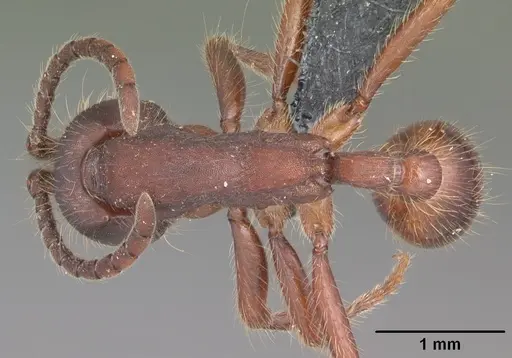
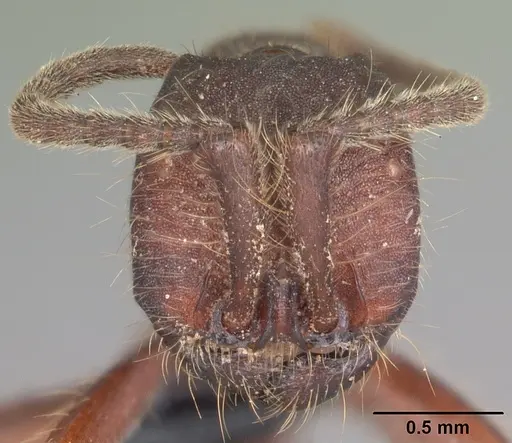
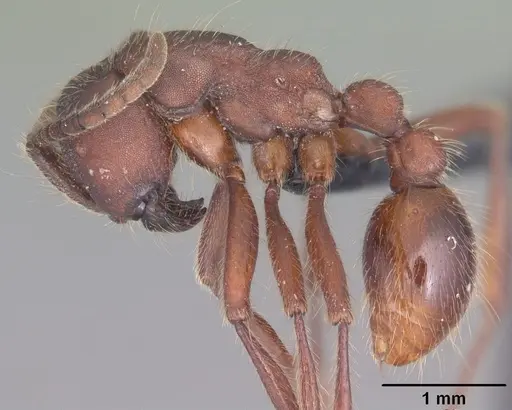
CASENT0106080
View on AntWeb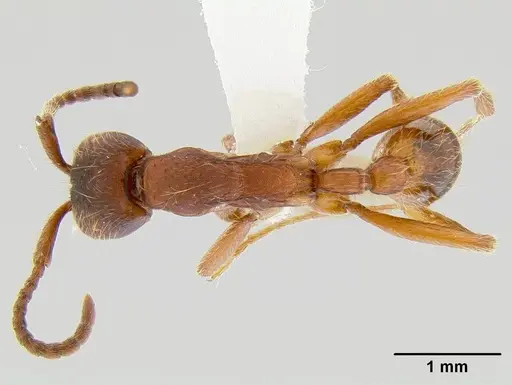
CASENT0249493
View on AntWeb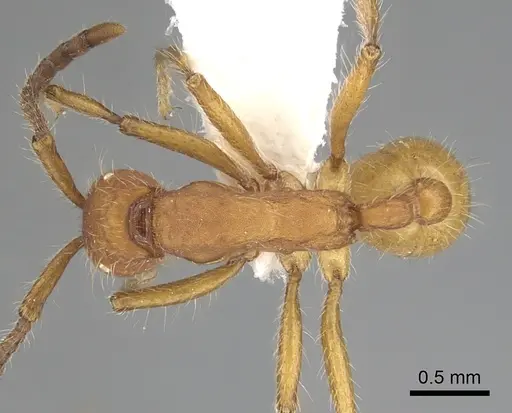
CASENT0249494
View on AntWeb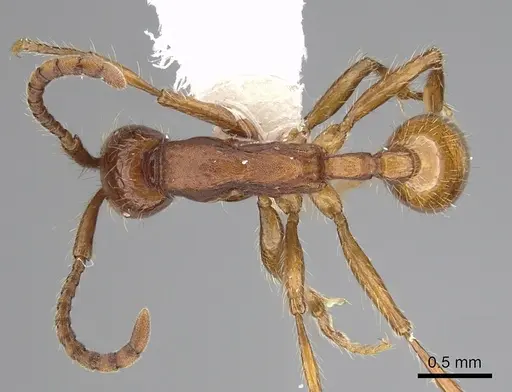
CASENT0649179
View on AntWeb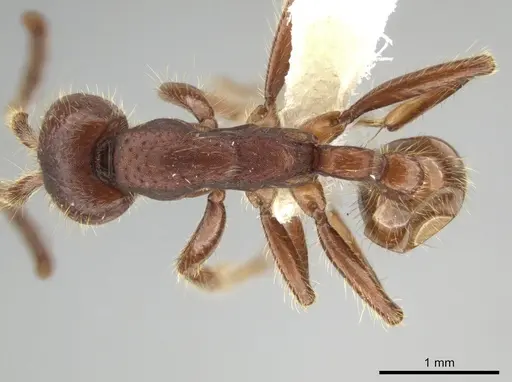
CASENT0862452
View on AntWeb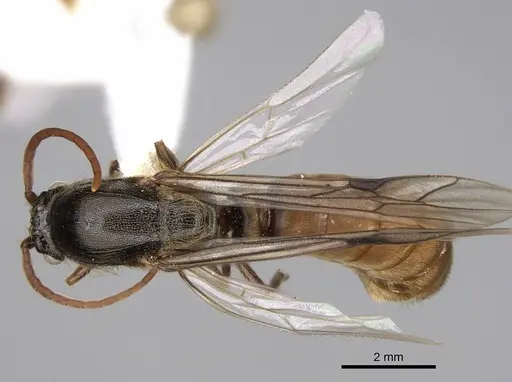
CASENT0883290
View on AntWeb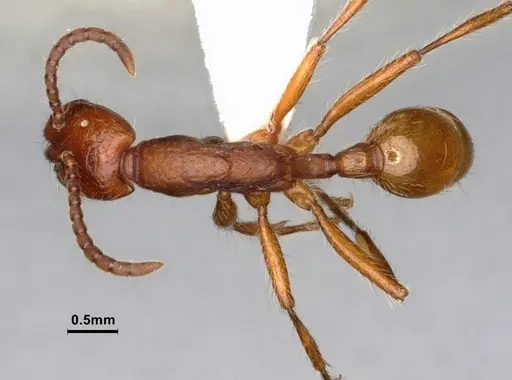
CASENT0883400
View on AntWeb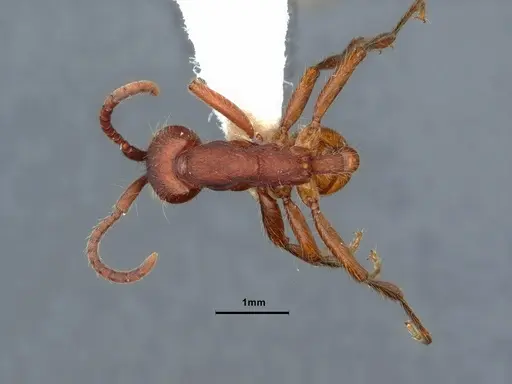
CASENT0902642
View on AntWeb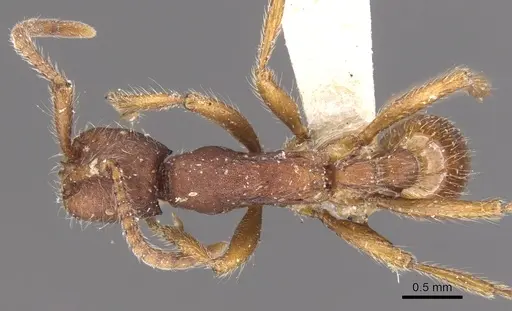
CASENT0903724
View on AntWeb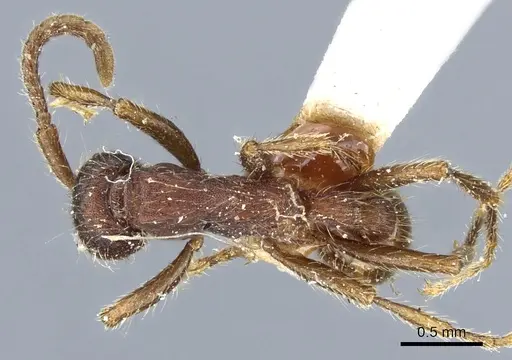
Literature
Loading...Loading products...