Solenopsis molesta follows a consistent seasonal pattern with peak activity in August. The flight window runs from June to August, providing several months of opportunity for observations.

Solenopsis molesta
- Scientific Name
- Solenopsis molesta
- Tribe
- Solenopsidini
- Subfamily
- Myrmicinae
- Author
- Say, 1836
- Common Name
- Thief Ant
- Distribution
- Found in 3 countries
- Nuptial Flight
- from June to August, peaking in August
AI Identifiable
try →
Solenopsis molesta Overview
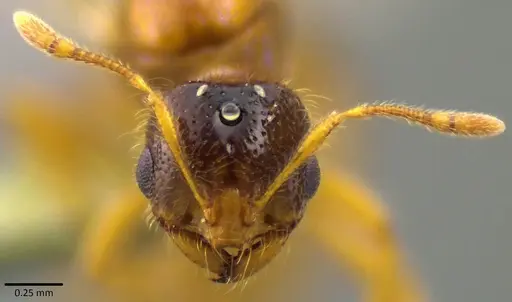
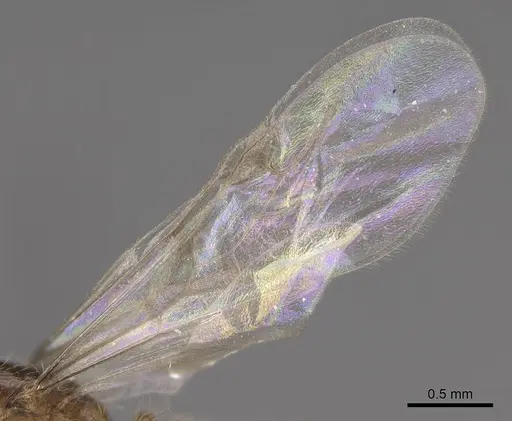
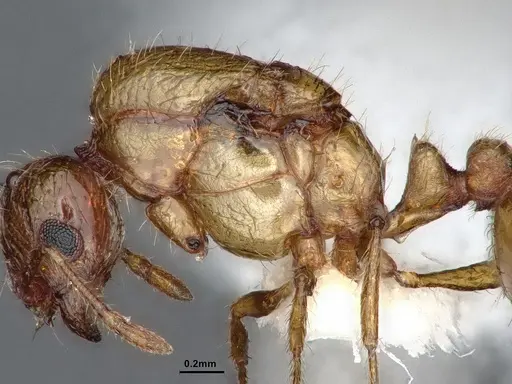
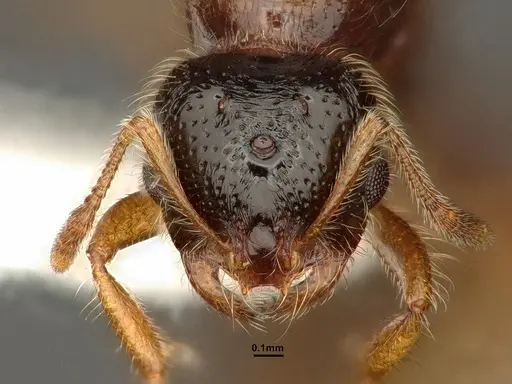
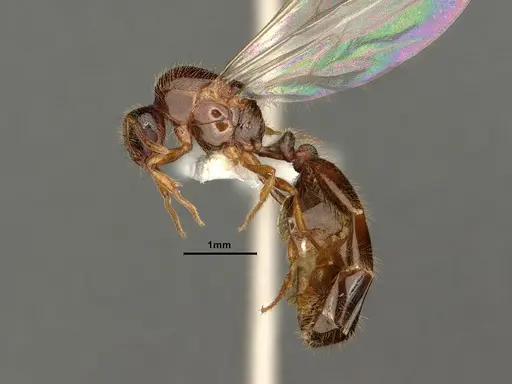
Solenopsis molesta (commonly known as the Thief Ant) is an ant species of the genus Solenopsis. It is primarily documented in 3 countries , including Canada, Mexico, United States of America. Detailed taxonomic data and occurrence records can be further explored via authoritative databases such as AntWeb or the Global Biodiversity Information Facility (GBIF).
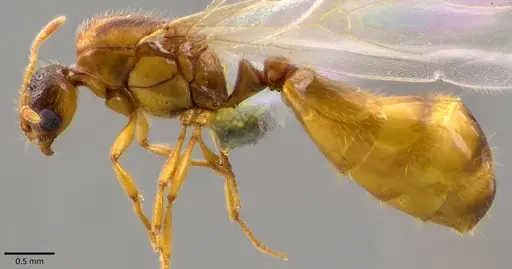
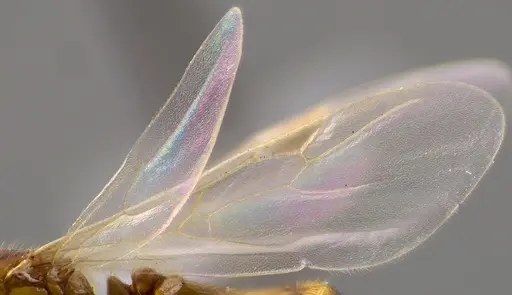
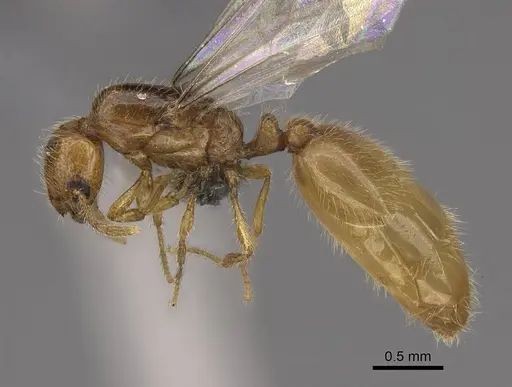
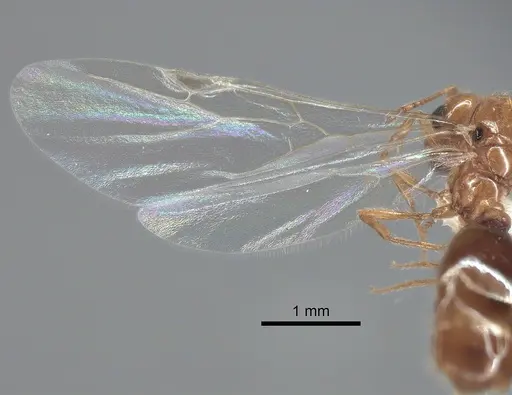
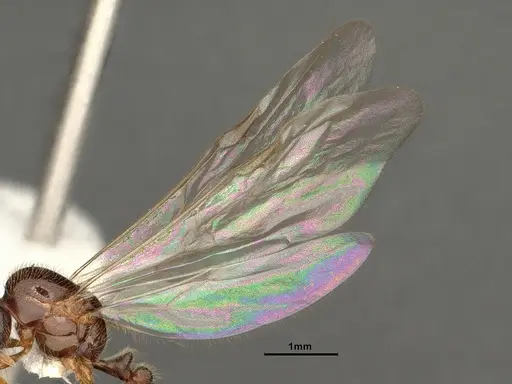
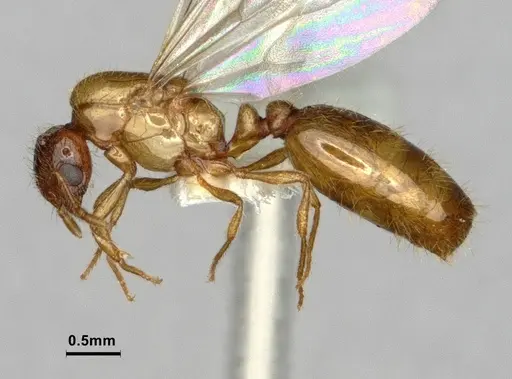
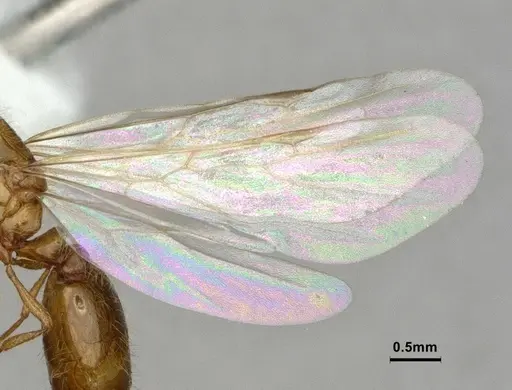
The nuptial flight of Solenopsis molesta is a significant biological event, typically occurring from June to August, peaking in August. During this time, winged queens and males leave the nest to mate and establish new colonies.
Solenopsis molesta - "Thief Ant"
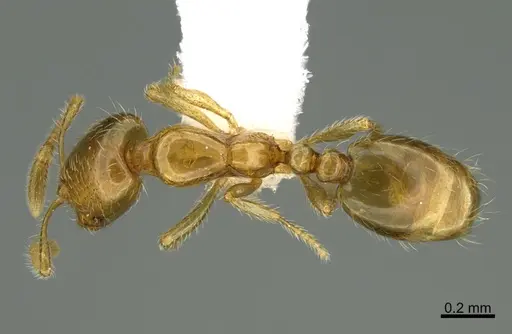
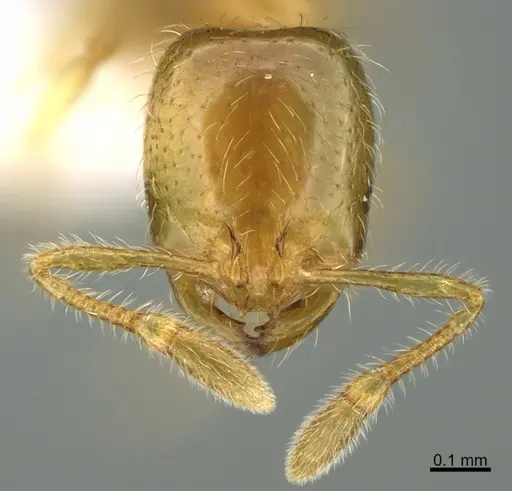
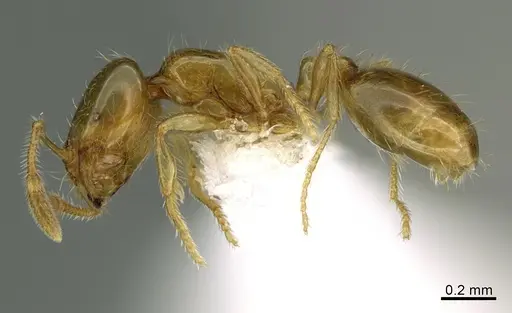
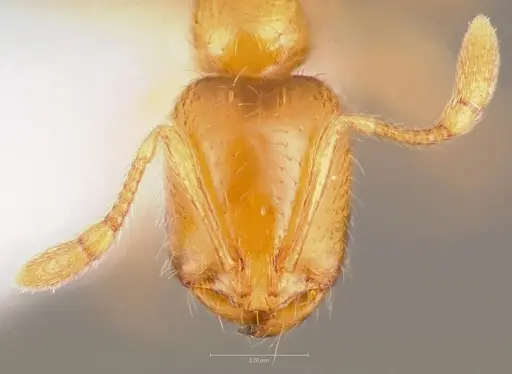
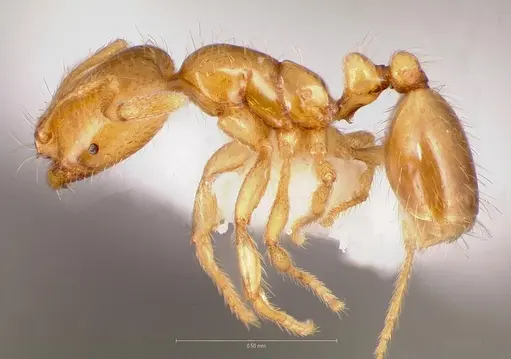
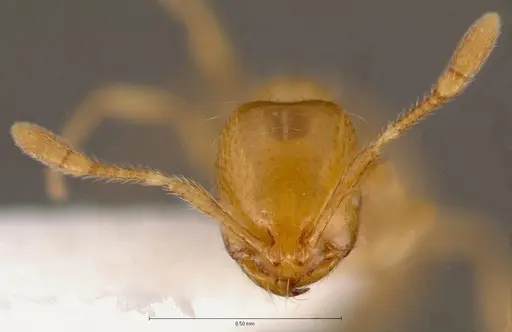
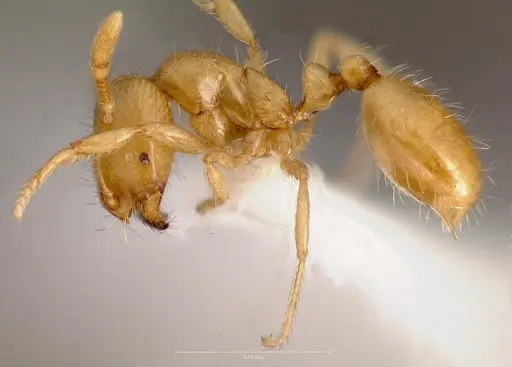
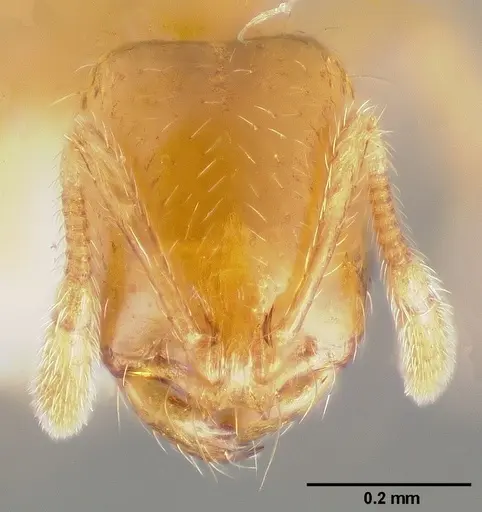
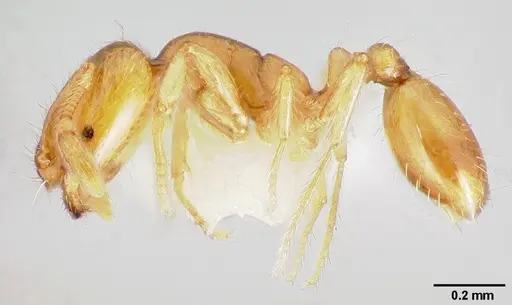
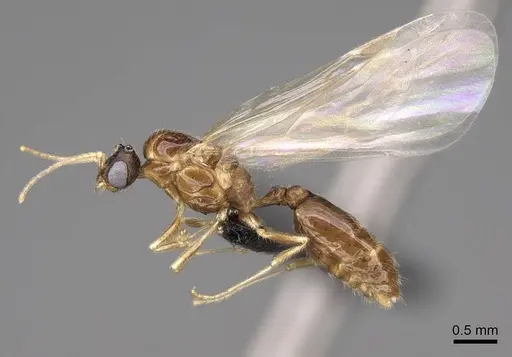
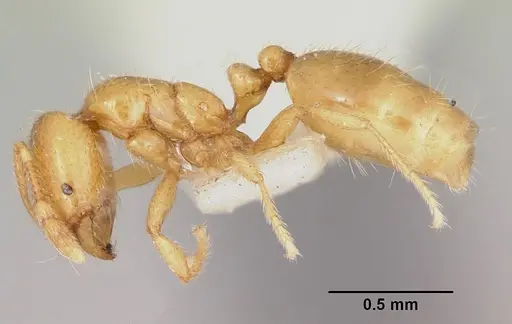
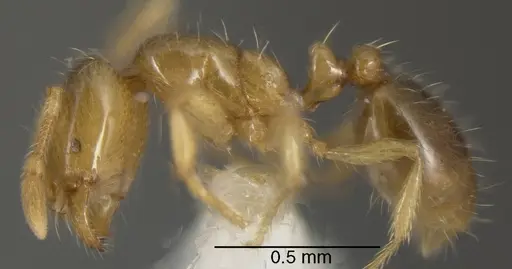
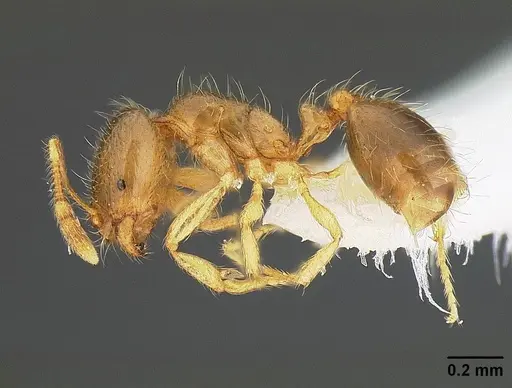
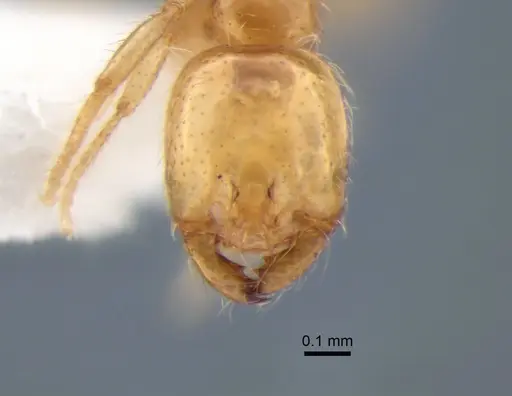
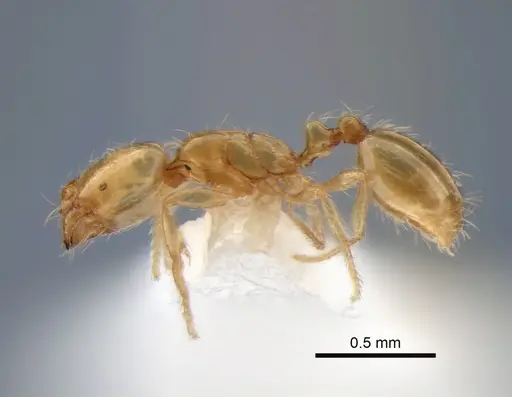
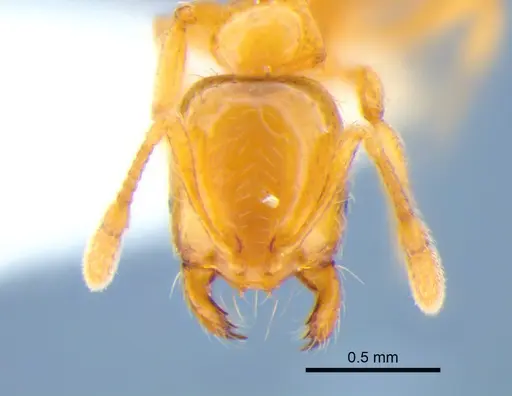
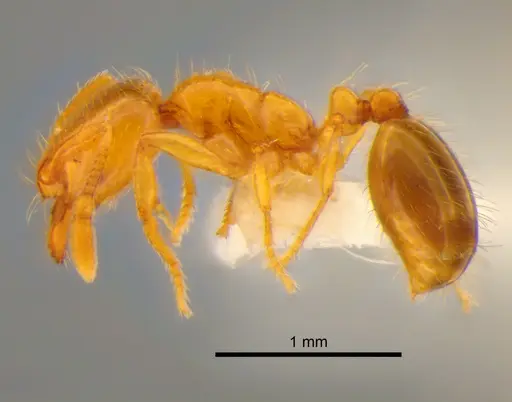
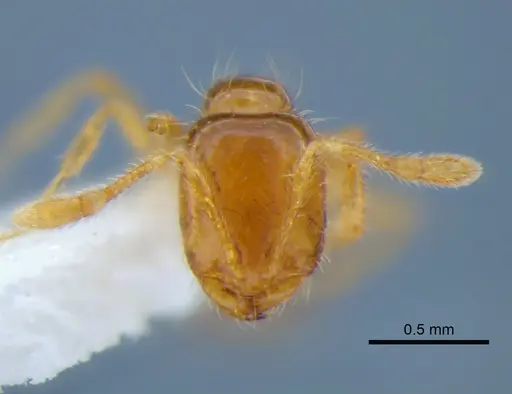
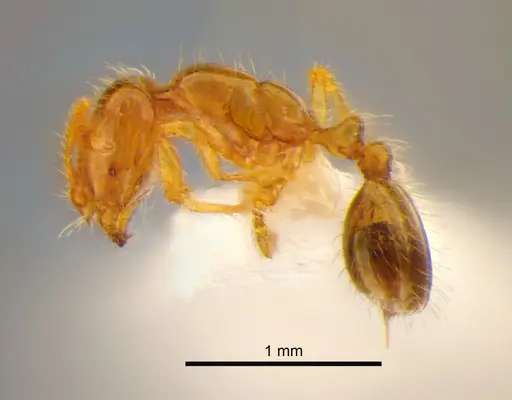
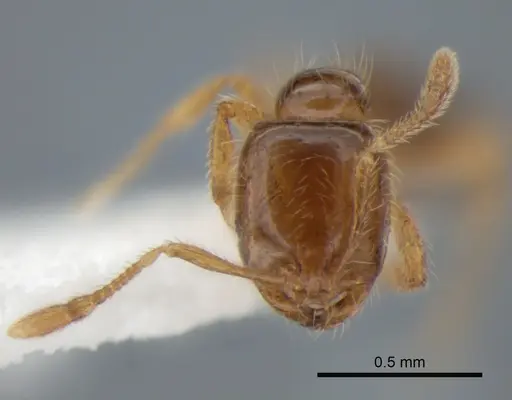
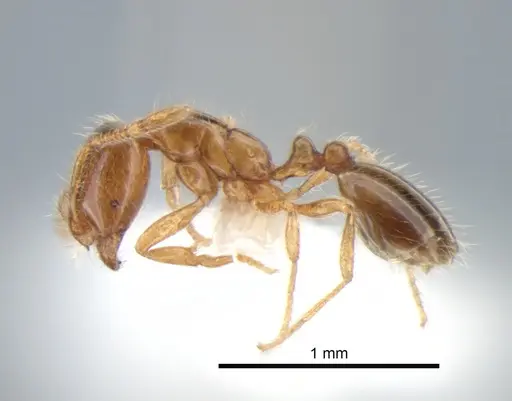
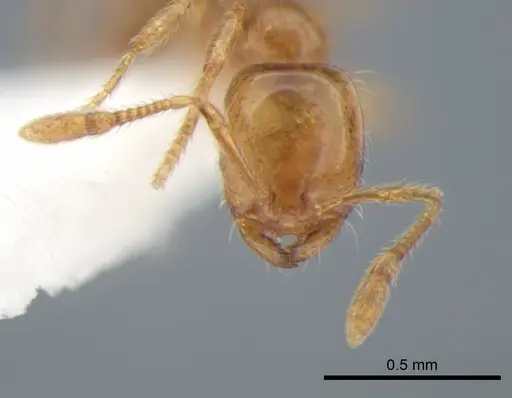
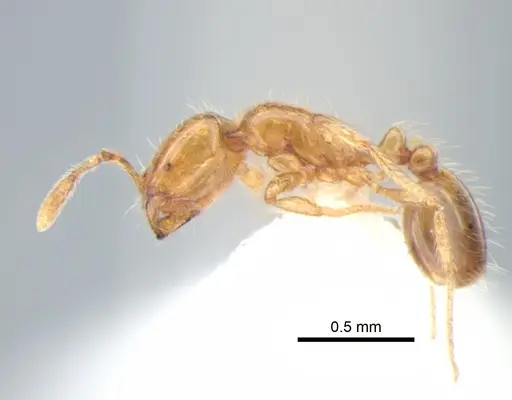
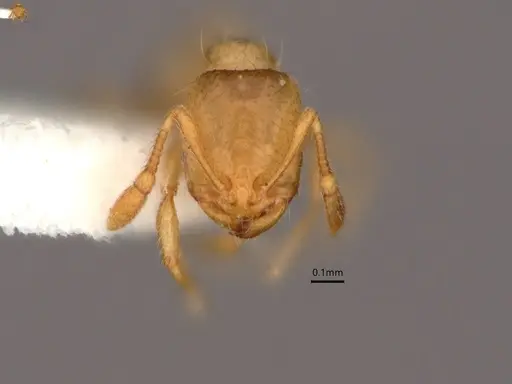
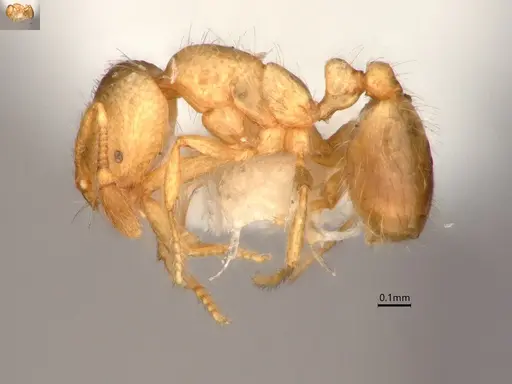
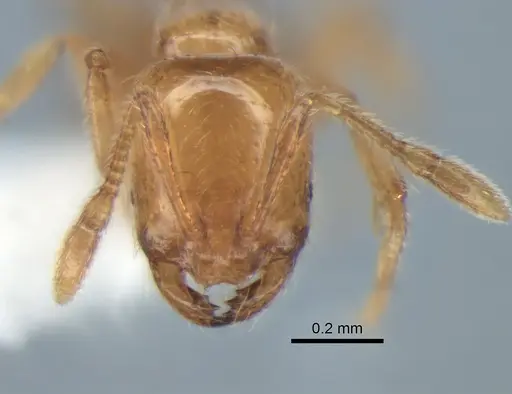
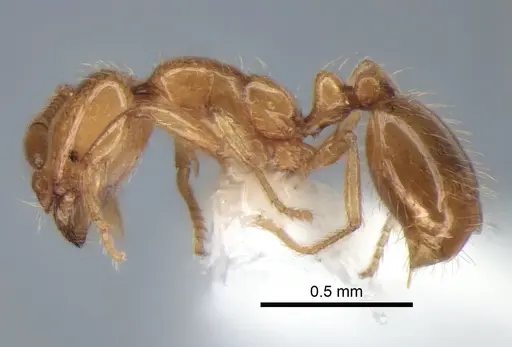
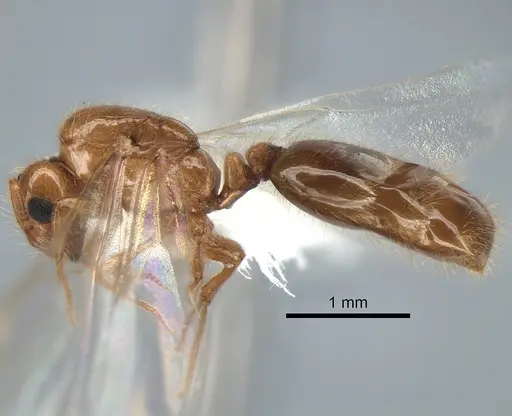
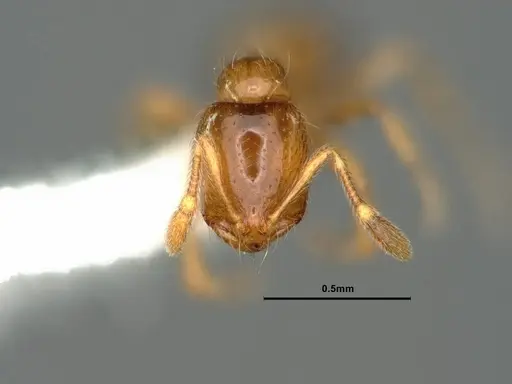
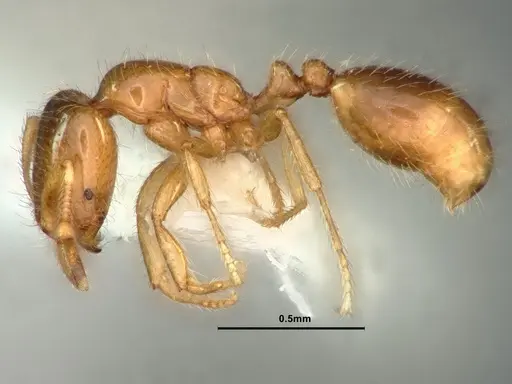
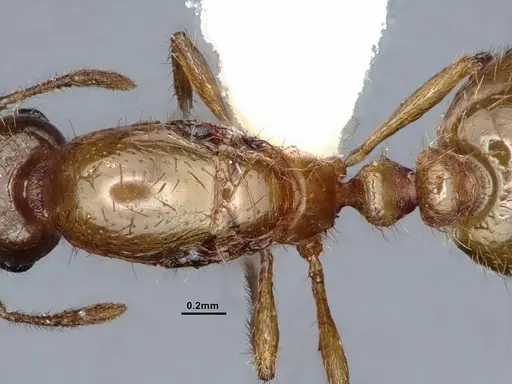
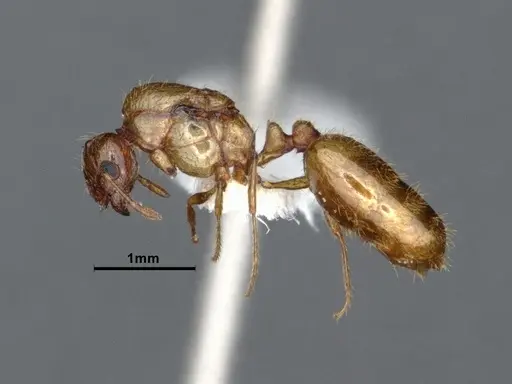
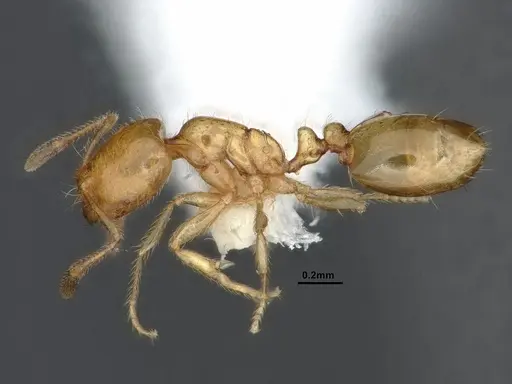
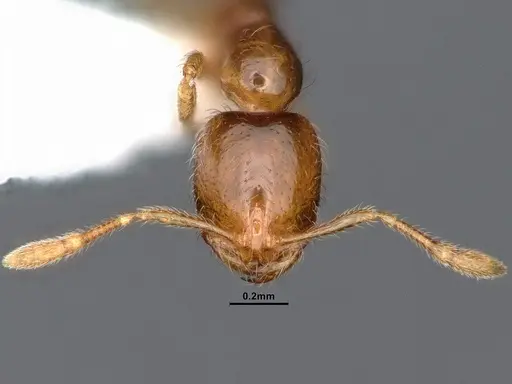
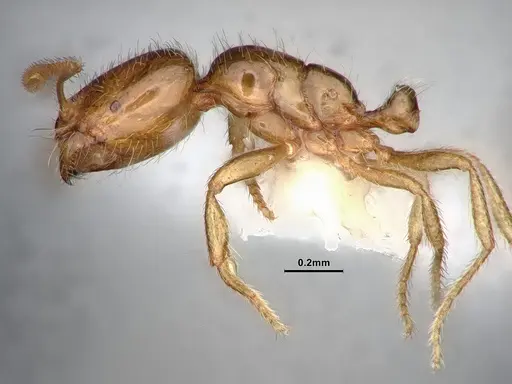
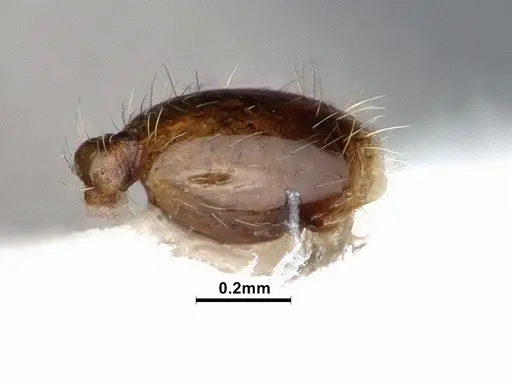
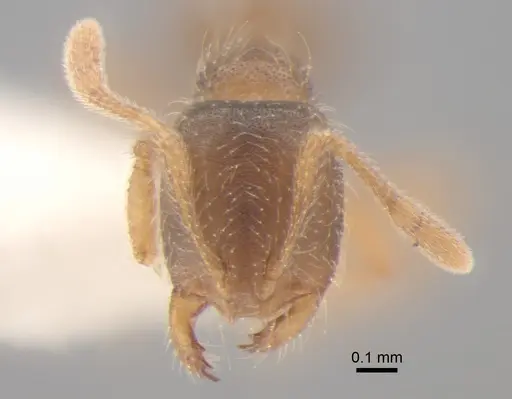
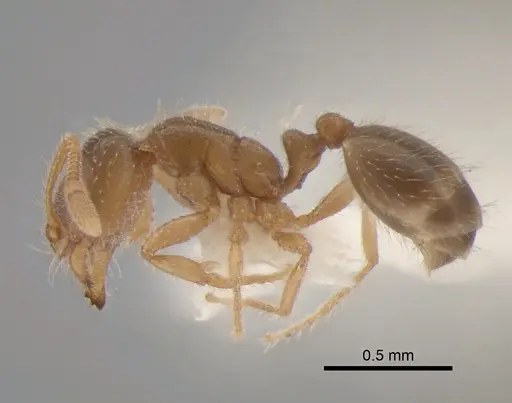
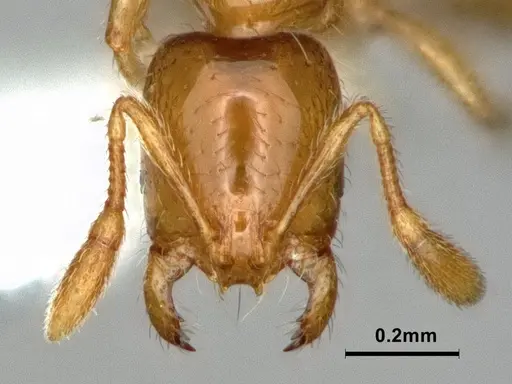
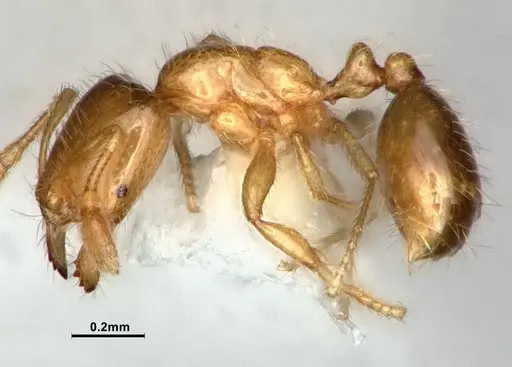
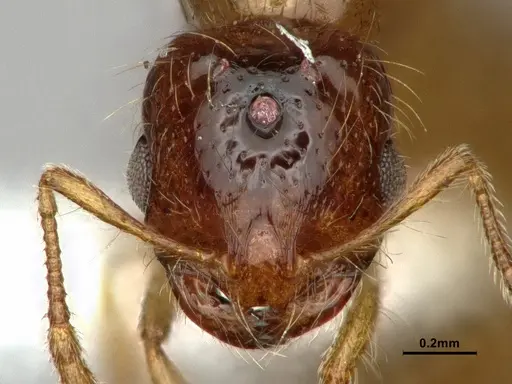
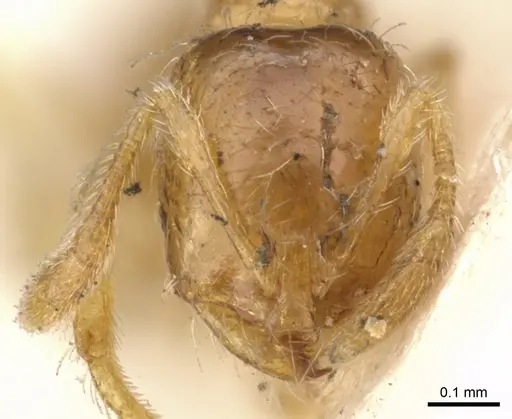
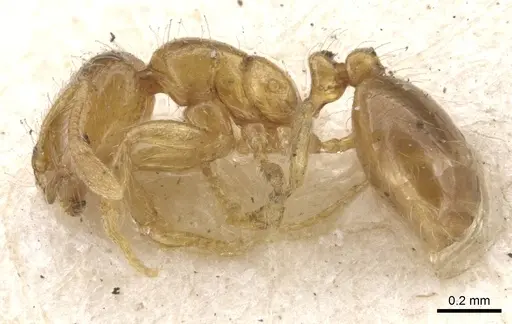
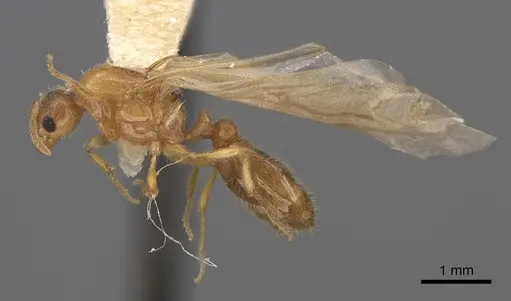
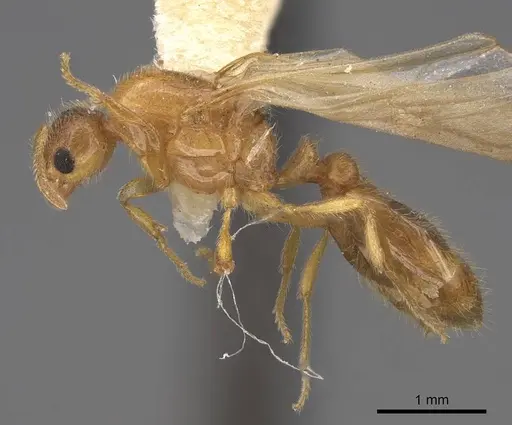
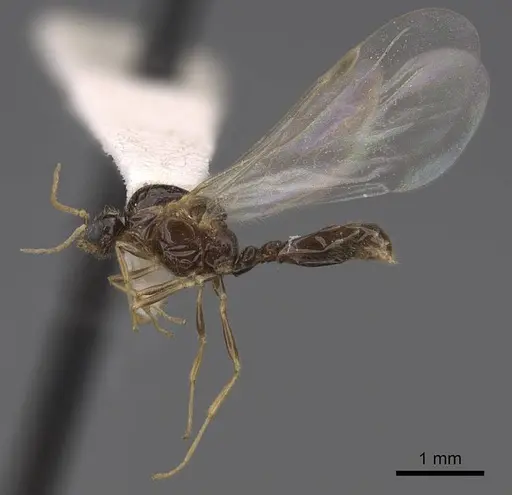
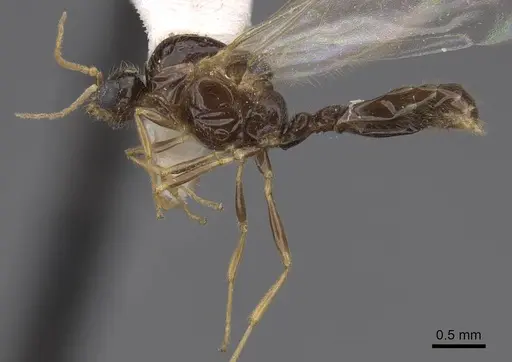
Solenopsis molesta is one of the smallest ants in North America, with workers measuring 1.5-1.8 mm in total length [1]. Queens are much larger at 4.68-5.64 mm [2]. These tiny yellow to pale brown ants get their common name (thief ants) from nesting near larger ant colonies and stealing their food and brood [3][4]. They construct tiny underground tunnels that connect to host nests, allowing them to forage safely in spaces too small for their hosts [4]. The species ranges across southern Canada, most of the continental United States, and northern Mexico [3]. It is also a notable household and agricultural pest that damages seeds by hollowing them out for oils [4][5].
Quick Summary
- Difficulty: Medium
- Origin & Habitat: Native to North America, found across southern Canada, the continental US, and northern Mexico. Naturally nests in soil under stones, in fields, meadows, pastures, open woodlands, and also inside homes in walls and baseboards. Prefers open, disturbed areas [1][4][5].
- Colony Type: Usually monogyne (single queen), but occasionally polygyne with up to 8 queens. Ergatoid (wingless) replacement reproductives have been documented, allowing colony recovery if the primary queen dies [1][4].
- Size & Growth:
- Queen: 4.68-5.64 mm [2]
- Worker: 1.5-1.8 mm [1]
- Colony: Up to a few thousand workers, one colony contained 2,946 individuals [6]
- Growth: Moderate
- Development: Minimum 52 days (16 days egg + 21 days larva + 2 days semipupa + 13 days pupa) under optimal conditions [4] (Development times vary with temperature and moisture. Eggs take 16-28 days to hatch. Larvae can overwinter, one larva lasted from October to May (7 months). Worker pupae require 13-27 days [4].)
- Antkeeping:
- Temperature: Keep at room temperature (20-24 °C). They tolerate a wide range but prefer warm conditions. In the wild, workers cluster under stones to absorb heat [4]. Provide a temperature gradient if possible.
- Humidity: Moderate humidity preferred. Keep nest substrate consistently moist but not waterlogged. Colonies move to different soil depths based on moisture, deeper in dry weather, shallower in wet weather [4].
- Diapause: Partial dormancy in winter. In nature, colonies show reduced activity and some larvae overwinter [4]. In captivity, provide a cool period (10-15 °C) for 2-3 months to simulate winter.
- Nesting: Test tubes work well for founding. For larger colonies, use a naturalistic setup with soil or a Y-tong/plaster nest with small chambers. Because of their minute size, excellent escape prevention is critical, apply fluon on container edges and use fine mesh (
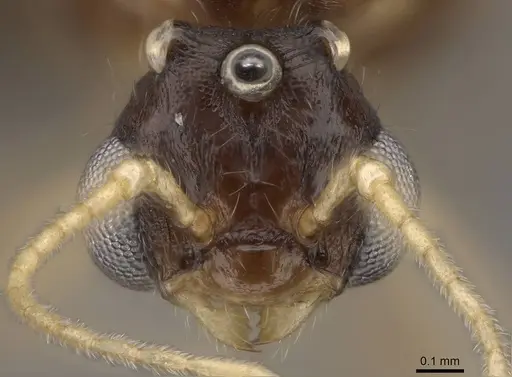
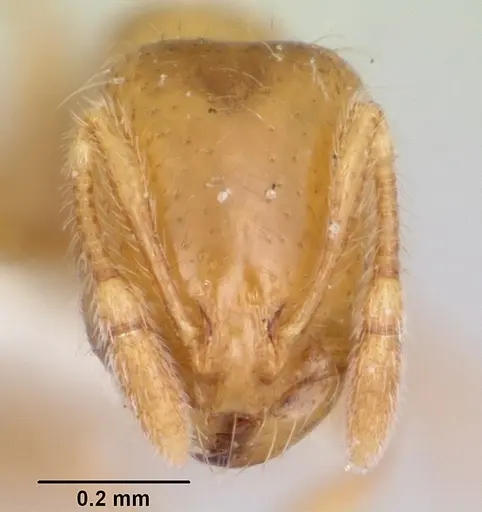
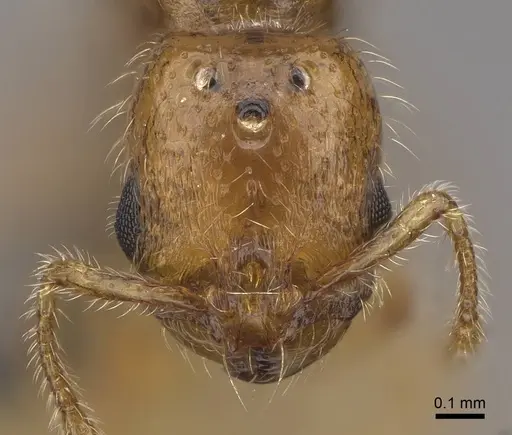
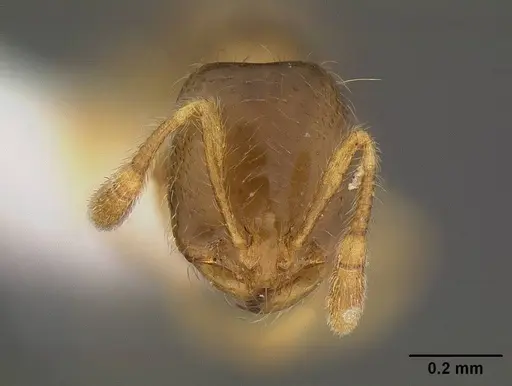
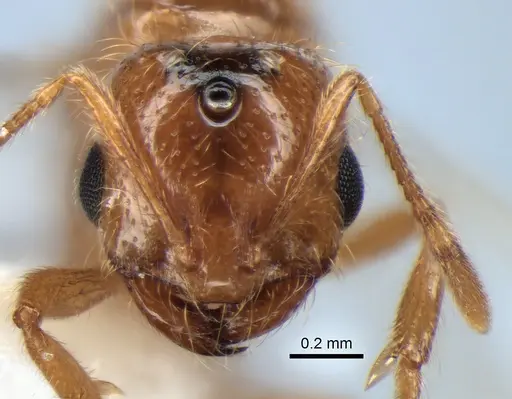
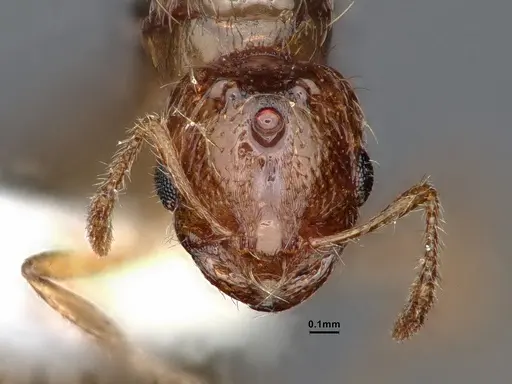
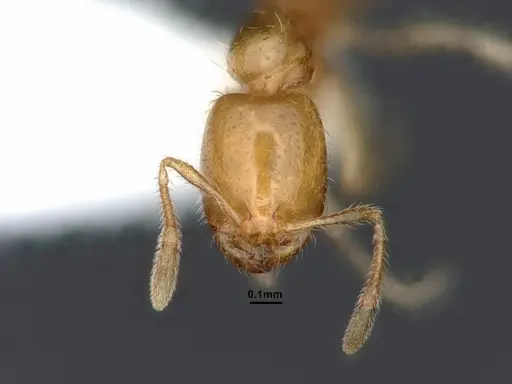
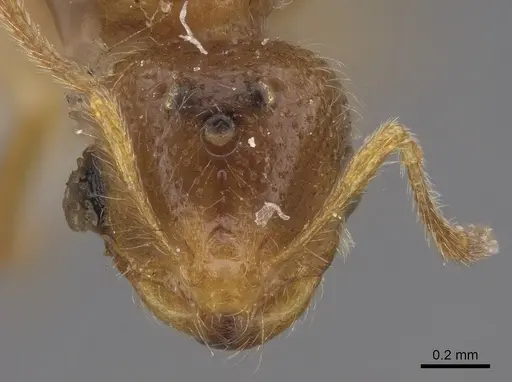
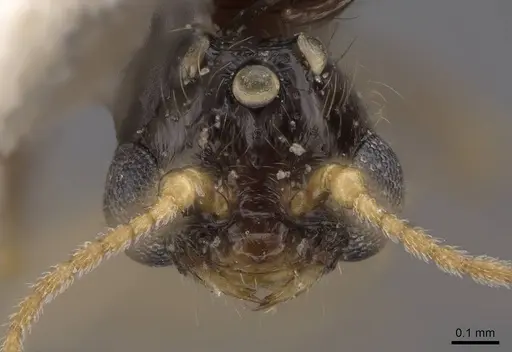
- Behavior: These ants are secretive and subterranean, avoiding light due to their tiny eyes (3-5 ommatidia) [4][2]. They are not aggressive and rely on stealth. Workers form trails to food sources once discovered [4]. They have a stinger but it is ineffective on humans [7]. Their small size makes them excellent escape artists [5].
- Common Issues: tiny size makes escapes likely, use fine mesh (, substrate must be kept consistently moist, colonies can dry out quickly., overfeeding leads to mold, offer small amounts of food every 2-3 days., wild-caught colonies may carry mites (Hypaspis sp.) on workers, queens, and eggs [4]., slow initial growth, be patient and avoid overcorrecting with extra food., secretive nature means you will rarely see them foraging in the open.
Nuptial Flight Activity Analysis 768 observations
Flight Activity by Hour 768 observations
Solenopsis molesta nuptial flight activity peaks around 21:00 during the night. Activity is spread across a 24-hour window (00:00–23:00). Times may be influenced by human observation patterns.
Housing and Nest Setup
Solenopsis molesta needs appropriately scaled housing. For founding queens, a test tube with a small water reservoir works well. For established colonies, use a naturalistic setup with moist soil or a Y‑tong/plaster nest that mimics the small chambers (10-15 mm diameter) they create in nature [4]. Tunnels are about 1 mm in diameter [4]. Because these ants are tiny (1.5-1.8 mm), escape prevention is critical: apply fluon to container edges and cover ventilation holes with fine mesh (
Feeding and Diet
Thief ants are omnivorous but strongly prefer proteins and fats over sweets [5][4]. Offer small live prey like fruit flies, springtails, and pinhead crickets. They also accept small pieces of meat, cheese, and hard‑boiled egg. In the wild, they hollow out seeds to extract oils and tend aphids for honeydew [4]. Unlike many ants, they typically avoid sugar water [5]. Feed small amounts every 2-3 days and remove uneaten food to prevent mold. Due to their vestigial eyes, they locate food by smell rather than sight [4].
Temperature and Seasonal Care
Keep colonies at room temperature (20-24 °C). They tolerate a wide temperature range but develop fastest at optimum conditions. During summer, normal room temperature is ideal. In winter, provide a cool period around 10-15 °C to simulate natural seasonal cycles, as reproductives and brood are present from summer through fall but activity slows in colder months [4]. Some larvae overwinter [4]. Monitor moisture closely when using a heating cable on one side of the nest, place the cable on top to avoid drying the substrate.
Colony Development and Growth
Colony growth is moderate but can be slow initially. The minimum development time from egg to worker is 52 days under optimal conditions: 16 days for eggs,21 days for larvae,2 days for semipupa, and 13 days for pupae [4]. However, development can take much longer, larvae that overwinter may take 7+ months to transform to pupae the following spring [4]. Queens lay an average of about 103 eggs over a 16‑day period, with a documented maximum of 387 eggs from a single queen [4]. One colony was found with 26 ergatoid (wingless) queens, but typical colonies have only one reproductive queen [4]. Mature colonies can contain several thousand workers [1][6]. Be patient: it may take several months to see first workers and several years to reach large colony size.
Behavior and Temperament
Solenopsis molesta is a secretive, subterranean species that avoids confrontation. Workers have very small eyes (3-5 ommatidia) and are negatively phototropic, meaning they avoid light and forage primarily underground or in dark crevices [4][2]. They are not aggressive and rely on their tiny size to access resources that larger ants cannot reach. They form well‑defined trails to food sources once discovered, with workers following each other in single file [4]. In the wild, they live in lestobiotic relationships, nesting near or within nests of other ant species and stealing food and brood [3]. They have a stinger but it is too small to be effective on humans [7]. Their small size makes them excellent escape artists, so barrier maintenance is essential [5].
Common Problems and Solutions
The primary challenges with keeping Solenopsis molesta involve their tiny size and specific habitat needs. Escape prevention is critical, these ants can squeeze through gaps too small for most other ants. Apply fluon to all container edges and use fine mesh ( [4][5]
Frequently Asked Questions
How long does it take for Solenopsis molesta to produce first workers?
The minimum development time from egg to worker is 52 days under ideal conditions (16 days egg + 21 days larva + 2 days semipupa + 13 days pupa) [4]. However, this can take much longer if temperatures are cool or if larvae overwinter. Expect 2-3 months for first workers in a well‑established founding setup.
Can I keep Solenopsis molesta in a test tube?
Yes, test tubes work well for founding colonies. Use a small water reservoir and keep the cotton moist but not flooded. Because of their tiny size (1.5-1.8 mm), ensure the tube opening is sealed with cotton that is packed firmly, and apply fluon around the cap for extra security [5].
What do Solenopsis molesta ants eat?
They prefer protein and fat‑rich foods over sweets. Offer small live prey (fruit flies, springtails), small pieces of meat, cheese, or hard‑boiled egg. They will also eat seeds, hollowing them out to extract oils. Unlike most ants, they typically avoid sugar water [5][4].
How big do Solenopsis molesta colonies get?
Colonies can reach several thousand workers, one recorded colony contained 2,946 individuals [6]. Most colonies have a single queen, but polygynous colonies with up to 8 queens have been documented [1][4]. Full maturity typically takes 2-3 years.
Do Solenopsis molesta need hibernation?
They benefit from a cool period in winter (10-15 °C). In the wild, reproductives and brood are present from summer into fall, but activity reduces in colder months. Some larvae overwinter in the soil [4]. Provide a cool, dark space during winter.
Are Solenopsis molesta good for beginners?
They are considered medium difficulty. Their tiny size makes escape prevention challenging, and they have specific humidity and dietary needs. They are also secretive, so you won't see much activity. Experienced antkeepers who want something unusual may enjoy them more than beginners [1].
Why are they called thief ants?
They get their name from their behavior of nesting near and stealing food from larger ant colonies. They create tiny tunnels that connect to host nests, allowing them to safely forage for food and brood that larger ants cannot access [5][4].
Can I keep multiple queens together?
While colonies can be polygynous in nature (up to 8 queens documented), combining unrelated foundresses in captivity is not recommended and has not been studied. It is best to start with a single‑queen colony [1][4].
Why are my Solenopsis molesta dying?
Common causes include: drying out (they need consistent moisture), mold from overfeeding, escapes due to inadequate barriers, and stress from excessive light exposure (they are negatively phototropic). Check that your setup maintains humidity and that all escape routes are sealed [4][5].
Report an Issue
The current care sheet is based fully on literature. See inconsistencies, or something that's incorrect? Please , it will be resolved after review from an admin. Contributing to the blogs tab also helps providing information, to make us be able to further improve the caresheets. Thank you for your support!
References

This caresheet is licensed under CC BY-SA 4.0 .
ANTWEB1041807
View on AntWeb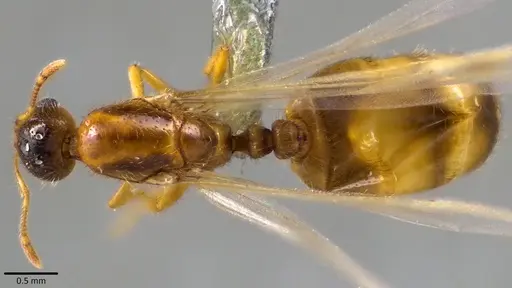
CASENT0005805
View on AntWeb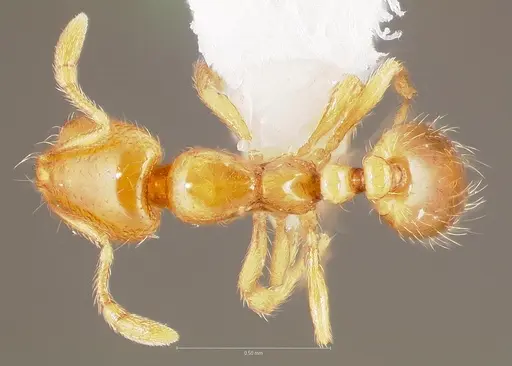
CASENT0005809
View on AntWeb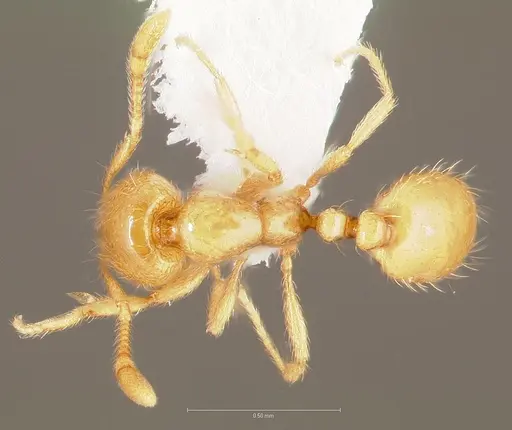
CASENT0005936
View on AntWeb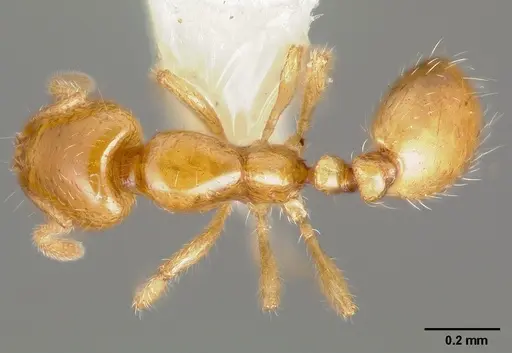
CASENT0007774
View on AntWeb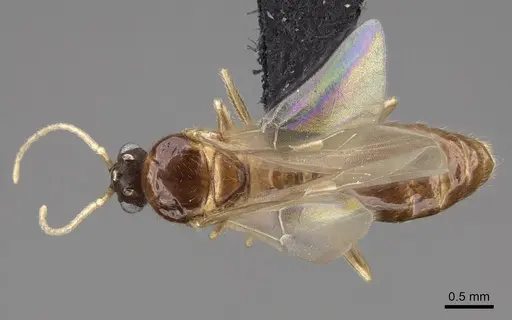
CASENT0103156
View on AntWeb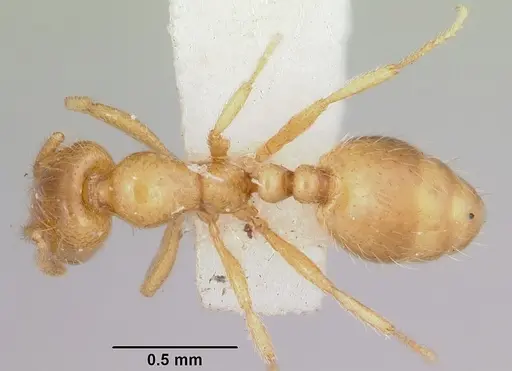
CASENT0106027
View on AntWeb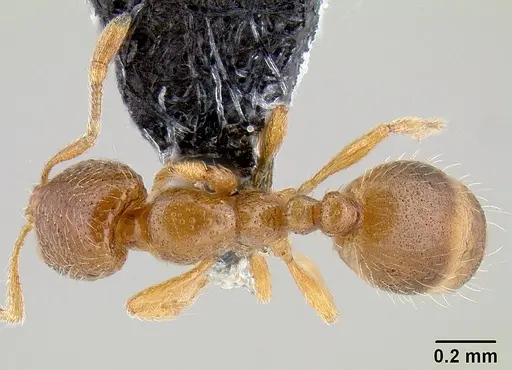
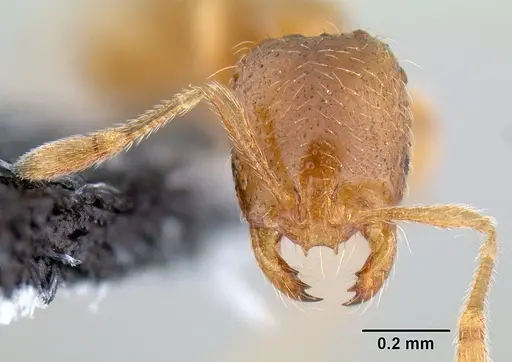
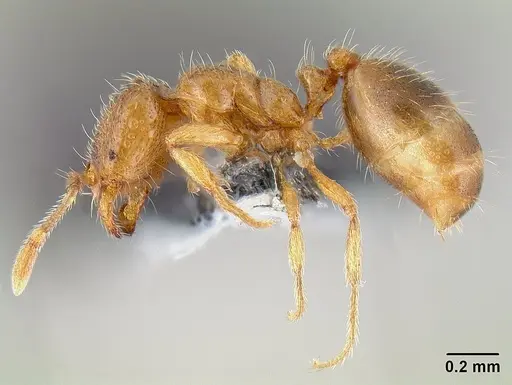
CASENT0349017
View on AntWeb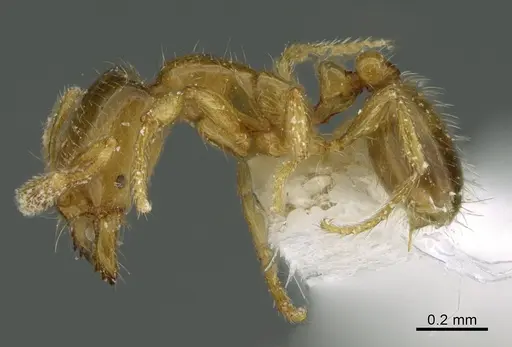
CASENT0636197
View on AntWeb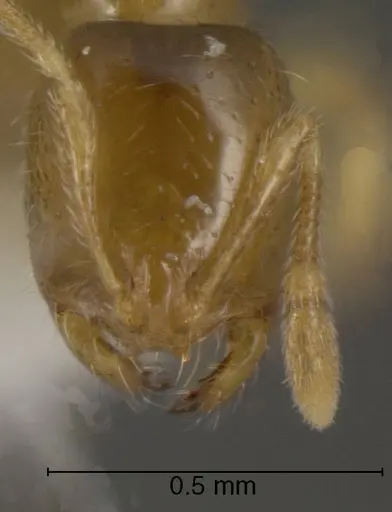
CASENT0724864
View on AntWeb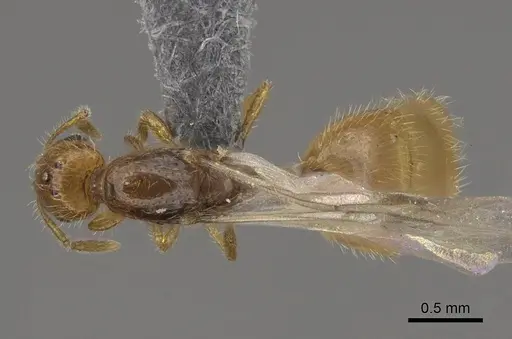
CASENT0732624
View on AntWeb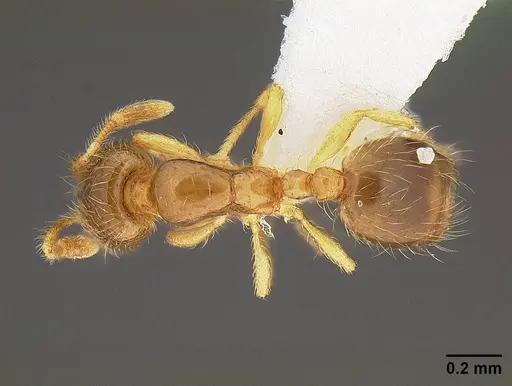
CASENT0882124
View on AntWeb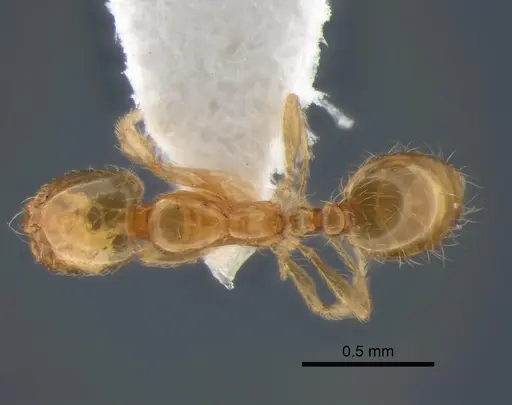
CASENT0882252
View on AntWeb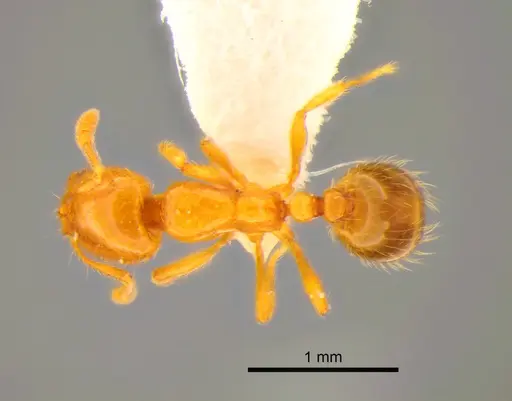
CASENT0882253
View on AntWeb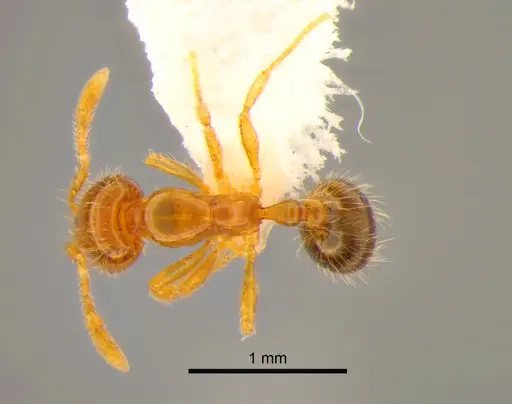
CASENT0882259
View on AntWeb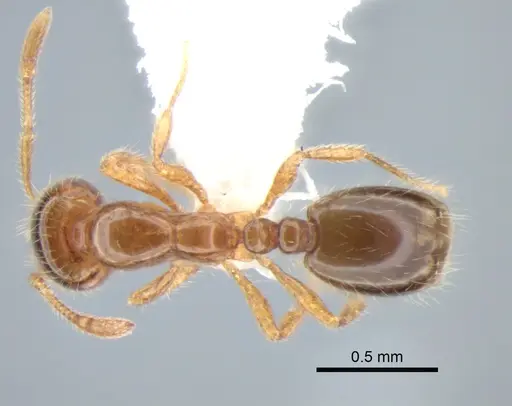
CASENT0882260
View on AntWeb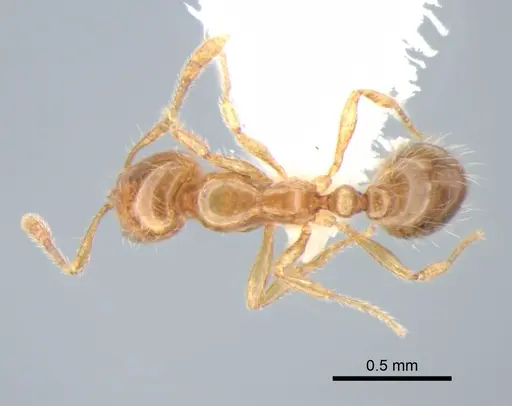
CASENT0882266
View on AntWeb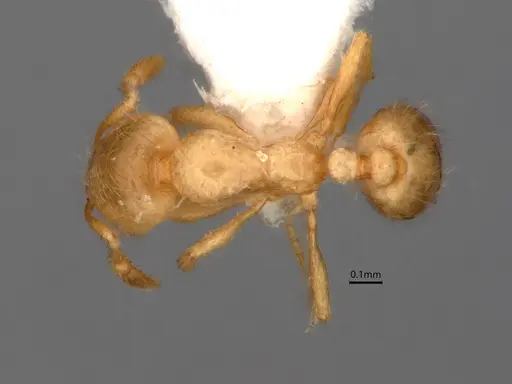
CASENT0882278
View on AntWeb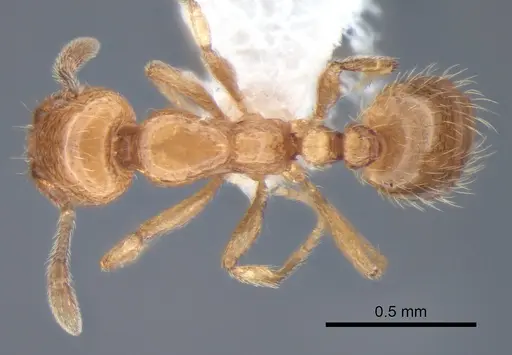
CASENT0882299
View on AntWeb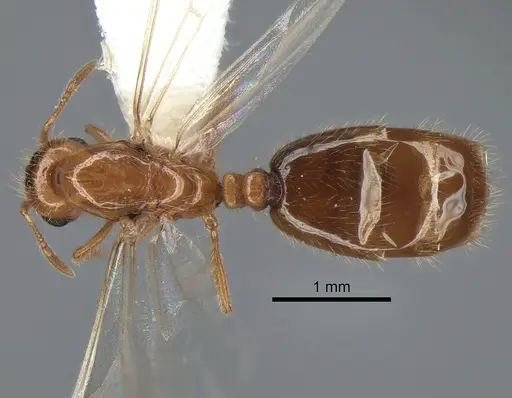
CASENT0883366
View on AntWeb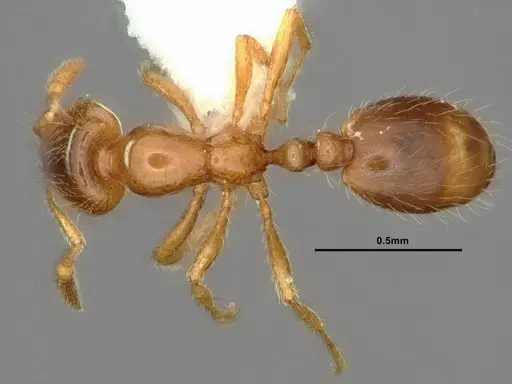
CASENT0884277
View on AntWeb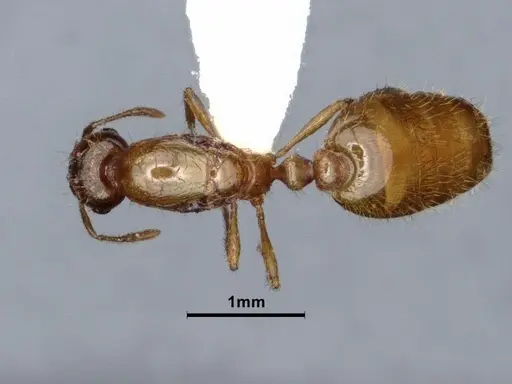
CASENT0884278
View on AntWeb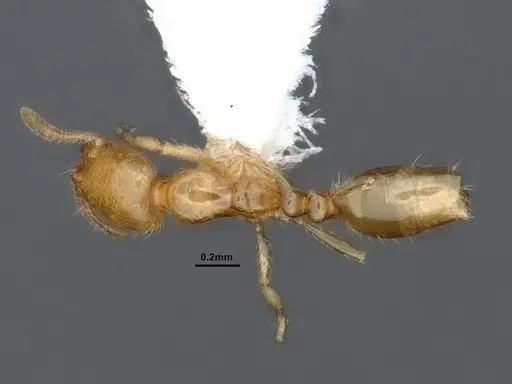
CASENT0884282
View on AntWeb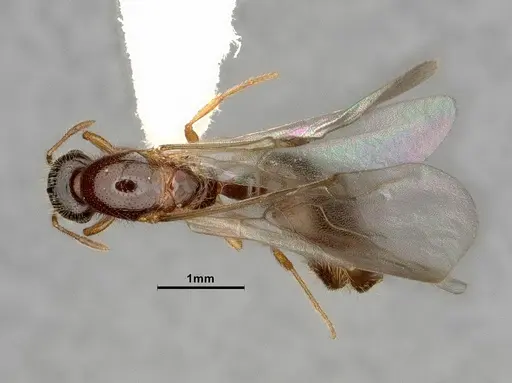
CASENT0884390
View on AntWeb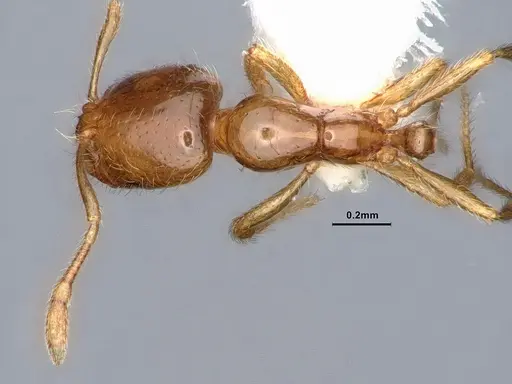
CASENT0886692
View on AntWeb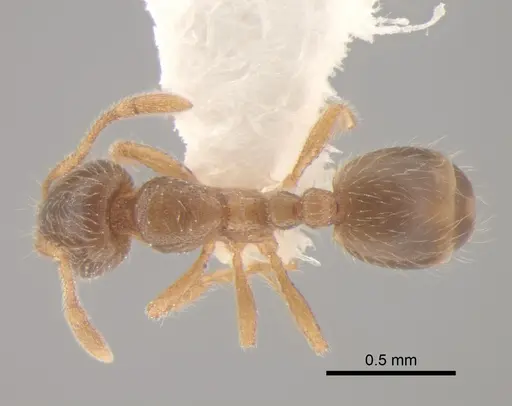
CASENT0886988
View on AntWeb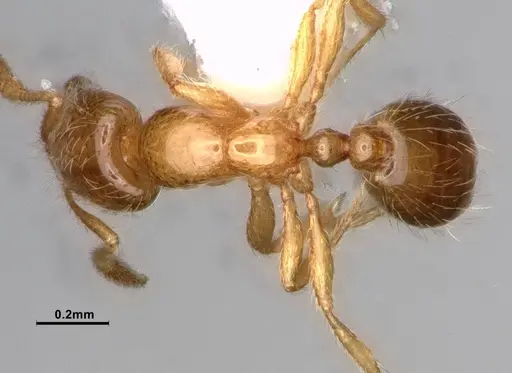
CASENT0886989
View on AntWeb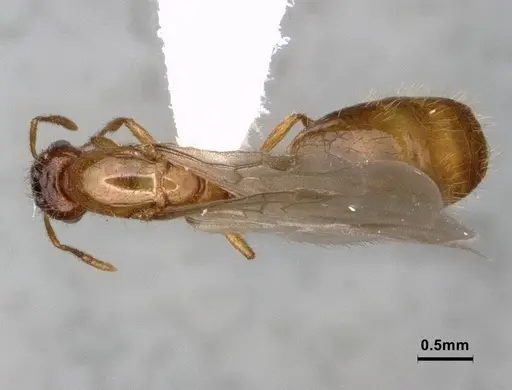
CASENT0902336
View on AntWeb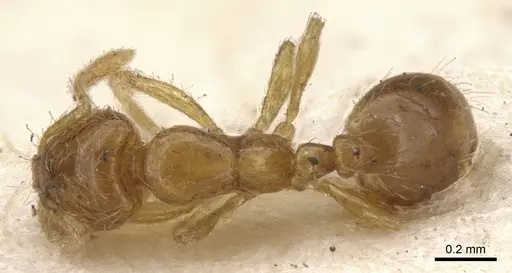
CASENT0923079
View on AntWeb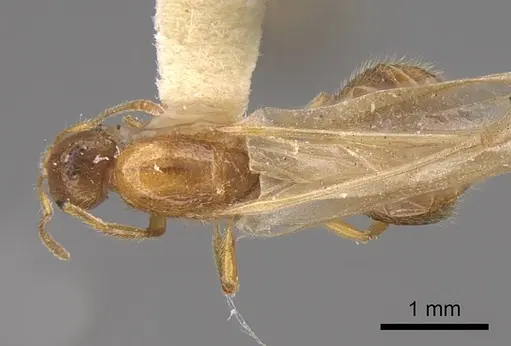
CASENT0923080
View on AntWeb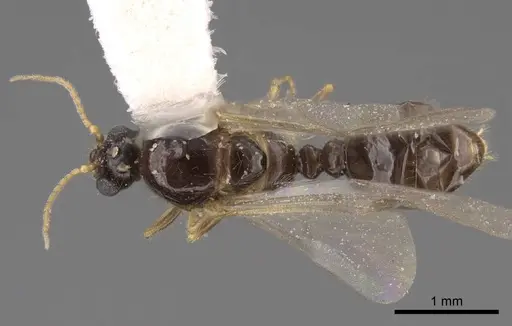
CASENT8368647
View on AntWeb