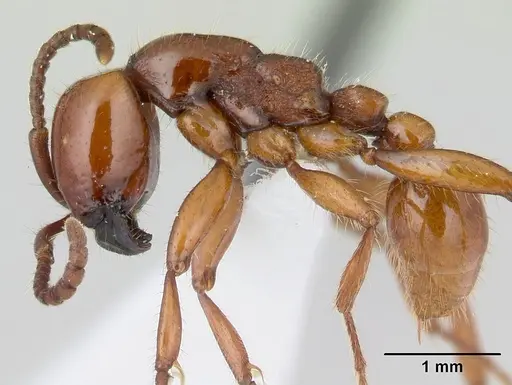
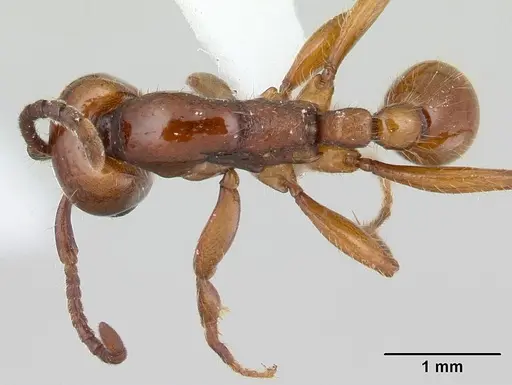
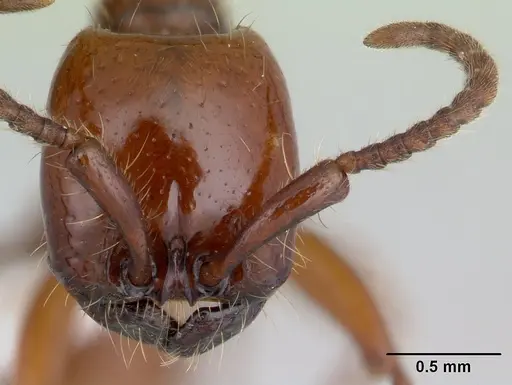
Neivamyrmex bohlsi - "Bohls' Army Ant"
Dive into the world of Neivamyrmex bohlsi, an incredible army ant species from the Dorylinae subfamily! These dynamic ants are renowned among antkeepers for their truly nomadic lifestyle. Forget traditional nests; Neivamyrmex bohlsi colonies are always on the move, forming temporary 'bivouacs' as they sweep across the landscape. As true army ants, their primary diet is a highly specialized one: the succulent brood (larvae and pupae) of other ant species. Their workers sport that classic army ant look, often with a strong build and distinct antennae, while their queens are fascinatingly 'ergatoid' – meaning they're wingless and stick with the colony's relentless, coordinated movements. Witnessing a Neivamyrmex bohlsi colony on a foraging raid is an unforgettable experience for any ant enthusiast!
- Difficulty: Expert
- Origin & Habitat: Neotropical Region (Argentina, Brazil, French Guiana, Guyana, Paraguay, Peru, Suriname, Venezuela) in Subterranean environments, often foraging on or just below the surface in forests and grasslands..
- Colony Type: Polygynous (some Neivamyrmex species are known to be, and army ant colony dynamics can be complex), budding (queen leaves with a portion of the original colony's workers) founding.
- Size & Growth:
- Queen: 8-12mm
- Worker: 2-5mm
- Colony: Large (tens of thousands to over a hundred thousand workers). Fast (due to continuous foraging and large colony sizes) growth.
- Antkeeping:
- Temperature: Maintain a stable warm temperature, ideally between 24-29°C (75-84°F). Consistent heat is crucial for brood development and active foraging cycles..
- Humidity: High humidity is essential, typically 70-90%. This can be achieved by keeping a portion of their substrate consistently damp, but with good ventilation to prevent mold..
- Diapause: Not required. Not specified at Not specified.
- Nesting: As nomadic army ants, they do not build permanent nests. They form temporary 'bivouacs' in the substrate. For captivity, a large, escape-proof container with a deep, moist substrate (such as coco fiber and sand mix) that allows them to dig and move is necessary. An outworld connected to this primary setup is vital for foraging and waste disposal..
- Behavior: High (towards prey and potential threats) aggressiveness.
- Common Issues: Maintaining consistent and appropriate food supply (other ant brood), Replicating nomadic behavior and providing adequate space, Humidity regulation and mold prevention, High escape risk due to coordinated foraging, Difficulty in direct observation of the queen and brood.
For serious antkeepers, taking on Neivamyrmex bohlsi is a true test of skill, primarily because of their incredibly unique nomadic lifestyle. Unlike most ant species that happily settle into a fixed formicarium, these army ants are always on the move, setting up temporary 'bivouacs' where the queen and brood huddle together. This means your ant setup can't just be a static nest; it needs to be a dynamic, often multi-chambered environment that allows and even encourages their constant migrations. Crafting a habitat with diverse substrate depths and types will brilliantly mimic their natural subterranean travels, providing them ample space to establish their moving homes.
One of the biggest hurdles when caring for Neivamyrmex bohlsi is their highly specialized diet. These incredible predators are 'myrmecophagous,' meaning they exclusively feast on the brood of other ant species. To succeed, you'll need a steady, abundant supply of feeder colonies, typically readily available Pheidole or Solenopsis colonies. Watching them execute their coordinated raids on these feeder colonies is nothing short of spectacular. However, without this consistent 'live' food source, your Neivamyrmex colony will quickly decline, underlining the absolute necessity of diligent feeder colony management for these army ants.
Maintaining the perfect balance of humidity and temperature is paramount for the vitality of a Neivamyrmex bohlsi colony. Hailing from the steamy tropics, they thrive in consistently high humidity, typically between 70-90%, which is crucial for preventing their delicate brood from drying out and supporting their subterranean journeys. Yet, it's a fine line to walk; overly wet or stagnant conditions can quickly invite dangerous mold. The key is a well-ventilated setup featuring varying moisture gradients. Always, always keep reliable hygrometers and thermometers in their habitat – precision monitoring is non-negotiable for success with these fascinating creatures.
When it comes to Neivamyrmex bohlsi, escape prevention isn't just important; it's critical. Their synchronized movements and knack for finding the tiniest gaps make them legendary escape artists in the antkeeping community. Invest in incredibly secure lids, apply generous fluon barriers, and meticulously seal every seam on your enclosure. Considering their predatory nature and a sting that can pack a punch, a rogue Neivamyrmex raid on your other ant colonies – or even a venture into your home – poses a serious risk. Make it a routine to double-check your setup, especially before and after every feeding session.
Due to their largely subterranean and always-on-the-move existence, getting a direct glimpse of the queen and her precious brood can be quite a challenge. Many seasoned army ant keepers learn to rely on observing their foraging expeditions and the overall vigor of the worker force as the best indicators of the colony's health. Cultivating patience and a deep understanding of their natural cycles, including their nomadic phases and crucial 'statary' phases (when they pause movement for intense egg-laying and brood development), is the ultimate secret to appreciating and successfully maintaining these truly extraordinary ants.
Frequently Asked Questions
Why are Neivamyrmex bohlsi such a challenge for even experienced antkeepers?
For dedicated ant enthusiasts, Neivamyrmex bohlsi are definitely in the 'expert' tier, and for good reason! Their inherently nomadic nature means they don't settle down; you'll need dynamic setups that beautifully mimic their constant migratory patterns. Then there's their highly specialized diet – these fascinating army ants demand a ceaseless supply of other ant species' brood, which means you're effectively running feeder colonies alongside them. And let's not forget their uncanny ability to escape, requiring enclosures that are nothing short of Fort Knox!
Do Neivamyrmex bohlsi queens have wings or participate in nuptial flights?
Unlike many common queen ants, Neivamyrmex bohlsi queens are 'ergatoid,' meaning they are completely wingless. They never embark on nuptial flights to found colonies. Instead, they are perfectly adapted to their subterranean and migratory lifestyle, moving seamlessly with their colony during every emigration phase. This is a key difference from species with alate queens.
How do Neivamyrmex bohlsi colonies get started in the wild?
In their natural habitat, new Neivamyrmex bohlsi colonies typically form through a process called 'budding.' This is where a queen, accompanied by a substantial contingent of her existing worker force and their precious brood, will split off from the parent colony to establish a brand-new outpost. There are no grand nuptial flights or claustral founding here, just pure, communal expansion.
What's the best diet for my Neivamyrmex bohlsi colony?
When it comes to feeding, Neivamyrmex bohlsi are quite specific. They are 'obligate myrmecophages,' which is a fancy way of saying their diet consists almost entirely of the larvae and pupae (the 'brood') of other ant species. Forget your standard mealworms or crickets; these ants require a consistent, healthy supply of live feeder colonies, often small Pheidole or Solenopsis setups, ready for them to raid and consume.
Can I house Neivamyrmex bohlsi in a typical static formicarium?
Unfortunately, a conventional formicarium designed for stationary colonies simply won't cut it for Neivamyrmex bohlsi. Their nomadic nature demands a highly specialized, dynamic setup that truly facilitates their constant movement and allows for the formation of temporary bivouacs. This often translates to large, interconnected tubs with deep substrate, dedicated outworlds for their foraging expeditions, and, critically, extremely robust escape-proofing measures. Some truly advanced keepers even employ automated moving systems.
Are Neivamyrmex bohlsi dangerous to handle?
While Neivamyrmex bohlsi aren't typically aggressive towards antkeepers unless directly provoked, their workers do possess a sting. This sting is primarily used for subduing their ant prey and can be quite painful to humans. The biggest 'danger' for any multi-colony ant setup is their highly efficient raiding behavior; if they escape, they can rapidly overwhelm and eliminate any other ant colonies you might be keeping.
How often do Neivamyrmex bohlsi colonies relocate their bivouac?
Neivamyrmex species operate on a fascinating cycle of nomadic and statary phases. During their nomadic periods, they'll relocate their bivouac frequently, sometimes even daily, as they diligently search for new prey resources. The statary phase sees them pause their movements for about 2-3 weeks, a crucial time for the queen to lay eggs and for the existing brood to mature, before their nomadic exploits resume. The precise frequency of these movements can indeed fluctuate based on factors like food availability and the sheer size of the colony.
Do I need to hibernate Neivamyrmex bohlsi?
No, Neivamyrmex bohlsi are tropical army ants, meaning they do not require a diapause, or hibernation, period. For optimal health and continuous breeding, they need consistently warm temperatures and high humidity levels throughout the entire year.
What kind of colony size can I expect from Neivamyrmex bohlsi?
Neivamyrmex colonies can swell to truly impressive numbers, often ranging from tens of thousands to well over a hundred thousand workers. This immense colony size is precisely what makes them such incredibly effective predatory raiders, allowing them to overpower and consume entire colonies of other ant species with ease.
Is it legal for me to keep Neivamyrmex bohlsi in my area?
The legalities surrounding the keeping of exotic ant species like Neivamyrmex bohlsi vary dramatically by location – from different countries to states and even local municipalities. Before even considering acquiring these ants, it is absolutely paramount that you meticulously research and strictly adhere to all relevant local, national, and international laws and regulations concerning the possession, import, and export of non-native or protected ant species. Always consult with your local agricultural or wildlife department; it's better to be safe than sorry when dealing with such specialized species.