

Neivamyrmex agilis
- Scientific Name
- Neivamyrmex agilis
- Subfamily
- Dorylinae
- Author
- Borgmeier, 1953
- Distribution
- Found in 2 countries
Neivamyrmex agilis Overview
Neivamyrmex agilis is an ant species of the genus Neivamyrmex. It is primarily documented in 2 countries , including Mexico, United States of America. Detailed taxonomic data and occurrence records can be further explored via authoritative databases such as AntWeb or the Global Biodiversity Information Facility (GBIF).
Neivamyrmex agilis
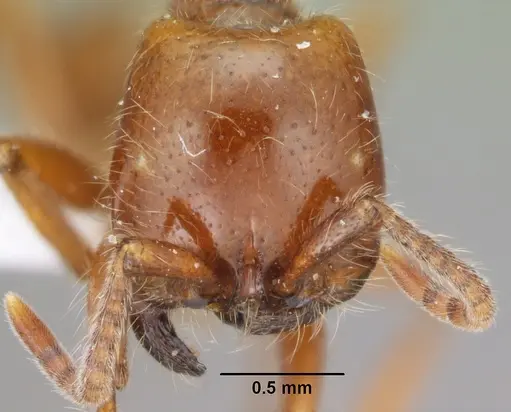
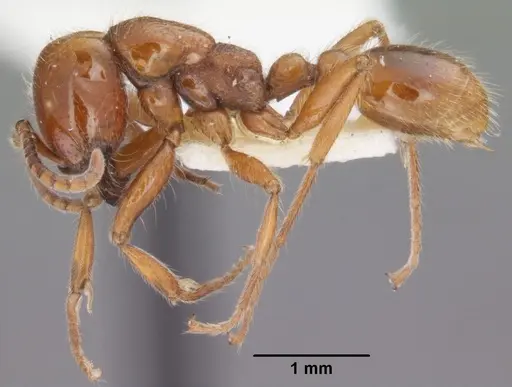
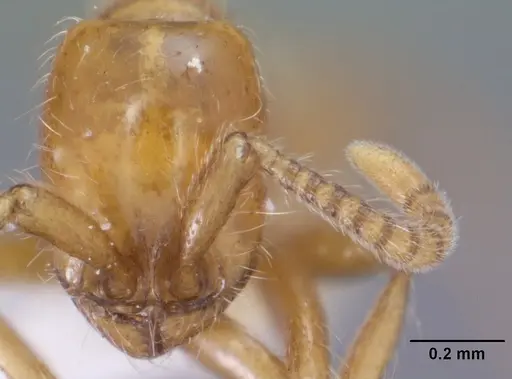
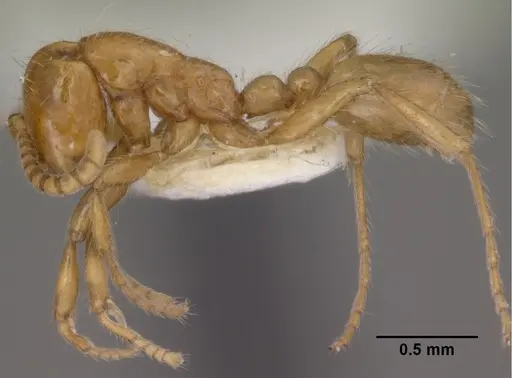
Neivamyrmex agilis is a small army ant species native to the Chihuahuan Desert region of the southwestern United States and northern Mexico. Workers are slender and relatively small, with smooth and shiny heads, and they lack well-developed eyes, a common trait in many army ant species that spend most of their time underground [1]. This species is rarely encountered and poorly studied, the queen and male remain unknown to science, though researchers believe Neivamyrmex andrei may be the male of this species [2].
What makes N. agilis particularly interesting is its foraging behavior, workers have been observed moving in long columns stretching several meters, searching through leaf litter and into crevices in search of prey [3]. Like all army ants, this species is predatory and likely participates in coordinated raids to capture invertebrate prey. However, being a seldom-collected species with limited records, much of its biology remains a mystery compared to better-studied army ant relatives.
Quick Summary
- Difficulty: Expert
- Origin & Habitat: Chihuahuan Desert region of southern Arizona, New Mexico, and northern Mexico (Chihuahua, Jalisco, Sonora, Morelos, Veracruz). Found in riparian areas and tropical deciduous forests at elevations around 945-990 meters [1][2].
- Colony Type: Colony structure is unconfirmed. As an army ant, likely forms colonies through budding/fission rather than nuptial flights. Queen and male remain undescribed by science [2].
- Queen: Socially parasitic
- Size & Growth:
- Queen: Unknown, queen has not been described [2]
- Worker: Approximately 3-4mm based on genus descriptions [1]
- Colony: Unknown, likely similar to other Neivamyrmex species reaching several hundred to a few thousand workers
- Growth: Unknown, likely fast like other army ants
- Development: Unknown, no direct measurements exist (Development timeline has not been studied. Army ants typically develop rapidly, but exact times are unconfirmed for this species.)
- Antkeeping:
- Temperature: Likely requires warm conditions similar to other Neivamyrmex species. Based on desert and tropical deciduous forest habitat, aim for 22-28°C with a gentle gradient. Monitor colony activity to fine-tune.
- Humidity: Moderate humidity is likely appropriate. Their natural habitat includes riparian areas and tropical deciduous forests, suggesting they tolerate some moisture but not waterlogged conditions. Provide a moisture gradient with a damp section and a drier area.
- Diapause: Likely requires a mild winter rest period given their temperate-to-subtropical range. Reduce temperature to around 15-18°C for 2-3 months during winter months.
- Nesting: Army ants do not build permanent nests, they form bivouacs from their own bodies. In captivity, provide a spacious outworld with multiple connected chambers or a formicarium that allows for frequent relocation. They need room to raid and migrate.
- Behavior: This is an army ant, meaning they are highly active predators that forage in organized columns. Workers are likely aggressive toward invertebrates and may raid other ant colonies for brood. They are escape artists given their small size, excellent barrier systems are essential. Unlike many ants, army ants are nomadic and will regularly relocate their entire colony. They do not store food and require constant prey availability.
- Common Issues: queen and male are unknown, you cannot establish a colony from a founding queen, colonies cannot be started from a single queen, you would need an established colony, escape prevention is critical due to their tiny size and active foraging behavior, requires constant access to live prey, cannot survive on sugar alone, nomadic behavior means they will frequently relocate, requiring flexible housing, very rare in the antkeeping hobby, obtaining a colony may be nearly impossible
Understanding Army Ant Biology
Neivamyrmex agilis belongs to the subfamily Dorylinae, commonly known as army ants. Unlike most ant species that build permanent nests, army ants are nomadic, they constantly move their colony in search of new hunting grounds. They form temporary bivouacs (living structures made from their own bodies) rather than excavating nests in wood or soil. This nomadic lifestyle is driven by their predatory nature, they exhaust prey in an area and must move on to find more food [3].
Army ant colonies reproduce through a process called budding or fission, where a portion of the colony splits off with multiple queens to form a new colony, rather than through winged reproductives conducting nuptial flights like most ant species. This makes army ant colonies inherently polygynous (multiple queens) at maturity. The queen of N. agilis remains unknown to science, which is unusual but not unheard of for rare Neivamyrmex species [2].
Obtaining a Colony
Obtaining Neivamyrmex agilis for antkeeping is extremely difficult. This is a seldom-collected species known only from a handful of records across its range in the American Southwest and northern Mexico [2]. Unlike common ant species where you might catch a founding queen during a nuptial flight, the queen and male of this species have never been described, you cannot establish a colony from a single queen because army ant queens are permanently parasitic and require a host colony to establish.
If you wish to keep this species, you would need to acquire an already-established colony from a specialized supplier, which is unlikely to exist given how rarely the species is collected. The practical reality is that N. agilis is not a species most antkeepers will ever have the opportunity to keep.
Housing and Care Requirements
If you were to keep this species, housing would differ significantly from typical ant setups. Army ants need spacious outworlds to conduct their raids, a large foraging area with multiple hiding spots and substrates for prey to hide in. They cannot be kept in traditional formicariums with fixed chambers because they need to relocate their bivouac regularly. Some keepers use setups with multiple connected containers that can be rearranged as the colony moves.
Temperature should be kept warm (22-28°C) with a gradient allowing the ants to self-regulate. Humidity should be moderate, think riparian forest floor conditions. Most importantly, you must provide constant access to live prey. Army ants are obligate predators that cannot survive on sugar water or seed caches alone. They need a steady supply of small invertebrates like springtails, fruit flies, small beetles, and other arthropods. A failed prey supply will quickly result in colony collapse.
Legal and Ethical Considerations
Before considering keeping any ant species, always verify its legal status in your jurisdiction. Neivamyrmex agilis is native to the United States and Mexico, and collecting native ants may require permits or be restricted in certain areas. Never collect from protected lands or remove colonies from the wild without proper authorization.
Additionally, consider whether it is ethical to keep a species that is so rarely studied and poorly understood. Every wild colony represents important scientific data that could help us understand this species better. If you do obtain a colony, documenting its behavior and development could contribute valuable knowledge to ant biology, as so little is currently known about N. agilis.
Frequently Asked Questions
Can I keep Neivamyrmex agilis as a pet ant?
In practice, no, this species is nearly impossible to obtain. The queen and male have never been described, so you cannot catch a founding queen like you can with most ant species. Army ant colonies also cannot be started from a single queen because they require a host colony to establish. Even if you could find an established colony, they are rarely collected and not available in the antkeeping hobby.
What do Neivamyrmex agilis eat?
As an army ant species, they are obligate predators that hunt invertebrates. In the wild, workers forage in columns searching through leaf litter for prey [3]. In captivity, they would need constant access to live small invertebrates like springtails, fruit flies, tiny beetles, and other micro-arthropods. They cannot survive on sugar water or honey alone like some ant species.
How big do Neivamyrmex agilis colonies get?
The maximum colony size is unknown, this species has never been studied in detail and is known only from a handful of specimens [2]. Based on related Neivamyrmex species, colonies likely reach several hundred to a few thousand workers. Army ant colonies are typically smaller than the famous Eciton species but can still be substantial.
Do Neivamyrmex agilis ants sting?
Army ants have stingers but are too small to penetrate human skin in most cases. Their primary defense is overwhelming numbers during raids rather than stinging. However, being predatory, they may bite if handled roughly. The bigger concern is their bite rather than sting for such small ants.
Where does Neivamyrmex agilis live?
This species is found in the Chihuahuan Desert region of southern Arizona, New Mexico, and northern Mexico (Chihuahua, Jalisco, Sonora, Morelos, Veracruz). They prefer riparian areas and tropical deciduous forests at elevations around 945-990 meters [1][2].
Are Neivamyrmex agilis good for beginners?
No, this species is absolutely not suitable for beginners. Beyond the extreme difficulty of obtaining a colony, army ants have specialized care requirements that differ dramatically from typical ant species. They need constant live prey, frequent relocation, and spacious housing. Additionally, almost nothing is known about their specific care requirements, making successful keeping nearly impossible.
Do Neivamyrmex agilis need hibernation?
Likely yes, given their presence in temperate-to-subtropical regions with distinct seasons. A mild winter rest period at reduced temperatures (around 15-18°C) for 2-3 months during winter months would likely be appropriate, though this has not been specifically studied for this species.
Why is the queen of Neivamyrmex agilis unknown?
This species is rarely collected and poorly studied, known only from a handful of records across its range [2]. Army ant queens are difficult to find because colonies are nomadic and don't maintain fixed nests. Additionally, the queen may be subterranean, rarely emerging with the colony. Researchers continue to study Neivamyrmex species, but N. agilis remains one of the more enigmatic members of the genus.
References

This caresheet is licensed under CC BY-SA 4.0 .
CASENT0102760
View on AntWeb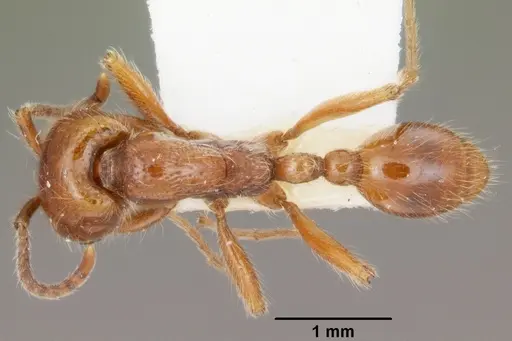
CASENT0102761
View on AntWeb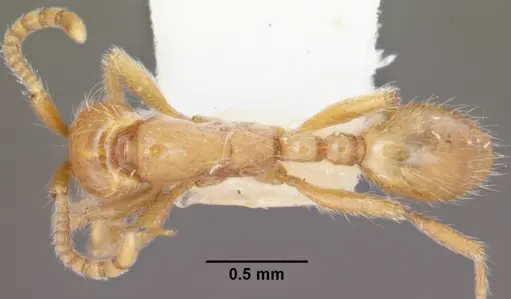
Literature
Loading...Loading products...