

Neivamyrmex asper
- Scientific Name
- Neivamyrmex asper
- Subfamily
- Dorylinae
- Author
- Borgmeier, 1955
- Distribution
- Found in 4 countries
Neivamyrmex asper Overview
Neivamyrmex asper is an ant species of the genus Neivamyrmex. It is primarily documented in 4 countries , including Costa Rica, Ecuador, Mexico. Detailed taxonomic data and occurrence records can be further explored via authoritative databases such as AntWeb or the Global Biodiversity Information Facility (GBIF).
Neivamyrmex asper
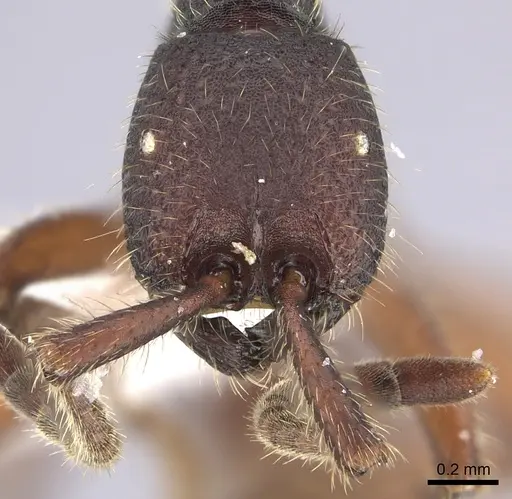
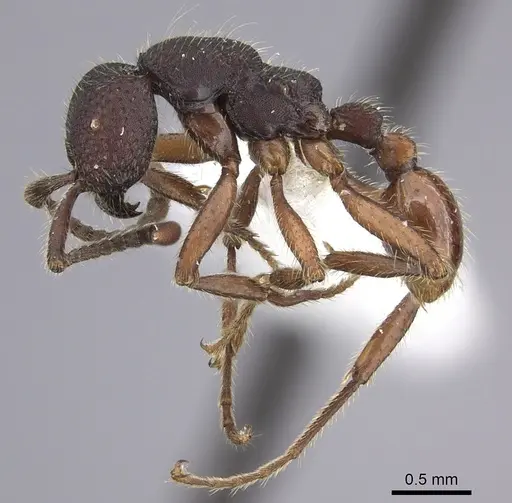
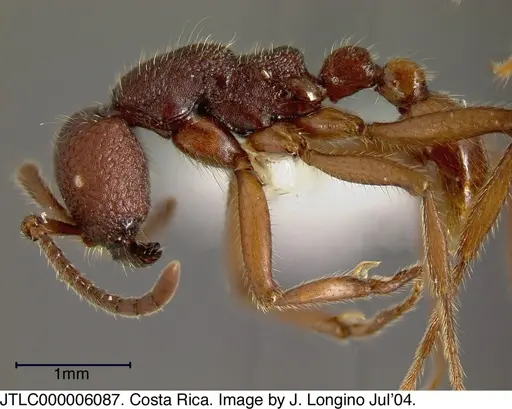
Neivamyrmex asper is a Neotropical army ant species found in Costa Rica and Mexico. Workers have a distinctive appearance with a densely foveolate-granular face that appears matte to slightly shiny, while the postpetiole and first gastral tergite are smooth and shining, creating a striking contrast with the foveate-granular sculpture of the petiole. This species inhabits Atlantic slope wet forests at elevations between 300-900 meters. Unlike many army ants that maintain massive single colonies, N. asper has been observed nesting inside nasutiform termite nests, with workers scattered throughout but spatially separated from the termites themselves. Brood is maintained in small, spatially separated batches of 10-20 larvae, suggesting a unique colony organization compared to typical army ant swarm raids.
Quick Summary
- Difficulty: Expert
- Origin & Habitat: Neotropical species found in Costa Rica and Mexico, specifically in Atlantic slope wet forests at elevations 300-900m [1]. Colonies have been documented nesting inside nasutiform termite nests, with workers foraging nocturnally on the ground surface.
- Colony Type: Colony structure is unconfirmed for this species. Based on typical Neivamyrmex patterns, colonies likely have multiple queens and can reach thousands of workers. The observed brood arrangement in small separated batches suggests potential polydomous organization.
- Size & Growth:
- Queen: Unknown, queen caste has not been described for this species
- Worker: Unspecified in available literature [2]
- Colony: Unknown, no colony size data available
- Growth: Unknown
- Development: Unknown, development timeline has not been documented (Based on typical army ant development, expect relatively fast growth at warm temperatures, but no specific data exists for this species)
- Antkeeping:
- Temperature: Keep warm, around 24-28°C. This species comes from tropical wet forests where temperatures remain consistently warm year-round.
- Humidity: High humidity required, think damp rainforest conditions. Keep nest substrate consistently moist but not waterlogged. Provide a gradient with slightly drier areas for workers to regulate themselves.
- Diapause: Unknown, no documented diapause requirement. As a Neotropical species from low elevations, they likely do not require hibernation, but seasonal activity patterns are unstudied.
- Nesting: This species has been found nesting inside termite nests in the wild. In captivity, a naturalistic setup with multiple connected chambers works well. Provide soil or sand substrate that can hold moisture. Given their association with termites, consider including termite-friendly materials or structures.
- Behavior: Nocturnal foragers that form columns on the ground surface. Predatory on termites and other small invertebrates. Workers are aggressive raiders when hunting. Escape prevention is critical, army ants are excellent climbers and can squeeze through small gaps. They are highly active and will explore any opening in their enclosure.
- Common Issues: no colony size data makes it difficult to plan housing capacity, expect large colonies, founding behavior is completely unconfirmed, obtaining a colony may require locating a wild colony, no documented queen caste means captive breeding may be extremely challenging, high humidity requirements can lead to mold problems if ventilation is inadequate, nocturnal activity means most keeper interaction happens in evening hours
Distribution and Natural History
Neivamyrmex asper is a Neotropical army ant restricted to Costa Rica and Mexico. The species occurs in Atlantic slope wet forests, typically at elevations between 300-900 meters. Workers have been collected using Winkler soil samples and sweepnet sampling, indicating they are ground-foraging ants that can be found both in soil and on vegetation. The most notable ecological observation is their association with nasutiform termite nests, colonies have been found living within termite structures, with workers scattered throughout but spatially separated from the termites themselves. This suggests a potential kleptoparasitic or commensal relationship rather than active predation on the host termites. Brood has been observed in small batches of 10-20 larvae, maintained in spatially separated groups within the nest structure. [1]
Identification and Distinguishing Features
Workers of Neivamyrmex asper can be identified by their distinctive sculpture pattern. The face is densely foveolate-granular, appearing matte to slightly shiny. The dorsum of the postpetiole and first gastral tergite are smooth and shining, creating a sharp contrast with the foveate-granular sculpture of the petiole. In face view, the posterolateral margins of the head lack the strongly produced triangular projections seen in some related species. These identification features are useful if you are attempting to verify species identification of wild-collected specimens. [1]
Foraging Behavior
This species is nocturnal, with workers observed forming columns on the ground during nighttime hours. Unlike some army ant species that conduct massive swarm raids, N. asper appears to maintain a more dispersed foraging pattern with workers scattered throughout their nesting area. The observed brood arrangement in small separated batches of 10-20 larvae suggests the colony may organize its brood in multiple locations simultaneously, potentially reducing the risk of total brood loss and allowing for more flexible raiding schedules. In captivity, you should expect most activity during evening and night hours, with workers becoming more active as lights dim. [1]
Housing and Nesting
In the wild, colonies have been found inside nasutiform termite nests, suggesting they can adapt to complex nested structures. For captive care, a naturalistic setup with soil or sand substrate works well, as this allows for the creation of multiple chambers and galleries. The substrate should be kept consistently moist to maintain high humidity. Given their association with termites in the wild, including materials that can support fungal growth or providing structures that mimic termite nest conditions may encourage natural behavior. However, avoid introducing actual termites as they may attack the ants. Use excellent escape prevention, army ants are excellent climbers and will exploit any gap in their enclosure. [1]
Feeding and Diet
Based on genus-level patterns and the observed association with termite nests, Neivamyrmex asper is predatory on other insects. In captivity, offer a variety of small invertebrates including mealworms, small crickets, and other feeder insects. Unlike some army ants that focus primarily on colony-wide protein raids, the dispersed foraging pattern observed in this species suggests they may be more opportunistic predators. Provide protein-rich foods regularly, and ensure prey items are small enough for workers to subdue. Sugar sources are unlikely to be significant given their predatory nature. [1]
Temperature and Humidity Requirements
As a Neotropical species from wet forest habitats, N. asper requires warm and humid conditions. Maintain temperatures in the 24-28°C range, avoiding drops below 22°C. High humidity is essential, aim for 70-85% relative humidity within the nest area. Use a moisture-retaining substrate and consider misting to maintain humidity levels. Provide a humidity gradient so workers can self-regulate. Avoid cold spots in the enclosure, as this species has no documented cold tolerance. [1]
Frequently Asked Questions
Is Neivamyrmex asper a good species for beginners?
No. This species is not recommended for beginners. Almost no captive care information exists for this species, we do not know their exact colony structure, founding behavior, development timeline, or specific dietary needs. They require high humidity and warm temperatures, and obtaining a colony likely requires locating a wild colony rather than purchasing from a breeder.
How do I obtain a Neivamyrmex asper colony?
Unlike many ant species sold in the hobby, Neivamyrmex asper is not commonly available from breeders. Based on available data, you would need to locate a wild colony, they have been found nesting inside termite nests in Costa Rica and Mexico. However, collecting from the wild is complex and may have legal implications depending on your location and the species' protected status.
What do Neivamyrmex asper ants eat?
Based on typical army ant behavior and their observed association with termite nests, they are predatory on other insects. Feed small live invertebrates such as mealworms, small crickets, fruit flies, and other appropriately sized feeder insects. They likely focus on protein rather than sugar, though you can offer sugar water occasionally.
What temperature do Neivamyrmex asper ants need?
Keep them warm, around 24-28°C. This species comes from tropical wet forests where temperatures remain consistently warm year-round. Avoid temperatures below 22°C.
Do Neivamyrmex asper ants need hibernation?
No hibernation is documented or likely required. As a Neotropical species from low elevations in Costa Rica and Mexico, they experience warm temperatures year-round and do not enter dormancy. Maintain warm temperatures throughout the year.
How big do Neivamyrmex asper colonies get?
Colony size is unknown for this specific species. Based on typical army ant patterns, colonies likely reach thousands of workers, but this is not confirmed for N. asper.
Can I keep multiple queens together?
This is unknown. Army ant colonies often have multiple queens, but colony structure has not been documented for this species. Without data on their social structure, combining queens is not recommended.
When do Neivamyrmex asper nuptial flights occur?
Nuptial flight timing is unknown for this species. No data exists on when sexuals (males and queens) emerge or mate.
Why are my Neivamyrmex asper dying?
Without species-specific data, we cannot identify common mortality causes. Ensure temperatures are warm (24-28°C), humidity is high (70-85%), and provide appropriate prey. Poor conditions, inadequate prey, or stress from handling may cause colony decline.
What makes Neivamyrmex asper different from other army ants?
Unlike typical army ants that conduct massive swarm raids, N. asper shows a more dispersed foraging pattern. They have been found nesting inside termite nests rather than in their own bivouacs, and brood is maintained in small separated batches, suggesting unique colony organization among army ants.
Is Neivamyrmex asper invasive anywhere?
No. This species is native to Costa Rica and Mexico in the Neotropical region. There are no records of it becoming established outside its native range.
References

This caresheet is licensed under CC BY-SA 4.0 .
CASENT0611951
View on AntWeb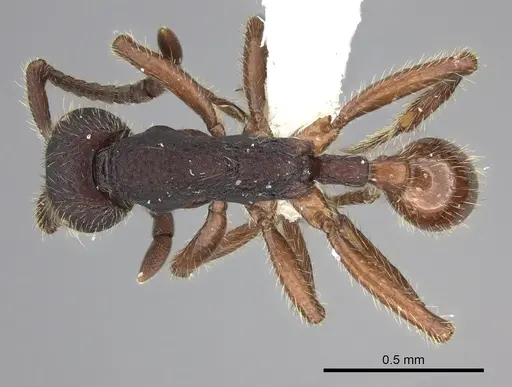
JTLC000006087
View on AntWeb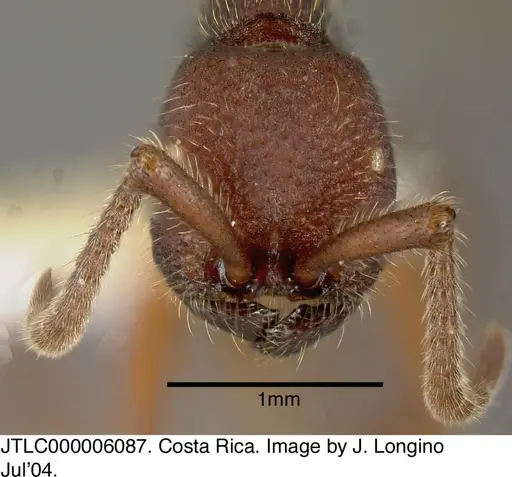
Literature
Loading...Loading products...