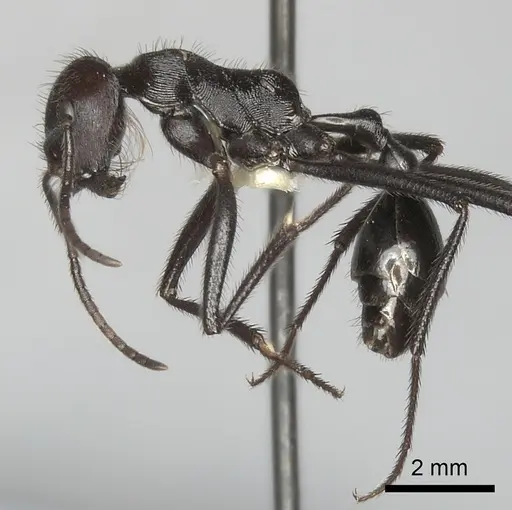
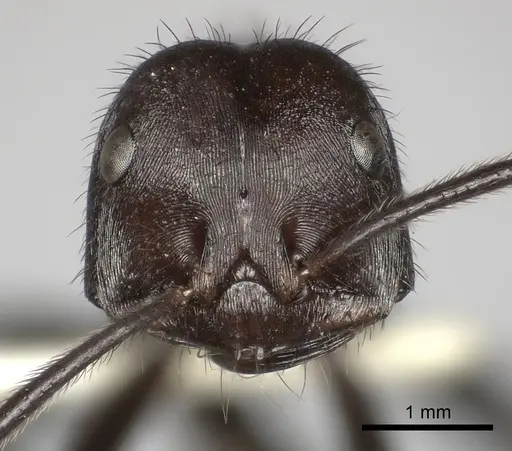
Ocymyrmex picardi - "Hotrod Ant"
Ocymyrmex picardi is a striking and relatively large ant species within the 'hotrod ant' genus, known for its extremely fast movement. These ants are primarily found in arid and semi-arid regions of southern Africa. They exhibit a monomorphic worker caste, meaning all workers are similar in size. A unique characteristic of this genus is their ergatoid queens, which are wingless and worker-like in appearance, though they are reproductively capable. Their color typically ranges from very dark red to black, with the head often being a slightly lighter shade and the gaster appearing darker.
- Difficulty: Medium
- Origin & Habitat: Southern and Eastern Africa (Angola, Botswana, Namibia, South Africa, Zimbabwe). in Dry savannas to extreme desert conditions, usually nesting deep in sandy soil or sometimes rocky areas..
- Colony Type: Monogyne (functionally, though multiple ergatoid females may be present, only one is typically inseminated)., claustral (colony multiplication is often by fission, where a group relocates to a new nest). founding.
- Size & Growth:
- Queen: 11.6-12.6mm
- Worker: Not specified
- Colony: Medium (200 to 1000 individuals).. Slow growth.
- Antkeeping:
- Temperature: These are thermophilic ants, meaning they thrive in high temperatures. They are active on insolated ground at temperatures ranging from 27°C to 67°C in the wild, often lowering body temperatures by pausing in shaded spots or climbing objects. For captivity, aim for higher room temperatures, ideally in the upper 20s to low 30s Celsius..
- Humidity: As a desert species, they prefer dry conditions in their nest chambers, but access to a water source is essential. The outworld can be kept relatively dry with a hydration source available..
- Diapause: Not required. Not specified at Not specified.
- Nesting: Deep-nesting species, often in loose sandy soil, with vertical tunnels leading to brood chambers. In captivity, a deep sand-based setup or a specialized formicarium mimicking their natural deep-nesting behavior would be suitable..
- Behavior: Medium (towards prey and potentially other ant species if encountered during foraging). aggressiveness.
- Common Issues: Humidity fluctuations, Overfeeding leading to waste and mold, Colony stalling due to incorrect temperature, Stress from frequent disturbances, Inadequate diet.
Ocymyrmex picardi are fascinating to observe due to their incredibly rapid and erratic movements. They are diurnal, meaning they are active during the day, especially in the hottest parts. This speed helps them capture heat-stressed insects in their natural desert environment. Providing a spacious outworld with varied terrain, including some elevated points or shaded spots, can allow them to exhibit these natural behaviors.
Their diet in the wild consists of about 70% arthropods, including live termites, and the remaining 30% from plant material. In captivity, a varied diet of feeder insects like roaches, mealworms, and crickets, alongside sugar water or honey, is crucial for their health. Ensure any feeder insects are gut-loaded and free of pesticides. It's important to offer a mix of both protein and carbohydrates to support colony growth and worker energy.
A notable feature of Ocymyrmex picardi is their ergatoid queens. Unlike most ant species with winged queens, these queens look very similar to workers but are reproductively active. This can make identifying the queen challenging for new keepers. While a colony might have multiple ergatoid females, typically only one is inseminated and functions as the primary reproductive queen. This unique aspect adds a layer of intrigue to their colony structure.
These ants are known to move their entire colony, including brood, to new nests over significant distances. This 'colony fission' behavior in the wild highlights their adaptability. While not directly reproducible in typical ant setups, it suggests they may benefit from the option to expand or relocate within a larger interconnected setup if their current space becomes unsuitable. Overcrowding can stress a colony, potentially leading to issues like aggression or cannibalism.
Due to their thermophilic nature, maintaining appropriate high temperatures is vital for Ocymyrmex picardi. Fluctuations or insufficient heat can lead to colony stress and a decline in activity. Conversely, ensuring proper ventilation in their formicarium is equally important to prevent mold growth, which can be a common issue, especially if humidity levels become too high. A hygrometer is a useful tool for monitoring humidity.