

Neivamyrmex swainsonii
- Scientific Name
- Neivamyrmex swainsonii
- Subfamily
- Dorylinae
- Author
- Shuckard, 1840
- Common Name
- Swainson's Legionary Ant
- Distribution
- Found in 4 countries
Neivamyrmex swainsonii Overview
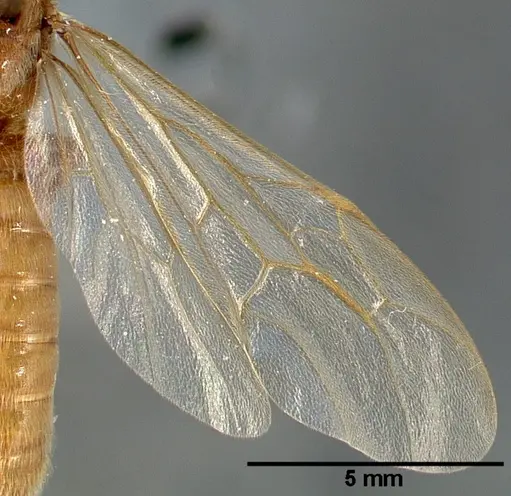
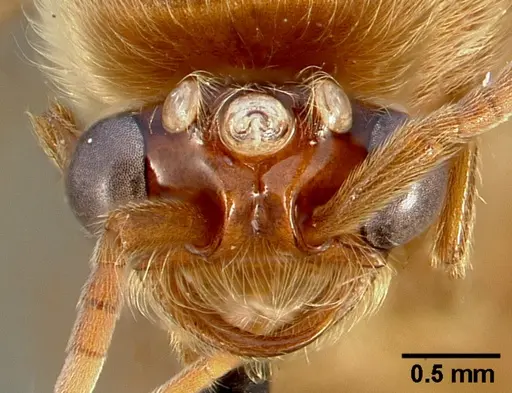
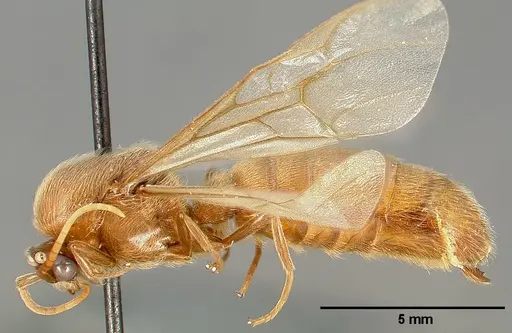
Neivamyrmex swainsonii (commonly known as the Swainson's Legionary Ant) is an ant species of the genus Neivamyrmex. It is primarily documented in 4 countries , including Costa Rica, Mexico, Nicaragua. Detailed taxonomic data and occurrence records can be further explored via authoritative databases such as AntWeb or the Global Biodiversity Information Facility (GBIF).
Neivamyrmex swainsonii - "Swainson's Legionary Ant"
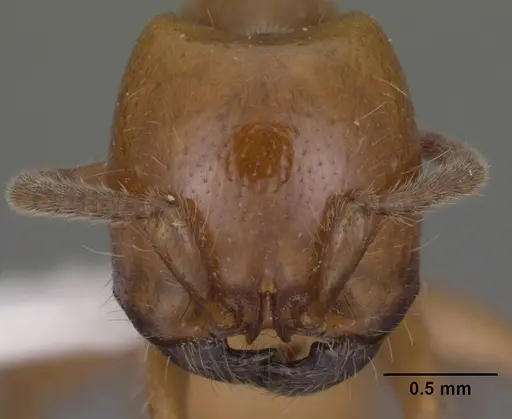
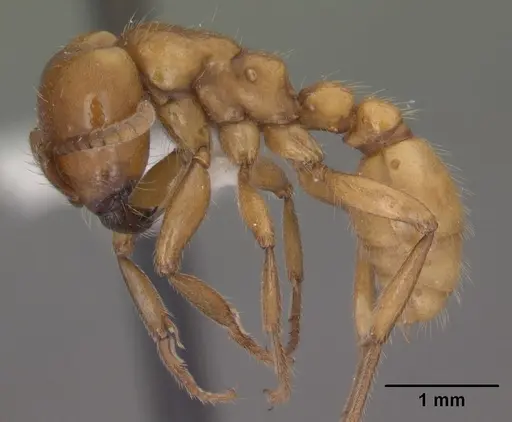
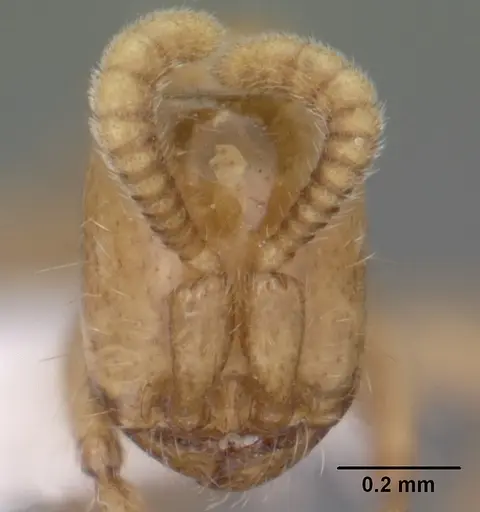
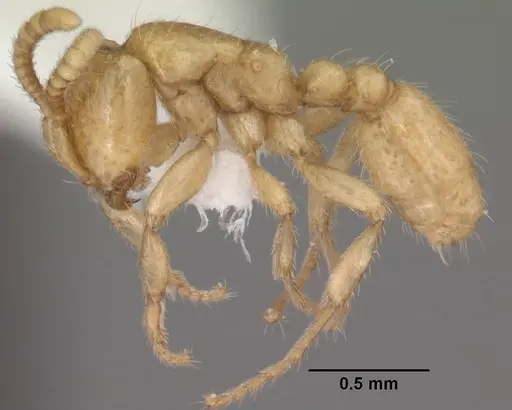
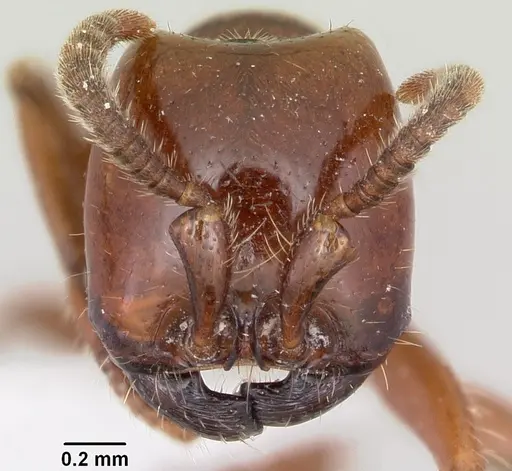
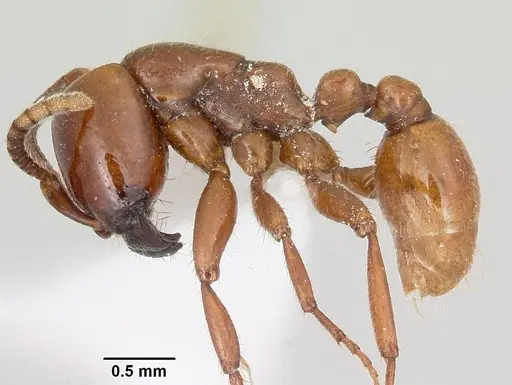
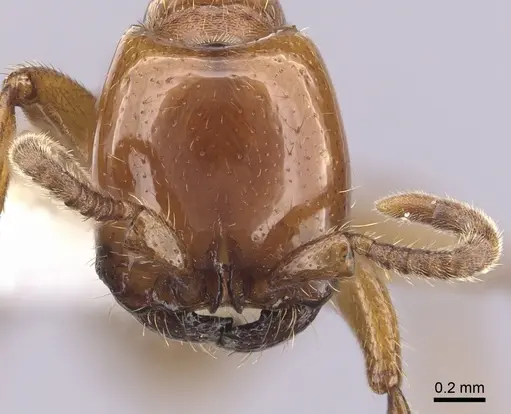
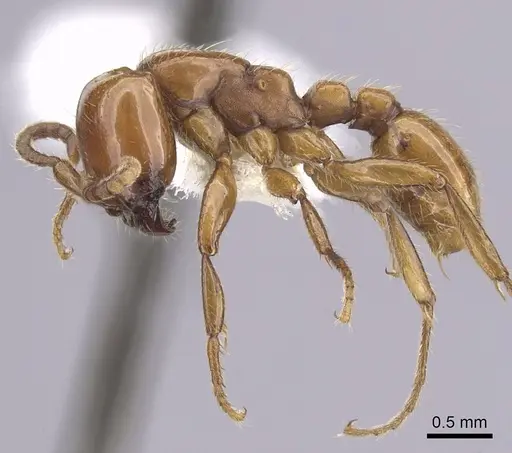
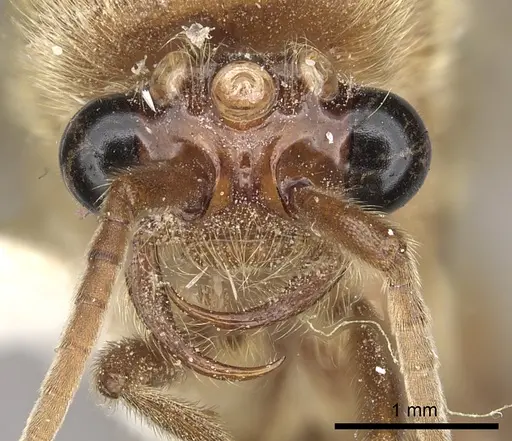
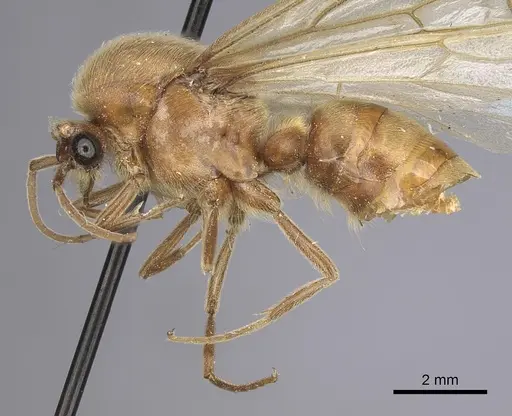
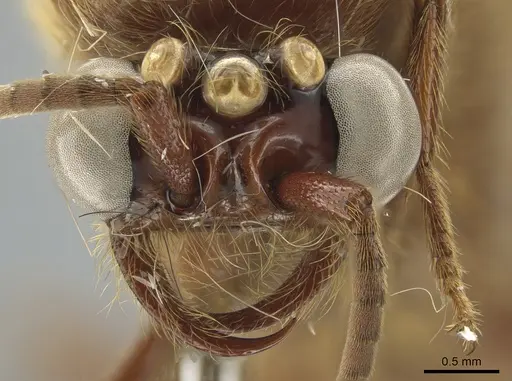
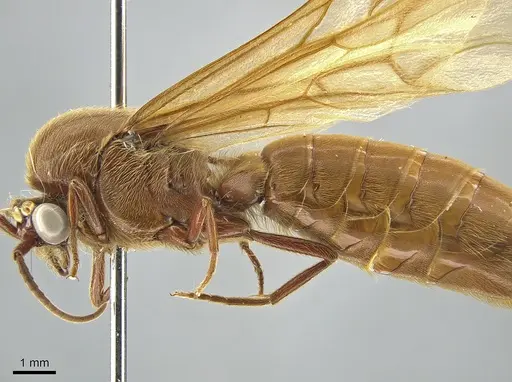
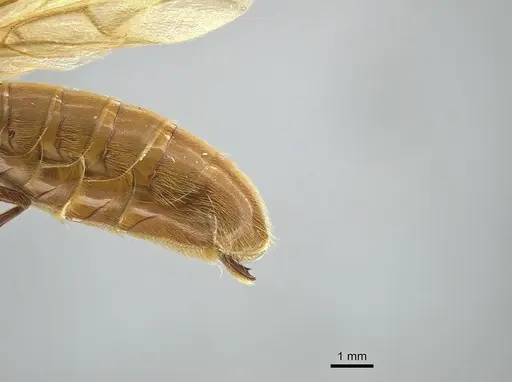
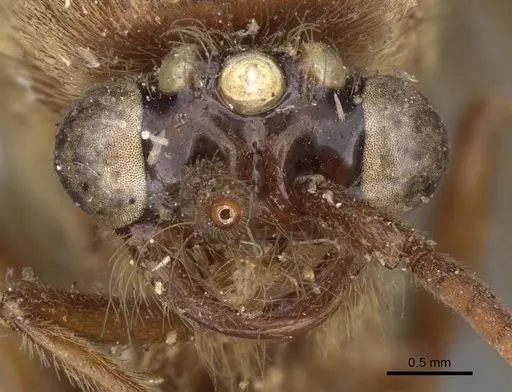
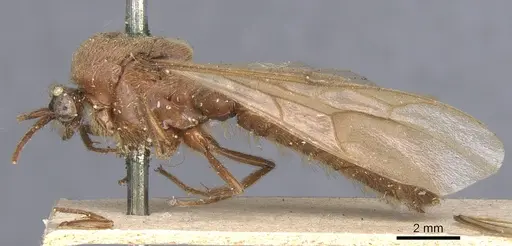
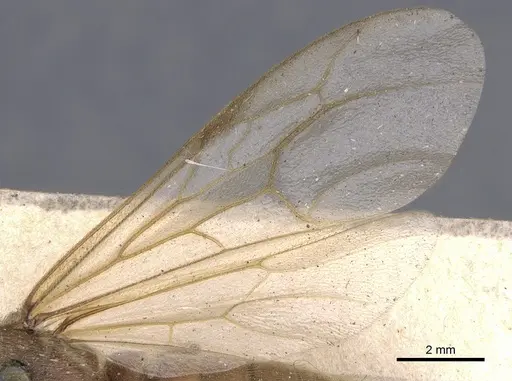
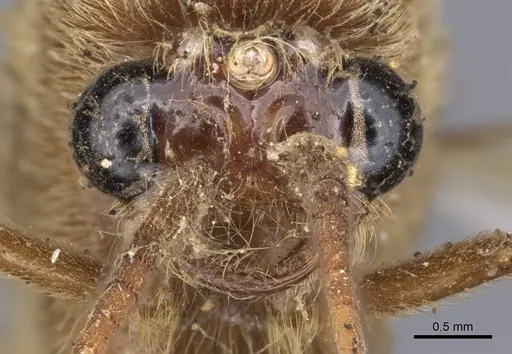
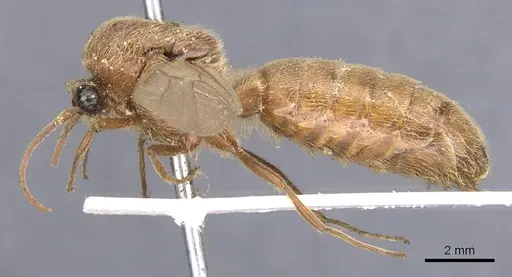
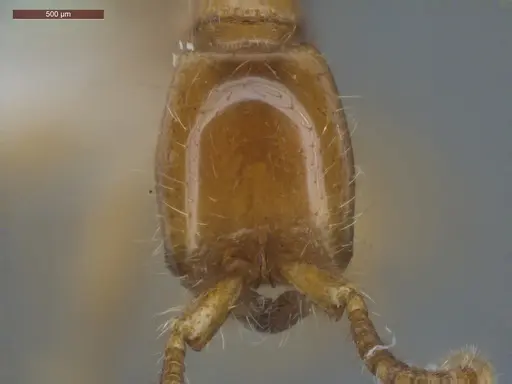
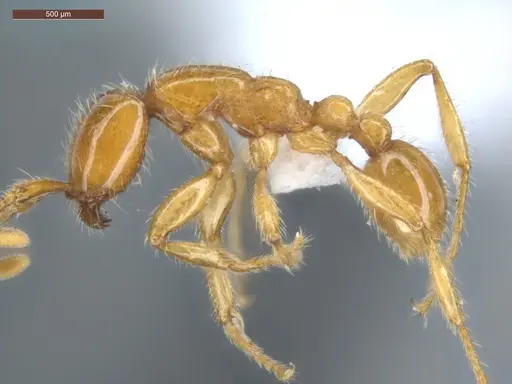
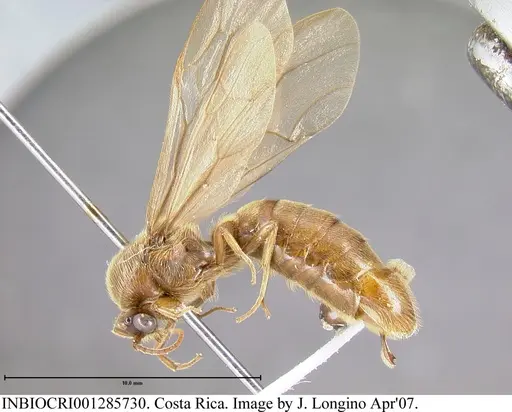
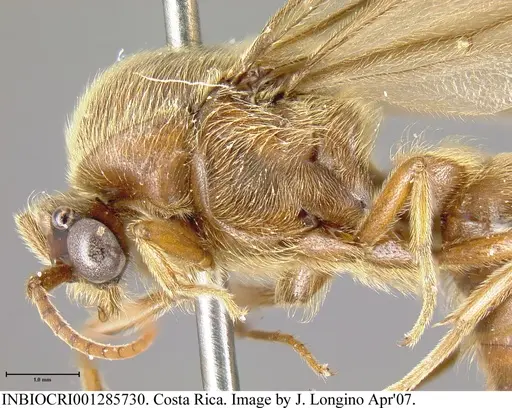
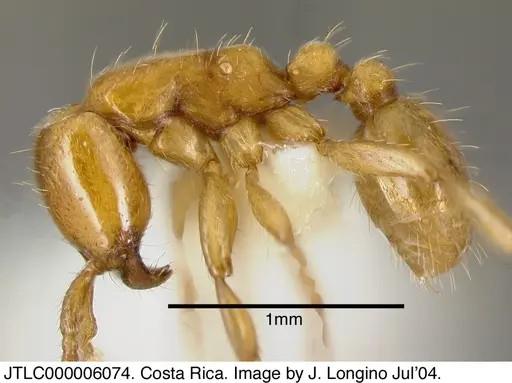
Neivamyrmex swainsonii is one of North America's most conspicuous army ants due to its large size and relative abundance [1]. Workers are characterized by their reduced eyes appearing as yellow specks below the cuticle, a large triangular tooth on the underside of the petiole, and a straight posterior face of the propodeum [2]. This species has a vast distribution spanning from the United States (Kansas, Louisiana, Texas, west to California) through Mexico and Central America, all the way down to Argentina [1][3].
What makes N. swainsonii particularly fascinating is its classic army ant lifestyle, it does not maintain a permanent nest but instead is nomadic, with the entire colony periodically moving to new temporary bivouac sites [4]. This species is a specialized predator that feeds almost exclusively on the brood of other ant species, making it a dramatic predator in the ant world. Observers have witnessed these ants raiding colonies of Solenopsis xyloni, attacking workers and carrying off eggs, pupae, and even alates (winged reproductives) [4].
Quick Summary
- Difficulty: Expert
- Origin & Habitat: Native to the Americas, ranging from the southern United States through Mexico and Central America to Argentina. Found in diverse habitats including scrubby vegetation, tropical deciduous forests, and disturbed areas. Often nests in soil and rotting wood [5][6].
- Colony Type: Colony structure is not well-documented in scientific literature. As an army ant, colonies are expected to have a single queen (monogyne) with typical army ant colony organization, but this requires confirmation through captive observation.
- Colony: Monogyne
- Size & Growth:
- Queen: Estimated 10-15mm based on genus patterns, direct measurements unavailable
- Worker: Largest workers exceed 1.2mm [7]
- Colony: Unknown, army ant colonies can reach thousands of workers but specific data for this species is lacking
- Growth: Unknown, likely fast like other army ants
- Development: Unknown for this specific species (Army ant development is typically rapid, but no direct measurements exist for N. swainsonii)
- Antkeeping:
- Temperature: Keep at 24-28°C based on field observations of evening activity at 28.8°C [4]. Provide a temperature gradient allowing workers to self-regulate.
- Humidity: Moderate humidity around 50-70%. These ants tolerate drier conditions than many tropical species, consistent with their xeric habitat preferences [6].
- Diapause: Likely reduced activity in winter months in northern parts of range (Kansas, Texas), but specific diapause requirements unconfirmed. Expect some seasonal slowdown.
- Nesting: Army ants need space to form bivouacs and raid columns. A naturalistic setup with a large outworld connected to a nest area works best. Provide moist substrate for the bivouac chamber and open foraging space. Test tubes are NOT suitable for army ant colonies.
- Behavior: This is an aggressive, nomadic predator. Workers emerge in large numbers to raid other ant colonies, primarily targeting brood. They will attack and subdue adult ants many times their size. The colony moves its bivouac periodically, this is NOT a species that stays in one nest. Escape prevention is critical since they will readily explore and find gaps. They are active primarily at night or during cooler evening hours [4].
- Common Issues: Army ant colonies are extremely difficult to maintain in captivity due to their nomadic nature and specialized predatory diet, Providing adequate prey is challenging, they require constant access to brood from other ant species, Without space to form raiding columns and bivouacs, colonies will fail to thrive, They may attack and kill larger ants in the same enclosure if housed together, Captive colonies often decline because they cannot exhibit natural nomadic behavior
Understanding Army Ant Biology
Neivamyrmex swainsonii is a true army ant, meaning it exhibits the classic army ant syndrome: nomadic lifestyle with no permanent nest, raids on other ant colonies, and colony migration to temporary bivouac sites [4]. Unlike most ants that maintain a fixed nest, army ants form living structures called bivouacs, clusters of workers holding onto each other to create a temporary shelter. Every few days, the entire colony moves to a new location.
This species specializes in preying on the brood (eggs, larvae, and pupae) of other ant species. In one documented observation in west Texas, a colony of N. swainsonii was observed raiding a Solenopsis xyloni colony, systematically capturing eggs and pupae while the defender workers offered minimal resistance [4]. The raiding column pushed deeper into the enemy territory as the attack progressed. Workers also captured and carried off winged males and females (alates) from the host colony.
This specialized predatory lifestyle means N. swainsonii cannot be fed standard ant foods like sugar water or protein flakes. They require a constant supply of live ant brood or small arthropods to survive in captivity.
Housing and Enclosure Requirements
Army ants cannot be kept in standard ant enclosures. They need a large outworld connected to a bivouac chamber, with space to form raiding columns. A naturalistic setup with a deep layer of moist soil or sand for the bivouac area works best, connected to a spacious foraging area.
The bivouac chamber should be kept humid and dark, mimicking the underground temporary nests army ants form in the wild. The foraging area should be large and smooth-walled to prevent escape. Because these ants are highly active and form massive raiding columns, a standard formicarium is completely inadequate.
Escape prevention is critical, army ants are excellent climbers and will exploit any gap. Use fluon or similar barriers on all edges. However, even with excellent barriers, maintaining a healthy colony is extremely challenging.
Most antkeepers who attempt to keep army ants fail because they cannot replicate the constant prey availability these predators need. If you cannot provide regular access to ant brood or small arthropods, this species is not for you. [4]
Feeding and Nutrition
This is perhaps the most critical and challenging aspect of keeping N. swainsonii. They are obligate predators that feed almost exclusively on the brood (eggs, larvae, pupae) of other ant species [4]. They will not accept sugar water, honey, seeds, or standard protein sources like crickets as a primary food.
In captivity, you would need to maintain colonies of feeder ant species (such as Solenopsis or other small ants) to provide a constant source of brood. Alternatively, you could provide other small arthropod brood, but success with this approach is uncertain.
The documented observation shows they will attack and consume not just brood but also adult alates (winged reproductives) of target species [4]. They are capable of subduing prey much larger than individual workers through coordinated group attack.
This specialized diet makes N. swainsonii one of the most difficult ant species to keep successfully. It is not a species for beginners or even intermediate antkeepers.
Activity Patterns and Raiding Behavior
N. swainsonii is primarily nocturnal or crepuscular, with documented activity occurring between 7:55 PM and 9:10 PM at temperatures around 28.8°C [4]. This evening activity pattern helps them avoid the hottest parts of the day in their often xeric habitat.
Raids begin when workers emerge from multiple entrance holes (in the documented case, three holes between the old and new nest locations of the target colony). The raiding column expands as workers push deeper into enemy territory. The movement trail becomes more obtuse (wider-angled) as the raid progresses [4].
Workers will actively pursue prey up vertical surfaces, observers noted them climbing a small forb (plant) in pursuit of Solenopsis workers carrying brood [4]. When the defenders climbed higher to escape, the attackers would follow until the prey dropped their burden and fled.
This active, aggressive raiding behavior is what makes them such effective predators but also what makes them so challenging to keep. They need space to conduct these raids.
Distribution and Habitat Preferences
N. swainsonii has one of the widest distributions of any Neivamyrmex species, ranging from the southern United States (Kansas, Louisiana, Texas, west to California) through Mexico, Central America, and as far south as Argentina [1][3]. In Mexico, they have been recorded in states including Baja California, Campeche, Chiapas, Chihuahua, Coahuila, Jalisco, Michoacán, Nuevo León, Oaxaca, Puebla, Sinaloa, Sonora, Tamaulipas, Veracruz, and Yucatán [8].
They occupy diverse habitats from xeric scrubland to tropical deciduous forest. In Costa Rica, they have been found in coffee farms and at various elevations. In Texas, they have been collected from cave environments, though this may represent accidental rather than typical nesting behavior [5].
The species is often found in disturbed areas, which may contribute to its relative abundance compared to other army ant species [5]. This adaptability to disturbed habitats, combined with its specialized predatory lifestyle, may help explain its extensive range.
Frequently Asked Questions
Can I keep Neivamyrmex swainsonii in a test tube setup?
No. Army ants require a large naturalistic setup with space to form bivouacs and conduct raids. Test tubes are completely inadequate for this nomadic, predatory species. They need a deep substrate for the bivouac chamber and a spacious outworld for raiding columns.
What do Neivamyrmex swainsonii eat?
They are obligate predators that feed almost exclusively on the brood (eggs, larvae, pupae) of other ant species. They will not accept sugar water, honey, seeds, or standard feeder insects as primary food. You would need to maintain feeder ant colonies to provide constant prey.
How long does it take for first workers to appear?
This is unknown. No direct development data exists for N. swainsonii. Based on typical army ant patterns, development may be relatively rapid, but specific egg-to-worker timelines have not been documented.
Are Neivamyrmex swainsonii good for beginners?
No. This is an expert-level species requiring specialized knowledge and resources. They need constant access to ant brood or appropriate prey, large enclosures for nomadic behavior, and experience with army ant biology. Most antkeepers should start with easier species.
Do Neivamyrmex swainsonii need hibernation?
Likely not a true hibernation, but expect reduced activity during winter months in the northern parts of their range (Kansas, Texas). Specific diapause requirements are unconfirmed, but they probably experience seasonal slowdowns rather than deep hibernation.
How big do Neivamyrmex swainsonii colonies get?
Colony size is not well-documented for this species, but army ant colonies typically reach thousands of workers. The exact maximum for N. swainsonii is unknown.
Can I keep multiple queens together?
This has not been studied. Based on typical army ant biology, they likely have single-queen colonies (monogyne). Combining unrelated queens is not recommended and has not been documented as successful.
Why are my Neivamyrmex swainsonii dying?
Likely causes include: inadequate prey (they need ant brood, not standard foods), insufficient space for bivouac and raids, wrong humidity, or inability to exhibit nomadic behavior. Army ant colonies decline rapidly when their needs aren't met. This species is extremely challenging to maintain long-term.
When do Neivamyrmex swainsonii have nuptial flights?
Nuptial flight timing is unconfirmed. Males have been collected in blacklight traps in Costa Rica in March and May, suggesting reproductive flights may occur during these months. Specific timing for North American populations is unknown.
What makes Neivamyrmex swainsonii different from other ants?
They are one of the few true army ants in North America, nomadic predators that don't build permanent nests. They conduct organized raids on other ant colonies, attacking workers and carrying off brood. This raiding behavior and nomadic lifestyle is unique among most ant species.
References

This caresheet is licensed under CC BY-SA 4.0 .
CASENT0005336
View on AntWeb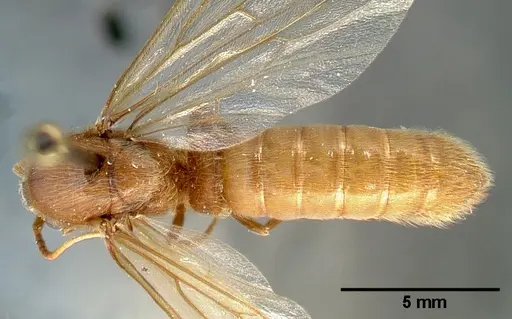
CASENT0102763
View on AntWeb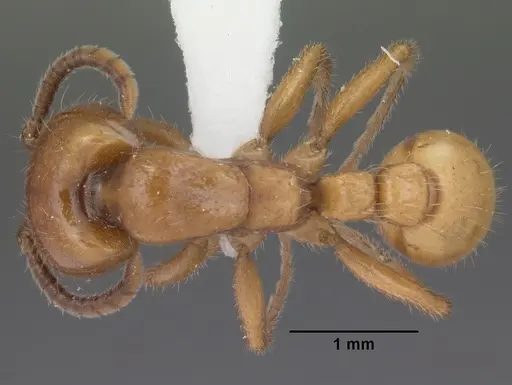
CASENT0102764
View on AntWeb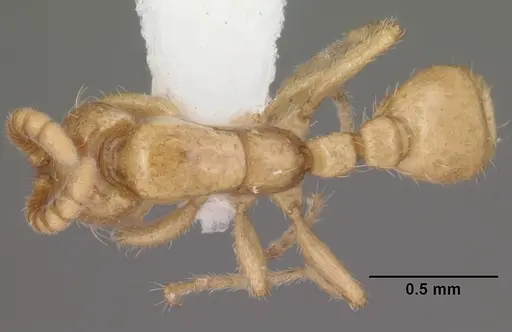
CASENT0104748
View on AntWeb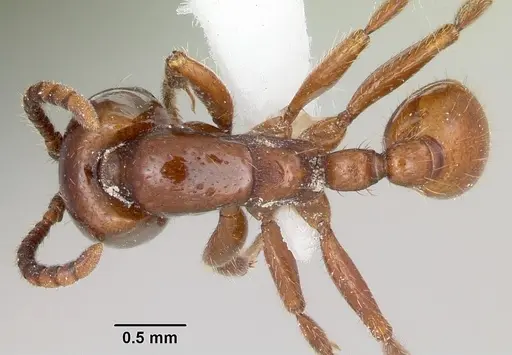
CASENT0249482
View on AntWeb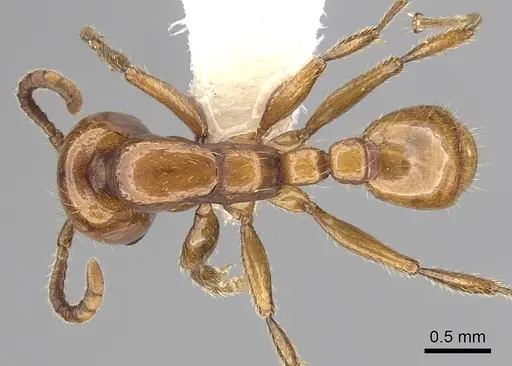
CASENT0249508
View on AntWeb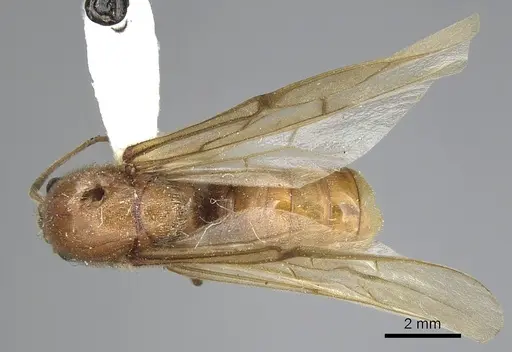
CASENT0650515
View on AntWeb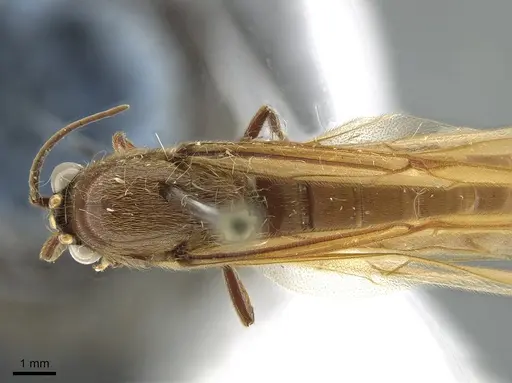
CASENT0902641
View on AntWeb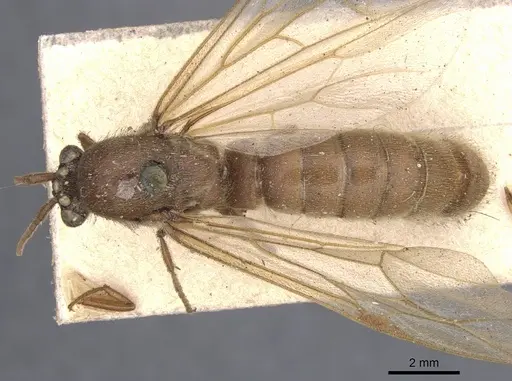
CASENT0902645
View on AntWeb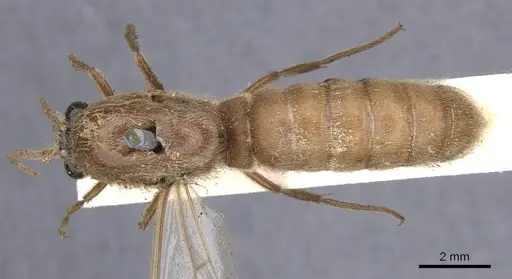
CASENT0905972
View on AntWeb
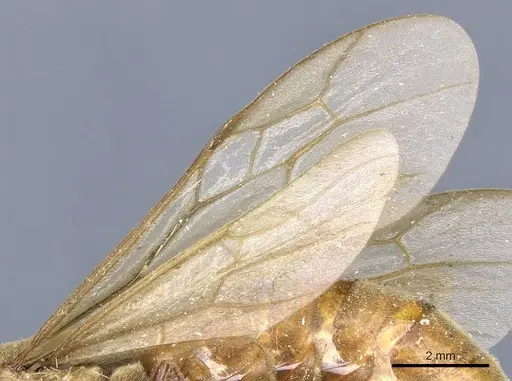
CBUMAGENT41918
View on AntWeb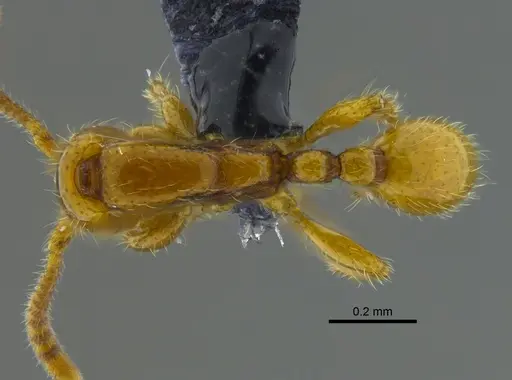
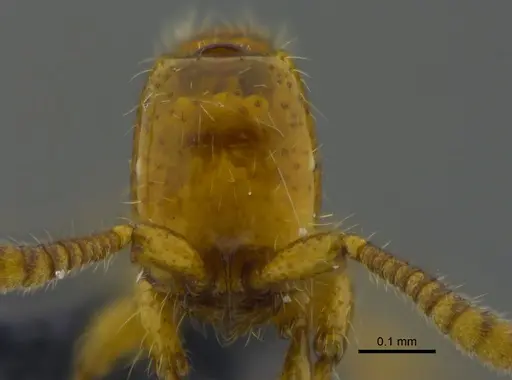
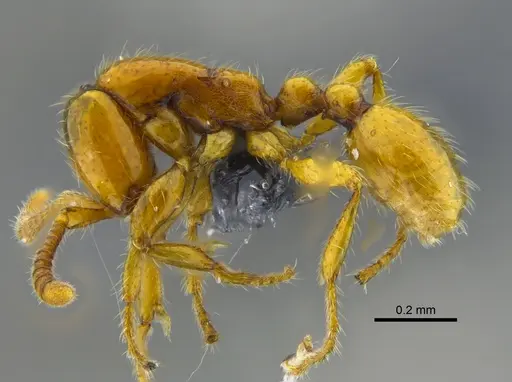
ECOFOG-SGR-PACAW2-07
View on AntWeb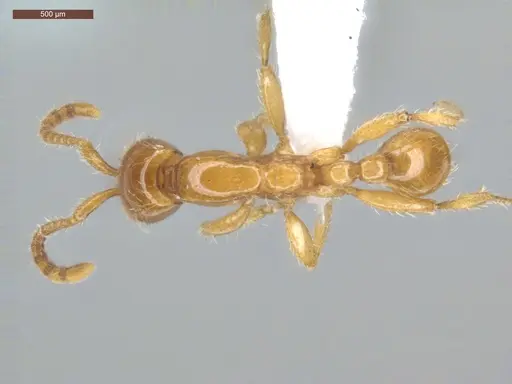
INBIOCRI001285730
View on AntWeb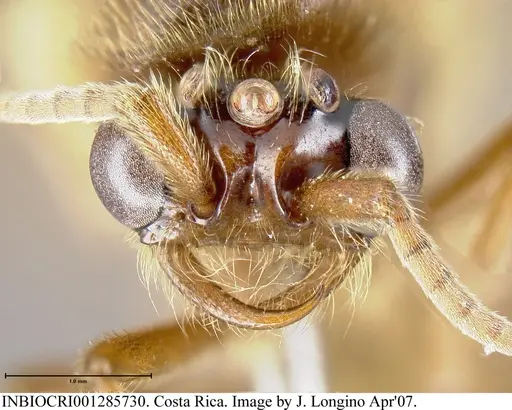
JTLC000006074
View on AntWeb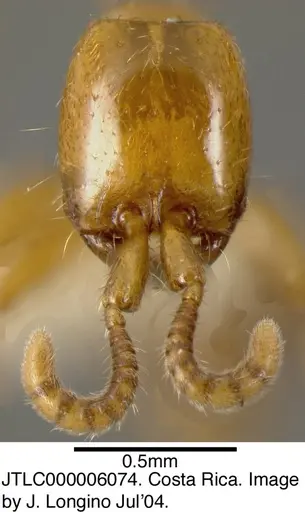
Literature
Loading...Loading products...