

Myrmica wardi
- Scientific Name
- Myrmica wardi
- Tribe
- Myrmicini
- Subfamily
- Myrmicinae
- Author
- Radchenko & Elmes, 1999
- Distribution
- Found in 1 countries
Myrmica wardi Overview
Myrmica wardi is an ant species of the genus Myrmica. It is primarily documented in 1 countries , including India. Detailed taxonomic data and occurrence records can be further explored via authoritative databases such as AntWeb or the Global Biodiversity Information Facility (GBIF).
Myrmica wardi
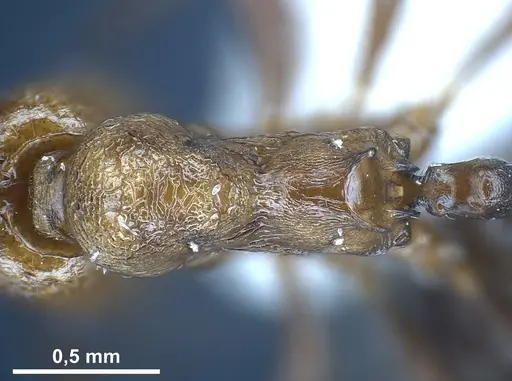
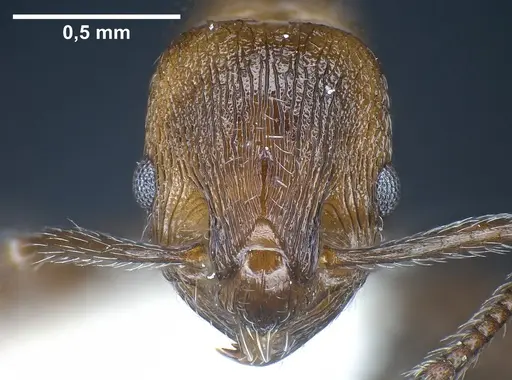
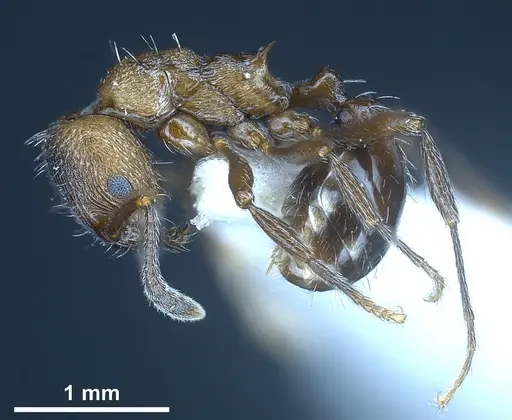
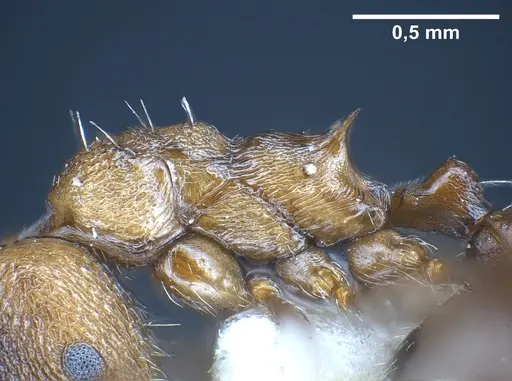
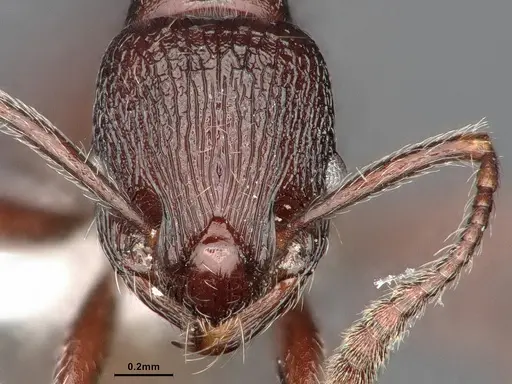
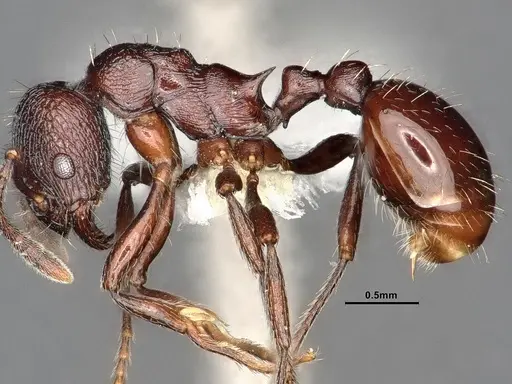
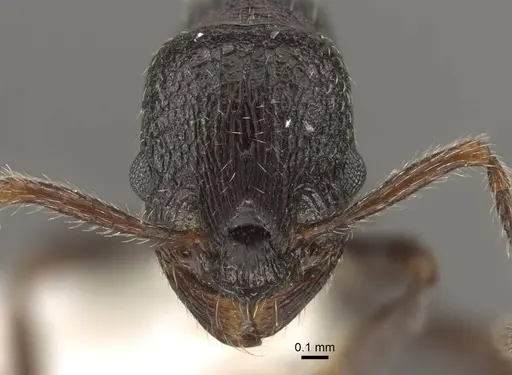
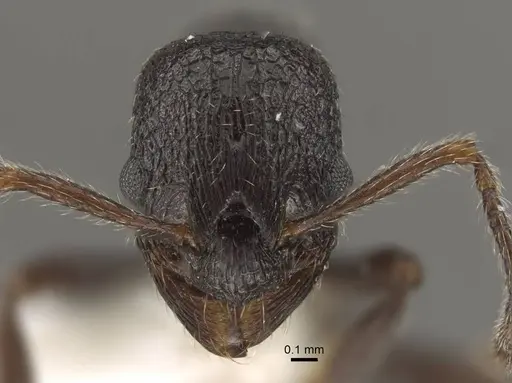
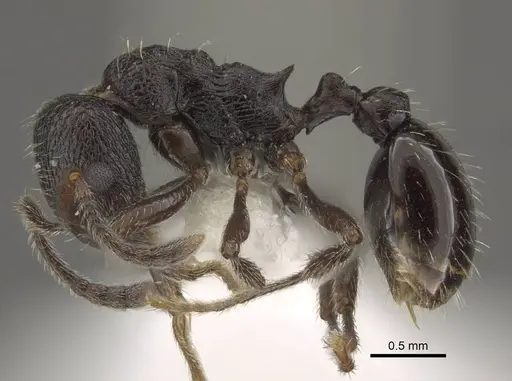
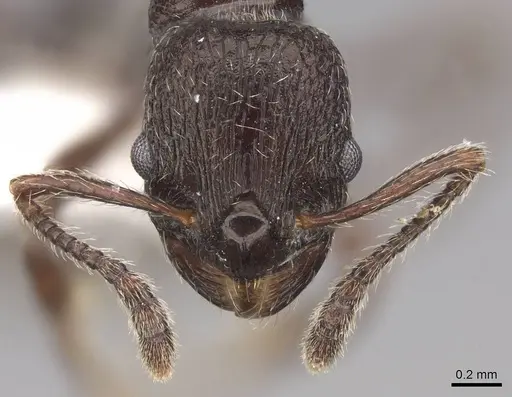
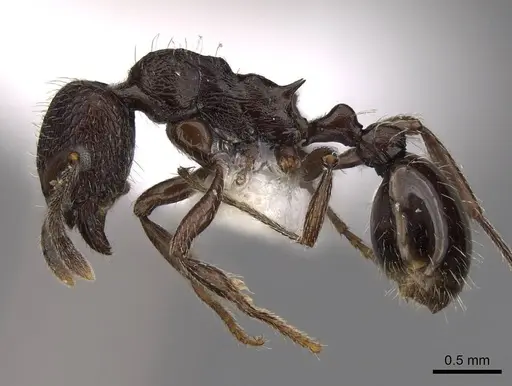
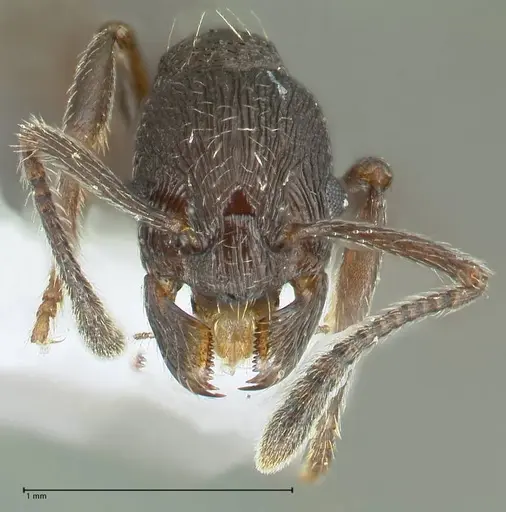
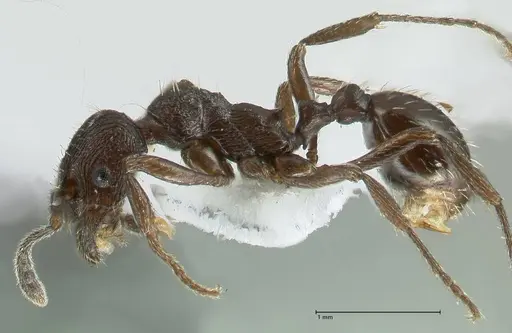
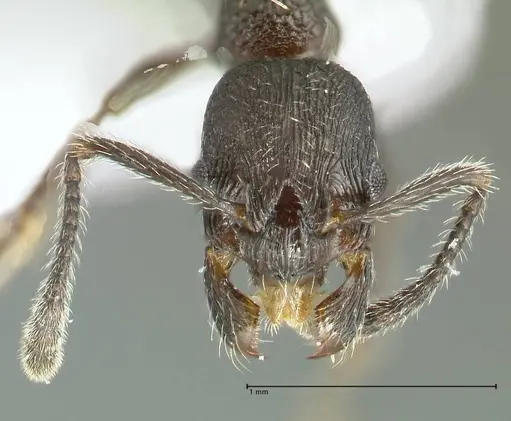
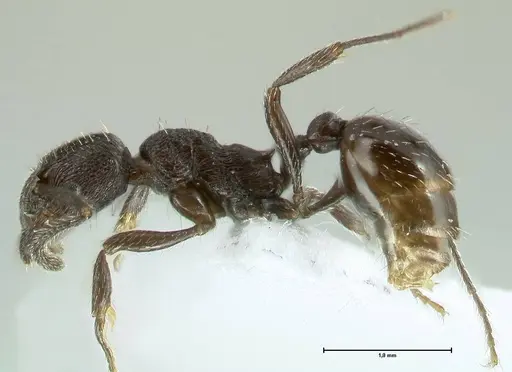
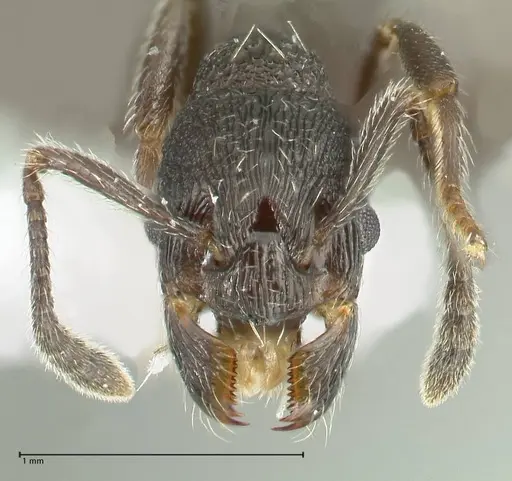
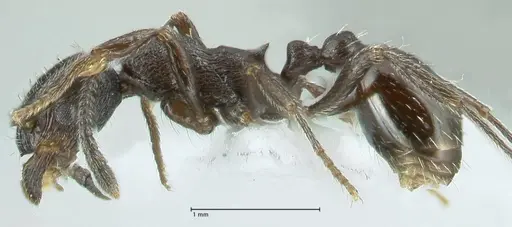
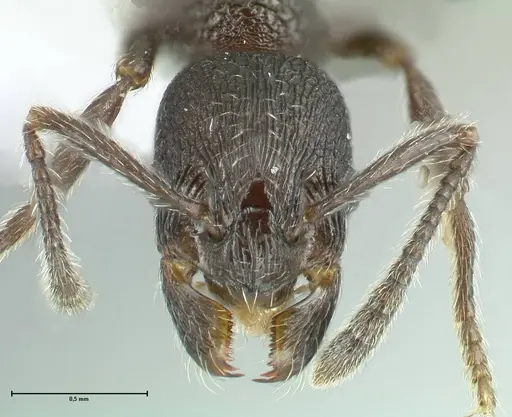
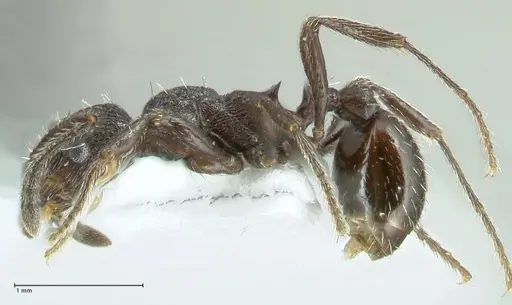
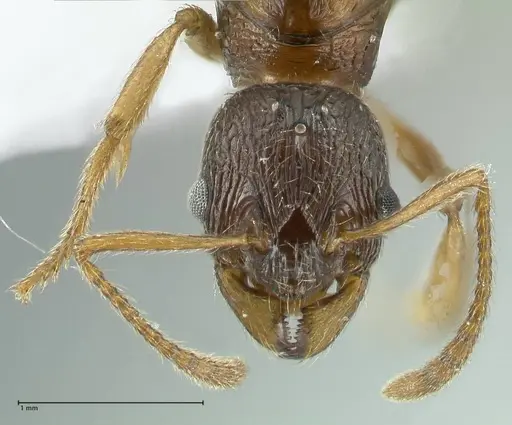
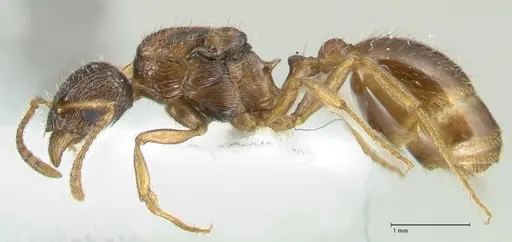
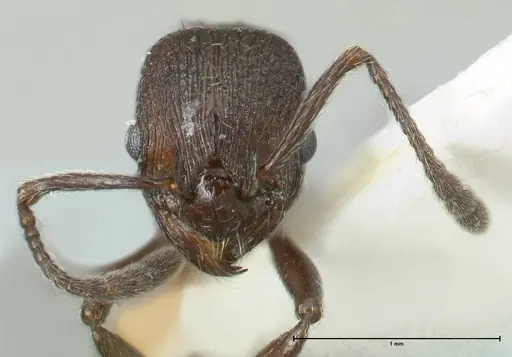
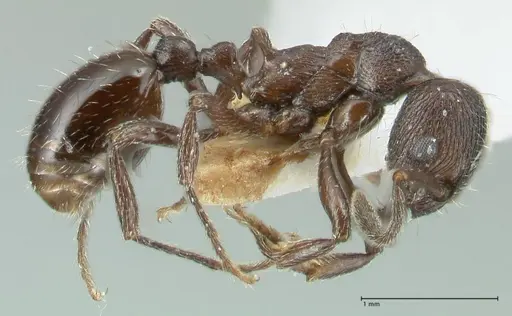
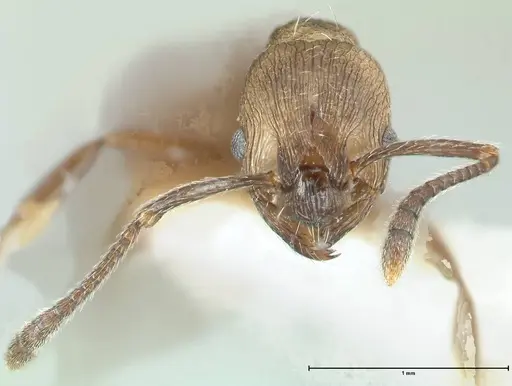
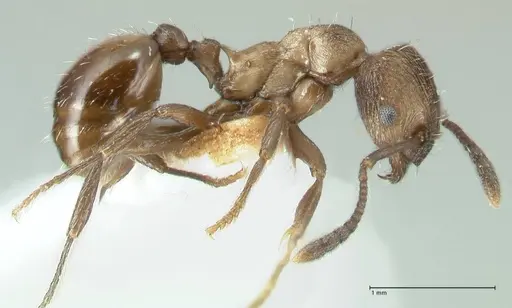
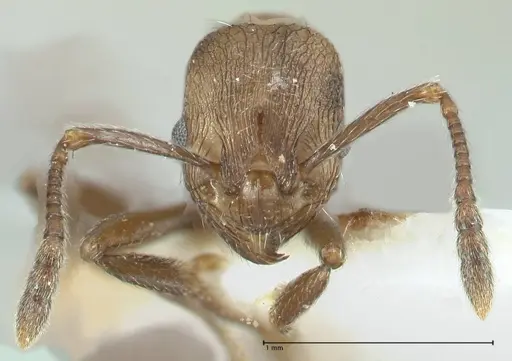
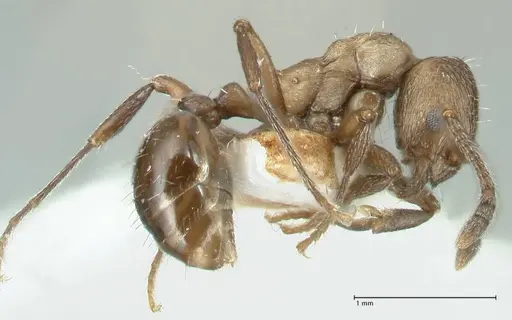
Myrmica wardi is a small reddish-brown ant species native to the Himalayan region of India and Pakistan. Workers measure around 4-6mm and have the characteristic Myrmica features including a well-developed stinger and relatively long legs. The species is distinguished by its darker coloration compared to related species like Myrmica cachmiriensis, and by the dense longitudinal rugulosity (groove-like patterns) on its head. Queens are larger at 7-9mm and have the typical Myrmica queen morphology. This species belongs to the cachmiriensis species group and was formally described in 1999 by Radchenko and Elmes [1].
This ant is adapted to high-altitude Himalayan meadows and grasslands. It forages actively over low vegetation, similar to the European Myrmica rubra, and nests directly in soil rather than under stones. The species occupies a relatively narrow elevational band between 1670m and 3450m above sea level, making it a specialist of cool, mountainous habitats. Colonies are smaller than many Myrmica species, with nests reaching only 6-8 inches deep [1].
Quick Summary
- Difficulty: Medium
- Origin & Habitat: Himalayan region of India (Jammu & Kashmir, Himachal Pradesh, Uttarakhand) and Pakistan. Found in meadows with sparse willow, pear, maple and fir trees, among woody shrubs with Rosa, and in stony grasslands and pastures [1][2].
- Colony Type: Likely single-queen colonies (monogyne) based on typical Myrmica genus patterns, though colony structure has not been directly studied. Colonies are relatively small with nests reaching only 6-8 inches deep [1].
- Colony: Monogyne
- Founding: Claustral
- Size & Growth:
- Queen: 7-9mm (estimated from genus patterns)
- Worker: 4-6mm (estimated from genus patterns)
- Colony: Likely several hundred workers based on typical Myrmica patterns and the relatively shallow nest depth [1].
- Growth: Moderate, development timeline unconfirmed but likely 6-10 weeks from egg to worker based on related Myrmica species
- Development: 6-10 weeks (estimated based on genus-level data for related Myrmica species) (Development time is estimated from related Himalayan Myrmica species. The cool mountain habitat suggests development may be slower than tropical ants.)
- Antkeeping:
- Temperature: Keep nest area at 18-22°C. Field data shows they tolerate 15-25°C at nesting sites, but aim for the middle of this range for optimal brood development [1]. A slight temperature gradient allows ants to regulate their own conditions.
- Humidity: Maintain moderate humidity around 50-65%. Field data shows they tolerate 39-69% relative humidity. Keep the nest substrate moist but not waterlogged, think damp soil, not soggy [1].
- Diapause: Yes, this is a high-altitude Himalayan species that will require a winter dormancy period. Reduce temperature to around 5-10°C for 3-4 months during winter, mimicking natural conditions at high altitude [1].
- Nesting: Soil-nesting species. In captivity, a naturalistic setup with soil or a plaster/acrylic nest with moist substrate works well. They do not nest under stones like many Myrmica, so provide deep soil chambers (at least 15-20cm equivalent depth). Y-tong nests with soil or dirt setups also work [1].
- Behavior: Active foragers that climb over low vegetation in search of prey and honeydew. Similar behavior to Myrmica rubra, they are opportunistic feeders and will readily hunt small insects. Workers are moderately aggressive when defending the nest and have a functional stinger. They are not escape artists but can climb well, so standard barrier precautions apply. Foraging activity is highest in warm conditions [1].
- Common Issues: colonies may fail if not given proper winter dormancy, this is a high-altitude species that needs hibernation, overheating is a risk, keep below 25°C as they prefer cooler conditions than many tropical ants, dry conditions will kill colonies, they need consistently moist nest substrate, small colony size means slow growth, beginners may lose patience and abandon the colony, wild-caught colonies may have parasites that are difficult to detect
Natural History and Distribution
Myrmica wardi is endemic to the Himalayan region, found only in parts of India (Jammu & Kashmir, Himachal Pradesh, Uttarakhand) and Pakistan. This makes it a relatively rare species in the antkeeping hobby. The species was described in 1999 and belongs to the cachmiriensis species group, which contains several similar Himalayan Myrmica species [1][3].
In the wild, these ants inhabit meadows and grasslands at elevations between 1670m and 3450m above sea level. They prefer areas with sparse tree cover including willow, pear, maple, and fir, often among woody shrubs with rose bushes. They also inhabit open grasslands without dense vegetation. Unlike many Myrmica species that nest under stones, M. wardi nests directly in the soil, with nest depths of only 6-8 inches, considerably shallower than related species like M. rubra [1].
The species forages actively over low vegetation, climbing through grasses and shrubs to hunt prey and collect honeydew from aphids. This foraging behavior is similar to the European Myrmica rubra. Alates (reproductive ants) are produced in summer and have been collected in July and August [1].
Housing and Nest Setup
Because Myrmica wardi is a soil-nesting species, you should provide a nest with moist substrate rather than a dry acrylic setup. A naturalistic setup with a soil-filled container or a plaster nest works well. The key is maintaining consistent moisture without waterlogging, the substrate should feel damp but you should not see standing water [1].
The nest should have chambers deep enough to accommodate their natural behavior. While wild nests are only 6-8 inches deep, providing a bit more depth in captivity helps maintain stable humidity. A Y-tong (acrylic) nest with a dirt chamber or a classic formicarium with soil works. You can also use a test tube setup with a cotton ball providing moisture, though this may need upgrading as the colony grows [1].
The outworld (foraging area) should be simple and easy to clean. These ants are active foragers, so provide enough space for hunting and feeding. Standard escape prevention with fluon or barrier tape is sufficient, they are not particularly good climbers compared to some ants, but they can still escape through small gaps.
Feeding and Diet
Myrmica wardi is an opportunistic predator like other Myrmica species. In the wild, they hunt small insects and arthropods and collect honeydew from aphids and other sap-sucking insects. In captivity, you should offer a varied diet including protein-rich foods like small crickets, mealworms, fruit flies, and other small insects [1].
Sugar sources are also important. Offer sugar water, honey, or diluted honey water regularly. You can place a small drop of honey water in the foraging area, they will readily accept it. Some keepers also offer specialized ant foods that contain sugars and proteins [1].
Feed the colony 2-3 times per week, adjusting based on how quickly food is consumed. Remove any uneaten prey after 24-48 hours to prevent mold. A constant supply of sugar water is recommended, either in a test tube with a cotton ball or a small dish.
Temperature and Seasonal Care
This is a cool-climate species adapted to high altitudes. Field data shows they tolerate temperatures from 15°C to 25°C at nesting sites, with optimal conditions likely in the middle of this range. Keep the nest area at approximately 18-22°C for best brood development [1].
Avoid overheating, temperatures above 25°C can stress the colony. If your room is warm in summer, consider moving the nest to a cooler location or using a small fan. A temperature gradient (one side slightly cooler than the other) allows the ants to choose their preferred conditions.
Because this is a Himalayan species from high altitude, you must provide a winter dormancy period. In autumn, reduce the temperature to around 5-10°C for 3-4 months. This mimics the natural winter conditions at high altitude. You can move the colony to an unheated garage, basement, or refrigerator (if using a test tube setup). Reduce feeding during this period and keep the substrate slightly drier but not completely dry [1].
Colony Development and Growth
Myrmica wardi colonies are relatively small compared to many Myrmica species. Wild colonies likely reach several hundred workers at most, based on the shallow nest depth observed in the field. This means you should not expect the massive colonies that some Myrmica species can produce [1].
Development from egg to worker is estimated at 6-10 weeks based on related Myrmica species, though this has not been directly studied for M. wardi. The cool mountain habitat suggests development may be on the slower end of this range. First workers (nanitics) will be smaller than mature workers but should still be recognizable [1].
Queen longevity is not documented, but Myrmica queens can live for many years in captivity with proper care. The colony will grow gradually over several years. Be patient, small colonies grow slowly, and overfeeding can actually cause problems with mold and mites.
Handling and Temperament
Myrmica wardi has a functional stinger and will use it if threatened. However, their sting is mild compared to many ants, similar to other Myrmica species, it causes brief pain or burning sensation but is not dangerous to healthy humans. The ants are moderately aggressive when defending their nest but are not particularly territorial outside the nest area [1].
When working with the colony, move slowly and avoid disturbing the nest too much. If you need to transfer the colony or clean the outworld, use gentle puffing of air or light brushing rather than shaking. Queens can be damaged by excessive handling during moves.
These ants are not dangerous to keep but should be respected. Standard precautions apply, wash hands after handling the setup, and do not allow children to handle the ants directly.
Frequently Asked Questions
Is Myrmica wardi good for beginners?
This species is rated as medium difficulty. While not the hardest ant to keep, it does have specific requirements that make it better suited for keepers with some experience. You will need to provide proper winter dormancy (3-4 months at 5-10°C), maintain consistent moisture, and keep temperatures below 25°C. The relatively slow colony growth also requires patience. Beginners might do better with easier species like Lasius niger or some tropical ants.
What temperature do Myrmica wardi ants need?
Keep the nest at 18-22°C. Field data shows they tolerate 15-25°C in the wild, but aim for the middle of this range. Never let temperatures exceed 25°C as this can stress the colony. A temperature gradient allows ants to regulate their own conditions.
Do Myrmica wardi ants need hibernation?
Yes, this is essential. As a high-altitude Himalayan species, Myrmica wardi requires a winter dormancy period. Reduce temperature to 5-10°C for 3-4 months during winter. This mimics natural conditions and is necessary for the colony's long-term health. Skip hibernation and the colony may decline over time.
How long does it take for Myrmica wardi to produce first workers?
Estimated 6-10 weeks from egg to worker based on related Myrmica species. This is not directly documented for M. wardi but aligns with genus patterns. The cool mountain habitat may push development toward the longer end of this range. Be patient, small colonies grow slowly.
What do Myrmica wardi ants eat?
They are opportunistic predators that accept small insects like crickets, mealworms, and fruit flies. They also need sugar sources, offer sugar water, honey, or diluted honey water regularly. A varied diet with both protein and sugar is best for colony growth.
Can I keep multiple Myrmica wardi queens together?
Not recommended. This species is likely monogyne (single queen) based on typical Myrmica patterns. Combining unrelated queens has not been documented and would likely result in fighting. If you acquire a colony, assume it has one queen.
How big do Myrmica wardi colonies get?
Likely several hundred workers at most. Wild colonies have relatively shallow nests (6-8 inches) suggesting smaller colony sizes than deep-nesting Myrmica like M. rubra. Do not expect massive colonies, this is a modest-sized species.
Do Myrmica wardi ants sting?
Yes, they have a functional stinger and will use it if threatened. However, the sting is mild, similar to other Myrmica species, it causes brief pain or burning sensation but is not dangerous to healthy humans. Handle with care but there is no serious danger.
What humidity do Myrmica wardi need?
Maintain moderate humidity around 50-65%. Field data shows they tolerate 39-69% relative humidity. Keep the nest substrate consistently moist but not waterlogged, damp soil, not soggy. Dry conditions will kill colonies.
When should I move Myrmica wardi to a formicarium?
Start with a test tube setup for the founding queen. Once the colony reaches 20-30 workers and you see the test tube drying out or becoming moldy, you can upgrade to a larger setup. A naturalistic soil setup or Y-tong nest with soil chamber works well for this soil-nesting species.
Where is Myrmica wardi found in the wild?
This species is endemic to the Himalayan region, specifically parts of India (Jammu & Kashmir, Himachal Pradesh, Uttarakhand) and Pakistan. They live at high elevations between 1670m and 3450m above sea level, in meadows with sparse trees and stony grasslands.
Why is my Myrmica wardi colony dying?
Common causes include: lack of proper winter dormancy (this species needs 3-4 months at 5-10°C), temperatures above 25°C causing stress, dry nest conditions, overfeeding leading to mold, or parasites from wild-caught colonies. Review your temperature, humidity, and seasonal care first.
References

This caresheet is licensed under CC BY-SA 4.0 .
ANTWEB1041287
View on AntWeb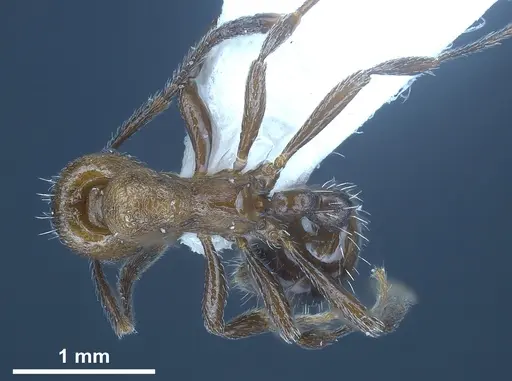
CASENT0884254
View on AntWeb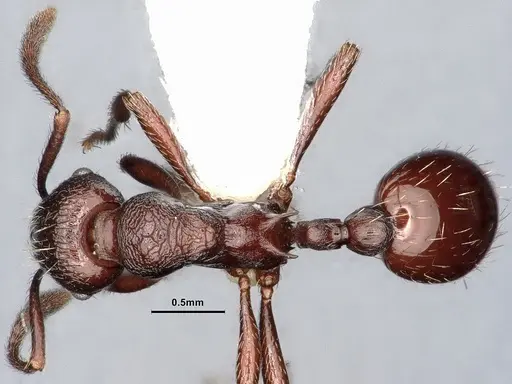
CASENT0900305
View on AntWeb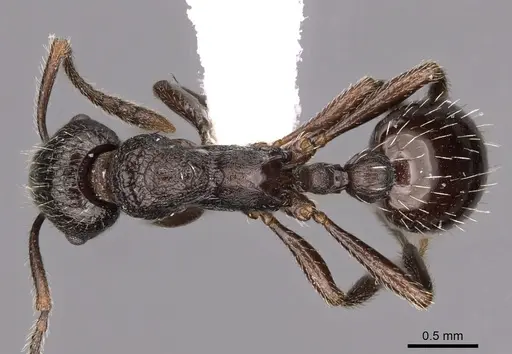
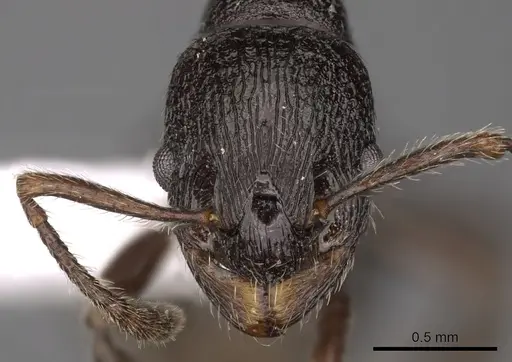
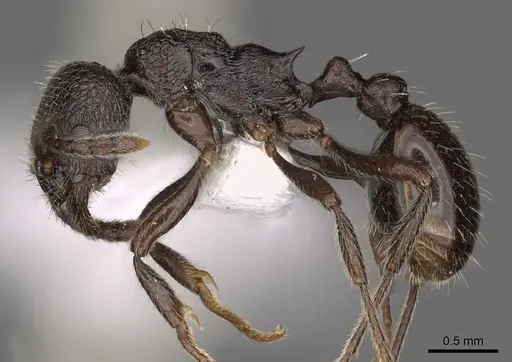
CASENT0917708
View on AntWeb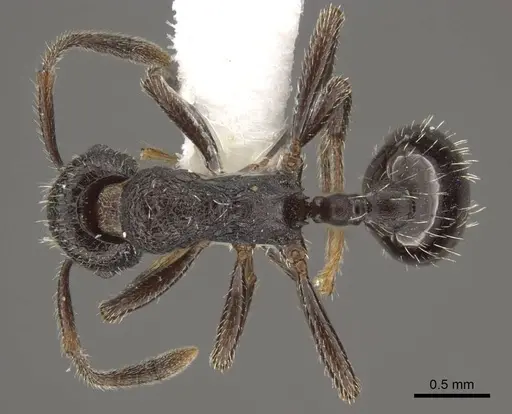
CASENT0922787
View on AntWeb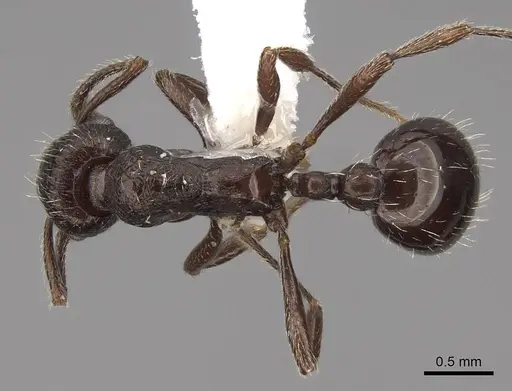
FOCOL1823-1
View on AntWeb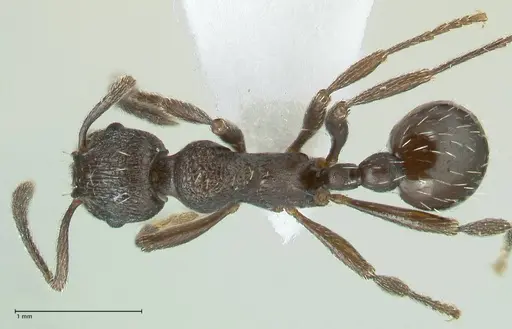
FOCOL1823-2
View on AntWeb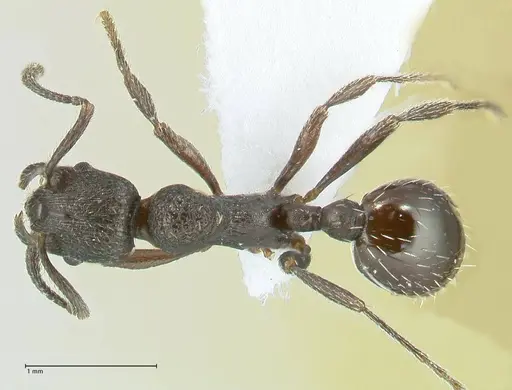
FOCOL1824-1
View on AntWeb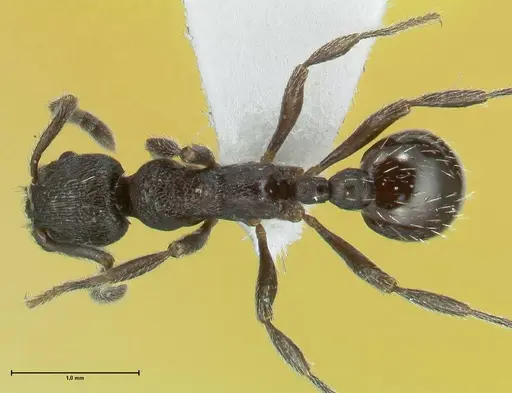
FOCOL1824-2
View on AntWeb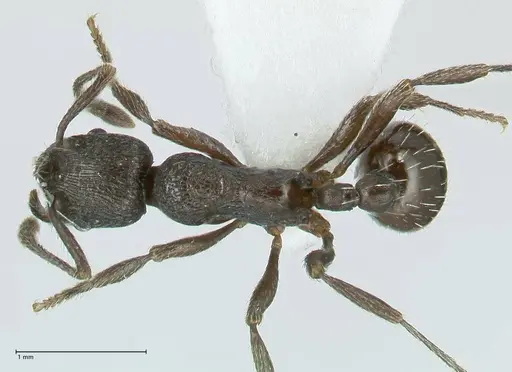
FOCOL1825
View on AntWeb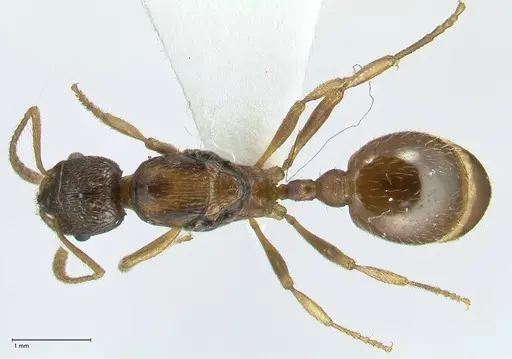
FOCOL1826-1
View on AntWeb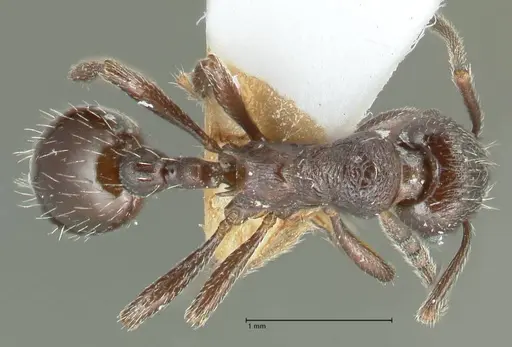
FOCOL1826-2
View on AntWeb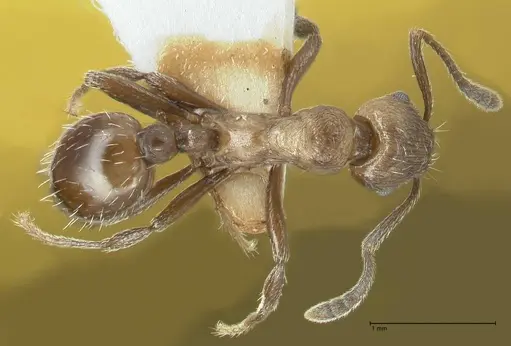
FOCOL1826-3
View on AntWeb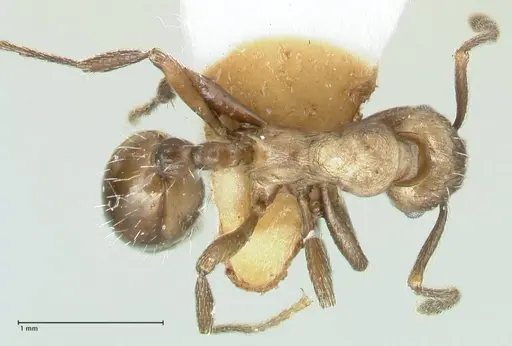
Literature
Loading...Loading products...