
Myrmica rubra shows an extended activity window from April through September, spanning 7 months. This longer season suggests multiple flight events or varying conditions across its range. Peak activity occurs in August. This extended season suggests multiple flight events or varying conditions across its range.
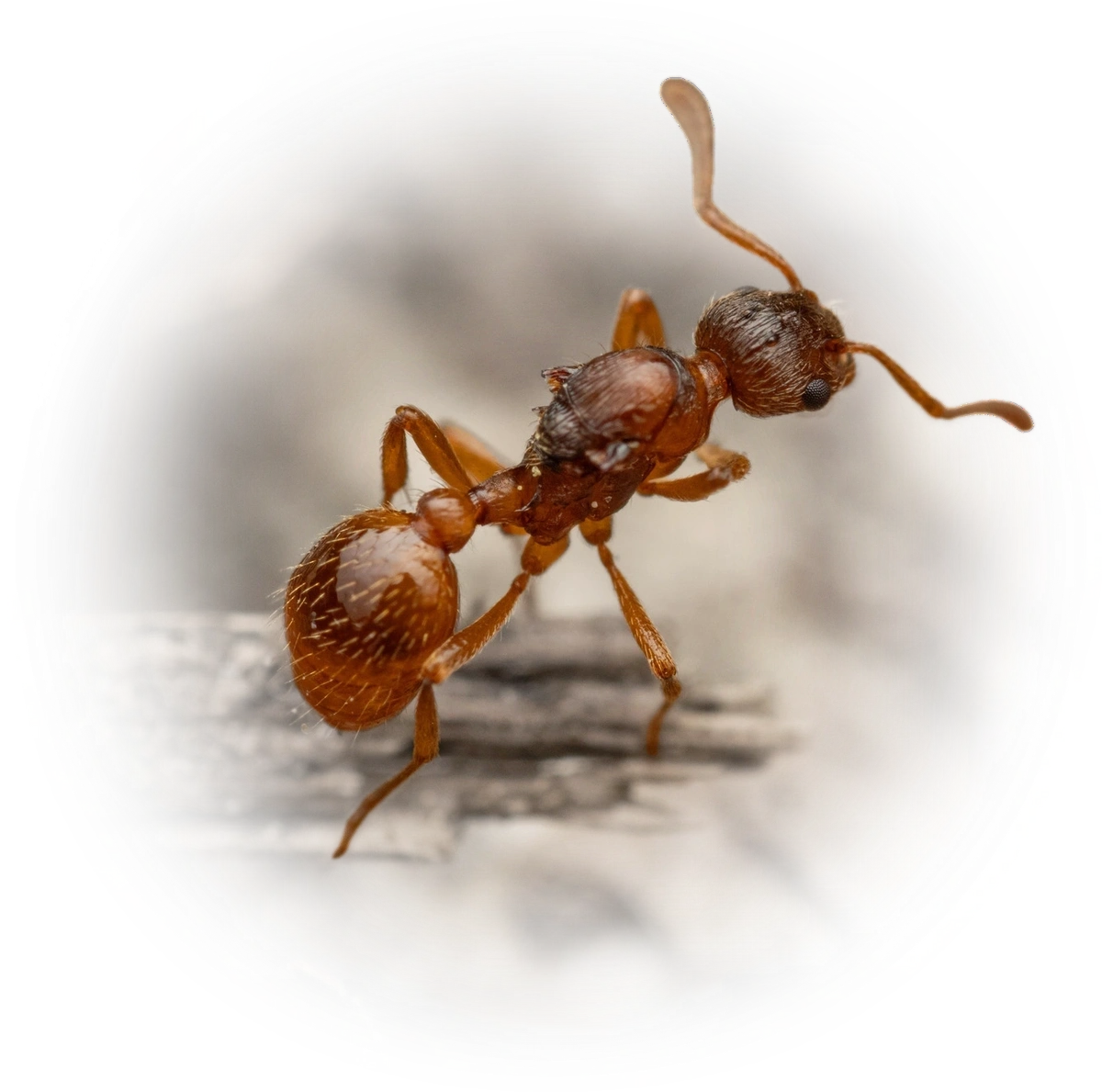
Myrmica rubra
- Scientific Name
- Myrmica rubra
- Tribe
- Myrmicini
- Subfamily
- Myrmicinae
- Author
- Linnaeus, 1758
- Common Name
- European Fire Ant
- Distribution
- Found in 16 countries
- Nuptial Flight
- from April to October, peaking in August
AI Identifiable
try →
Myrmica rubra Overview
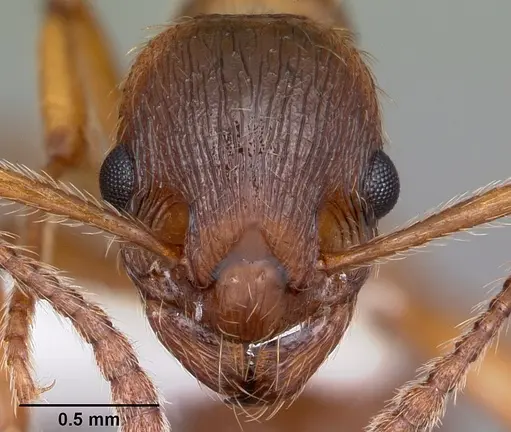
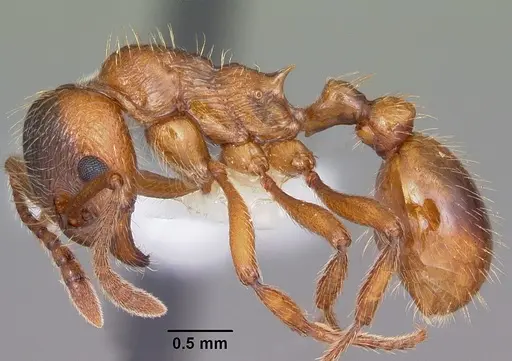
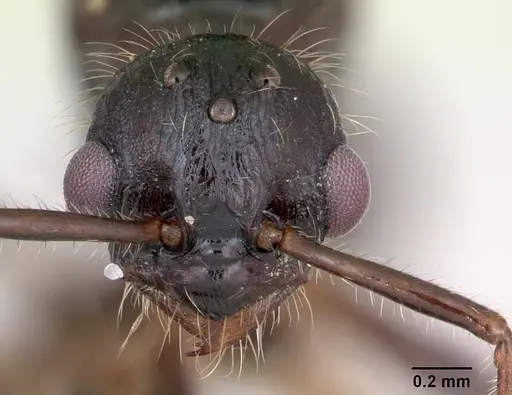
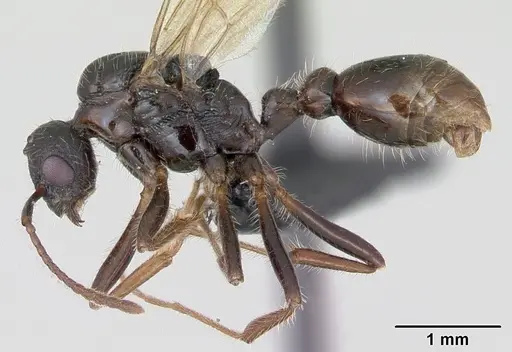
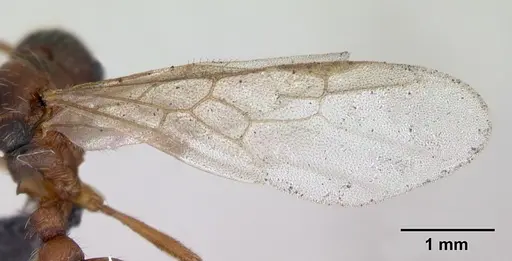
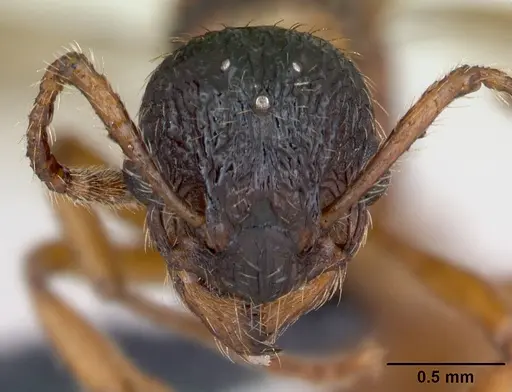
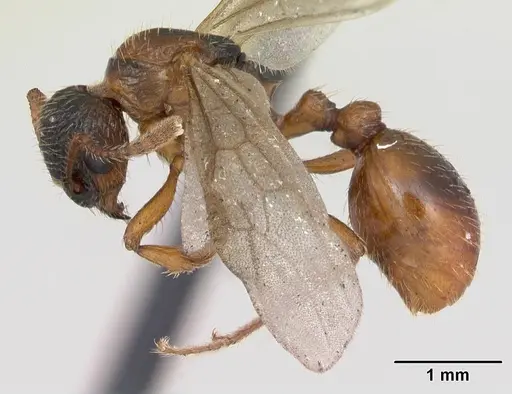
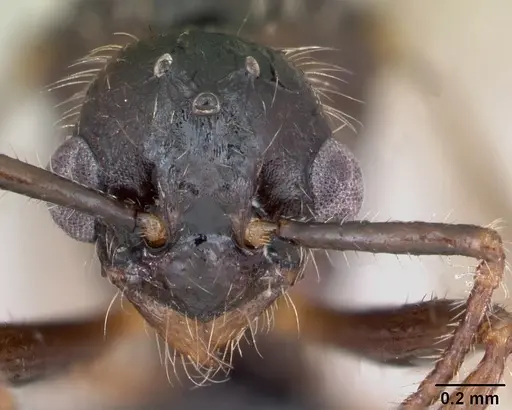
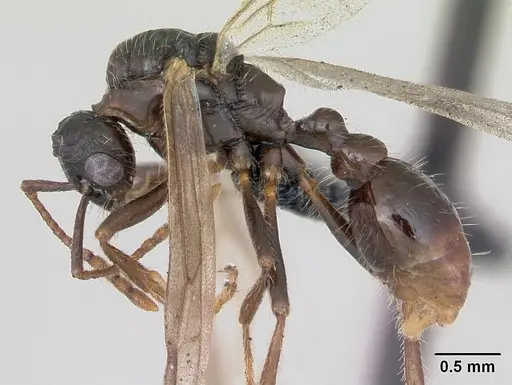
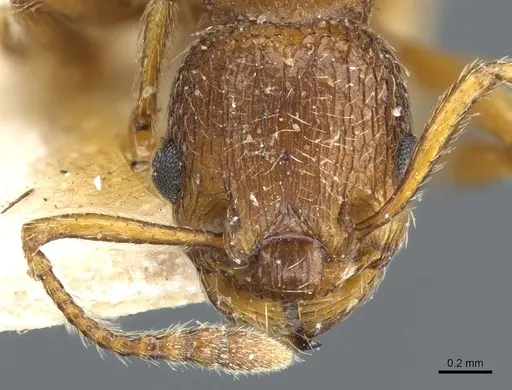
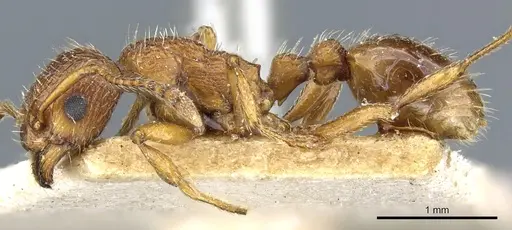
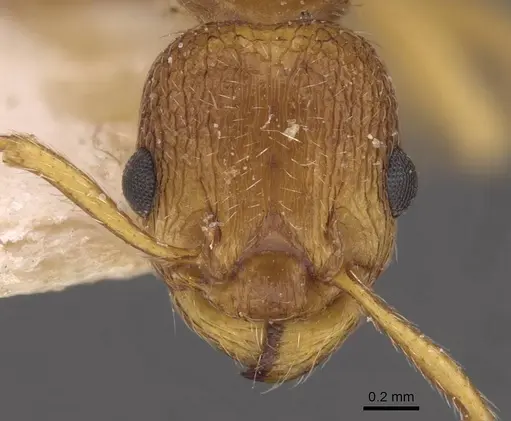
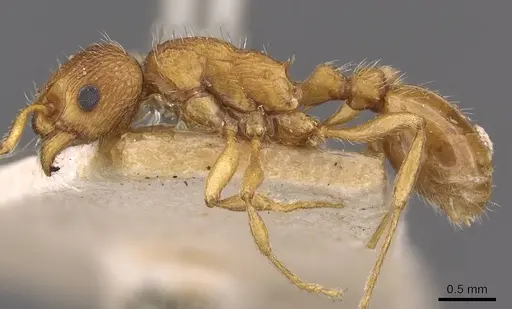
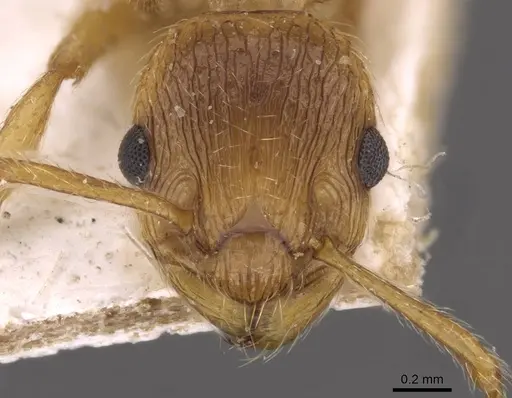
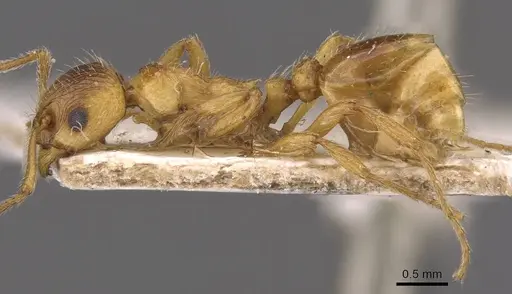
Myrmica rubra (commonly known as the European Fire Ant) is an ant species of the genus Myrmica. It is primarily documented in 16 countries , including Austria, Belgium, Canada. Detailed taxonomic data and occurrence records can be further explored via authoritative databases such as AntWeb or the Global Biodiversity Information Facility (GBIF).
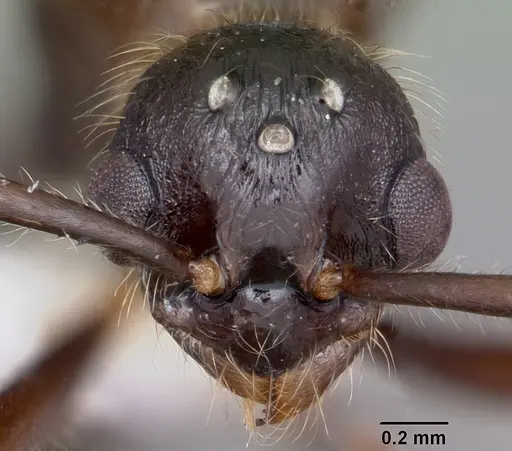
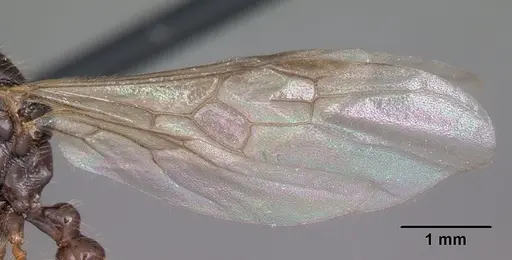
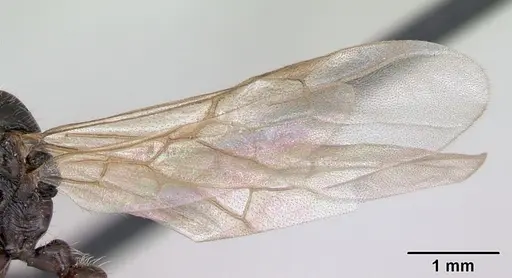
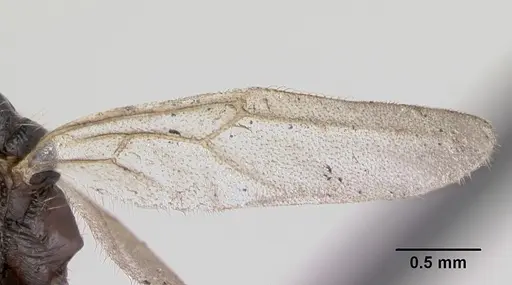
The nuptial flight of Myrmica rubra is a significant biological event, typically occurring from April to October, peaking in August. During this time, winged queens and males leave the nest to mate and establish new colonies.
Myrmica rubra - "European Fire Ant"
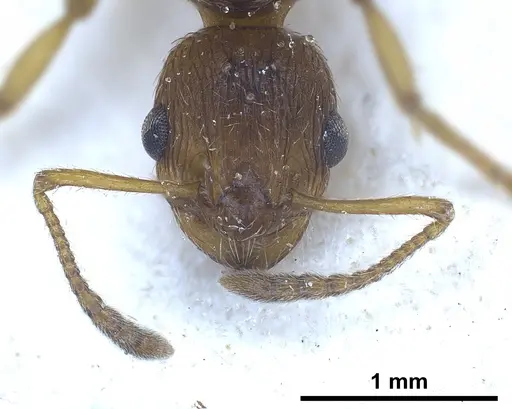
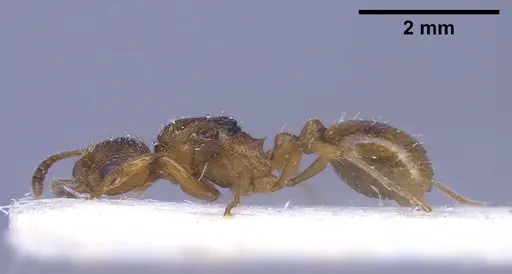
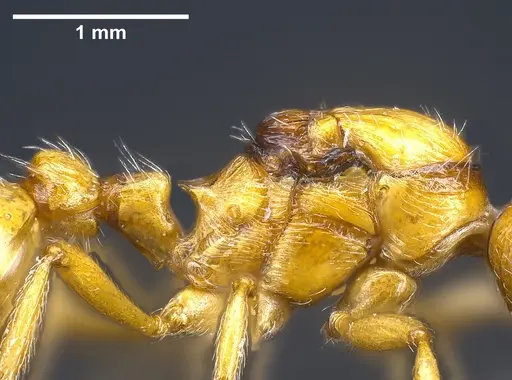
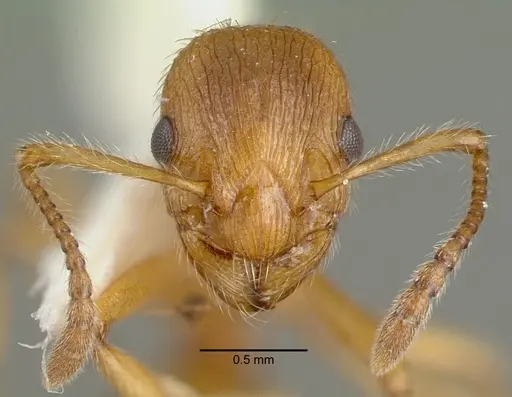
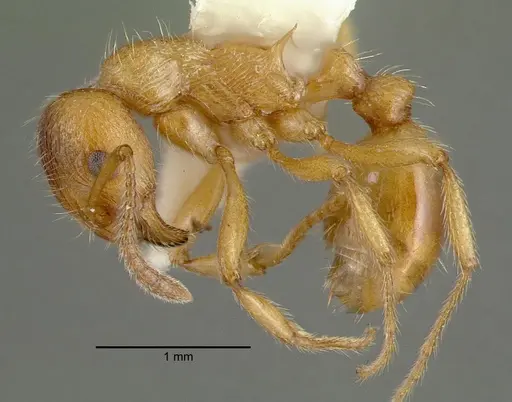
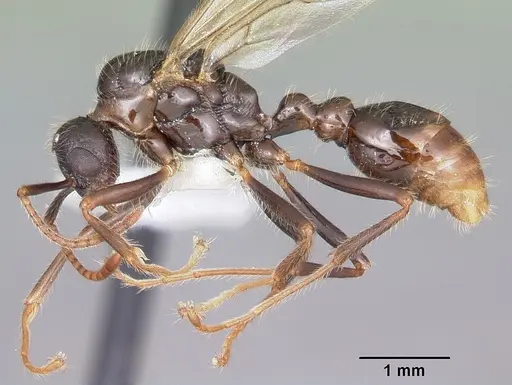
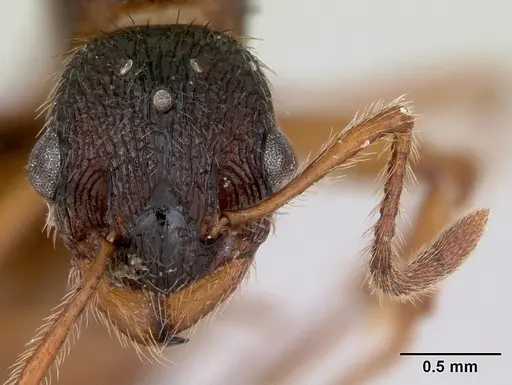
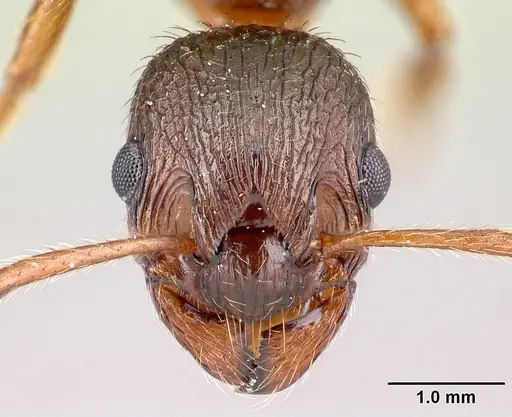
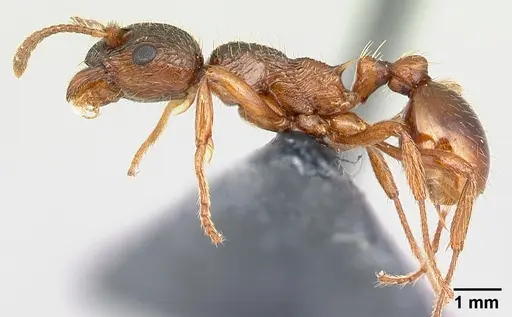
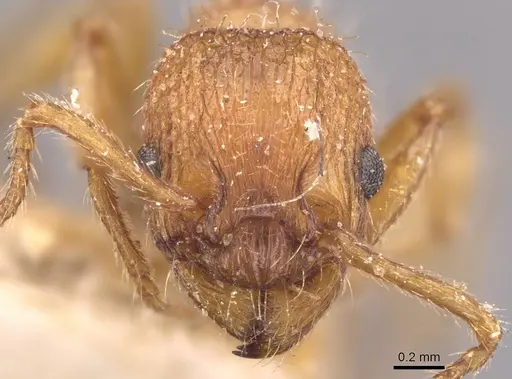
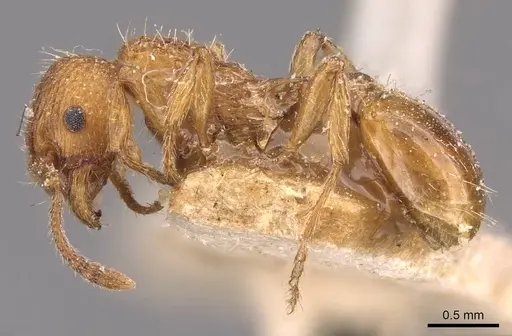
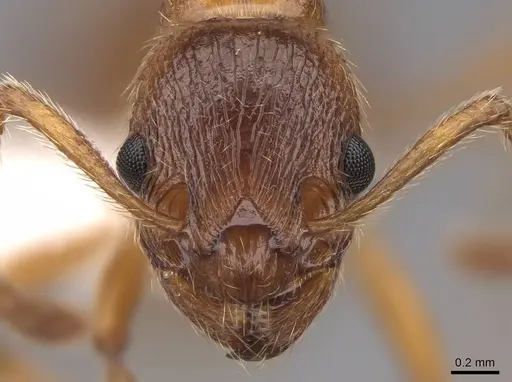
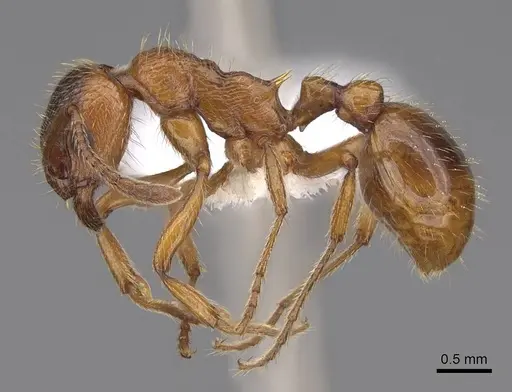
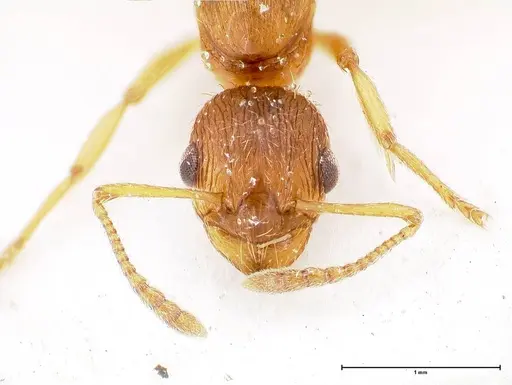
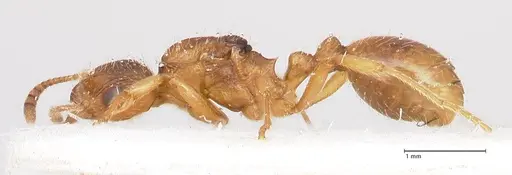
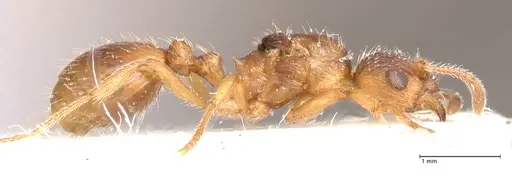
Myrmica rubra is a small, reddish-brown ant native to the Palearctic region, ranging from Ireland and Portugal across Europe to Siberia [1][2]. Workers measure 3.5-5 mm and possess a noticeable sting that delivers a painful venom comparable to a stinging nettle [1][3]. In nature, they favor moist habitats, nesting under stones, in rotting wood, or within moss tussocks, and are frequently found in meadows, gardens, and forest edges [2][4]. What makes this species truly unusual is its social structure: colonies are typically polygynous with multiple queens, and they produce two distinct queen morphs, large macrogynes that found colonies independently and tiny microgynes that act as intraspecific social parasites within established nests [5][6]. They are also specialized predators of springtails, using a unique 'tip-and-run' hunting technique [7]. In North America, they are an invasive pest forming dense supercolonies that displace native ants [1][8].
Quick Summary
- Difficulty: Medium
- Origin & Habitat: Native to the Palearctic temperate zone (Europe to Siberia), found in moist meadows, woodlands, and anthropogenic habitats, invasive in northeastern North America [1][2]
- Colony Type: Facultatively polygynous colonies with multiple queens (up to 600+ observed) and polydomous nesting, produces two queen morphs, macrogynes and parasitic microgynes [1][5]
- Colony: Optionally polygyne, Supercolonial
- Founding: Semi-claustral, Pleometrosis
- Size & Growth:
- Queen: 4.5-6 mm (macrogynes), microgynes ~2.4-2.6 mm mesosoma length [1][6]
- Worker: 3.5-5 mm [2]
- Colony: Up to 10,000+ workers, occasionally exceeding 20,000 in large polycalic systems [2][1]
- Growth: Moderate (split brood cycle with rapid and diapausing larvae) [9]
- Development: 6-10 weeks at 22-24°C for rapid brood, overwintering larvae complete development the following spring [9][10] (Northern populations develop faster than southern populations at the same temperature [10]. Colonies produce both rapid-developing summer workers and slower diapausing larvae that overwinter [9].)
- Antkeeping:
- Temperature: Keep at 20-24°C for optimal brood development, avoid overheating as lethal temperature is approximately 39°C [10][11]. Northern populations tolerate cooler conditions better than southern ones [10].
- Humidity: High humidity required, this is the most moisture-loving Myrmica species. Keep nest substrate damp but not waterlogged, they require humid conditions to forage actively [2][4].
- Diapause: Yes, required for the overwintering portion of the brood. Maintain at 3-5°C for 3-4 months with moist substrate [9][12].
- Nesting: Use Y-tong (AAC) or plaster nests with small chambers and moist substrate. Naturalistic setups with flat stones, rotting wood, or moss work well [2][1].
- Behavior: Aggressive and territorial with a painful sting. Workers forage day and night using trail pheromones (3-ethyl-2,5-dimethylpyrazine) to recruit nestmates [13]. They are specialized predators of springtails but also tend aphids for honeydew and visit flowers for nectar [7][2]. Infected workers exhibit phototaxis and withdraw from the nest to die, reducing disease transmission [14].
- Common Issues: tiny workers can escape through the smallest gaps, use fine mesh barriers and Fluon-coated walls, painful stings require caution during maintenance, desiccation risk if humidity drops below preferred moist conditions, fungal infections (e.g., Metarhizium) can spread quickly in stagnant, overly wet conditions without ventilation [14], invasive in North America, never release outdoors in regions where established [1][8], colonies may accept multiple queens but can show aggression during initial introduction
Queen Ant Activity Analysis 530 observations
Queen Activity by Hour 530 observations
Myrmica rubra queen activity peaks around 19:00 during the evening. Activity is spread across a 14-hour window (09:00–22:00). Times may be influenced by human observation patterns.
Nest Preferences and Setup
In the wild, Myrmica rubra nests under flat stones, in rotting wood, under bark, or within grass and moss tussocks, often constructing small soil mounds [2][1]. They prefer shaded, moist microhabitats and are commonly found in meadows with high groundwater, riparian areas, and gardens [2]. For captive colonies, use Y-tong (AAC) or plaster nests that maintain humidity well. Chambers should be small and tight-fitting to their size. Provide a moisture gradient by keeping one side of the nest damper than the other, and offer nesting materials like small stones or wood pieces to simulate natural conditions [1].
Feeding and Diet
Myrmica rubra is omnivorous but shows specialized predatory behavior on springtails (Collembola), using a 'tip-and-run' attack where the ant bends its abdomen and head toward the thorax and jumps onto the prey [7]. They also frequently tend aphids and scale insects for honeydew, and visit flowers for nectar [2]. In captivity, provide live springtails as a primary protein source, supplemented with small insects like fruit flies or mealworm pieces. Offer sugar water or honeydew substitutes constantly. They require both protein for brood development and carbohydrates for worker energy [7][2].
Temperature and Humidity Requirements
Keep colonies at 20-24°C for optimal brood production, with a slight gradient allowing ants to thermoregulate [10]. Avoid temperatures above 30°C for extended periods, as their lethal temperature is approximately 39°C [11]. They are oligothermophilic (preferring cooler conditions) and hygrophilic (moisture-loving), requiring high humidity to survive [4]. Maintain nest substrate damp to the touch but not flooded. During winter, provide a diapause period at 3-5°C for 3-4 months to allow overwintering larvae to complete development properly [9][12].
Colony Founding and Development
Queens are semi-claustral, meaning they must leave the nest to forage during founding rather than surviving entirely on stored fat reserves [12][15]. Colonies exhibit a split brood cycle: queens lay eggs in early summer that either develop rapidly into workers within 6-10 weeks, or grow slowly, enter diapause as third-instar larvae, and complete development the following spring [9]. This results in two cohorts of workers, summer-born and spring-born. Northern populations develop faster than southern populations at the same temperature, an adaptation to shorter summers [10].
Macrogynes and Microgynes
Myrmica rubra produces two distinct queen morphs. Macrogynes are large (4.5-6 mm), fly during nuptial flights in August-September, and found colonies independently or join existing nests [1][5]. Microgynes are miniature queens (mesosoma ≤1.9 mm) that mate near the nest and act as intraspecific social parasites, infiltrating established colonies, particularly older ones, and producing up to 40 times more gynes than macrogynes while contributing fewer workers [5][6]. Microgynes were previously described as a separate species (M. microrubra) but are now recognized as a genetically distinct parasitic morph of M. rubra [6][16].
Behavior and Temperament
These ants are highly aggressive and possess a painful sting used for defense and subduing prey [1][3]. Workers forage both day and night, recruiting nestmates to food sources using trail pheromones from their venom glands [13]. When infected with fungal pathogens like Metarhizium, workers exhibit altered behavior: they become attracted to light, lose attraction to social cues, and withdraw from the nest to die alone, reducing disease spread to nestmates [14]. They are effective competitors and can displace other ant species from food sources [8].
Invasive Status and Ecological Impact
Introduced to North America around 1900, Myrmica rubra is invasive in the northeastern United States and southeastern Canada, forming dense supercolonies with nest densities reaching 1.24 nests/m² compared to 0.02-0.13 in its native range [1][8]. These populations are multicolonial (not unicolonial) and aggressively displace native ant species, reducing local biodiversity [8][17]. If you live in North America, never release captive colonies outdoors. In their native European range, they are important hosts for endangered Maculinea butterflies and play key roles in seed dispersal and soil health [18][2].
Frequently Asked Questions
Can I keep Myrmica rubra in a test tube?
Yes, but ensure the cotton plug maintains high humidity and does not dry out. They require moist conditions, so a test tube with a water reservoir blocked by cotton works for founding queens, though they will need to be moved to a proper nest with humidity control as the colony grows.
How long until Myrmica rubra gets its first workers?
Expect first workers in 6-10 weeks at 22-24°C for the rapid-developing brood. However, some eggs laid in late summer will enter diapause and not emerge until the following spring [9][10].
Do Myrmica rubra need hibernation?
Yes. They require a diapause period at 3-5°C for 3-4 months. In nature, part of the brood overwinters as larvae and completes development the next spring. Without this cold period, colony development may be disrupted [9][12].
Do Myrmica rubra ants sting?
Yes, they have a painful sting rated at level 1 on the Schmidt pain scale, comparable to a stinging nettle. They are considered the most aggressive Myrmica species in Europe and will sting readily when disturbed [1][3].
Can I keep multiple Myrmica rubra queens together?
Yes, this species is facultatively polygynous and naturally forms colonies with multiple queens, sometimes hundreds. However, introduce queens carefully as aggression can occur initially. Queenless colonies accept new queens more readily than queenright ones [19][1].
What do Myrmica rubra eat?
They are specialized predators of springtails (Collembola) and also consume aphid honeydew, nectar, and small insects. In captivity, provide live springtails, sugar water, and small protein sources like fruit flies or mealworm pieces [7][2].
Why are my Myrmica rubra dying?
Common causes include desiccation (they require high humidity), fungal infections (ensure good ventilation), overheating (lethal above ~39°C), or starvation during founding (queens must forage). Check that the nest is moist but not moldy and that temperatures are moderate [14][11].
What is the difference between macrogynes and microgynes?
Macrogynes are normal-sized queens (4.5-6 mm) that found colonies independently. Microgynes are tiny queens (≤1.9 mm mesosoma) that act as social parasites, entering existing colonies to exploit worker care and producing many queens but few workers [5][6].
How big do Myrmica rubra colonies get?
Colonies typically reach several thousand workers, with records of over 10,000 individuals and up to 670 queens in a single nest. They can form polycalic systems (multiple connected nests) functioning as supercolonies [2][1].
Are Myrmica rubra good for beginners?
They are of medium difficulty. While hardy and adaptable, their small size requires careful escape prevention, they need high humidity, and their painful sting makes handling challenging. They are best for keepers with some experience [1].
How do I maintain humidity for Myrmica rubra?
Keep the nest substrate consistently moist, damp to the touch but not waterlogged. Use a water tower or moistened plaster in the nest. They are the most hygrophilous Myrmica species and will desiccate quickly if kept too dry [2][4].

This caresheet is licensed under CC BY-SA 4.0 .
ANTWEB1041282
View on AntWeb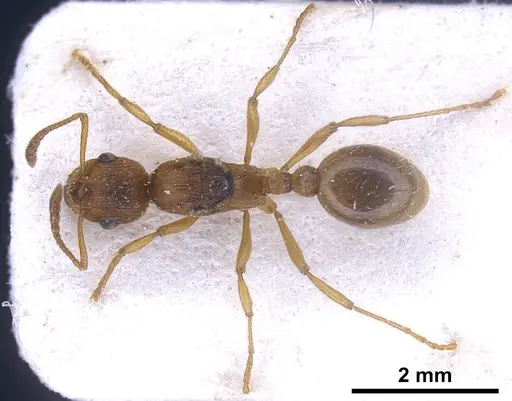
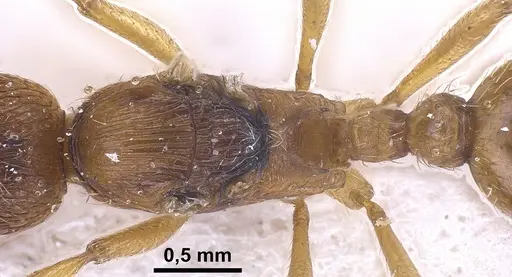
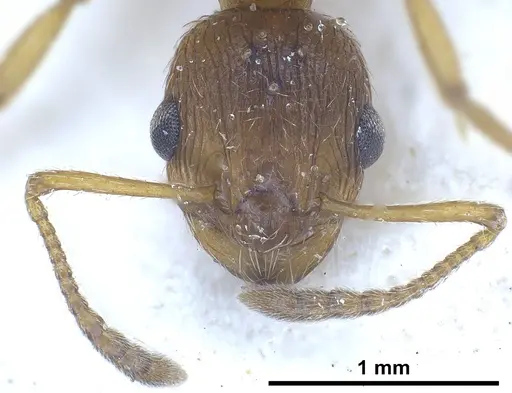
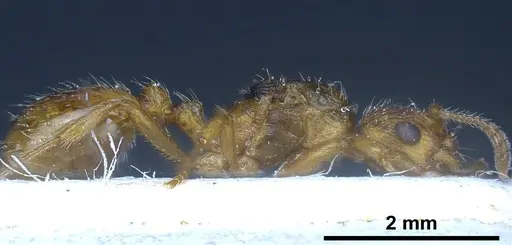
ANTWEB1041366
View on AntWeb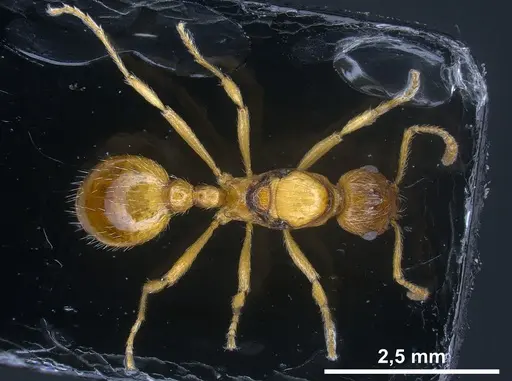
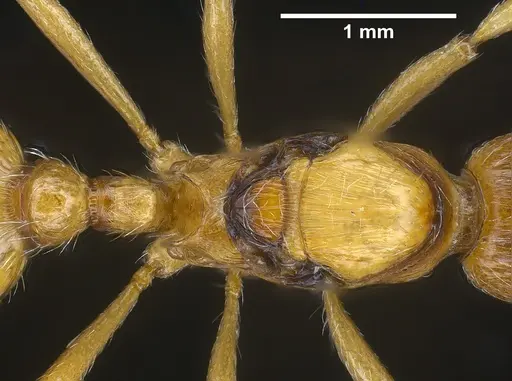
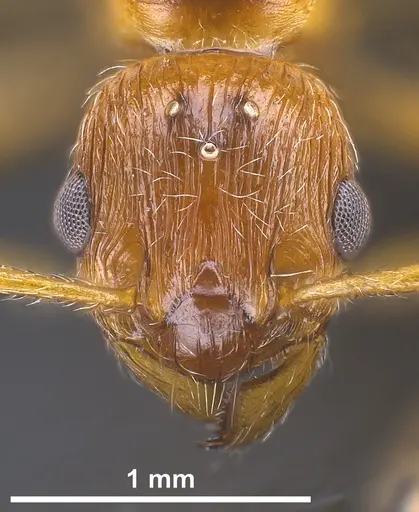
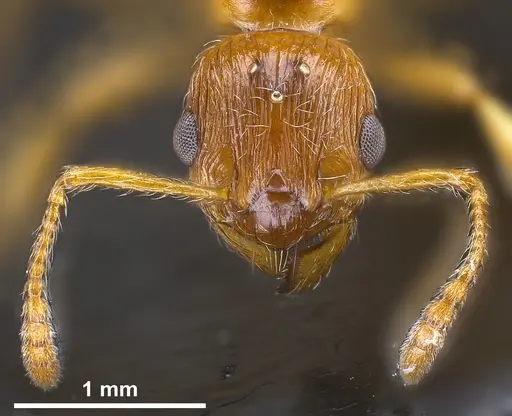
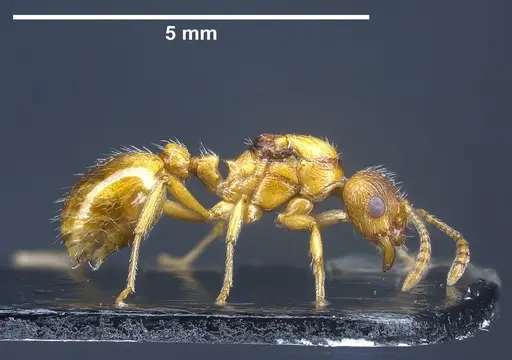
CASENT0010644
View on AntWeb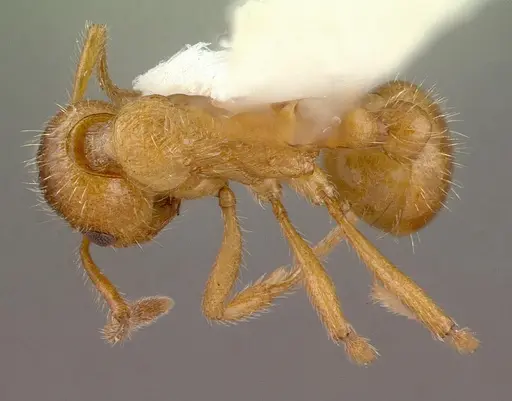
CASENT0010684
View on AntWeb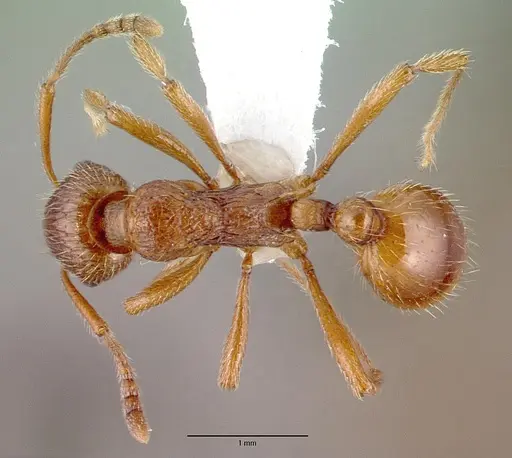
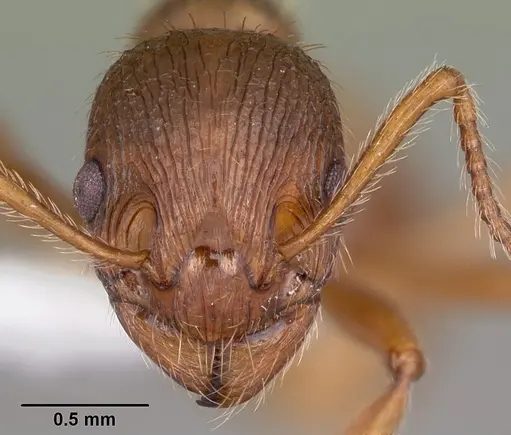

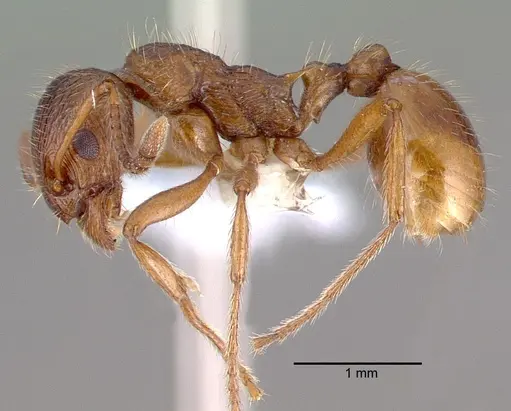
CASENT0104804
View on AntWeb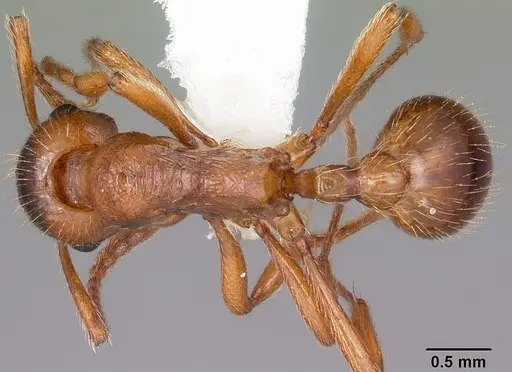
CASENT0104805
View on AntWeb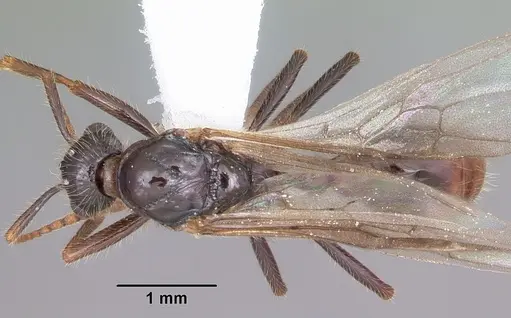
CASENT0172707
View on AntWeb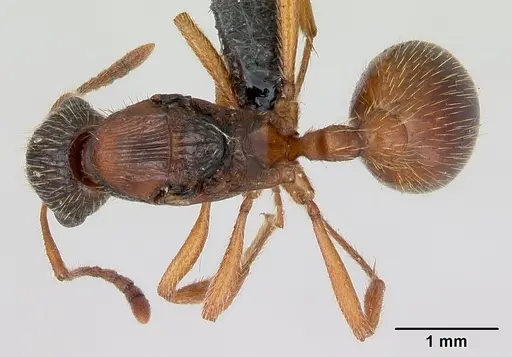
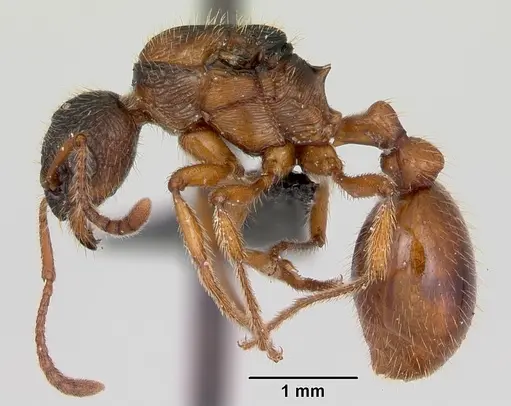
CASENT0172750
View on AntWeb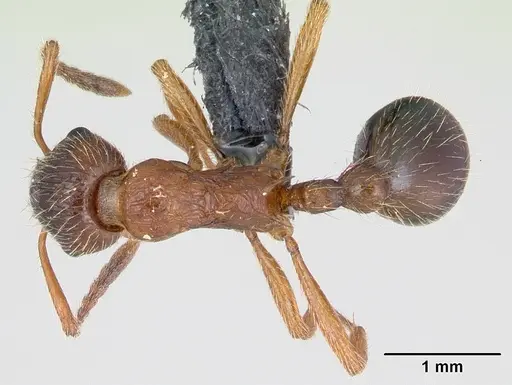
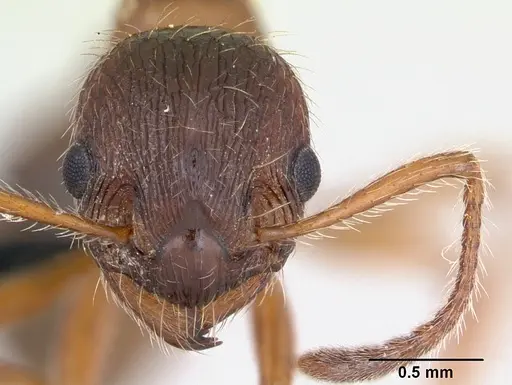
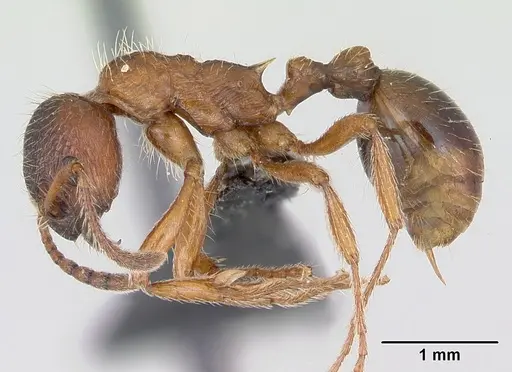
CASENT0172751
View on AntWeb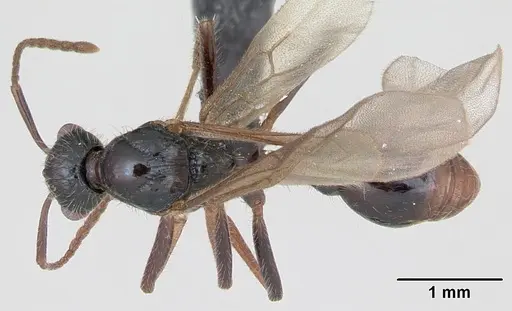
CASENT0173172
View on AntWeb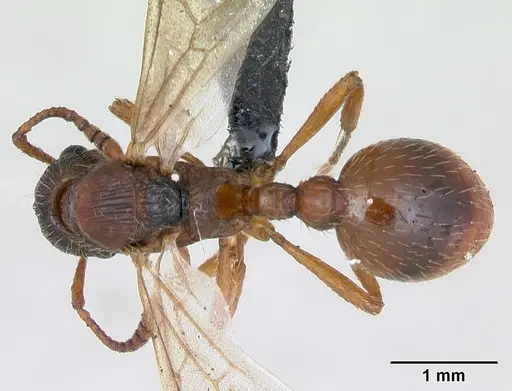
CASENT0173173
View on AntWeb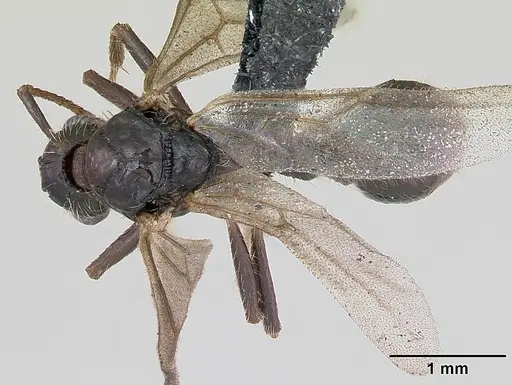
CASENT0179930
View on AntWeb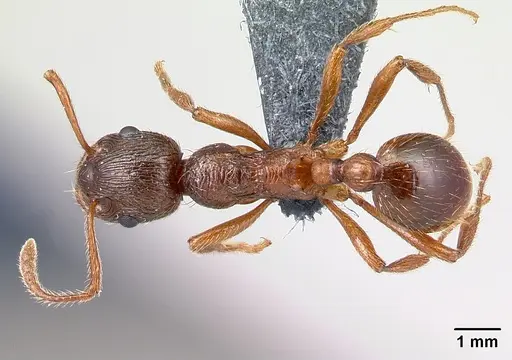
CASENT0904063
View on AntWeb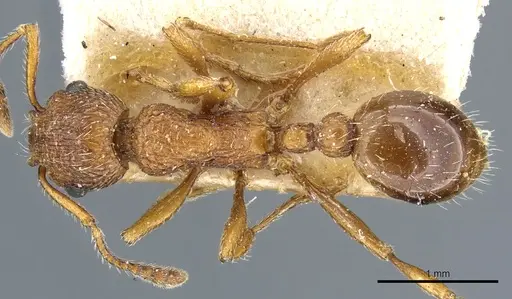
CASENT0907644
View on AntWeb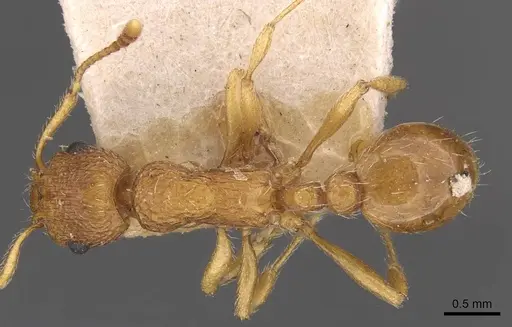
CASENT0907645
View on AntWeb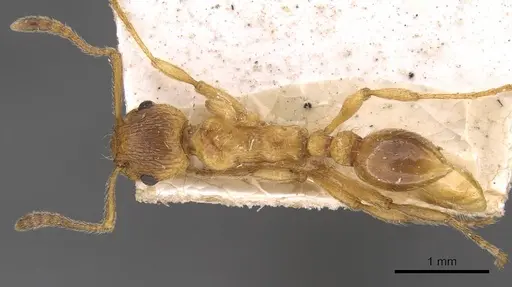
CASENT0907655
View on AntWeb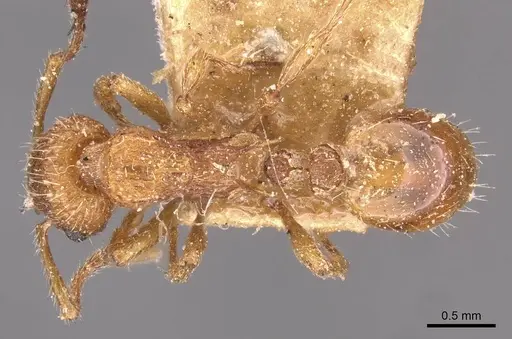
CASENT0922785
View on AntWeb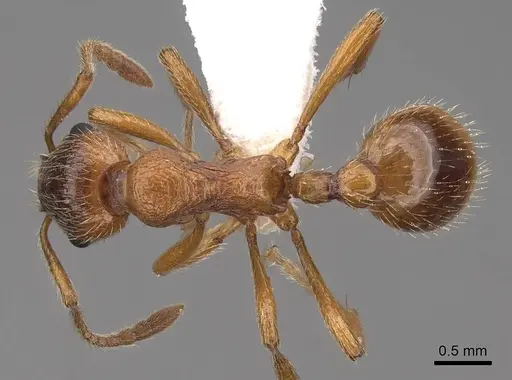
FOCOL0722
View on AntWeb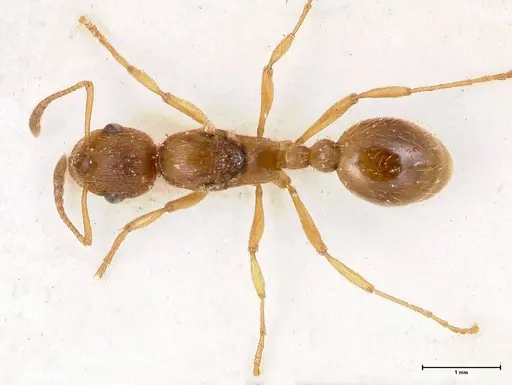
Literature
Loading...Loading products...