

Myrmica cachmiriensis
- Scientific Name
- Myrmica cachmiriensis
- Tribe
- Myrmicini
- Subfamily
- Myrmicinae
- Author
- Forel, 1904
- Distribution
- Found in 1 countries
Myrmica cachmiriensis Overview
Myrmica cachmiriensis is an ant species of the genus Myrmica. It is primarily documented in 1 countries , including India. Detailed taxonomic data and occurrence records can be further explored via authoritative databases such as AntWeb or the Global Biodiversity Information Facility (GBIF).
Myrmica cachmiriensis
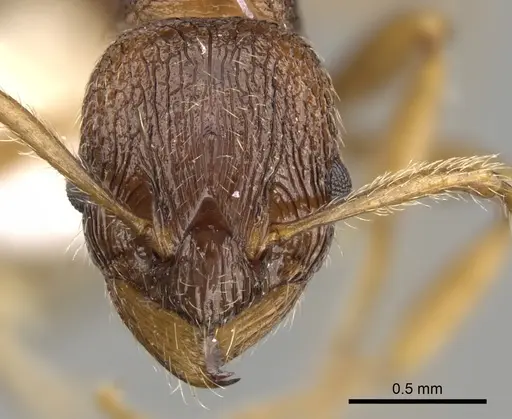
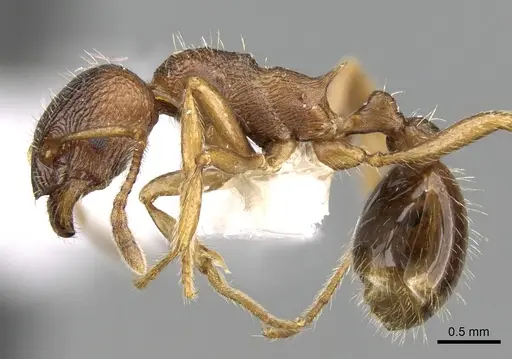
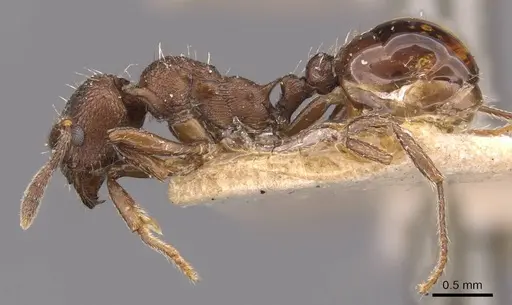
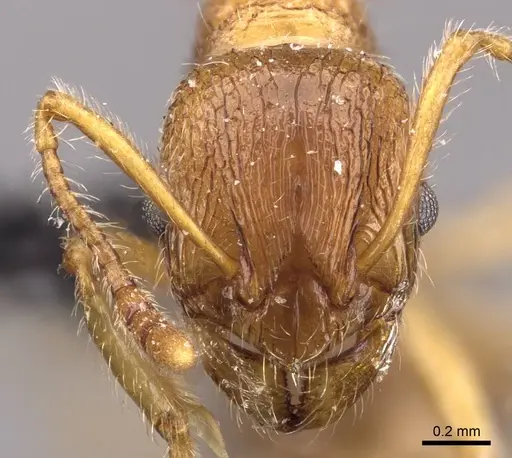
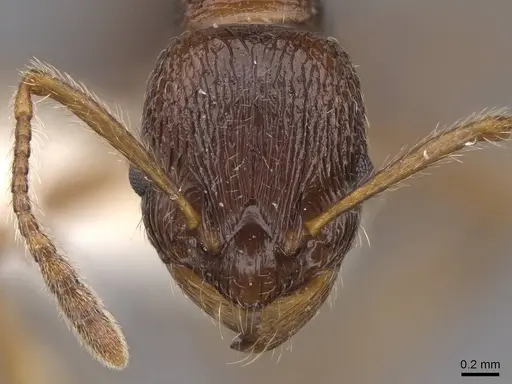
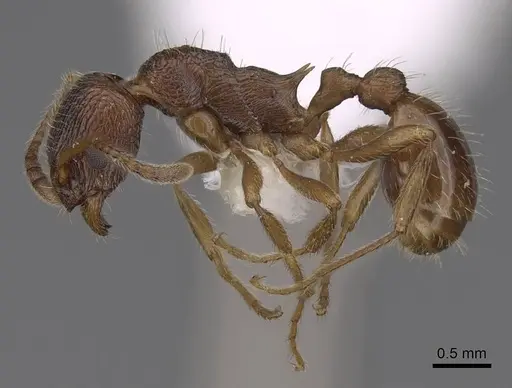
Myrmica cachmiriensis is a small reddish-brown ant species native to the Himalayan region, specifically found in Kashmir and Himachal Pradesh in India, as well as northeastern Pakistan [1]. Workers are typical Myrmica-sized, around 4-6mm, with the characteristic two-segmented waist and relatively smooth head sculpture that distinguishes it from similar species like Myrmica wardi [2]. This species belongs to the cachmiriensis-complex and is named after the Kashmir region where it was first described [2].
What makes M. cachmiriensis interesting is its adaptation to high-altitude Himalayan environments. These ants form small colonies of just 10-50 workers and nest under stones in soil with scattered vegetation, avoiding dense forests and exposed areas [1]. They appear to prefer shady spots and have been found at elevations between 1829 and 3500 meters above sea level, where nest temperatures range from 14°C to 22°C with humidity around 91% [1].
Quick Summary
- Difficulty: Medium
- Origin & Habitat: Himalayan region of India (Jammu & Kashmir, Himachal Pradesh) and northeastern Pakistan, at altitudes of 1829-3500m. Found in open pine and fir-pine forests, under stones in soil with scattered vegetation, preferring shady areas [1][3].
- Colony Type: Small colonies with 10-50 workers. Colony structure is not directly documented but typical Myrmica pattern suggests single-queen colonies. Ergatoid (wingless) replacement queens may be present as in related species.
- Colony: Monogyne
- Founding: Claustral
- Size & Growth:
- Queen: Estimated 5-7mm based on genus typical size [2]
- Worker: Estimated 4-6mm based on genus typical size [2]
- Colony: Small colonies up to 50 workers in natural nests [1]
- Growth: Moderate, based on typical Myrmica development patterns
- Development: Estimated 6-10 weeks based on related Myrmica species at optimal temperature [2] (Development time inferred from genus-level data, specific timing for this species unconfirmed)
- Antkeeping:
- Temperature: Keep nest area at 18-24°C, with a slight gradient allowing them to choose their preferred temperature. Natural nests show 14-22°C range [1]. Room temperature is often suitable, but a heating cable on one side can help during cooler months.
- Humidity: Maintain high humidity around 70-85%. These ants come from damp Himalayan habitats with 91% relative humidity in nest areas [1]. Keep substrate consistently moist but not waterlogged.
- Diapause: Yes, this is a Himalayan species adapted to cold winters. Provide a winter rest period of 8-12 weeks at 5-10°C, mimicking natural conditions at high altitude [1].
- Nesting: Y-tong (AAC) or plaster nests work well. These ants nest under stones in soil in the wild, so they prefer tight, humid chambers. Avoid dry, airy setups. Provide a water tube for humidity.
- Behavior: Myrmica cachmiriensis is not aggressive and typically avoids confrontation. Workers are active foragers, searching for small insects, honeydew, and nectar. They have a functional stinger but rarely use it on humans due to their small size. Escape risk is moderate, they are not particularly small but can squeeze through small gaps, so standard escape prevention (Fluon on rim edges) is recommended. They are most active in the warmer months and reduce activity during winter.
- Common Issues: small colony size means slow growth, beginners may lose patience and overfeed, causing mold, high humidity requirements can lead to mold problems if ventilation is poor, hibernation is essential for this Himalayan species, skipping it can weaken or kill the colony, they prefer shady conditions, avoid placing the nest in direct sunlight, wild-caught colonies may have parasites that kill them in captivity
Housing and Nest Setup
Myrmica cachmiriensis does well in Y-tong (AAC) nests or plaster nests that can hold moisture. These ants naturally nest under stones in soil, so they prefer tight, humid chambers rather than large open spaces. A test tube setup can work for founding colonies, but move them to a formicarium once the colony reaches 15-20 workers. Include a water tube or hydration system to maintain humidity. Place the nest in a shaded area away from direct sunlight, these ants explicitly avoid exposed habitats in the wild [1]. A small outworld for foraging completes the setup.
Feeding and Diet
Like other Myrmica species, M. cachmiriensis is an opportunistic feeder that accepts both sugar and protein sources. Offer sugar water, honey, or diluted maple syrup as a constant carbohydrate source. For protein, provide small insects like fruit flies, small mealworms, or cricket pieces. They are not specialized predators, so standard ant foods work well. Feed protein 2-3 times per week, removing any uneaten food within 24 hours to prevent mold. Remove sugar water every few days and replace with fresh solution. [2]
Temperature and Seasonal Care
This is a cold-adapted Himalayan species. Keep the nest area at 18-24°C, which covers the natural nest temperature range of 14-22°C [1]. A heating cable on one side of the nest creates a gradient so ants can self-regulate. During winter, provide an 8-12 week diapause period at 5-10°C, this is critical for colony health. Place them in a cool basement, garage, or refrigerator during hibernation. Do not feed during hibernation, but keep the substrate slightly moist. Resume normal feeding and warming gradually in spring.
Colony Growth and Development
M. cachmiriensis forms small colonies of just 10-50 workers in the wild [1]. In captivity, well-cared-for colonies can grow larger, potentially reaching 100-200 workers. Growth is moderate, expect 6-10 weeks from egg to first worker based on related Myrmica species. The first workers (nanitics) will be smaller than normal workers. Colonies grow slowly compared to tropical species, so patience is key. Do not overfeed during founding, as excess food causes mold that can kill the queen.
Frequently Asked Questions
How long does it take for Myrmica cachmiriensis to produce first workers?
Expect 6-10 weeks from egg to first worker at room temperature (around 20-24°C). This is based on typical Myrmica development patterns, as specific timing for this species has not been documented.
Do Myrmica cachmiriensis ants sting?
Yes, they have a stinger, but due to their small size (4-6mm), the sting is rarely noticeable to humans. They are not aggressive and typically flee rather than sting when disturbed.
Can I keep multiple Myrmica cachmiriensis queens together?
Not recommended. This species follows the typical Myrmica pattern of single-queen colonies. Combining unrelated queens has not been documented and would likely result in fighting.
Do Myrmica cachmiriensis need hibernation?
Yes, absolutely. As a Himalayan high-altitude species, they require an 8-12 week winter rest period at 5-10°C. Skipping hibernation can weaken or kill the colony over time.
How big do Myrmica cachmiriensis colonies get?
In the wild, colonies reach 10-50 workers. In captivity with good care, they can potentially reach 100-200 workers. This is a small colony species compared to many Myrmica.
What temperature should I keep Myrmica cachmiriensis at?
Keep the nest at 18-24°C, with a gradient so workers can choose their preferred temperature. Their natural nest temperature ranges from 14-22°C, so room temperature is often suitable. A slight warming boost can help during growth periods.
Are Myrmica cachmiriensis good for beginners?
They are moderate difficulty. The main challenges are providing proper high humidity, ensuring hibernation each winter, and being patient with their slow growth. They are not as forgiving as some tropical species but not difficult once these requirements are understood.
Why are my Myrmica cachmiriensis dying?
Common causes include: skipping hibernation (essential for this species), too dry conditions (they need 70-85% humidity), mold from overfeeding, or stress from excessive disturbance. Check that humidity is adequate and that you are providing a proper winter rest period.
Where is Myrmica cachmiriensis found in the wild?
This is a Himalayan species found in Kashmir, Himachal Pradesh (India), and northeastern Pakistan, at altitudes between 1829 and 3500 meters. They live in open pine forests and nest under stones in shady, damp areas.
References

This caresheet is licensed under CC BY-SA 4.0 .
CASENT0280835
View on AntWeb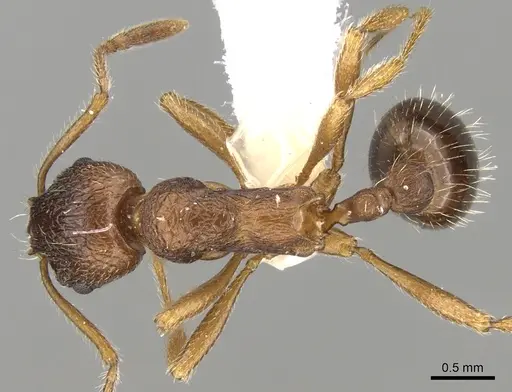
CASENT0904092
View on AntWeb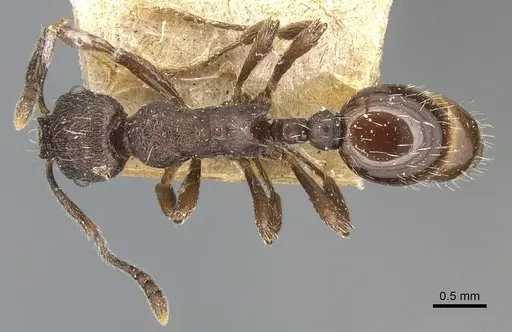
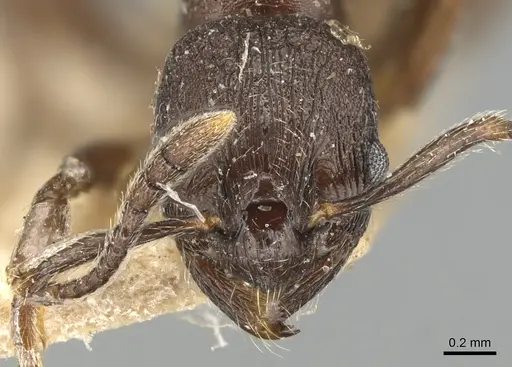
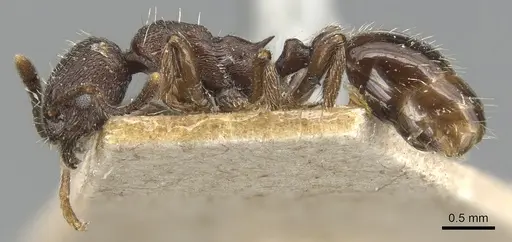
CASENT0907660
View on AntWeb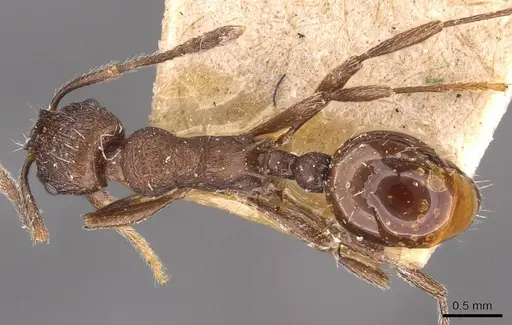
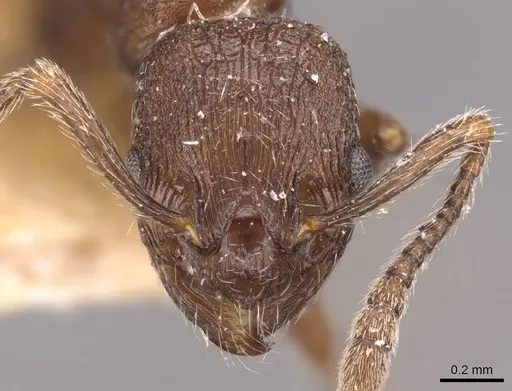
CASENT0907661
View on AntWeb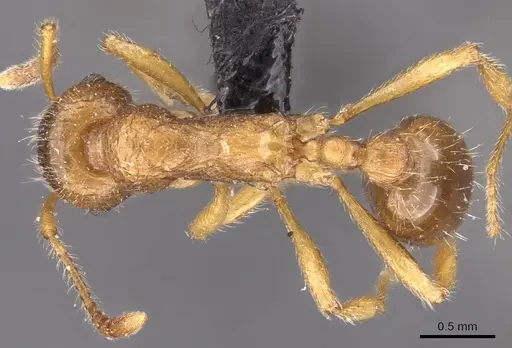
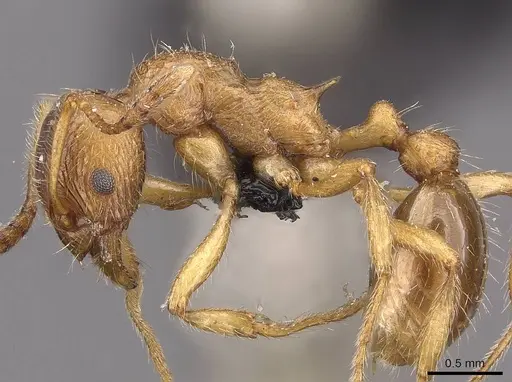
CASENT0922779
View on AntWeb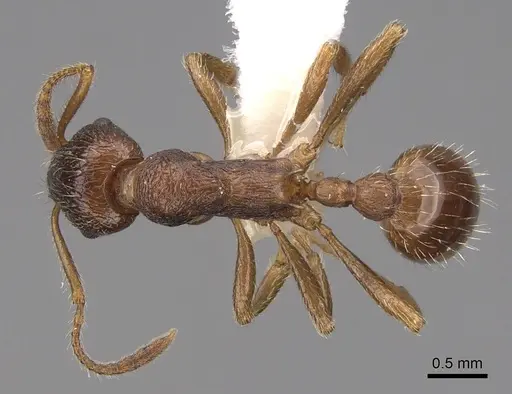
Literature
Loading...Loading products...