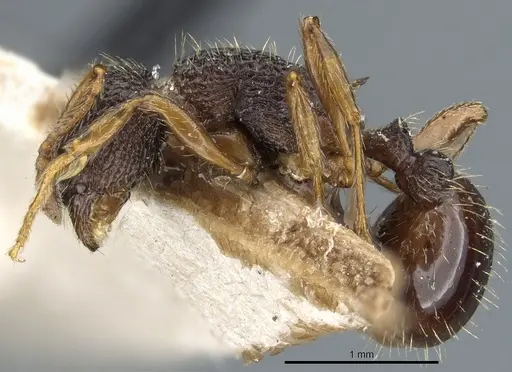
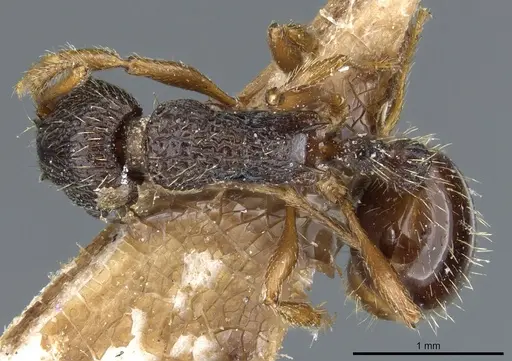
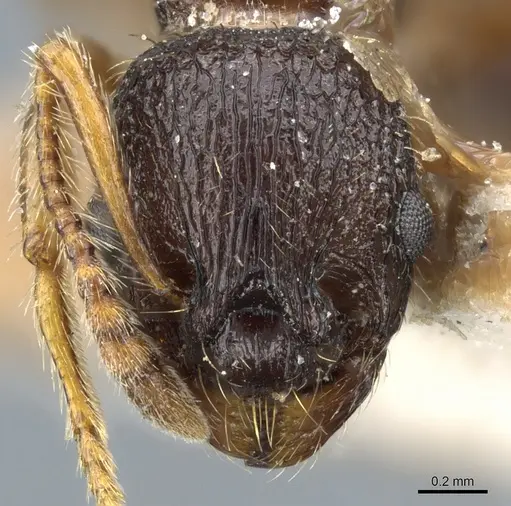
Myrmica saposhnikovi - "Not commonly known by a specific common name in antkeeping, often referred to as a 'Myrmica species'"
Myrmica saposhnikovi is an intriguing ant species belonging to the Myrmicinae subfamily. These ants are notable for their reddish-brown coloration, which can vary in shade. Like other Myrmica species, they possess distinct antennae with a noticeable bend at the base and a clear segmentation. They are members of the 'lobiocornis complex' within the 'lobiocornis species group'. This species exhibits a fascinating habitat dichotomy, found in both cool, high-altitude fir forests and subalpine meadows (1000-2900m altitude), as well as hotter, drier steppe-like habitats at lower altitudes (less than 600m).
- Difficulty: Medium
- Origin & Habitat: Palaearctic Region: China, Kazakhstan, Kyrgyzstan, Republic of Korea, Russian Federation. in Fir forests, subalpine meadows (high altitude), and steppe-like habitats (low altitude)..
- Colony Type: Polygyne (multiple queens). While specific information for Myrmica saposhnikovi is limited, many Myrmica species are polygynous., semi-claustral (queen forages). many myrmica species are semi-claustral. founding.
- Size & Growth:
- Queen: 7-12mm
- Worker: 5-8mm
- Colony: Medium (thousands). Myrmica colonies can reach up to around 10,000 workers.. Medium. Growth can be slow at first but accelerates with more queens in polygynous colonies. growth.
- Antkeeping:
- Temperature: Optimal nest temperature is around 20-25°C. They can tolerate higher temperatures for parts of the nest (up to 27°C) but generally fear high temperatures..
- Humidity: High humidity is crucial. The nest should be kept very moist, potentially with a large hydrated area..
- Diapause: Required. 3-5 months at 5-17°C.
- Nesting: They prefer to nest in the ground, under stones, or in rotting wood. Artificial nests like acrylic or ytong formicariums with good humidity retention are suitable..
- Behavior: Medium (aggressive towards handler and prey). aggressiveness.
- Common Issues: Humidity fluctuations, Dehydration, Overfeeding leading to waste, Mites (from wild-caught food).
One of the most remarkable aspects of Myrmica saposhnikovi is their adaptable nature when it comes to habitat. These ants can be found thriving in two very different environments: the cooler, higher altitudes of fir forests and subalpine meadows, and surprisingly, in the warmer, drier conditions of steppe-like lowlands. This ecological versatility suggests a robust species that might adjust well to varied setups in a keeper's formicarium, though understanding the specific microclimate of your wild-caught colony's origin could offer a significant advantage for successful husbandry. Providing a nest with a humidity gradient and a varied temperature range can cater to their natural inclination for diverse conditions.
Myrmica species, including saposhnikovi, are known for being polygynous, meaning their colonies can house multiple queens. This is a huge bonus for antkeepers aiming for larger colonies, as it can lead to faster colony growth compared to monogyne species. It's not uncommon for Myrmica nests to have several queens, and while some might not be actively laying eggs, their presence contributes to the overall colony's well-being and expansion. If you're looking to watch a colony truly flourish and grow in numbers, a multi-queen setup with Myrmica saposhnikovi could be incredibly rewarding.
Be aware that Myrmica ants, and thus likely Myrmica saposhnikovi, are known for their painful sting. While generally not dangerous to humans, it can certainly be an unpleasant experience. This aggressiveness extends to their hunting behavior, making them fascinating to observe as they subdue prey in an outworld. Always exercise caution when handling these ants or performing maintenance on their setup. Using appropriate tools and avoiding direct contact will help ensure a safe and enjoyable antkeeping experience.
These ants are semi-claustral during their founding stage, meaning the queen will venture out to forage for food before the first workers emerge. This necessitates feeding the queen during the initial setup, unlike fully claustral species where the queen relies on her stored energy. Additionally, Myrmica ants are reported to have a relatively small social stomach, so frequent, small feedings are preferable to large, infrequent ones. Ensuring a constant external water source is also critical, as they are prone to dehydration.
Diapause, or hibernation, is a required period for Myrmica saposhnikovi, typically lasting from November to March at cooler temperatures. This mimics their natural seasonal cycle and is vital for the long-term health and development of the colony, including queen fertility. Attempting to forgo diapause by keeping them warm can actually be detrimental as their biological clock often dictates this resting period regardless of temperature. Prepare for this by gradually lowering temperatures and ensuring they have sufficient resources before they enter their dormant phase.
Frequently Asked Questions
What kind of formicarium is best for Myrmica saposhnikovi?
For Myrmica saposhnikovi, a formicarium that can maintain high humidity levels is crucial. Natural setups with soil or plaster nests, or even acrylic nests with dedicated hydration systems, are excellent choices. Many antkeepers find Ytong nests or specific 'mesh nests' work well for Myrmica species, as long as consistent moisture is provided. Avoid overly dry setups, as these ants are quite prone to dehydration.
How often should I feed my Myrmica saposhnikovi colony?
Myrmica species tend to have a smaller social stomach and don't store as much food internally. This means they benefit from frequent, small feedings rather than large, infrequent ones. Aim to feed them at least three times a week for optimal results, offering a mix of sugary liquids and protein.
What do Myrmica saposhnikovi eat?
These ants are omnivorous and have a varied diet. For sugars, they readily accept fruit, sugar water, and ant jellies. For their protein needs, feeder insects like fruit flies, mealworms, and crickets are excellent choices. If you collect insects from the wild, always freeze or boil them first to prevent introducing mites or other parasites to your colony. They also love honeydew, so offering a sugary solution can mimic this natural food source.
Is the Myrmica saposhnikovi sting painful?
Yes, Myrmica species, including saposhnikovi, are known for having a painful sting. While the discomfort is usually temporary and not dangerous to humans, it can be quite a sharp sensation. It's always best to handle them with care and use tools to avoid direct contact.
Do Myrmica saposhnikovi need to hibernate?
Absolutely! Diapause, or hibernation, is a natural and necessary part of their life cycle. For Myrmica saposhnikovi, this period typically runs from November to March, and they require cooler temperatures (around 5-17°C). Attempting to prevent hibernation can stress the colony and negatively impact their long-term health and the queen's egg-laying ability. Even if you keep them warm, their biological clock often dictates this resting period.
Can Myrmica saposhnikovi colonies have more than one queen?
Yes, Myrmica saposhnikovi are polygynous, meaning their colonies can happily house multiple queens. This is fantastic news for antkeepers who want to see their colonies grow robustly, as more queens often lead to a faster increase in worker count. This pleometrosis behavior in founding also contributes to quicker establishment.
How fast do Myrmica saposhnikovi colonies grow?
The growth rate for Myrmica saposhnikovi is generally considered medium. While they might start a bit slower, especially during the founding stage, their polygynous nature means that colonies with multiple queens can experience a significant acceleration in growth. With optimal care and feeding, you can expect to see a steady increase in worker numbers.
What kind of environment do Myrmica saposhnikovi prefer in the wild?
Myrmica saposhnikovi have a fascinating adaptability when it comes to their natural environment. They're found in both cool, high-altitude fir forests and subalpine meadows, as well as in much hotter and drier steppe-like habitats at lower altitudes. This dual preference highlights their resilience and suggests they can adapt to a range of conditions, but a setup with varied microclimates might be ideal.
Are Myrmica saposhnikovi good for beginner antkeepers?
Given their semi-claustral founding, need for consistent high humidity, and painful sting, Myrmica saposhnikovi might be a bit more challenging than 'beginner-friendly' species like Lasius niger. However, for a dedicated keeper willing to provide the specific care requirements, they can be a very rewarding species to keep and observe, especially given their polygynous nature and active foraging.
What are common problems when keeping Myrmica saposhnikovi?
The main challenges often revolve around maintaining consistent high humidity in their nest, preventing dehydration due to their sensitivity, and ensuring they are fed regularly with appropriate amounts of food. Overfeeding can lead to mold, and feeding wild-caught insects without sterilization can introduce mites.
How long does it take for Myrmica saposhnikovi eggs to develop into workers?
From egg to adult worker, the development time for Myrmica species is typically around 6 to 8 weeks, depending on factors like temperature and nutrition. Providing a stable, warm environment within their preferred range will help ensure healthy brood development.
Can Myrmica saposhnikovi be polydomous (have multiple nest sites)?
While specific information for Myrmica saposhnikovi is not explicitly stated regarding polydomy, other Myrmica species like Myrmica rubra are known to be polydomous, utilizing multiple nest sites within their territory. This suggests that providing interconnected nesting options or ample space for expansion in a captive setup could be beneficial as the colony grows.