

Myrmica displicentia
- Scientific Name
- Myrmica displicentia
- Tribe
- Myrmicini
- Subfamily
- Myrmicinae
- Author
- Bolton, 1995
- Distribution
- Found in 1 countries
Myrmica displicentia Overview
Myrmica displicentia is an ant species of the genus Myrmica. It is primarily documented in 1 countries , including Russian Federation. Detailed taxonomic data and occurrence records can be further explored via authoritative databases such as AntWeb or the Global Biodiversity Information Facility (GBIF).
Myrmica displicentia
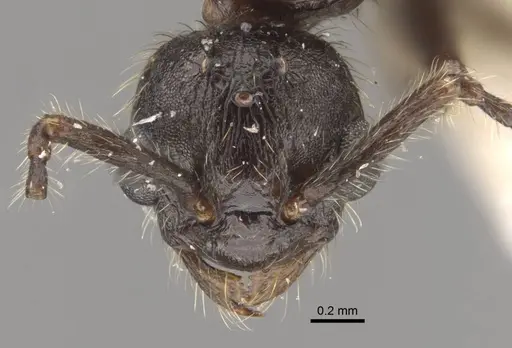
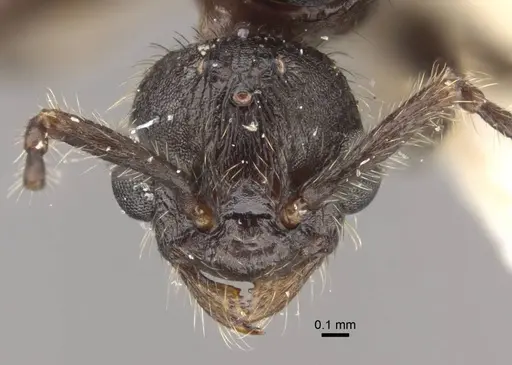
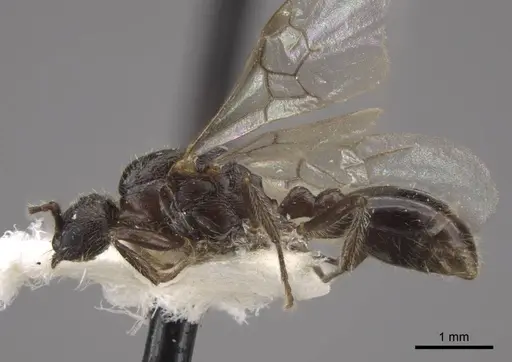
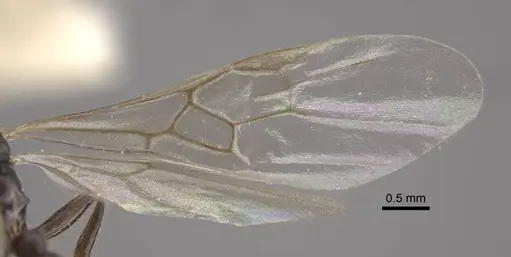
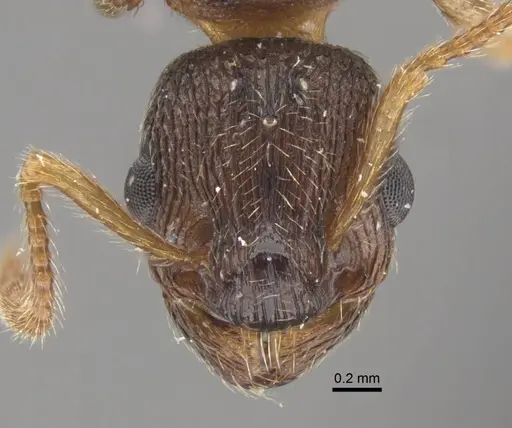
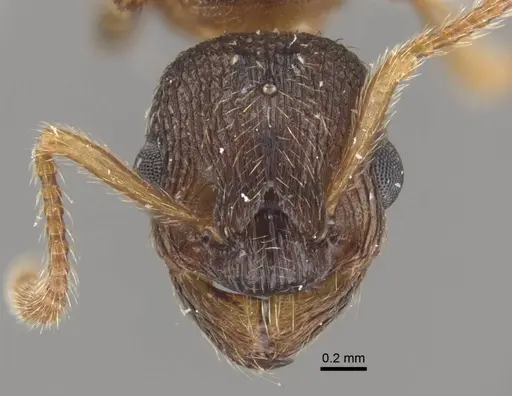
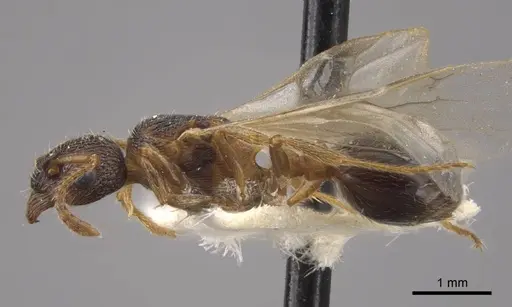
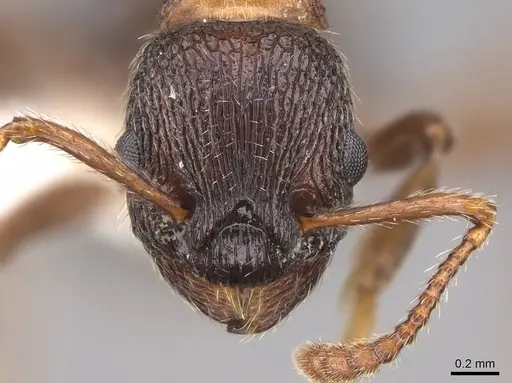
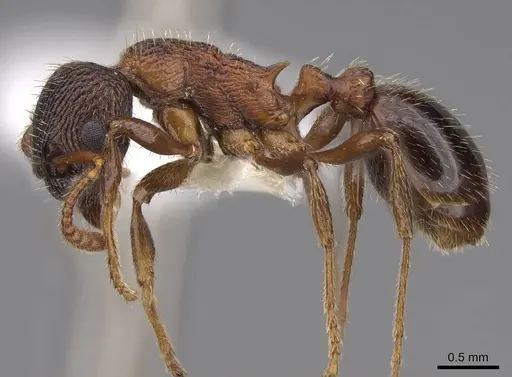
Myrmica displicentia is a small Myrmica ant native to the far east of Russia, specifically the Kamchatka Peninsula and Magadan Province. Workers measure around 4-6mm and feature a striking bicolored appearance, the alitrunk (middle body section) is yellowish-red while the head and gaster (abdomen) are much darker, creating a distinct contrast. This species belongs to the kasczenkoi species group and has a strongly curved scape (antenna) base without a vertical lobe or dent. It prefers warm, well-insolated habitats like roadsides, open slopes, glades, and forest clearings, nesting in soil often under stones. Colonies typically contain a few hundred to 1500 workers with up to 3 queens, making this a relatively rare species throughout its range.
Quick Summary
- Difficulty: Medium
- Origin & Habitat: Kamchatka Peninsula and Magadan Province of Russia (East Palearctic). Found in open lowland meadows at altitudes of 25-148m. Prefers warm, well-insolated habitats like roadsides, open slopes, glades, and forest clearings[1].
- Colony Type: Oligogyne, colonies can have up to 3 queens working together. Maximum colony size reaches approximately 1500 workers.
- Colony: Monogyne, Oligogyne
- Founding: Claustral
- Size & Growth:
- Queen: Estimated 5-7mm based on genus typical size
- Worker: Approximately 4-6mm
- Colony: Up to 1500 workers
- Growth: Moderate, typical for Myrmica species
- Development: Estimated 6-10 weeks based on typical Myrmica development at optimal temperature (Development time inferred from genus-level data for Myrmica species, specific timeline not directly studied for M. displicentia)
- Antkeeping:
- Temperature: Keep nest area around 20-24°C. This species comes from a cool northern climate (Kamchatka), so avoid overheating. Room temperature is often suitable. A gentle gradient allowing cooler areas is beneficial.
- Humidity: Moderate humidity. Keep nest substrate moist but not waterlogged. Provide a water tube as a moisture source. These ants nest in soil in the wild, so they appreciate some damp substrate.
- Diapause: Yes, required. As a species from the Kamchatka Peninsula, this ant is adapted to cold winters. Provide a hibernation period of 3-4 months at 5-10°C during winter.
- Nesting: Soil-nesting species that often nests under stones in the wild. Y-tong (AAC) nests or plaster nests with soil chambers work well. Provide a layer of moist substrate they can burrow into. Test tubes with cotton and a water reservoir are suitable for founding colonies.
- Behavior: Myrmica displicentia is a typical Myrmica ant, moderately aggressive when disturbed, with a functional stinger. Workers are active foragers that search for prey and honeydew. They are not particularly large but can deliver a noticeable sting if handled roughly. Escape risk is moderate, standard escape prevention measures (fluon barriers, tight-fitting lids) are sufficient. This species is not a escape artist like some tiny ants, but vigilance is still recommended.
- Common Issues: colonies are slow to establish, patience is needed during the founding stage, hibernation is essential for this northern species, skipping winter rest often leads to colony decline, rare in the hobby so wild-caught colonies may be expensive or difficult to find, moderate colony size means they don't need huge enclosures but do need space to expand, as a soil-nesting species, they need appropriate substrate and moisture levels
Nest Preferences and Housing
In the wild, Myrmica displicentia nests in soil, often under stones in warm, sunny locations like roadsides, open slopes, and forest clearings. For captive care, provide a nest environment that mimics these conditions. A Y-tong (AAC) nest or plaster nest with soil-filled chambers works well. The nest should have a moisture source, either a water tube attached to the outworld or damp substrate within the nest chambers. For founding colonies, a simple test tube setup with a water reservoir (cotton ball) provides adequate humidity. As the colony grows, they can be moved to a formicarium with deeper soil chambers. Avoid overheating, this species comes from cool northern latitudes and does not tolerate high temperatures well. [1]
Feeding and Diet
Like other Myrmica species, Myrmica displicentia is omnivorous, feeding on both protein sources and carbohydrates. In the wild, they forage for small insects and other prey, and also collect honeydew from aphids and scale insects. For captive colonies, offer protein sources like small crickets, mealworms, fruit flies, or other small insects 2-3 times per week. Sugar water, honey, or commercial ant nectar should be available constantly in the outworld. Fresh fruit occasionally is also appreciated. Remove uneaten prey after 24-48 hours to prevent mold issues. A varied diet helps ensure healthy colony development.
Temperature and Seasonal Care
Myrmica displicentia requires cool to moderate temperatures. Keep the nest area at approximately 20-24°C, avoiding temperatures above 28°C. This species is native to the Kamchatka Peninsula, one of the coldest regions in Russia, so they are adapted to cooler conditions. Room temperature is often suitable for this species. A heating cable on one side of the nest can create a temperature gradient if your room runs cool, but ensure cool areas are always available. During winter, this species requires a diapause (hibernation) period of 3-4 months at 5-10°C. This is essential for colony health and typically stimulates reproduction in spring. Place the colony in a cool location like an unheated garage or refrigerator (not freezer) during winter.
Colony Structure and Development
Myrmica displicentia is oligogyne, meaning colonies typically have a small number of queens (up to 3) working together. This is different from monogyne (single queen) species and polygyne (many queens) species. Colonies grow to a maximum of approximately 1500 workers, which is moderate for Myrmica species. New queens (gynes) and males are produced from June to August in the wild. The founding stage is claustral, the queen seals herself in a chamber and raises the first brood using stored fat reserves without foraging. First workers (nanitics) typically appear within 6-10 weeks under optimal conditions. After this, the colony expands as more workers are produced.
Behavior and Handling
Myrmica displicentia workers are moderately aggressive and will defend their nest if threatened. They possess a functional stinger and can deliver a painful sting, though the pain is less severe than some larger ant species. When disturbed, workers may rush out with raised gasters in a defensive display. Foraging workers are active and will search the outworld for food. They are not particularly shy and will readily explore new spaces. Escape prevention is important but not as critical as for very small species, standard barriers like fluon on test tube rims and tight-fitting lids on outworlds are sufficient. Avoid handling ants directly if possible, use gentle tapping or blowing to encourage them to move rather than picking them up.
Frequently Asked Questions
How long does it take for Myrmica displicentia to produce first workers?
Expect first workers (nanitics) approximately 6-10 weeks after the queen lays eggs, assuming temperatures around 20-24°C. This is typical for Myrmica species. The exact timeline depends on temperature and feeding.
Do Myrmica displicentia ants sting?
Yes, they can sting. Myrmica ants have a functional stinger and will use it if threatened. The sting is painful but not dangerous for healthy humans. Handle with care and avoid direct contact.
Can I keep multiple Myrmica displicentia queens together?
Yes, this species is naturally oligogyne with up to 3 queens per colony. However, introducing unrelated queens to an established colony is risky, they may fight. If you want to start a multi-queen colony, introduce them together at the founding stage.
Do Myrmica displicentia need hibernation?
Yes, hibernation is essential. This species is native to the Kamchatka Peninsula, a cold region with harsh winters. Provide 3-4 months of cold conditions (5-10°C) during winter. Skipping hibernation often leads to colony decline and failure to produce reproductives.
What temperature is best for Myrmica displicentia?
Keep nest temperatures around 20-24°C. This species prefers cool to moderate conditions and does poorly in heat. Avoid temperatures above 28°C. Room temperature is often ideal.
How big do Myrmica displicentia colonies get?
Colonies reach approximately 1500 workers at maturity. This is moderate for Myrmica species, not among the largest, but substantial for a founding colony to grow into.
What do Myrmica displicentia eat?
They are omnivorous. Feed small insects (crickets, mealworms, fruit flies) as protein 2-3 times per week. Provide constant access to sugar water, honey, or ant nectar. They also collect honeydew in the wild.
Is Myrmica displicentia a good species for beginners?
This is a medium-difficulty species. The main challenges are providing proper hibernation and maintaining cool temperatures. If you can meet these requirements and are patient through the slow founding stage, it can be a rewarding species to keep.
When do Myrmica displicentia alates appear?
In the wild, new queens (gynes) and males are produced from June to August. In captivity, providing proper hibernation typically triggers alate production in spring or summer.
References

This caresheet is licensed under CC BY-SA 4.0 .
CASENT0917669
View on AntWeb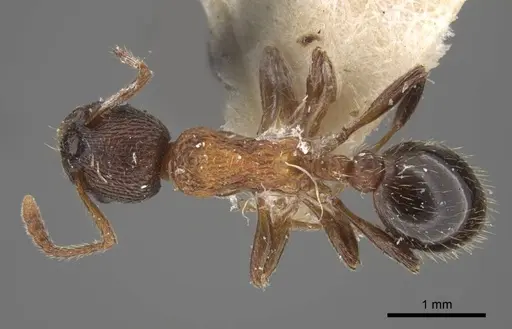
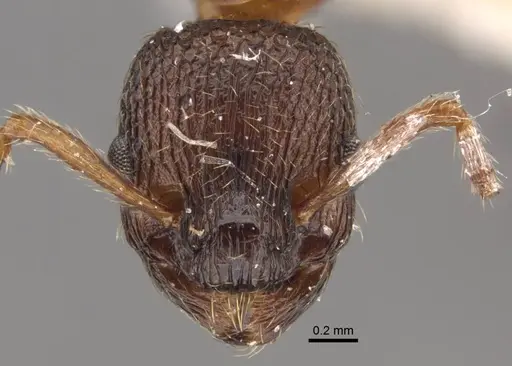
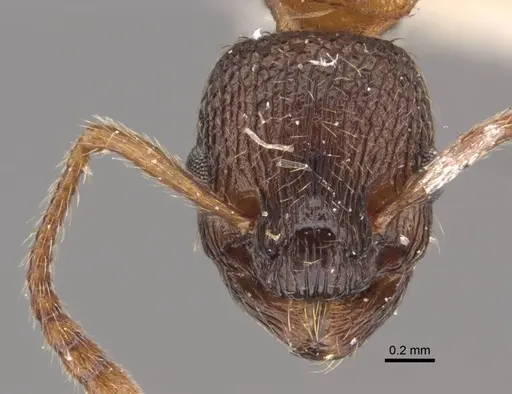
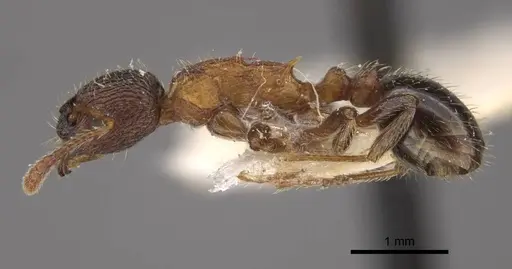
CASENT0917670
View on AntWeb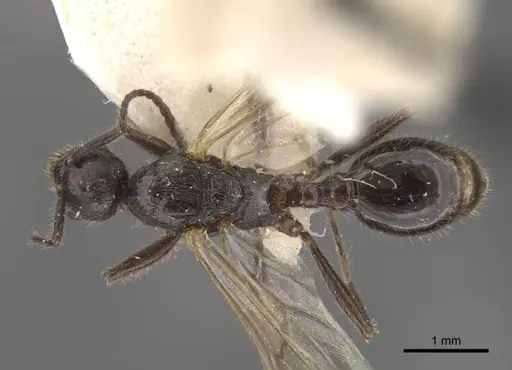
CASENT0917671
View on AntWeb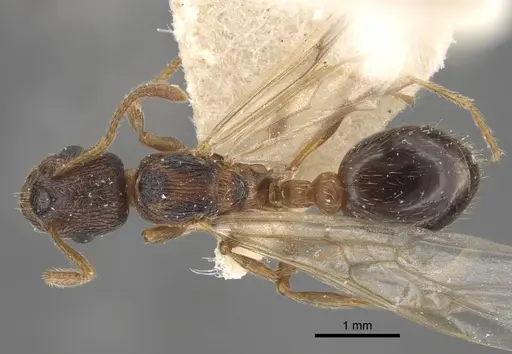
CASENT0922773
View on AntWeb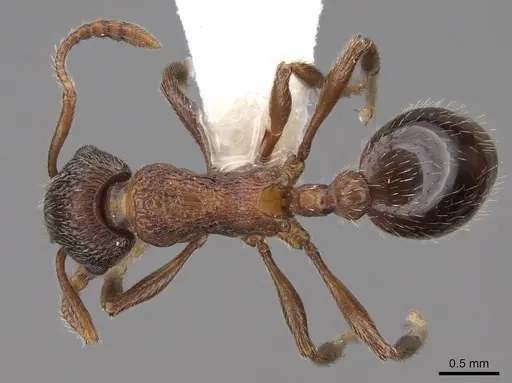
Literature
Loading...Loading products...