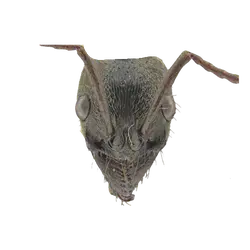
Neoponera rugosula - "Rough Neoponera Ant"
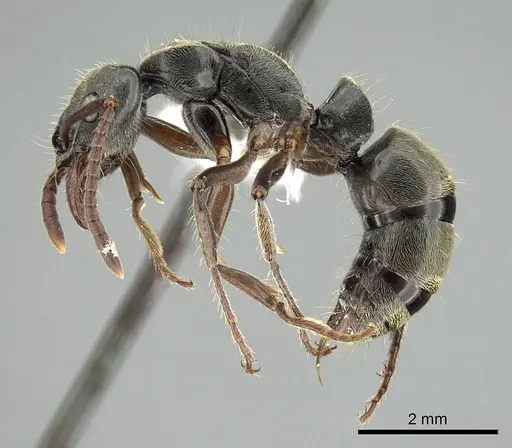
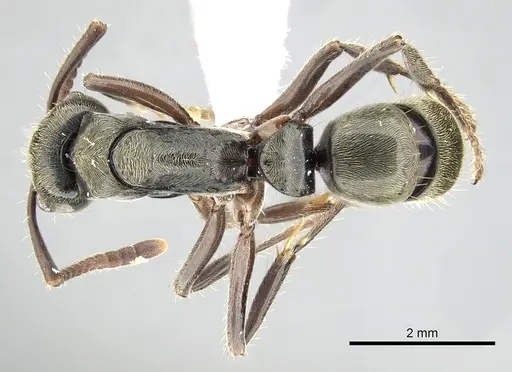
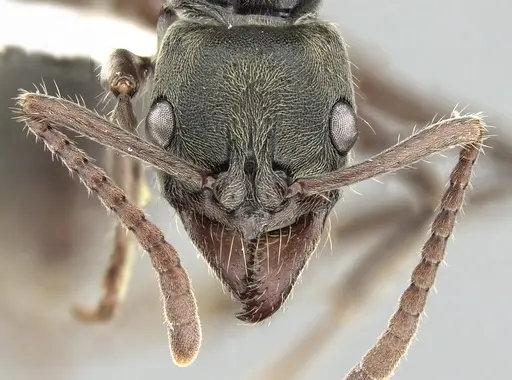
Neoponera rugosula is a striking Ponerine ant species, known for its robust workers and queens. Workers are typically around 8mm long, displaying a dark reddish-brown coloration with slightly lighter brown or orange appendages. Queens are a bit larger, reaching about 8.5mm, and share a similar reddish-brown hue. A distinguishing feature of these ants, common across the Neoponera genus, is their powerful sting. Both workers and queens have characteristic sculpturing on their bodies, including coarse punctures and striae on their heads, pronotums, propodeums, and petioles, giving them a 'rough' appearance that inspires their common name. These ants are active predators in their natural habitats, showcasing fascinating foraging behaviors.
- Difficulty: Medium
- Origin & Habitat: Neotropical Region, specifically found in Bolivia, Brazil, Colombia, Costa Rica, Ecuador, Peru, and Venezuela. in Primarily arboreal, nesting within hollow twigs, bamboo, and damaged sections of living trees or logs. They have been observed inhabiting Cecropia plants and orchid species like Cattleya mossiae in the wild..
- Colony Type: Monogyne, with potential for facultative polygyny in some circumstances., semi-claustral (queens will forage for food during the founding stage). founding.
- Size & Growth:
- Queen: up to 8.5mm
- Worker: up to 8.0mm
- Colony: Small (typically fewer than 200 workers in most Neoponera species).. Medium growth.
- Antkeeping:
- Temperature: Maintain temperatures between 24-28°C (75-82°F) for optimal activity and brood development. A slight drop at night is acceptable but avoid prolonged cold..
- Humidity: Aim for a humidity range of 60-80% within the nest to support brood health and prevent desiccation. Outworld humidity can be lower..
- Diapause: Not required. Not specified at Not specified.
- Nesting: Given their natural arboreal nesting habits, they thrive in setups that mimic hollow wood or branches. Acrylic nests with wood inserts, or naturalistic setups using cork bark and specialized test tubes, are ideal. Ensure good ventilation to prevent mold, especially with higher humidity requirements..
- Behavior: Medium (towards handler, can be defensive) aggressiveness.
- Common Issues: Humidity fluctuations, Mold in nest, Colony stalling, Overfeeding leading to waste.
One crucial aspect to be aware of when keeping Neoponera rugosula is their potent sting. Like many Ponerine ants, their venom can inflict a significant amount of pain, described by some as a burning sensation. While they typically reserve their sting for prey or defense when truly threatened, handlers should always exercise caution. Using appropriate tools and avoiding direct contact with the ants is highly recommended to prevent any painful encounters.
These ants are primarily predatory, and a diverse diet is key to their success in captivity. They readily accept various insect feeders such as crickets, roaches, and mealworms. It's beneficial to offer a mix of live and pre-killed insects to stimulate their natural hunting instincts. Additionally, supplementing their diet with sugary solutions like diluted honey or sugar water is important, as some Neoponera species have been observed collecting honeydew and nectar in the wild.
Colony growth in Neoponera rugosula tends to be on the smaller side, with most Neoponera colonies not exceeding a couple of hundred workers. This makes them a manageable species for many antkeepers, though patience is required as they won't explode in numbers like some common backyard ants. Observe their foraging patterns closely; they are often solitary foragers, but their behavior can be quite dynamic and interesting to watch in an outworld.
Interestingly, Neoponera species exhibit complex social behaviors, including the formation of dominance hierarchies among workers, especially in queenless situations. Workers are also capable of laying trophic eggs, which can be consumed by the queen and other workers, contributing to the colony's nutritional needs. Understanding these subtle social dynamics can enhance your appreciation for these fascinating ants and help you interpret their colony's health and development.
Frequently Asked Questions
What kind of nest is best for a Neoponera rugosula colony?
For these arboreal ants, a nest that simulates hollow wood is ideal. Acrylic nests with wood inserts, or naturalistic formicariums incorporating cork bark or specially prepared hollow branches, work wonderfully. Ensure good ventilation is always present to prevent mold issues.
Do Neoponera rugosula queens need to forage for food during founding?
Yes, Neoponera rugosula queens are semi-claustral. This means they will need to leave their founding chamber to hunt for food to sustain themselves and their initial brood until the first workers emerge. Offer small insect protein and a drop of sugar water in a small outworld or foraging area.
How often should I feed my Neoponera rugosula colony?
As predatory ants, they need regular protein. For small founding colonies, a small insect every few days might suffice. As the colony grows, offer protein every 2-3 days and a consistent supply of sugar water. Adjust frequency based on consumption to avoid uneaten food molding.
Are Neoponera rugosula difficult to keep?
They are considered a 'Medium' difficulty species. While not for absolute beginners due to their sting and specific humidity/nest requirements, experienced antkeepers will find them rewarding. Their semi-claustral founding stage also adds a layer of complexity compared to fully claustral species.
Will these ants sting me?
Yes, Neoponera rugosula can deliver a painful sting, much like their close relatives, the well-known bullet ants. They typically only sting when threatened, so exercise caution and use long tweezers or other tools when interacting with their setup to avoid direct contact.
What is the typical colony size for Neoponera rugosula?
Most Neoponera colonies, including N. rugosula, tend to remain relatively small, usually under 200 workers. Don't expect a massive supercolony with this species; they are more about unique behaviors and individual worker characteristics.
Do Neoponera rugosula require a diapause (hibernation)?
Given their Neotropical origin, a mandatory diapause period is generally not required for Neoponera rugosula. Maintaining stable warm temperatures year-round is typically sufficient for their health and continuous brood production.
Can Neoponera rugosula workers lay eggs?
Yes, workers in Neoponera species, including N. rugosula, are capable of laying eggs. In queenright colonies, these are usually trophic eggs, meaning they are laid as food for the queen and brood. In queenless setups, some workers may develop ovaries and lay reproductive eggs, becoming 'gamergates'.
What's the best way to introduce food into their outworld?
Since they are powerful predators, it's best to introduce live prey carefully into a spacious outworld where they can hunt. For sugary liquids, use a small feeder or a cotton ball soaked in the solution to prevent drowning. Always ensure the outworld is escape-proof before offering food.
How do I manage humidity in a Neoponera rugosula setup?
To maintain the ideal humidity, a nest with a dedicated hydration system is crucial, such as those with water towers or gypsum layers that can be regularly moistened. For naturalistic setups, frequent misting of the substrate in the outworld can help, but avoid over-saturating the nest itself to prevent mold.