

Myrmica boltoni
- Scientific Name
- Myrmica boltoni
- Tribe
- Myrmicini
- Subfamily
- Myrmicinae
- Author
- Radchenko & Elmes, 1998
- Distribution
- Found in 1 countries
Myrmica boltoni Overview
Myrmica boltoni is an ant species of the genus Myrmica. It is primarily documented in 1 countries , including Nepal. Detailed taxonomic data and occurrence records can be further explored via authoritative databases such as AntWeb or the Global Biodiversity Information Facility (GBIF).
Myrmica boltoni
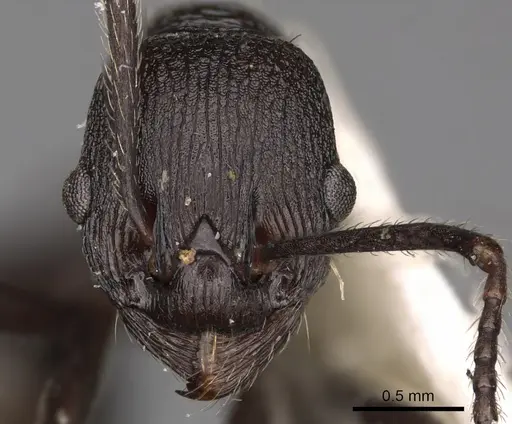
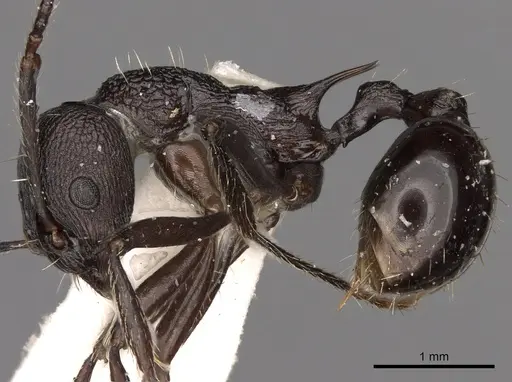
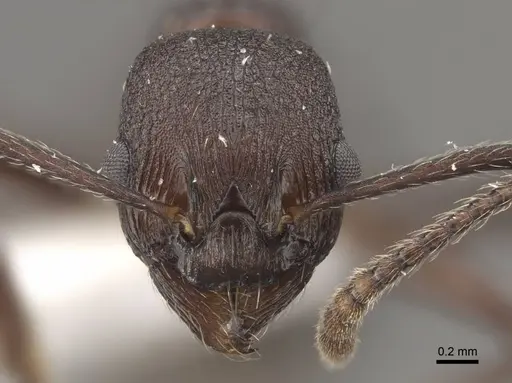
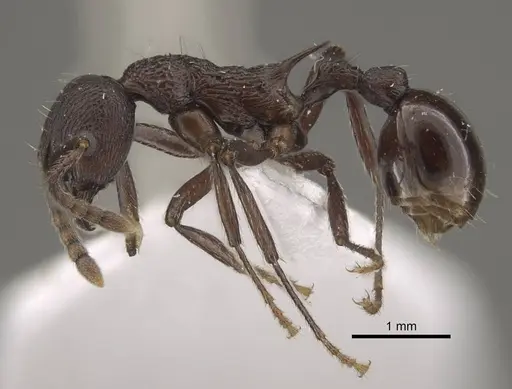
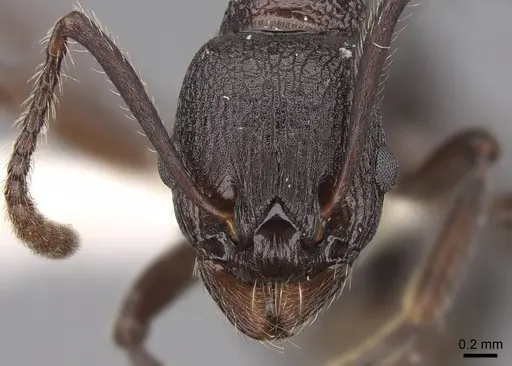
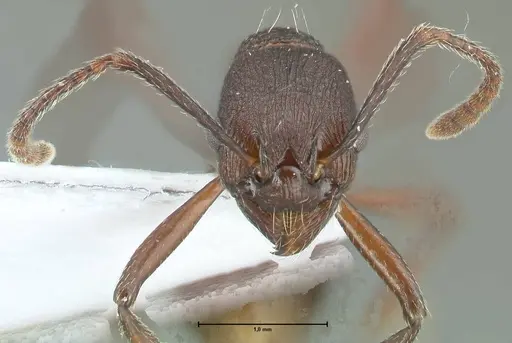
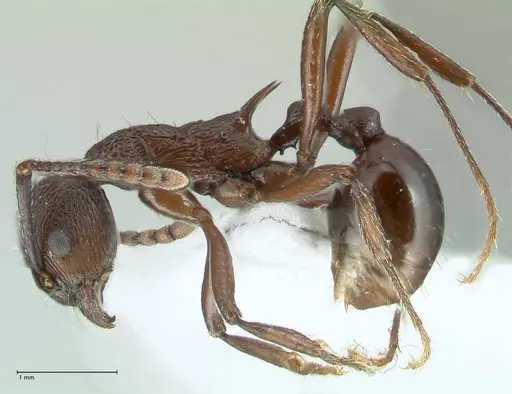
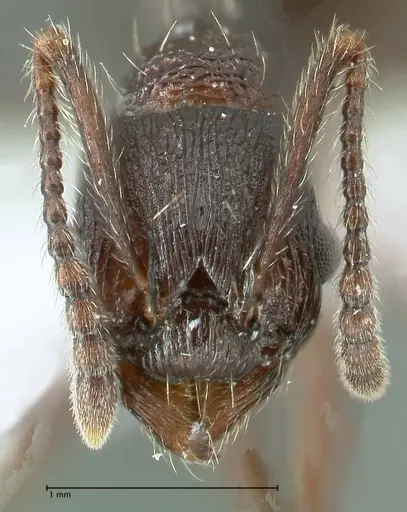
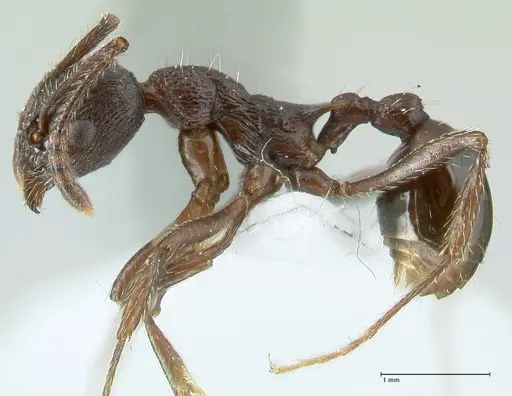
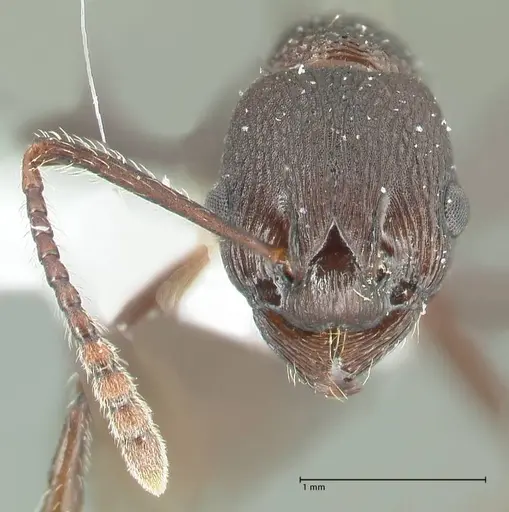
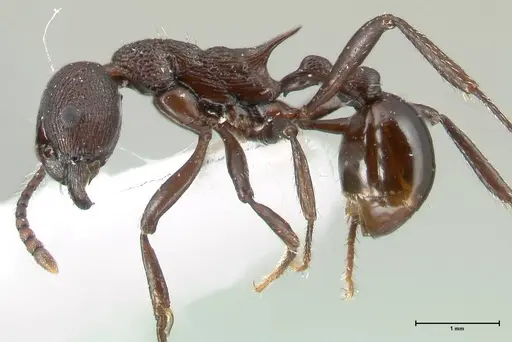
Myrmica boltoni is a small Myrmica species belonging to the boltoni-complex within the ritae species-group. It was described in 1998 and named after Dr. Barry Bolton, the renowned ant taxonomist. Workers are characterized by their fine body sculpture and the dull, densely punctated surface of their head. This species is endemic to the Himalayas, known only from Nepal where it lives at remarkably high elevations between 2000 and 3400 meters above sea level. Only the worker caste has been described, queens and males remain unknown in scientific literature. In the wild, workers have been found nesting under rotten wood in Quercus-Rhododendron forests, indicating they prefer damp, shaded mountain forest environments.
Quick Summary
- Difficulty: Medium to Hard
- Origin & Habitat: High altitude Himalayas (Nepal), specifically oak-rhododendron forests at 2000-3400m elevation [1][2]. This is a cold-adapted mountain species from one of the highest ant zones in the Himalayas.
- Colony Type: Unknown, only workers have been collected and described. The colony structure (single queen vs multiple queens) has not been documented in scientific literature.
- Size & Growth:
- Queen: Not described in scientific literature, estimates based on related Myrmica species suggest 5-7mm
- Worker: Estimated 4-5mm based on genus patterns and worker descriptions [1]
- Colony: Unknown, no large colony samples have been studied
- Growth: Unknown, likely moderate like other Myrmica species
- Development: Estimated 6-10 weeks based on typical Myrmica development at cool temperatures (No direct data exists for this species. Estimates based on genus-level patterns for high-altitude Himalayan Myrmica species.)
- Antkeeping:
- Temperature: Keep cool, aim for 15-22°C. This is a high-altitude cold-adapted species that naturally experiences cool mountain temperatures. Avoid warm conditions above 25°C.
- Humidity: Moderate to high, provide damp nest conditions. These ants come from damp Quercus-Rhododendron forests where humidity is consistently elevated. Keep nest substrate moist but not waterlogged.
- Diapause: Yes, this species originates from high altitudes in the Himalayas where winters are severe. Expect a 3-4 month hibernation period during winter months, around 5-10°C.
- Nesting: Prefers rotten wood in nature, in captivity, a Y-tong (AAC) nest or plaster nest with moisture retention works well. Provide narrow chambers scaled to their small size.
- Behavior: Not well documented due to limited scientific study. Based on genus patterns, they are likely moderately aggressive when disturbed and will defend their nest. Workers are small but active foragers. Escape prevention should be good despite their modest size, they are not among the smallest Myrmica species.
- Common Issues: no captive breeding records exist, this is one of the least-studied Myrmica species in the hobby, queen is unknown so wild colony founding is the only option, finding a queen may be impossible, high altitude origin means they are sensitive to overheating, keep them cool, limited distribution in the wild makes it unclear if they can adapt to captivity, slow growth and small colony sizes may frustrate keepers expecting rapid development
Natural History and Distribution
Myrmica boltoni is one of the rarest Myrmica species in the hobby, known only from the high Himalayas of Nepal. It was first described in 1998 by Radchenko and Elmes from specimens collected at extraordinary altitudes between 2000 and 3400 meters. This makes it one of the highest-dwelling ant species in the region. Workers have been found nesting under rotten wood in Quercus-Rhododendron forests, indicating a preference for damp, shaded mountain environments with plenty of decaying wood. The species is endemic to Nepal, it has not been found anywhere else in the world. Most collections come from the Mustang, Gorkha, and Baglung districts in central Nepal, with the highest records from the Marsyangdi area at 3300-3400m elevation. [1][2]
Temperature Requirements
This is a cold-adapted mountain species that requires cool conditions. In captivity, maintain temperatures between 15-22°C, avoid anything above 25°C. The high altitudes where they naturally live (2000-3400m) experience cool temperatures year-round, with the warmest months rarely exceeding what temperate regions consider room temperature. During summer, you may need to keep them in a cool room or use minimal heating. A heating cable on one side of the nest can create a temperature gradient, allowing workers to choose their preferred temperature zone. Never place them in direct sunlight or warm windowsills. [1][2]
Nesting and Humidity
In the wild, workers have been found under rotten wood in damp forests, so provide similar conditions in captivity. A Y-tong (AAC) nest or plaster nest works well, both retain moisture while providing dark, secure chambers. Keep the nest substrate consistently moist but not waterlogged. The substrate should feel damp to the touch. Myrmica boltoni likely tolerates a range of humidity levels but will do best with consistently damp conditions that mimic their damp forest floor habitat. Provide a water tube for drinking water and ensure the outworld is not too dry. [1]
Feeding and Diet
Like other Myrmica species, these ants are likely omnivorous with a preference for protein. Offer small insects (fruit flies, small mealworms, crickets) as primary protein sources. They will likely accept sugar water or honey as an energy source. Myrmica ants typically forage actively and will send workers to collect food. Feed them small prey items 2-3 times per week, adjusting based on colony size and appetite. Remove uneaten prey after 24-48 hours to prevent mold. Sugar water can be provided continuously in a test tube setup.
Diapause and Winter Care
Given their high-altitude Himalayan origin, these ants almost certainly require a winter hibernation period. In captivity, provide 3-4 months of cold conditions around 5-10°C. This can be achieved by moving the colony to a cold garage, basement, or refrigerator (if using a test tube setup). Reduce feeding to almost nothing during this period, the colony will be mostly inactive. Do not let them freeze, but provide genuine cold. This hibernation period is essential for their health and likely triggers reproductive cycles in spring. Resume normal feeding and warming gradually when temperatures rise in spring. [1][2]
Challenges in Captive Care
Myrmica boltoni presents significant challenges for antkeepers. First, only the worker caste is known scientifically, no queens have been described or collected. This means you cannot obtain a founding queen to start a colony. Second, their high-altitude cold-adapted nature makes them sensitive to overheating. Third, there are essentially no captive breeding records for this species, meaning we know very little about their actual care requirements in captivity. They may prove difficult to keep alive long-term. For these reasons, this species is recommended only for experienced antkeepers who understand Myrmica care and can provide the cool, stable conditions this species requires. [1][2]
Frequently Asked Questions
Can I keep Myrmica boltoni as a pet?
This species is extremely difficult to keep because only workers are known scientifically, no queens have ever been described. This means you cannot obtain a founding queen. Without documented captive breeding, there are no established care protocols. This species is not recommended for antkeepers.
What temperature do Myrmica boltoni ants need?
Keep them cool, between 15-22°C. This is a high-altitude Himalayan species that naturally lives in cold mountain conditions. Avoid warm temperatures above 25°C.
Where does Myrmica boltoni live in the wild?
It is endemic to Nepal in the Himalayas, found only at high elevations between 2000 and 3400 meters. Workers have been found under rotten wood in Quercus-Rhododendron forests.
Do Myrmica boltoni ants need hibernation?
Yes, almost certainly. As a high-altitude Himalayan species, they require a 3-4 month winter dormancy period at 5-10°C to remain healthy.
How big do Myrmica boltoni colonies get?
Unknown, no large colony samples have been studied. Based on typical Myrmica patterns, colonies likely reach a few hundred workers at most.
What do Myrmica boltoni eat?
Like other Myrmica species, they likely accept small insects (protein) and sugar sources. Offer small prey items like fruit flies or small mealworms, and sugar water or honey.
Is Myrmica boltoni good for beginners?
No. This species is not recommended for beginners. Only workers are known (no queens described), there are no captive breeding records, and they require specific cool conditions that are difficult to maintain.
Can I find a Myrmica boltoni queen?
No, queens of this species have never been described in scientific literature. The species is known only from worker specimens collected in Nepal. It is unlikely any queen has ever been collected or documented.
What makes Myrmica boltoni different from other Myrmica?
It belongs to the boltoni-complex within the ritae species-group and is one of the highest-dwelling ant species in the Himalayas, found only above 2000m elevation. It is endemic to Nepal and only the worker caste is known.
Why is Myrmica boltoni so rare in the antkeeping hobby?
This species is known only from a handful of worker specimens collected in remote high-altitude regions of Nepal. No queens have ever been described, making captive breeding impossible. The scientific community has very little information about this species.
References

This caresheet is licensed under CC BY-SA 4.0 .
CASENT0900301
View on AntWeb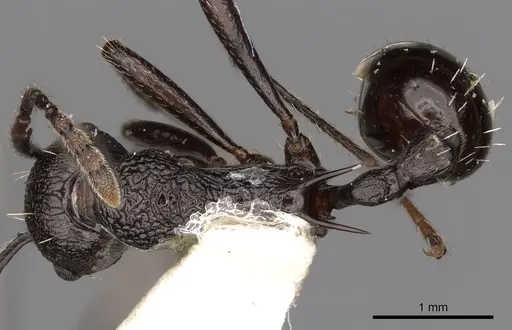
CASENT0913060
View on AntWeb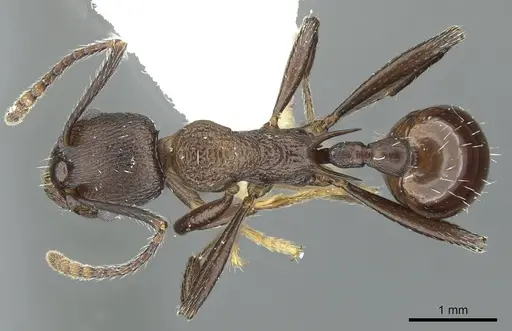
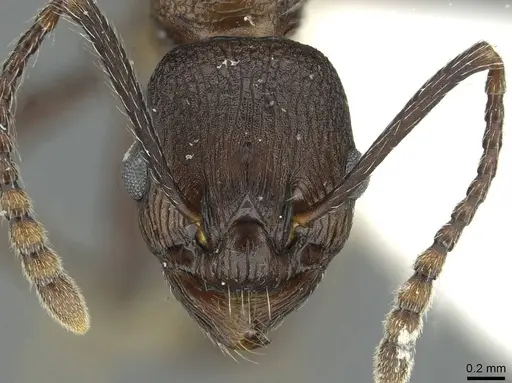
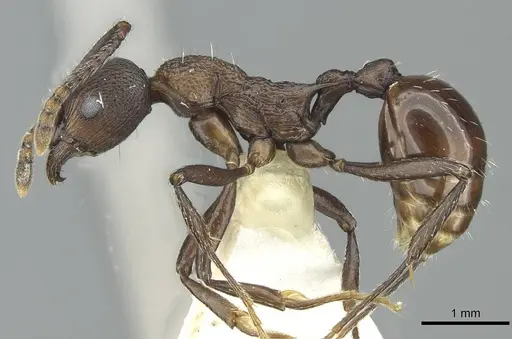
CASENT0917729
View on AntWeb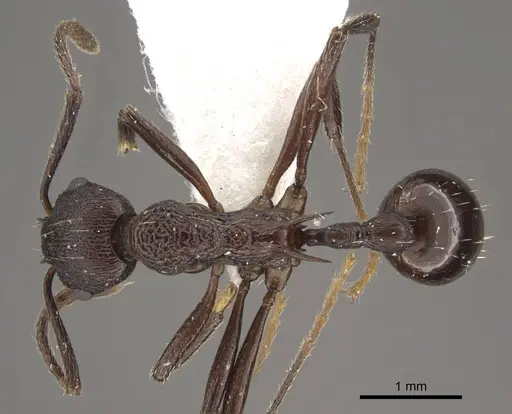
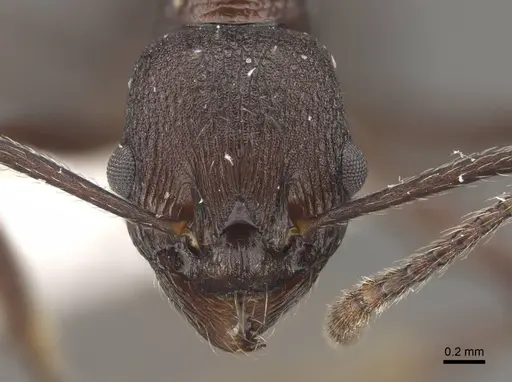
CASENT0922777
View on AntWeb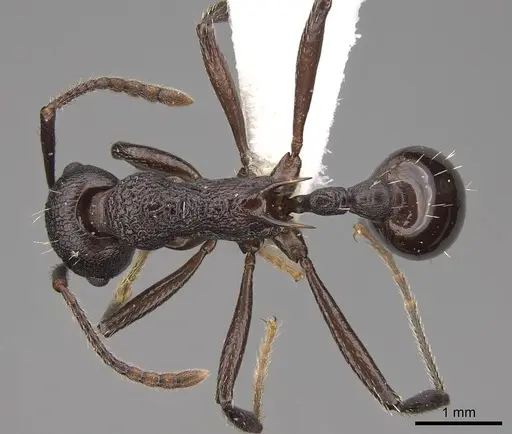
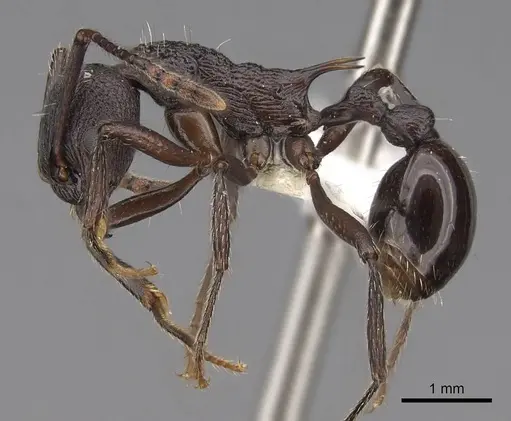
FOCOL1831
View on AntWeb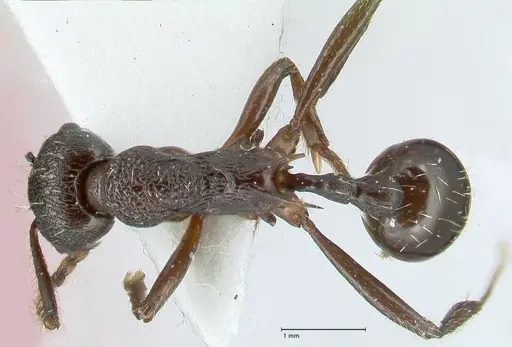
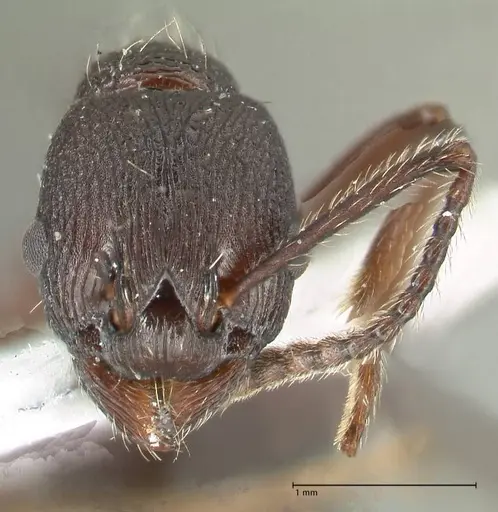
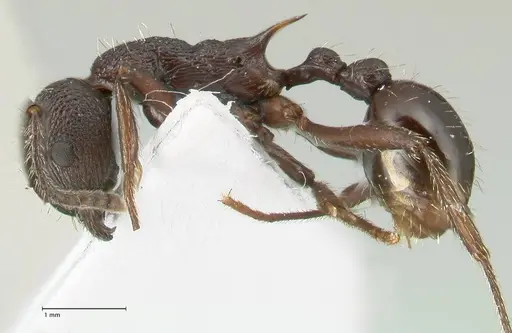
FOCOL1832
View on AntWeb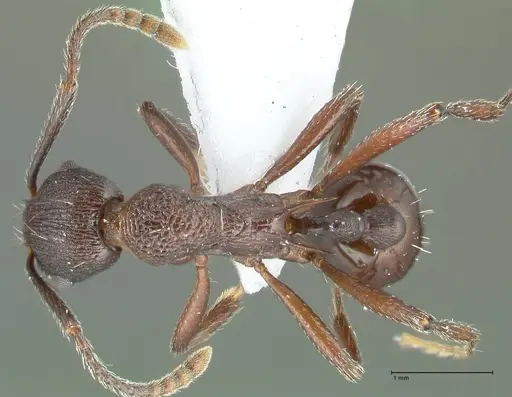
FOCOL1833
View on AntWeb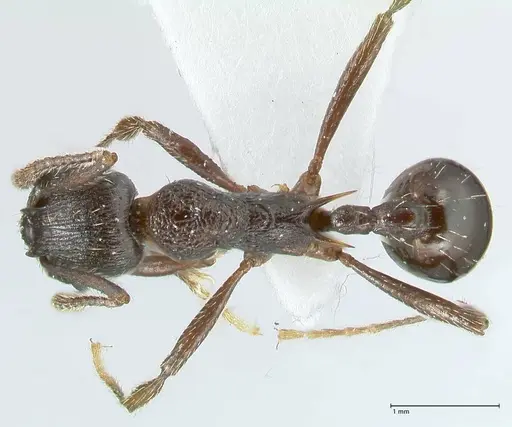
FOCOL1834
View on AntWeb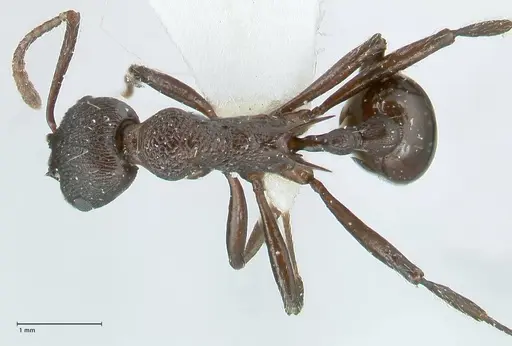
Literature
Loading...Loading products...