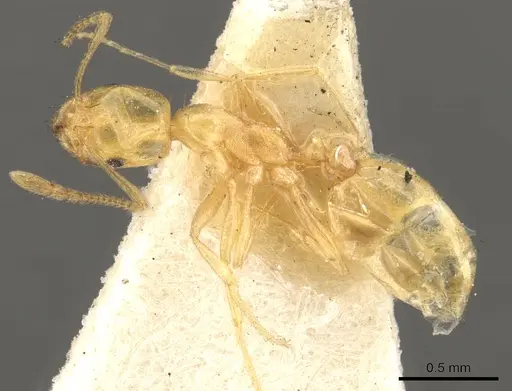
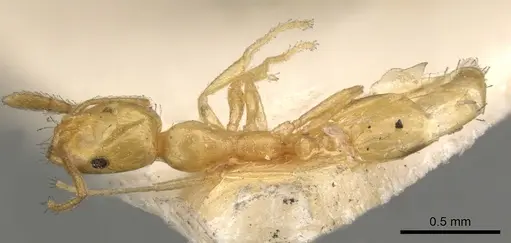
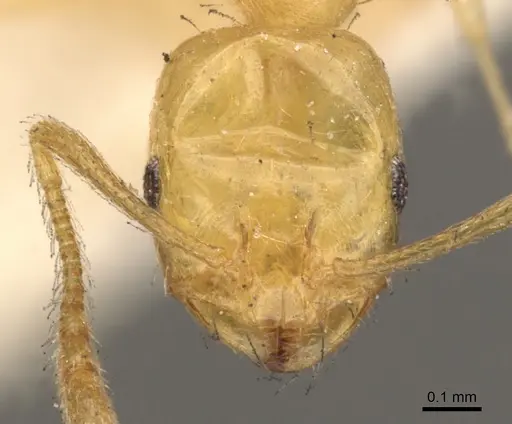
Monomorium pallidum - "Pallid Thief Ant"
Monomorium pallidum is a tiny ant species, often characterized by its pale coloration, fitting its name. Workers are quite small, typically ranging from 1.5 to 2.5 mm, while the queens are slightly larger, usually between 3 to 4 mm. Like many ants in the Monomorium genus, they tend to be subtle in appearance but can form surprisingly large and active colonies. They are known for their ability to thrive in various environments, often establishing hidden nests. Given their minute size, these ants are experts at finding small crevices to call home and are adept scavengers, making them highly adaptable to different settings.
- Difficulty: Medium
- Origin & Habitat: Palaearctic Region (Afghanistan, Iraq, Iran, Israel) in Flexible, commonly found in topsoil, leaf litter, and small hidden spaces in warm, temperate areas..
- Colony Type: Polygyne (multiple queens), claustral (queen seals herself in) founding.
- Size & Growth:
- Queen: 3-4mm
- Worker: 1.5-2.5mm
- Colony: Large (tens of thousands). Fast growth.
- Antkeeping:
- Temperature: Maintain a temperature range of 24-28°C for optimal development and activity..
- Humidity: Aim for a humidity level between 50-70% within the nest. An outworld can be kept drier..
- Diapause: Not required. Not specified at Not specified.
- Nesting: These ants prefer nests with very small chambers and tunnels, mimicking the tight spaces they inhabit in the wild. Acrylic, plaster, or naturalistic setups with fine sand or soil are suitable, provided escape prevention is top-notch..
- Behavior: Low aggressiveness.
- Common Issues: Escapes due to small size, Mold in nest due to excess humidity or uneaten food, Colony stalling if feeding or humidity is inconsistent.
One of the biggest challenges when keeping Monomorium pallidum, or any of the smaller Monomorium species, is their tiny size. These little ants are notorious escape artists, so investing in a truly escape-proof formicarium is non-negotiable. Even the smallest gaps can become a major exit route, leading to a frustrating search for your runaway colony. Ensure that any connection points, tubing, or ventilation holes are meticulously sealed or covered with mesh fine enough to prevent their passage.
Monomorium pallidum colonies are incredibly prolific, known for their rapid growth and polygyne nature, meaning they can have multiple queens coexisting within a single nest. This characteristic contributes to their ability to quickly establish large populations, making them a fascinating species to observe as their numbers swell. However, this also means their nutritional demands will increase significantly as the colony expands.
When it comes to feeding these small ants, variety is key. Monomorium pallidum are omnivores, readily accepting a wide range of food sources. They particularly enjoy sugary liquids like honey water or sugar water, and a good source of protein such as small, pre-killed insects like fruit flies, mealworms, or crickets. Remember to provide liquid foods on a cotton ball or in a shallow feeder to prevent workers from drowning. Regularly offering both carbohydrate and protein sources will support optimal colony health and growth.
While Monomorium pallidum is not typically known as an aggressive species towards handlers, their tiny size and fast movements can make them challenging to manage during maintenance. Always exercise caution when opening their outworld, and consider using a fluon or talc-based barrier to keep them contained. Their generalist foraging habits mean they will explore any available space for food, so maintaining a clean setup is crucial to prevent mold and unwelcome visitors.
Originating from warmer regions, Monomorium pallidum typically does not require a diapause or hibernation period, making them an active species year-round. This can be a significant advantage for antkeepers who prefer continuous observation and do not want to manage a seasonal cool-down period. Consistency in temperature and humidity, as outlined in the care requirements, will help ensure a healthy and thriving colony throughout the year.
Frequently Asked Questions
Are Pallid Thief Ants a good choice for beginner antkeepers?
While Monomorium pallidum are relatively easy to care for in terms of basic needs like temperature and diet, their extremely small size makes them expert escape artists. This can be quite challenging for new antkeepers, so good escape prevention is absolutely essential. We generally recommend some prior experience with antkeeping before taking on these tiny escape artists.
How large can a Monomorium pallidum colony get?
These ants are known for their incredible colony sizes! With multiple queens (polygyne), a Monomorium pallidum colony can grow quite rapidly, potentially reaching tens of thousands of workers. Some related Monomorium species have even been known to form supercolonies with millions of individuals in the wild, so be prepared for significant population growth over time.
What kind of nest setup is best for Monomorium pallidum?
Given their diminutive size, Monomorium pallidum thrive in nests with very small, intricate chambers and narrow tunnels. Acrylic formicariums with fine mesh, plaster setups, or naturalistic nests with packed sand or loam are excellent choices. The key is ensuring the nest design prevents escapes and provides adequate hydration without becoming overly wet.
What do Monomorium pallidum ants eat?
Pallid Thief Ants are quite omnivorous! They'll readily consume sugary liquids like diluted honey or sugar water, and they have a strong need for protein. Offer them small pre-killed insects such as fruit flies, small mealworms, or cricket pieces. A varied diet helps ensure the colony gets all the nutrients it needs for robust growth.
Do Monomorium pallidum require a hibernation period (diapause)?
Typically, no. Monomorium pallidum originates from warmer, temperate regions and generally does not require a diapause or hibernation period in captivity. Maintaining consistent temperatures and humidity levels year-round will keep your colony active and growing.
How long does it take for a Monomorium pallidum egg to become a worker ant?
The full development cycle from egg to adult worker for Monomorium species, including M. pallidum, usually takes around 6 to 7 weeks, depending on the temperature and consistent feeding. This relatively fast turnaround contributes to their rapid colony growth.
Are these ants prone to escaping their formicarium?
Absolutely! Due to their incredibly small size, Monomorium pallidum are among the most difficult species to contain. They can slip through openings that seem impossibly small. It's crucial to use highly secure setups and apply effective barriers like fluon or talc-alcohol slurry to prevent escapes. Consider double-checking every possible exit point before introducing your colony.
Do Monomorium pallidum sting?
Yes, like many Myrmicine ants, Monomorium pallidum possess a functional sting. However, due to their small size, a sting from these ants is generally not painful to humans, often described as a mild prick or barely noticeable. They are not typically aggressive towards handlers unless provoked.
Can I keep multiple Monomorium pallidum queens together?
Yes, Monomorium pallidum is a polygyne species, meaning multiple queens can coexist peacefully within the same colony. In fact, keeping several queens together can lead to faster colony establishment and more rapid growth, making for a truly impressive and bustling nest.
What is the natural foraging behavior of these ants?
Monomorium pallidum are ground foragers, often found scavenging in leaf litter or topsoil for food. In a captive setup, you'll observe them sending out numerous workers to explore the outworld for any food offerings. They are quite stealthy and efficient at finding and retrieving resources for their growing colony.
What kind of humidity is ideal for Monomorium pallidum?
Maintaining a moderate humidity of 50-70% inside their nesting area is generally ideal for Monomorium pallidum. This helps with brood development and keeps the queens comfortable. The outworld area can be kept drier to prevent mold and encourage foraging.