

Monomorium opacior
- Scientific Name
- Monomorium opacior
- Tribe
- Solenopsidini
- Subfamily
- Myrmicinae
- Author
- Forel, 1913
- Distribution
- Found in 3 countries
Monomorium opacior Overview
Monomorium opacior is an ant species of the genus Monomorium. It is primarily documented in 3 countries , including Tanzania, United Republic of, South Africa. Detailed taxonomic data and occurrence records can be further explored via authoritative databases such as AntWeb or the Global Biodiversity Information Facility (GBIF).
Monomorium opacior
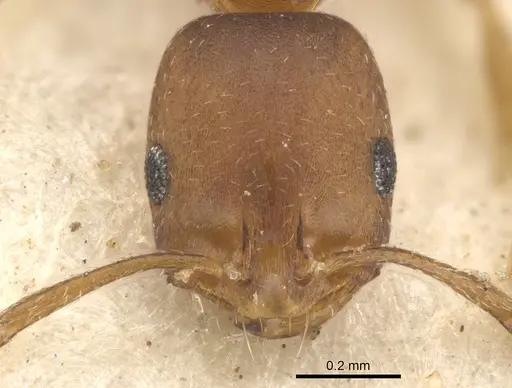
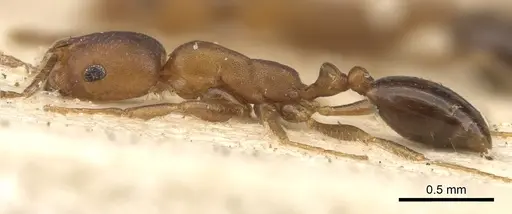
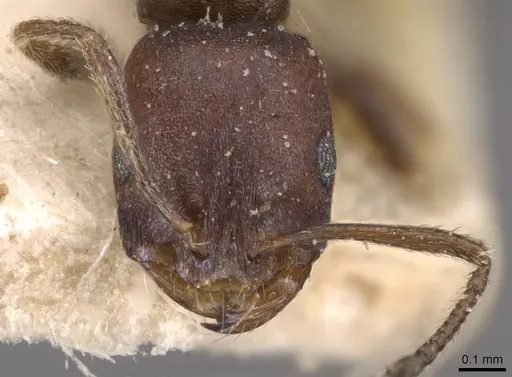
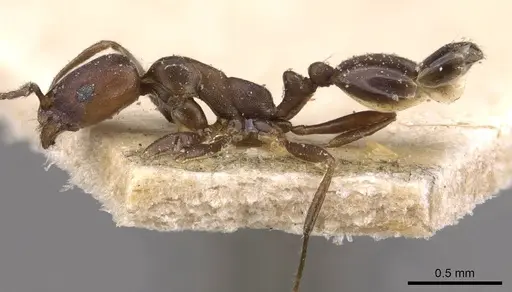
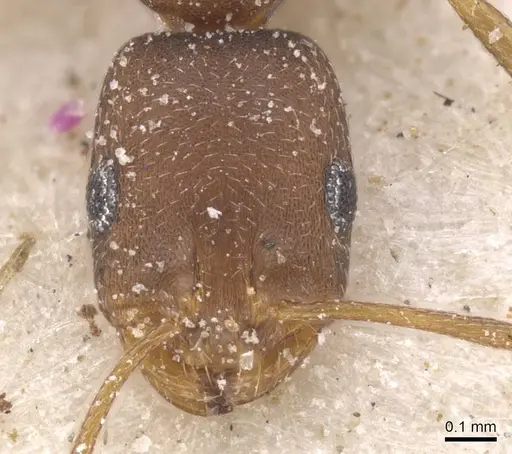
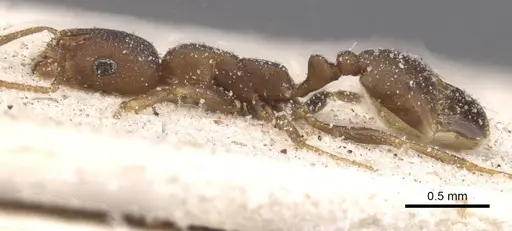
Monomorium opacior is a tiny ant species native to southern Africa, found in Botswana, Namibia, South Africa, and Zimbabwe. Workers measure just 2.2-2.7mm, making them one of the smaller ant species kept in captivity. They have a dull light brown body with a notably darker and shinier gaster (the rear segment). These ants belong to the Monomorium salomonis species group and inhabit semi-open areas like acacia woodland and Bushveld [1].
This species has a unique colony structure, it produces only ergatoid queens, which are wingless replacement queens that develop from workers rather than emerging as winged reproductives. This is unusual among ants and affects how they reproduce in captivity. The ergatoid system means colonies can maintain reproduction without nuptial flights [2].
Quick Summary
- Difficulty: Easy
- Origin & Habitat: Southern Africa (Botswana, Namibia, South Africa, Zimbabwe), semi-open areas including acacia woodland and Bushveld [1]
- Colony Type: Ergatoid queen system, colonies contain wingless replacement queens (ergatoids) that serve as primary reproductives. This is different from typical ants that have winged queens. Colonies appear to be functionally single-queen with ergatoid replacement reproductives [2].
- Colony: Monogyne
- Size & Growth:
- Queen: Ergatoid queens are wingless and smaller than typical winged queens, exact measurements unconfirmed
- Worker: 2.2-2.7mm
- Colony: Unknown for this specific species, related Monomorium species typically reach several hundred workers
- Growth: Moderate, based on typical genus patterns
- Development: Estimated 6-8 weeks based on related species in the genus (Direct development data unavailable for this species, estimates based on typical Monomorium patterns at warm temperatures)
- Antkeeping:
- Temperature: Keep at 22-26°C. Southern African origin suggests they prefer warm conditions. A heating cable on part of the nest creates a temperature gradient they can choose between [1].
- Humidity: Moderate humidity around 50-60%. These ants come from semi-open African habitats that aren't extremely wet or dry. Allow the nest substrate to dry slightly between water additions [1].
- Diapause: Likely a mild winter slowdown period. Southern African species may reduce activity in cooler months but don't require deep hibernation like temperate species. Keep at 15-18°C for 2-3 months if signs of slowing appear [1].
- Nesting: Small chambers work well for their tiny size. Y-tong (AAC) nests with narrow passages or small test tube setups work better than large open spaces. They do well in formicariums with compact nesting areas [1].
- Behavior: Generally peaceful and non-aggressive. Workers are small and timid, unlikely to bite or sting humans. They are active foragers that search for small prey and sugar sources. Because of their very small size, escape prevention is critical, they can squeeze through tiny gaps that larger ants cannot. Use fine mesh barriers and tight-fitting lids [1].
- Common Issues: escape prevention is critical due to their tiny 2-2.7mm size, they squeeze through the smallest gaps, ergatoid queens mean no nuptial flights, colony growth depends on existing ergatoid reproduction, wild-caught colonies may have parasites that kill them in captivity, small colony size means they are sensitive to disturbance, test tube setups must have properly sized cotton and tight barriers
Housing and Nest Setup
Because Monomorium opacior workers are only 2.2-2.7mm, you need to think small when setting up their home. Y-tong (AAC) nests with narrow chambers work excellently, the tight passages match their tiny size and help them feel secure. Avoid large, open formicarium spaces that would overwhelm such small ants. Test tube setups are also suitable, but ensure the cotton barrier is packed tightly enough that workers cannot squeeze through. Fine mesh on any ventilation holes is essential, these ants can escape through gaps that seem impossibly small. A small outworld connected to the nest allows for feeding without disturbing the colony. Keep the nest area dark or covered, as these ants prefer dim conditions similar to their natural semi-open habitat. [1]
Feeding and Diet
Monomorium opacior is omnivorous like most Myrmicinae ants. Offer protein sources like small insects, fruit flies, pinhead crickets (cut to appropriate size), and mealworms work well. They also accept sugar sources including honey water, sugar water, and commercial ant nectar. Feed protein 2-3 times per week and keep sugar water available constantly. Because of their small size, any prey items should be tiny, a fruit fly is a substantial meal for these ants. Remove uneaten prey after 24-48 hours to prevent mold. Their small colony size means they don't need large quantities of food at once. [1]
Temperature and Seasonal Care
These southern African ants prefer warm conditions. Maintain temperatures between 22-26°C for optimal colony health and growth. A heating cable placed on one end of the nest creates a gradient allowing workers to regulate their temperature by moving between warmer and cooler areas. During winter or cooler months, colonies may naturally slow down, you can allow temperatures to drop to 15-18°C for 2-3 months to simulate a mild winter rest. This is not a deep hibernation like temperate species require, but a period of reduced activity. Monitor colony behavior, if workers become less active and the queen stops laying eggs, a cooler period is appropriate. [1]
Understanding the Ergatoid Queen System
Monomorium opacior has a unique reproductive system that differs from most commonly kept ants. Instead of producing winged queens for nuptial flights, this species produces ergatoid queens, wingless females that develop from worker larvae and serve as replacement reproductives [2]. This means you won't see mating flights or winged queens leaving the colony. Ergatoid queens remain in the nest and take over reproduction if the existing queen dies or becomes unproductive. In captivity, colony growth depends on these ergatoids producing new workers rather than the dramatic colony founding events seen with winged queens. This also means combining unrelated queens isn't a viable colony founding method, the ergatoid system is designed for internal succession, not external introduction.
Frequently Asked Questions
How long does it take for Monomorium opacior to produce first workers?
Direct development data isn't available for this species, but based on related Monomorium species, expect 6-8 weeks from egg to worker at optimal warm temperatures (24-26°C). Growth is moderate, don't expect the rapid expansion seen in some faster-growing genera.
Can I keep multiple Monomorium opacior queens together?
This species has an ergatoid queen system designed for internal succession, not multiple-queen founding. Combining unrelated queens is not recommended and likely unnecessary, the ergatoid system handles colony continuity naturally.
Are Monomorium opacior good for beginners?
Yes, they are considered an easy species to keep. Their small size, moderate temperature needs, and peaceful temperament make them suitable for beginners. The main challenge is escape prevention due to their tiny 2-3mm size.
Do Monomorium opacior need hibernation?
They don't require deep hibernation like temperate species. A mild winter rest at 15-18°C for 2-3 months is sufficient if the colony naturally slows down. Southern African origin means they prefer warmth year-round.
Why are my Monomorium opacior escaping?
Their tiny 2-3mm size means they can squeeze through gaps that seem impossibly small. Check all barriers, use fine mesh on ventilation, and ensure lid seals are tight. Even cotton in test tubes must be packed firmly.
How big do Monomorium opacior colonies get?
Exact colony size is unconfirmed for this species, but related Monomorium species typically reach several hundred workers. Their small ergatoid queens mean colonies grow more moderately than species with large winged queens.
References

This caresheet is licensed under CC BY-SA 4.0 .
CASENT0258423
View on AntWeb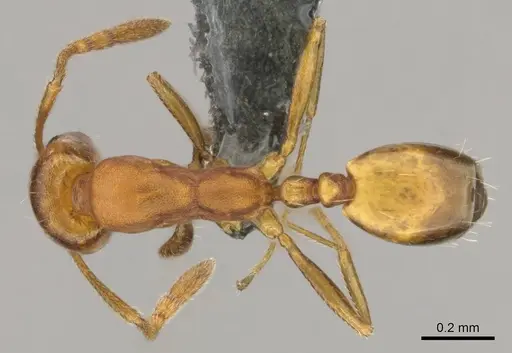
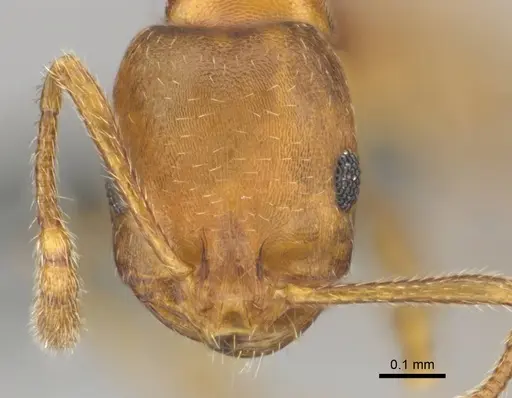
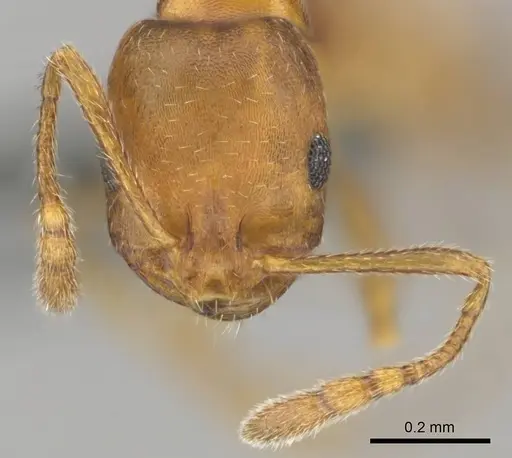
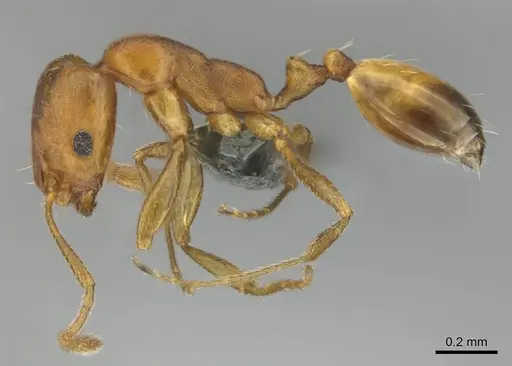
CASENT0902215
View on AntWeb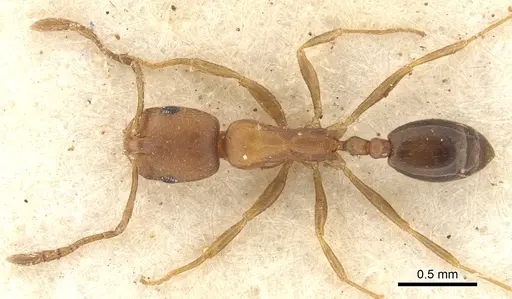
CASENT0908742
View on AntWeb
CASENT0913827
View on AntWeb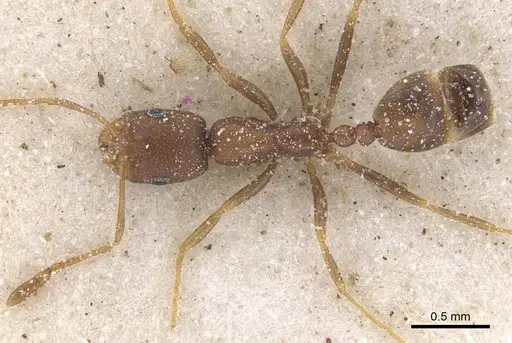
Literature
Loading...Loading products...