

Monomorium salomonis
- Scientific Name
- Monomorium salomonis
- Tribe
- Solenopsidini
- Subfamily
- Myrmicinae
- Author
- Linnaeus, 1758
- Distribution
- Found in 11 countries
Monomorium salomonis Overview
Monomorium salomonis is an ant species of the genus Monomorium. It is primarily documented in 11 countries , including United Arab Emirates, Cyprus, Algeria. Detailed taxonomic data and occurrence records can be further explored via authoritative databases such as AntWeb or the Global Biodiversity Information Facility (GBIF).
Monomorium salomonis
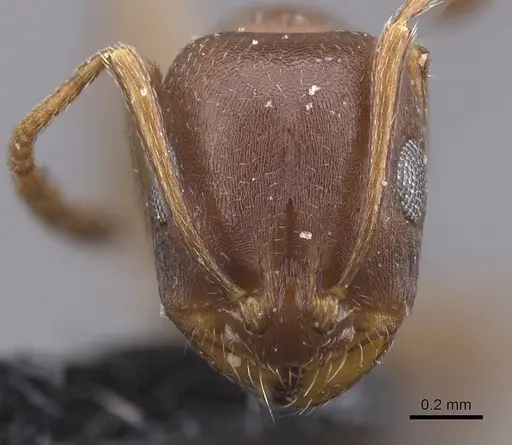
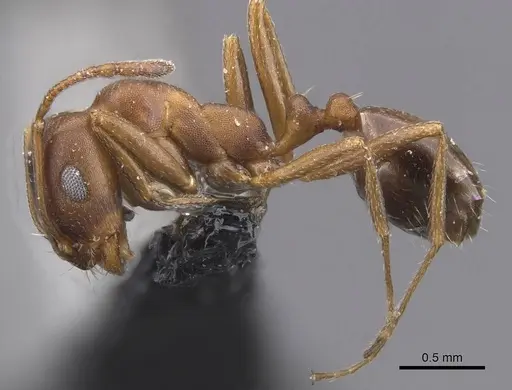
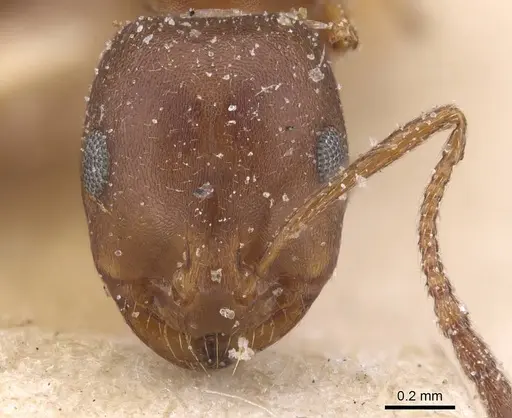
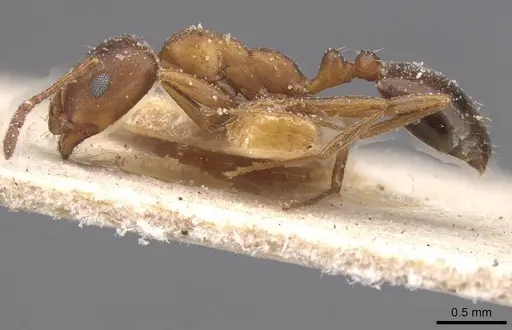
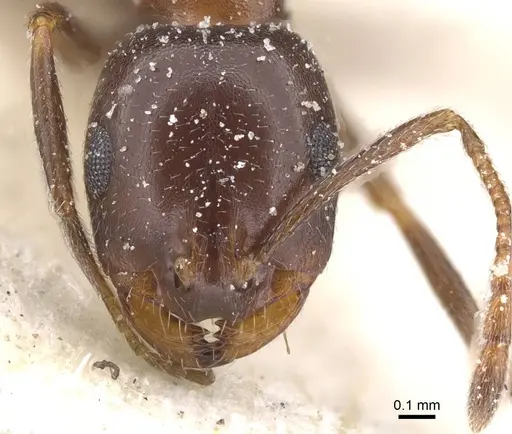
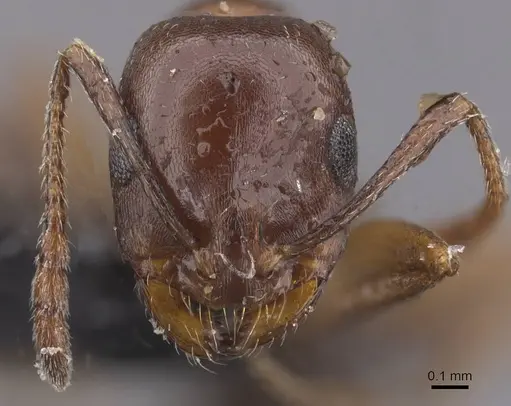
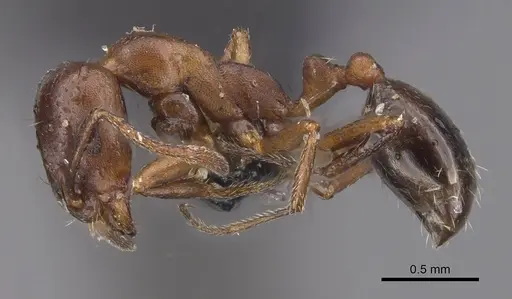
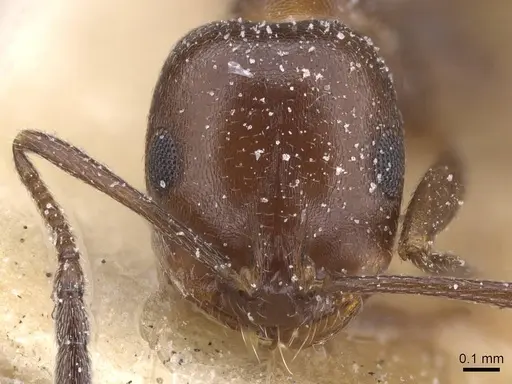
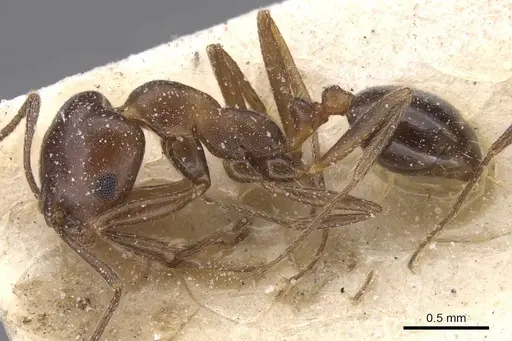
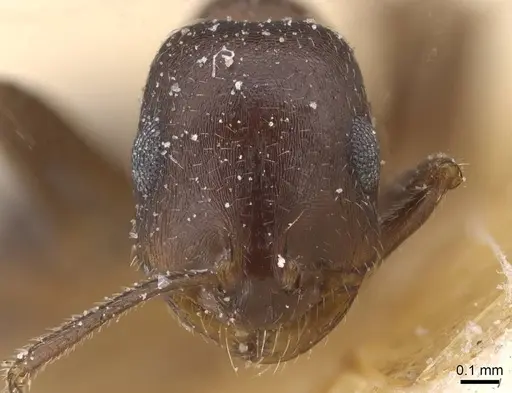
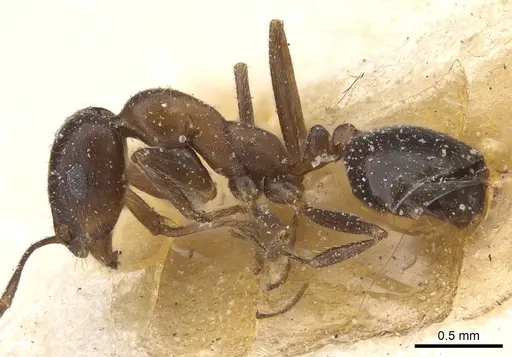
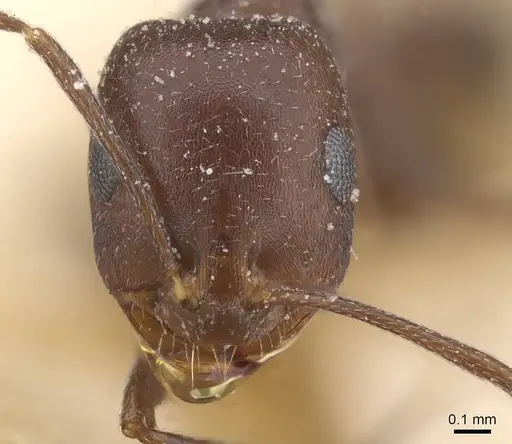
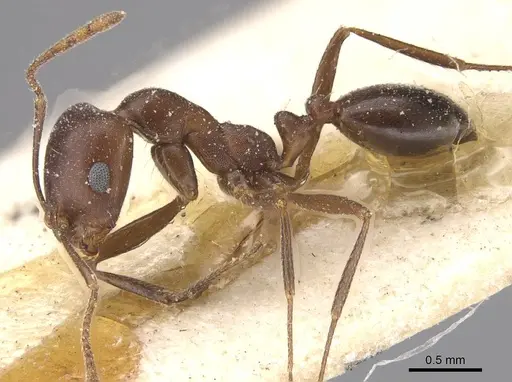
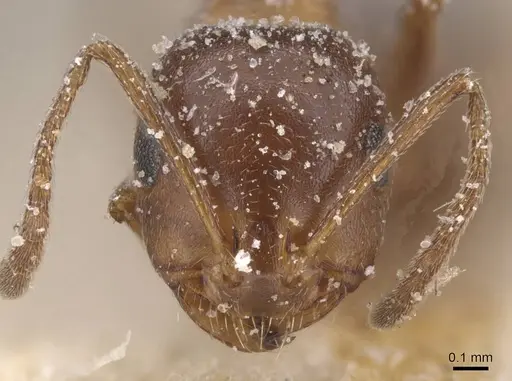
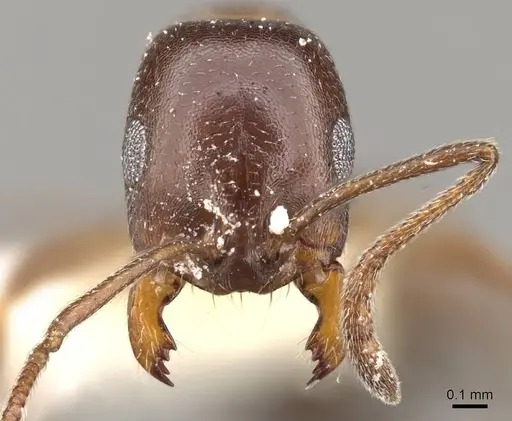
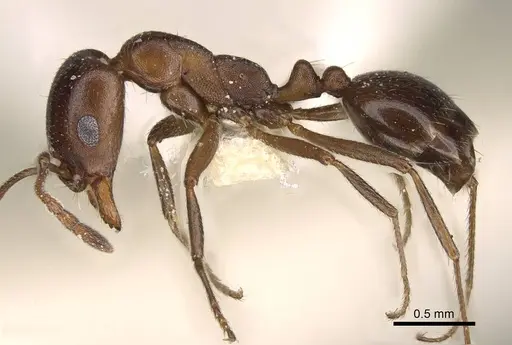
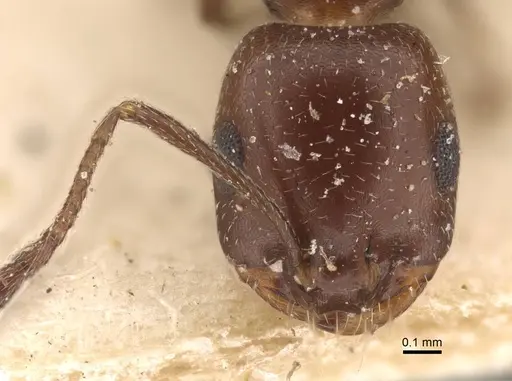
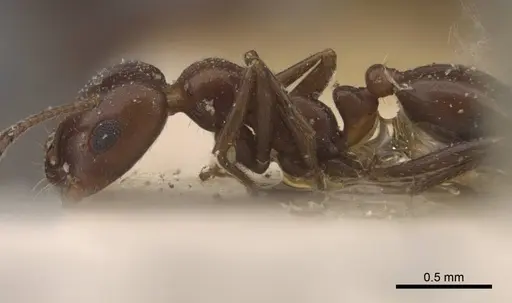
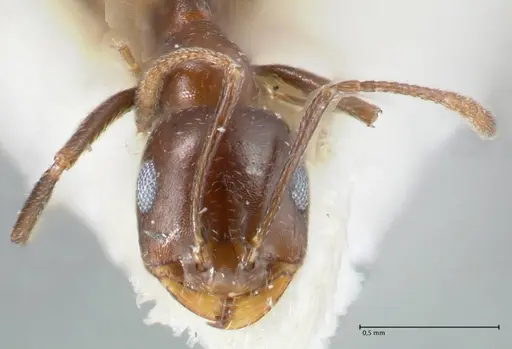
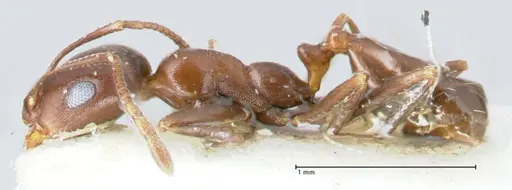
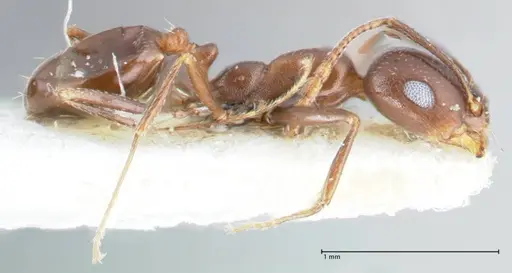
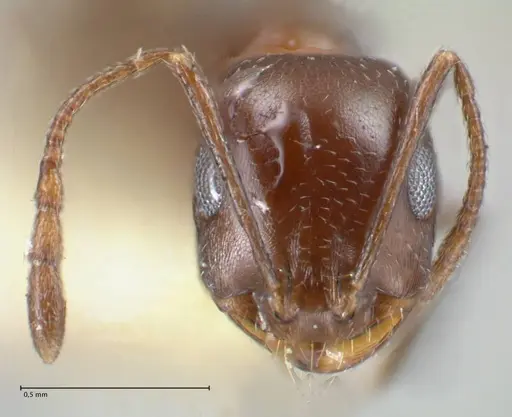
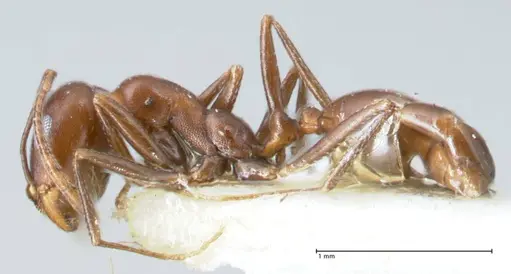
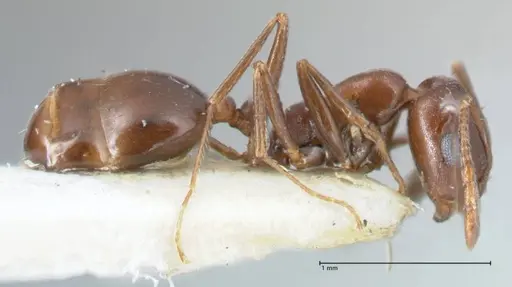
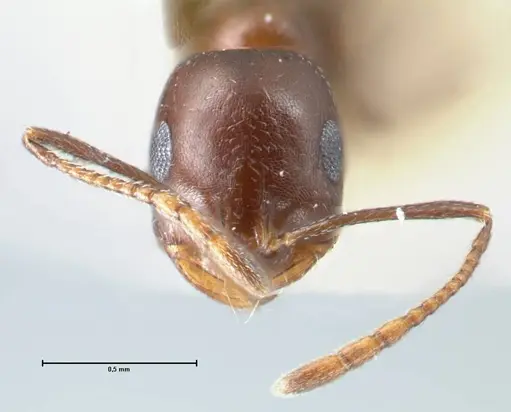
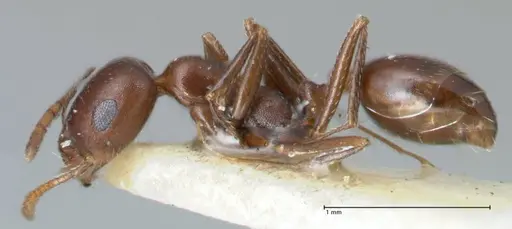
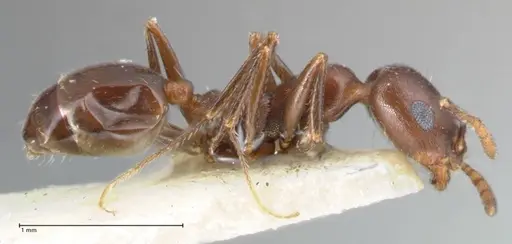
Monomorium salomonis is a small, reddish-brown ant native to North Africa, the Middle East, and the Mediterranean region. Workers measure 2.5-3.6mm with a distinctive color pattern: the head and thorax are reddish-brown to brown, while the abdomen (gaster) is darker, often appearing blackish [1][2]. This species is a tramp ant that has spread worldwide through human commerce and can establish itself in disturbed, anthropogenic habitats like agricultural areas and urban environments [3][4]. Colonies are polygynous with multiple queens, which contributes to their ability to form large, densely populated colonies [5]. These ants are generalist omnivores, foraging primarily at night and consuming insects, seeds, nectar, and plant material [6][7][8].
Quick Summary
- Difficulty: Expert
- Origin & Habitat: Native to North Africa (Algeria, Egypt, Tunisia, Morocco), the Middle East (Israel, Saudi Arabia, Kuwait), and the Mediterranean region (Spain, Italy, Malta, Canary Islands). Found in arid to semi-arid habitats, often under stones in desert oases, rocky areas, and disturbed agricultural land [9][10][8]. This species thrives in areas with high environmental disturbance and has become invasive in parts of its introduced range [4][11][12].
- Colony Type: Polygynous, colonies can have multiple queens. Also capable of forming monogyne (single-queen) colonies. Multiple mating (polyandry) has been documented [5][13].
- Size & Growth:
- Queen:{.size-link} 5.8-6.5mm [1]
- Worker:{.size-link} 2.5-3.6mm [1][2]
- Colony: Several hundred workers (estimated based on tramp species patterns)
- Growth: Moderate
- Development: 6-8 weeks (estimated based on genus patterns) (Development time not directly studied for this species. Based on typical Monomorium development at warm temperatures (25-30°C), expect 6-8 weeks from egg to first worker.)
- Antkeeping:
- Temperature: Keep at 24-30°C. This is a thermophilic (warmth-loving) species from hot, arid regions. They thrive in warm, dry conditions and are commonly found in desert oases and sun-exposed rocky areas [14][10]. A heating cable on one side of the nest creates a suitable gradient.
- Humidity: Low to moderate, prefer dry conditions. In nature they inhabit arid steppe, desert edges, and rocky areas. Keep nest substrate moderately dry, with a small water tube for drinking access. Avoid excessive moisture which can kill colonies [10].
- Diapause: No, these ants are from warm climates and do not require hibernation. They remain active year-round if kept warm.
- Nesting: Use a dry nest setup, Y-tong (AAC) or plaster nests work well. They naturally nest under stones in the ground. Provide a shallow foraging area. Because they are small (under 4mm), ensure escape prevention is excellent with fine mesh barriers.
- Behavior: These ants are nocturnal to crepuscular, they are most active at night and during cooler hours. Workers forage on the ground surface, searching for insects, seeds, and sweet liquids. They are not aggressive and rarely sting. Colonies are polygynous with multiple queens, which helps them grow quickly. Because of their very small size, escape prevention must be excellent, they can squeeze through tiny gaps [6][7].
- Common Issues: escape prevention is critical, their tiny size means they squeeze through the smallest gaps without fine mesh barriers, colonies may fail if kept too humid, they prefer dry conditions, slow founding stage, queens may take several weeks to lay first eggs, introduced range uncertainty, many records may be misidentifications of similar species, wild-caught colonies may harbor parasitic ants like Monomorium santschii [15][16], WARNING: Monomorium salomonis is an invasive species in the Mediterranean part of Spain, Madagascar, and the Antilles. It is NOT recommended to keep this species in countries where it is not native. If kept, extreme precautions must be taken to prevent any escape, as established invasive populations can cause severe ecological damage.
Housing and Nest Setup
Monomorium salomonis does well in dry nest setups. Y-tong (AAC) nests or plaster nests work best, as these allow you to control humidity easily. In the wild, they nest under stones in the ground, so provide a setup that mimics this, a shallow foraging area with a clean, dry nest chamber. Because workers are only 2.5-3.6mm, escape prevention is critical. Use tight-fitting lids and fine mesh (at least 0.5mm) on all openings. A test tube setup can work for founding colonies, but monitor humidity carefully, these ants prefer dry conditions and too much moisture will kill them. Keep the nest in a warm, stable location away from direct sunlight. [2][10]
Feeding and Diet
These ants are generalist omnivores. They accept a wide variety of foods including: small insects (fruit flies, small crickets, mealworms), seeds (especially legume seeds), sugar water, honey, and nectar. In one study, they were observed preying on Mediterranean fruit fly (Ceratitis capitata) larvae, showing their value as pest controllers [7][15]. They also lick flower nectar and collect seeds. Feed protein (insects) 2-3 times per week and provide constant access to sugar water or honey. Remove uneaten food after 24-48 hours to prevent mold. Their diet in the wild includes insects, seeds, and plant material, so variety is key to keeping them healthy [8].
Temperature and Seasonal Care
Keep Monomorium salomonis warm, aim for 24-30°C. This is a thermophilic species from hot, arid regions of North Africa and the Middle East. They are commonly found in desert oases, rocky hillsides, and sun-exposed areas with high temperatures. A heating cable placed on one side of the nest creates a temperature gradient that allows ants to regulate their own temperature by moving between warmer and cooler areas. Unlike temperate species, they do not require hibernation or a winter rest period. If your room temperature is above 22°C, no additional heating may be needed. However, they can tolerate brief temperature drops, in their native range, winter temperatures in some mountain areas can drop to -12°C [8].
Colony Structure and Growth
Monomorium salomonis is polygynous, meaning colonies can have multiple queens. This is unusual among ants and contributes to their success as a tramp species, multiple queens allow colonies to grow faster and survive queen loss. Studies confirm they practice polyandry (queens mate with multiple males) [5][13]. Colonies can become quite populous, though exact maximum sizes are not well documented. When founding a new colony, a claustral queen will seal herself in a chamber and raise her first workers alone on stored body fat. The first workers (nanitics) will be smaller than normal workers. Growth rate is moderate, expect 6-8 weeks from egg to first worker at optimal temperatures (25-30°C).
Behavior and Temperament
These ants are relatively peaceful and not aggressive toward humans. Workers are small and rarely attempt to sting. They are primarily nocturnal or crepuscular, one study observed them walking in straight lines at night, becoming disoriented when clouds covered the moon [6]. Workers forage on the ground surface, searching for small prey, seeds, and sweet substances. Because they are so small (under 4mm), they are excellent escape artists. Always use fine mesh barriers and check for tiny gaps. In their native range, they are often found in disturbed agricultural areas and can tolerate high levels of environmental disturbance, making them resilient captives [12].
Legal and Ethical Considerations
Monomorium salomonis is a tramp species that has been introduced to many areas through human commerce. It is considered invasive in parts of its introduced range including the Mediterranean region of Spain, Madagascar, and the Antilles [4][11]. If you live in these areas, do not release this species outdoors as it may become invasive and harm native ecosystems. If you no longer want your colony, the safest option is to freeze-kill the ants rather than release them. Always check local regulations before acquiring exotic ant species.
Frequently Asked Questions
Can I keep Monomorium salomonis in a test tube?
Yes, test tubes work well for founding colonies. Use a standard test tube setup with a water reservoir at one end, but keep humidity low, these ants prefer dry conditions. Monitor for mold and ensure the cotton plug is tight to prevent escapes, as they are very small.
What do Monomorium salomonis ants eat?
They are omnivores that accept small insects (fruit flies, pinhead crickets, mealworms), seeds, sugar water, honey, and nectar. They are generalist feeders and will take most protein and sugar sources. Feed protein 2-3 times weekly and provide constant sugar water.
How long does it take for first workers to emerge?
Expect 6-8 weeks from egg to first worker at optimal temperatures (25-30°C). This is based on typical Monomorium development patterns, as specific timing has not been documented for this species.
Can I keep multiple queens together?
Yes, this species is naturally polygynous, meaning colonies can have multiple queens. Unlike many species, they can coexist peacefully. However, when starting a colony from scratch, it is best to house each founding queen separately until she has workers, then you can combine them if desired.
Do they need hibernation?
No. Monomorium salomonis comes from warm, arid regions and does not require a winter rest period. Keep them at room temperature (24-30°C) year-round. They remain active throughout the year in their native habitat.
Are Monomorium salomonis good for beginners?
No, this species is not recommended for beginners because it is an invasive tramp species. While they are resilient and tolerate a range of conditions, the main challenges are their small size (requiring excellent escape prevention), preference for dry conditions, and the ethical concerns about keeping an invasive species. They should only be kept by experienced antkeepers who can prevent any escape.
Why are my ants dying?
The most common causes are: too much humidity (keep them dry), poor escape prevention (use fine mesh), and low temperatures (keep warm at 24-30°C). Also ensure food is appropriate, they need small, manageable prey items. Wild-caught colonies may carry parasites that can cause colony loss.
When should I move them to a formicarium?
Move them when the test tube colony reaches 30-50 workers and the nest chamber becomes crowded. For polygynous colonies, this happens faster. Ensure the new setup maintains dry conditions and has proper escape prevention.
Report an Issue
The current care sheet is based fully on literature. See inconsistencies, or something that's incorrect? Please , it will be resolved after review from an admin. Contributing to the blogs tab also helps providing information, to make us be able to further improve the caresheets. Thank you for your support!
References

This caresheet is licensed under CC BY-SA 4.0 .
CASENT0281553
View on AntWeb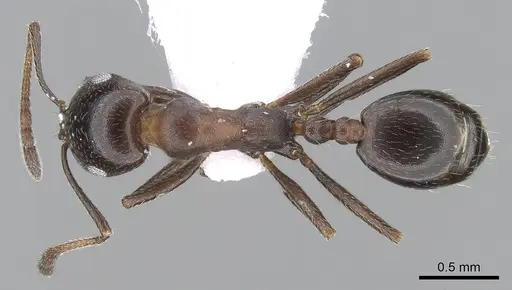
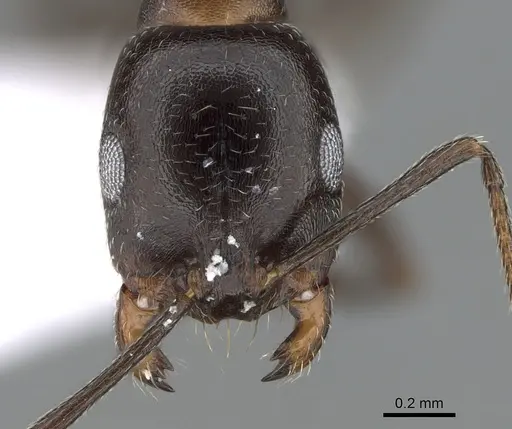

CASENT0904595
View on AntWeb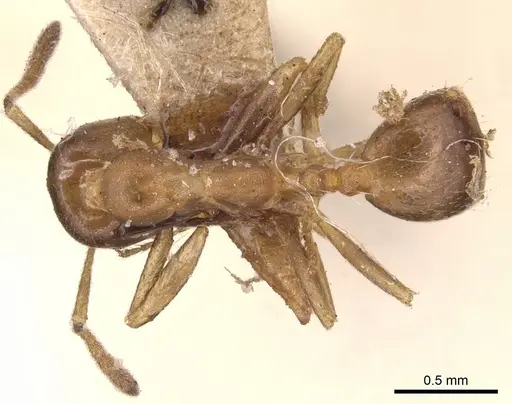
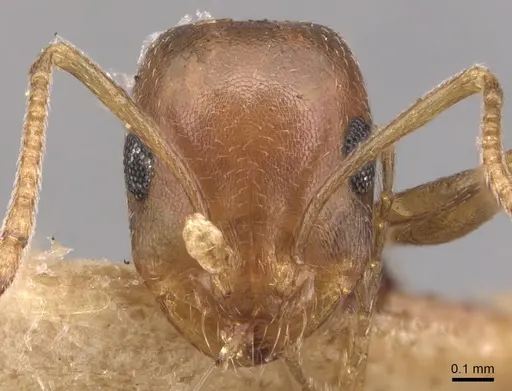
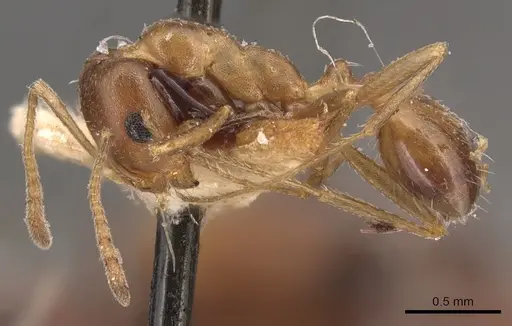
CASENT0913835
View on AntWeb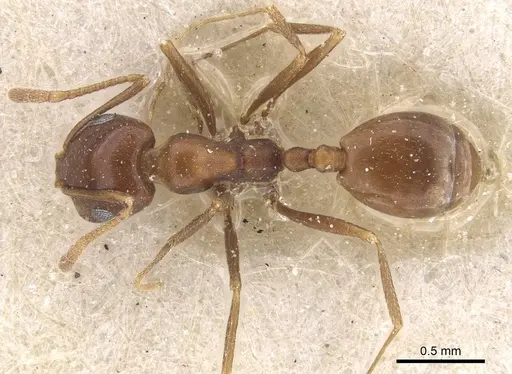
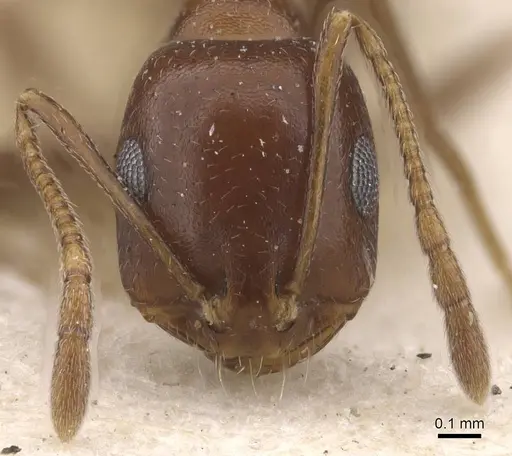
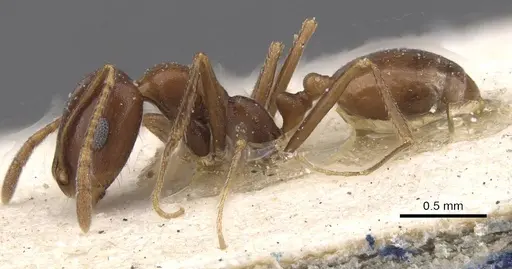
CASENT0913836
View on AntWeb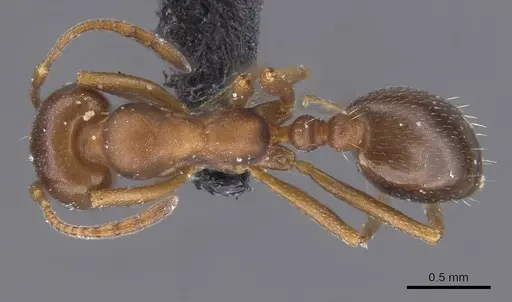
CASENT0913837
View on AntWeb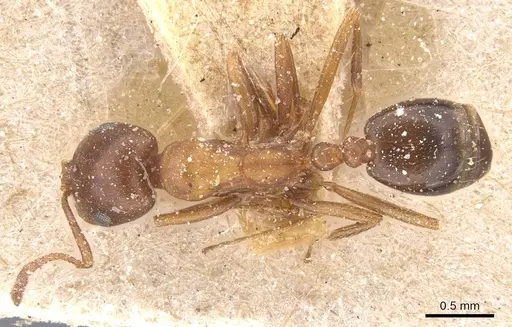
CASENT0913838
View on AntWeb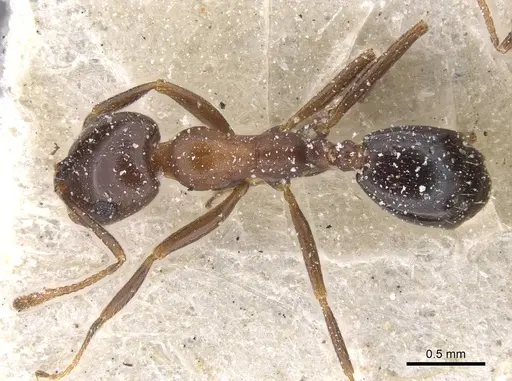
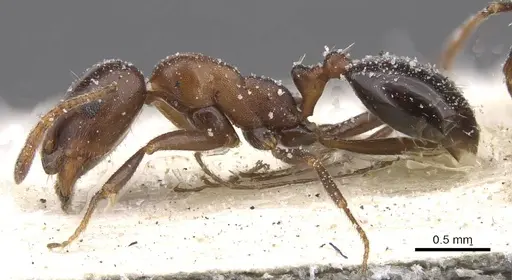
CASENT0913839
View on AntWeb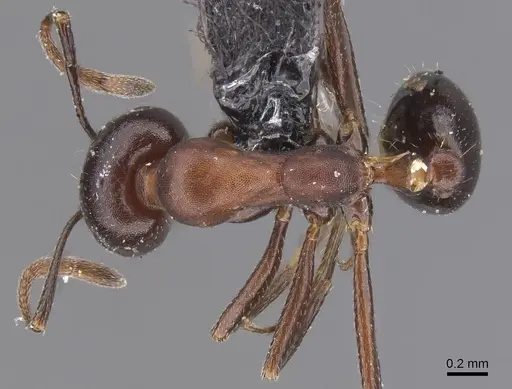
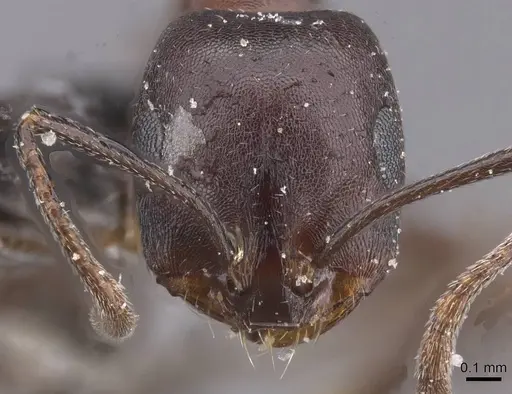
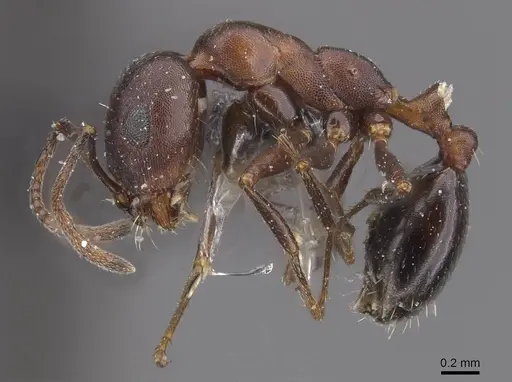
CASENT0913840
View on AntWeb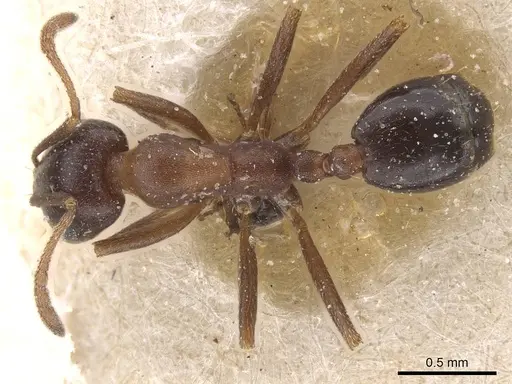
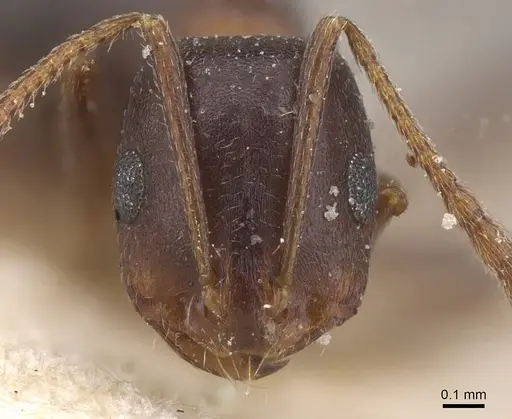
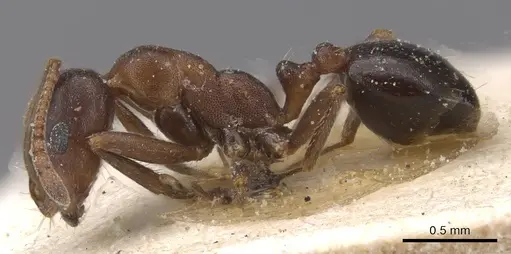
CASENT0913841
View on AntWeb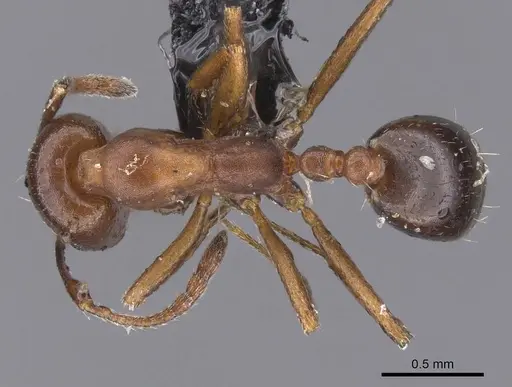
CASENT0913842
View on AntWeb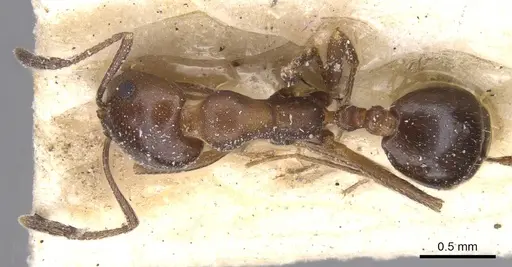
CASENT0913843
View on AntWeb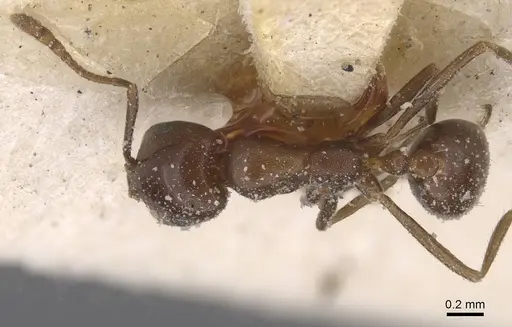
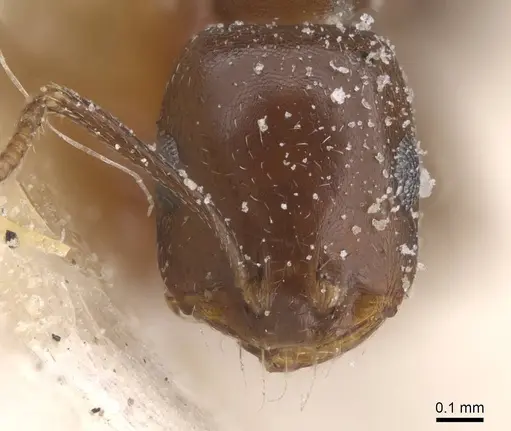
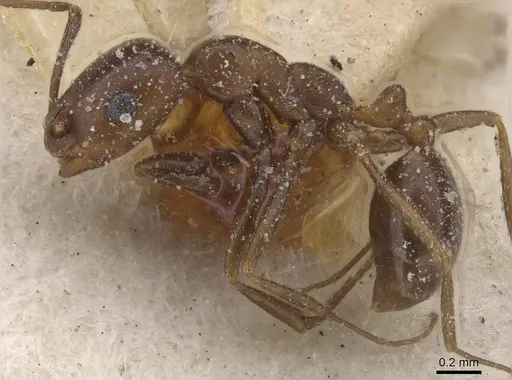
CASENT0913847
View on AntWeb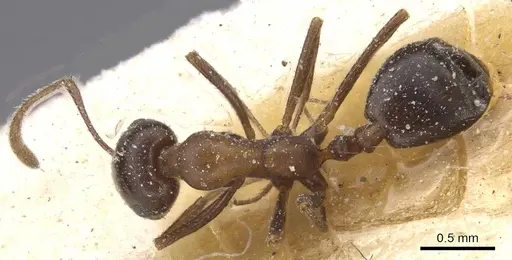
CASENT0913848
View on AntWeb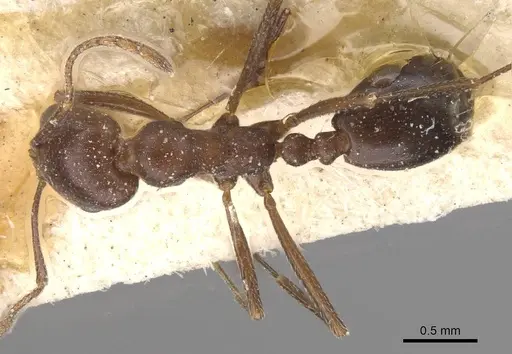
CASENT0913849
View on AntWeb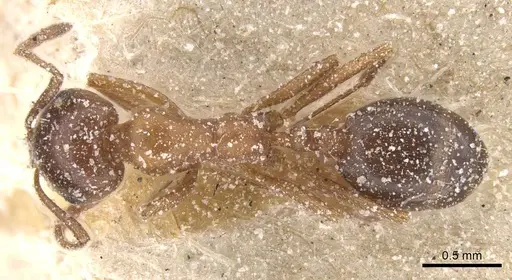
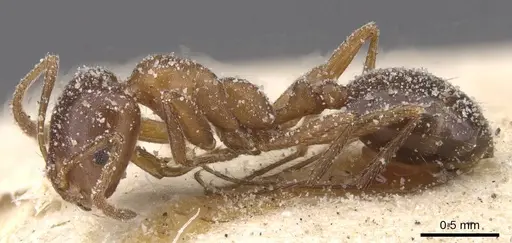
CASENT0913850
View on AntWeb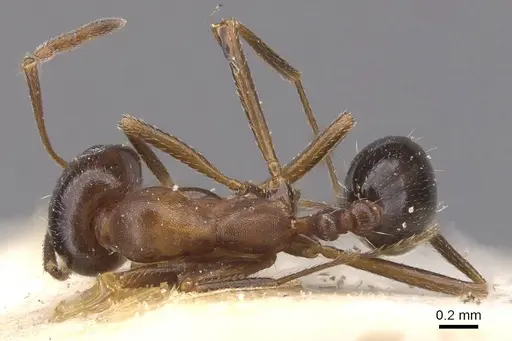
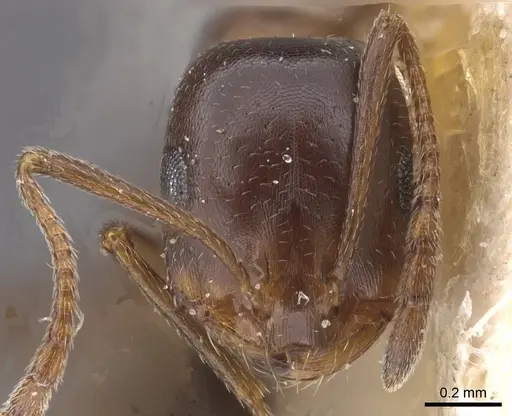
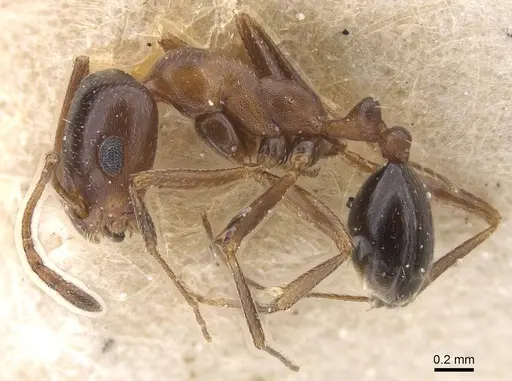
CASENT0914319
View on AntWeb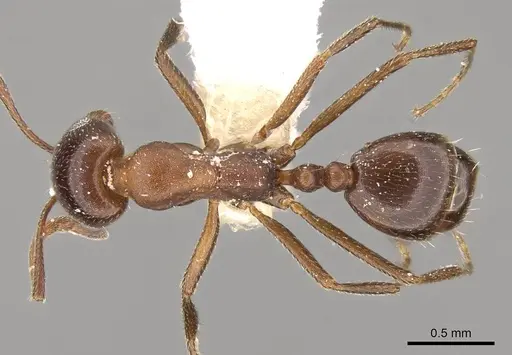
CASENT0917002
View on AntWeb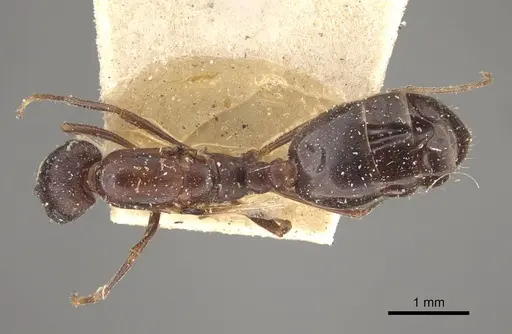
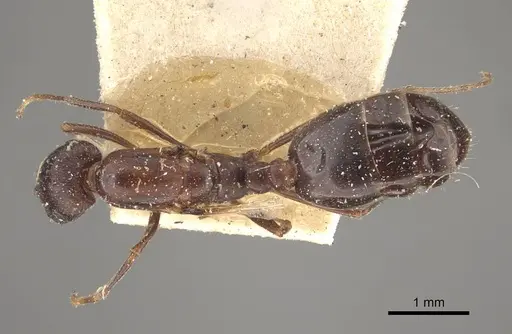
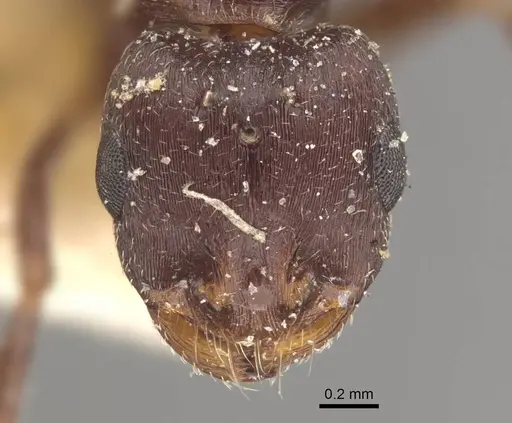
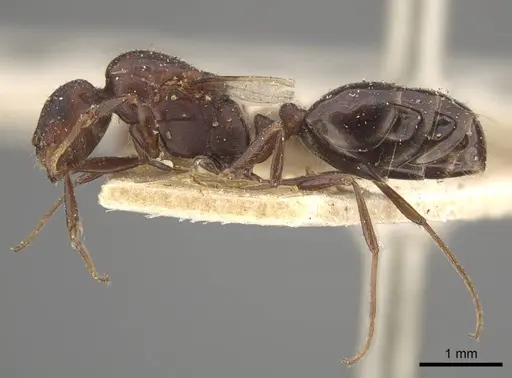
CASENT0917003
View on AntWeb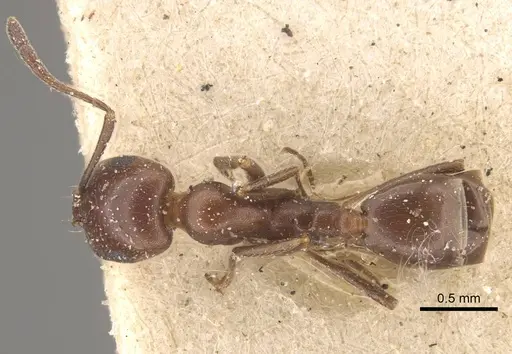
FOCOL1731
View on AntWeb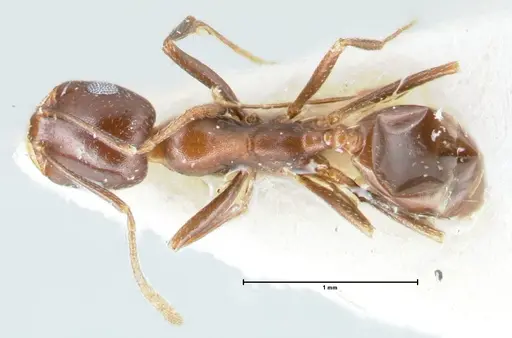
FOCOL1732
View on AntWeb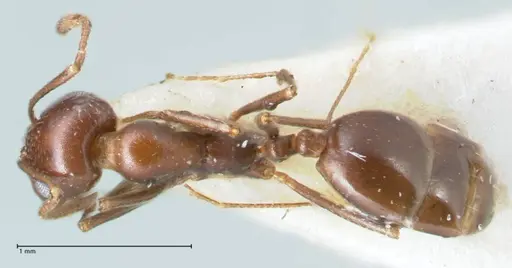
FOCOL1733
View on AntWeb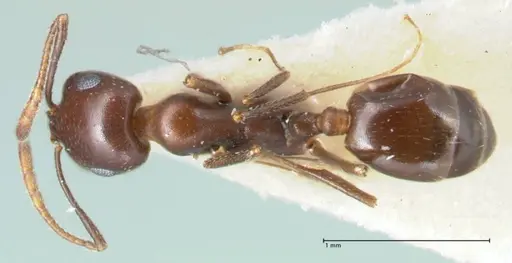
Literature
Loading...Loading products...