

Monomorium orientale
- Scientific Name
- Monomorium orientale
- Tribe
- Solenopsidini
- Subfamily
- Myrmicinae
- Author
- Mayr, 1879
- Distribution
- Found in 3 countries
Monomorium orientale Overview
Monomorium orientale is an ant species of the genus Monomorium. It is primarily documented in 3 countries , including China, India, Lao People's Democratic Republic. Detailed taxonomic data and occurrence records can be further explored via authoritative databases such as AntWeb or the Global Biodiversity Information Facility (GBIF).
Monomorium orientale
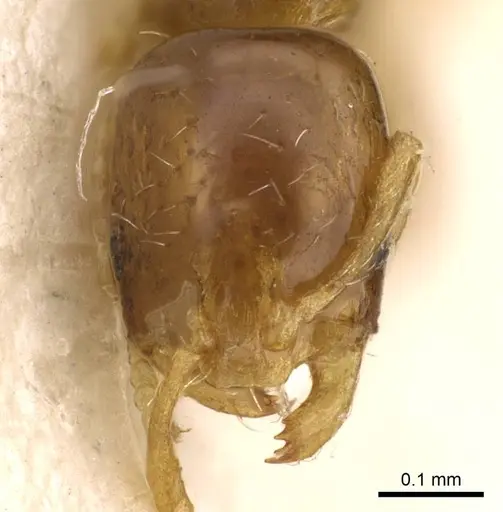
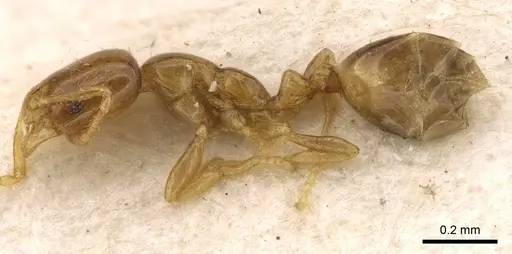
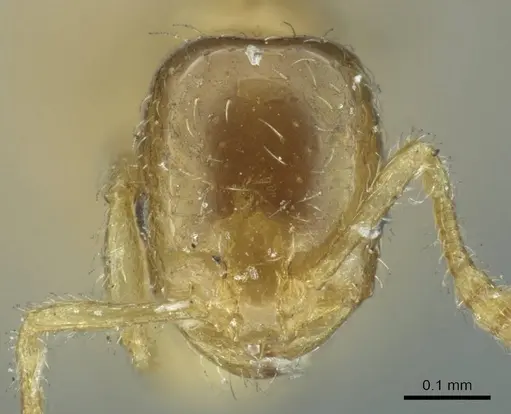
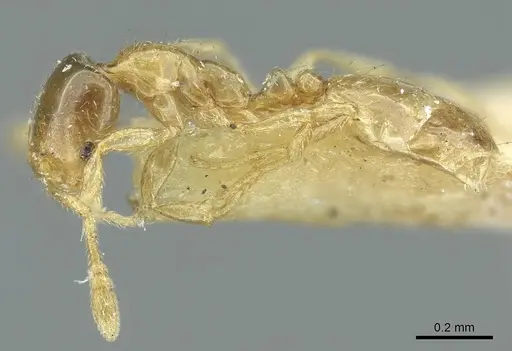
Monomorium orientale is a tiny tropical ant species native to South and Southeast Asia, measuring just 1.5mm in length. Workers are yellowish-brown with 11-segmented antennae and relatively long legs compared to other small Myrmicinae ants. This species is closely related to the Pharaoh ant (Monomorium pharaonis) and Singapore ant (Trichomyrmex destructor), sharing their pest status in human structures [1][2]. In the wild, they nest in trees, under flower pots, and in soil cracks, but they readily adapt to indoor environments, colonizing wall crevices and cabinet voids [2]. The species has spread through tropical regions and is now established in parts of Australia and New Zealand [3]. What makes this ant particularly interesting for antkeepers is its complex multi-queen colony structure and highly predictable foraging patterns, they show peak activity in the early morning hours and consistently prefer carbohydrate baits, making them relatively easy to feed and observe [1][2].
Quick Summary
- Difficulty: Easy
- Origin & Habitat: Native to India, Bangladesh, Myanmar, Philippines, and southern China. Found in tropical lowland forests and urban areas. In the wild, they nest in trees, under flower pots, and in soil cracks [2]. Has been introduced to Australia, New Zealand, and Christmas Island [3][4].
- Colony Type: Polygyne (multi-queen) colonies with 100-150 queens documented in laboratory stock cultures. Multiple reproductive queens work together in established colonies [1][5].
- Colony: Polygyne
- Founding: Claustral
- Size & Growth:
- Queen: Not directly measured in primary research, estimated 4-5mm based on genus patterns
- Worker: 1.5mm [6][7], more precisely 1.41±0.02mm [8]
- Colony: 10,000-15,000 workers in mature colonies [1][5]
- Growth: Moderate, fast for a small species
- Development: Estimated 4-6 weeks at optimal temperature (27°C) (Based on related tropical Monomorium species and laboratory conditions. Colonies maintained at 27°C show healthy brood development [1].)
- Antkeeping:
- Temperature: Keep nest at 25-27°C. Laboratory colonies thrive at 27°C with 66% relative humidity [1][5]. A slight temperature gradient allows ants to regulate their own conditions.
- Humidity: Maintain around 60-70% relative humidity. Provide a water source via test tube setup. These ants adapt well to typical indoor conditions but prefer slightly humid environments [1].
- Diapause: No, this is a tropical species that does not require hibernation. Keep temperatures consistent year-round [1].
- Nesting: Use test tubes or small acrylic nests. Their tiny size means narrow chambers work well. They will readily nest in artificial setups. Provide some damp substrate for humidity maintenance. Can also use Y-tong nests with fine chambers scaled to their small size [2].
- Behavior: Workers are passive foragers, they move steadily rather than erratically like some pest ants. They show strong circadian rhythm with peak foraging between midnight and 4 AM in laboratory conditions [1]. In captivity, you'll likely see most activity during evening and night hours. They are not aggressive and rarely sting. Their small size and passive behavior make escape risk moderate, use standard barriers but fine mesh is less critical than for tiny jumping species [8]. They coexist peacefully with other ant species and use an immobile strategy to avoid conflicts with more aggressive species [8].
- Common Issues: Multi-queen colonies can be sensitive to disturbance, handle gently during transfers, Nocturnal foraging means you may not see them active during typical daytime observation hours, Small size makes them prone to drowning in water sources, use cotton balls or gel water stations, Their pest status means wild-caught colonies may carry parasites, quarantine and observe new colonies, Sugar preference is strong but protein is needed for brood development, balance your feeding
Housing and Nest Setup
Monomorium orientale is a small ant that adapts well to various captive setups. Test tubes work excellently for founding colonies, use a standard test tube setup with a water reservoir sealed with cotton. The tiny workers (only 1.5mm) need chambers appropriately scaled to their size. For established colonies, acrylic nests or Y-tong formicaria with narrow tunnels work well. These ants are not demanding about nest materials but appreciate some damp substrate to maintain humidity. Because they naturally nest in trees and wall crevices, they do well with vertical spaces and will readily explore multiple chambers. Escape prevention is straightforward, while small, they are not particularly agile climbers and standard barrier methods work adequately. A small outworld connected to the nest allows for feeding observation. [2][1]
Feeding and Diet
This species shows a strong, consistent preference for carbohydrate sources. In laboratory tests, sucrose and saccharose were identified as the most effective phagostimulants (attractants that encourage feeding), these work even when colonies are satiated with carbohydrates, making them ideal for baiting [2]. Offer sugar water (40% sucrose solution), honey, or brown sugar water as a constant carbohydrate source. For protein, they strongly prefer tuna fish over other protein sources like beef, liver, or prawns [2]. Offer small protein items like bloodworms, tiny crickets, or fish flakes 2-3 times per week. Lipids (olive oil, other vegetable oils) are also accepted but less preferred unless the colony lacks brood [2]. Liquid baits work best, research showed 67.6% of foragers at liquid baits within 60 minutes versus only 1% for granular baits [9]. Feed primarily in the evening since peak foraging occurs during night hours [1].
Temperature and Environmental Conditions
As a tropical species, Monomorium orientale thrives at warm temperatures. Laboratory colonies are maintained at 27°C with 66% relative humidity on a 12:12 light/dark cycle [1][5]. For your colony, aim for 25-27°C, this is easily achieved in most homes and no special heating is typically required. A small heat mat on one side of the nest can create a beneficial gradient if your room temperature runs cooler. These ants are found up to 1600m elevation in the Himalayas, suggesting they can tolerate some temperature variation [10]. They do not require diapause (winter rest), maintain consistent temperatures year-round. Avoid temperatures below 20°C for extended periods. Humidity of 60-70% is ideal, the test tube water reservoir helps maintain this naturally.
Colony Structure and Social Organization
This species is polygynous, meaning colonies contain multiple queens. Laboratory stock cultures maintain 100-150 queens alongside 10,000-15,000 workers and substantial brood [1][5]. Unlike many ants where multiple queens leads to conflict, these queens cooperate, this makes them excellent for larger colony displays. Queens are smaller than many species at approximately 4-5mm, and colonies can produce new queens relatively quickly. The multi-queen structure means colonies can grow very large but also recover quickly from worker losses. When setting up a colony, you may receive multiple queens, this is normal for this species and they should be kept together. Brood development occurs rapidly at optimal temperatures, and you'll see eggs, larvae, and pupae in various stages simultaneously.
Foraging Behavior and Activity Patterns
Monomorium orientale has a distinctive and predictable foraging rhythm. Research shows peak foraging activity occurs between midnight and 4 AM, with the lowest activity at noon [1]. This means you'll see most of your ants' activity during evening, night, and early morning hours, plan your feeding and observation times accordingly. Workers are described as passive movers rather than the erratic foragers seen in Tapinoma or Paratrechina species [1]. They move steadily and methodically to food sources. When food is discovered, they use trophallaxis (food-sharing mouth-to-mouth) to distribute nutrients throughout the colony rapidly, over 60% of the colony shows evidence of carbohydrate feeding within 24 hours [5]. This efficient communication system means once workers find a food source, the entire colony will be feeding quickly.
Seasonal Care and Growth Patterns
Being a tropical species, Monomorium orientale does not require seasonal temperature changes or hibernation. Maintain consistent warmth year-round for optimal growth. Under laboratory conditions at 27°C, colonies develop rapidly with brood of all stages present continuously [1]. Expect your colony to grow steadily given adequate food and warmth. The multi-queen structure helps sustain continuous reproduction, even if one queen is lost, others maintain egg production. Growth rate is moderate to fast for a small ant species. Watch for alates (reproductive ants, winged males and females) which may be produced as the colony reaches several thousand workers. These are the future queens and males that would disperse during nuptial flights in the wild.
Common Problems and Solutions
The most common issues with keeping Monomorium orientale relate to their small size and nocturnal habits. First, ensure water sources cannot drown these tiny ants, use cotton balls or gel water stations rather than open water dishes. Second, don't be alarmed if you don't see much daytime activity, this is normal behavior. Third, while they accept many foods, balance carbohydrate offerings with protein for healthy brood development. Fourth, because they are a known pest species in some regions, never release colonies outdoors in non-native areas, this is ecologically responsible. Finally, their small size means they can squeeze through gaps that larger ants cannot, so check your setup for any small cracks or gaps. The passive foraging style also means they may be outcompeted by more aggressive ant species if housed near other colonies. [2][1][8]
Legal and Ethical Considerations
Monomorium orientale is listed as a potentially invasive species for New Caledonia and has established populations in Australia and New Zealand where it was introduced by human activity [11][3]. As a responsible antkeeper, you should never release this species or any ant outdoors in regions where they are not native. This species is not protected and can be kept legally in most jurisdictions, but always check local regulations regarding ant keeping. If you no longer wish to keep your colony, the most responsible options are to continue caring for them, rehome them to another experienced keeper, or humanely freeze the colony. Never release non-native ants into the wild.
Frequently Asked Questions
How long does it take for Monomorium orientale to raise first workers?
At optimal temperature (27°C), expect first workers (nanitics) in approximately 4-6 weeks from the time eggs are laid. This is faster than many temperate species due to the tropical origin and warm laboratory conditions they thrive in [1].
Can I keep multiple queens together in one colony?
Yes, this species is naturally polygynous with multiple queens per colony. Laboratory cultures maintain 100-150 queens together successfully. You can keep multiple unrelated queens together when starting a colony, and they will typically cooperate rather than fight [1][5].
What do Monomorium orientale ants eat?
They are omnivorous but strongly prefer carbohydrates. Offer sugar water, honey, or sucrose solution as a constant food source. For protein, they prefer tuna fish, bloodworms, or other small protein-rich foods 2-3 times weekly. They also accept lipids like olive oil but these are less preferred unless the colony has no brood [2][5].
What temperature do they need?
Keep them at 25-27°C. Laboratory colonies are successfully maintained at 27°C with 66% humidity. This is easily achieved at room temperature in most homes. They are tropical and should not be exposed to temperatures below 20°C for extended periods [1][5].
Are Monomorium orientale good for beginners?
Yes, they are considered easy to keep. They are forgiving of minor temperature fluctuations, readily accept commercial ant foods, and their multi-queen structure makes colonies resilient. The main adjustment is their nocturnal foraging pattern, you won't see much activity during daytime hours [1][2].
How big do colonies get?
Mature colonies can reach 10,000-15,000 workers in laboratory settings. In captivity, you can expect colonies to grow to several thousand workers with proper care. The multi-queen structure supports large colony sizes [1][5].
When are they most active?
They are nocturnal, with peak foraging activity between midnight and 4 AM. You will see the most activity in the evening and early morning hours. This is normal behavior, don't be concerned if your ants seem quiet during the day [1].
Do they need hibernation?
No, as a tropical species, they do not require hibernation or winter diapause. Maintain consistent warm temperatures year-round. They are active throughout the year in laboratory conditions [1].
Why are my ants not coming out to eat?
This is likely normal behavior, they are nocturnal. Try feeding in the evening or at night when they are most active. Also ensure the food is liquid or very small pieces since they are tiny ants. If the colony is new, give them time to adjust to their environment [1][9].
What type of nest is best?
Test tubes work well for founding colonies. For established colonies, small acrylic nests or Y-tong formicaria with narrow chambers scaled to their tiny 1.5mm size work best. They adapt readily to various setups as long as humidity is maintained [2].
References

This caresheet is licensed under CC BY-SA 4.0 .
CASENT0914393
View on AntWeb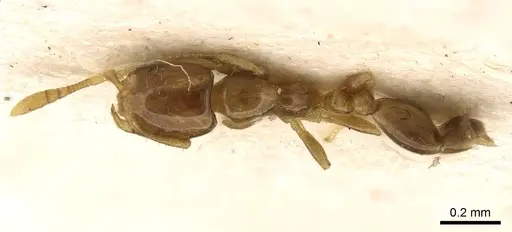
CASENT0916010
View on AntWeb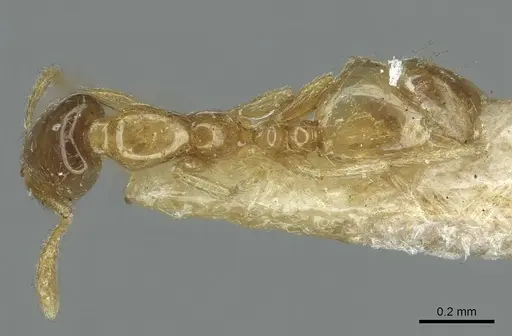
Literature
Loading...Loading products...