

Monomorium laeve
- Scientific Name
- Monomorium laeve
- Tribe
- Solenopsidini
- Subfamily
- Myrmicinae
- Author
- Mayr, 1876
- Common Name
- Yellow Mono Ant
- Distribution
- Found in 1 countries
Monomorium laeve Overview
Monomorium laeve (commonly known as the Yellow Mono Ant) is an ant species of the genus Monomorium. It is primarily documented in 1 countries , including Australia. Detailed taxonomic data and occurrence records can be further explored via authoritative databases such as AntWeb or the Global Biodiversity Information Facility (GBIF).
Monomorium laeve - "Yellow Mono Ant"
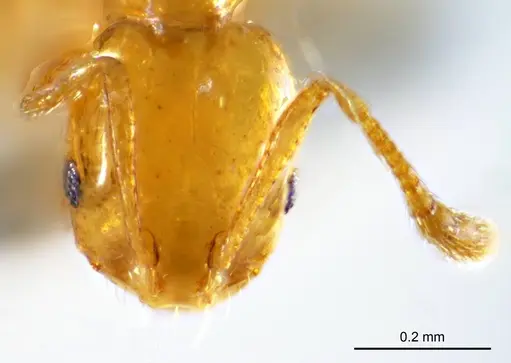
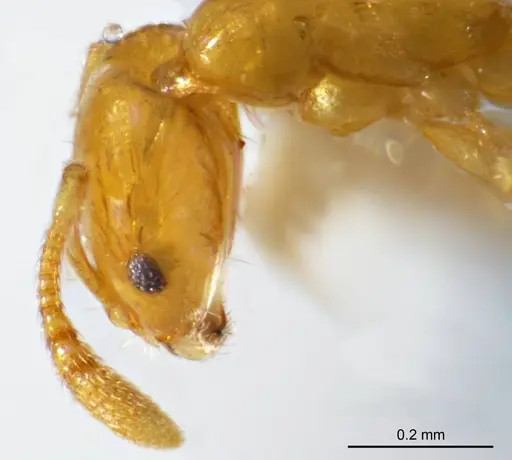
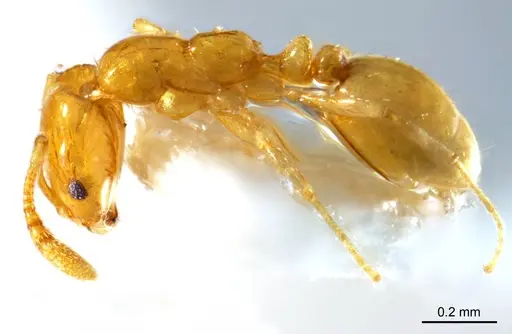
Monomorium laeve is a small yellow ant native to Australia, with workers measuring 1.0-1.5mm and queens at 1.9-2.9mm. The species shows considerable size variation across its range, northern populations tend to be smaller and more compact with small oval eyes, while wetter southern populations produce slightly larger workers with larger, more elongated eyes [1]. This ant is abundant throughout Australia, though it enters dwellings less frequently than related species like Monomorium fieldi in urban areas [1]. The species feeds on both animal food and seeds in its natural environment [1].
Quick Summary
- Difficulty: Easy
- Origin & Habitat: Australia, found throughout the continent, from arid interior regions to more temperate coastal areas. It inhabits various Australian biomes including arid zones and has been recorded nesting in natural areas [2][1].
- Colony Type: Colony structure is not fully documented for this species. Based on typical Monomorium patterns, likely single-queen (monogyne) colonies, though some related species show flexibility. Brachypterous (short-winged) queens have been documented in related Monomorium species [3].
- Colony: Monogyne
- Founding: Claustral
- Size & Growth:
- Queen: 1.9-2.85mm
- Worker: 0.98-1.48mm
- Colony: Likely moderate-sized colonies based on typical Monomorium patterns, exact maximum unknown
- Growth: Moderate, based on typical small Myrmicinae development
- Development: 6-8 weeks (estimated based on related Monomorium species) (Development time inferred from genus patterns, specific data for this species not available)
- Antkeeping:
- Temperature: Keep at room temperature (20-26°C). Australian species typically tolerate moderate warmth. Provide a gentle temperature gradient if possible.
- Humidity: Moderate humidity preferred. Keep nest substrate lightly moist but not waterlogged. These ants inhabit varied Australian climates from arid to temperate, so they tolerate some dryness.
- Diapause: Unknown, Australian species may have reduced activity in cooler months but full hibernation is not typically required for most Australian ants.
- Nesting: In nature, likely nests in soil or under stones like other Monomorium species. Y-tong (AAC) nests or test tubes with dirt work well. Provide some干燥 areas within the nest for variety.
- Behavior: This is a small, generally non-aggressive ant species. Workers are yellowish and forage individually for food. They enter dwellings in rural areas and have been noted as occasional indoor pests [1]. They are primarily nocturnal or crepuscular based on being described as numerous yellowish mostly nocturnal species in arid Australia [2]. Escape prevention is important due to their small size, use fine mesh barriers. They are not known for stinging and pose no danger to keepers.
- Common Issues: small size means escapes are likely without fine mesh barriers, colonies may be slow to establish initially, wild-caught colonies may have parasites, limited availability makes this species uncommon in the hobby
Appearance and Identification
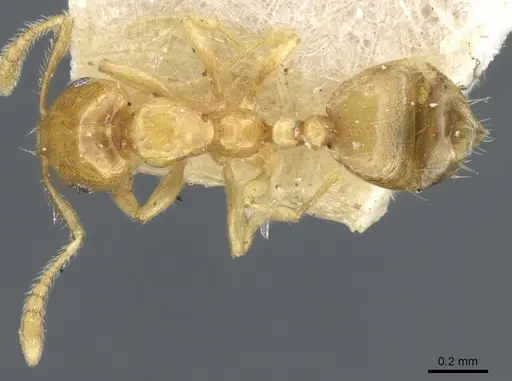
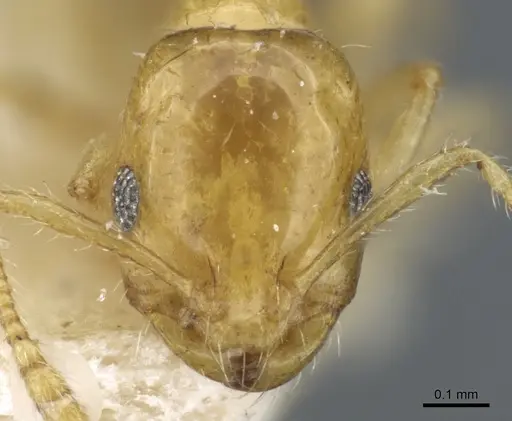
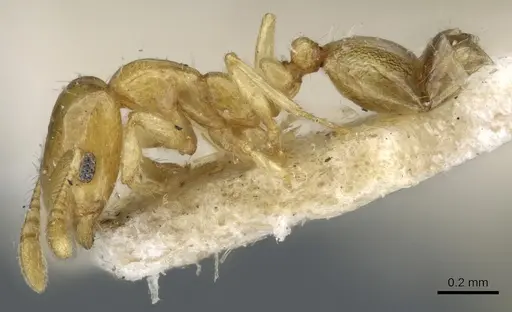
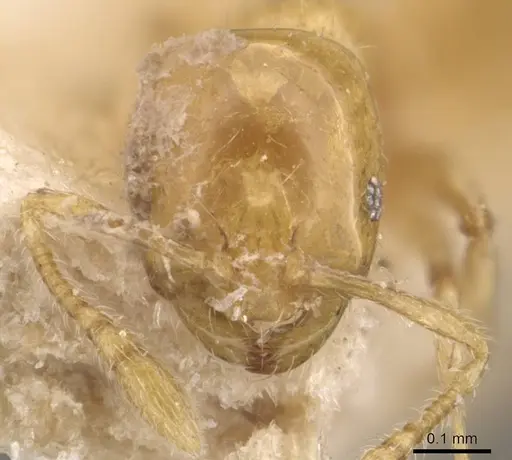
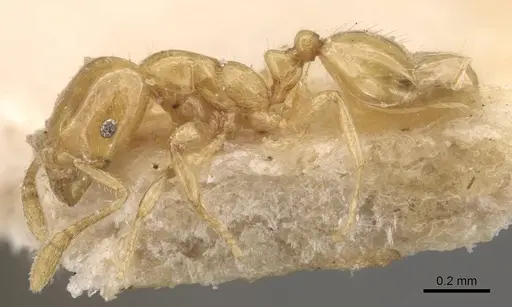
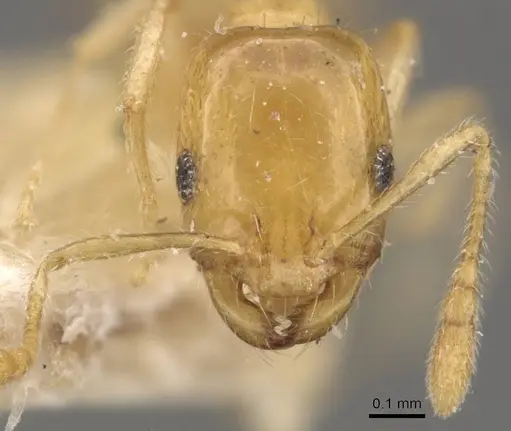
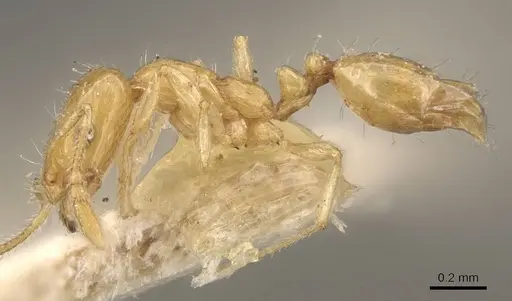
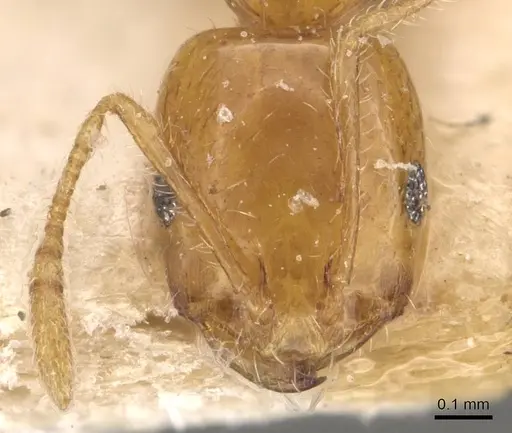
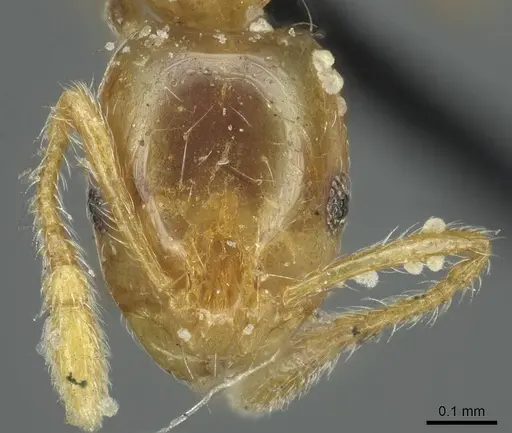
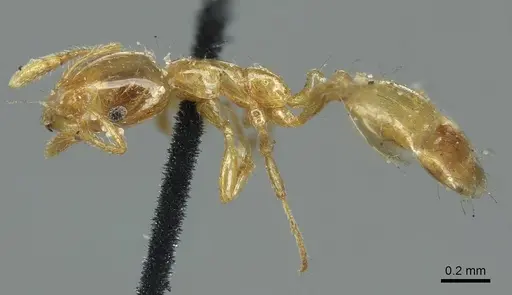
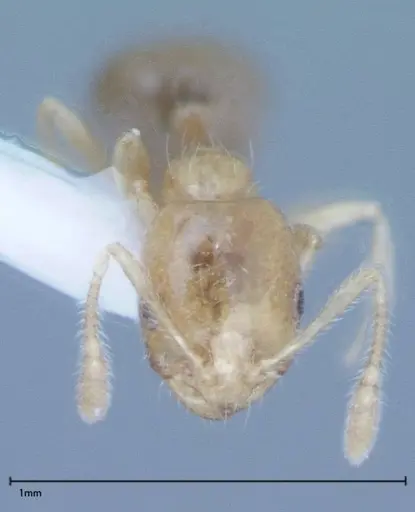
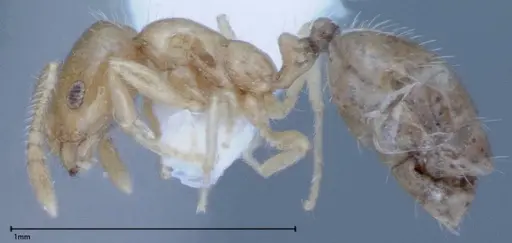
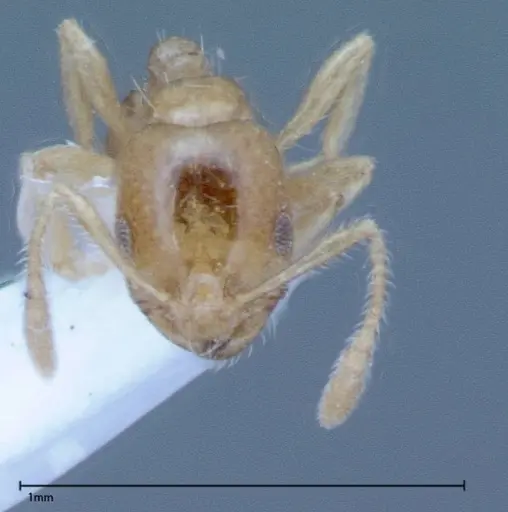
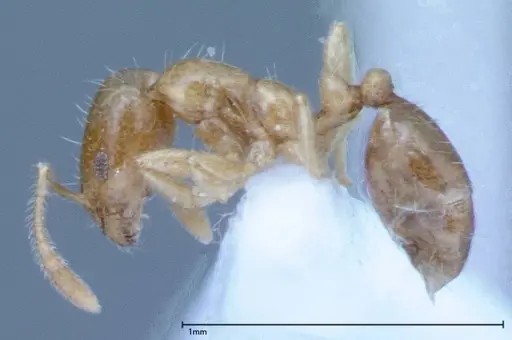
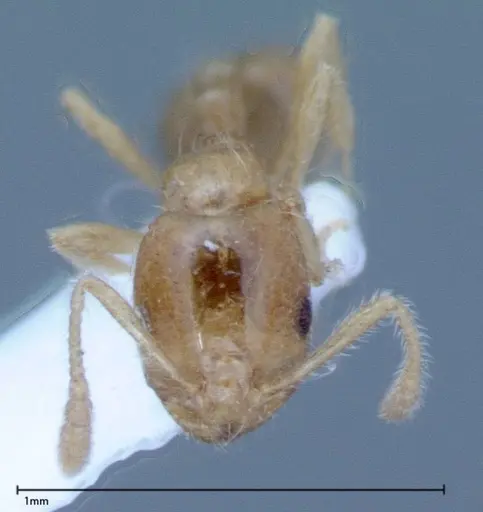
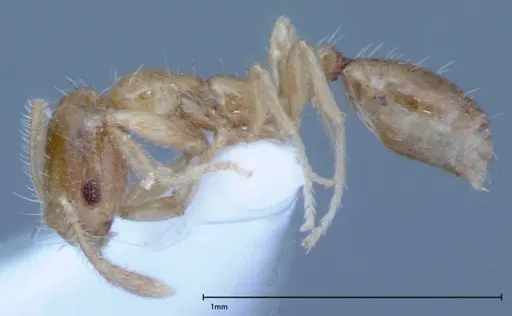
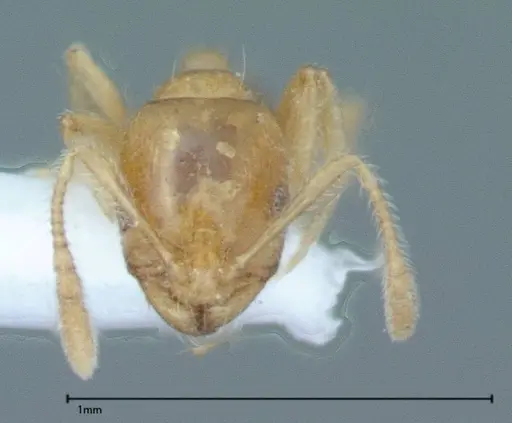
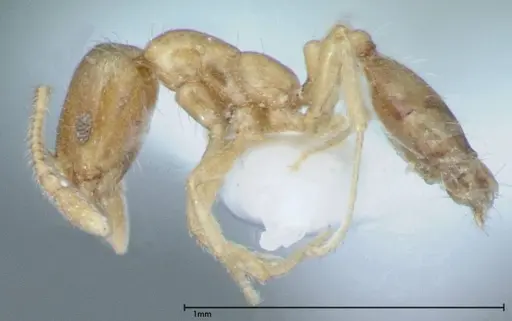
Monomorium laeve workers are small ants measuring 1.0-1.5mm in total length, with a characteristic yellow coloration that can vary from pale yellow to tawny orange[4]. The species shows notable size variation, smaller workers from northern Australia have compact bodies and small oval eyes, while larger workers from southern populations have more gracile builds and larger, elongated eyes with coarse facets [1]. Queens are considerably larger at 1.9-2.9mm and may be brachypterous (have reduced wings). The workers can be distinguished from similar species like Monomorium disetigerum by the presence of long hairs on the back of the head (occiput) and the rear body section (propodeum), plus more than one pair of upright hairs on the middle body [1]. This species may actually represent a cryptic species complex with three distinct genetic lineages [5][6].
Natural History
Monomorium laeve is abundant throughout Australia, though it occurs less frequently in urban environments compared to related species like Monomorium fieldi and Monomorium sydneyense [1]. These ants are numerous yellowish mostly nocturnal species that are ubiquitous in arid Australia [2]. In their natural habitat, they feed on both animal food (protein sources like small insects) and seeds [1]. The species has been recorded entering dwellings, particularly in rural areas, one specimen from Mt Stromlo in the Australian Capital Territory was collected from 'infesting quarters' [1]. They are generalist foragers that search for food both during the day and at night.
Housing and Nesting
In captivity, Monomorium laeve can be housed in standard test tube setups for founding colonies, then transitioned to formicariums as the colony grows. Since they are small ants, Y-tong (AAC) nests or acrylic nests with appropriately scaled chambers work well. In nature, they likely nest in soil or under stones like other Monomorium species. Provide a nesting setup with moist substrate (dirt or sand) that retains some humidity without becoming waterlogged. Include some slightly drier areas within the nest so the ants can self-regulate their moisture exposure. A small outworld for foraging allows you to observe their behavior and offer food.
Feeding
In their natural environment, Monomorium laeve feeds on both animal matter and seeds [1]. In captivity, offer a varied diet including small protein sources like fruit flies, pinhead crickets, or small mealworms. They will likely accept sugar water or honey as an energy source. Since they are small ants, ensure prey items are appropriately sized, tiny insects work better than large ones. Offer protein foods 2-3 times per week and keep a sugar source available at all times. Remove uneaten prey after 24-48 hours to prevent mold.
Temperature and Care
Monomorium laeve originates from Australia and can be kept at typical room temperatures of 20-26°C. Australian ants generally tolerate moderate warmth well, but avoid extreme temperatures. A gentle temperature gradient in the setup allows the colony to choose its preferred zone. Room temperature within this range is usually sufficient. If your space is cooler, a small heating cable on one side of the nest can help, but always provide unheated areas as well. These ants are adaptable to varying conditions across their Australian range.
Behavior
This is a small, generally peaceful ant species that poses no danger to keepers. Workers are yellowish and relatively non-aggressive. They are primarily nocturnal or crepuscular based on their prevalence in surveys of nocturnal arid-zone ant communities [2]. Foraging workers search individually for food rather than using mass recruitment. Due to their very small size, excellent escape prevention is essential, use fine mesh barriers and ensure all openings are sealed. They are not known for stinging and are safe to handle gently.
Frequently Asked Questions
How long does it take for Monomorium laeve to produce first workers?
Based on typical Monomorium development patterns, expect first workers (nanitics) approximately 6-8 weeks after the queen lays her first eggs. This is an estimate since specific development data for M. laeve is not available. The queen will remain sealed in her founding chamber until the first workers emerge.
What do Monomorium laeve ants eat?
They feed on both animal matter and seeds in the wild. In captivity, offer small protein sources like fruit flies, tiny crickets, or small mealworms, plus sugar water or honey for energy. Ensure prey is small enough for their tiny workers to handle.
Are Monomorium laeve ants good for beginners?
Yes, this species is considered easy to keep. They are small, non-aggressive, and tolerate a range of typical room temperature conditions. The main challenge is their small size requiring good escape prevention.
How big do Monomorium laeve colonies get?
Colony size is not well documented, but based on typical Monomorium patterns, expect moderate-sized colonies of several hundred workers at maturity. They grow steadily over time rather than explosively.
What temperature do Monomorium laeve ants need?
Room temperature (20-26°C) is suitable. They are adaptable Australian ants that tolerate moderate warmth. A gentle temperature gradient allows the colony to self-regulate.
Can I keep multiple Monomorium laeve queens together?
This is not documented for this specific species. Most Monomorium are single-queen colonies, and combining unrelated queens is generally not recommended unless the species is known to accept multiple queens.
Why are my Monomorium laeve ants escaping?
Their very small size (around 1mm for workers) means they can squeeze through tiny gaps. Use fine mesh (at least 0.5mm or smaller), seal all lid edges with fluon or similar barriers, and check for any cracks in your setup.
Do Monomorium laeve ants need hibernation?
Full hibernation is not typically required for Australian ants. They may reduce activity in cooler months, but a true diapause period is not necessary. Keep them at normal room temperature year-round.
Where is Monomorium laeve found in the wild?
This ant is native to Australia and found throughout the continent. It is abundant in arid interior regions and enters dwellings more frequently in rural areas. It is less common in urban environments compared to some related species.
References

This caresheet is licensed under CC BY-SA 4.0 .
ANTWEB1008679
View on AntWeb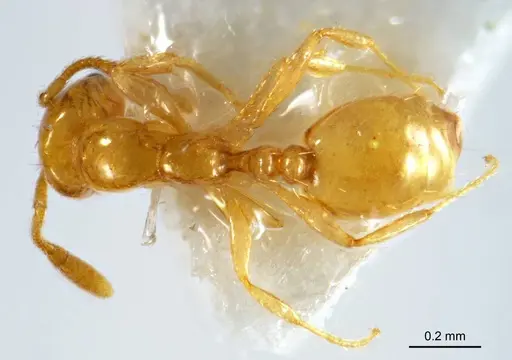
CASENT0904588
View on AntWeb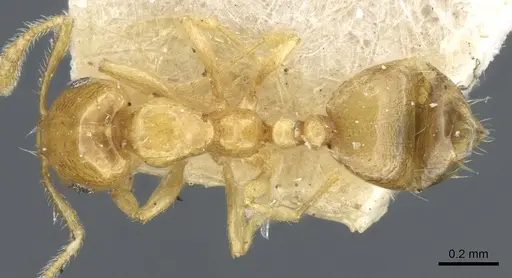
CASENT0908770
View on AntWeb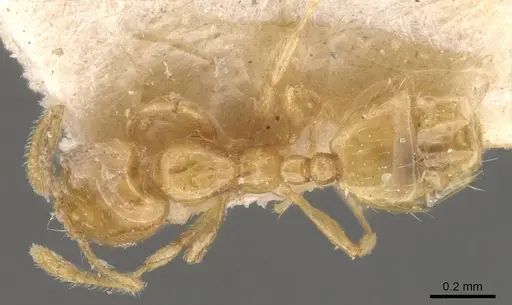
CASENT0908771
View on AntWeb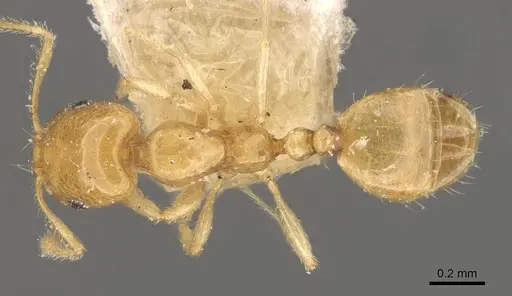
CASENT0908772
View on AntWeb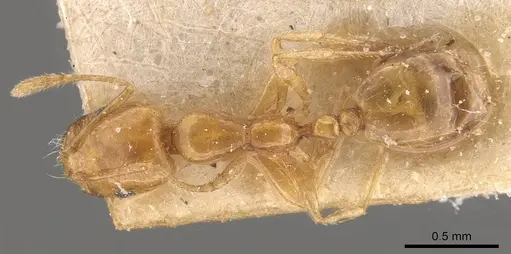
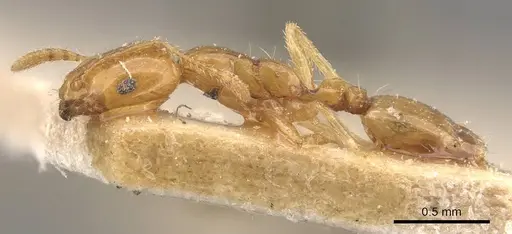
CASENT0914401
View on AntWeb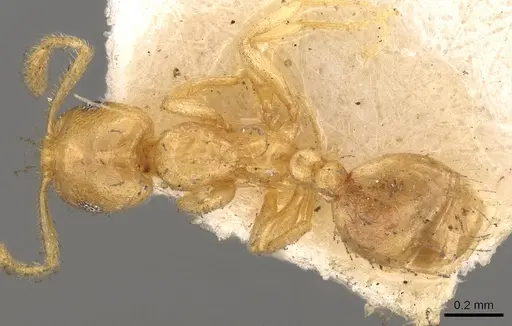
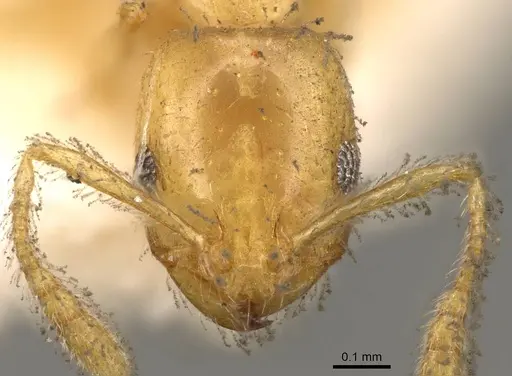
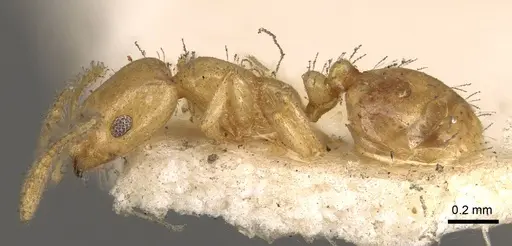
CASENT0916019
View on AntWeb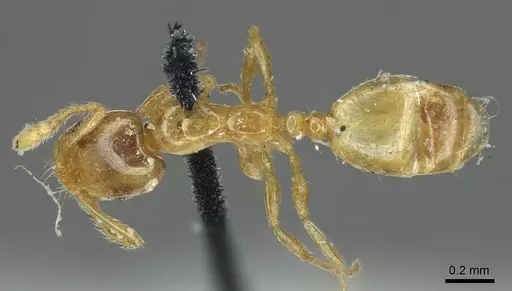
FOCOL0049-1
View on AntWeb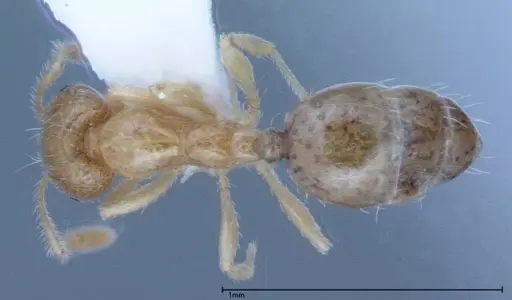
FOCOL0049-2
View on AntWeb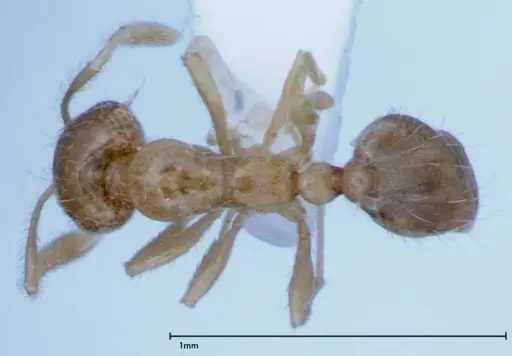
FOCOL0050-1
View on AntWeb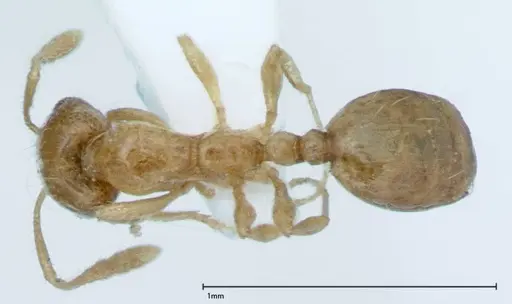
FOCOL0050-2
View on AntWeb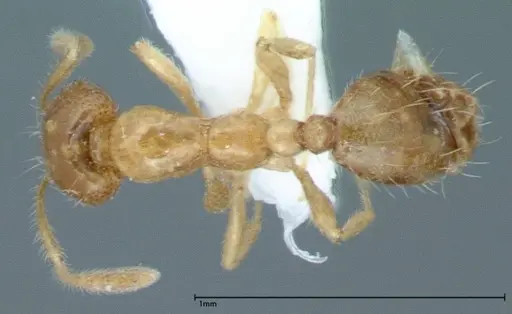
Literature
Loading...Loading products...