

Monomorium fieldi
- Scientific Name
- Monomorium fieldi
- Tribe
- Solenopsidini
- Subfamily
- Myrmicinae
- Author
- Forel, 1910
- Distribution
- Found in 3 countries
Monomorium fieldi Overview
Monomorium fieldi is an ant species of the genus Monomorium. It is primarily documented in 3 countries , including Australia, Norfolk Island, New Zealand. Detailed taxonomic data and occurrence records can be further explored via authoritative databases such as AntWeb or the Global Biodiversity Information Facility (GBIF).
Monomorium fieldi
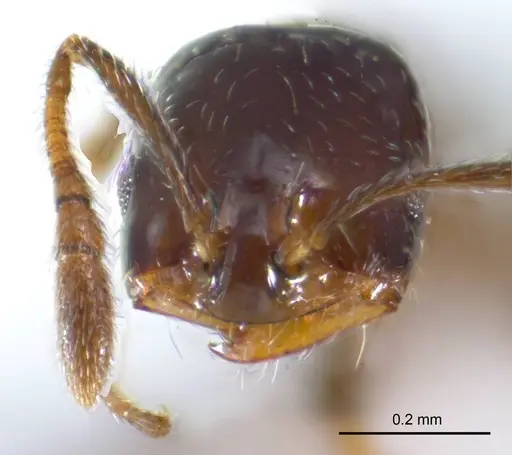
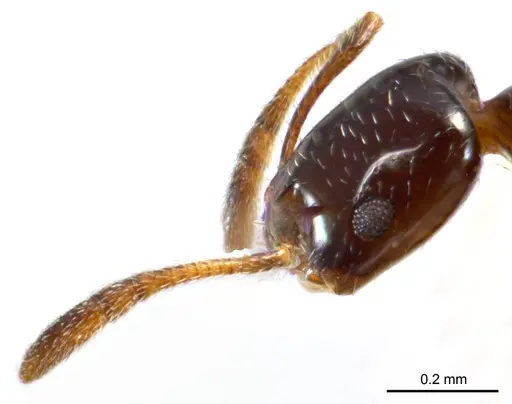
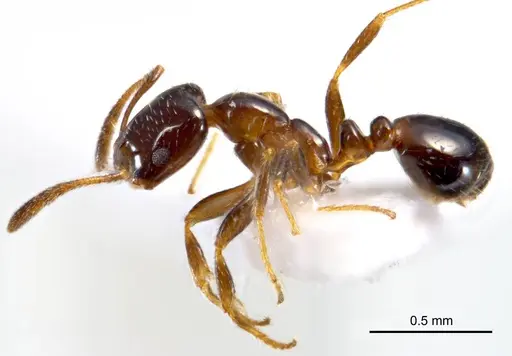
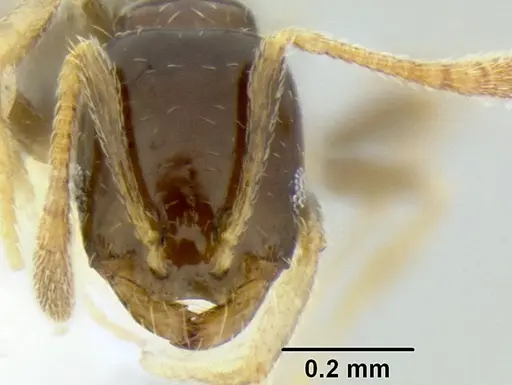
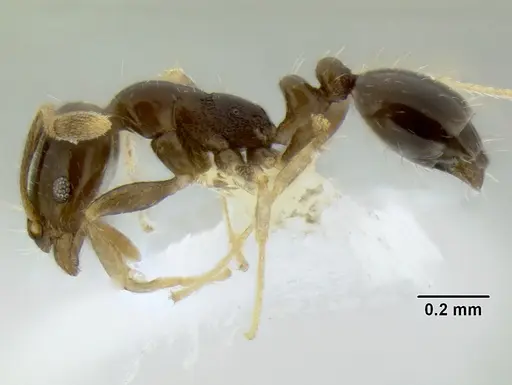
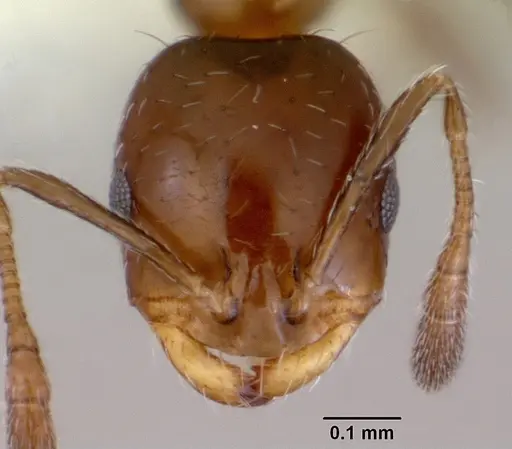
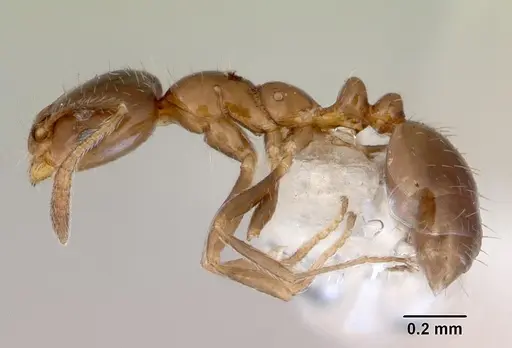
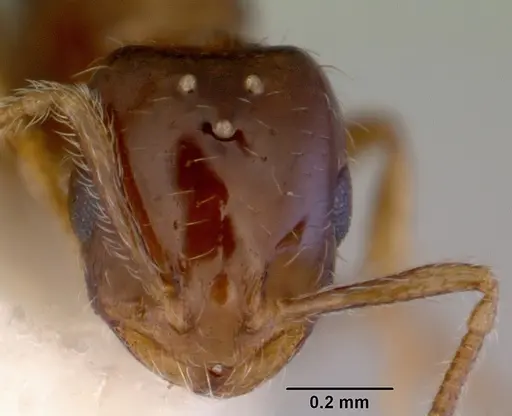
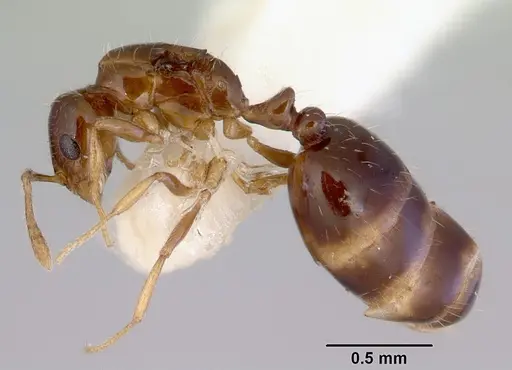
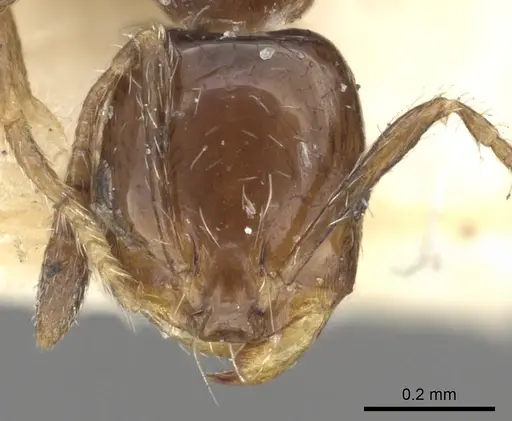
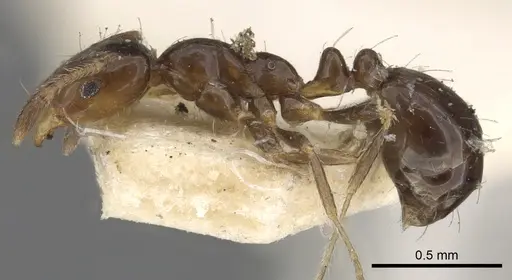
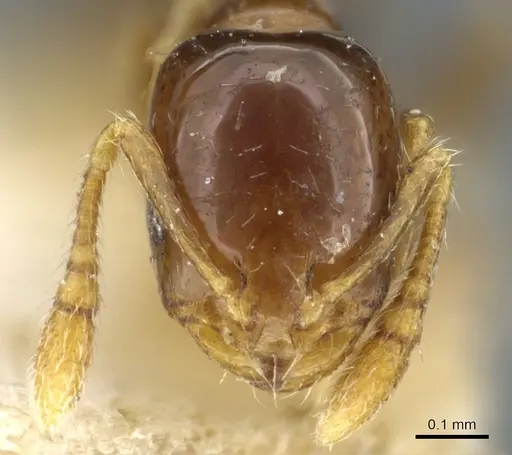
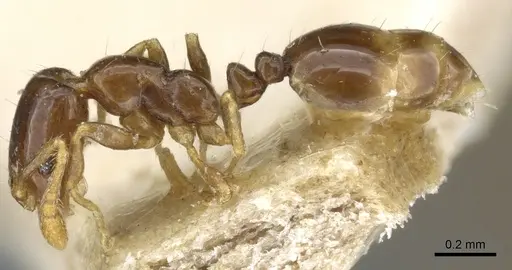
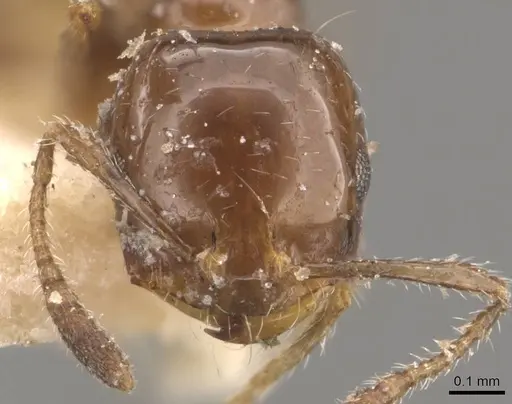
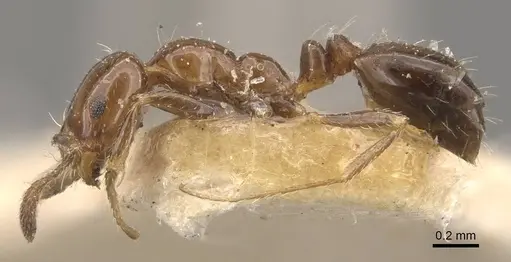
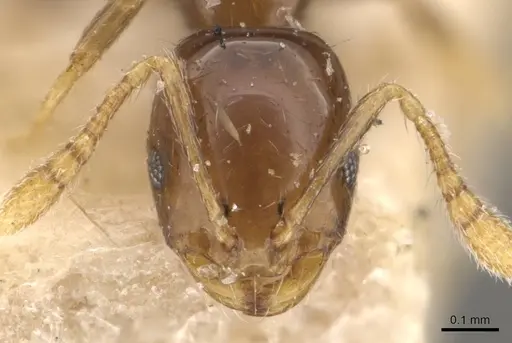
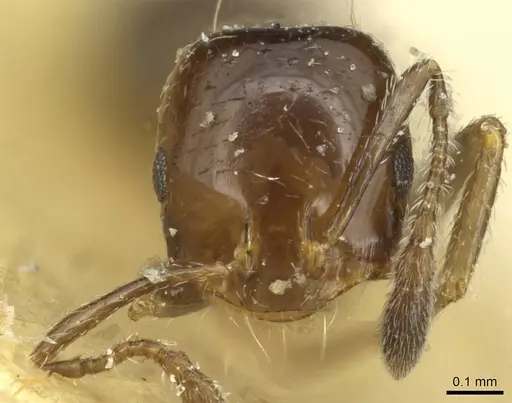
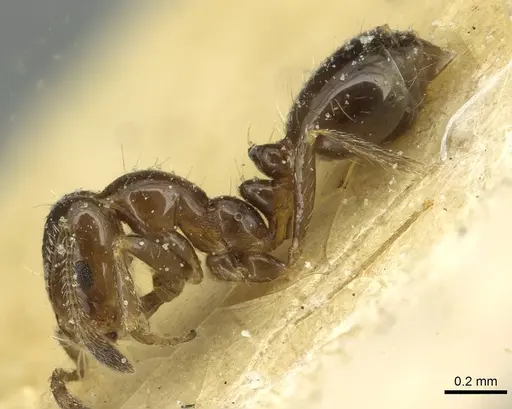
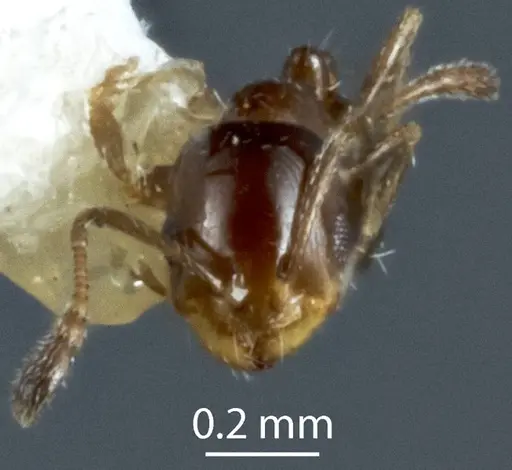
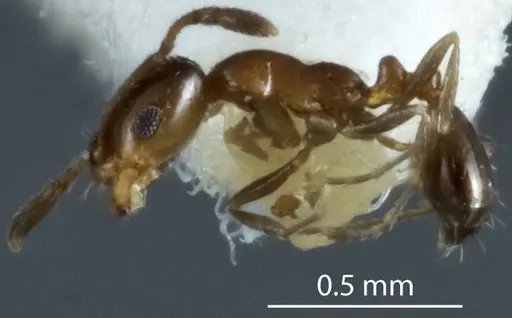
Monomorium fieldi is a tiny, shiny ant native to Australia that has spread to nearby islands including Lord Howe Island, New Zealand, and Norfolk Island. Workers measure just 0.9-1.4mm with a dark brown to chocolate body and unusually dense, long hairs covering their head and body [1]. Queens are considerably larger at 1.6-3mm. This species is one of the most common ants in Australian cities, thriving in highly disturbed urban environments like suburban backyards, main streets, and industrial sites [2]. They are highly adaptable and can nest both in the ground and in trees, with workers frequently foraging on vegetation. Genetic studies suggest M. fieldi may actually be a cryptic species complex containing multiple distinct lineages [3][4].
Quick Summary
- Difficulty: Easy
- Origin & Habitat: Australia and surrounding islands, extremely tolerant of urban and disturbed environments, nesting in backyards, streets, and industrial sites [2]
- Colony Type: Likely monogyne (single queen) based on typical Monomorium patterns, though colony structure is not well-studied
- Colony: Monogyne
- Founding: Claustral
- Size & Growth:
- Queen: 1.6-3.0mm [2]
- Worker: 0.9-1.4mm [2]
- Colony: Likely moderate (hundreds) based on typical urban Monomorium, unconfirmed
- Growth: Moderate, inferred from related species
- Development: 6-8 weeks estimated based on typical Monomorium development at warm temperatures (Development timeline not directly studied, estimate based on genus patterns)
- Antkeeping:
- Temperature: Keep at 22-26°C, they thrive in warm Australian conditions and will do well at room temperature or slightly above [2]
- Humidity: Moderate, adaptable to dry conditions given their urban habitat tolerance. Provide a water tube and allow nest to dry slightly between rehydrations
- Diapause: Unknown, Australian species may not require true hibernation, but may reduce activity in cooler months
- Nesting: Flexible, will accept test tubes, Y-tong nests, or plaster nests. Their small size means they do well in nests with tight chambers. They adapt to various substrates [2]
- Behavior: Generally peaceful and non-aggressive. Workers are active foragers that search for food both on the ground and on vegetation. They are small but not particularly escape-prone compared to some other tiny ants. They readily accept sugar and protein foods. Colonies can grow quite large in urban environments [2][5]
- Common Issues: tiny size means escape prevention matters, use fine mesh barriers, cryptic species complex, wild-caught colonies may contain multiple species, invasive in New Zealand and Fiji, do not release outside Australia, slow founding stage, queens may take months to raise first workers
Housing and Nest Setup
Monomorium fieldi is a tiny ant that does well in standard test tube setups for founding colonies. Use test tubes with a water reservoir sealed with cotton, the small diameter suits their size well. Once the colony reaches 20-30 workers, you can move them to a Y-tong (AAC) nest or plaster formicarium. These ants are adaptable and will nest in various materials including soil, sand, and acrylic nests. The key is providing appropriately scaled chambers, passages and chambers should be tight enough that workers feel secure. A small outworld for foraging completes the setup. Because they are so small, ensure your escape prevention is solid even though they are not particularly aggressive escape artists. [2]
Feeding and Diet
Like most Monomorium species, M. fieldi is omnivorous and will accept a variety of foods. Offer sugar water, honey, or diluted syrup as a constant energy source. For protein, provide small insects like fruit flies, pinhead crickets, or mealworm pieces. In nature, they forage on vegetation and likely scavenge for honeydew and small arthropods. They are not specialized predators, so any small protein source works. Feed protein 2-3 times per week, and keep sugar water available at all times. Remove uneaten food after 24-48 hours to prevent mold. [2]
Temperature and Seasonal Care
These Australian ants prefer warm conditions. Keep the nest area at 22-26°C, room temperature is usually suitable. They are highly adaptable to urban conditions and can tolerate some temperature variation. In their native Australia, they are active year-round in warmer regions, though you may notice reduced activity during cooler months. There is no documented need for hibernation or diapause. If you keep them in a cooler climate, maintain warm temperatures year-round. A heating cable on one side of the nest can create a temperature gradient if needed. [2]
Behavior and Colony Dynamics
Monomorium fieldi is a docile species that does well in captivity. Workers are active foragers and will readily explore the outworld searching for food. Colonies can grow quite large in urban environments, suggesting they can thrive in captivity with proper care. The species is known for its tolerance of disturbed habitats, they are essentially urban survivors. This translates to captive care as adaptability, they are not picky about nest materials or conditions. Queens are significantly larger than workers and can live for many years. The colony will grow gradually from a founding queen through nanitic workers to a mature colony. [2]
Invasive Status and Legal Considerations
Monomorium fieldi is established in New Zealand where it is considered an invasive species [5]. It has also been recorded in Fiji where it is similarly invasive [6]. If you keep this species, never release colonies outside Australia. This is particularly important for New Zealand and Pacific island ecosystems. Always check your local regulations before acquiring this species, as some jurisdictions may have restrictions on invasive ant species.
Field Identification Notes
Monomorium fieldi is part of a cryptic species complex, genetic analysis has revealed multiple distinct lineages that look very similar morphologically [3][4]. The species has several synonyms including M. donisthorpei, M. fraterculus, and M. nigrius, all now considered the same species [2]. In the field, they appear as small, hairy, dark brown ants. They are distinguished from the similar M. sydneyense by their smoother promesonotum and other subtle morphological differences. If you catch wild queens, be aware you may be collecting from a species complex rather than a single species.
Frequently Asked Questions
Is Monomorium fieldi a good beginner ant?
Yes, this species is considered easy to keep. They are adaptable, tolerant of various conditions, and not aggressive. Their small size makes them suitable for compact setups.
How long does it take for Monomorium fieldi to raise first workers?
Based on typical Monomorium development, expect 6-8 weeks from egg to first worker at warm temperatures (around 24°C). The queen will remain claustrated during this time.
Can I keep multiple Monomorium fieldi queens together?
Not recommended. This species is likely monogyne (single queen). Combining unrelated foundresses has not been studied and may result in aggression.
What do Monomorium fieldi eat?
They are omnivorous, offer sugar water or honey as a constant energy source, and protein like small insects 2-3 times per week.
What temperature should I keep Monomorium fieldi at?
Keep them at 22-26°C. Room temperature is usually suitable, or use a heating cable on one side of the nest for a gentle gradient.
How big do Monomorium fieldi colonies get?
Colony size is not well documented, but based on their abundance in urban environments, colonies likely reach hundreds to low thousands of workers.
Is Monomorium fieldi invasive?
Yes, they are established in New Zealand and recorded as invasive in Fiji. Never release this species outside its native Australia.
When should I move my colony to a formicarium?
Move from test tube to Y-tong or plaster nest once the colony reaches 20-30 workers and the test tube setup becomes crowded.
Do Monomorium fieldi need hibernation?
Not typically required. As an Australian species, they do not have a documented diapause requirement. They may reduce activity in cooler months but do not need true hibernation.
References

This caresheet is licensed under CC BY-SA 4.0 .
ANTWEB1008677
View on AntWeb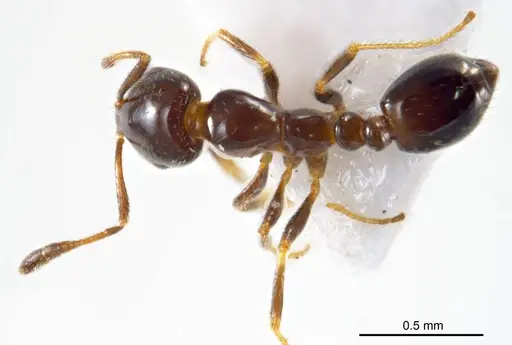
CASENT0106273
View on AntWeb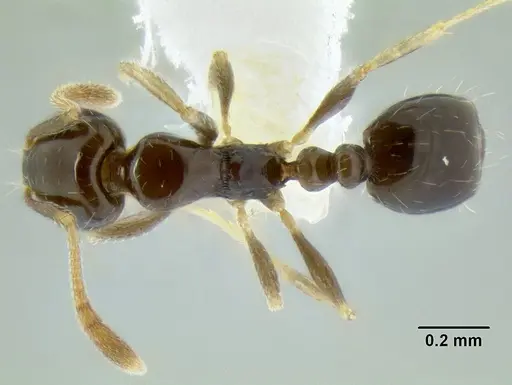
CASENT0172355
View on AntWeb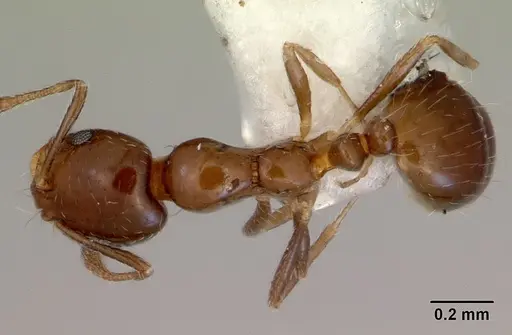
CASENT0172356
View on AntWeb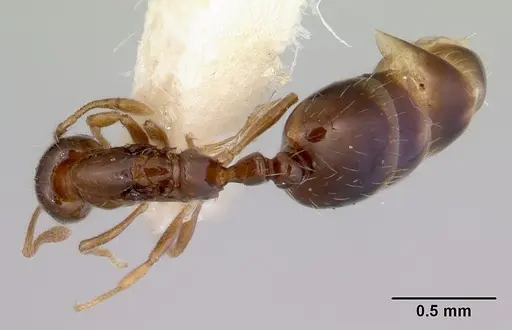
CASENT0902286
View on AntWeb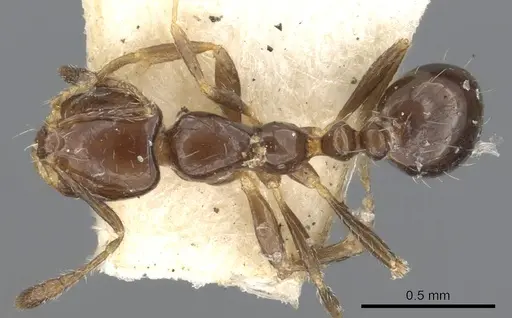
CASENT0904586
View on AntWeb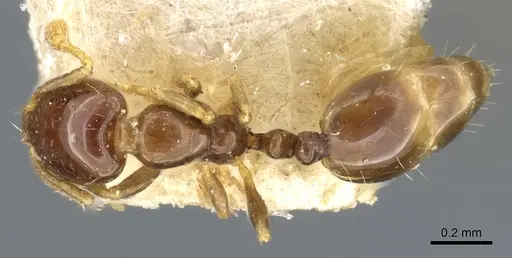
CASENT0908769
View on AntWeb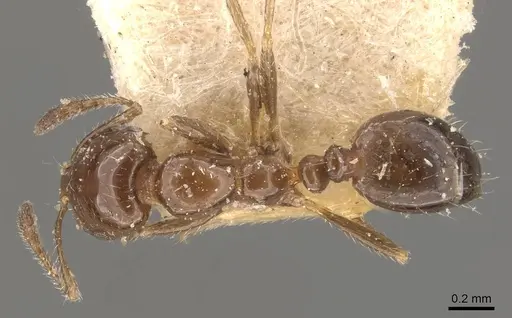
CASENT0908773
View on AntWeb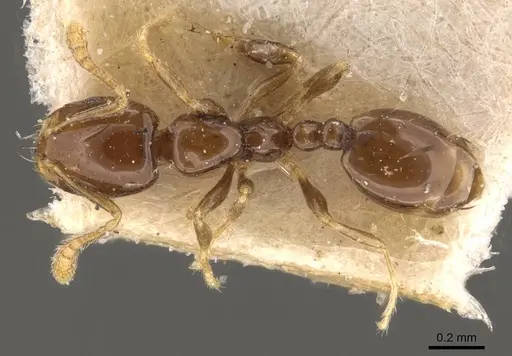
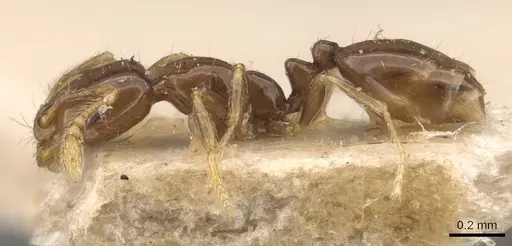
CASENT0913585
View on AntWeb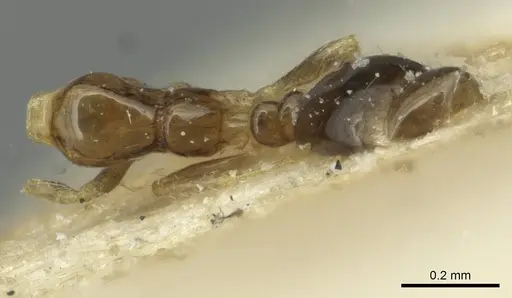
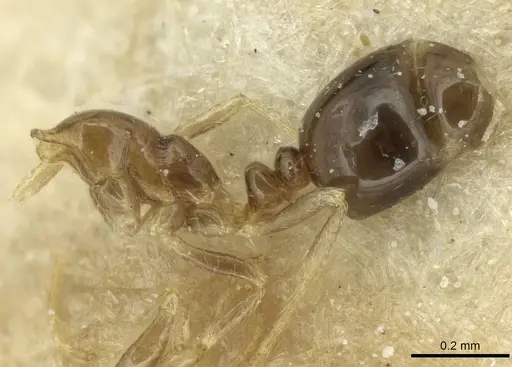
CASENT0913861
View on AntWeb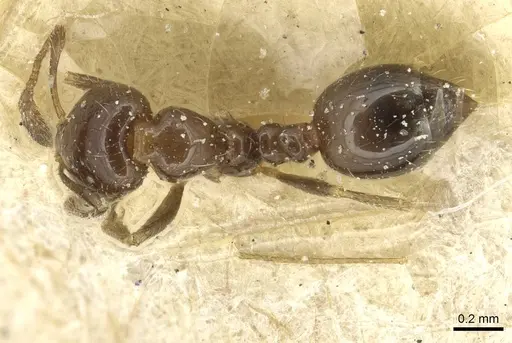
CASENT0923614
View on AntWeb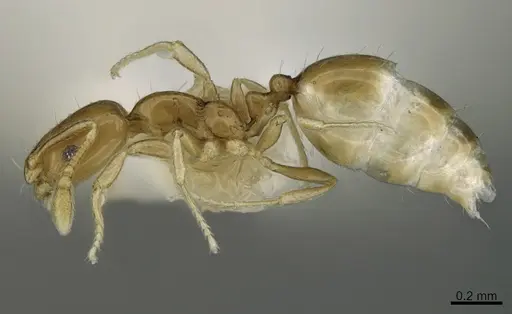
JDM32-003579
View on AntWeb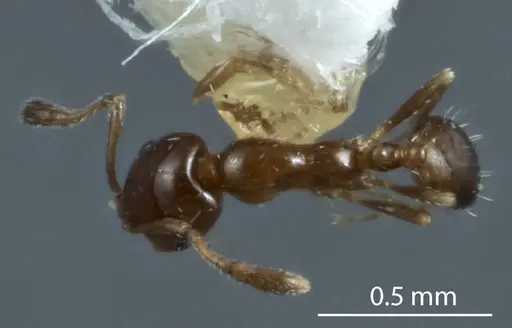
Literature
Loading...Loading products...