

Monomorium sydneyense
- Scientific Name
- Monomorium sydneyense
- Tribe
- Solenopsidini
- Subfamily
- Myrmicinae
- Author
- Forel, 1902
- Distribution
- Found in 2 countries
Monomorium sydneyense Overview
Monomorium sydneyense is an ant species of the genus Monomorium. It is primarily documented in 2 countries , including Australia, New Zealand. Detailed taxonomic data and occurrence records can be further explored via authoritative databases such as AntWeb or the Global Biodiversity Information Facility (GBIF).
Monomorium sydneyense
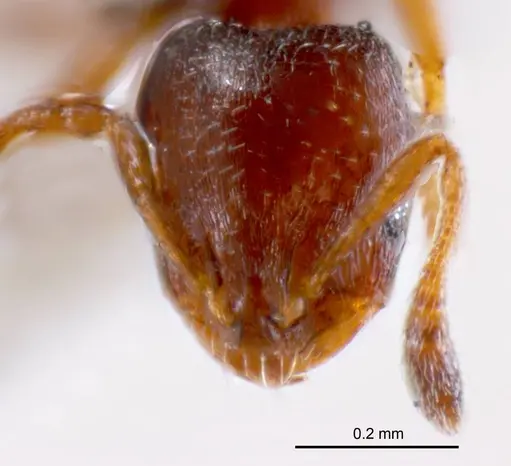
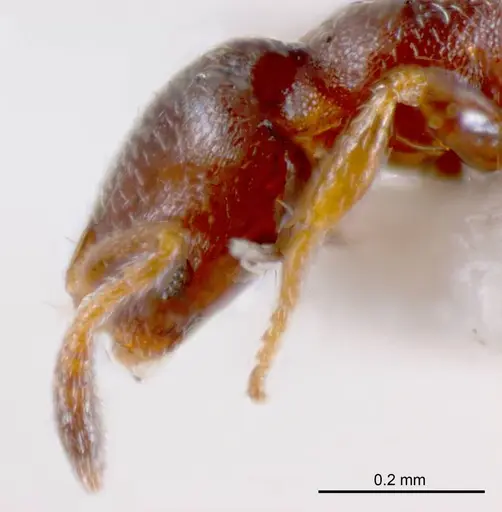
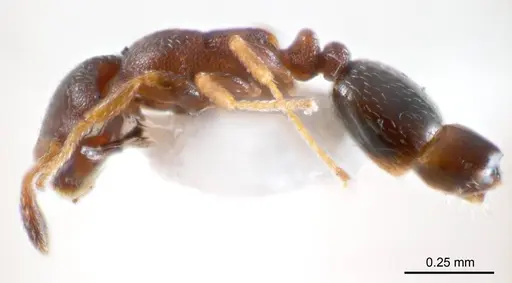
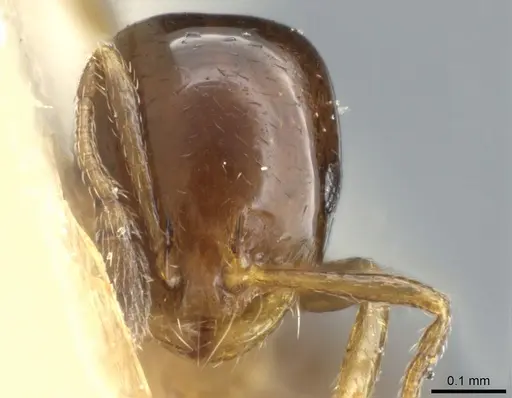
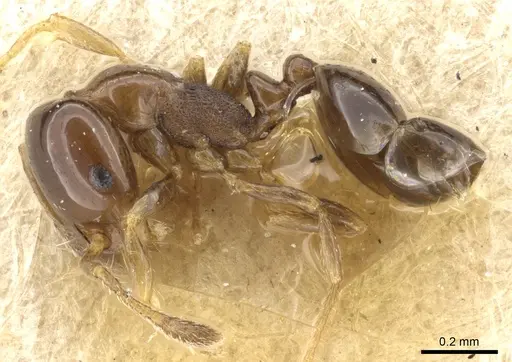
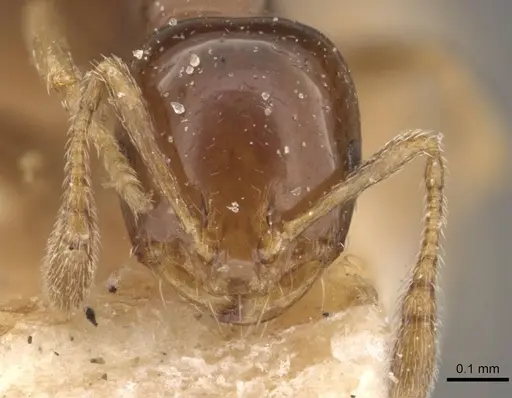
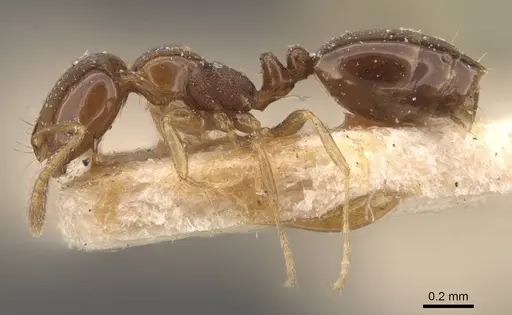
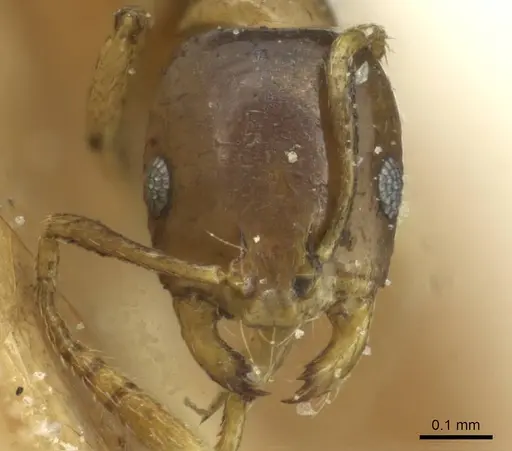
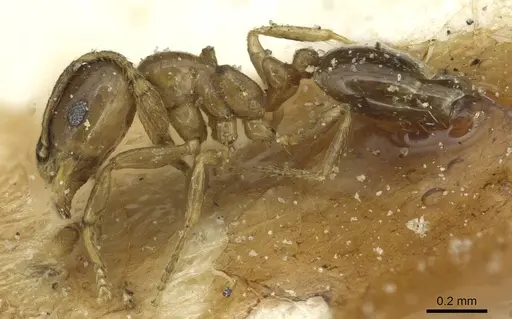
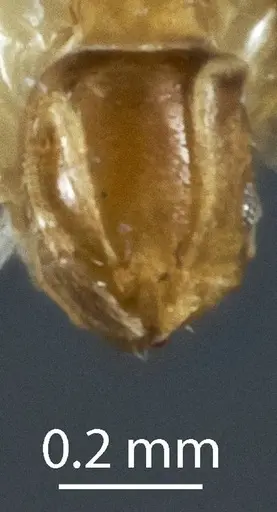
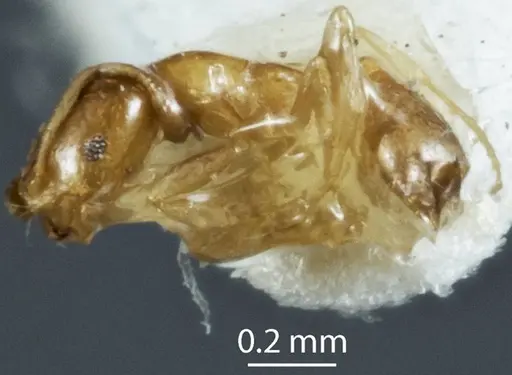
Monomorium sydneyense is one of Australia's most abundant ants and has become an introduced species in New Zealand. Workers are tiny at just 0.80-1.33mm, while queens reach 2.00-2.52mm. This species shows remarkable color variation, workers range from pale yellow to dark chocolate brown, sometimes within the same population. The exoskeleton can be smooth and shiny or rough and textured. Queens are russet-colored. This is a small, active ant with a highly variable appearance that makes identification challenging [1].
What makes this species particularly interesting is its unusual feeding preferences, unlike most ants, they show very little interest in sugar water, instead preferring protein sources like peanut butter and tuna. They forage both day and night and are known to nest in multiple connected locations (polydomous). Their colonies are multi-queen (polygyne), which contributes to their success in disturbed environments [2][3].
Quick Summary
- Difficulty: Easy
- Origin & Habitat: Native to Australia, particularly southeastern humid and sub-humid regions. Introduced to New Zealand where it's established in urban areas around Tauranga and Napier [4][3]. Found in virtually all Australian habitats from urban gardens to arid areas, with a preference for disturbed environments [1].
- Colony Type: Polygyne (multiple queens per colony). Nests have multiple queens, and colonies are multicolonial, workers from different nests show aggression toward each other. Nest foundation occurs via winged queens [2].
- Colony: Polygyne
- Founding: Claustral
- Size & Growth:
- Queen: 2.00-2.52mm
- Worker: 0.80-1.33mm
- Colony: Unknown maximum, likely moderate given the species is common and thrives in disturbed areas
- Growth: Moderate, inferred from typical Monomorium patterns
- Development: 6-8 weeks estimated based on related Monomorium species (Development timeline not directly studied for this species. Temperature-dependent, activity increases above 30°C [5])
- Antkeeping:
- Temperature: Keep at 24-28°C. This is a warmth-loving Australian species that becomes more active and dominates food sources at higher temperatures above 30°C [5]. Room temperature is typically suitable.
- Humidity: Moderate humidity around 50-60%. They adapt to various conditions but prefer some moisture. Avoid overly dry or waterlogged conditions.
- Diapause: Likely minimal or no true diapause given Australian origin. May reduce activity in cooler months but probably doesn't require hibernation like temperate species.
- Nesting: Small chambers work well given their tiny size. Y-tong (AAC) nests or small test tube setups work better than large formicaria. They are polydomous in the wild (multiple connected nest sites), so they may benefit from connected foraging areas.
- Behavior: Generally non-aggressive toward keepers but workers from different colonies will fight each other, this is a multicolonial species, not unicolonial. They are active foragers that search for food both day and night. Their tiny size (under 1.5mm workers) means they can escape through very small gaps. They show unusual feeding preferences with strong attraction to protein (peanut butter, tuna) but very low interest in sugar water, this is atypical for ants. They use short-term trails to food sources [2][6].
- Common Issues: tiny size means escapes are likely without fine mesh barriers, these ants are under 1.5mm, unusual diet preferences, they ignore sugar water, so don't rely on honey/sugar feeders, multicolonial nature means introducing queens from different colonies will result in fighting, slow to find food in cooler conditions, activity drops significantly below warm temperatures, wild-caught colonies may carry parasites given their abundance in disturbed areas
Housing and Escape Prevention
Because workers are only 0.80-1.33mm, escape prevention is critical. These ants can squeeze through the tiniest gaps, standard test tube cotton barriers may not be sufficient. Use fine mesh on all openings and consider applying fluon or similar barrier products to the edges of your setup. A Y-tong (AAC) nest with tight-fitting connections works well, or you can use small test tubes with cotton that has been pulled tight. Given their polydomous nature in the wild (nesting in multiple connected locations), they may do better with some open foraging space rather than a completely closed nest. Start with a simple test tube setup and upgrade to a small formicarium as the colony grows. Keep the setup warm and stable, avoid locations with temperature fluctuations. [2][6]
Feeding and Diet
This species has unusual and somewhat frustrating feeding preferences. Unlike most ants that eagerly consume sugar water or honey, M. sydneyense shows very little interest in sweet liquids [2]. Instead, they strongly prefer protein sources. In bait trials, they preferred peanut butter first, followed by the commercial bait Xstinguish®, then tuna, but showed almost no interest in sugar water [2].
For your colony, offer protein-rich foods like small pieces of mealworms, crickets, or other insects. Peanut butter is an excellent and inexpensive option that they readily accept. You can also offer tuna or other fish. Feed protein 2-3 times per week, removing any uneaten food within 24 hours. While they may eventually accept sugar water, don't rely on it, offer it occasionally but focus on protein sources. This dietary preference is actually helpful since protein is easier to provide than maintaining a constant sugar water setup.
Temperature Requirements
Monomorium sydneyense is an Australian warmth-loving species. They become more active and dominate food sources as temperatures exceed 30°C [5]. Keep your colony in the warm end of room temperature, aim for 24-28°C. A heating cable on one side of the nest can create a temperature gradient, allowing the ants to choose their preferred spot. Place the heating element on top of the nest material to avoid evaporating moisture.
In cooler conditions, their foraging efficiency drops significantly. Studies in New Zealand showed that on cooler dates, workers were much less likely to find food even when it was placed close to the nest. If your colony seems sluggish, try warming the nest area slightly. However, avoid overheating, temperatures above 35°C could be harmful. Room temperature in most homes (20-24°C) is acceptable, but they'll be more active in the warmer range.
Colony Structure and Multi-Queen Care
This is a polygyne species, colonies naturally have multiple queens working together. In New Zealand populations, nests contain multiple queens and the colonies are multicolonial, meaning workers from different nests recognize each other as rivals and will fight [2]. This is important for antkeepers to understand: if you try to combine queens or colonies from different sources, expect aggression.
When starting a colony, you can keep multiple founding queens together initially (pleometrosis), though some may be eliminated as the colony establishes. Once established, the colony will typically maintain several queens. Don't be alarmed if you see multiple large queens in your setup, this is normal for this species. The presence of multiple queens likely contributes to their success in disturbed urban environments.
Seasonal Care and Activity Patterns
As an Australian species, M. sydneyense doesn't require true hibernation. However, they may reduce activity during cooler winter months. In their native Australia and introduced range in New Zealand, they're active year-round in urban environments where temperatures stay moderate.
These ants forage both day and night, showing flexible activity patterns. In the wild, they often forage on vegetation as well as on the ground, they are arboreal as well as terrestrial foragers [1]. This means your setup should allow them to explore vertically if they want to.
Monitor your colony's activity levels. If they become less active in winter, reduce feeding frequency but don't stop entirely. Maintain some warmth if possible. They can tolerate a range of conditions given their adaptability in the wild.
Frequently Asked Questions
How long does it take for Monomorium sydneyense to produce first workers?
Expect first workers (nanitics) in about 6-8 weeks after the queen lays eggs, based on typical Monomorium development patterns. This timeline assumes warm temperatures (24-28°C). Cooler conditions will slow development.
Why won't my M. sydneyense eat sugar water?
This is completely normal for the species. Unlike most ants, M. sydneyense shows very little interest in sugar water or honey [2]. They strongly prefer protein sources like peanut butter, tuna, and insects. Don't worry if they ignore sweet foods, focus on offering protein-rich options instead.
Can I keep multiple queens together in one colony?
Yes, this is normal for this species. M. sydneyense is naturally polygyne, meaning colonies have multiple queens [2]. However, if you're combining unrelated foundress queens, monitor for aggression initially. Once the colony is established, multiple queens typically coexist peacefully.
What is the best nest type for M. sydneyense?
Given their tiny size, use small-scale setups. A Y-tong (AAC) nest with narrow chambers works well, or you can use small test tubes with tight cotton barriers. Avoid large formicaria designed for bigger ants, these tiny ants can get lost or have trouble maintaining humidity in oversized setups.
Why is my colony not growing?
Check three things: temperature (they need 24-28°C), food (are you offering enough protein?), and escape prevention (are tiny workers escaping?). Their unusual diet preferences may also mean they're not eating what you're offering, try peanut butter or small insects. Cool temperatures significantly reduce their foraging efficiency.
Do M. sydneyense need hibernation?
No, they don't require true hibernation. As an Australian species, they prefer year-round warmth. You may see reduced activity in cooler months, but a full diapause period is not necessary. Simply maintain normal room temperature and reduce feeding frequency slightly if they become less active.
How big do M. sydneyense colonies get?
Colony size is not well documented, but given their success in urban environments and polygyne structure, colonies likely reach several hundred to low thousands of workers. They are common in disturbed areas and adapt well to various habitats.
Why are workers from different colonies fighting?
This is normal behavior for M. sydneyense. They are multicolonial, not unicolonial, workers from different nests recognize each other as rivals and will fight [2]. This is actually useful for identification since it confirms you have the correct species. Only unicolonial species like Argentine ants show no aggression between colonies.
References

This caresheet is licensed under CC BY-SA 4.0 .
ANTWEB1008682
View on AntWeb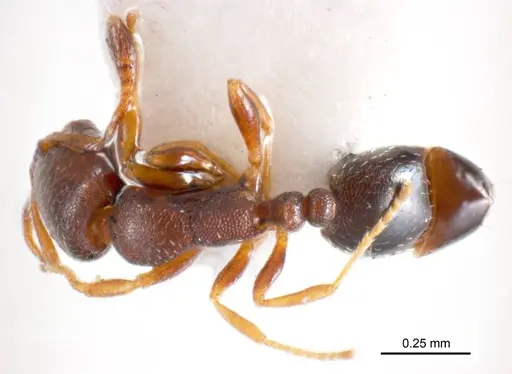
CASENT0070274
View on AntWeb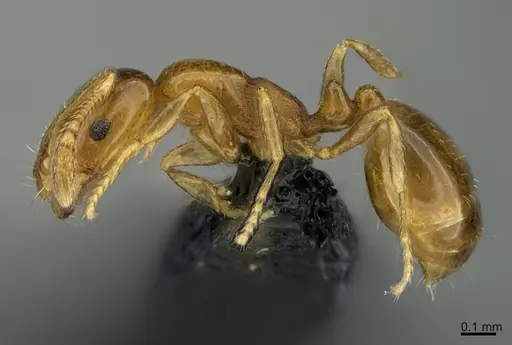
CASENT0172359
View on AntWeb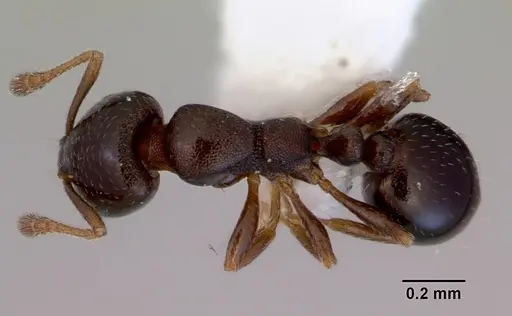
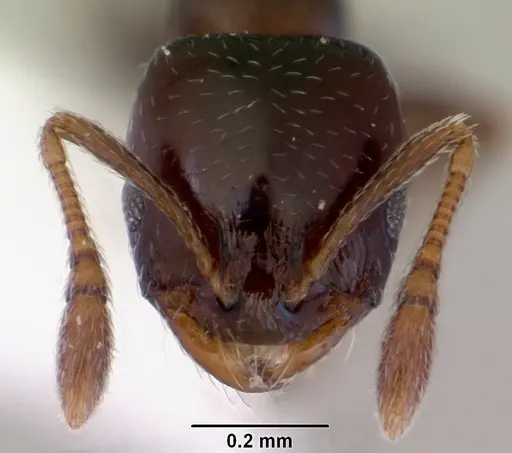
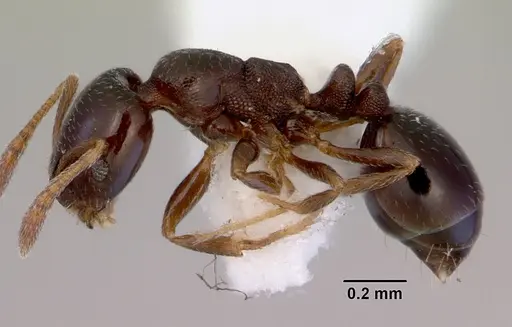
CASENT0904587
View on AntWeb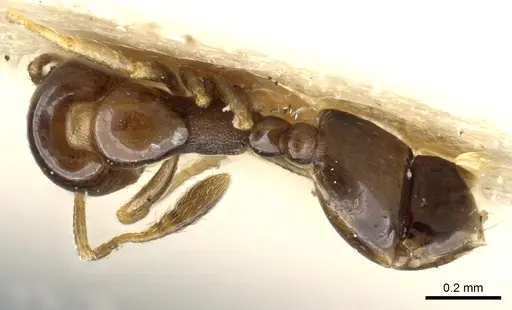
CASENT0908774
View on AntWeb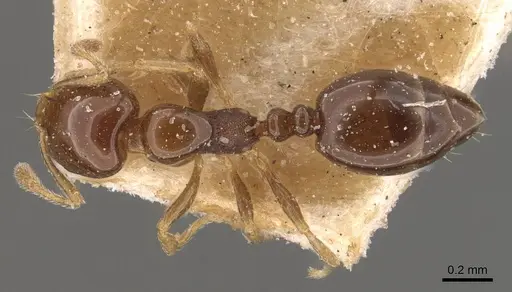
CASENT0913586
View on AntWeb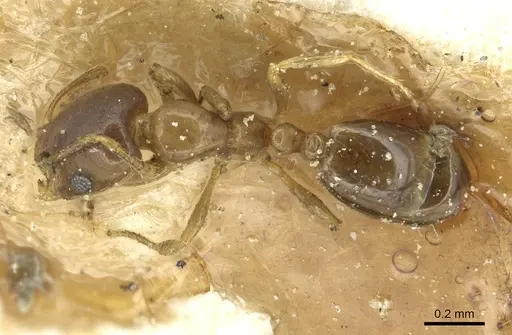
JDM32-003820
View on AntWeb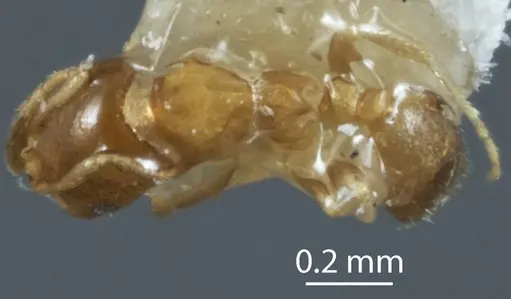
Literature
Loading...Loading products...