Monomorium floricola shows a January to December flight window. Peak activity occurs in January, with nuptial flights distributed across 5 months.
Monomorium floricola
- Scientific Name
- Monomorium floricola
- Tribe
- Solenopsidini
- Subfamily
- Myrmicinae
- Author
- Jerdon, 1851
- Common Name
- Bicolored Trailing Ant
- Distribution
- Found in 29 countries
- Nuptial Flight
- from January to December, peaking in January
AI Identifiable
try →
Monomorium floricola Overview
Monomorium floricola (commonly known as the Bicolored Trailing Ant) is an ant species of the genus Monomorium. It is primarily documented in 29 countries , including American Samoa, Australia, Brazil. Detailed taxonomic data and occurrence records can be further explored via authoritative databases such as AntWeb or the Global Biodiversity Information Facility (GBIF).
The nuptial flight of Monomorium floricola is a significant biological event, typically occurring from January to December, peaking in January. During this time, winged queens and males leave the nest to mate and establish new colonies.
Monomorium floricola - "Bicolored Trailing Ant"
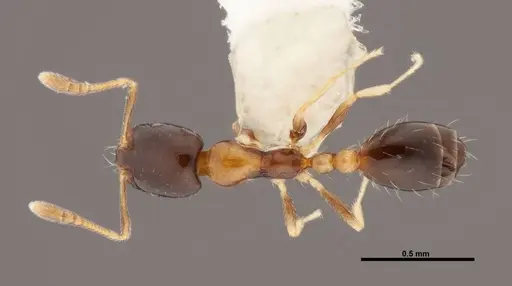
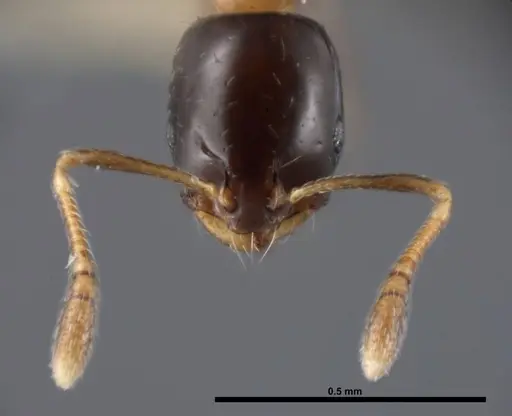
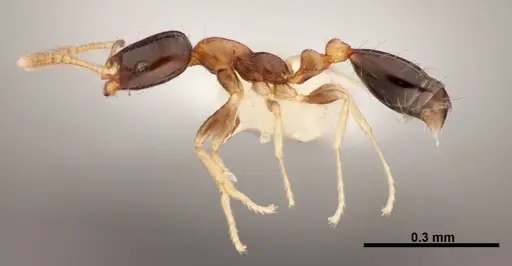
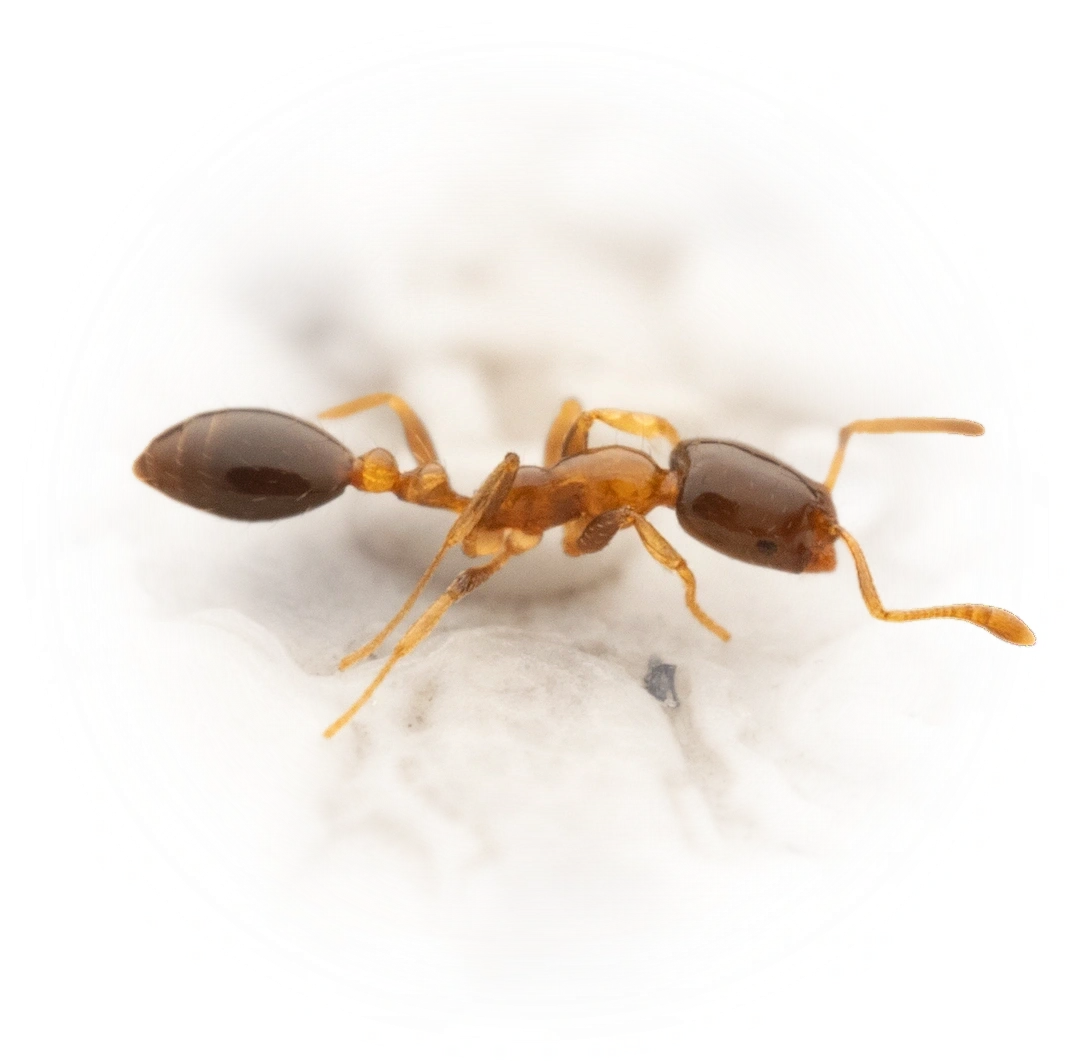
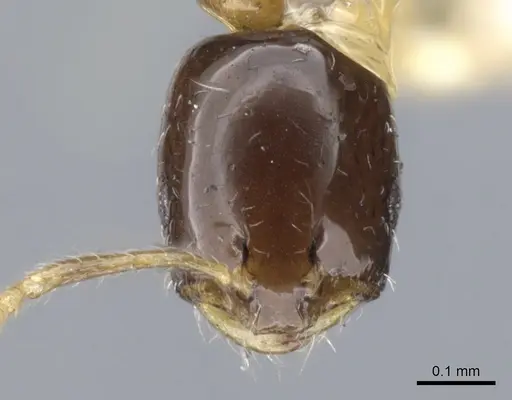
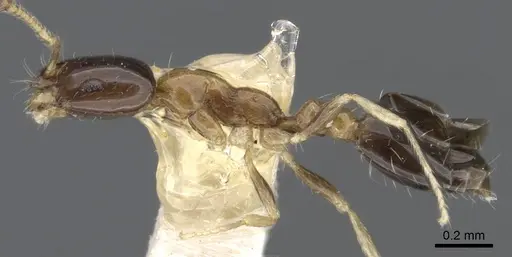
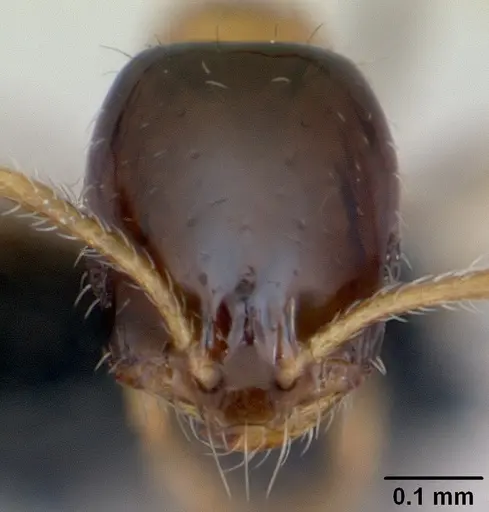
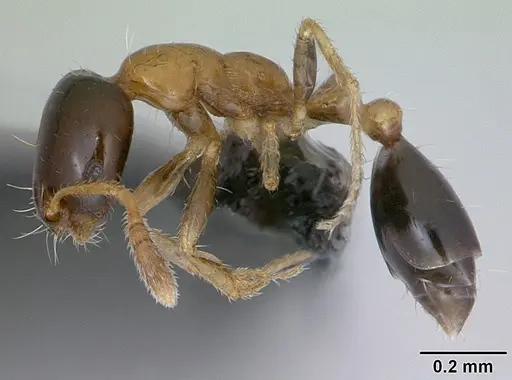
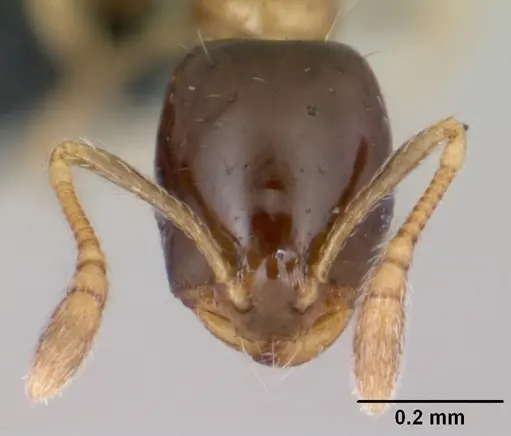
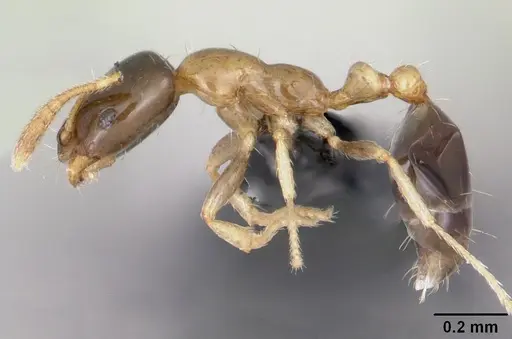
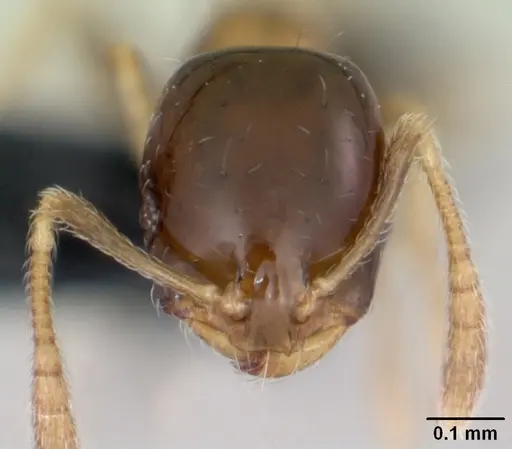
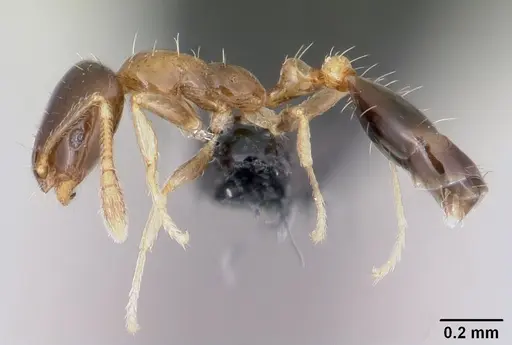
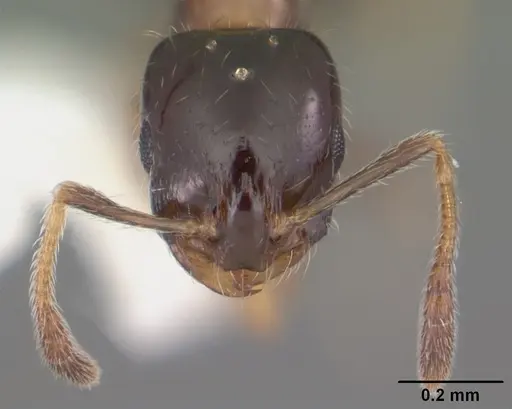
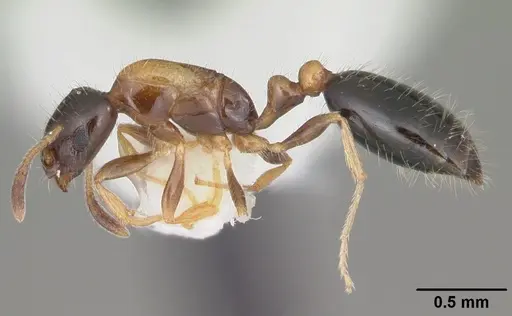
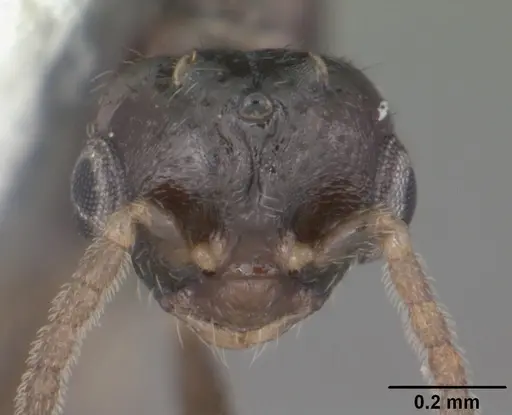
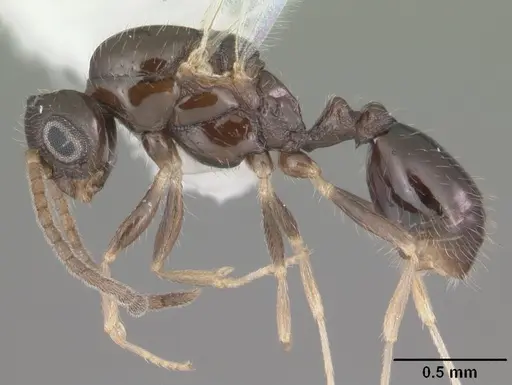
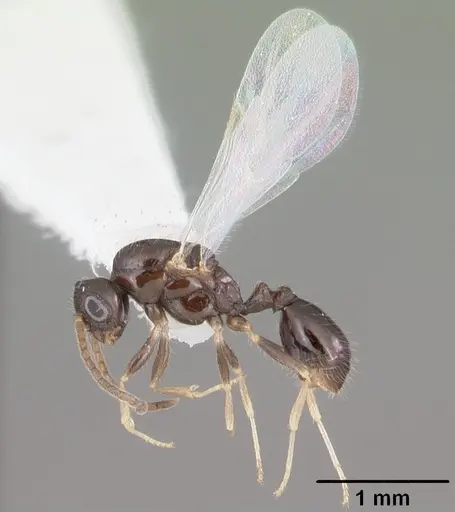
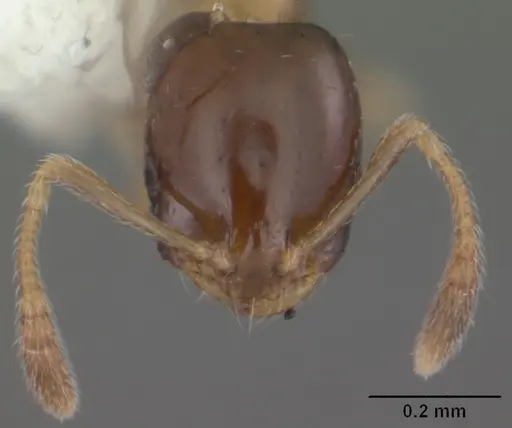
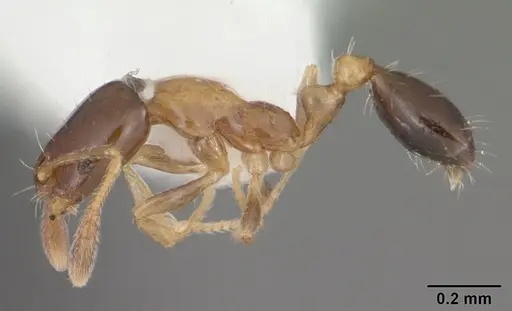
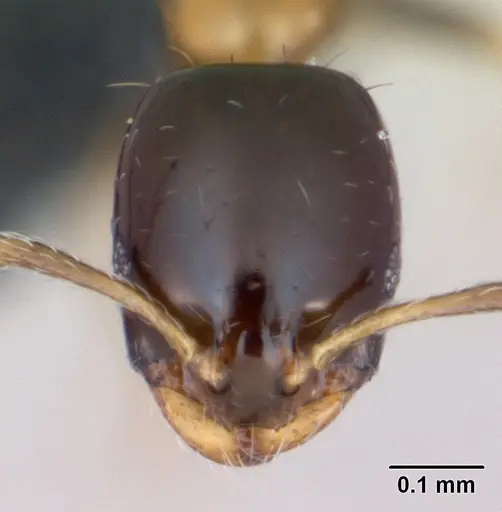
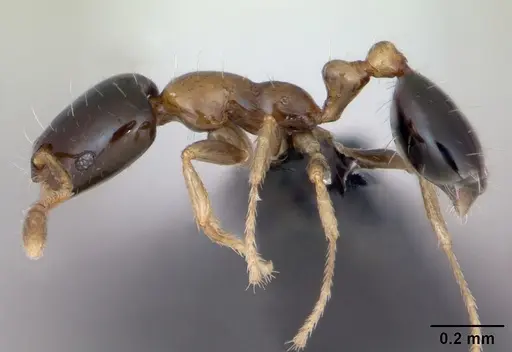
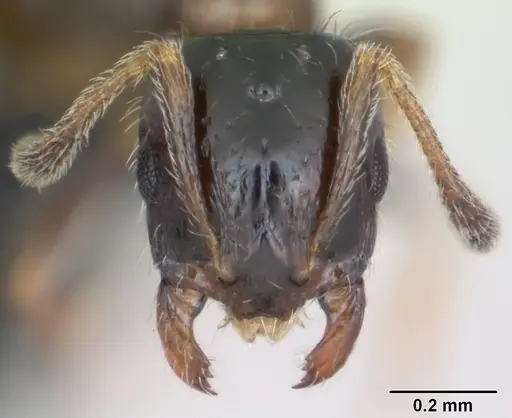
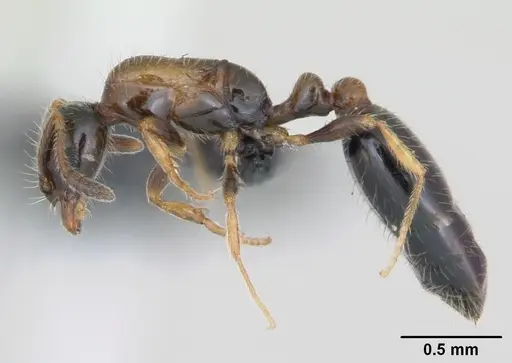
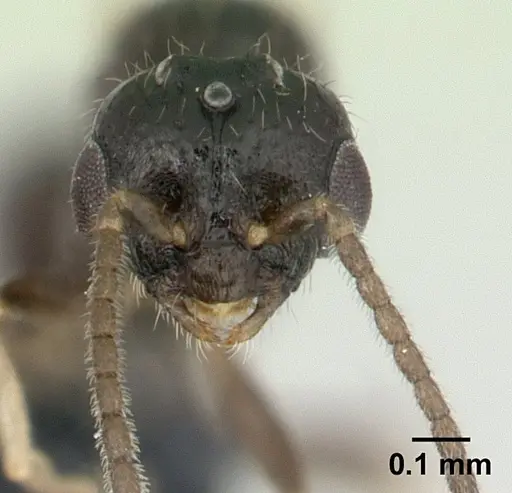
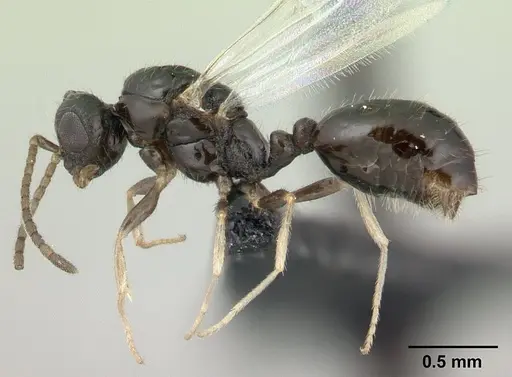
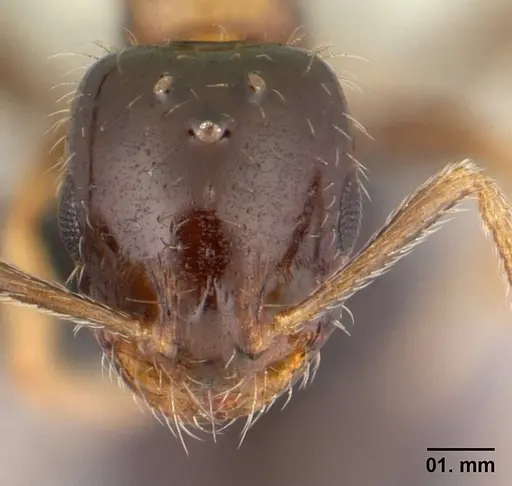
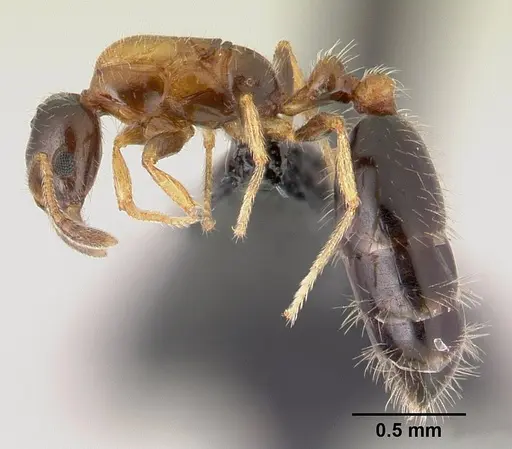
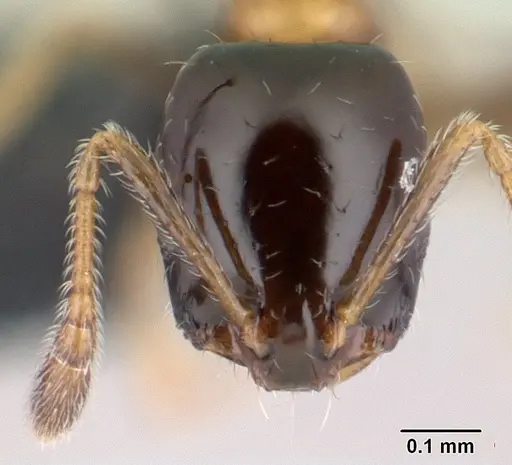
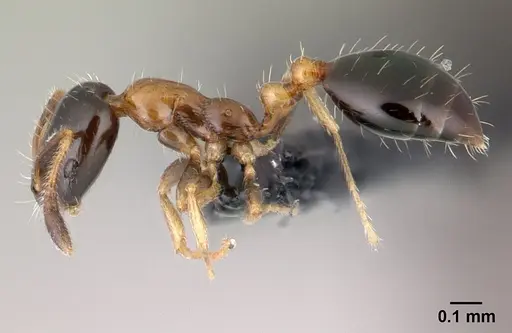
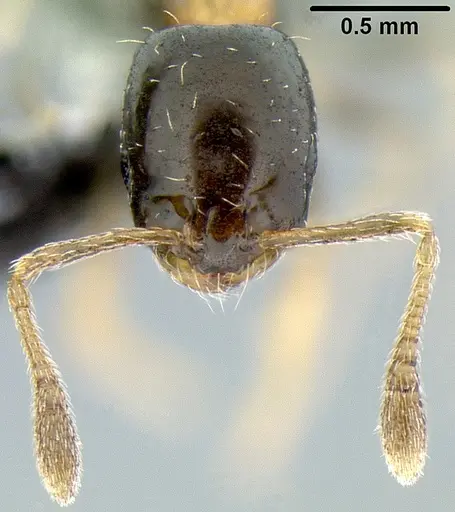
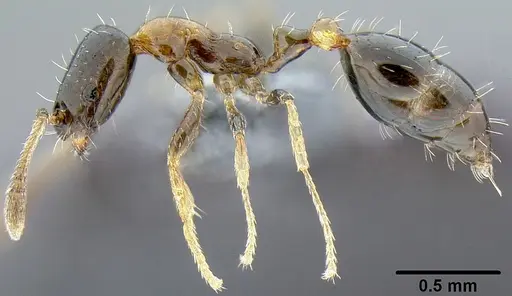
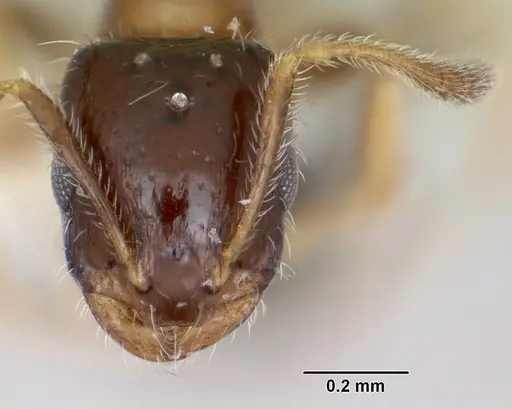
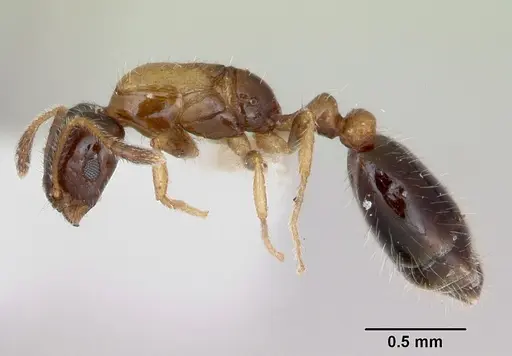
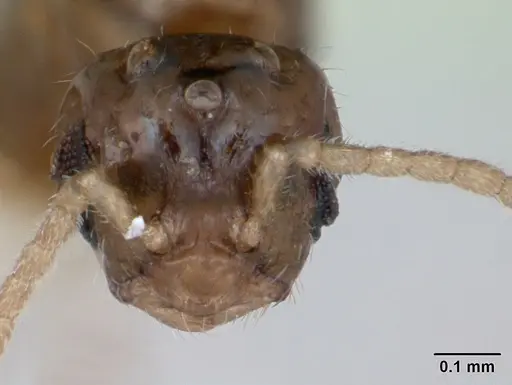
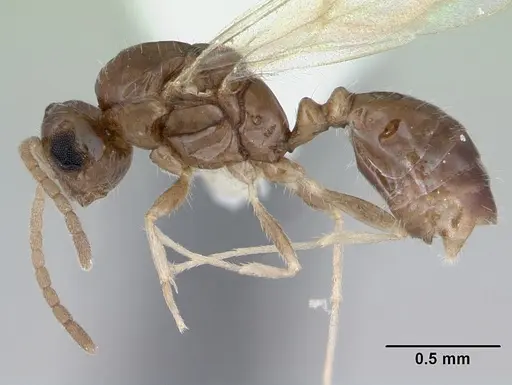
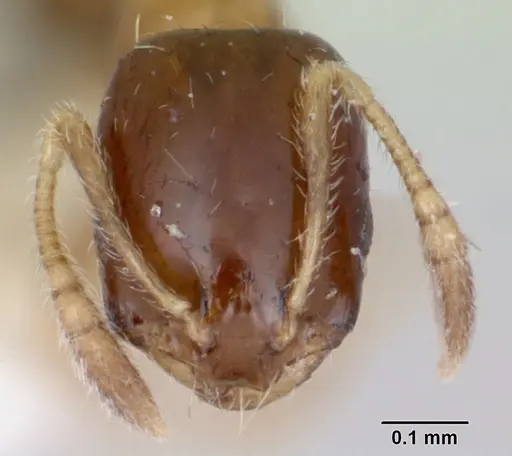
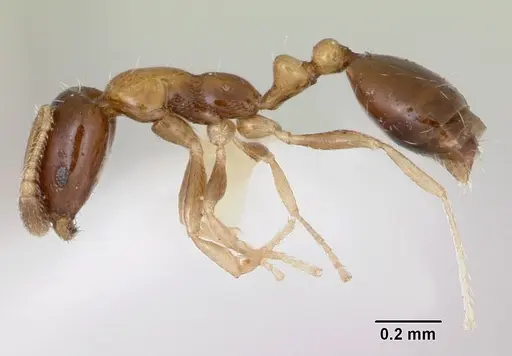
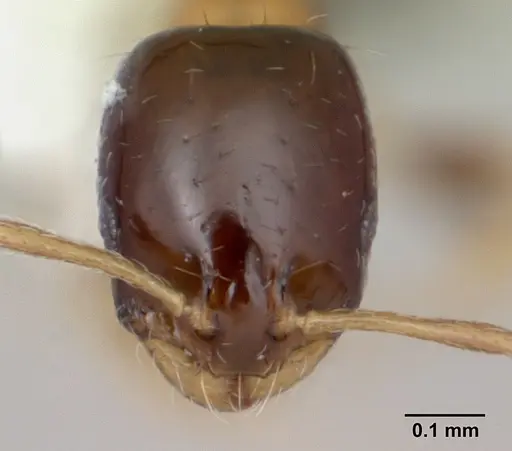
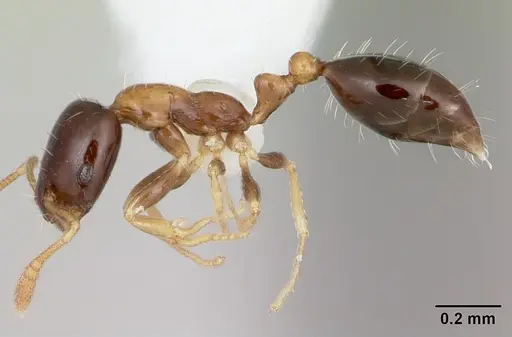
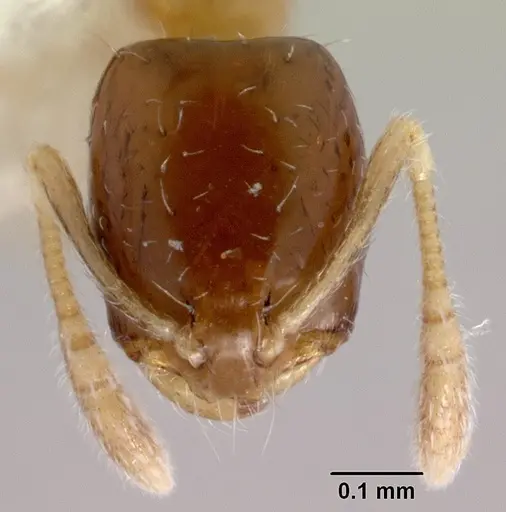
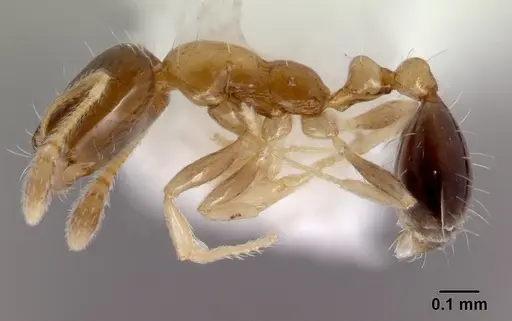
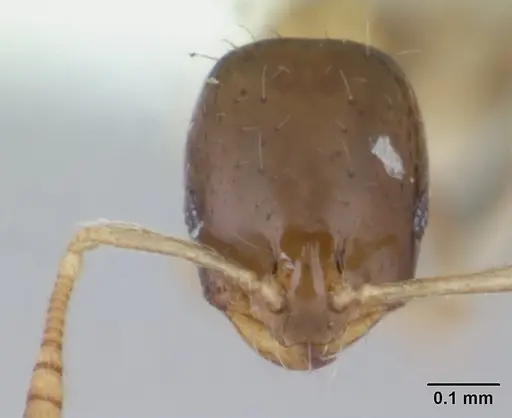
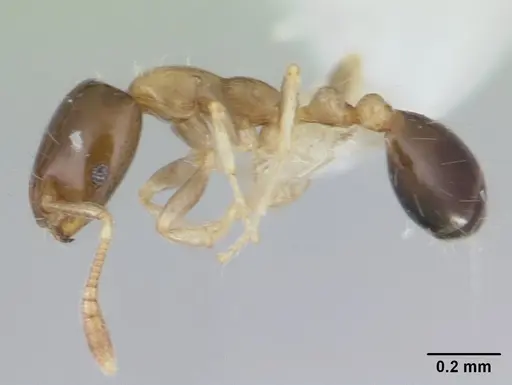
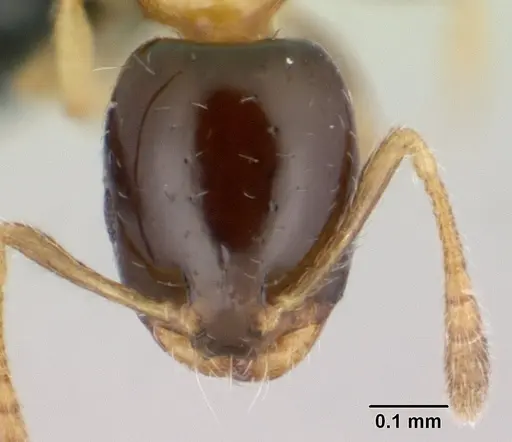
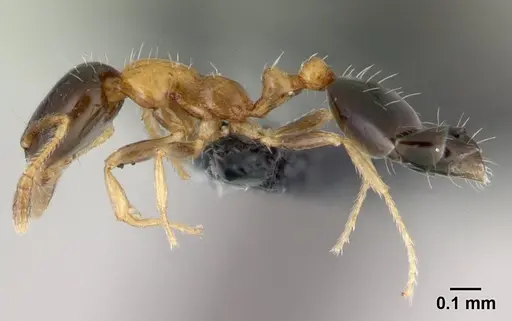
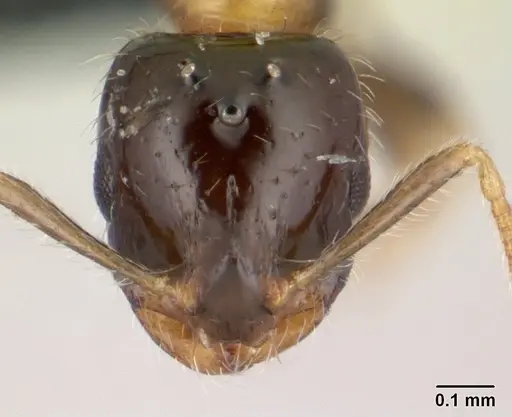
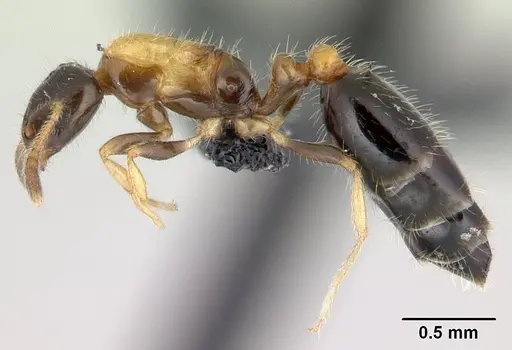
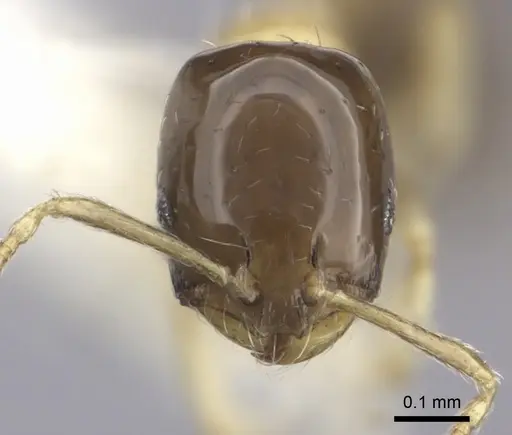
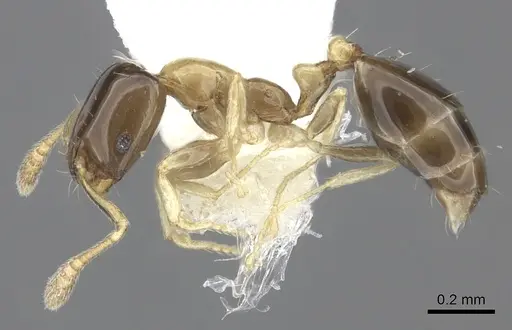
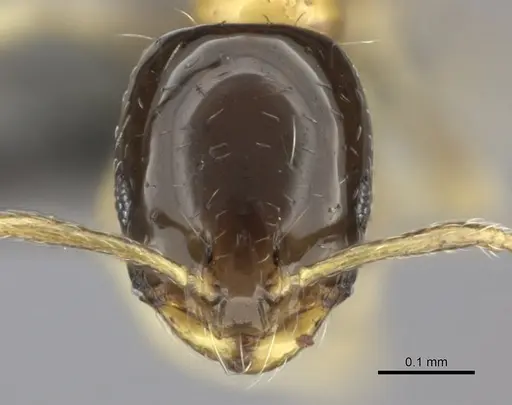
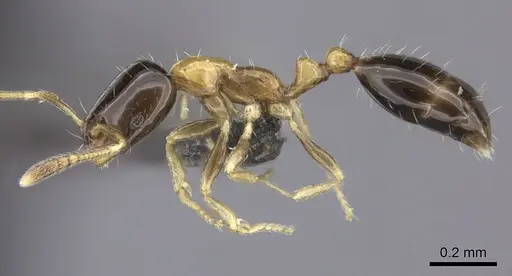
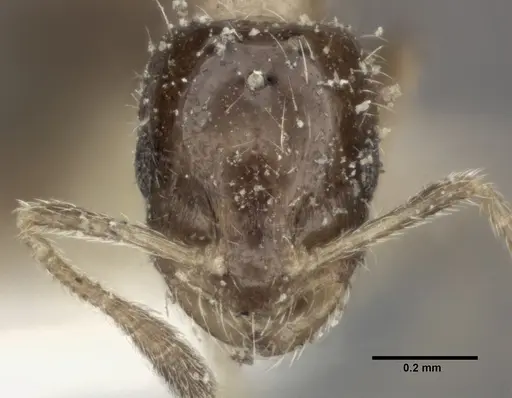
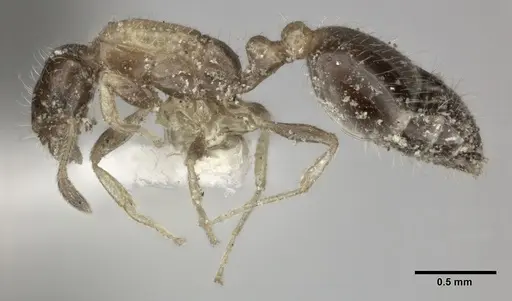
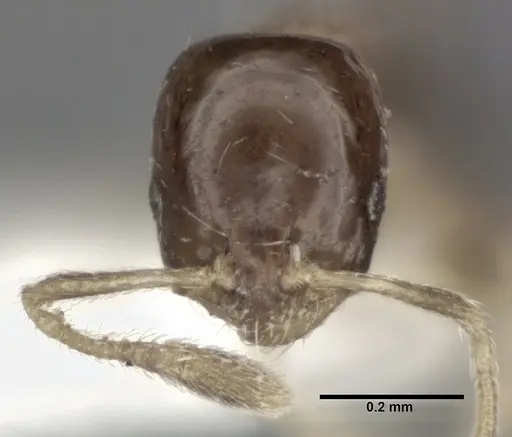
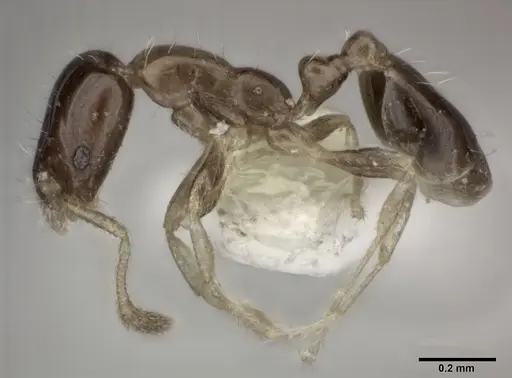
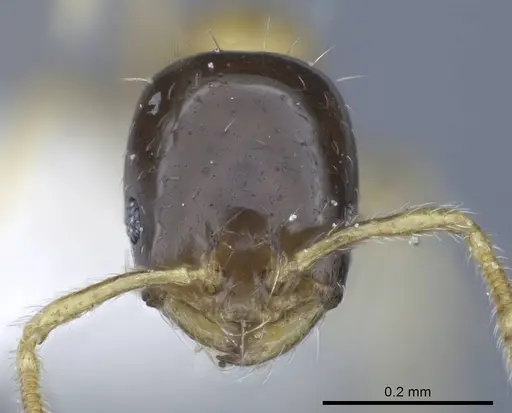
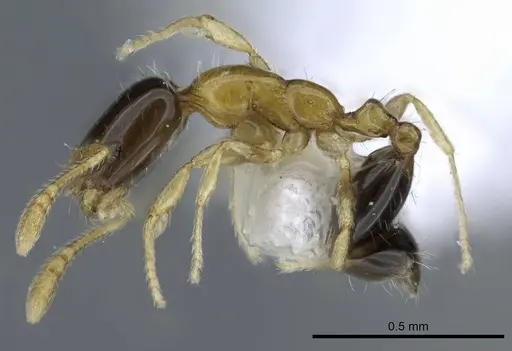
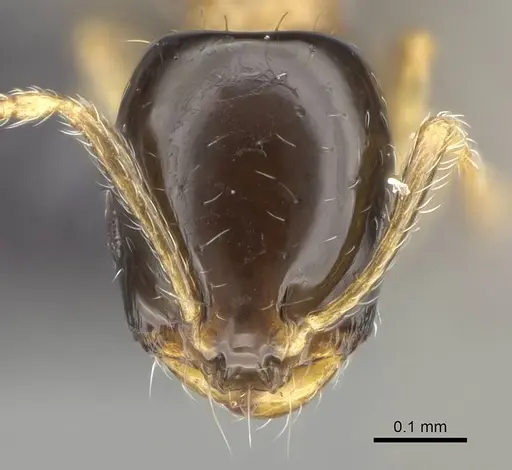
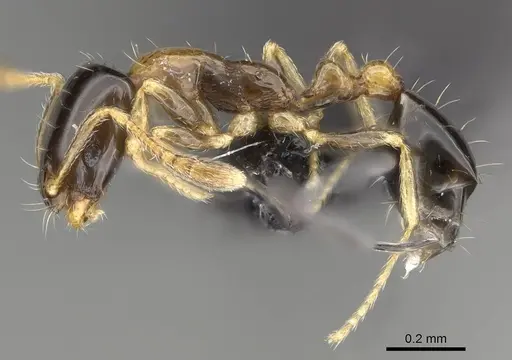
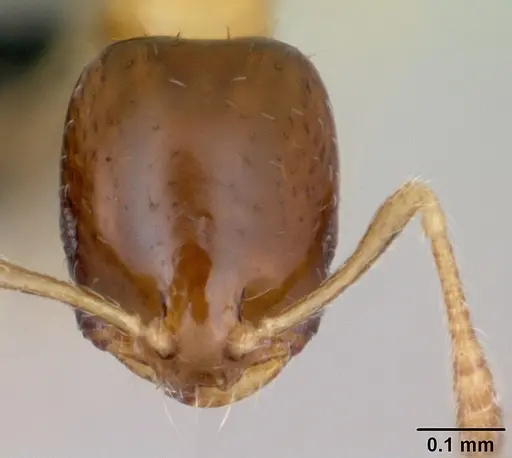
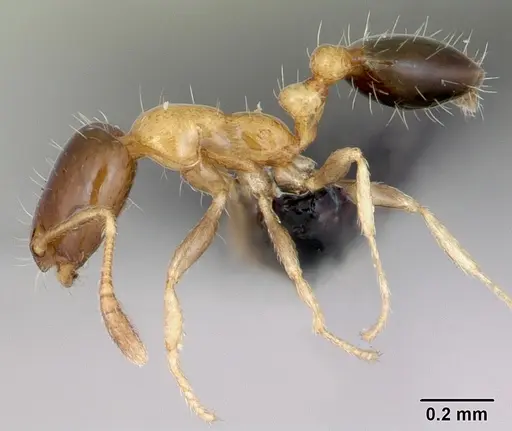
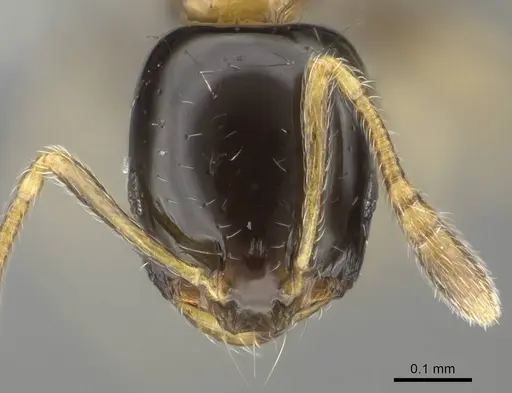
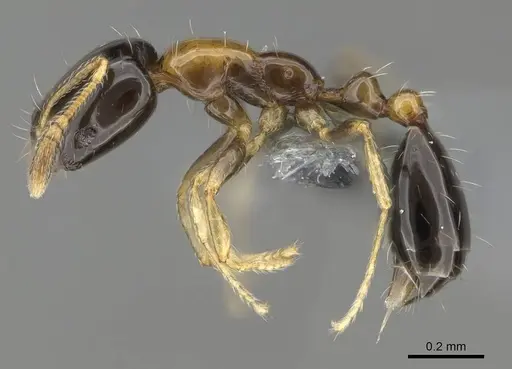
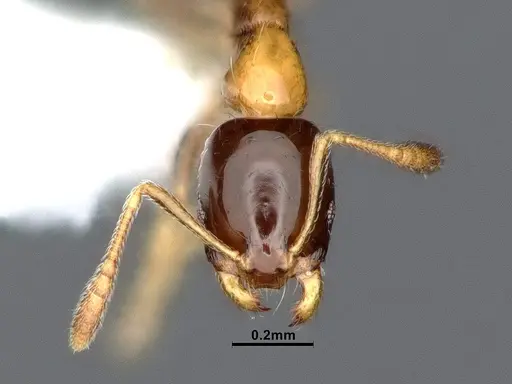
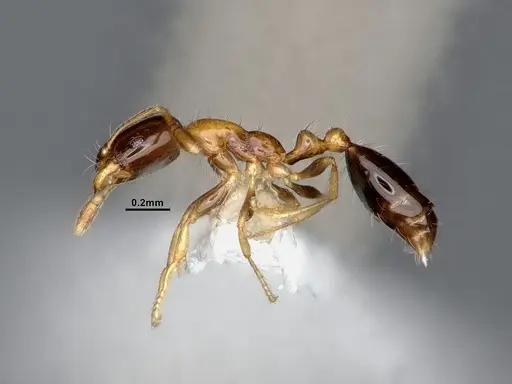
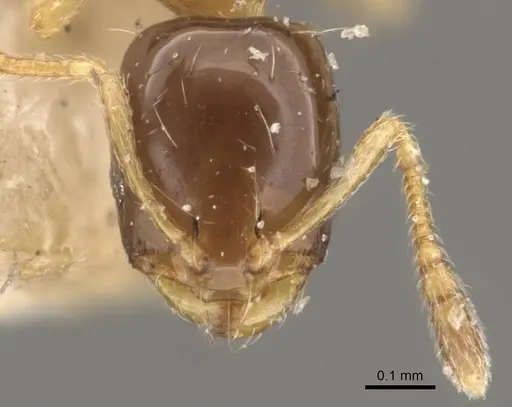
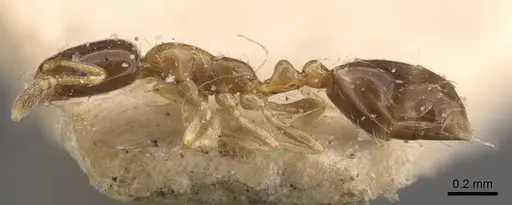
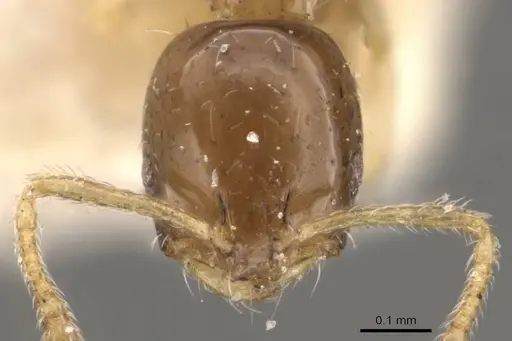
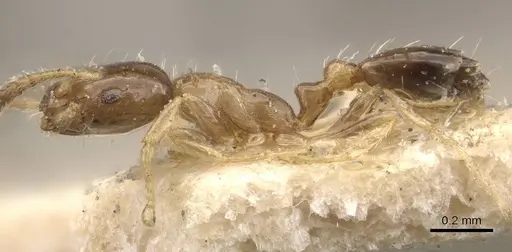
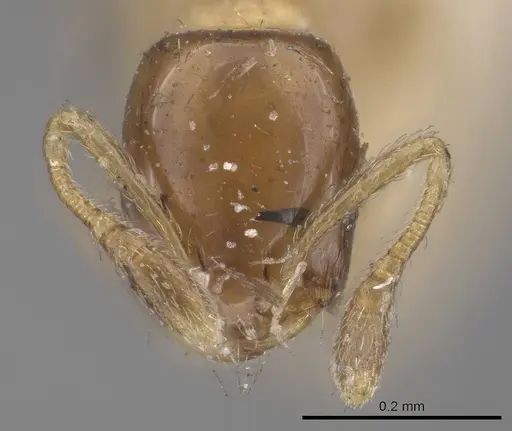
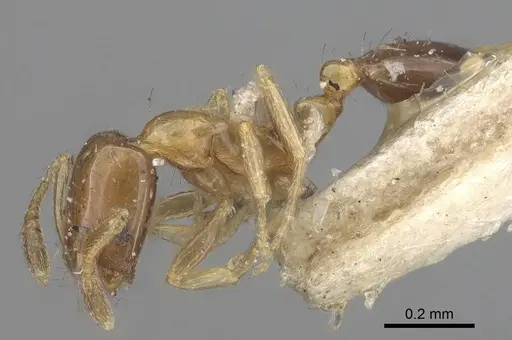
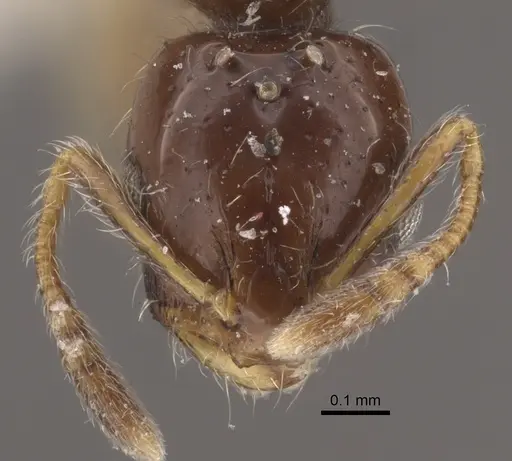
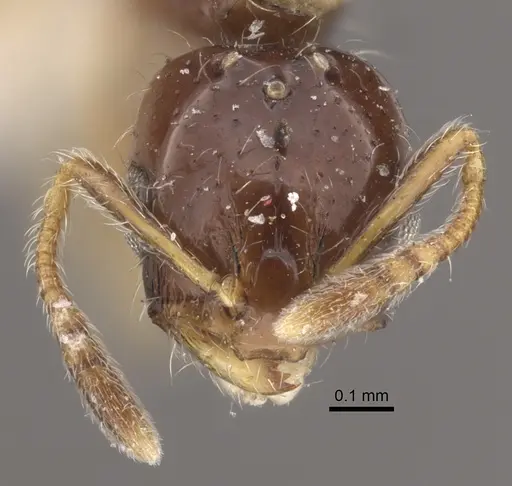
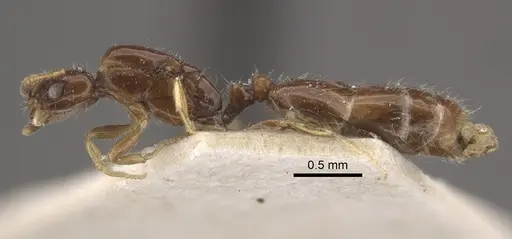
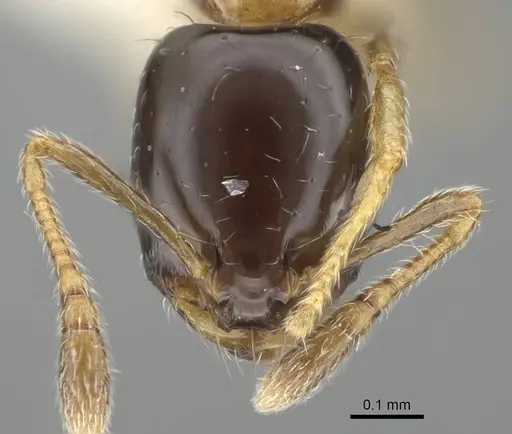
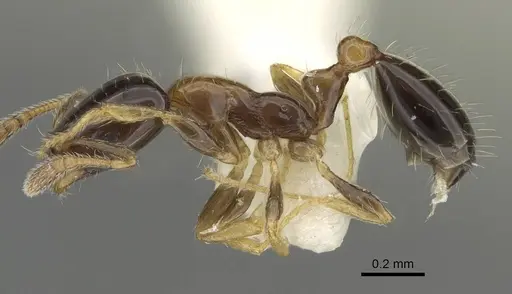
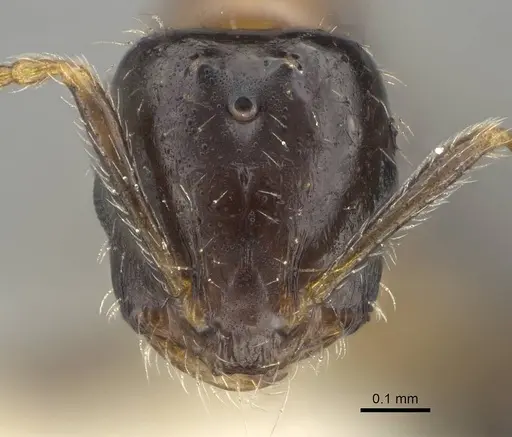
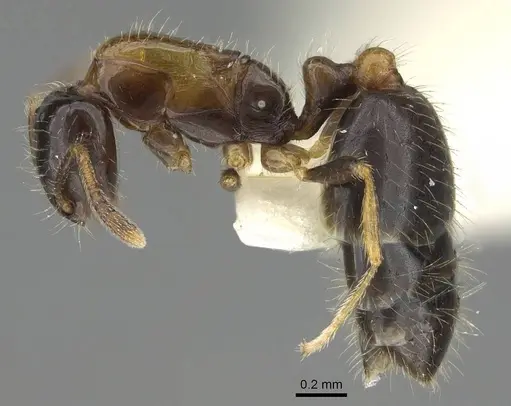
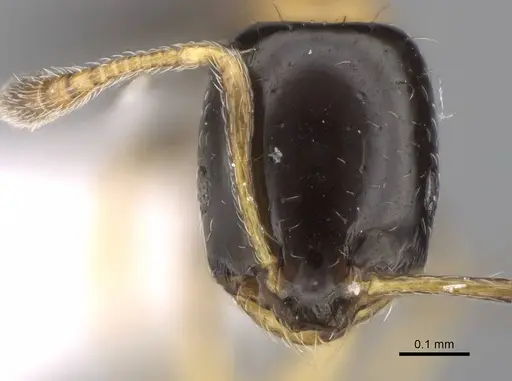
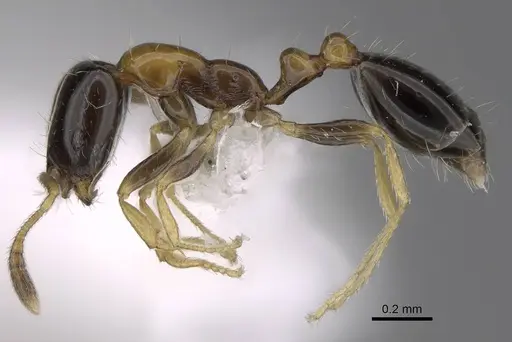
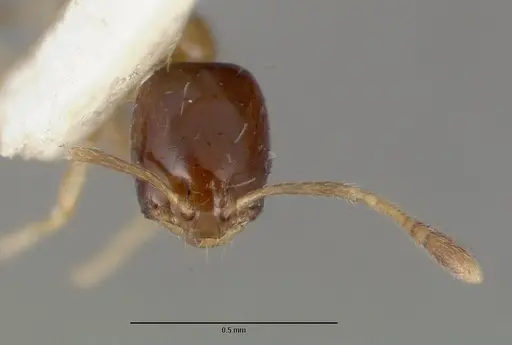
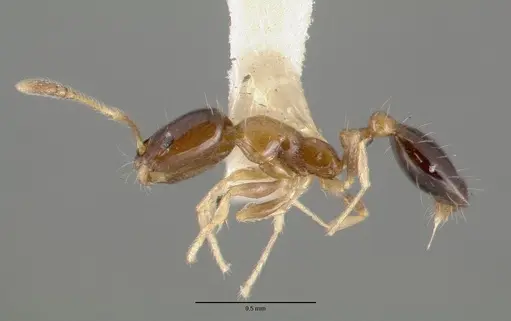
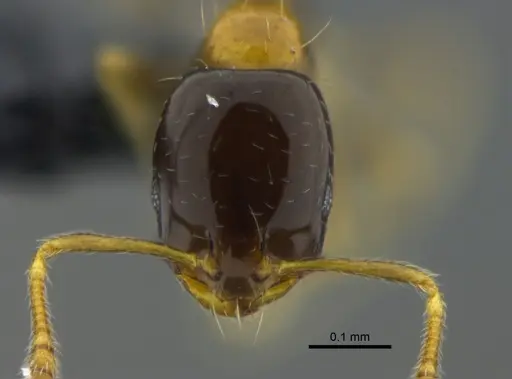
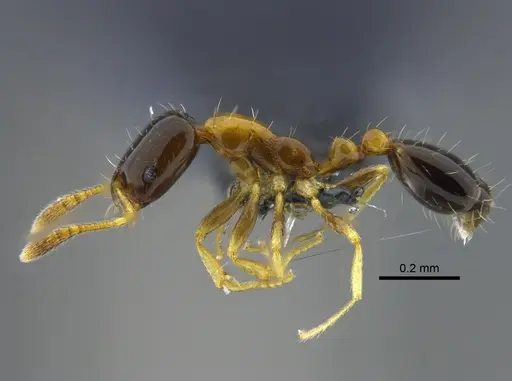
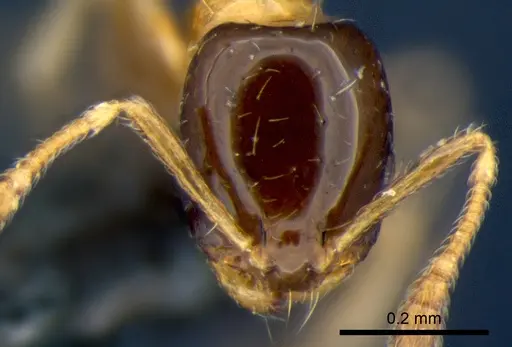
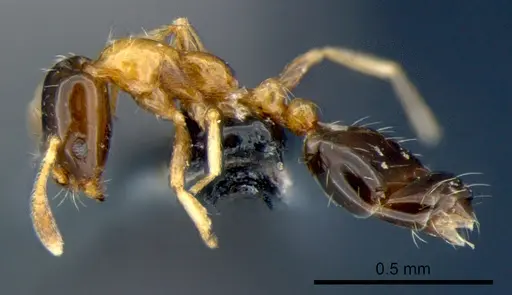
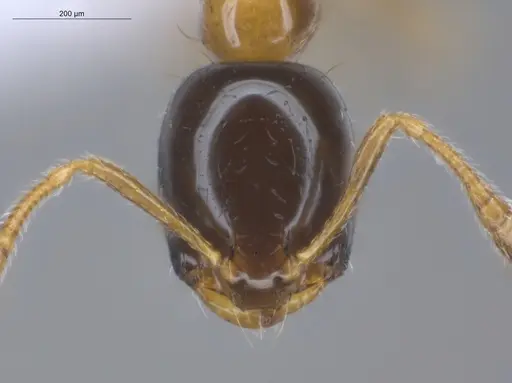
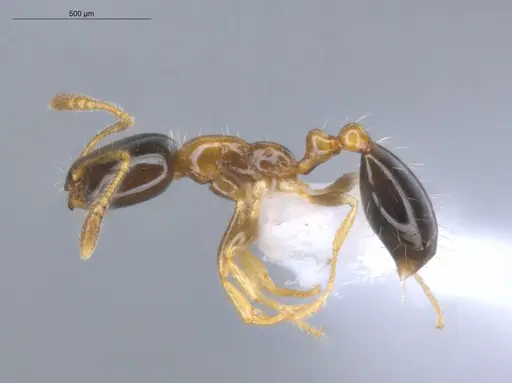
Monomorium floricola is a tiny but aggressive tramp ant native to tropical Asia, now found across the world's tropical and subtropical regions. Workers measure 1.5-2.0mm and have a distinctive bicolored appearance: the head and gaster are dark brown to black, while the mesosoma, petiole, and postpetiole are pale yellow to yellowish-brown [1]. This ant is primarily arboreal, nesting in small cavities like hollow twigs, under bark, and in tree crevices. Colonies are polygynous with multiple wingless queens and reproduce by budding rather than nuptial flights, which explains their global spread through human commerce [2]. Despite their small size, they are highly aggressive and produce venomous substances that can kill competing ants, making them dominant in competitive interactions [3].
Quick Summary
- Difficulty: Expert
- Origin & Habitat: Native to tropical Asia (India and Southeast Asia), now pantropical, found throughout the world's tropics and subtropics, occasionally in greenhouses in temperate regions [1][2]. In the wild, they inhabit trees and shrubs, nesting in hollow stems, under bark, and in old beetle borings [4]. They are considered invasive in many regions.
- Colony Type: Polygynous (multiple queens) and polydomous (multiple nest sites). Queens are wingless (ergatoid) and new colonies form through budding rather than mating flights [2][1].
- Size & Growth:
- Queen: ~1.75-1.88mm [5]
- Worker: ~1.5-2.0mm [1]
- Colony: Large colonies with thousands of workers, colonies can contain hundreds of queens and thousands of workers [6]
- Growth: Fast
- Development: Approximately 4-6 weeks at 25-26°C based on larval development data [7] (Three larval instars confirmed with mean growth rate 1.23. Eggs: 0.29mm. First instar: 0.38mm, Second: 0.51mm, Third: 0.86mm. Pupae: 1.42mm (exarate, no cocoon))
- Antkeeping:
- Temperature: 26-30°C, this is one of the most thermophilous ants known, with critical thermal maximum of 44°C and maximal activity at 37°C [8]. They thrive in warm, humid conditions.
- Humidity: 60-80% relative humidity. Keep substrate moderately moist but not waterlogged. They prefer damp conditions similar to their tropical arboreal habitat.
- Diapause: No, being tropical, they do not require hibernation. Keep warm year-round.
- Nesting: Primarily arboreal in the wild, they nest in small cavities like hollow twigs, under bark, and in tree crevices. In captivity, they do well in small test tubes, Y-tong setups, or plaster nests with tight chambers scaled to their tiny size. They prefer having multiple small chambers rather than large open spaces.
- Behavior: Workers are slow-moving but highly aggressive and competitive. They produce venomous substances (2,5-dialkylpyrrolidines) that can kill other ant species without physical contact [3][8]. They dominate food sources and will actively invade and eliminate rival colonies. Workers are age-polyethic, younger workers remain in the nest as nurses while older workers forage. They primarily forage arboreally but will descend to search for food. Escape prevention is critical due to their tiny size, they can squeeze through the smallest gaps. They are not known to sting humans effectively.
- Common Issues: tiny size means escapes are likely without fine mesh barriers and tight-fitting lids., rapid colony growth can lead to overcrowding if not given adequate space., highly aggressive toward other ant species, keep separate from other colonies., can become a pest in homes if colonies establish in wall cavities., WARNING: This species is invasive in many regions. Never release outdoors in non-native areas., may carry pathogens in hospital settings, maintain hygiene if keeping for observation.
Nuptial Flight Activity Analysis 101 observations
Flight Activity by Hour 101 observations
Monomorium floricola nuptial flight activity peaks around 11:00 during the late morning to early afternoon. Activity is spread across a 16-hour window (06:00–21:00). A secondary activity peak occurs around 14:00. Times may be influenced by human observation patterns.
Housing and Nest Setup
Monomorium floricola is a tiny arboreal ant that requires appropriately scaled housing. Use test tubes with cotton-plugged water reservoirs, small Y-tong style nests, or plaster nests with tight chambers. The chambers should be small and narrow, these ants feel secure in compact spaces. Because they are polygynous and polydomous, they appreciate having multiple connected chambers or even separate but nearby nest sites. Ensure excellent escape prevention, their small size allows them to squeeze through gaps that would hold larger ants. Apply fluon or use fine mesh on any openings. Place the nest in a warm area (26-30°C) with moderate humidity. They do well in naturalistic setups with small cork pieces or twigs that mimic their natural tree-hole habitat. [1][2][6]
Feeding and Diet
These ants are generalist omnivores with a strong preference for lipids, especially peanut oil [9]. They prefer liquid baits significantly over gel or paste baits [10]. Offer a varied diet: sugar water or honey as a constant energy source, protein sources like mealworms or crickets 2-3 times weekly, and occasional lipid-rich foods. They show nutritional wisdom, when deprived of specific nutrients, they preferentially seek out those nutrients [11]. In laboratory colonies maintained at 26±2°C,60±5% humidity, they readily accept Tenebrio larvae, diluted honey, and water [12]. They are also known to feed on nectar from flowers (hence their common name) and honeydew from aphids in the wild.
Temperature and Heating
Monomorium floricola is one of the most heat-tolerant ant species, with a critical thermal maximum of 44°C and maximal activity temperature of 37°C [8]. Keep them warm at 26-30°C year-round, no hibernation is needed. They are truly tropical and will become sluggish or decline in cool conditions. A small heating cable on one side of the nest can create a temperature gradient, but ensure the nest doesn't dry out. Room temperature in most homes may be insufficient, consider using a heat mat or placing the colony in a warm room. Their preference for warm temperatures is so strong that they show positive linear relationship between bait occupation and temperature, being most active during the hottest parts of the day.
Colony Structure and Reproduction
This species forms large polygynous colonies with multiple ergatoid (wingless) queens. Colonies can contain hundreds of queens and thousands of workers [6]. Queens are wingless and cannot disperse by flight, new colonies form through budding, where a queen and workers fragment from the main colony to establish a new nest nearby. This explains their global spread through human commerce. They produce new reproductives through intranidal mating (mating within the nest) [6]. The colony structure is polydomous, workers may be divided among multiple small nest sites. This social flexibility allows them to thrive in fragmented urban habitats and makes them difficult to eradicate once established.
Behavior and Defense
Monomorium floricola is remarkably aggressive toward other ant species. In competition studies, they dominated pharaoh ants (Monomorium pharaonis), little fire ants (Wasmannia auropunctata), and ghost ants (Tapinoma melanocephalum) [3]. They produce venomous 2,5-dialkylpyrrolidines in their poison gland that can cause spasms and death in rival workers even without physical contact. When threatened, they raise their abdomen in a defensive posture. They will actively invade rival colonies, killing queens and workers and looting brood. Their small size and slow movement actually helps them avoid confrontation with larger ants while still dominating resources. Workers are age-polyethic, younger workers tend brood while older workers forage.
Pest Status and Legal Considerations
WARNING: Monomorium floricola is considered an invasive tramp species in many regions and is a known urban pest. It is NOT recommended to keep this species if you live outside its tropical range. In Brazil, it is one of the most common ants in hospitals where it can carry pathogenic microorganisms including Aspergillus, Candida, and various bacteria [13]. It is a minor agricultural pest in some areas, tending harmful scale insects in coconut and other crops. It has been recorded as a predator of silkworm eggs in the Philippines and can reduce native butterfly populations in places like Guam [14]. If you live in a temperate region, this species is unlikely to survive outdoors year-round but can persist in heated buildings. NEVER release this ant outdoors in non-tropical regions, it is considered potentially invasive and can cause ecological damage.
Frequently Asked Questions
Can I keep Monomorium floricola in a test tube?
Yes, test tubes work well for this species. Use a small test tube with a cotton-plugged water reservoir. Because they are tiny (1.5-2mm), ensure the cotton is packed tightly to prevent escapes. They prefer compact chambers and will readily nest in test tubes, especially if you provide multiple connected tubes for their polygynous colony structure.
How long until first workers appear?
At optimal temperature (25-26°C), expect first workers in approximately 4-6 weeks from egg. The species has three larval instars with rapid development, eggs hatch in days, larvae develop through three instars over 2-3 weeks, then pupate for about 1-2 weeks. This is relatively fast for a Myrmicine ant.
Are Monomorium floricola good for beginners?
No. While relatively easy to keep due to their tolerance of varied conditions, this species is NOT recommended for beginners because it is invasive. Their tiny size requires excellent escape prevention, and they are aggressive. Check local regulations before acquiring, in many areas it is illegal to keep or transport this species.
Can I keep multiple queens together?
Yes, this is natural for the species. Monomorium floricola is polygynous, colonies naturally have multiple queens (often dozens to hundreds). You can keep multiple ergatoid queens in one setup without issues. They reproduce through budding, so queens don't need to leave to establish new colonies.
What do Monomorium floricola eat?
They are generalist omnivores with a strong preference for lipids, especially peanut oil. Offer sugar water or honey constantly, protein (mealworms, crickets) 2-3 times weekly, and occasional lipid-rich foods. They strongly prefer liquid baits over gel or paste. They also feed on flower nectar and honeydew in the wild.
Do they need hibernation?
No. Being a tropical species, they do not require diapause or hibernation. Keep them warm year-round at 26-30°C. They may become sluggish or decline in cool conditions.
Why are my Monomorium floricola dying?
Common causes include: too cool temperatures (below 24°C), dry conditions, poor escape prevention leading to colony fragmentation, or contamination. They are susceptible to some fungal pathogens but otherwise quite robust. Ensure warmth, adequate humidity, and check that they are not being attacked by other ants if housed in a shared space.
How big do colonies get?
Mature colonies can reach thousands of workers with hundreds of queens. They grow rapidly, the intrinsic rate of increase is 0.0249,meaning colonies can expand quickly under good conditions. They are polygynous so colony size can be very large.
Report an Issue
The current care sheet is based fully on literature. See inconsistencies, or something that's incorrect? Please , it will be resolved after review from an admin. Contributing to the blogs tab also helps providing information, to make us be able to further improve the caresheets. Thank you for your support!
References

This caresheet is licensed under CC BY-SA 4.0 .
CASENT0010942
View on AntWeb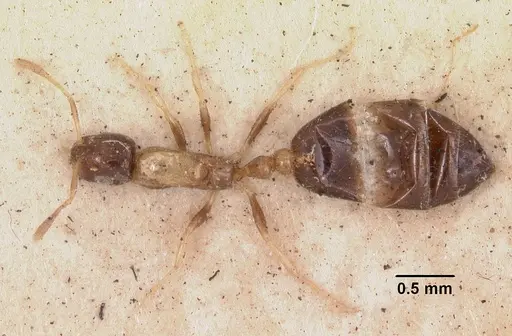
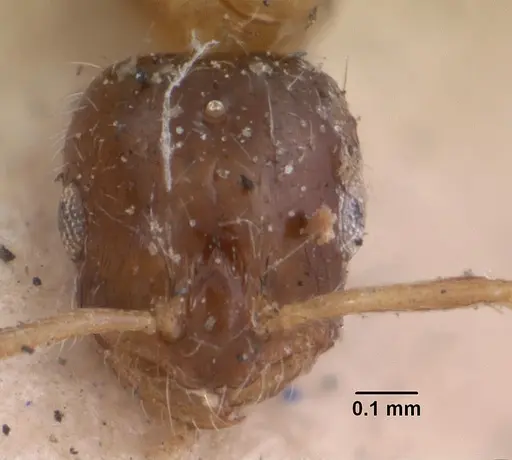
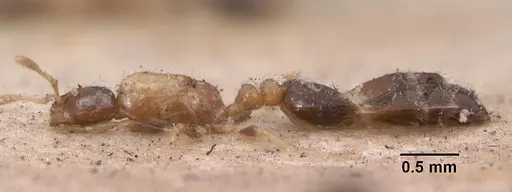
CASENT0010943
View on AntWeb


CASENT0010954
View on AntWeb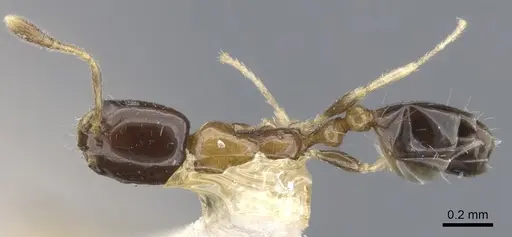
CASENT0053986
View on AntWeb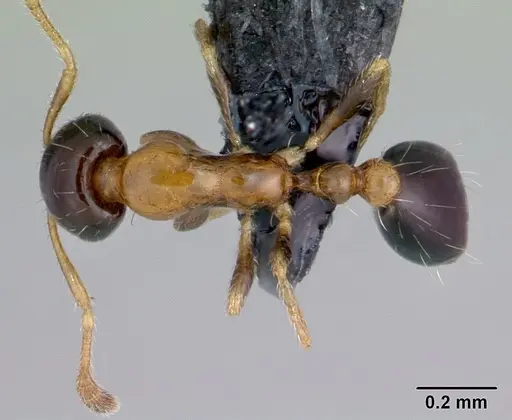
CASENT0060702
View on AntWeb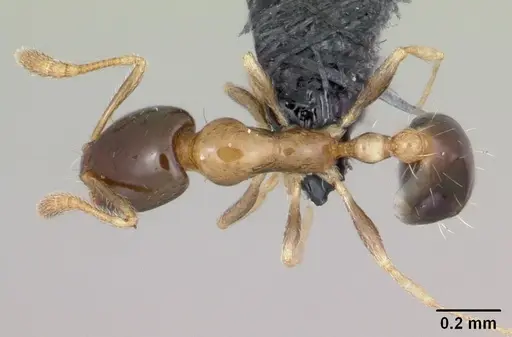
CASENT0064821
View on AntWeb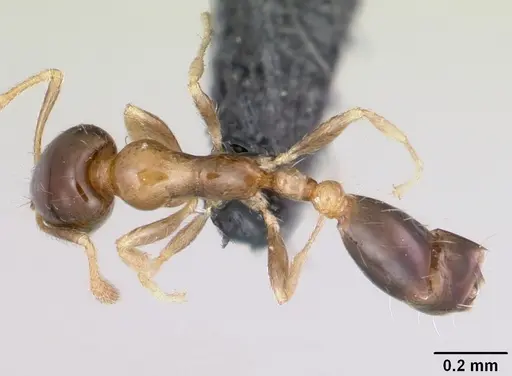
CASENT0104088
View on AntWeb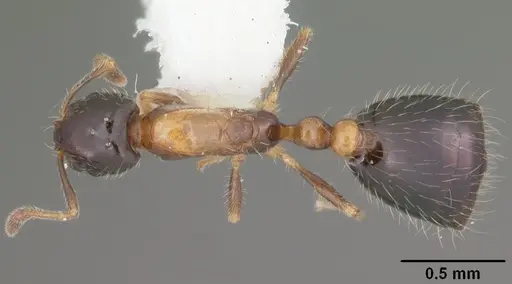
CASENT0104089
View on AntWeb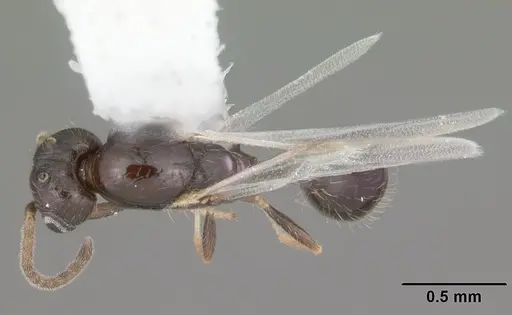
CASENT0104090
View on AntWeb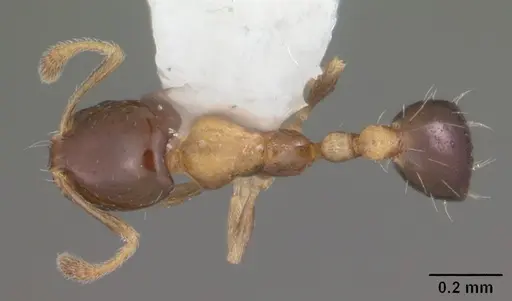
CASENT0125221
View on AntWeb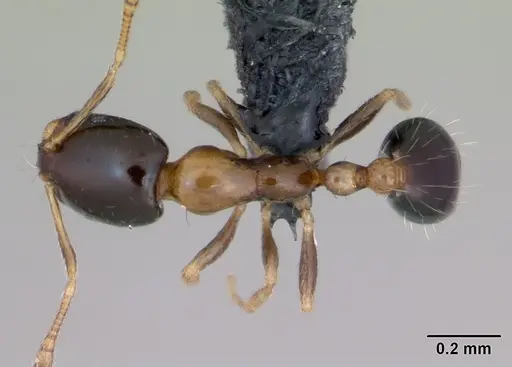
CASENT0125365
View on AntWeb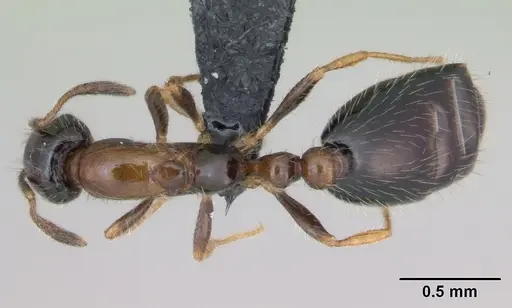
CASENT0134958
View on AntWeb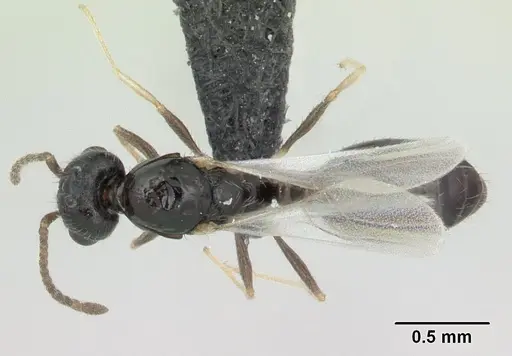
CASENT0146400
View on AntWeb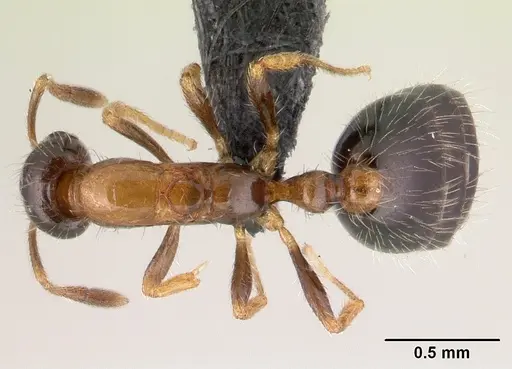
CASENT0146777
View on AntWeb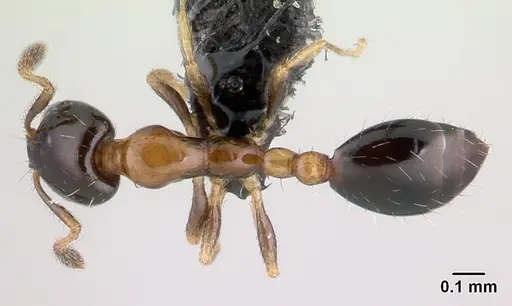
CASENT0171072
View on AntWeb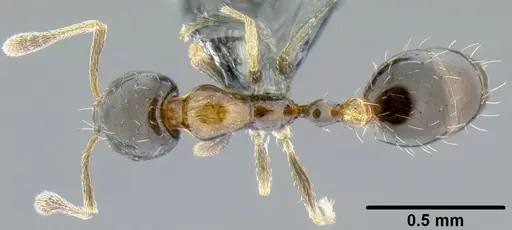
CASENT0173272
View on AntWeb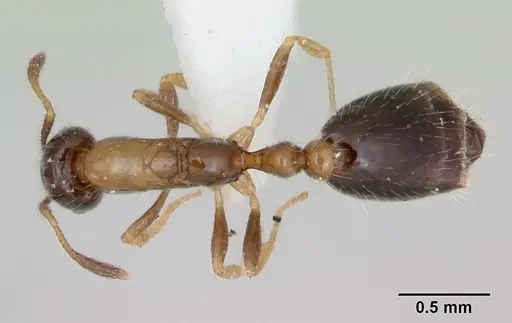
CASENT0173273
View on AntWeb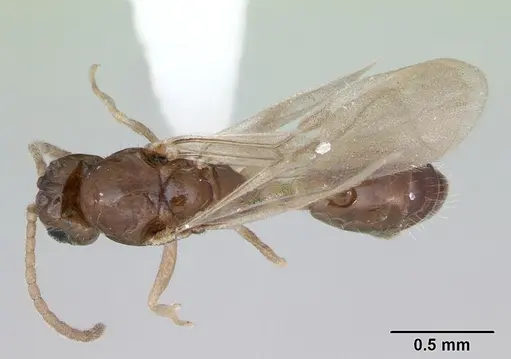
CASENT0173274
View on AntWeb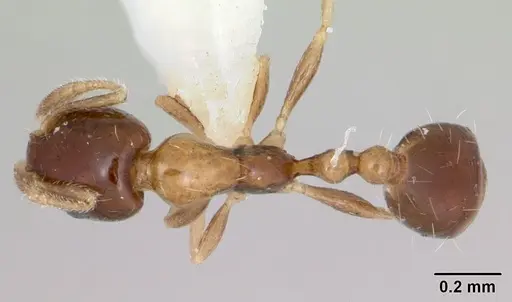
CASENT0173985
View on AntWeb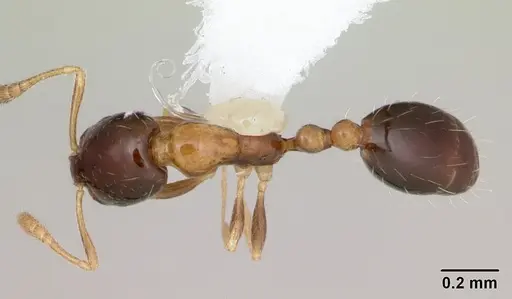
CASENT0178386
View on AntWeb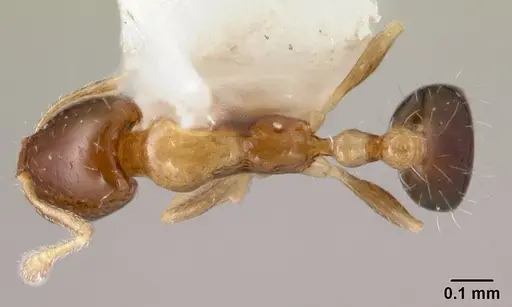
CASENT0178634
View on AntWeb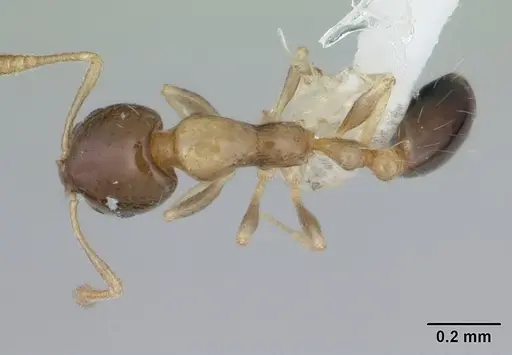
CASENT0178889
View on AntWeb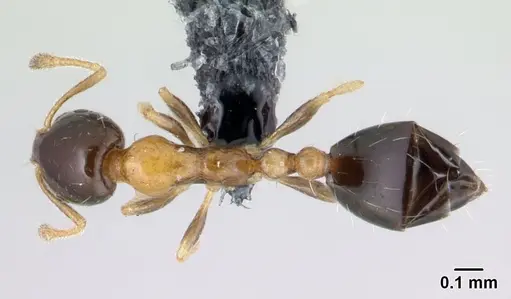
CASENT0188858
View on AntWeb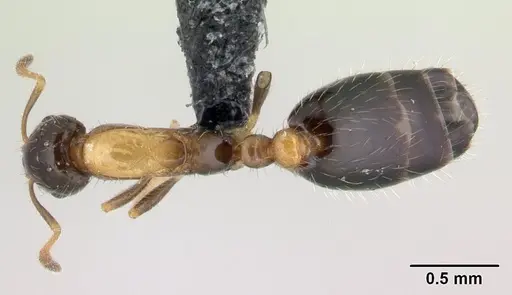
CASENT0219676
View on AntWeb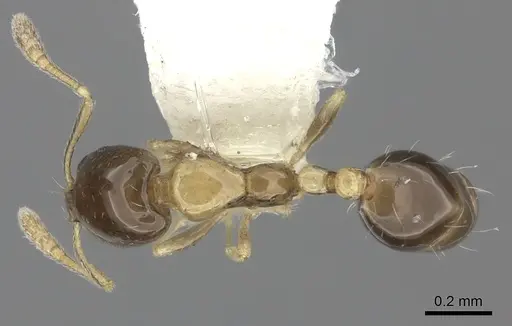
CASENT0235524
View on AntWeb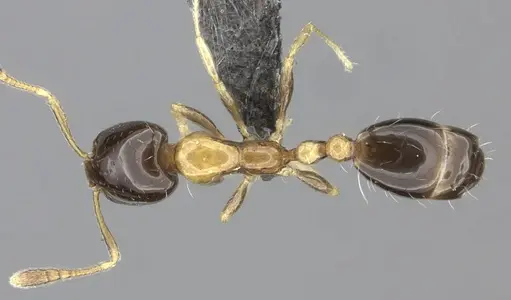
CASENT0246067
View on AntWeb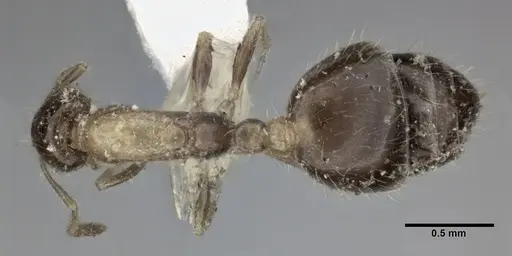
CASENT0246068
View on AntWeb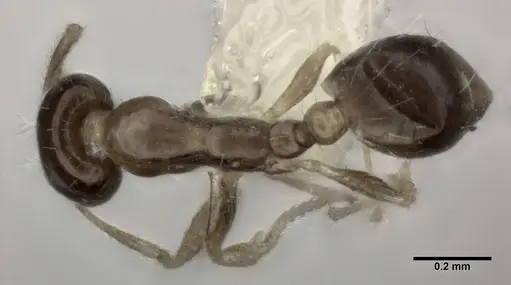
CASENT0248782
View on AntWeb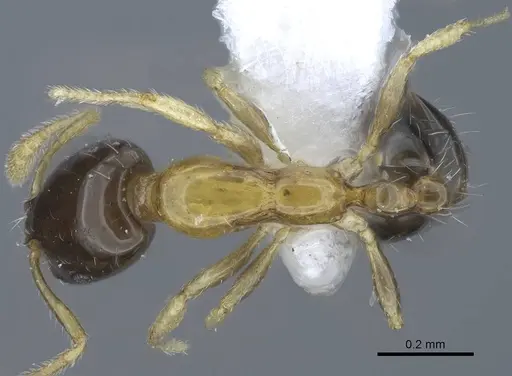
CASENT0318491
View on AntWeb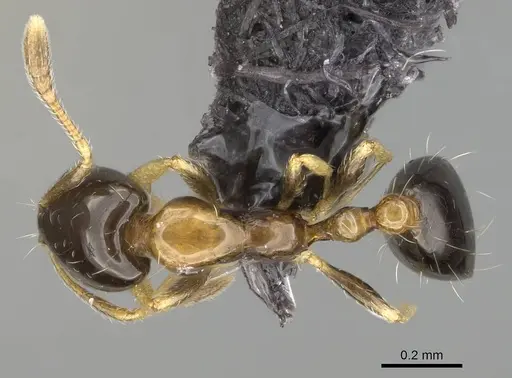
CASENT0481871
View on AntWeb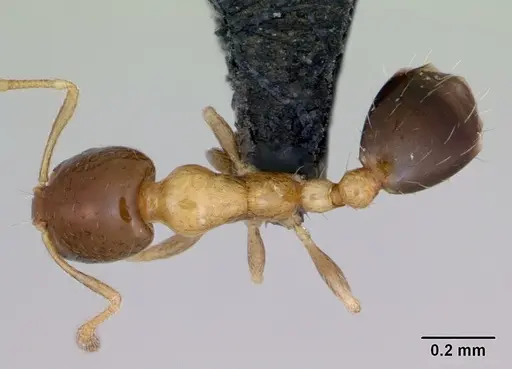
CASENT0729180
View on AntWeb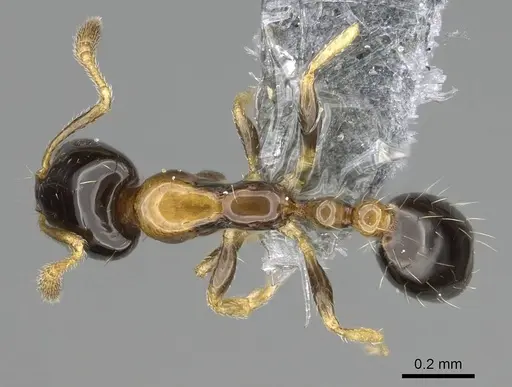
CASENT0884408
View on AntWeb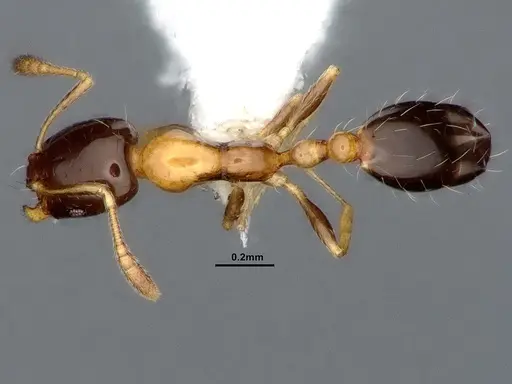
CASENT0908698
View on AntWeb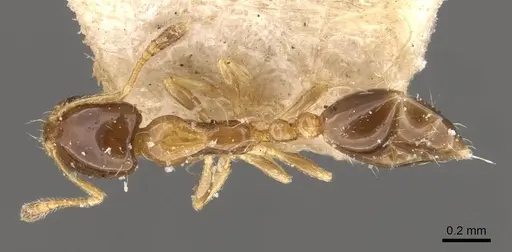
CASENT0908699
View on AntWeb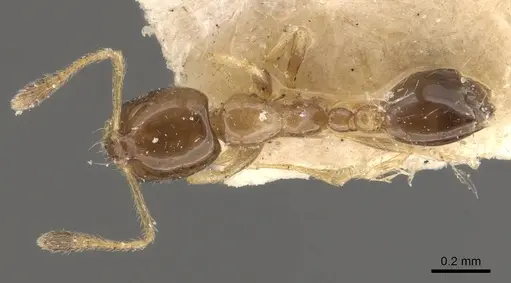
CASENT0916008
View on AntWeb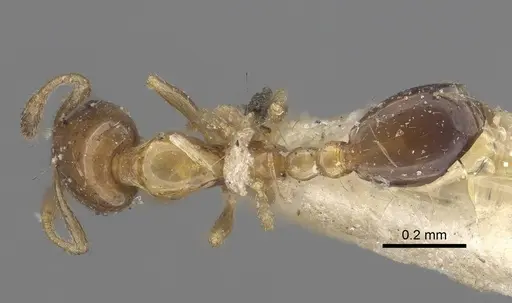
CASENT0917813
View on AntWeb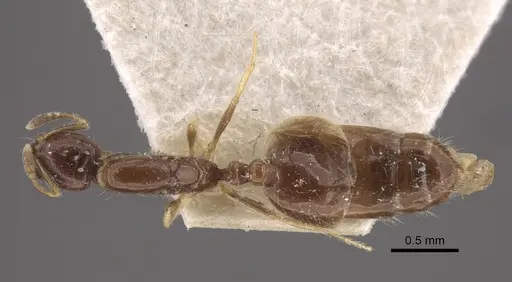
CASENT0919904
View on AntWeb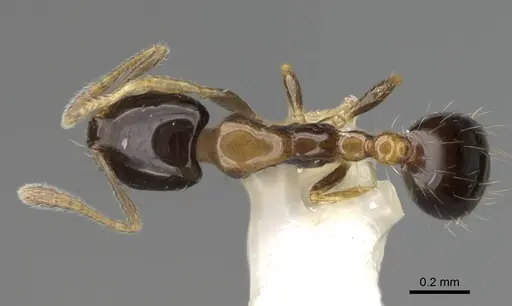
CASENT0919905
View on AntWeb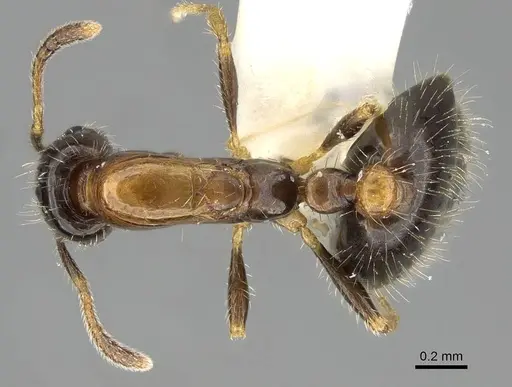
CASENT0922876
View on AntWeb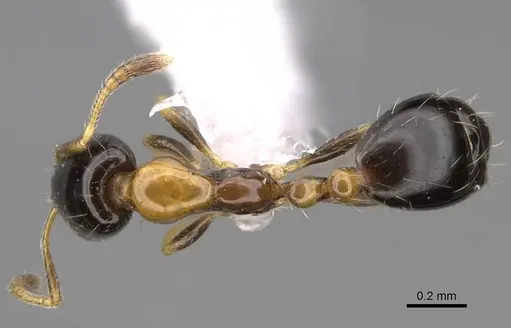
CASTYPE06928
View on AntWeb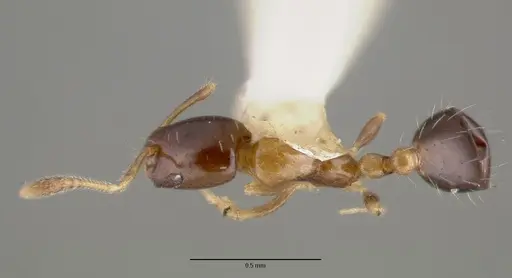
CBUMAGENT41959
View on AntWeb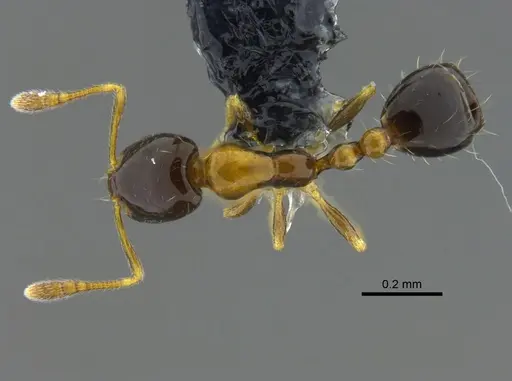
CSIRONC0180
View on AntWeb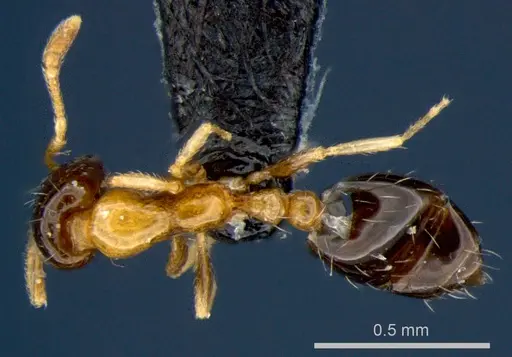
ECOFOG-BUG-0295-03
View on AntWeb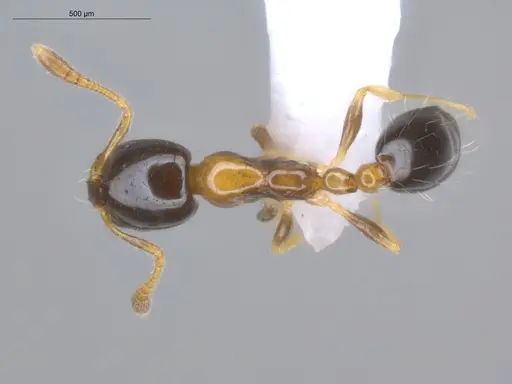
FMNHINS0000062865
View on AntWeb