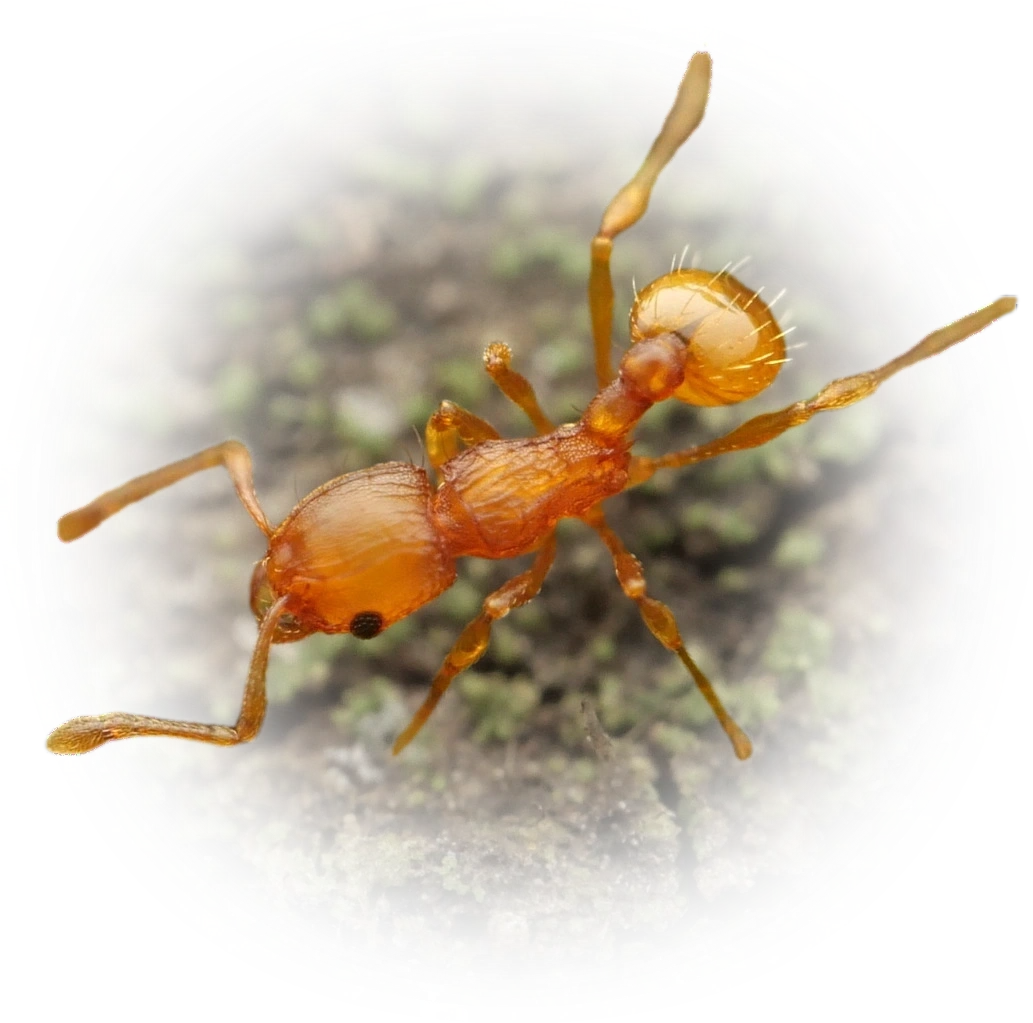

Wasmannia auropunctata
- Scientific Name
- Wasmannia auropunctata
- Tribe
- Attini
- Subfamily
- Myrmicinae
- Author
- Roger, 1863
- Common Name
- Little Fire Ant
- Distribution
- Found in 14 countries
Wasmannia auropunctata Overview
Wasmannia auropunctata (commonly known as the Little Fire Ant) is an ant species of the genus Wasmannia. It is primarily documented in 14 countries , including Brazil, Colombia, Costa Rica. Detailed taxonomic data and occurrence records can be further explored via authoritative databases such as AntWeb or the Global Biodiversity Information Facility (GBIF).
Wasmannia auropunctata - "Little Fire Ant / Electric Ant"
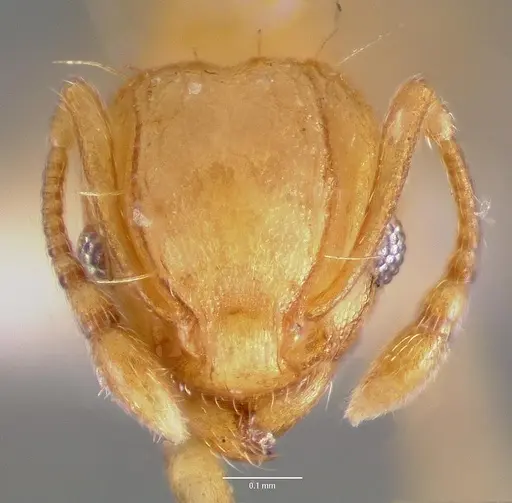
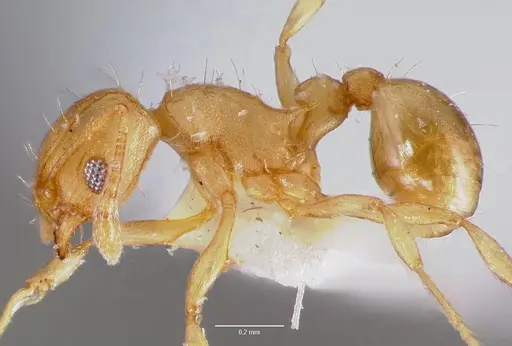
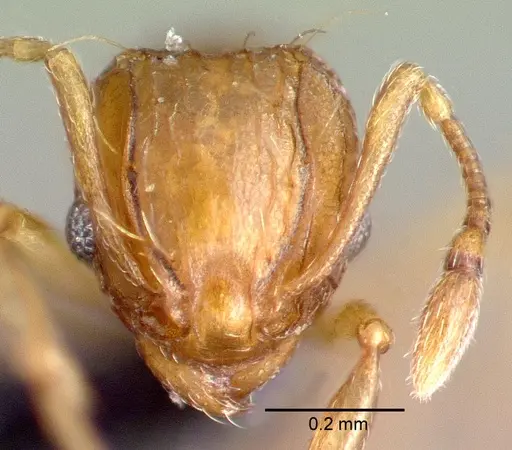
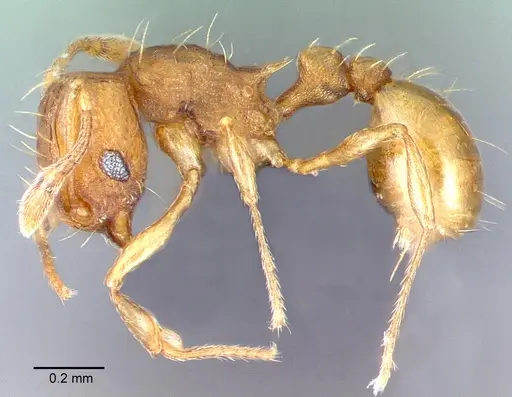
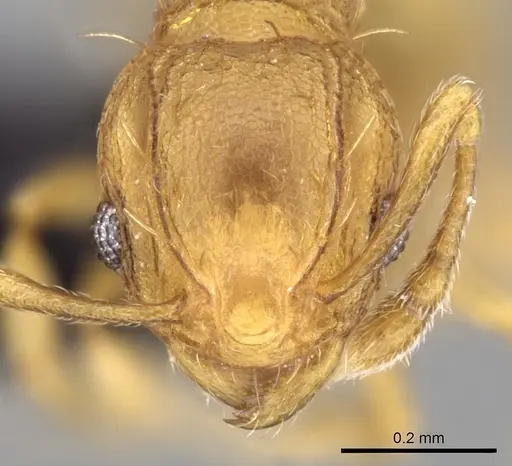
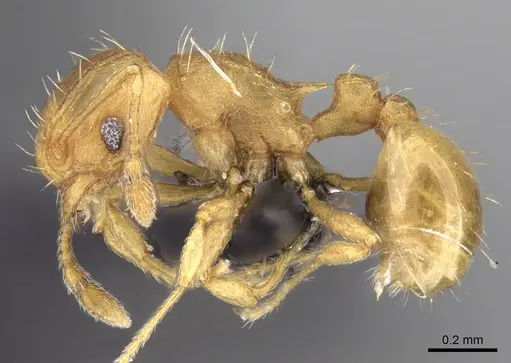
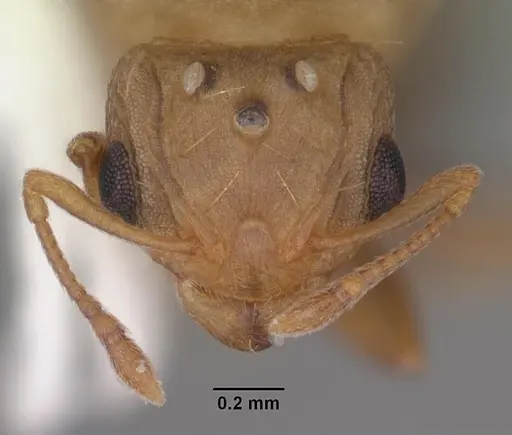
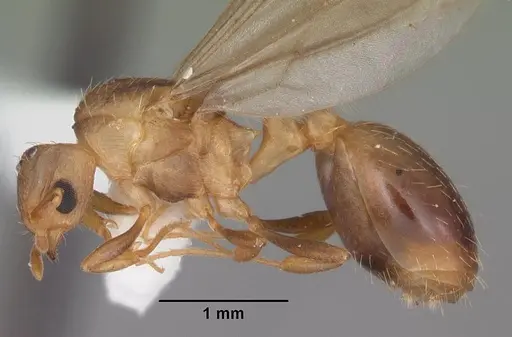
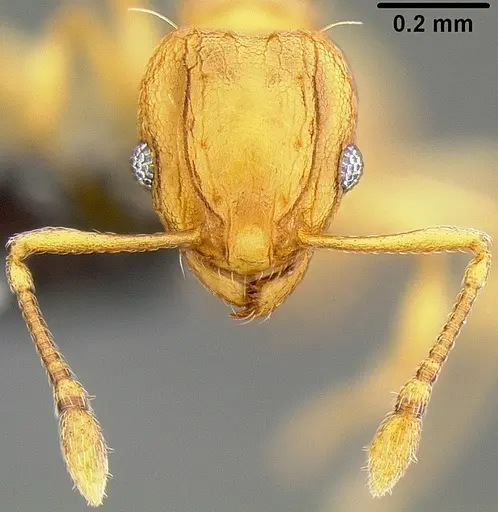
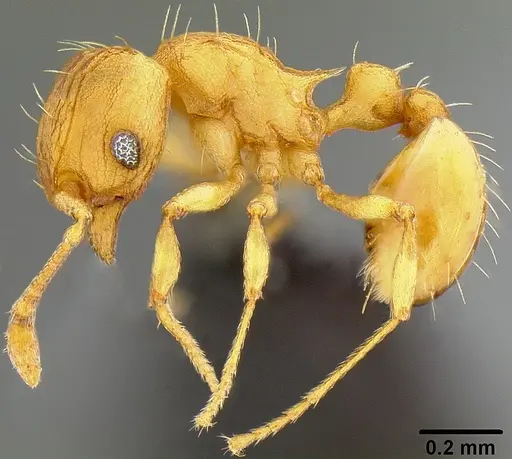
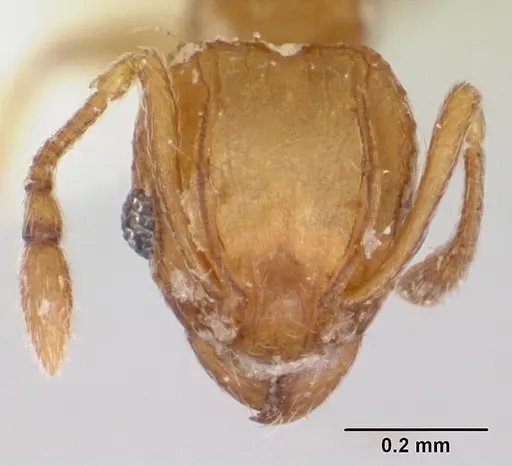
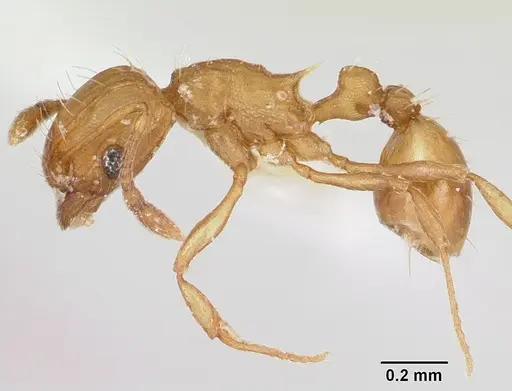
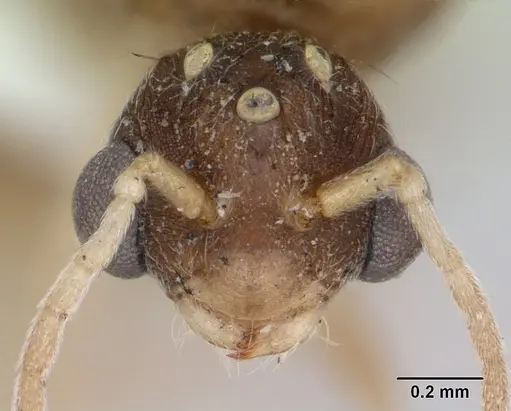
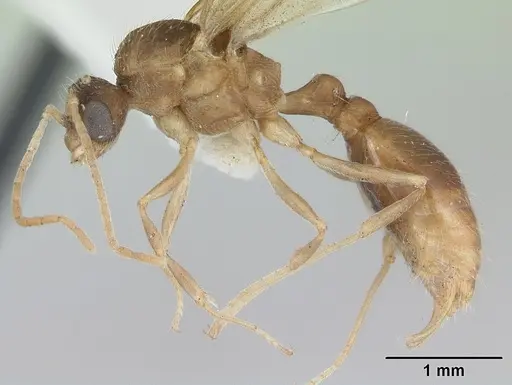
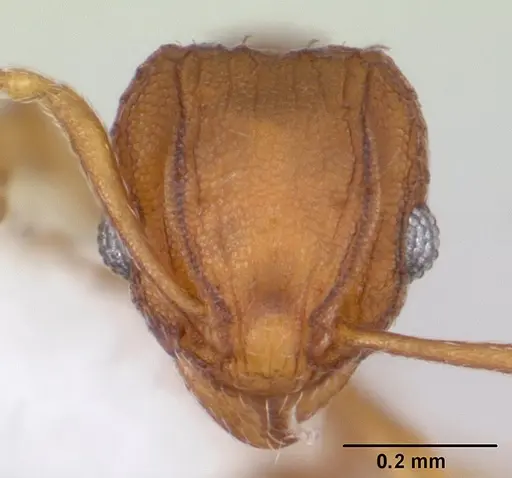
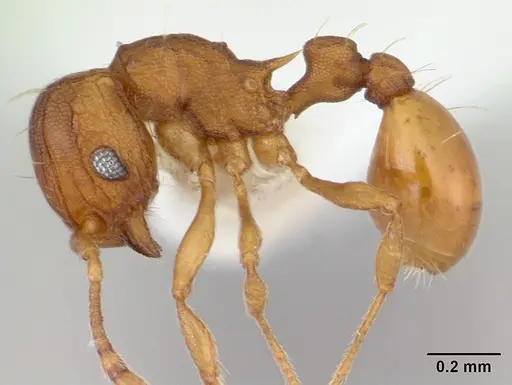
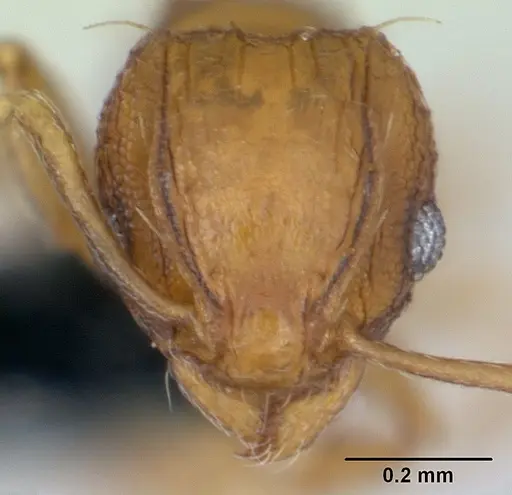
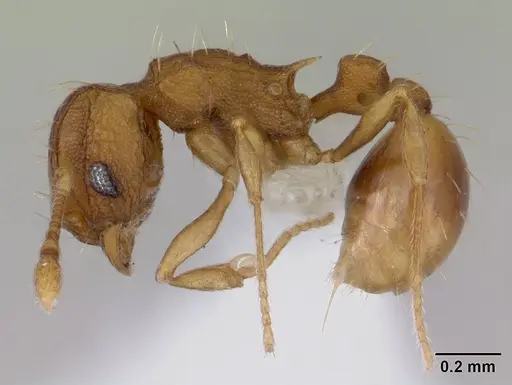
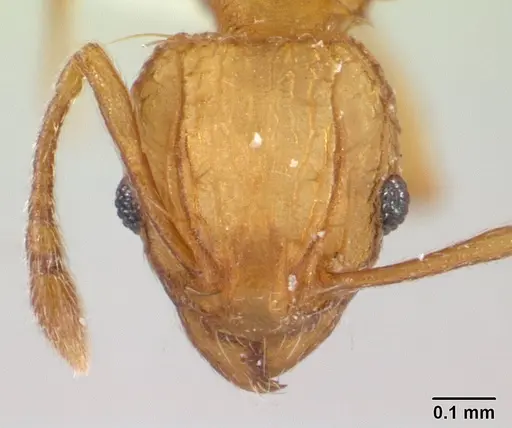
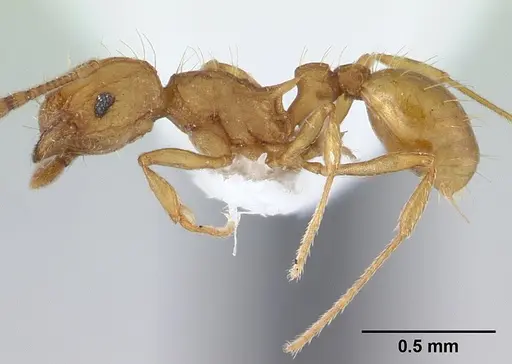
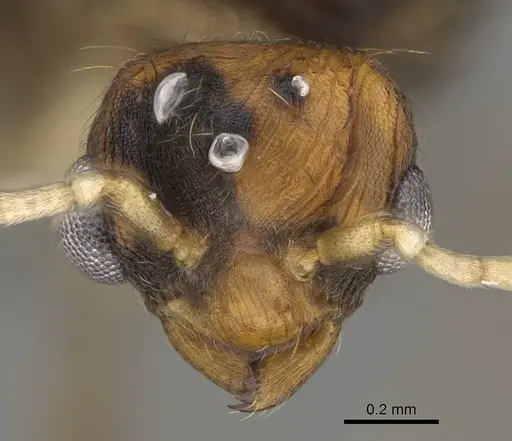
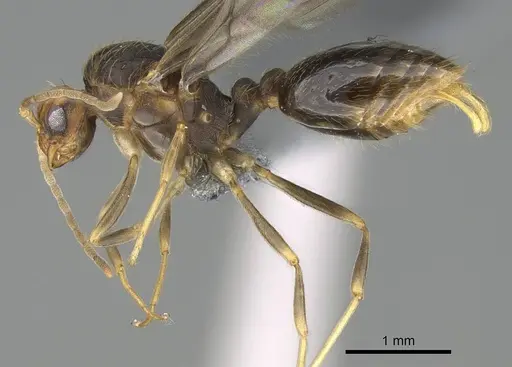
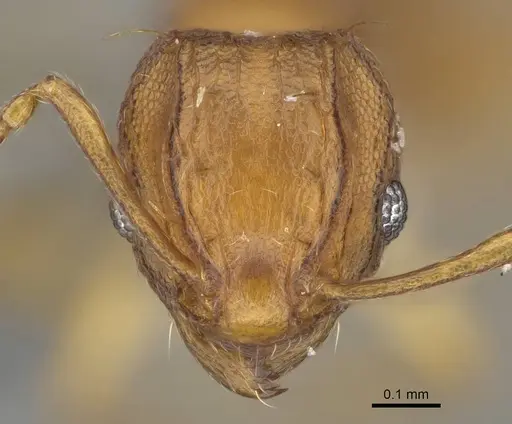
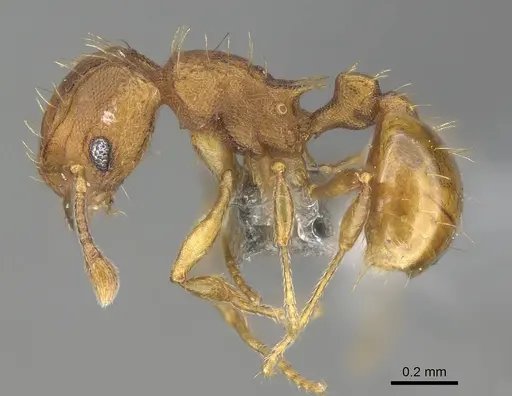
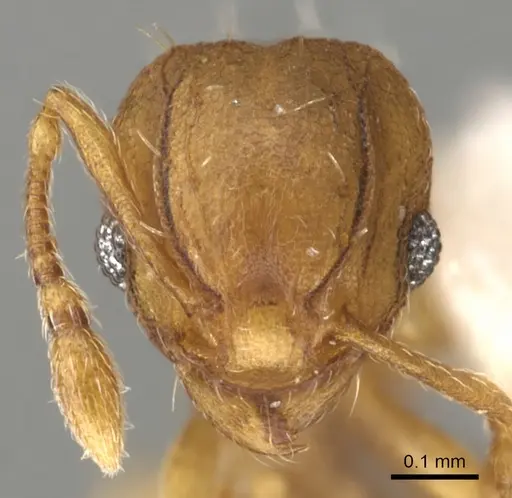
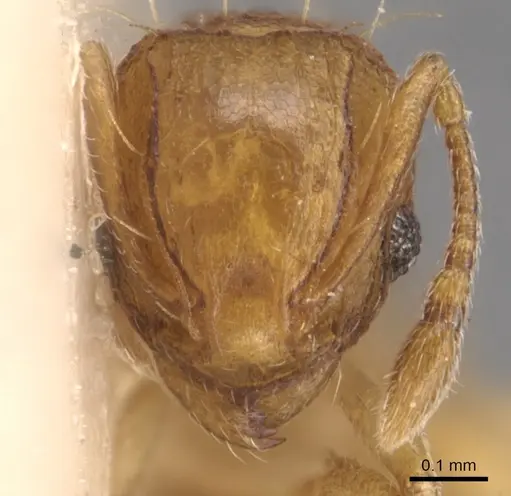
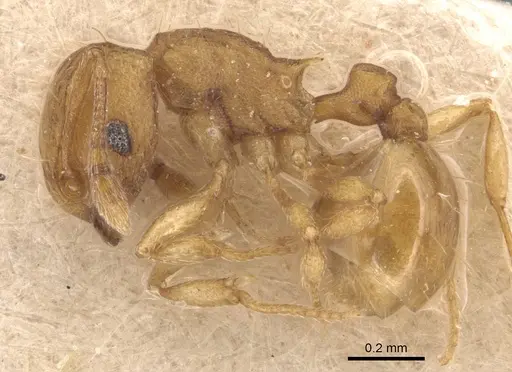
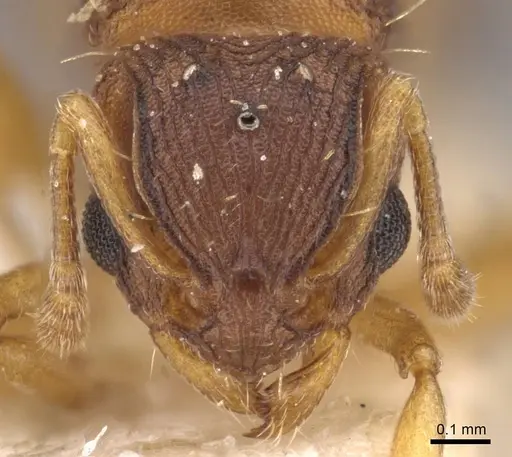
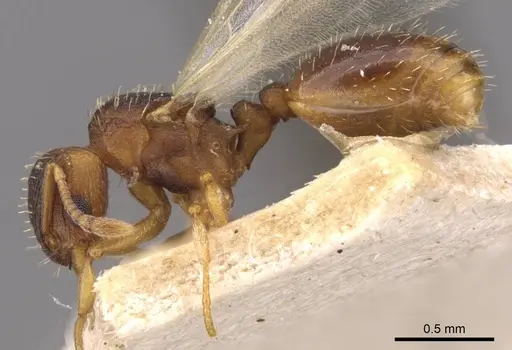
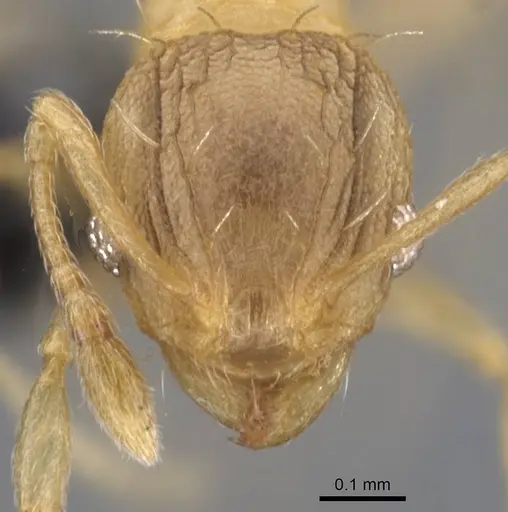
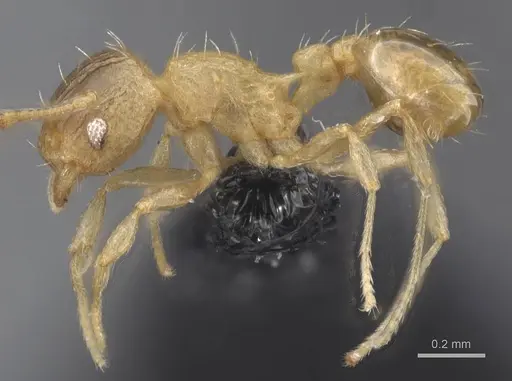
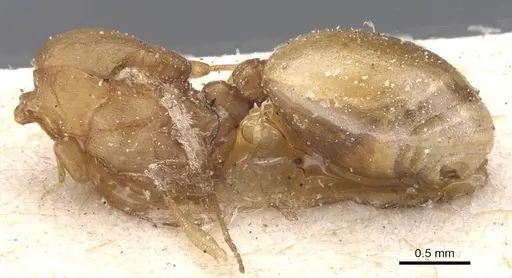
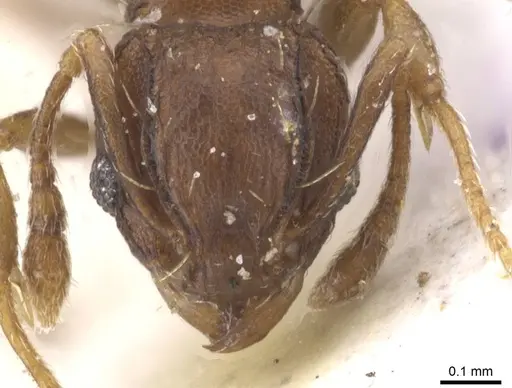
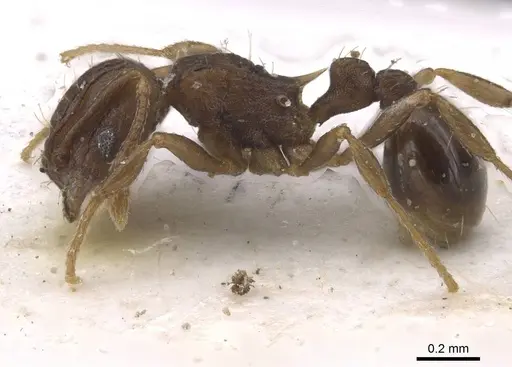
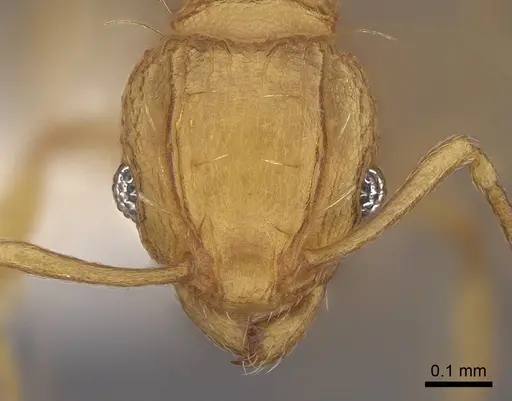
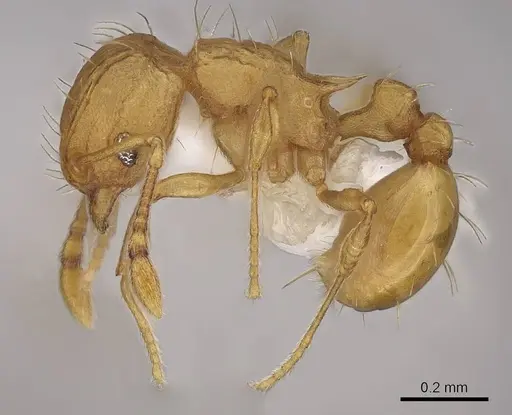
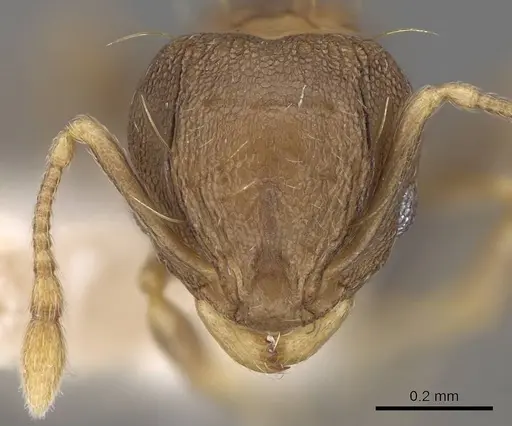
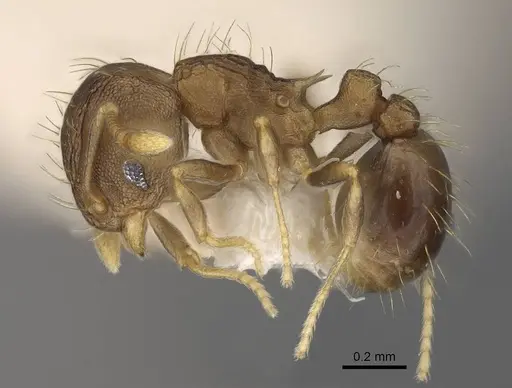
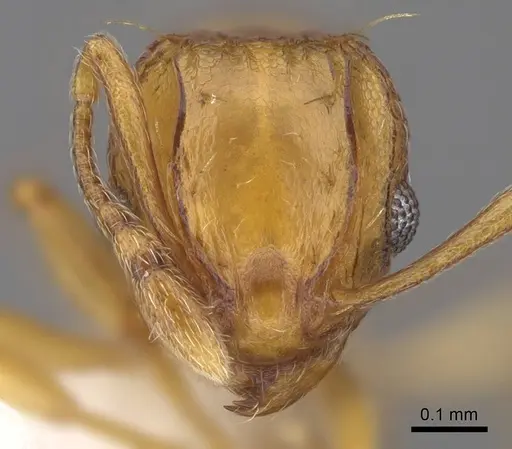
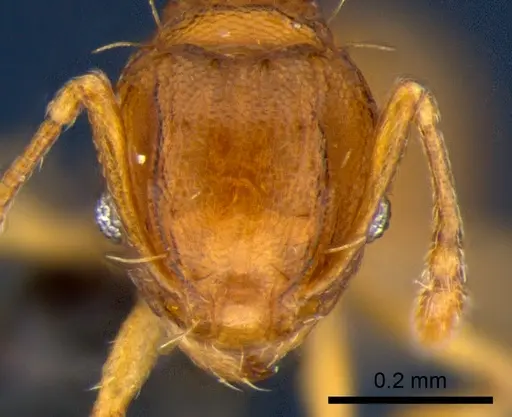
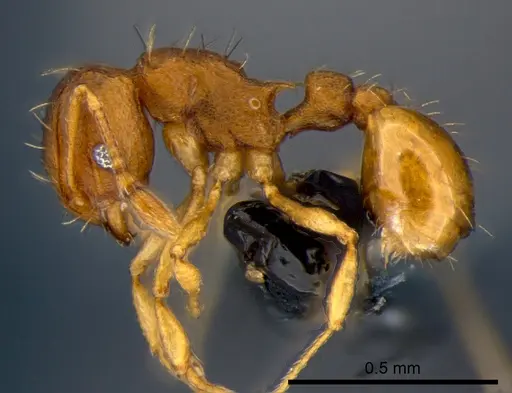
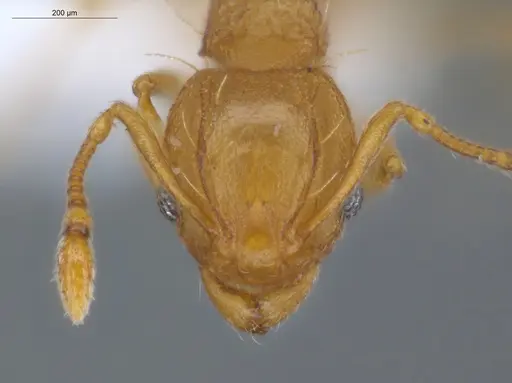
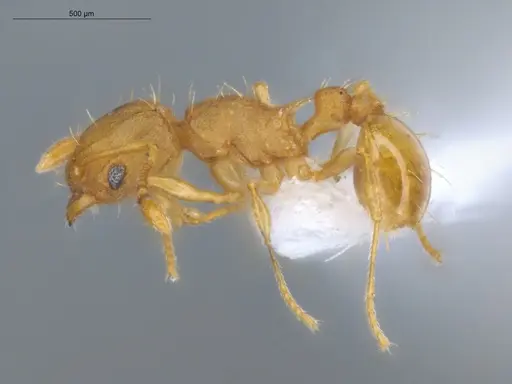
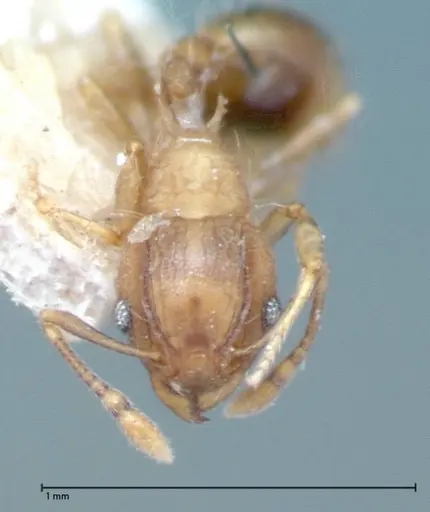
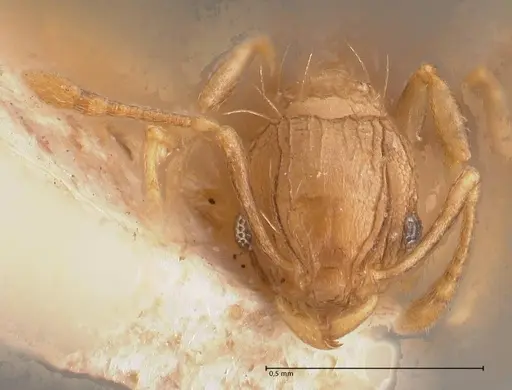
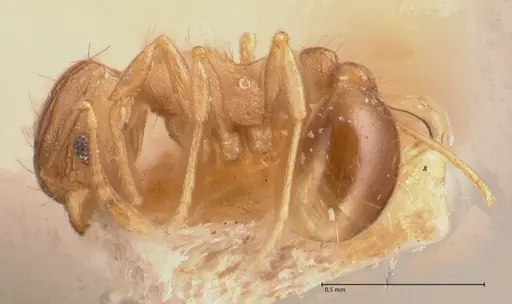
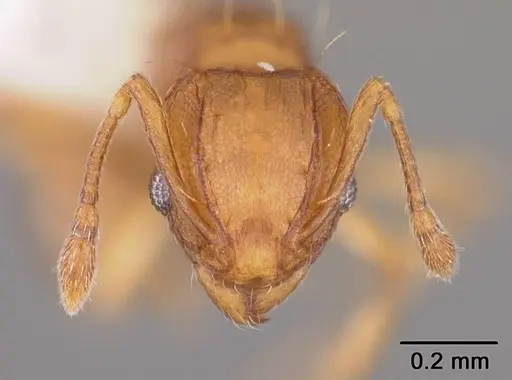
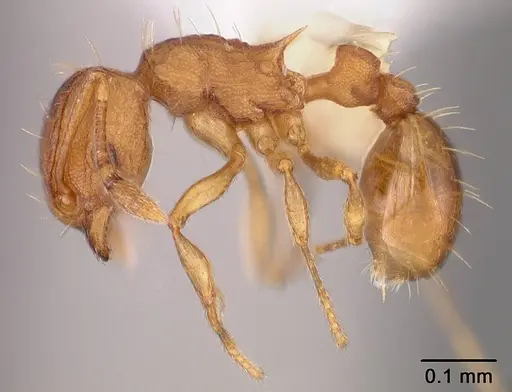
The Little Fire Ant, also known as the Electric Ant, is a remarkably small species, typically light to golden brown with a darker gaster. Workers are monomorphic, meaning they don't have distinct size castes, usually measuring around 1-2mm. Queens are much larger, around 4.5-5.0mm, and darker than the workers. Their pedicel (waist) has two segments, with the petiole being distinctively "hatchet-shaped" and higher than the postpetiole. They possess 11-segmented antennae with the last two segments forming a prominent club, and their antennal scapes (first segments) rest in grooves extending almost to the back of their heads. The thorax features long, sharp epinotal spines. Despite their tiny size, they are infamous for their disproportionately painful sting, which gives them their common names.
- Difficulty: Expert
- Origin & Habitat: Central and South America, ranging from Argentina to Mexico. in This species is a true generalist, thriving in a wide array of environments. They commonly nest in superficial cavities both natural and manmade, including under rocks, logs, leaf litter, plant debris, and within human structures. They are highly adaptable to wet or dry conditions, and shaded or open areas..
- Colony Type: Polygynous and unicolonial, forming massive supercolonies., budding (queens accompanied by workers establish new satellite colonies), with clonal reproduction in invasive populations. founding.
- Size & Growth:
- Queen: 4.5-5.0mm
- Worker: 1.0-2.0mm
- Colony: Supercolony (hundreds of thousands/millions). Fast, especially in human-modified habitats and invasive populations due to their reproductive strategies. growth.
- Antkeeping:
- Temperature: They prefer warm temperatures, with optimal foraging around 30°C. While they are sensitive to cold, disappearing in fall and reappearing in spring in some areas, indoor establishment is possible in temperate regions..
- Humidity: They like it slightly moist or with high humidity, ensuring constant access to water is important..
- Diapause: Not required. Not specified at Not specified.
- Nesting: They do not excavate deep underground nests, preferring superficial cavities. They thrive in a wide variety of natural and artificial cavities, including dead wood, leaf litter, under stones, and in hollow stems. In captivity, soil nests are often preferred over acrylic..
- Behavior: High (towards handler, food or other ants) aggressiveness.
- Common Issues: Escape risk due to small size and budding colony structure, Painful stings to handler, Difficulty in containment, Rapid population growth, Competition with native species if escaped.
Keeping Wasmannia auropunctata is definitely not for the faint of heart, or for new antkeepers. These ants are notoriously challenging, earning their 'Expert' rating. Their ability to form massive, interconnected supercolonies through budding means controlling their numbers and preventing escapes is an immense task. Unlike many species that establish a single, contained nest, Little Fire Ants will readily spread into any available space, making traditional nest setups less effective for long-term containment.
One of the most defining characteristics of this species is their incredibly painful sting, which is disproportionate to their tiny size. Handlers must exercise extreme caution to avoid stings, as multiple encounters can be quite irritating and persistent. This makes direct interaction or maintenance in an outworld particularly risky. Their tendency to forage in trees and drop onto unsuspecting individuals also highlights the need for secure enclosures and careful handling practices.
Their reproductive strategy is highly unusual; queens reproduce other queens clonally through parthenogenesis, while workers are produced sexually from fertilized eggs. In some cases, males can also reproduce clonally. This unique genetic setup contributes significantly to their invasive success and rapid population growth, allowing them to establish quickly and dominate new areas. This means even a small escaped fragment with a queen can quickly become a large problem.
Due to their generalist diet, they are not picky eaters, consuming a wide range of proteins and sugars. In the wild, they are known to tend to honeydew-producing insects and prey on invertebrates, and even small vertebrates. This adaptability in diet makes them incredibly resilient and capable of exploiting various food sources in a captive setup, though a varied diet of insects and sugar water is recommended.
It is crucial to understand that Wasmannia auropunctata is listed among the world's 100 worst invasive species. Their impact on native biodiversity, agriculture, and human health in invaded regions is severe, causing significant declines in other ant species, arachnids, and even affecting reptiles and birds. Therefore, extreme vigilance is required to prevent any accidental escapes, as this species poses a serious ecological threat outside its native range. Given their invasive nature, keeping this species is often restricted or illegal in many areas, and responsible antkeeping means prioritizing containment above all else.
Frequently Asked Questions
Why is Wasmannia auropunctata so difficult to keep for antkeepers?
The Little Fire Ant is incredibly hard to keep contained due to its minute size, its ability to form massive supercolonies, and its prolific budding behavior. Any tiny crack can be an escape route, and even a small group of workers with a queen can establish a new colony quickly, making them a high escape risk.
What kind of sting does the Little Fire Ant have?
Despite their tiny size, they deliver a surprisingly painful sting, often described as feeling like an electric shock or a burning sensation. Multiple stings can cause welts and prolonged itching, making careful handling and prevention of contact essential.
Can Wasmannia auropunctata queens fly or establish new nests on their own?
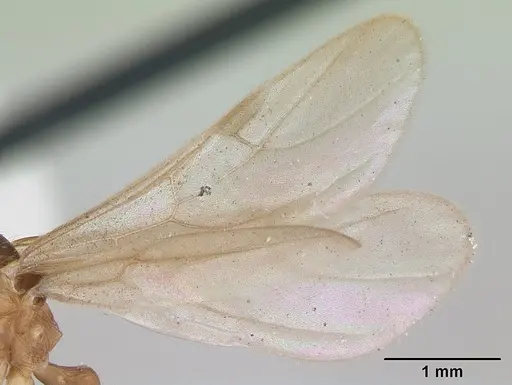
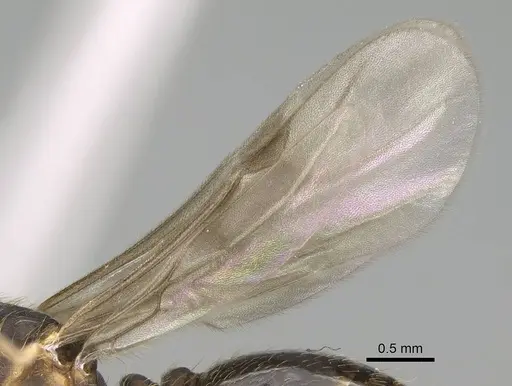
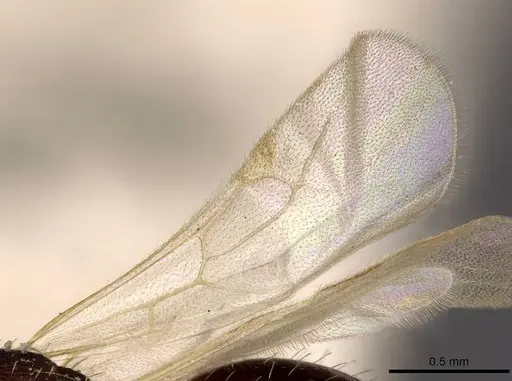
While alate (winged) queens exist, especially in their native range, the primary method of colony expansion, particularly in invasive populations, is through 'budding.' This means a queen, along with some workers and brood, simply walks away to establish a new satellite nest nearby. True independent founding by a single queen after a nuptial flight is rare and not the main mode of spread.
What is unique about the reproduction of Little Fire Ants?
Wasmannia auropunctata has a fascinating and unusual reproductive system. Queens can produce other queens clonally (without mating, via parthenogenesis), while sterile workers are typically produced through sexual reproduction. In some populations, males can also reproduce clonally, leading to a unique separation of male and female gene pools.
What do Little Fire Ants eat in captivity?
They are generalist omnivores, readily accepting a variety of protein sources like small insects (crickets, mealworms) and also sugary foods like sugar water or honeydew. They are adaptable foragers, so a varied diet ensures their nutritional needs are met. Some antkeepers have even noted they enjoy boiled egg yolk.
What is a 'supercolony' in the context of Wasmannia auropunctata?
A supercolony in Wasmannia auropunctata refers to their unicolonial social structure, where there are no distinct territorial boundaries between individual nests. Instead, they form a vast, interconnected network of nests and workers that cooperate as one massive unit, often spanning large areas and containing millions of ants and many queens.
Are Little Fire Ants considered an invasive species?
Absolutely. Wasmannia auropunctata is listed among the world's 100 worst invasive species. They have spread globally from their native Central and South America and cause significant ecological and economic damage by outcompeting native species, impacting agriculture, and stinging humans and animals.
What kind of nest setup is recommended for Wasmannia auropunctata?
Given their tendency to nest opportunistically in small cavities, a soil-based setup is generally preferred, as they don't excavate deep tunnels. Artificial nests can also work, but secure containment is paramount. Test tubes can be used for smaller founding colonies, but they will quickly outgrow them.
Do Little Fire Ants need a diapause (hibernation) period?
No, as a tropical and subtropical species, Wasmannia auropunctata does not require a diapause period. They are sensitive to cold, but will continue activity year-round in suitable warm environments.
What should I do if I suspect I have Little Fire Ants in my home or garden?
If you suspect you have Little Fire Ants, especially outside their native range, it's crucial to contact your local pest control or invasive species authority immediately. They are a serious pest, and professional intervention is often necessary for effective management and eradication. Do not attempt to move or spread them.

This caresheet is licensed under CC BY-SA 4.0 .
CASENT0005064
View on AntWeb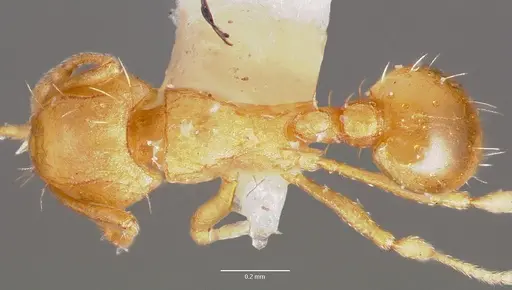
CASENT0005665
View on AntWeb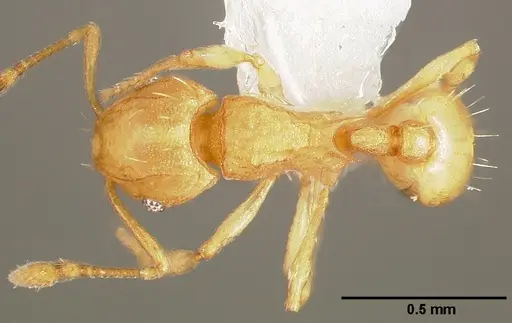
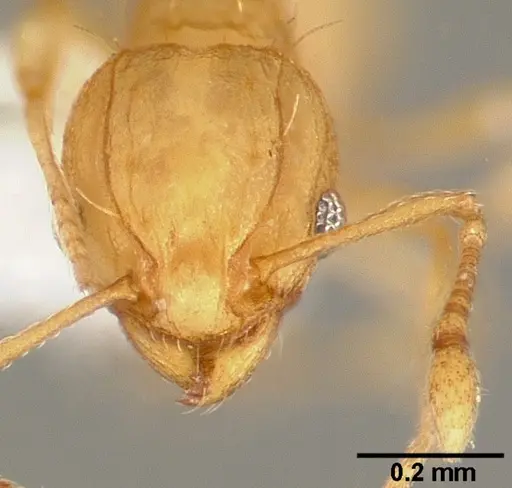
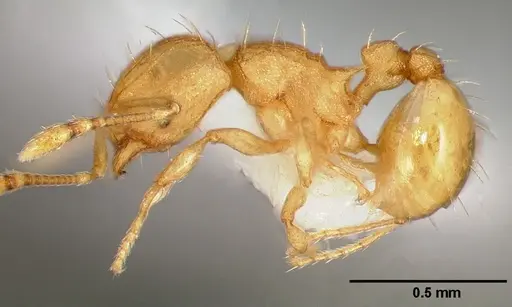
CASENT0039797
View on AntWeb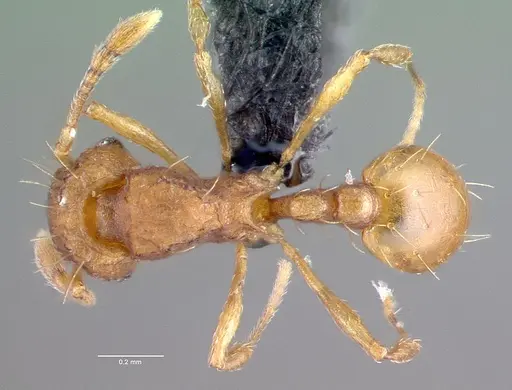
CASENT0097874
View on AntWeb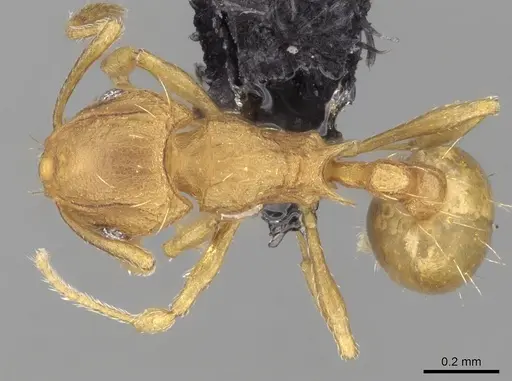
CASENT0102747
View on AntWeb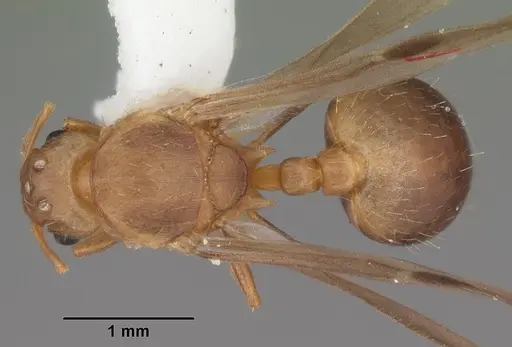
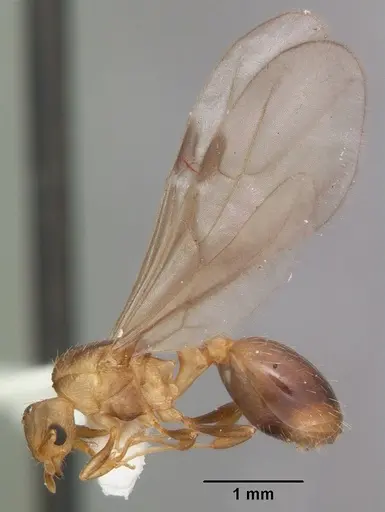
CASENT0102748
View on AntWeb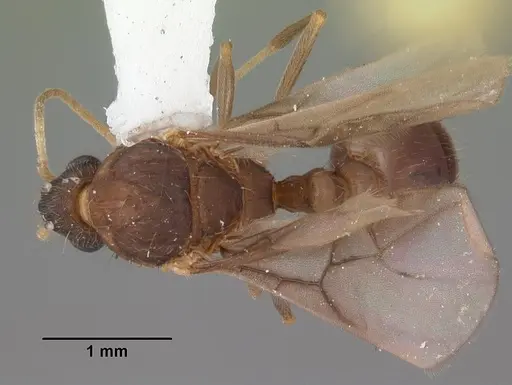
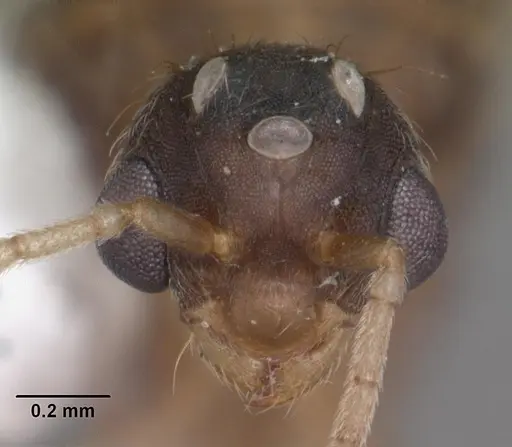
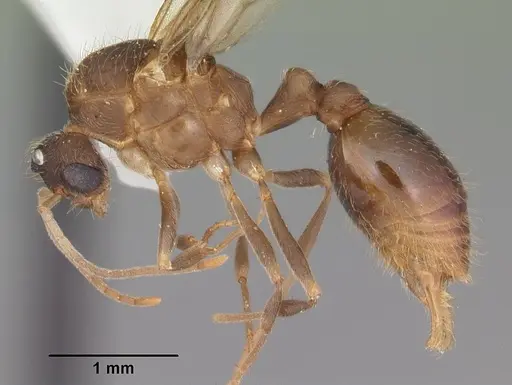
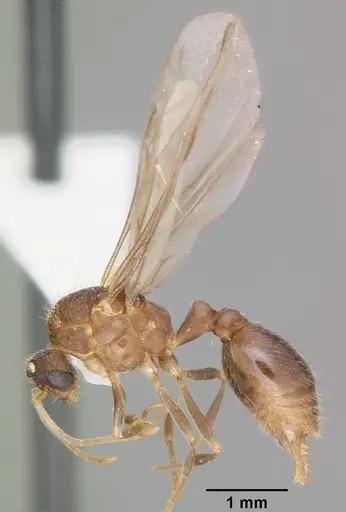
CASENT0106114
View on AntWeb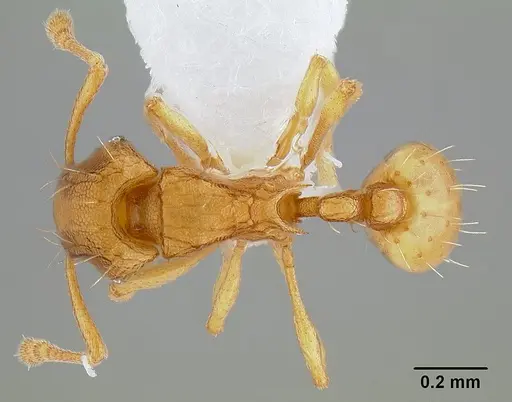
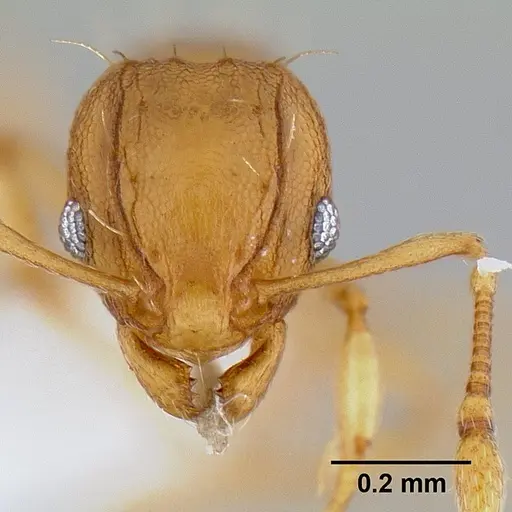
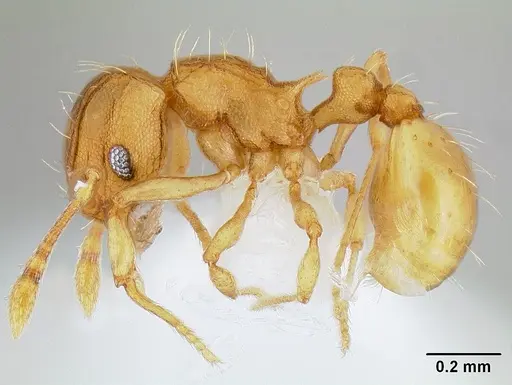
CASENT0171093
View on AntWeb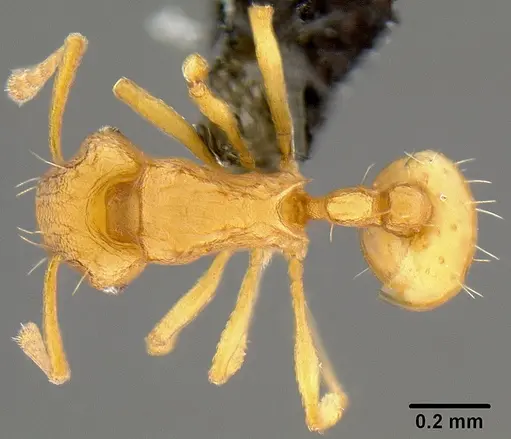
CASENT0173249
View on AntWeb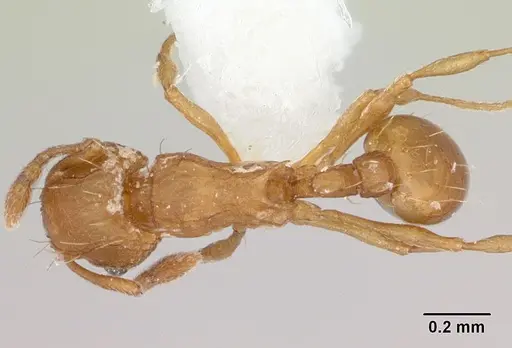
CASENT0173250
View on AntWeb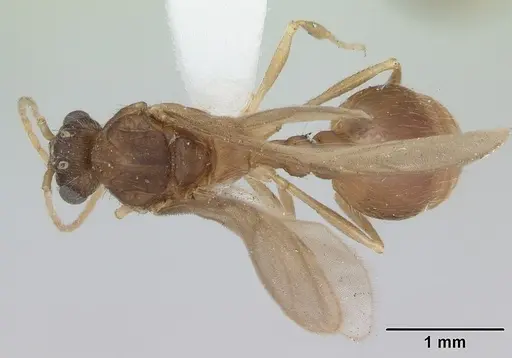
CASENT0178173
View on AntWeb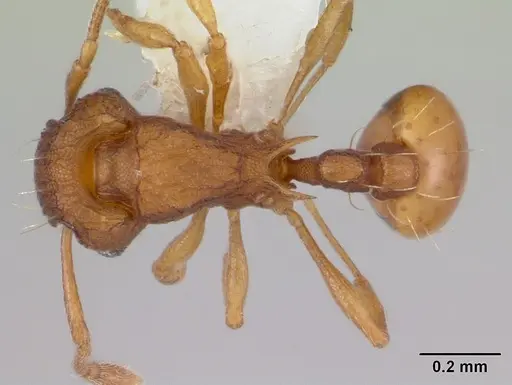
CASENT0178667
View on AntWeb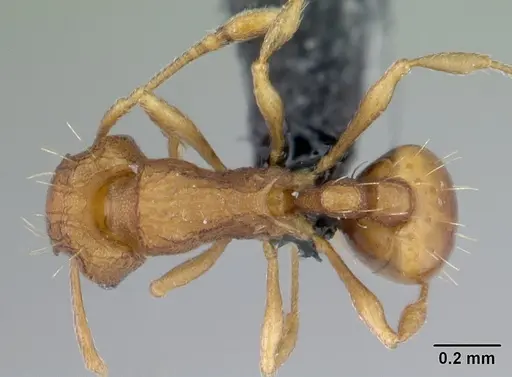
CASENT0179473
View on AntWeb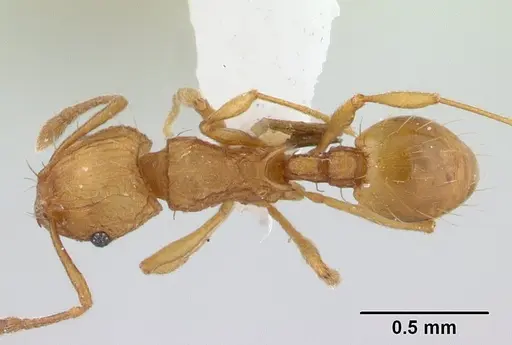
CASENT0199846
View on AntWeb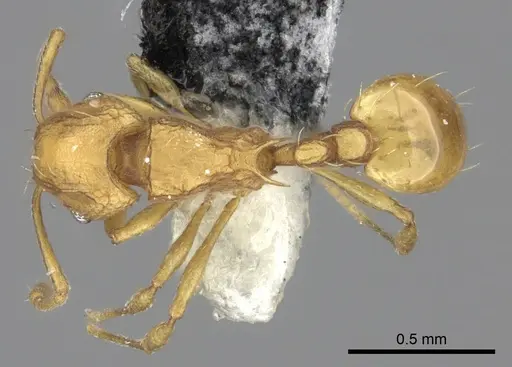
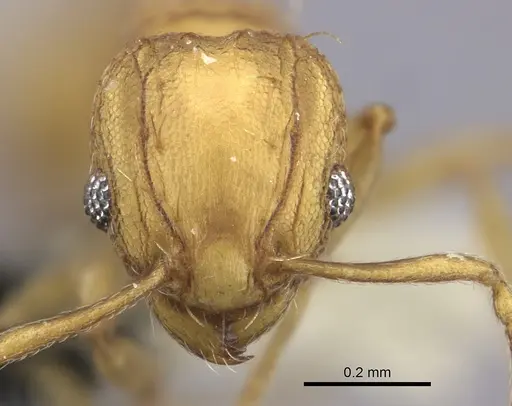
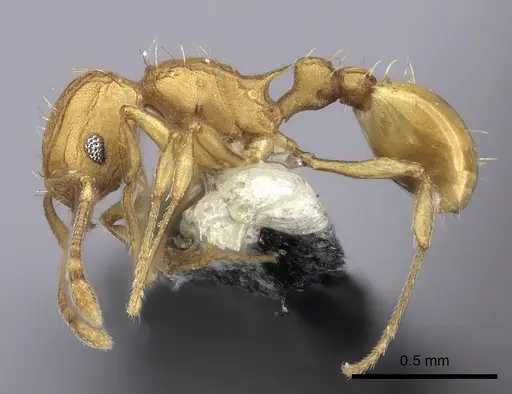
CASENT0246164
View on AntWeb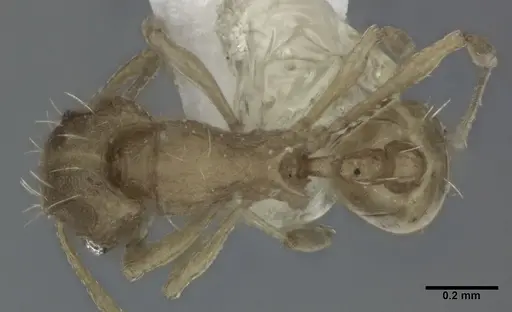
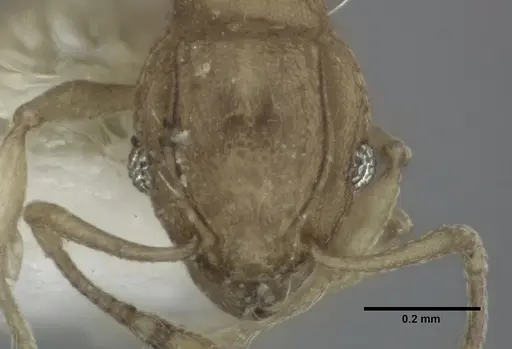
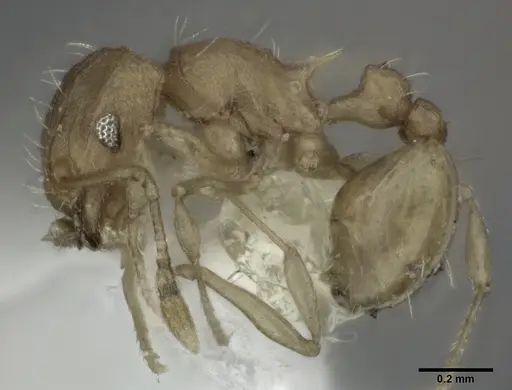
CASENT0650677
View on AntWeb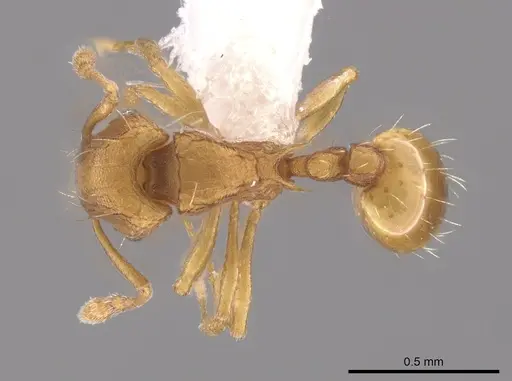
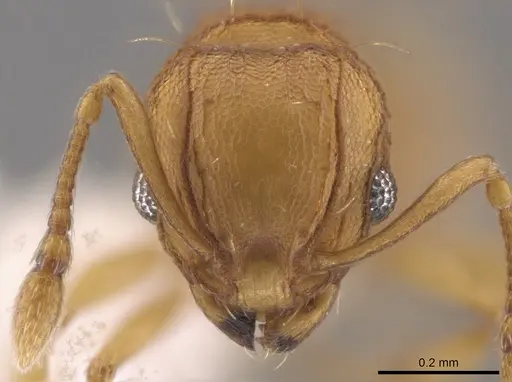
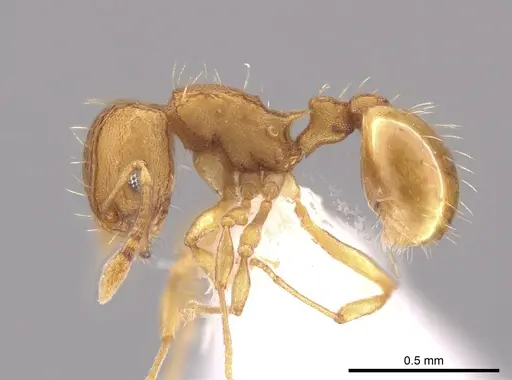
CASENT0729245
View on AntWeb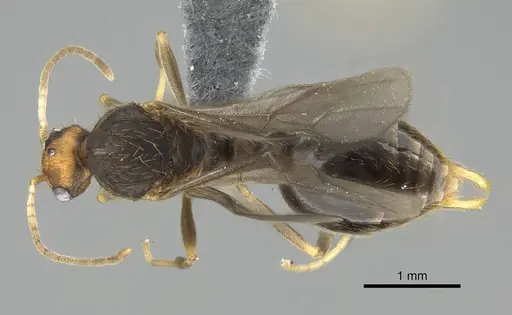
CASENT0729246
View on AntWeb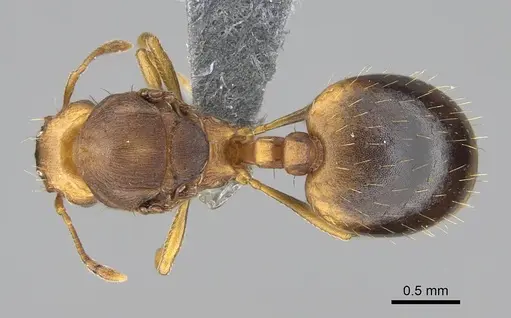
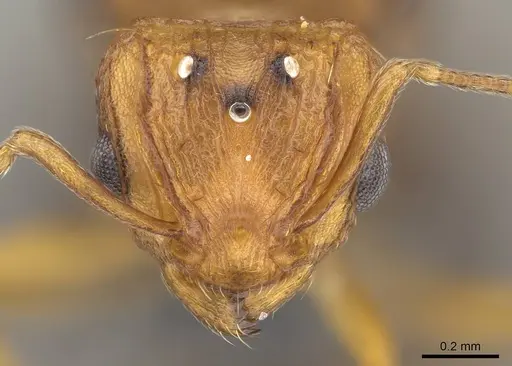
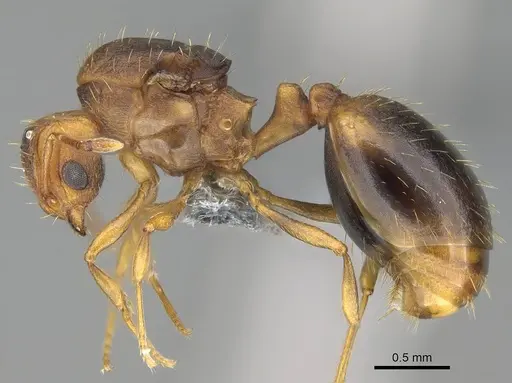
CASENT0767596
View on AntWeb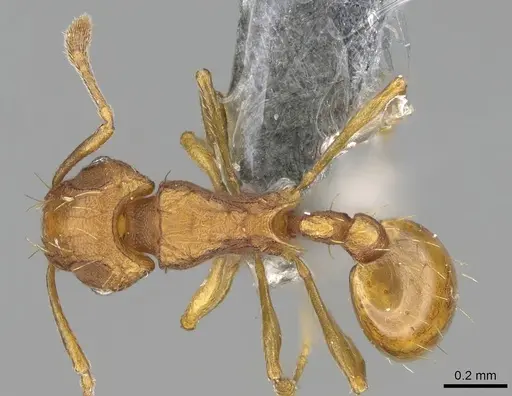
CASENT0900316
View on AntWeb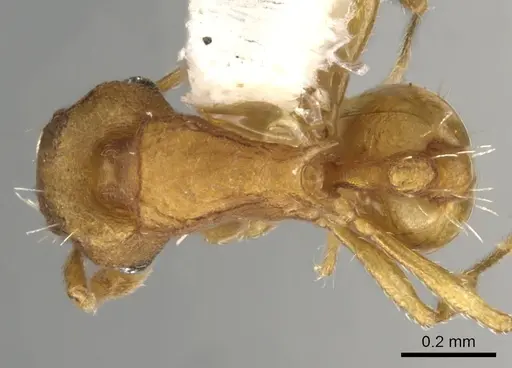
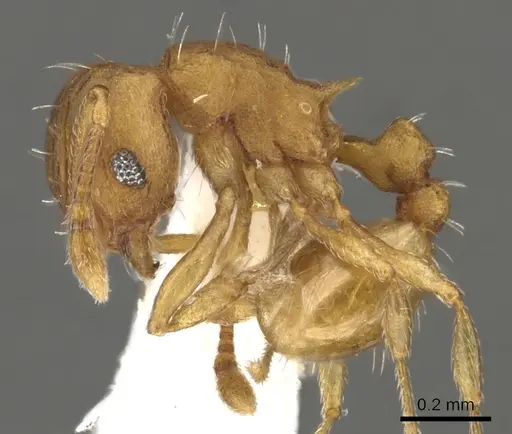
CASENT0904872
View on AntWeb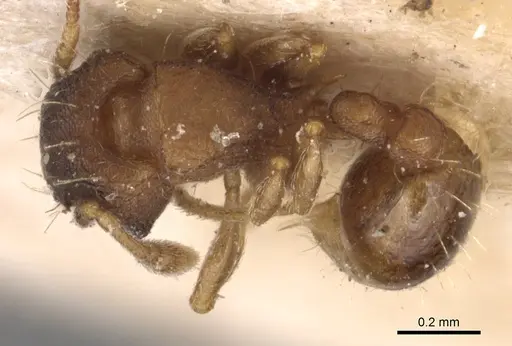
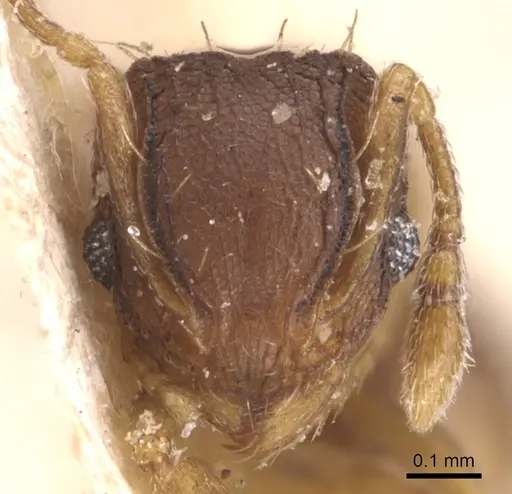
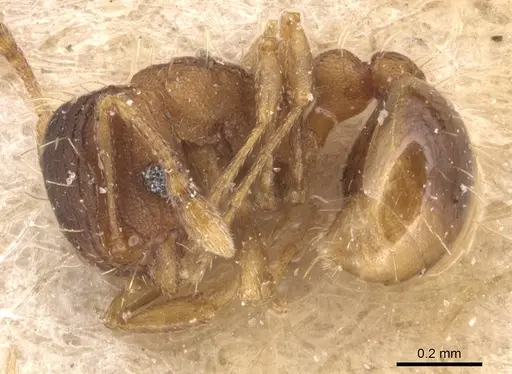
CASENT0904873
View on AntWeb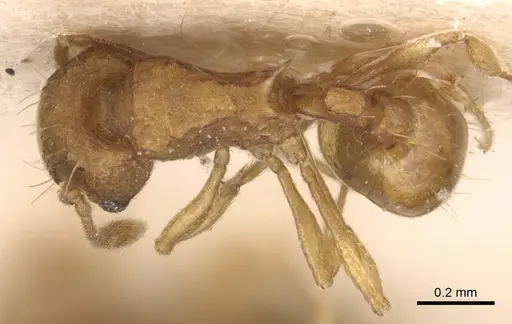
CASENT0904874
View on AntWeb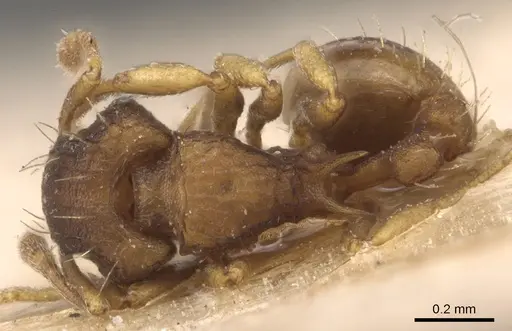
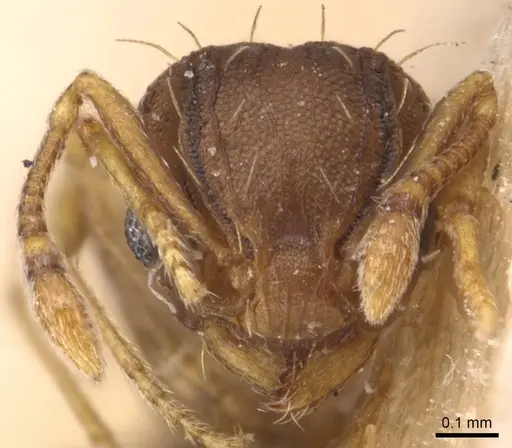
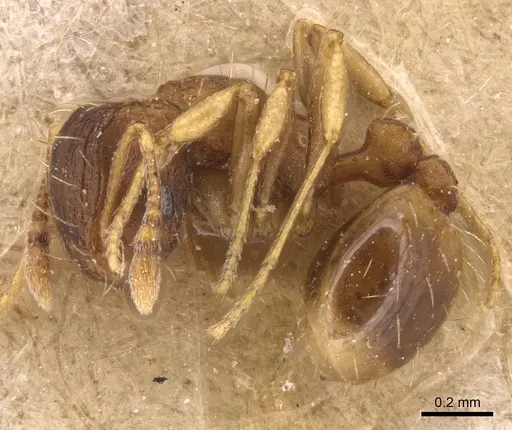
CASENT0909212
View on AntWeb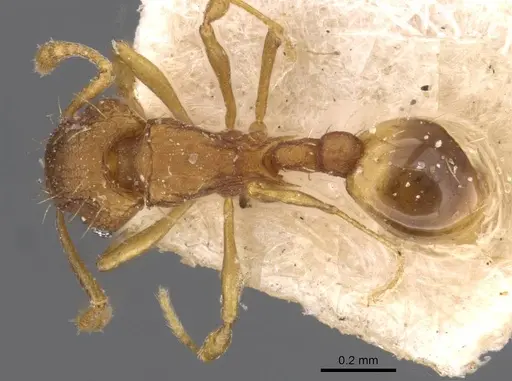
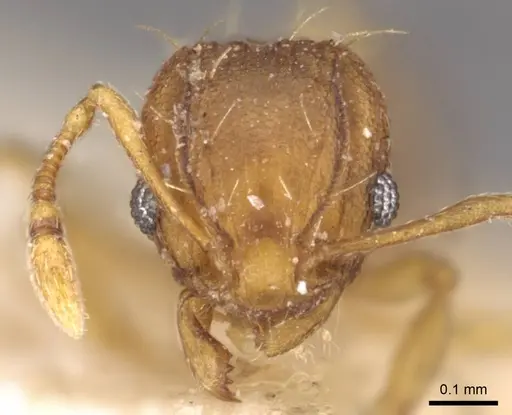
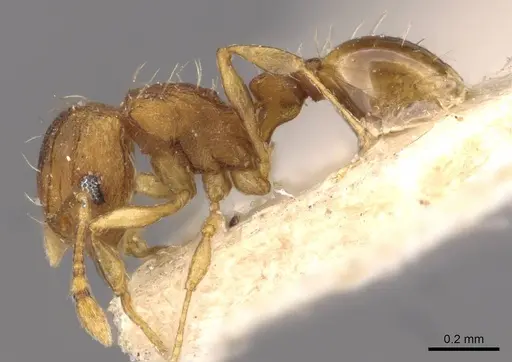
CASENT0909213
View on AntWeb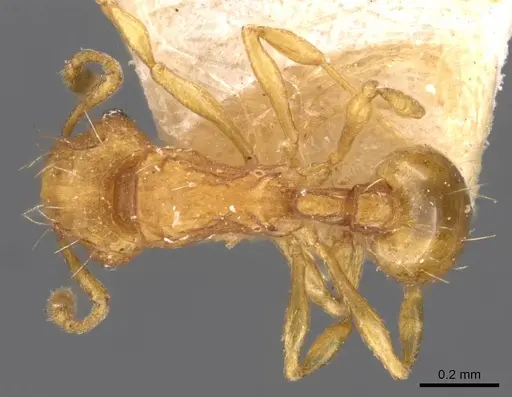
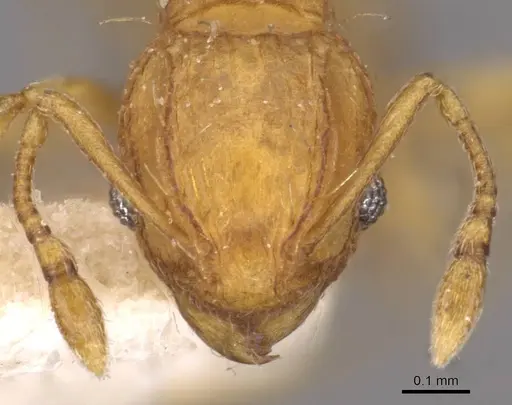
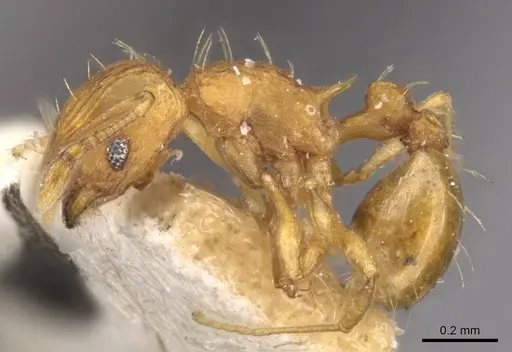
CASENT0909217
View on AntWeb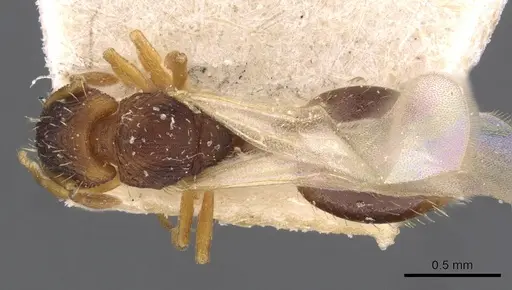
CASENT0912541
View on AntWeb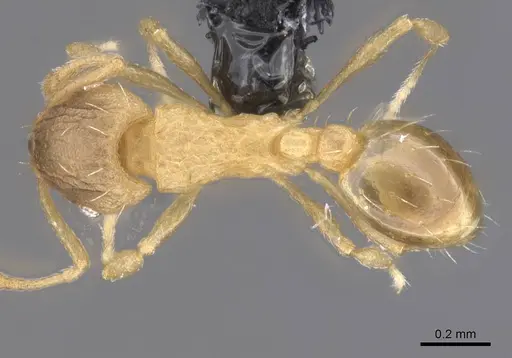
CASENT0912542
View on AntWeb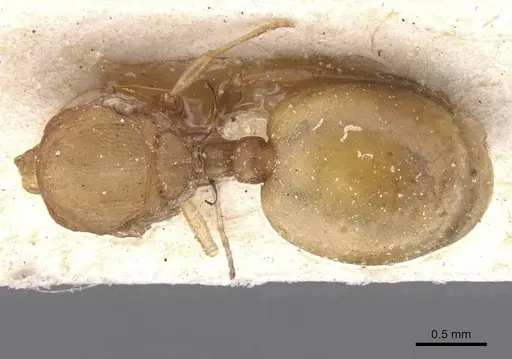
CASENT0912543
View on AntWeb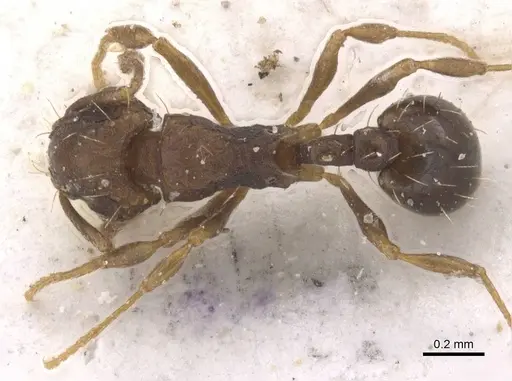
CASENT0922487
View on AntWeb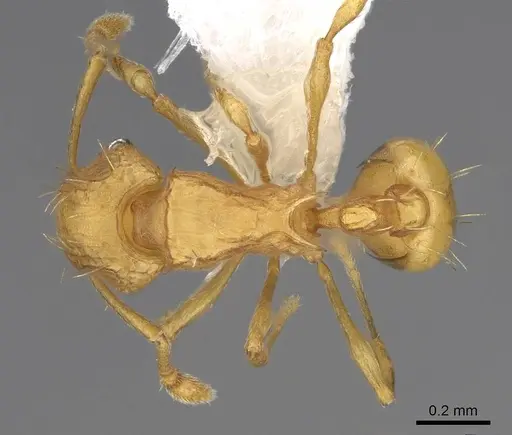
CASENT0922488
View on AntWeb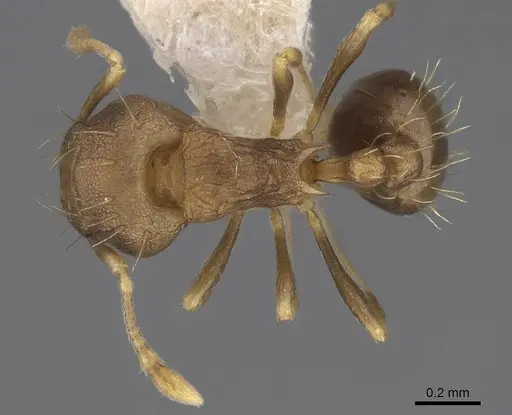
CASENT0922489
View on AntWeb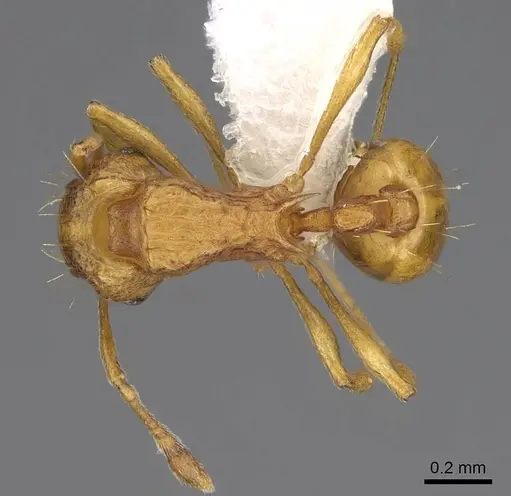
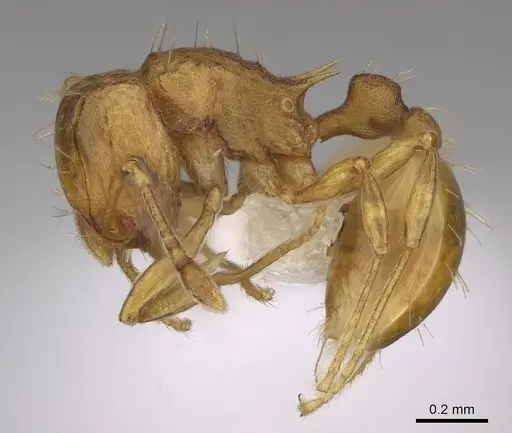
CBUMAGENT41978
View on AntWeb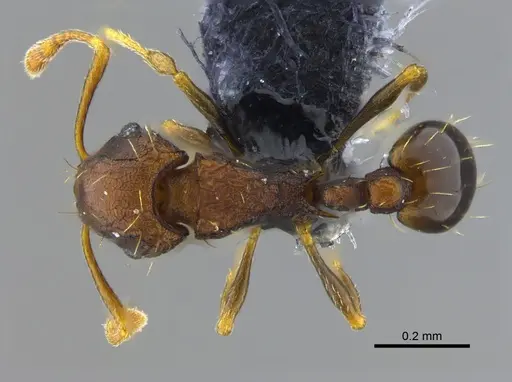
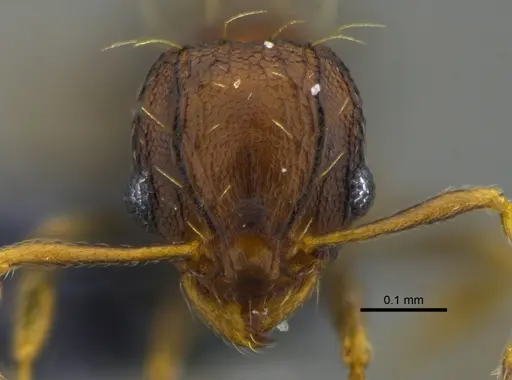
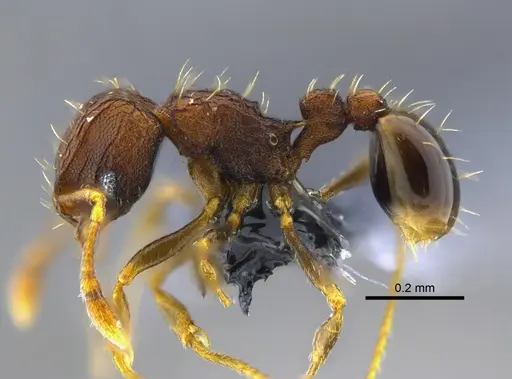
CSIRONC0168
View on AntWeb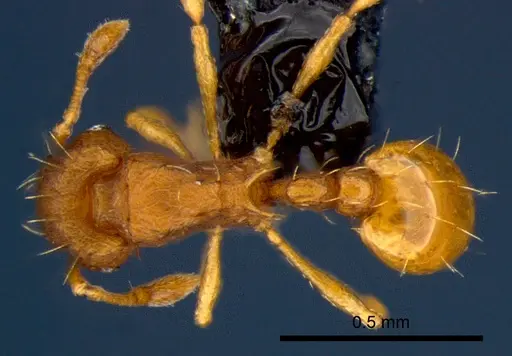
ECOFOG-IT14-1016-34
View on AntWeb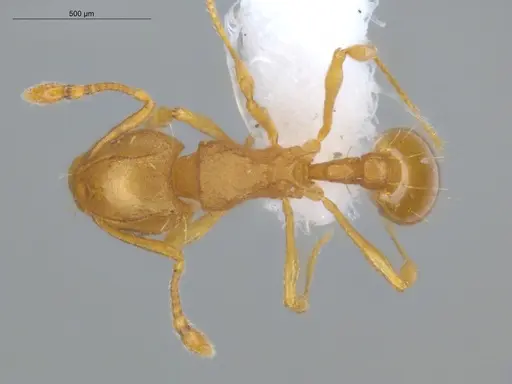
FOCOL0065-1
View on AntWeb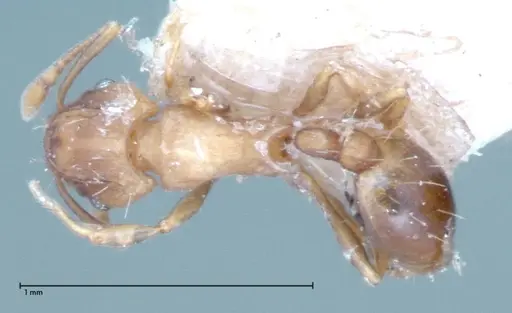
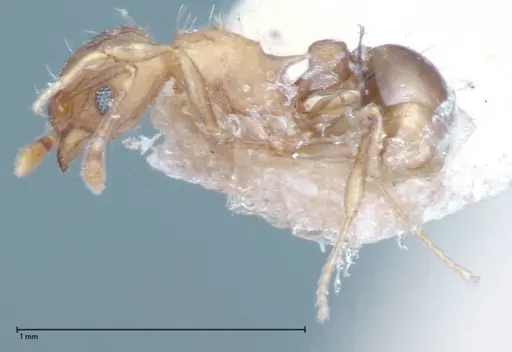
FOCOL0065-2
View on AntWeb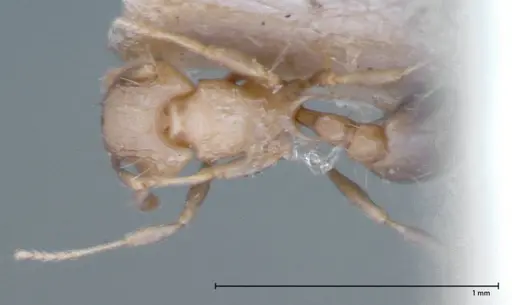
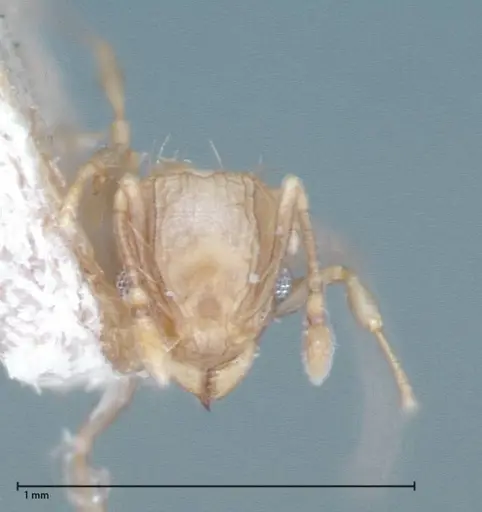
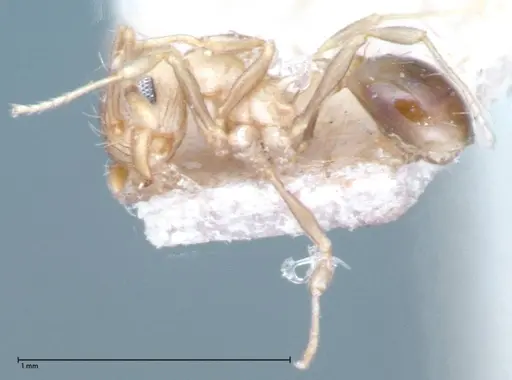
FOCOL0708
View on AntWeb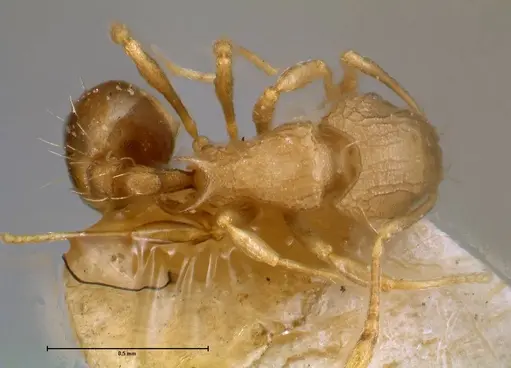
USNMENT00412165
View on AntWeb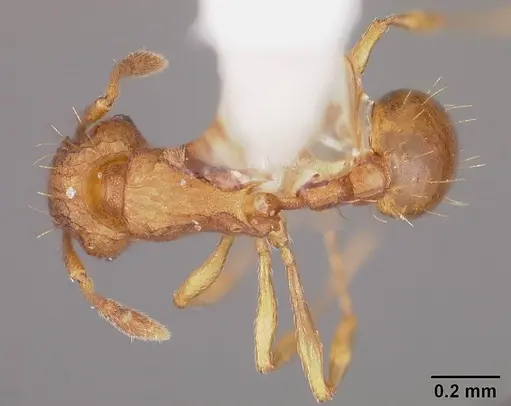
Literature
Loading...Loading products...