Tapinoma melanocephalum shows a January to December flight window. Peak activity occurs in January, with nuptial flights distributed across 3 months.
Tapinoma melanocephalum
- Scientific Name
- Tapinoma melanocephalum
- Tribe
- Tapinomini
- Subfamily
- Dolichoderinae
- Author
- Fabricius, 1793
- Common Name
- Black-headed Ant, Ghost Ant
- Distribution
- Found in 23 countries
- Nuptial Flight
- from January to December, peaking in January
AI Identifiable
try →
Tapinoma melanocephalum Overview
Tapinoma melanocephalum (commonly known as the Black-headed Ant, Ghost Ant) is an ant species of the genus Tapinoma. It is primarily documented in 23 countries , including Australia, Brazil, China. Detailed taxonomic data and occurrence records can be further explored via authoritative databases such as AntWeb or the Global Biodiversity Information Facility (GBIF).
The nuptial flight of Tapinoma melanocephalum is a significant biological event, typically occurring from January to December, peaking in January. During this time, winged queens and males leave the nest to mate and establish new colonies.
Tapinoma melanocephalum - "Black-headed Ant, Ghost Ant"
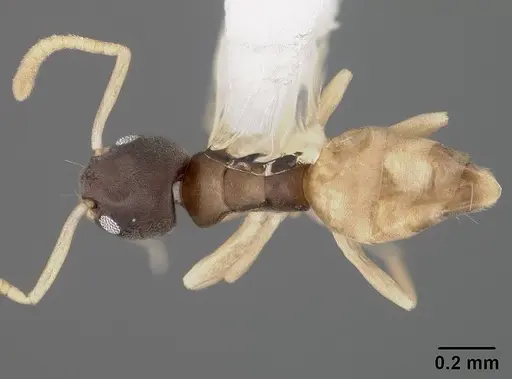
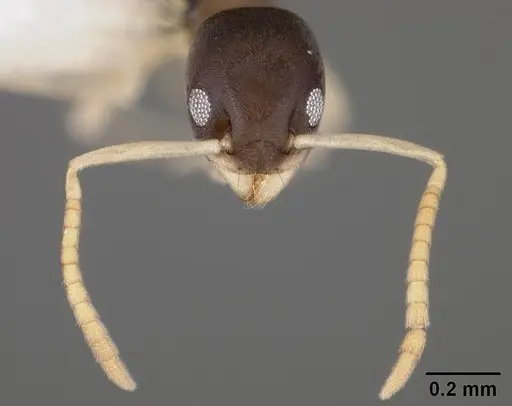
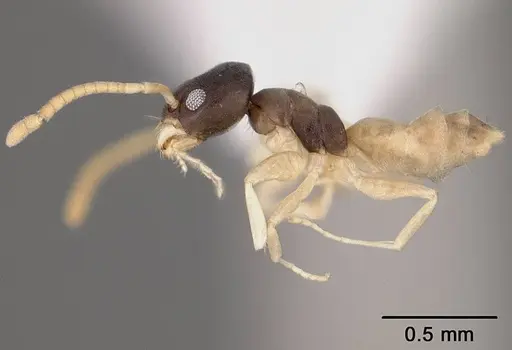
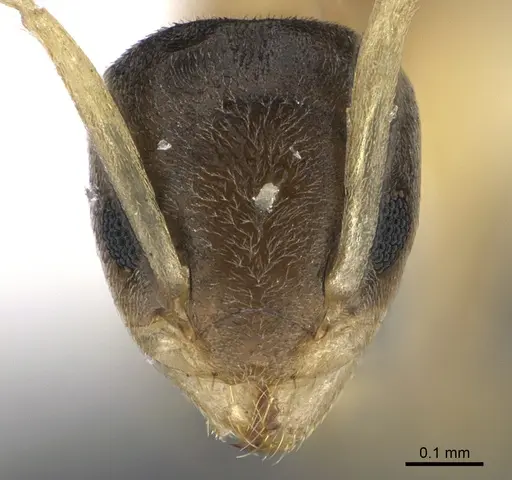
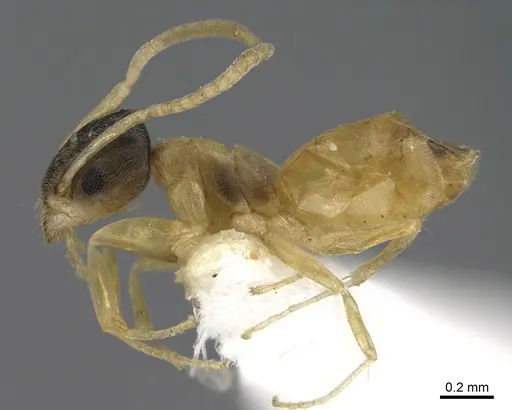
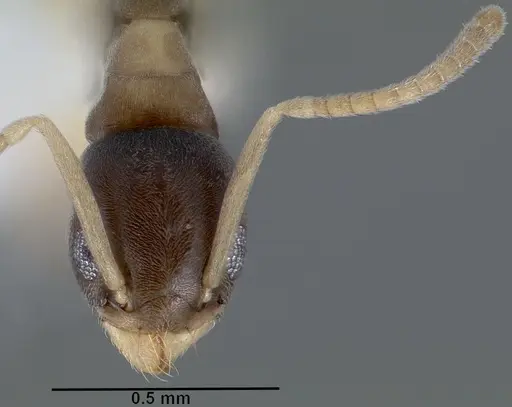
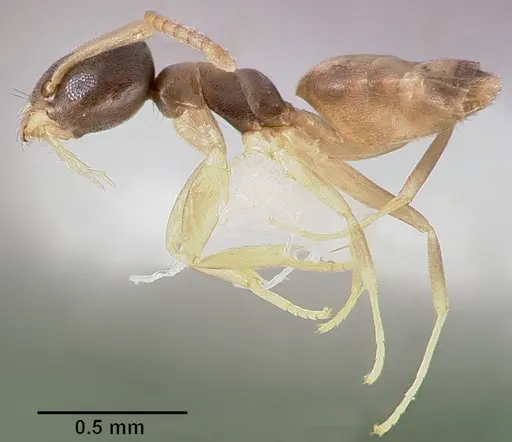
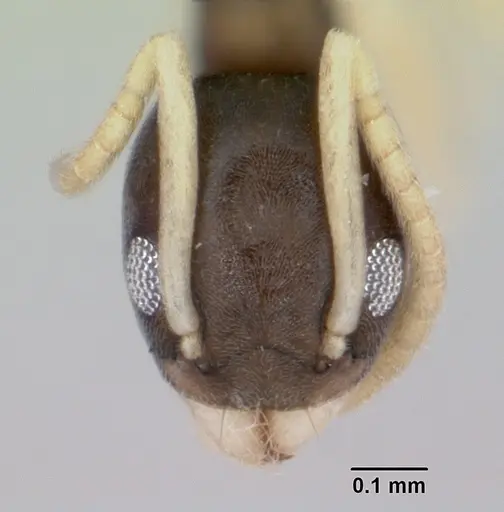
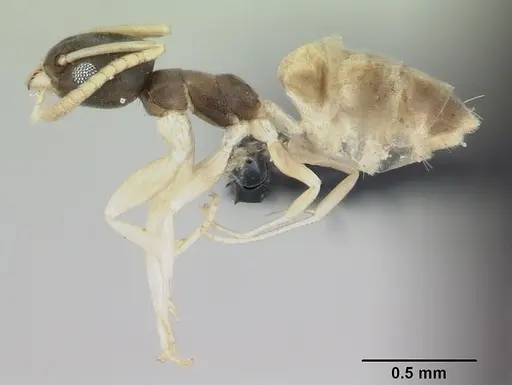
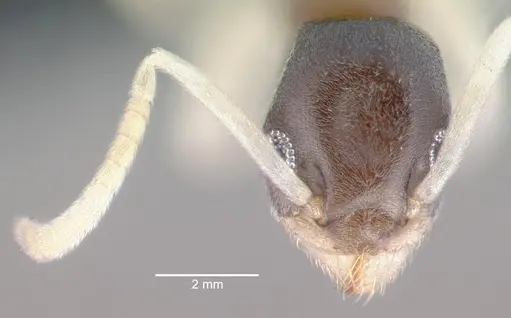
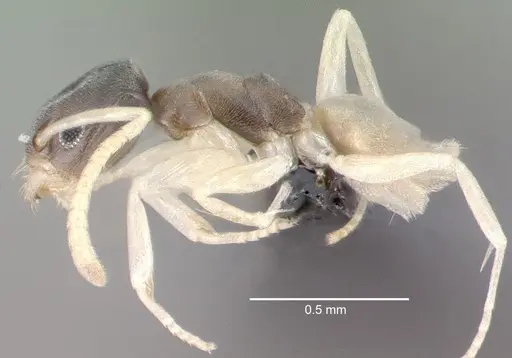
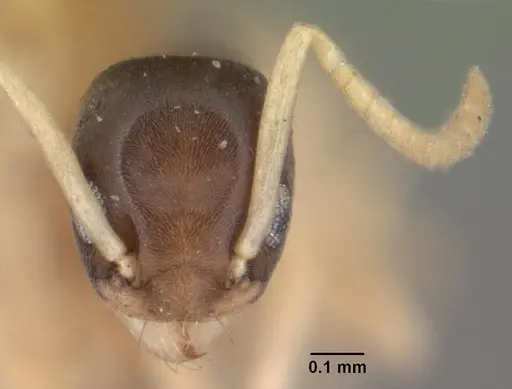
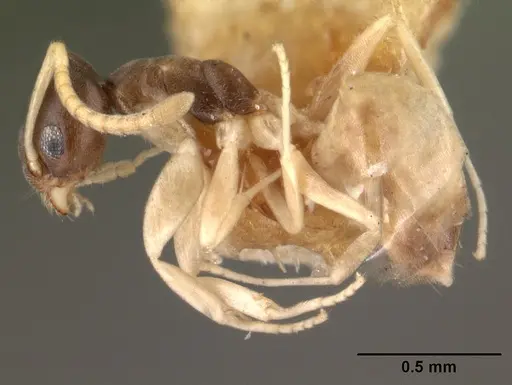
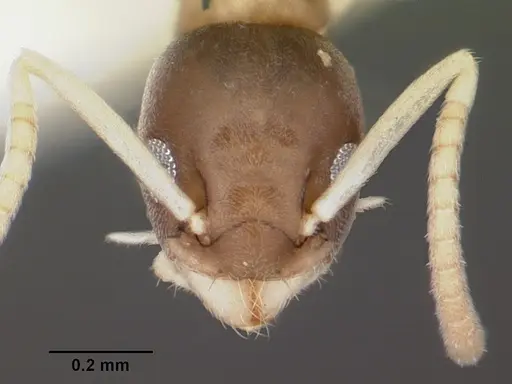
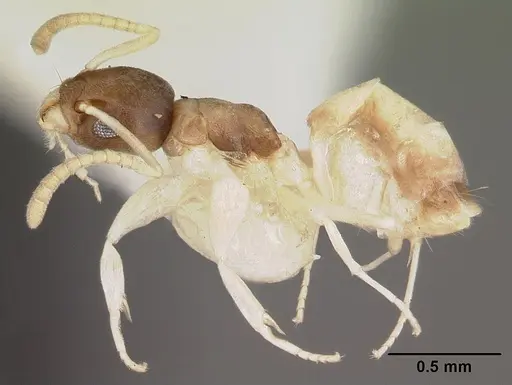
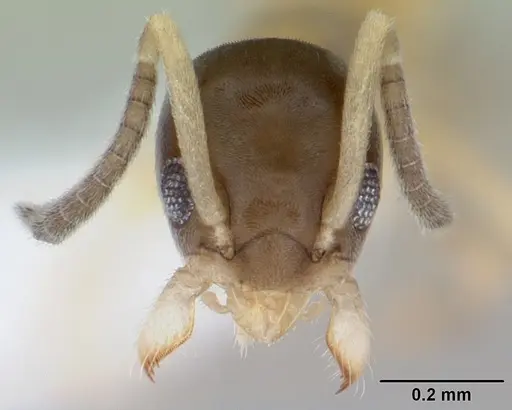
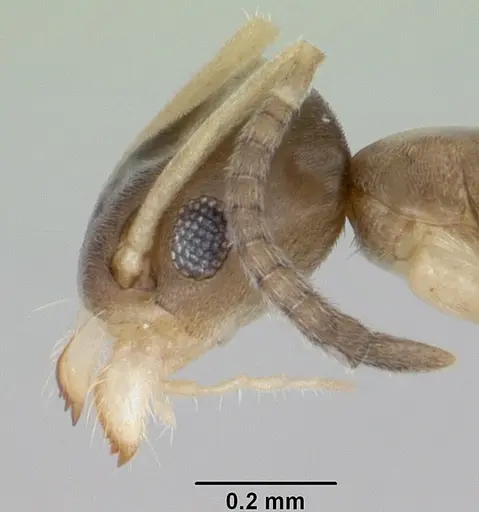
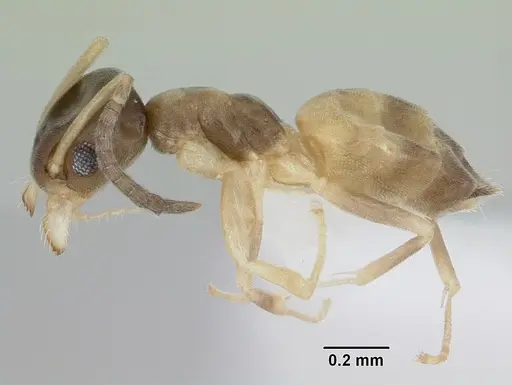
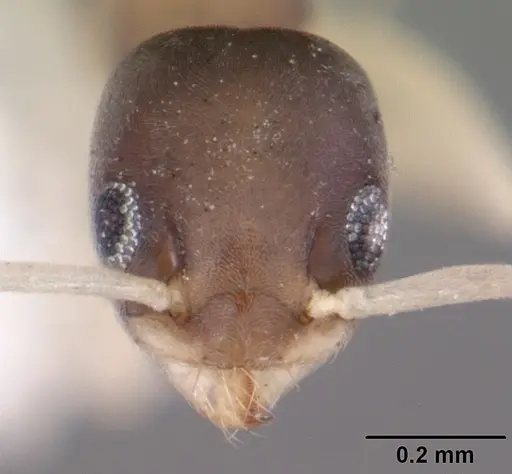
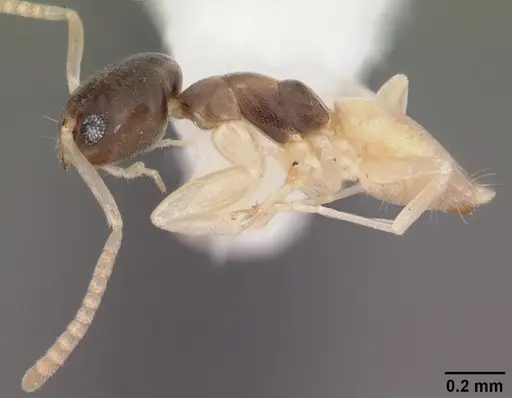
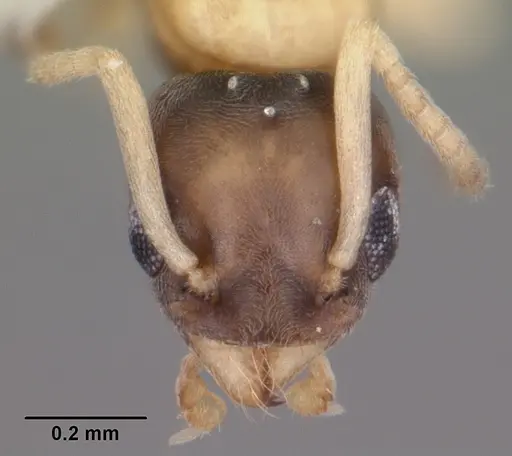
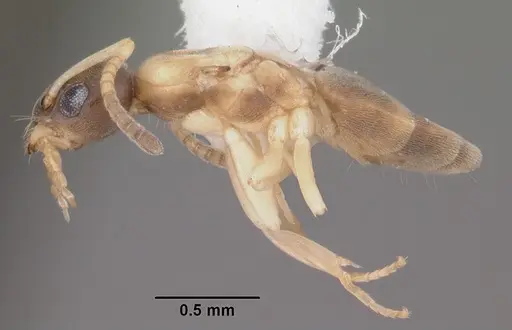
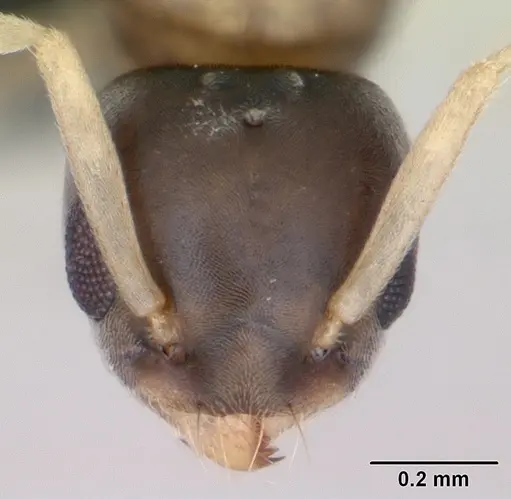
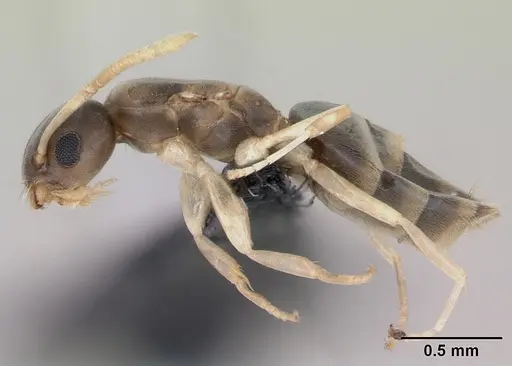
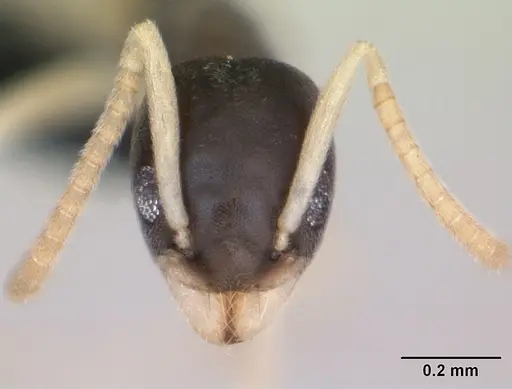
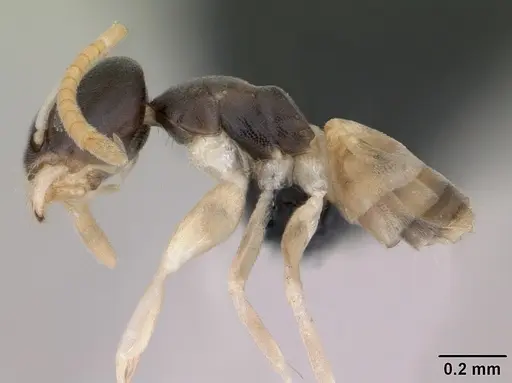
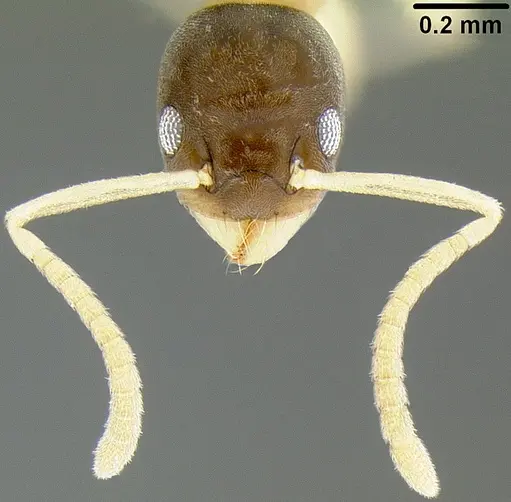
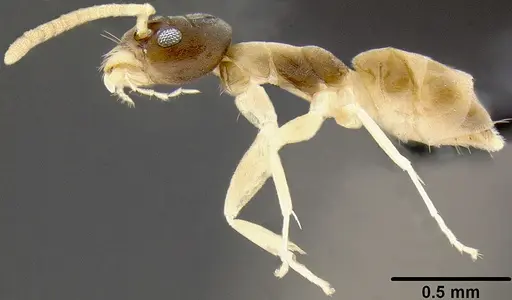
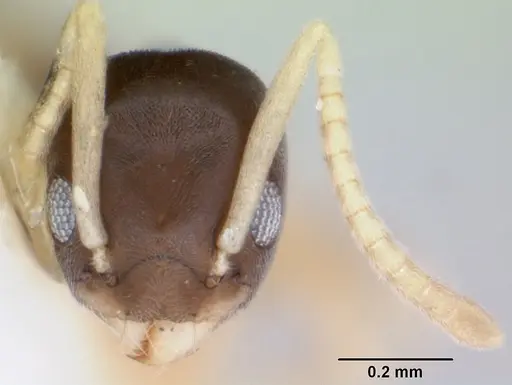
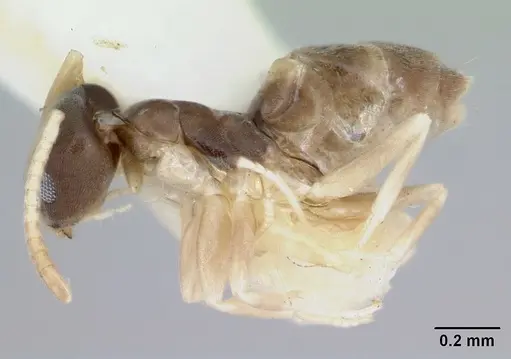
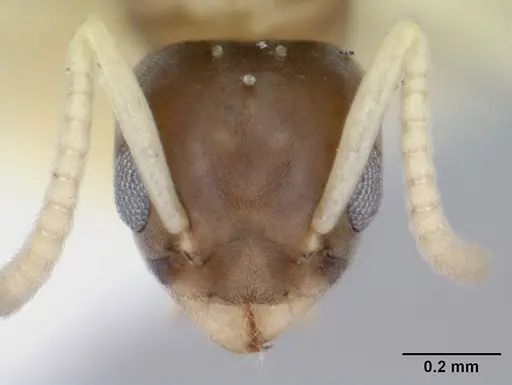
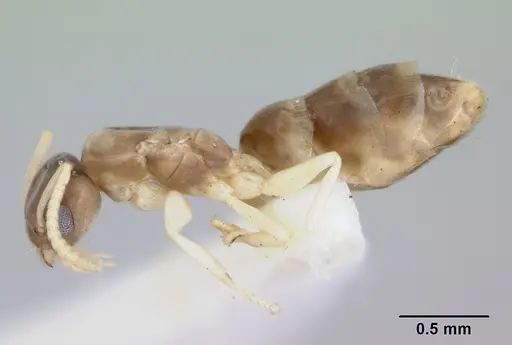
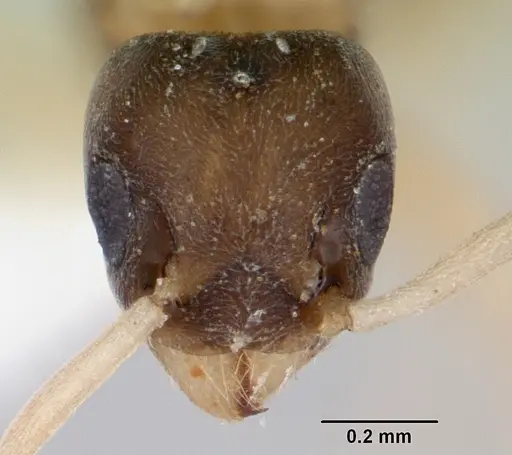
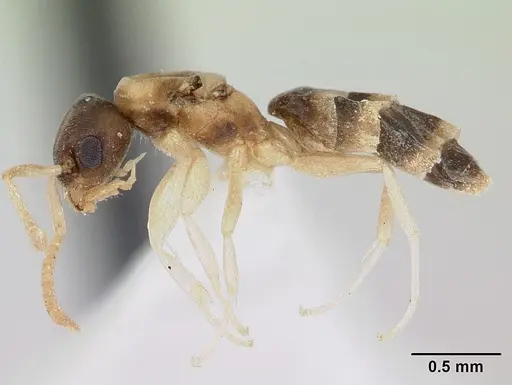
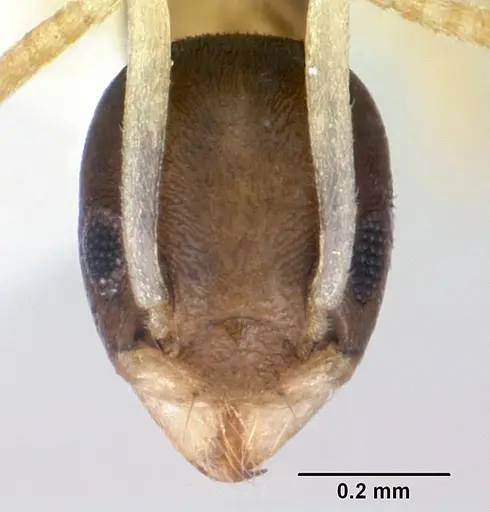
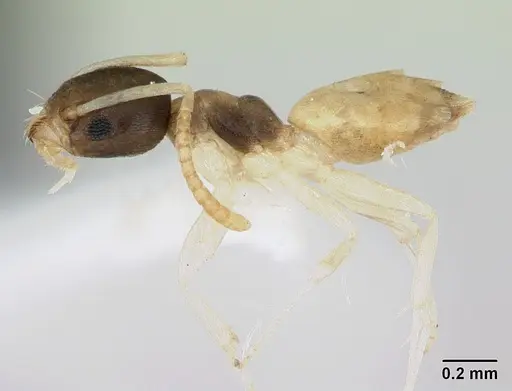
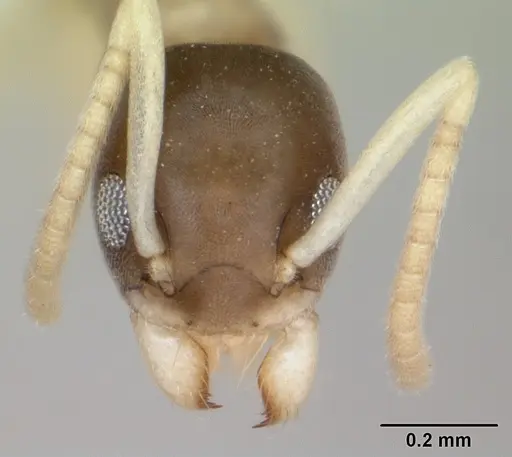
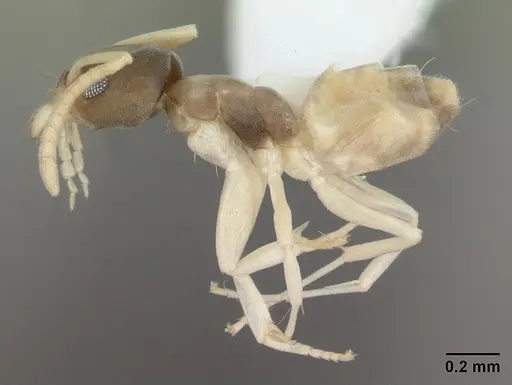
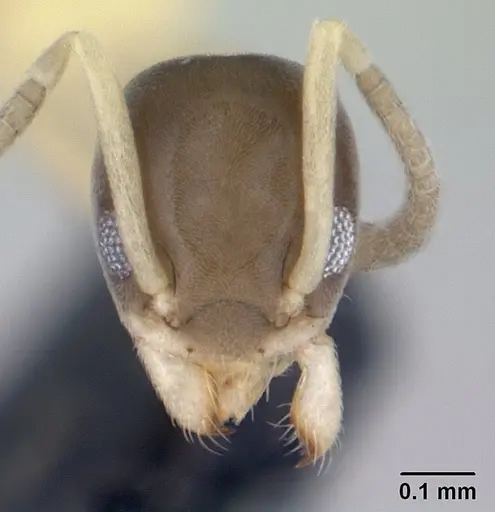
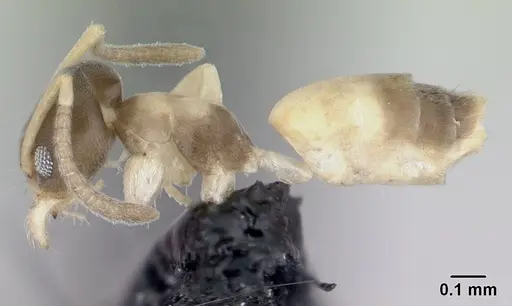
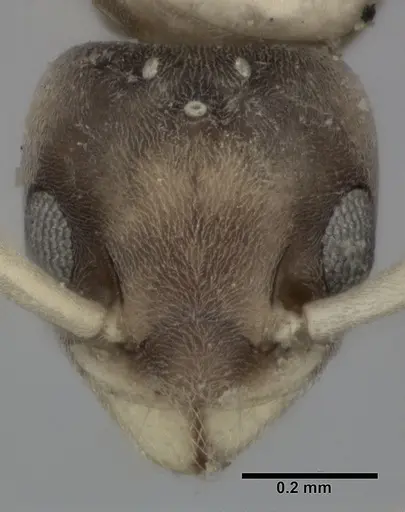
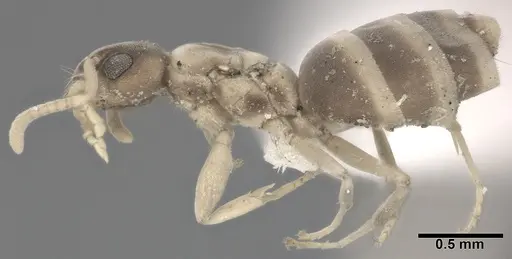
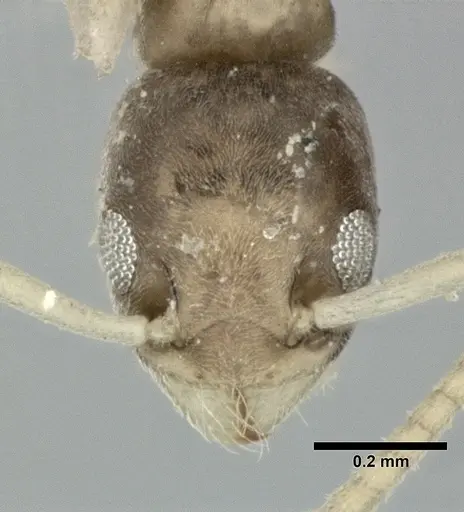
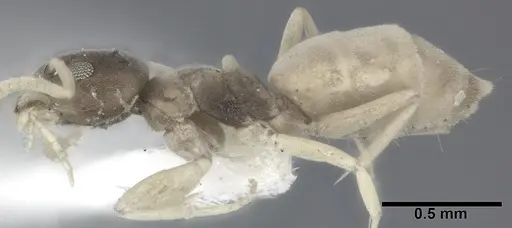
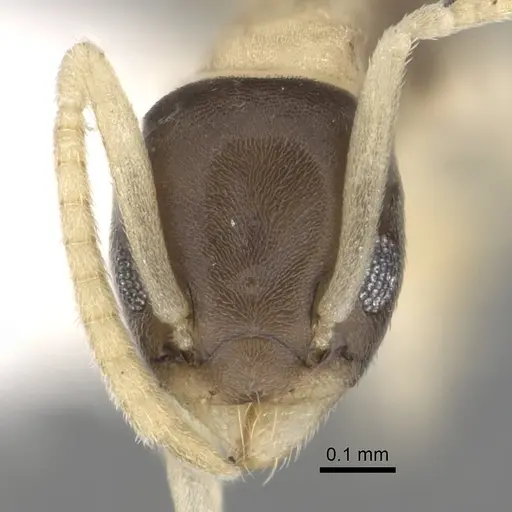
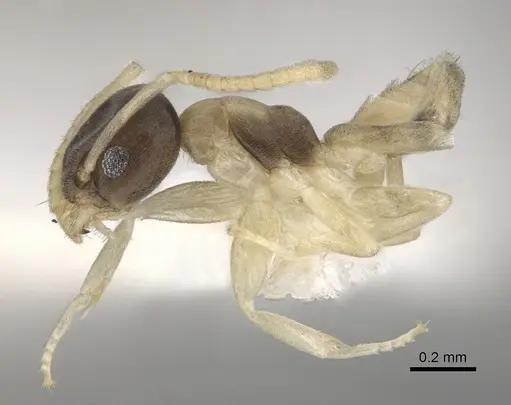
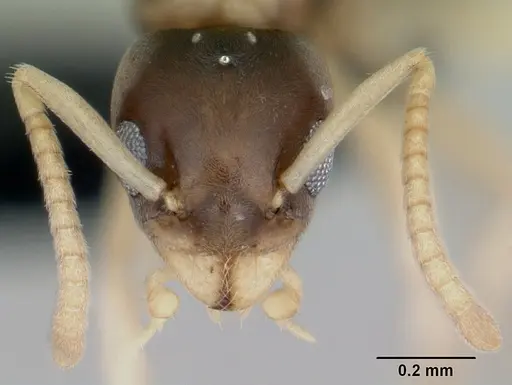
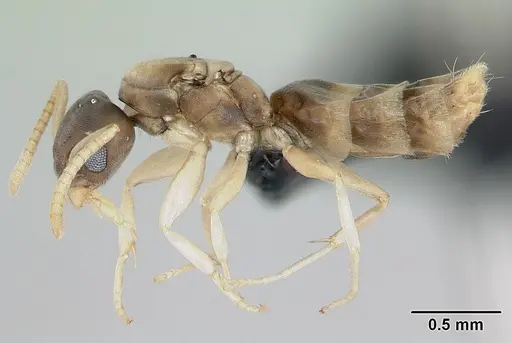
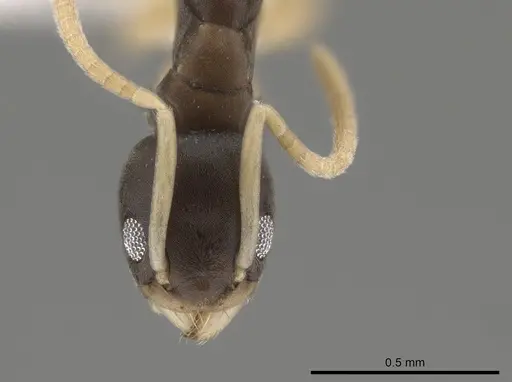
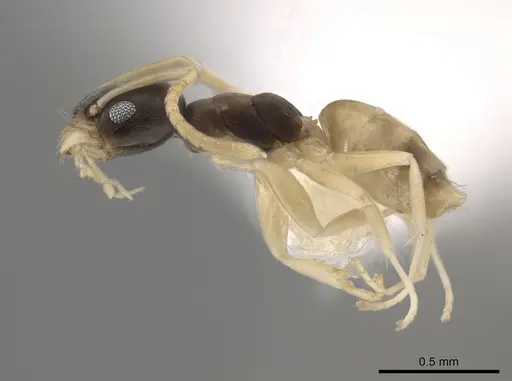
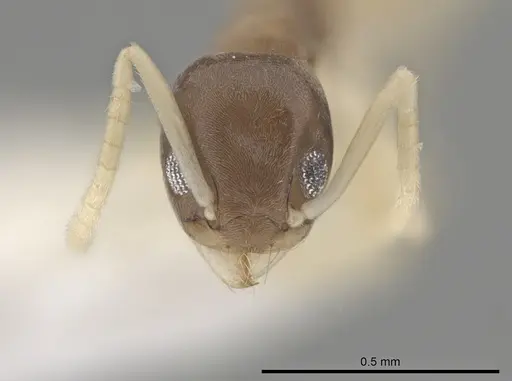
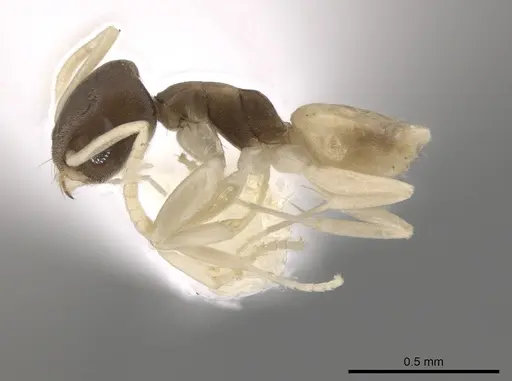
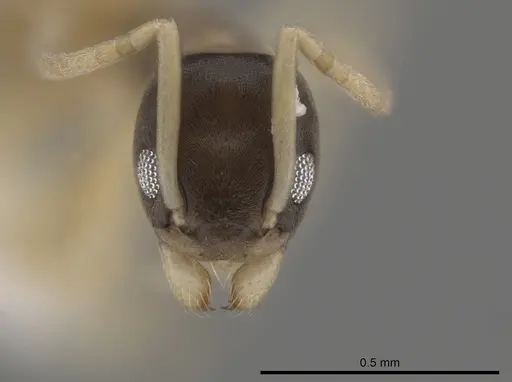
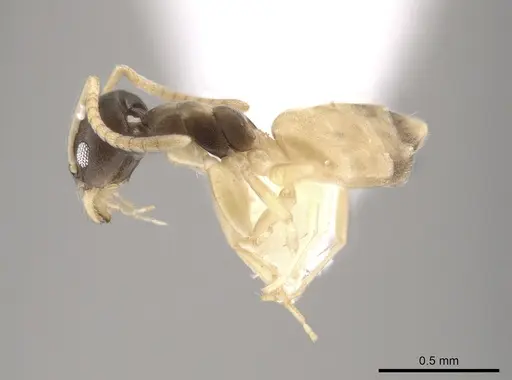
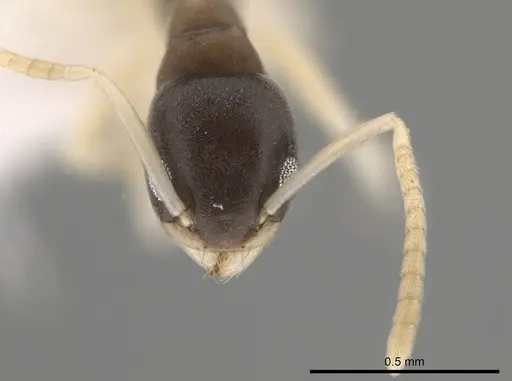
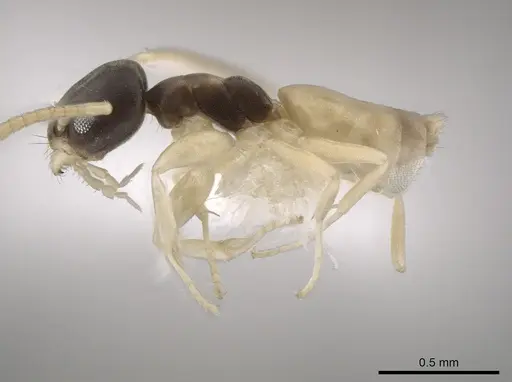
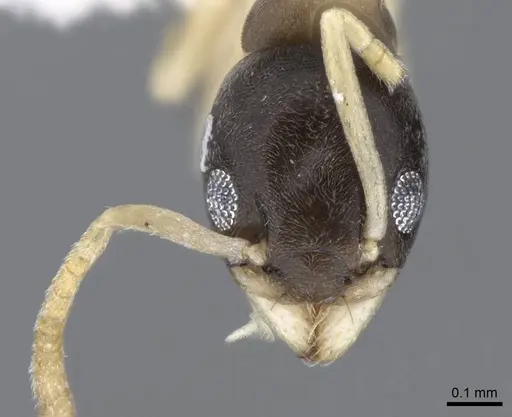
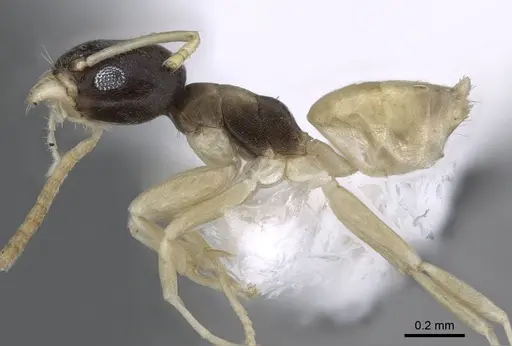
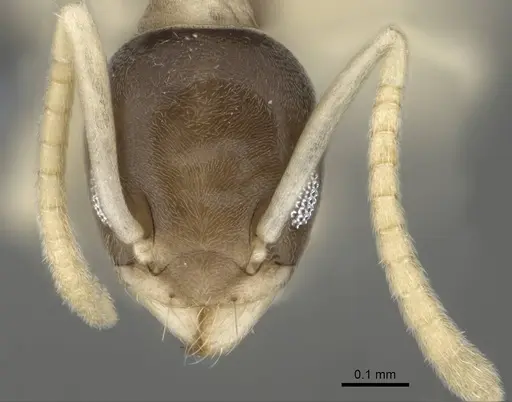
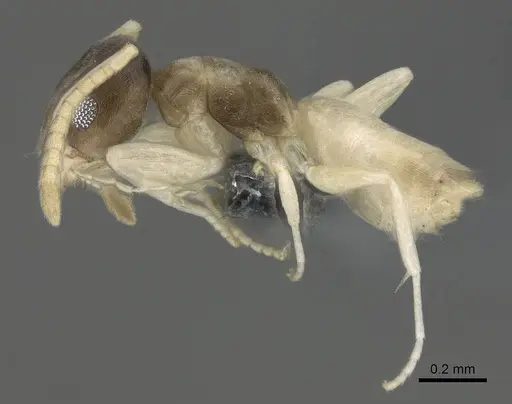
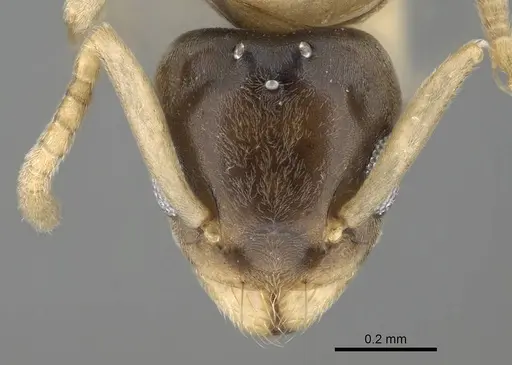
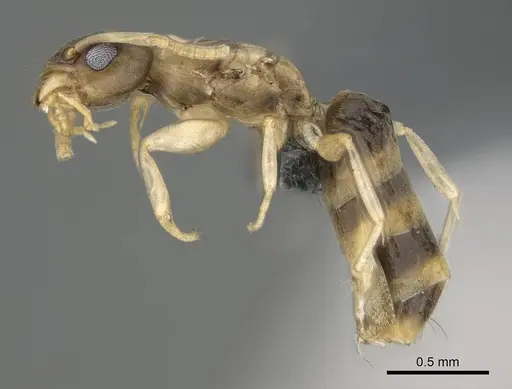
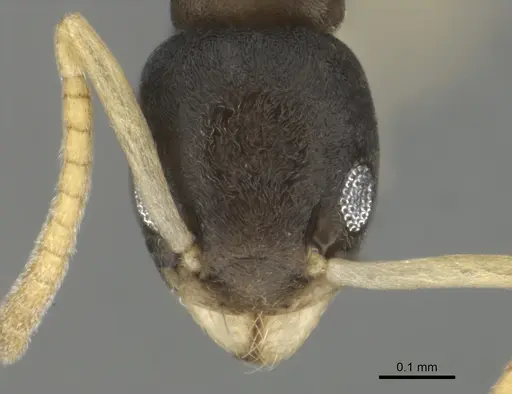
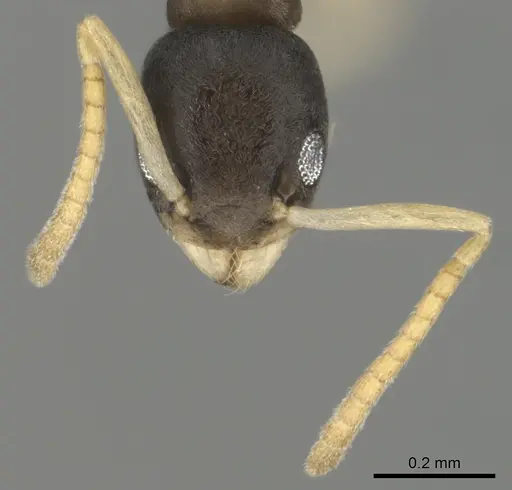
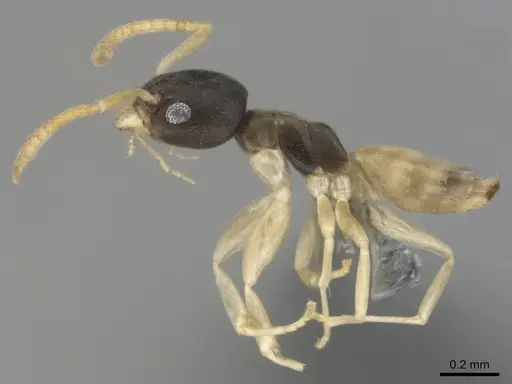
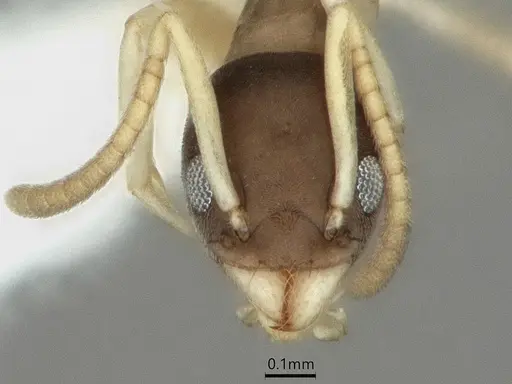
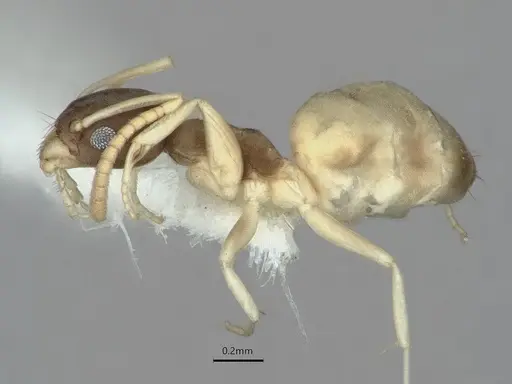
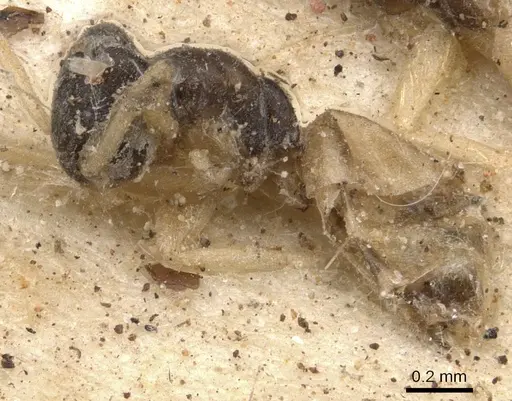
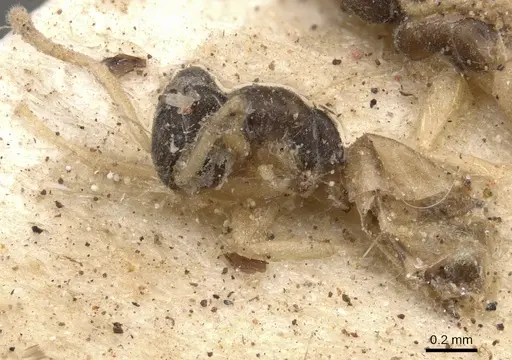
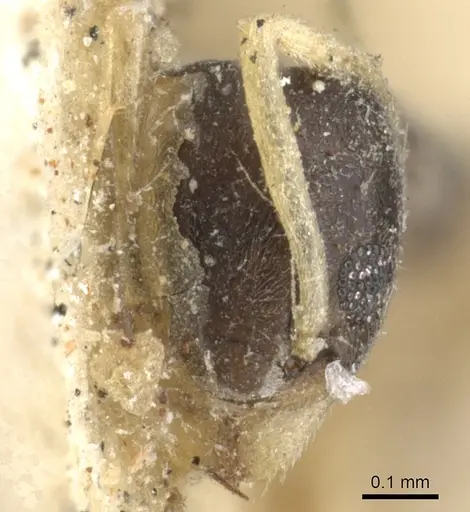
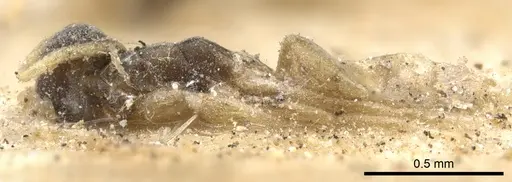
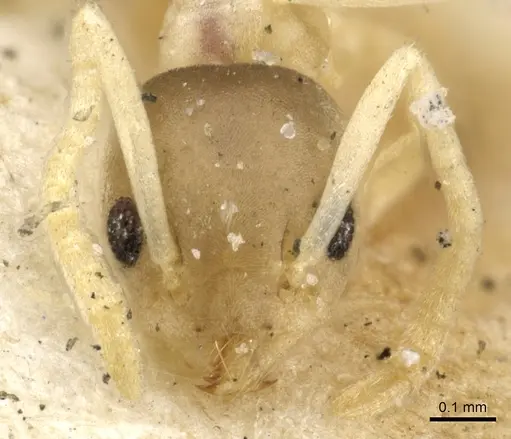
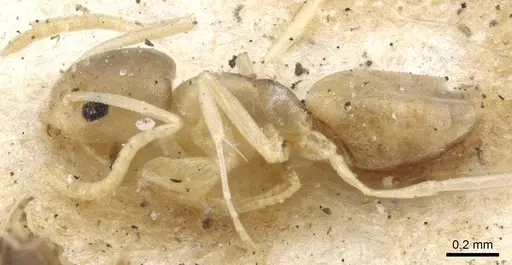
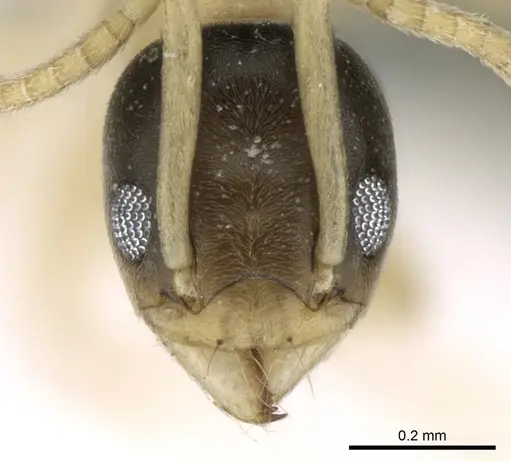
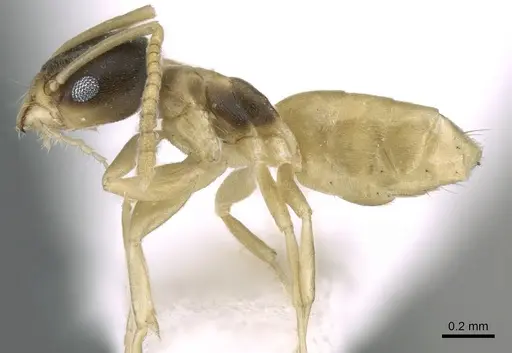
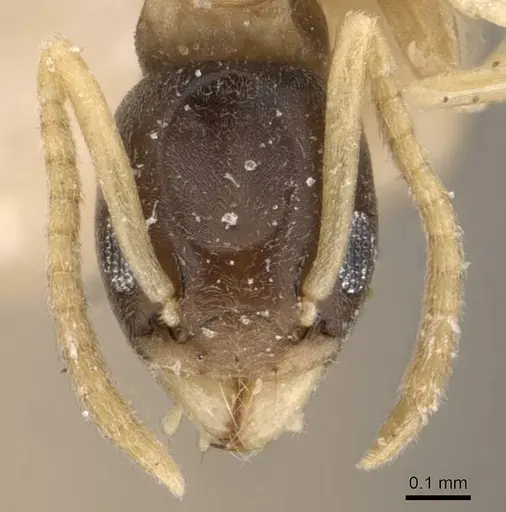
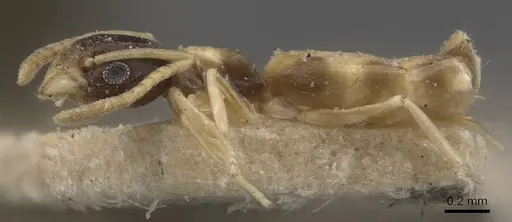
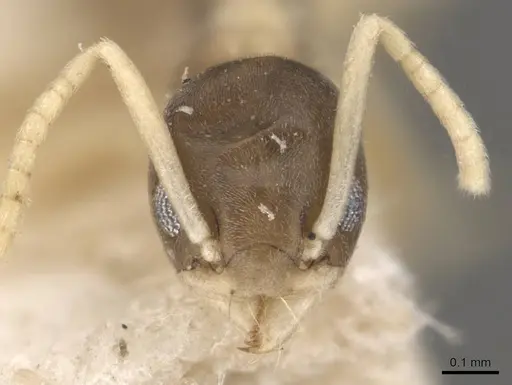
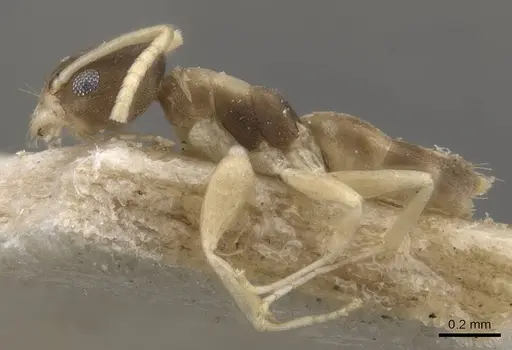
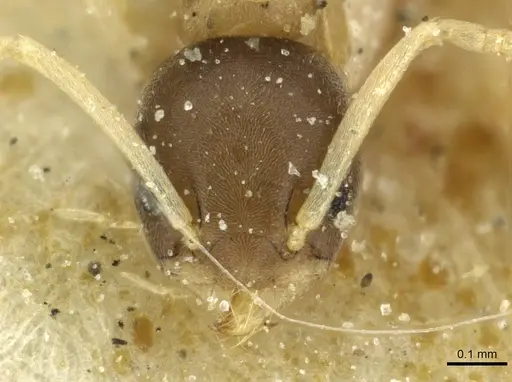
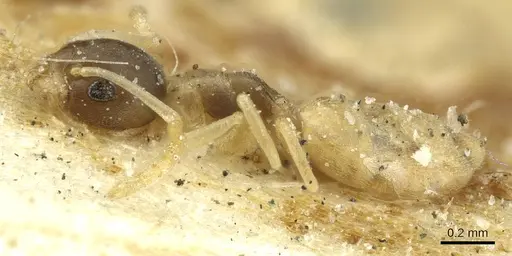
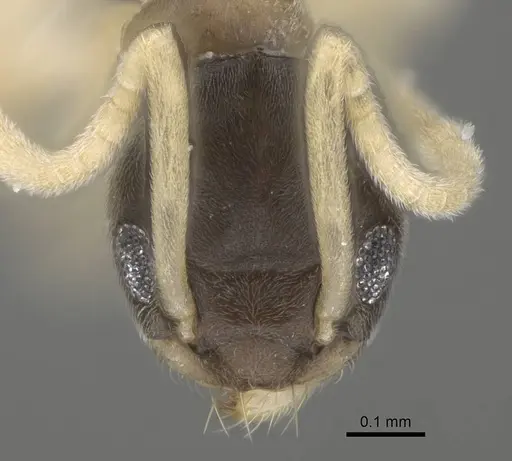
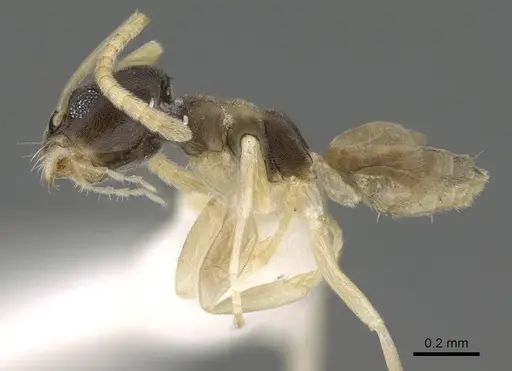
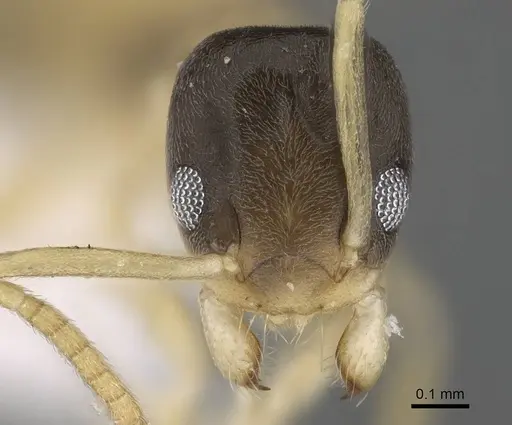
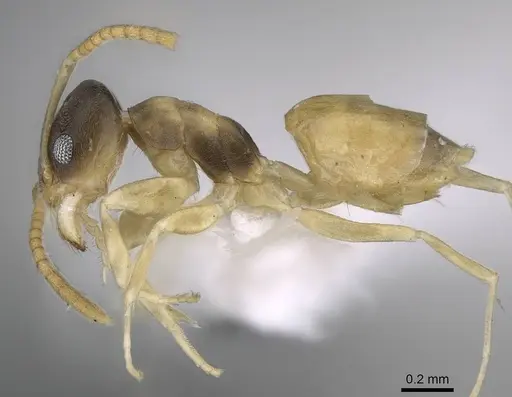
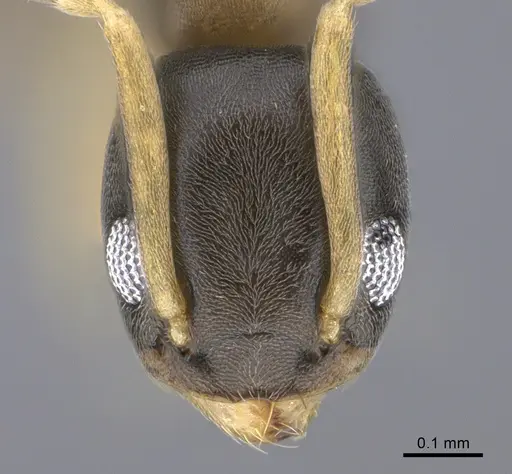
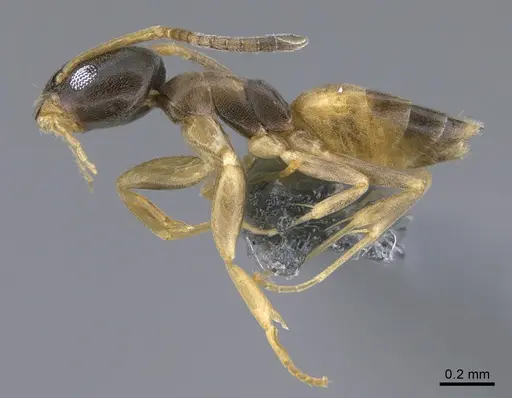
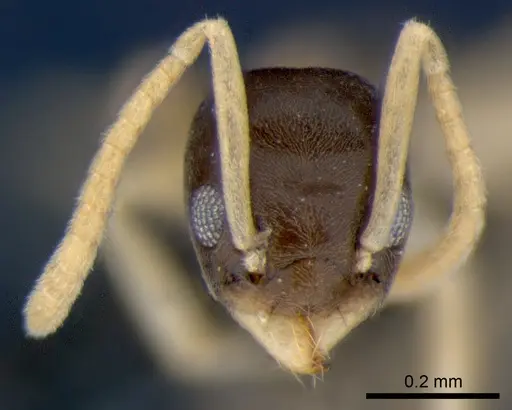
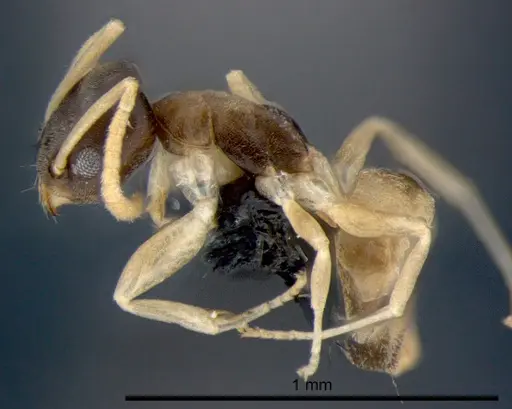
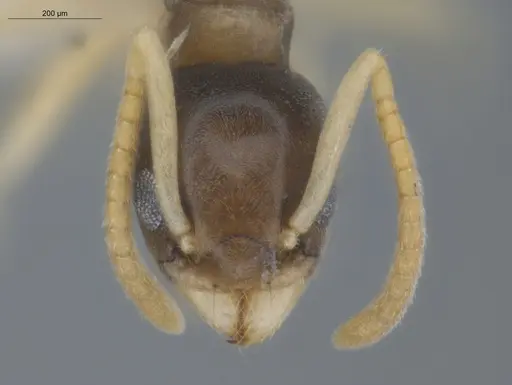
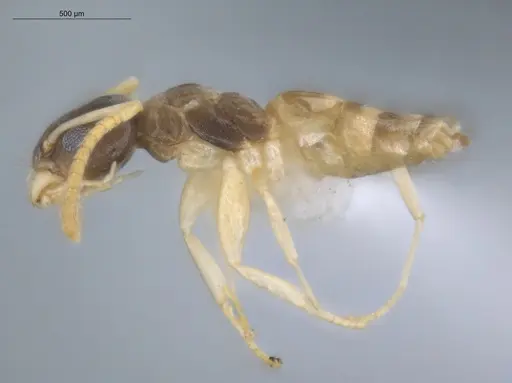
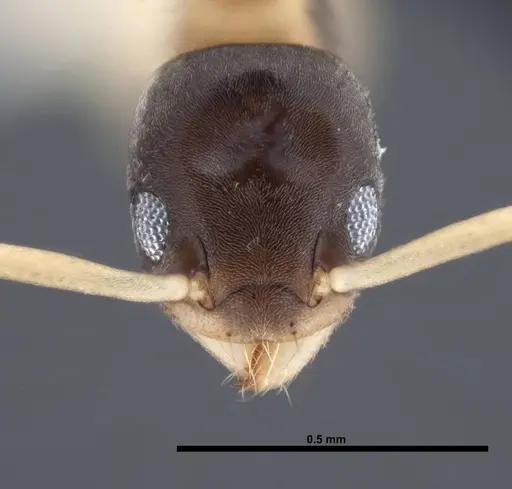
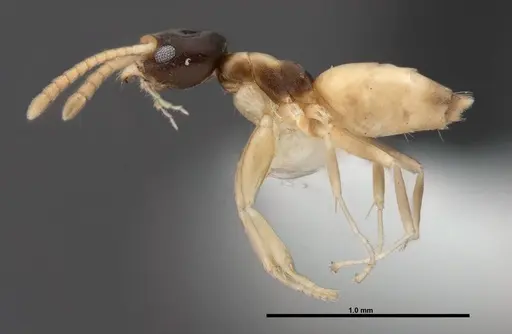
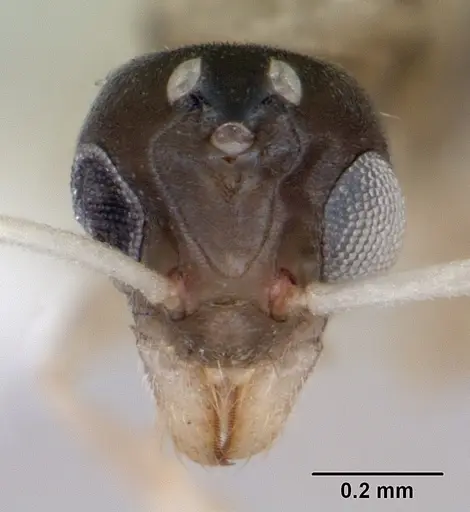
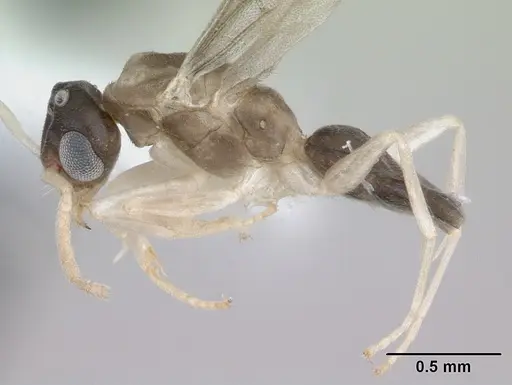
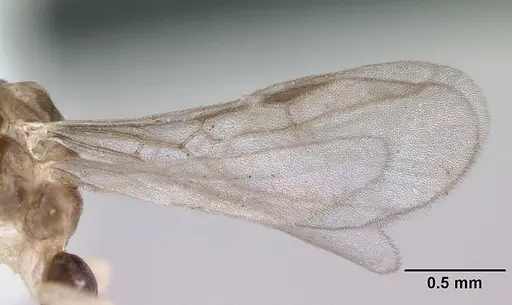
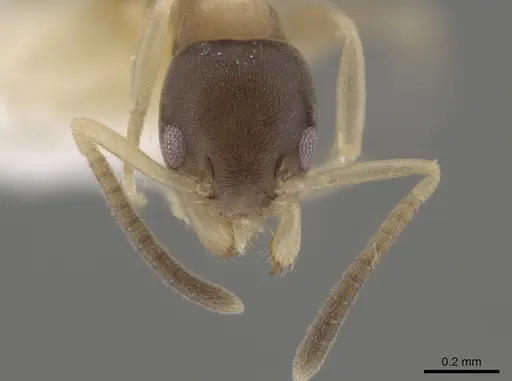
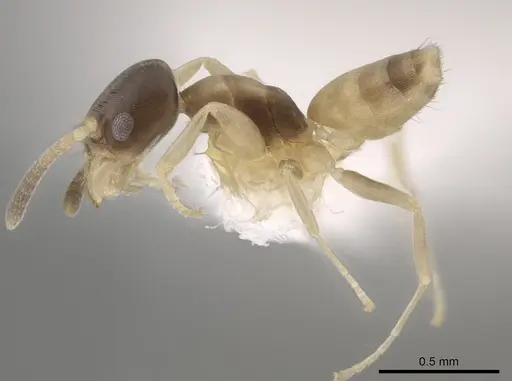
The ghost ant is one of the smallest and most widespread ant species in the world, with workers measuring just 1.5-2.0 mm total length [1][2]. Workers are distinctly bicolored: the head and thorax are dark brown to black, while the legs, antennae, and abdomen are pale yellow to almost translucent, this ghostly appearance gives the species its common name [2]. They move extremely fast in erratic, zigzag runs. The petiole is small and often hidden by the overhanging gaster [3]. They belong to the subfamily Dolichoderinae and lack a functional sting, instead, they secrete sticky, foul‑smelling compounds from pygidial glands as a defense [4].
This ant has one of the widest distributions of any ant species, occurring across tropical and subtropical regions worldwide. Its native range is believed to be the Indo‑Pacific region [2]. It thrives in human‑modified habitats and is a common pest in homes, restaurants, hospitals, and greenhouses. In temperate latitudes (above 30°), it survives almost exclusively inside heated buildings [2]. Colonies are polygynous (multiple queens) and frequently relocate their nests, making them highly adaptable [5]. Because of its invasive potential, this species must never be released into the wild.
Quick Summary
- Difficulty: Expert
- Origin & Habitat: Native range uncertain, likely Indo‑Pacific region (Southeast Asia). Now found worldwide in tropical and subtropical areas, and in heated buildings in temperate zones [2]. Occurs in diverse habitats including forests, grasslands, agricultural areas, and urban environments. Nests in soil, under stones, in rotting wood, tree bark, plant cavities, and inside buildings [1]. Prefers warm, humid, disturbed sites.
- Colony Type: Polygynous (multiple queens per colony,1-25 documented) and polydomous (multiple nest sites). Unicolonial, little to no aggression between colonies. Colonies reproduce by budding rather than nuptial flights, queens may be distributed among subcolonies and workers move freely between nests [5][6][7].
- Size & Growth:
- Queen: Precise total length data unavailable. Queens are slightly larger than workers, mesosoma length about 0.74 mm (0.59-0.83 mm) [5].
- Worker: 1.5-2.0 mm total length (typically about 1.5 mm) [1][2].
- Colony: Up to about 1000 workers, occasionally more [8].
- Growth: Fast, establishing quickly and growing rapidly thanks to multiple queens and budding.
- Development: Not specifically documented for this species, based on small size and warm conditions, likely around 4-6 weeks at 25-28 °C. (Development speeds up with higher temperatures (25-32 °C). First workers (nanitics) appear relatively quickly compared to larger ants.)
- Antkeeping:
- Temperature: Maintain at 24-28 °C for optimal growth. Workers can tolerate 15-35 °C if humidity is high, but survival drops sharply below 20 °C [9]. In temperate climates, provide gentle bottom heat if room temperature falls below 18 °C.
- Humidity: Needs very high humidity, optimal at around 96% relative humidity. Workers are extremely sensitive to desiccation, at
- Diapause: No, this tropical species does not hibernate. In heated buildings it stays active year‑round. No special cooling period is needed.
- Nesting: Prefers small, shallow, moist cavities. Use test tube setups (with wet cotton), Y‑tong (AAC), plaster, or 3D‑printed nests, never acrylic. Small chambers and tight spaces work best. A naturalistic setup with moist substrate, bark, and leaf litter mimics their wild nesting sites.
- Behavior: Workers are extremely fast and erratic, forming clear foraging trails and quickly recruiting nestmates to food [10]. They are not aggressive and flee rather than fight. They do not sting, they defend themselves by depositing venom from the pygidial gland [4]. Their bite is barely noticeable [2]. When crushed, they give off a coconut‑like or unpleasant odor. They are strongly attracted to sugary foods and can penetrate sealed packaging. Colonies frequently relocate over a few hours, this is normal and not a sign of colony death.
- Common Issues: invasive species, never release. WARNING: Tapinoma melanocephalum is an invasive tramp species established worldwide. It must not be released into the wild. If you cannot keep the colony, find another keeper or humanely dispose of it., escape prevention is critical, these tiny ants can slip through the smallest gaps. Use tight lids, fluon™ on rim edges, and fine mesh on any openings., low humidity kills quickly, maintain high moisture in the nest at all times. A dry setup can kill the colony within hours., colony relocation can be startling, if workers seem to disappear, check all dark corners and crevices in the setup before assuming the colony is dead., they may drown in open water dishes, provide water via saturated cotton, water gel, or a test‑tube water supply.
Nuptial Flight Activity Analysis 122 observations
Flight Activity by Hour 122 observations
Tapinoma melanocephalum nuptial flight activity peaks around 16:00 during the afternoon. Activity is spread across a 16-hour window (08:00–23:00). A secondary activity peak occurs around 20:00. Times may be influenced by human observation patterns.
Housing and Setup
Because ghost ants are so tiny, you need a sealed, escape‑proof enclosure. Start a new colony in a small test tube with a cotton plug that stays moist, this provides the high humidity they need. Connect the tube to a small outworld where you can place food. For larger colonies, use Y‑tong (AAC), plaster, or a 3D‑printed nest with small chambers. Never use acrylic nests, as they don't retain moisture well. The nest should be dark and slightly damp. They often nest in cramped spaces, think of small cracks and cavities. A naturalistic setup with moist soil, pieces of bark, and dead leaves works great. Always cover ventilation holes with fine mesh (the ants are [9][6][10]
Feeding and Diet
Ghost ants have a strong preference for sweets. Offer sugar water (10-30 %), honey, or maple syrup as their main carbohydrate source [11][12]. They also need protein, feed them small insects like fruit flies, pinhead crickets, or pieces of mealworm, or offer dead insects. They scavenge readily. In lab tests, they strongly preferred chicken peptone as a protein source . Feed small amounts daily and remove uneaten sweet food after 24 h to avoid mold. A mix of sugar water and occasional protein keeps the colony healthy. They are quicker to accept liquid baits than gels or pastes [11].
Temperature and Seasonal Care
Keep the colony at 24-28 °C for best growth and brood production. They can survive from 15 °C to 35 °C if humidity is high, but development slows quickly below 20 °C [9]. In cooler rooms, use a heating mat on one side of the nest to create a gradient. This is a tropical species, it does not hibernate. No cooling period is required. If your room gets cold in winter, provide a small heat source to keep the nest above 20 °C. Humidity is even more critical than temperature: aim for 70-90 % RH in the nest area. Mist the outworld occasionally, but avoid pouring water directly into the nest.
Colony Dynamics and Behavior
Ghost ant colonies are polygynous: they contain multiple queens (1-25 recorded) that may be spread among different subcolonies [5]. This is normal, never try to reduce queen numbers. Workers are very fast and form long foraging trails. When you first move a colony, give it a day or two to settle before feeding. Colonies often relocate over a few hours, sometimes overnight, don't panic if the ants seem to vanish, check every hiding spot. They are not aggressive and never sting. Their main defense is releasing a smelly, sticky secretion from the pygidial gland, and they may raise their abdomen toward an attacker [4]. When crushed, they give off a coconut‑like odor.
Common Problems and Solutions
The biggest danger is low humidity, ghost ants are among the most desiccation‑sensitive species known [9]. Always keep the nest damp. Second is escape: seal everything with tight lids and fine mesh (they can flatten to
Frequently Asked Questions
Can I keep ghost ants in a test tube?
Yes, a test tube with a moist cotton plug is perfect for a young colony. The high humidity inside the tube suits them. Connect it to a small outworld where they can forage and you can place food. As the colony grows, you can add more tubes or upgrade to a larger nest [6][9].
How long until first workers appear?
Exact data are lacking, but based on their small size and warm conditions (25-28 °C), you can expect nanitics within 4-6 weeks. In a polygynous colony, queens lay eggs continuously, so new workers will appear regularly once the colony is established.
Can I keep multiple queens together?
Yes, ghost ants are naturally polygynous. Multiple queens per colony is normal and healthy. Do not separate them, doing so will harm the colony. Queens may live in different parts of the nest [5][6].
How often should I feed ghost ants?
Provide a few drops of sugar water daily or every other day, they need constant access to carbohydrates. Remove uneaten sweet food within 24 h. Offer protein (e.g., a small insect or piece of meat) 2-3 times a week. They prefer liquid food over solids [11][10].
What temperature do ghost ants need?
Keep them at 24-28 °C for optimal colony health. They can tolerate 20-32 °C but grow best in warm conditions. In cooler climates, use a heating mat on one side of the nest. They become sluggish below 20 °C and die if kept cold for long [9][2].
Why are my ghost ants dying?
70%. Other causes include cold (below 20 °C), starvation (they need a constant sugar source), or mold from rotting food. Check the environment first [9].
Are ghost ants good for beginners?
Despite being small and not stinging, they are not ideal for beginners because they require very high humidity and are an invasive species that must not be released. If you can maintain a consistently moist setup and prevent escapes, they can be interesting to watch. However, because of their invasive status, we recommend more experienced keepers only [6][9].
Do ghost ants need hibernation?
No, they are a tropical species and do not hibernate. They remain active year‑round in heated buildings. In temperate climates, they can only survive indoors. Do not cool them in winter [2][6].
Report an Issue
The current care sheet is based fully on literature. See inconsistencies, or something that's incorrect? Please , it will be resolved after review from an admin. Contributing to the blogs tab also helps providing information, to make us be able to further improve the caresheets. Thank you for your support!
References

This caresheet is licensed under CC BY-SA 4.0 .
ANTWEB1041887
View on AntWeb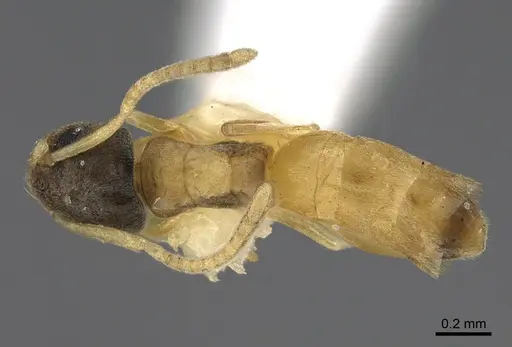
CASENT0005325
View on AntWeb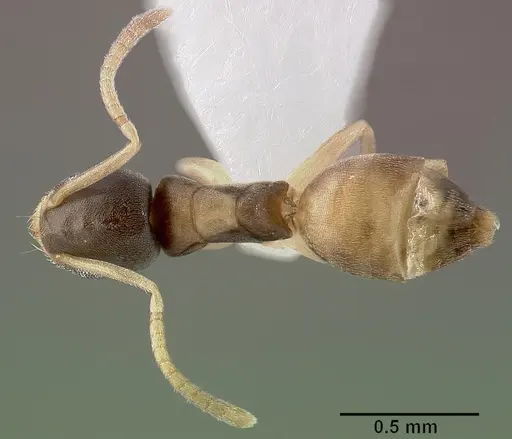
CASENT0008659
View on AntWeb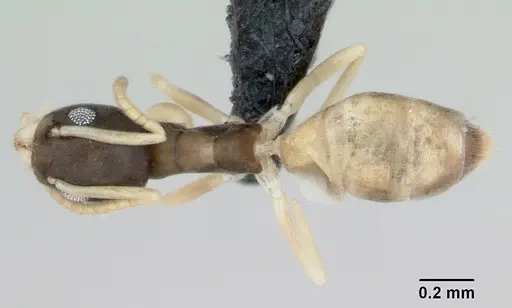
CASENT0039787
View on AntWeb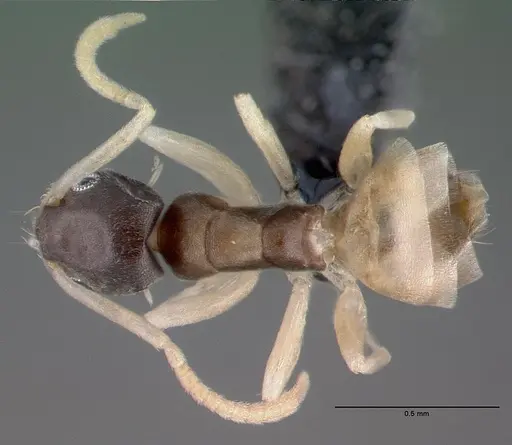
CASENT0101468
View on AntWeb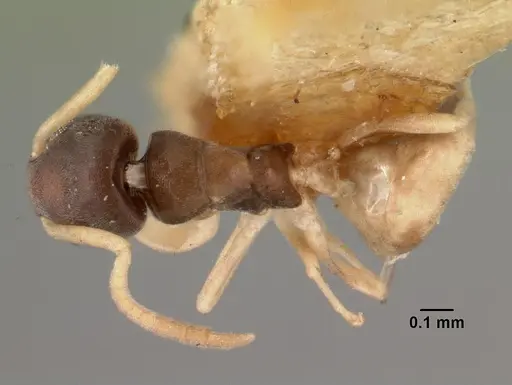
CASENT0102973
View on AntWeb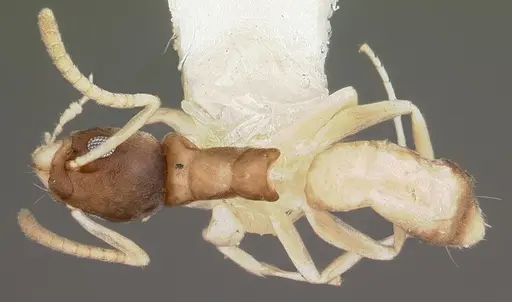
CASENT0103323
View on AntWeb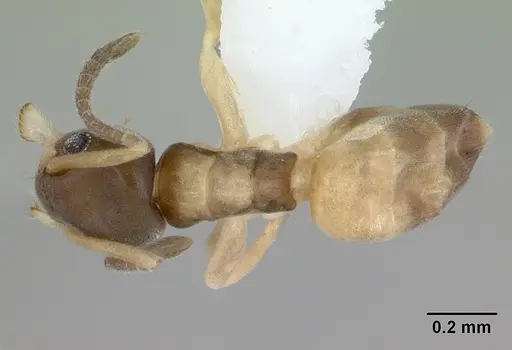
CASENT0104536
View on AntWeb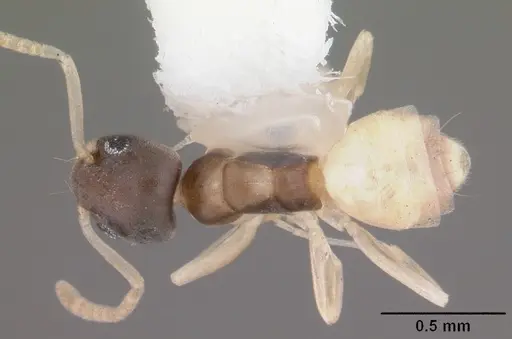
CASENT0104537
View on AntWeb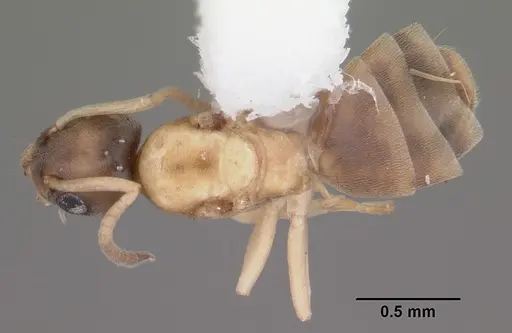
CASENT0125327
View on AntWeb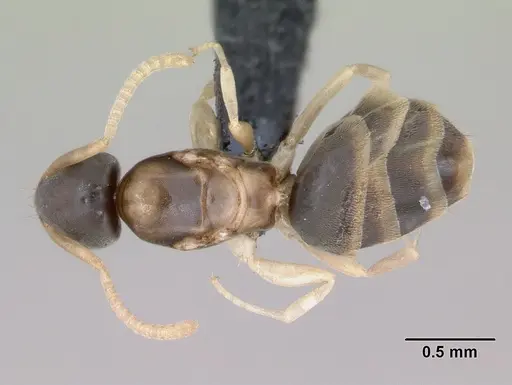
CASENT0125363
View on AntWeb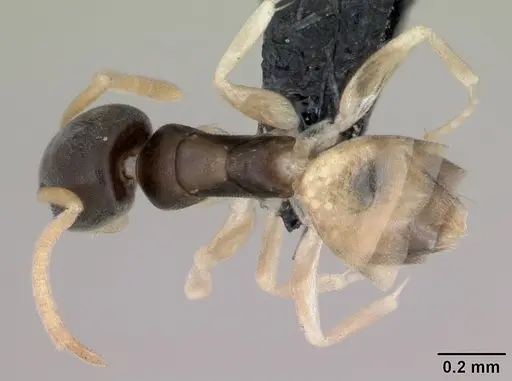
CASENT0171078
View on AntWeb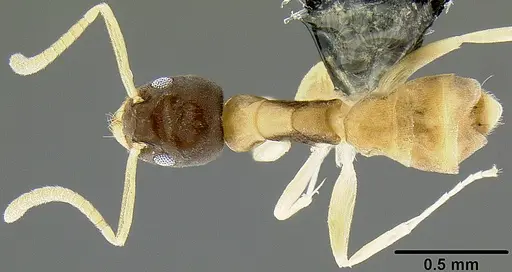
CASENT0172853
View on AntWeb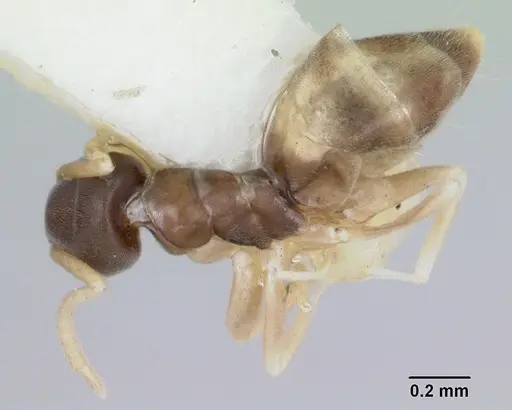
CASENT0172854
View on AntWeb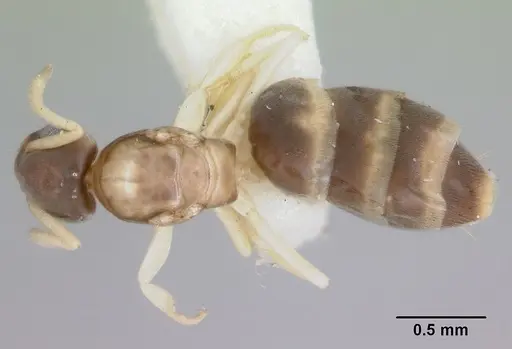
CASENT0173214
View on AntWeb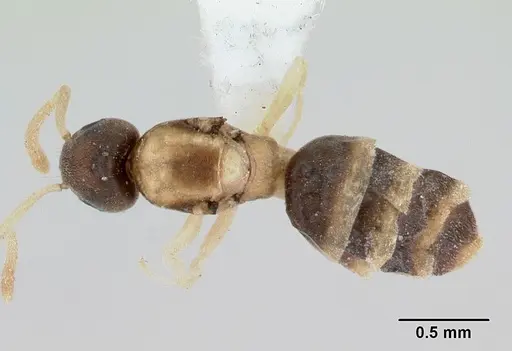
CASENT0173215
View on AntWeb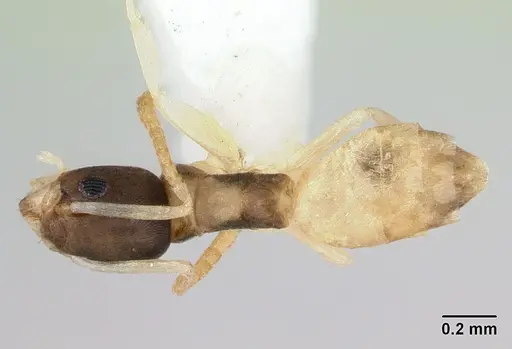
CASENT0173744
View on AntWeb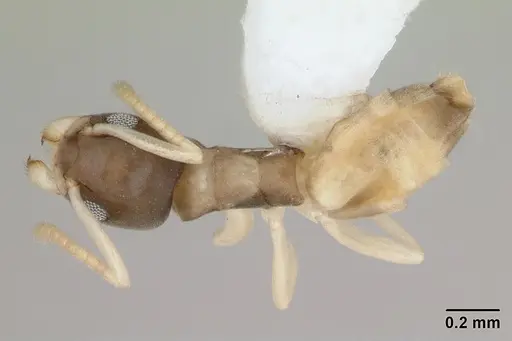
CASENT0188540
View on AntWeb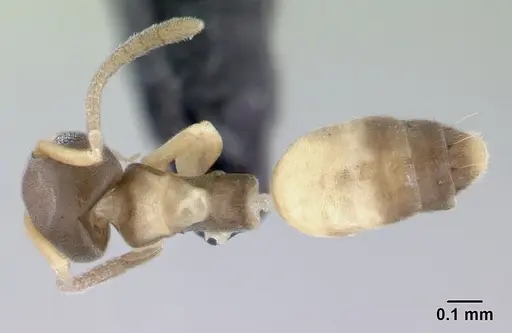
CASENT0246587
View on AntWeb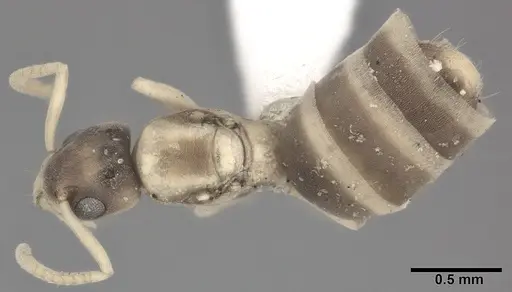
CASENT0246588
View on AntWeb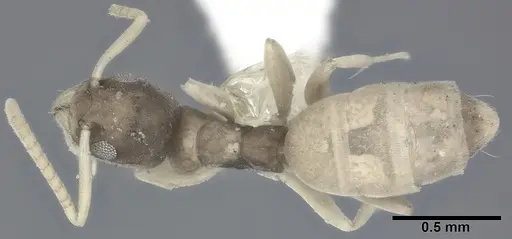
CASENT0249764
View on AntWeb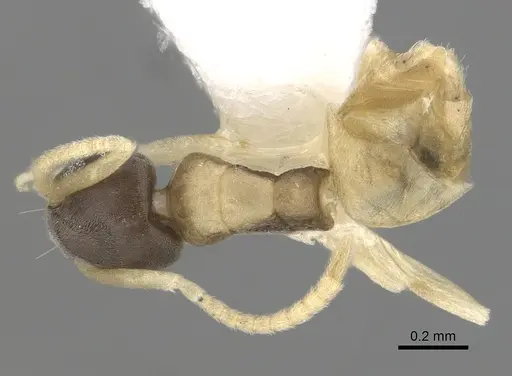
CASENT0345069
View on AntWeb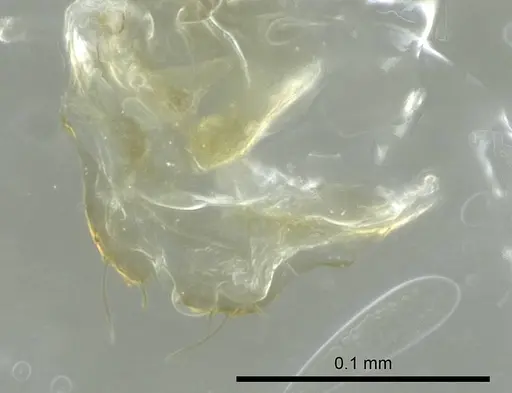
CASENT0345070
View on AntWeb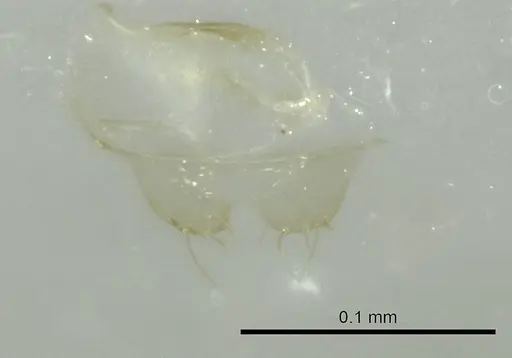
CASENT0345072
View on AntWeb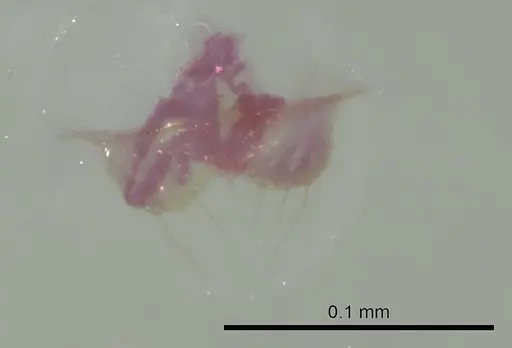
CASENT0444732
View on AntWeb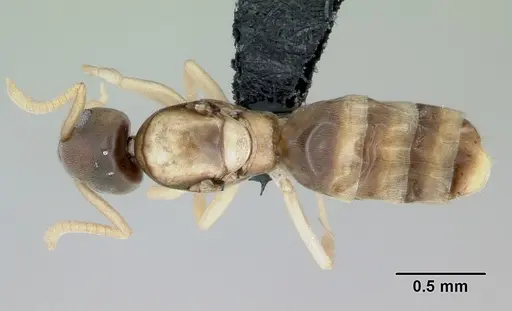
CASENT0653557
View on AntWeb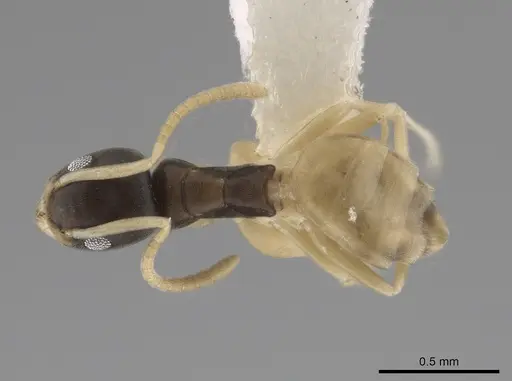
CASENT0653559
View on AntWeb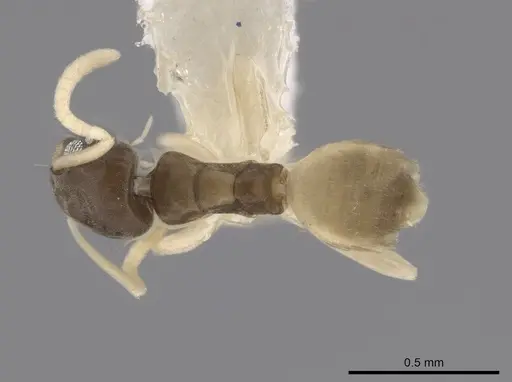
CASENT0653560
View on AntWeb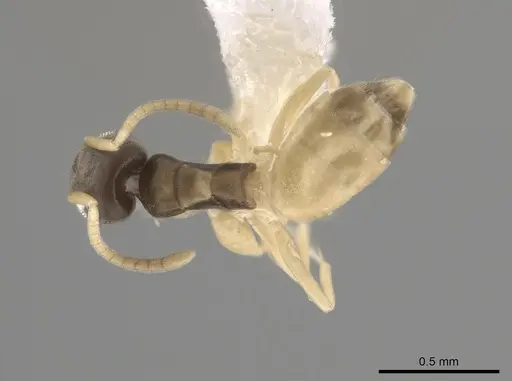
CASENT0653561
View on AntWeb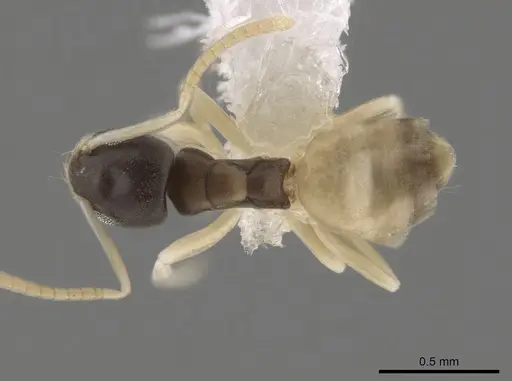
CASENT0746621
View on AntWeb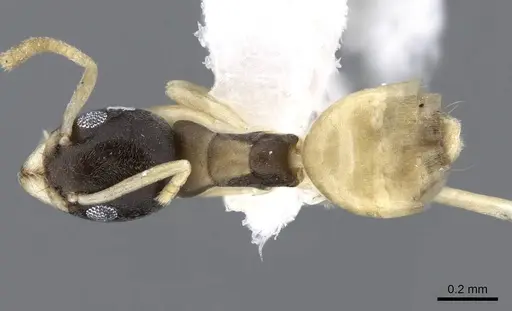
CASENT0766218
View on AntWeb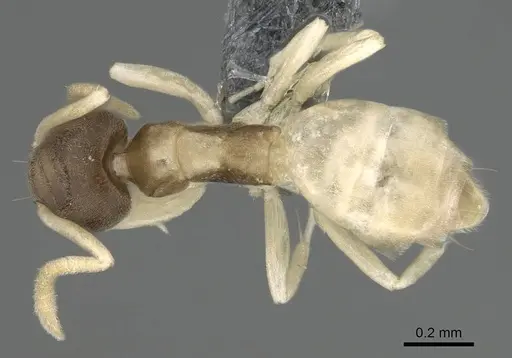
CASENT0767668
View on AntWeb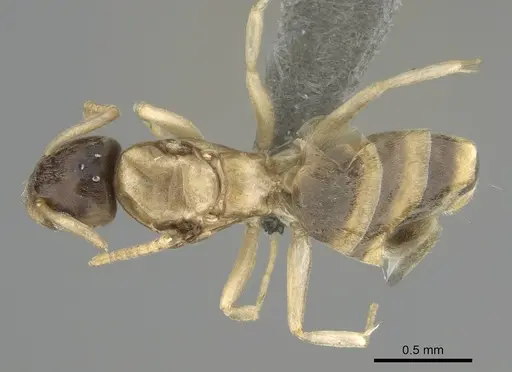
CASENT0815922
View on AntWeb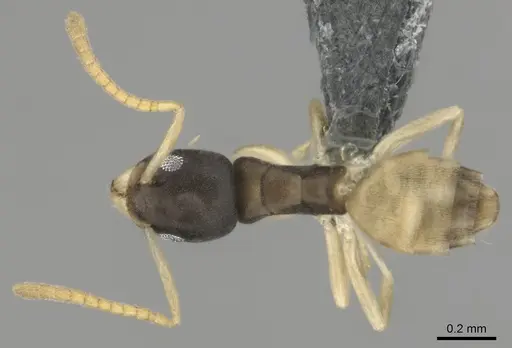
CASENT0886010
View on AntWeb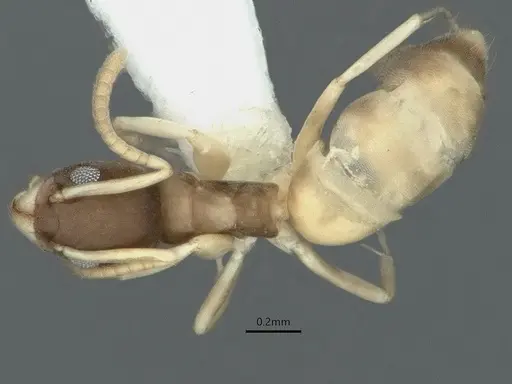
CASENT0901925
View on AntWeb
CASENT0903062
View on AntWeb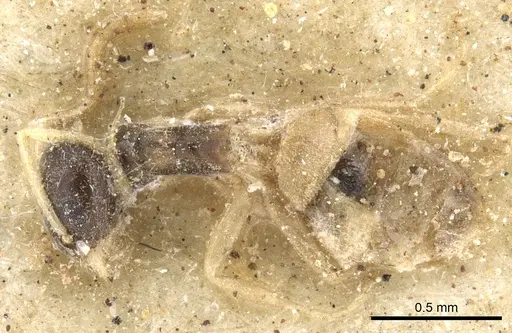
CASENT0903063
View on AntWeb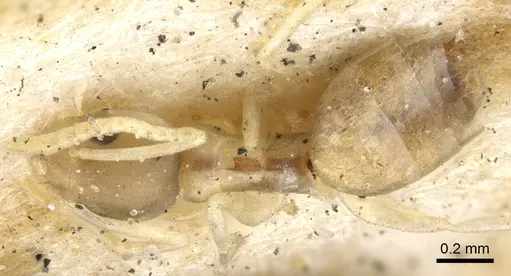
CASENT0906356
View on AntWeb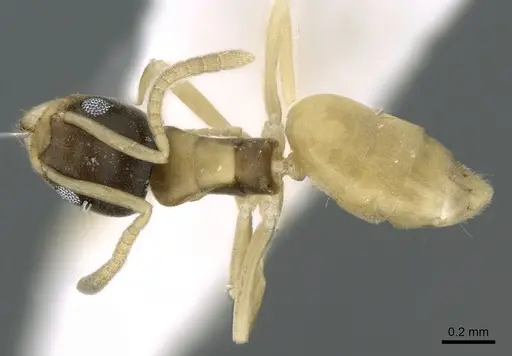
CASENT0909775
View on AntWeb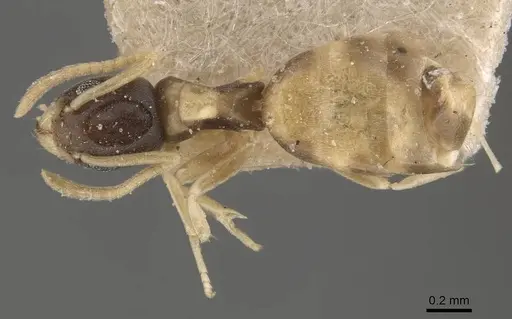
CASENT0909776
View on AntWeb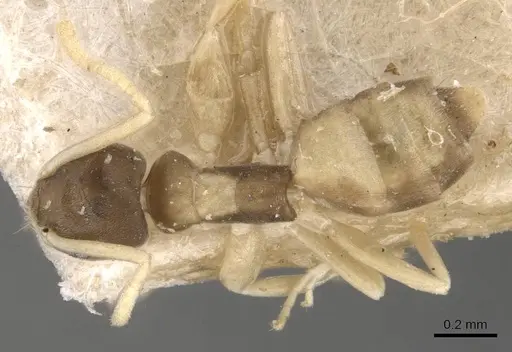
CASENT0911572
View on AntWeb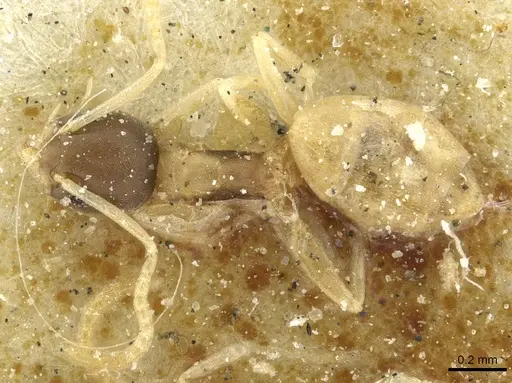
CASENT0919860
View on AntWeb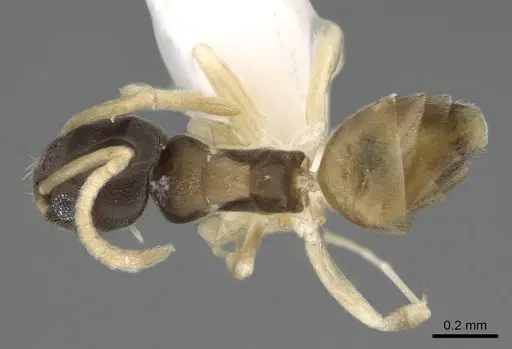
CASENT0922277
View on AntWeb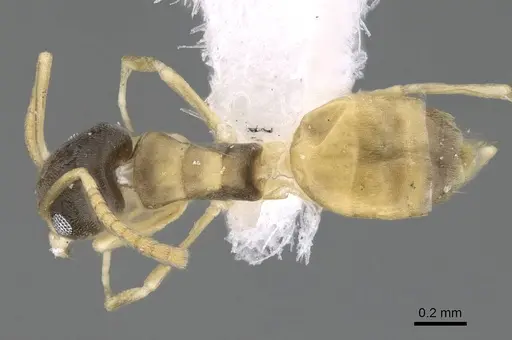
CASENT0923746
View on AntWeb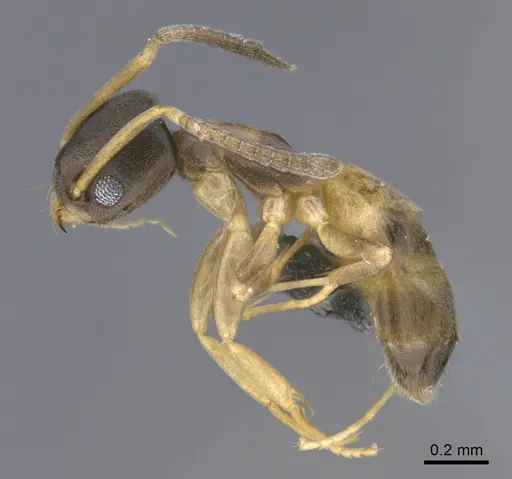
CASENT0923747
View on AntWeb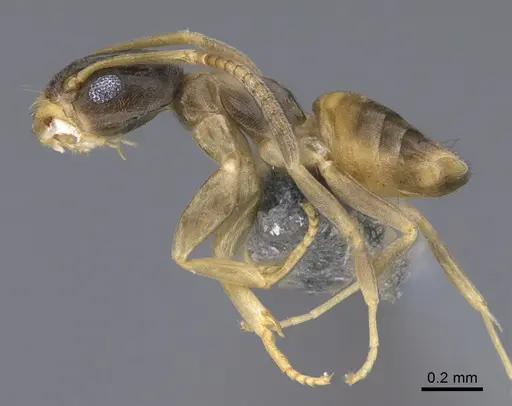
CASENT0923748
View on AntWeb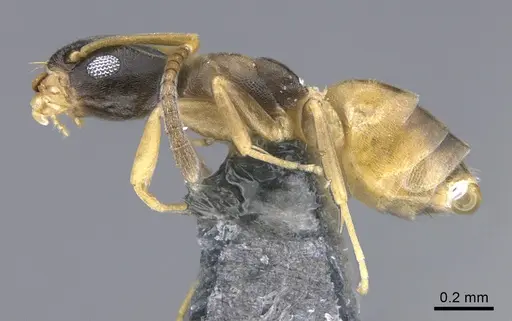
CASENT0923749
View on AntWeb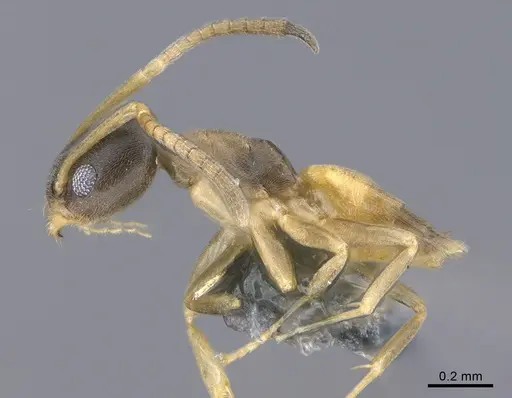
CASENT0923750
View on AntWeb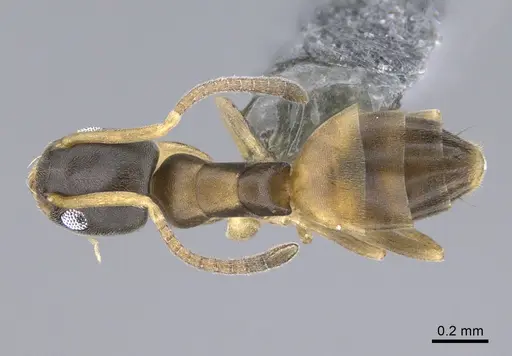
CASENT0923751
View on AntWeb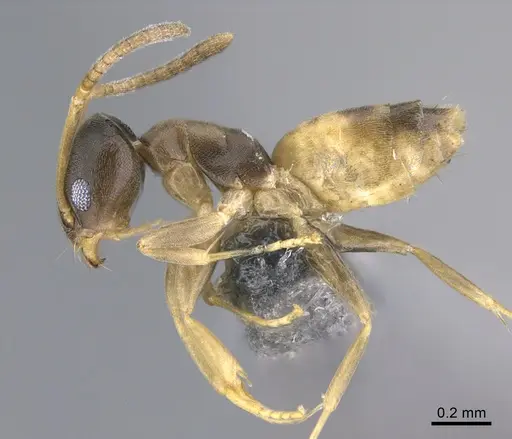
CASENT0923752
View on AntWeb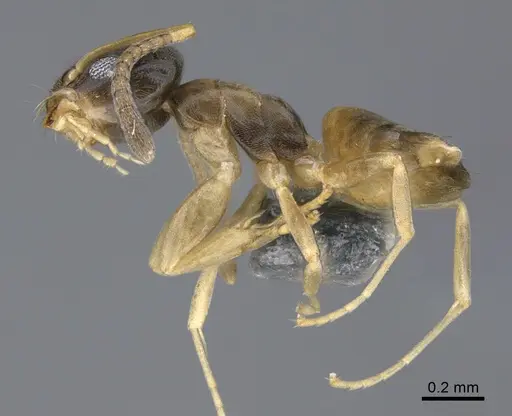
CASENT0923753
View on AntWeb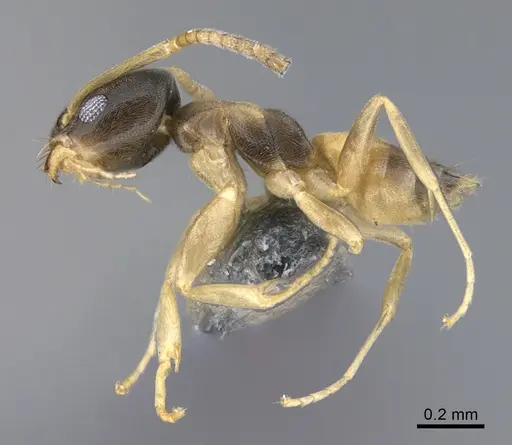
CSIRONC0193
View on AntWeb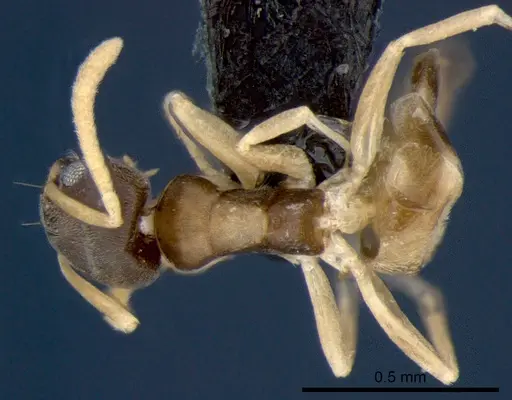
ECOFOG-BUG-0049-03
View on AntWeb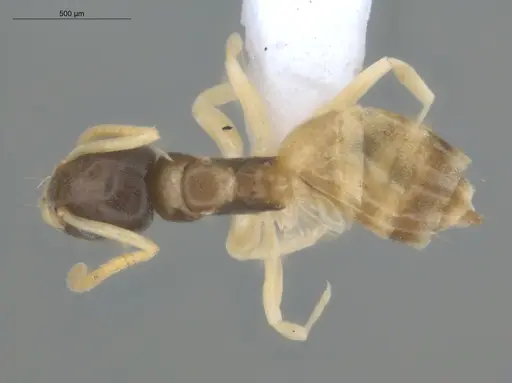
FMNHINS0000078516
View on AntWeb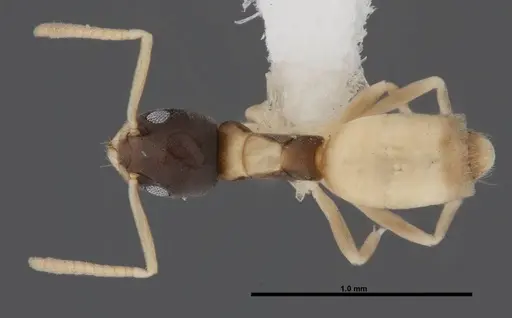
ICCDRS0002606
View on AntWeb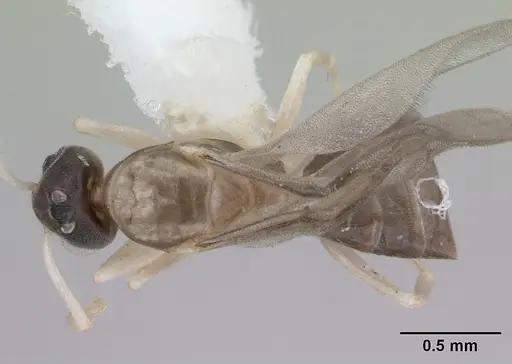
OKENT0003702
View on AntWeb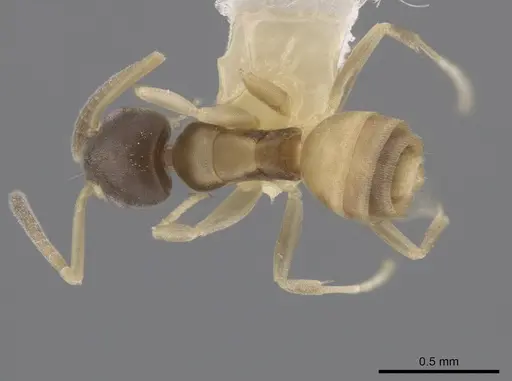
USNMENT00441664
View on AntWeb