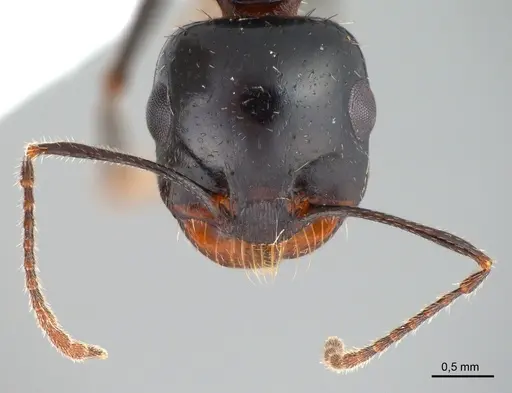
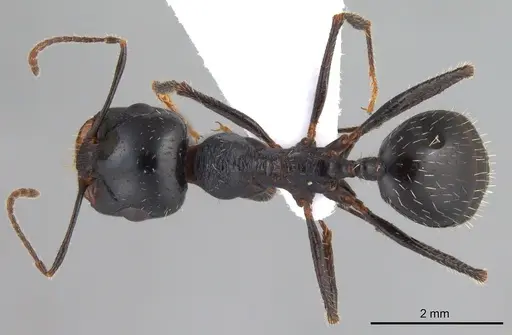
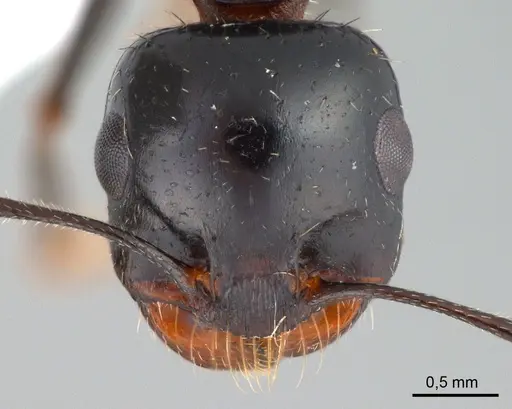
Messor excursionis - "Desert Harvester Ant"
Messor excursionis is a fascinating harvester ant species known for its remarkable seed-collecting habits. These ants exhibit polymorphism, meaning their workers come in various sizes, from smaller minors to larger majors, each playing a crucial role in processing seeds. The queen is notably larger than the workers. They are typically dark in color, often black or dark brown, and are equipped with strong mandibles ideal for breaking down seeds, which form the bulk of their diet. Like other Messor species, they are adept at constructing complex subterranean nests with specialized chambers for storing their harvested seeds, known as granaries. Observing them forage in long trails, carrying seeds back to their nest, is a truly captivating aspect of their behavior.
- Difficulty: Medium
- Origin & Habitat: Palaearctic Region (China, Iran, Kazakhstan, Kyrgyzstan, Mongolia, Turkmenistan, Uzbekistan, Afghanistan) in Dry, open areas, often in grasslands, scrublands, and even urban peripheries. They build extensive subterranean nests..
- Colony Type: Monogyne (typically single queen), claustral (queen seals herself in) founding.
- Size & Growth:
- Queen: 10-12mm
- Worker: 5-8mm
- Colony: Large (tens of thousands). Medium to Fast. Development accelerates significantly after the first year. growth.
- Antkeeping:
- Temperature: Maintain a temperature range of 24-28°C. A warm spot of around 27°C is ideal for optimal brood development, with slightly cooler temperatures at night (20-24°C)..
- Humidity: Low to medium humidity (50-60%) is preferred. It's crucial to provide a dry area for seed storage to prevent mold, alongside a slightly more humid zone for the brood..
- Diapause: Required. 2-3 months at 12-15°C.
- Nesting: These ants thrive in artificial nests with a mineral layer and fairly high chambers, mimicking their natural subterranean granaries. They require adequate space for their expanding granaries as the colony grows..
- Behavior: Low (towards handler, Medium towards food or other ants) aggressiveness.
- Common Issues: Mold in nest (especially in seed chambers if too humid), Colony stalling (often due to incorrect temperature or lack of diapause), Humidity fluctuations, Lack of varied seed diet.
One of the most captivating aspects of keeping Messor excursionis is observing their unique seed-harvesting behavior. These ants are primarily granivorous, meaning their diet largely consists of seeds. They will meticulously collect seeds, bring them back to the nest, and process them into 'ant bread' to feed the queen, workers, and developing brood. It's essential to provide a diverse range of seeds, ensuring a steady food supply for your colony's growth and well-being.
Messor excursionis colonies are polymorphic, showcasing a fascinating range of worker sizes. As the colony matures, you'll notice the emergence of larger workers, often referred to as majors or 'soldiers,' with more robust heads and mandibles. These larger workers are crucial for cracking open tougher seeds, demonstrating an impressive division of labor within the colony. This caste differentiation makes observing their daily activities particularly engaging for any ant keeper.
Providing the correct humidity gradient within the nest is paramount for Messor excursionis. While they need a humid area for their brood to develop properly, a significant portion of their nest, particularly the seed storage areas (granaries), must remain dry to prevent mold growth. Mold can quickly devastate a seed-based diet and, consequently, your entire colony. Regularly check and maintain the humidity levels in different sections of your formicarium.
Diapause, or hibernation, is a critical period for Messor excursionis. Replicating a cooler, dormant period for 2-3 months at around 12-15°C is vital for the long-term health and reproductive cycle of the queen and colony. Failing to provide adequate diapause can lead to a stalled colony, reduced egg laying, and a shortened lifespan for your queen. Plan for this cooler period well in advance to ensure your colony thrives for years to come.
These harvester ants are generally not aggressive towards handlers, but their mandibles are powerful. While they don't sting, care should still be taken when interacting with the colony to avoid accidental nips, especially from larger majors. It's always best to use appropriate tools and avoid disturbing them directly unless necessary, allowing them to carry out their natural behaviors undisturbed.
Frequently Asked Questions
What is the primary diet for Messor excursionis?
Messor excursionis are primarily granivorous, meaning they eat seeds. They will also accept small insects occasionally. Providing a diverse range of seeds is key for a healthy colony.
Do Messor excursionis need a heating source?
Yes, maintaining a warm spot of around 27°C is beneficial for their brood development and overall colony activity. A heat mat or ceramic bulb can be used, ensuring a temperature gradient within the setup.
How do I prevent mold in their seed storage areas?
It is crucial to keep the seed storage areas of the nest dry. Ensure good ventilation and provide a clear separation between the humid brood chambers and the dry granary sections. Over-hydrating the nest can lead to mold issues.
What kind of nest is best for Messor excursionis?
Artificial nests with a mineral layer and relatively deep chambers are ideal. Options like ytong, plaster, or 3D-printed nests with good hydration systems are suitable. Ensure ample outworld space for foraging.
How large can a Messor excursionis colony get?
These colonies can grow quite large, potentially reaching tens of thousands of workers in mature setups. The growth rate picks up significantly after the first year.
Is diapause necessary for Messor excursionis?
Yes, diapause (hibernation) is essential for the long-term health and reproductive cycle of your queen. A cooler period of 2-3 months at 12-15°C is recommended.
How long does it take for eggs to hatch and workers to develop?
From egg to adult worker, the development time typically ranges from 6 to 8 weeks, depending on temperature and feeding conditions. The first larvae may be barely distinguishable from eggs initially.
Do Messor excursionis workers sting or bite?
Messor excursionis do not sting. While they can bite, especially the larger majors with their strong mandibles, they are generally not aggressive towards handlers. Caution is always advised.
What should I do if my Messor excursionis colony stalls?
Colony stalling can often be attributed to improper temperature, insufficient or incorrect feeding (especially seed variety), or a missed or inadequate diapause period. Reviewing these factors can help re-invigorate growth.
How often should I feed my Messor excursionis colony?
Feeding frequency depends on the colony's size. For a small colony, offer seeds every few days. As they grow, you can provide a larger amount of seeds less frequently, ensuring a constant supply in their granaries. Always remove uneaten perishable food promptly.
Are there different sizes of workers in a Messor excursionis colony?
Yes, Messor excursionis exhibits polymorphism, meaning their colonies have workers of different sizes – minor, media, and major workers (also called soldiers). The major workers have noticeably larger heads and stronger mandibles, specifically adapted for crushing hard seeds.
Can I keep multiple Messor excursionis queens together?
Messor excursionis are typically monogyne, meaning a colony is founded and maintained by a single queen. Introducing multiple queens is generally not recommended as they may fight to the death.