

Messor aegyptiacus
- Scientific Name
- Messor aegyptiacus
- Tribe
- Stenammini
- Subfamily
- Myrmicinae
- Author
- Emery, 1878
- Common Name
- Egyptian Harvester Ant
- Distribution
- Found in 4 countries
Messor aegyptiacus Overview
Messor aegyptiacus (commonly known as the Egyptian Harvester Ant) is an ant species of the genus Messor. It is primarily documented in 4 countries , including Algeria, Egypt, Morocco. Detailed taxonomic data and occurrence records can be further explored via authoritative databases such as AntWeb or the Global Biodiversity Information Facility (GBIF).
Messor aegyptiacus - "Egyptian Harvester Ant"
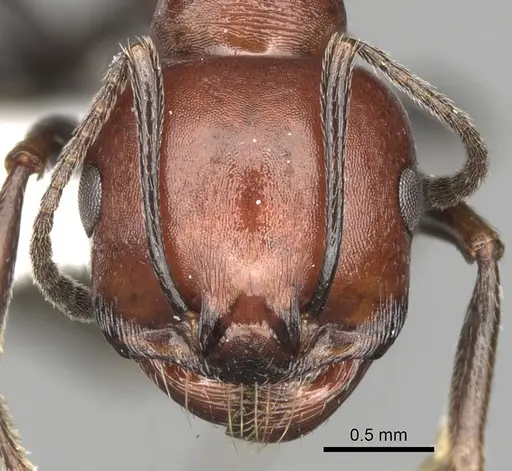
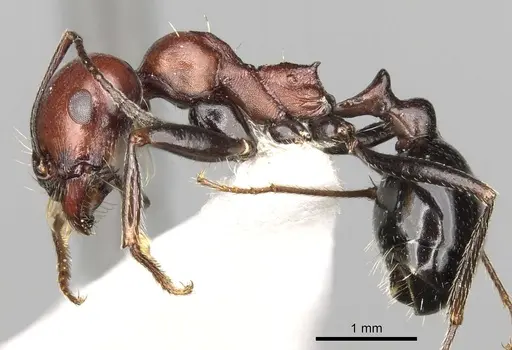
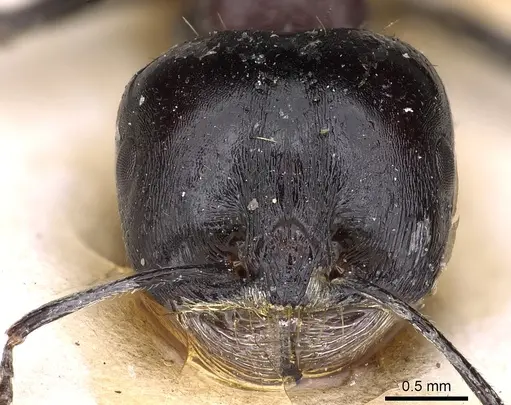
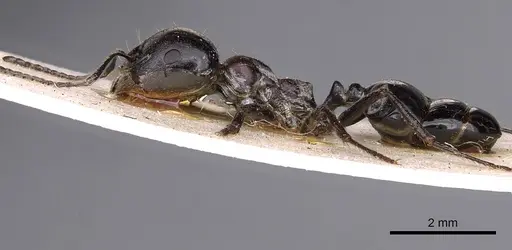
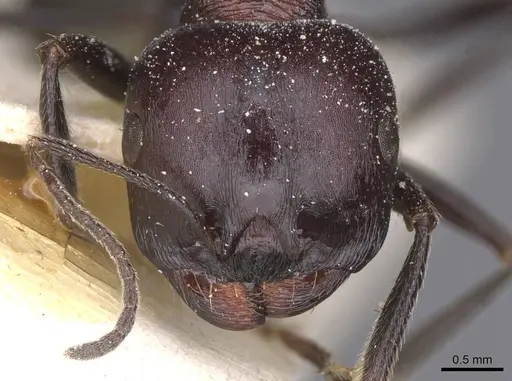
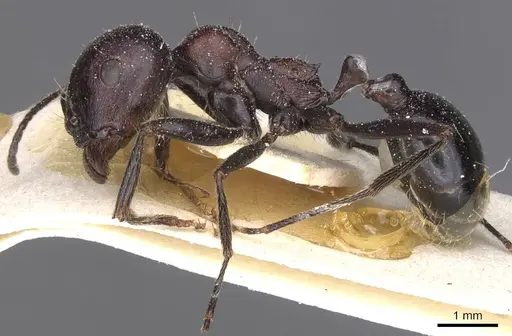
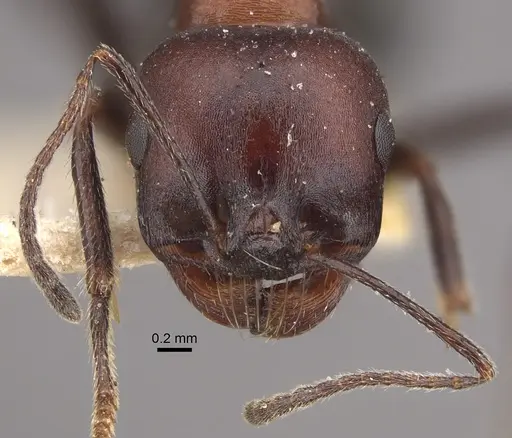
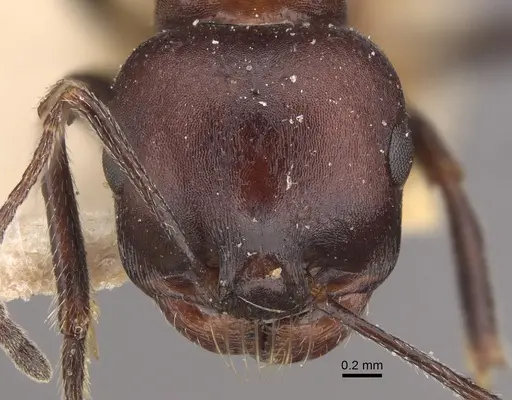
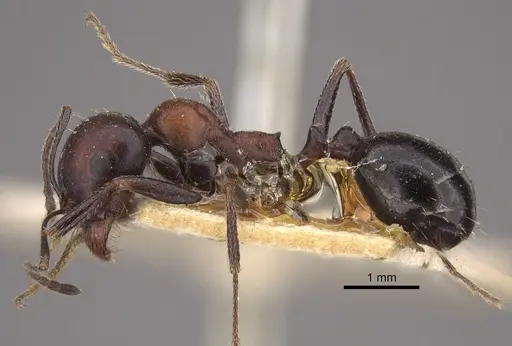
Messor aegyptiacus is a medium-sized harvester ant found across North Africa and the Middle East, from Mauritania through Egypt, Israel, Morocco, Libya, and Tunisia [1]. Workers measure 4-5mm in minor castes and 6-8.5mm in major workers, with queens reaching 10-12mm and males 8-9mm [2]. The head and thorax have a reddish-vinous coloration, and they possess a well-developed psammophore (a brush of hairs on the underside of the head used for carrying sand particles) [3]. These ants are characteristic of the Saharan fringe and desert ecosystems, where they build deep nests exceeding one meter in depth [2]. As true harvester ants, they collect seeds in long columns that can extend up to 10 meters from the nest entrance [4].
Quick Summary
- Difficulty: Easy
- Origin & Habitat: Desert and semi-desert regions of North Africa and the Middle East, including the Sahara fringe, Arava Valley in Israel, and southern Morocco. They inhabit arid to extremely arid environments with sparse vegetation [1][3].
- Colony Type: Single-queen colonies (monogyne). Queens found nests independently and seal themselves inside during the founding stage.
- Colony: Monogyne
- Founding: Claustral
- Size & Growth:
- Queen: 10-12mm [2]
- Worker: Minor workers: 4-5mm, Major workers: 6-8.5mm [2]
- Colony: Colonies can reach several thousand workers in mature colonies
- Growth: Moderate
- Development: Estimated 6-8 weeks at optimal temperature based on genus patterns (Development time is typical for Messor genus, seed-eating ants generally develop at moderate speed)
- Antkeeping:
- Temperature: Keep at 24-30°C. These are desert-adapted ants that tolerate warm conditions. A heating cable on one side of the nest creates a gradient allowing workers to self-regulate [2].
- Humidity: Low to moderate humidity (30-50%). These are desert ants adapted to dry conditions. Keep the nest substrate dry with only a small water tube for drinking access. Avoid damp conditions that can cause mold [3].
- Diapause: Yes, a winter rest period is recommended. Reduce temperature to 15-18°C for 2-3 months during winter months (November-February in Northern Hemisphere).
- Nesting: Y-tong (AAC) nests work well due to their dry preference. Plaster nests are also suitable. Provide a sand or sandy soil area in the outworld for natural foraging behavior. Test tube setups are suitable for founding colonies.
- Behavior: Generally peaceful but can be defensive when their nest is disturbed. Workers are active foragers that create characteristic columns traveling to seed sources. Major workers (soldiers) use their enlarged heads to crack and process seeds. They are not aggressive toward humans and rarely sting. Escape risk is moderate, standard formicarium barriers are sufficient. They are diurnal, actively foraging during daylight hours in warm weather [4][5].
- Common Issues: mold growth from overwatering, keep nesting area dry, colonies may decline if fed only seeds, offer protein occasionally, major workers may get stuck in narrow tubing, use appropriately sized connections, winter die-off if diapause conditions are not provided, seed storage can attract pests if not cleaned regularly
Nest Preferences and Housing
Messor aegyptiacus is a desert species that prefers dry nesting conditions. Y-tong (AAC) formicariums work excellently for this species because they allow you to control humidity precisely and maintain the dry conditions these ants prefer. Plaster nests are another good option, though you'll need to ensure the nest chamber stays relatively dry. In the wild, they build deep nests exceeding one meter, with seed granaries located in lenticular chambers below [2]. For captive colonies, provide a nest chamber sized appropriately to colony size with connecting tubes wide enough for major workers to pass through easily. The outworld should include a sandy area where workers can exhibit their natural seed-harvesting behavior. A water test tube with a cotton plug should always be available for drinking water.
Feeding and Diet
As harvester ants, Messor aegyptiacus primarily collects and stores seeds. In captivity, offer a variety of seeds, grass seeds, sunflower seeds (cracked), and commercial ant seed mixes work well. They are eclectic in seed choice, showing preference for Leguminosae (legume seeds) over Gramineae (grass seeds) when given a choice [2]. Major workers use their powerful mandibles to crack open hard seed coats. While seeds form the bulk of their diet, offering occasional protein is beneficial for colony growth. Small pieces of mealworms, crickets, or other insect matter can be provided once or twice weekly. Sugar water or honey can be offered occasionally, though these ants rely more on seeds than sugar. Remove uneaten seeds periodically to prevent mold in the outworld.
Temperature and Seasonal Care
These desert-adapted ants thrive at warm temperatures between 24-30°C. A heating cable placed on one end of the nest creates a temperature gradient that allows workers to regulate their body temperature by moving between warmer and cooler areas. During summer months, room temperature in most homes is often sufficient, but supplemental heating may be needed in cooler climates. For winter rest, reduce temperatures to 15-18°C for 2-3 months, typically from November through February in the Northern Hemisphere. This diapause period is important for colony health and mimics the natural seasonal cycle they experience in their desert habitat. Do not feed during deep diapause but ensure water is always available. [2][3]
Foraging Behavior and Colony Dynamics
Messor aegyptiacus exhibits classic harvester ant behavior with workers forming long foraging columns that can extend up to 10 meters from the nest in search of seeds [4]. In captivity, you'll observe workers leaving the nest in search of food, carrying seeds back to the nest where they are stored in granaries. Major workers (soldiers) have enlarged heads and mandibles specifically adapted for seed processing. The colony will have a clear division of labor, with minor workers tending brood and maintaining the nest while major workers handle seed cracking and defense. Colonies grow moderately, expect several hundred workers in the first year or two, with larger colonies developing over time. The psammophore (hair brush on the head underside) helps them move sand and soil particles during nest construction [3].
Reproduction and Nuptial Flights
Reproductive flights occur during the warm season, typically in late spring or summer. Males and new queens emerge from the nest for their mating flight. After mating, queens dig into the ground to found new colonies, sealing themselves in a chamber where they lay eggs and raise the first brood claustrally (using stored fat reserves). The founding process takes several weeks to months depending on temperature. First workers (nanitics) are typically smaller than mature workers but will grow in subsequent broods. If you wish to propagate colonies, you can capture a newly mated queen and establish her in a test tube setup, providing warmth and humidity until her first workers emerge. [2]
Frequently Asked Questions
Can I keep Messor aegyptiacus in a test tube?
Yes, test tubes work well for founding colonies. Place the queen in a test tube with a water-filled section (about one-third) sealed with cotton. Keep it warm (around 26-28°C) and dark. The queen will seal herself in and lay eggs. Once workers emerge, you can gradually introduce them to a larger formicarium.
How long until first workers appear?
Expect first workers (nanitics) to emerge in 4-8 weeks after the queen lays eggs, depending on temperature. Warmer temperatures (26-28°C) speed development, while cooler temperatures slow it down. The first brood is typically smaller than subsequent broods.
Do Messor aegyptiacus ants sting?
They have a stinger but rarely use it against humans. These ants are not aggressive and typically flee when disturbed. Major workers may bite if threatened, but the pain is minimal. They are considered safe to handle and observe.
What do I feed Messor aegyptiacus?
Seeds form the primary diet, offer a mix of grass seeds, cracked sunflower seeds, and commercial ant seed mixes. Occasionally offer protein like small mealworms or cricket pieces. Sugar water or honey can be offered but is not required. Remove uneaten food to prevent mold.
Do they need hibernation?
Yes, a winter rest period is recommended. Reduce temperature to 15-18°C for 2-3 months during winter (typically November-February). Reduce feeding but always provide water. This diapause helps maintain colony health and mimics their natural seasonal cycle in desert environments.
How big do colonies get?
Mature colonies can reach several thousand workers. Growth is moderate, expect a few hundred workers in the first year or two, with larger colonies developing over several years with proper care.
Are Messor aegyptiacus good for beginners?
Yes, they are considered easy to keep. They are forgiving of minor care mistakes, tolerate warm temperatures well, and do not require complex humidity control. Their interesting foraging behavior makes them enjoyable to watch. The main requirements are providing warm temperatures, dry nesting conditions, and a seed-based diet.
When should I move them to a formicarium?
Move from test tube to formicarium once the colony reaches 50-100 workers and the test tube becomes crowded. A Y-tong or plaster nest works well. Ensure the connections are wide enough for major workers to pass through easily.
Why are my ants not foraging?
If workers are not leaving the nest to forage, check that temperatures are warm enough (24-30°C), fresh seeds are available in the outworld, and there are no predators or disturbances. New colonies often take time to establish foraging patterns. Ensure the nest is not too bright, cover with a dark cloth during observation.
Can I keep multiple queens together?
No, Messor aegyptiacus is monogyne (single-queen). Multiple unrelated queens will fight. Only keep one queen per colony. If you capture multiple newly mated queens, house them separately in individual test tubes.
References

This caresheet is licensed under CC BY-SA 4.0 .
CASENT0281600
View on AntWeb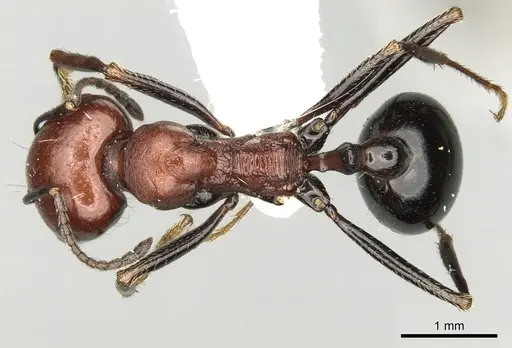
CASENT0900482
View on AntWeb
CASENT0904120
View on AntWeb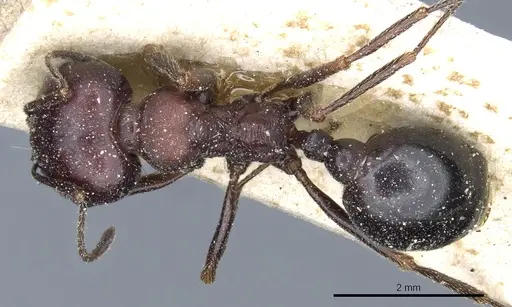
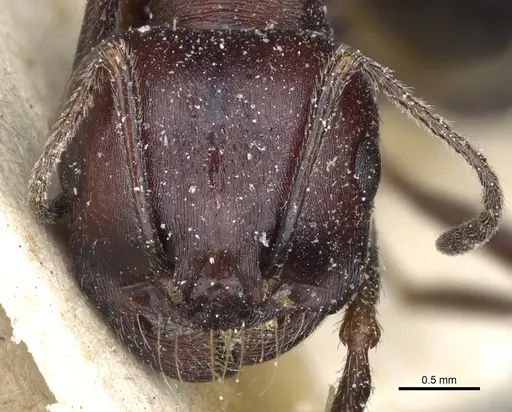
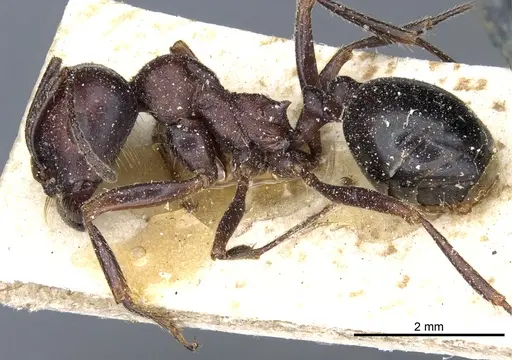
CASENT0904122
View on AntWeb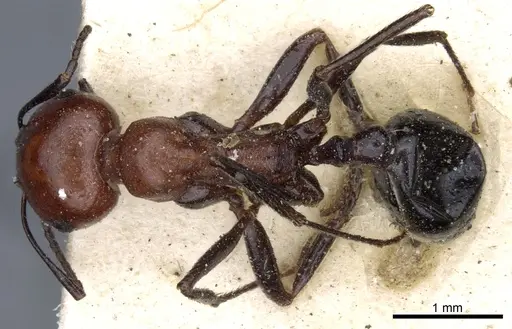
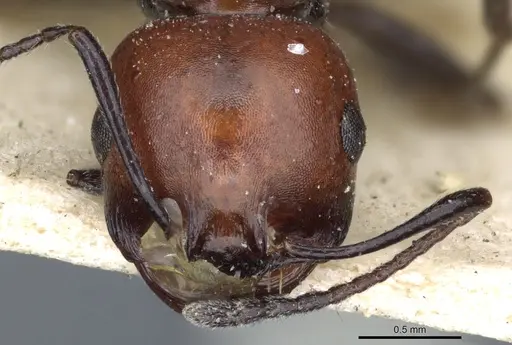
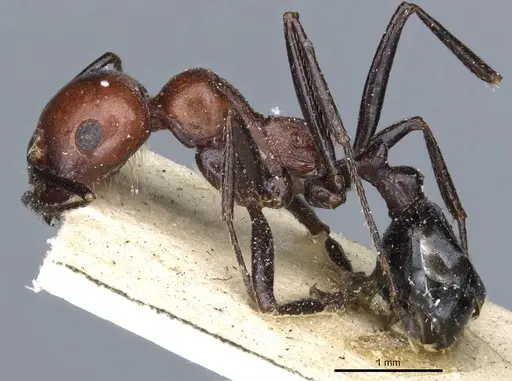
CASENT0913144
View on AntWeb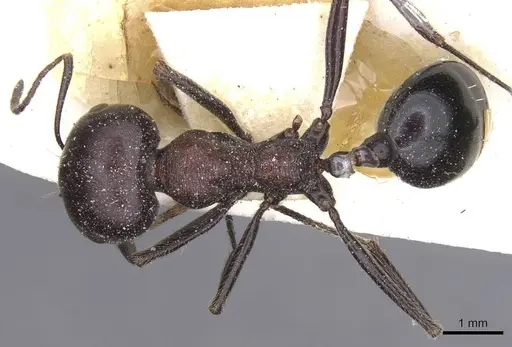
CASENT0917752
View on AntWeb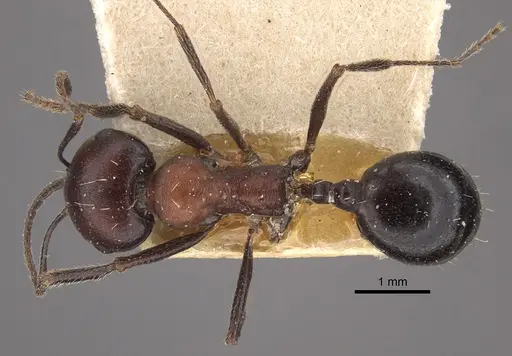
Literature
Loading...Loading products...