

Messor dentatus
- Scientific Name
- Messor dentatus
- Tribe
- Stenammini
- Subfamily
- Myrmicinae
- Author
- Santschi, 1927
- Distribution
- Found in 1 countries
Messor dentatus Overview
Messor dentatus is an ant species of the genus Messor. It is primarily documented in 1 countries , including Syrian Arab Republic. Detailed taxonomic data and occurrence records can be further explored via authoritative databases such as AntWeb or the Global Biodiversity Information Facility (GBIF).
Messor dentatus
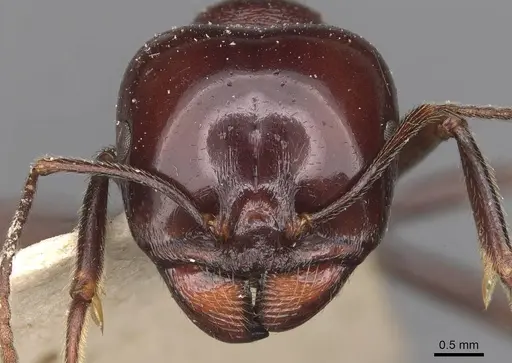
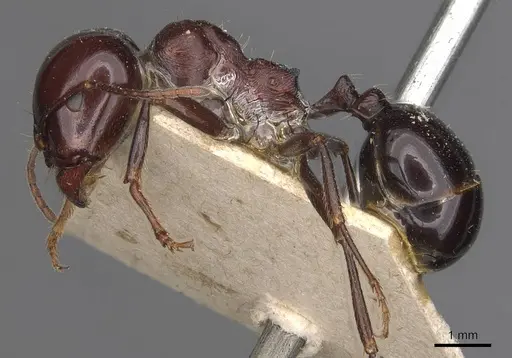
Messor dentatus is a medium-sized harvester ant native to the Eastern Mediterranean and Middle East. Workers measure 4-8mm and have the characteristic robust build of Messor species, with a dark reddish-brown to black coloration. The genus Messor is famous for their seed-harvesting behavior, these ants collect seeds and store them in special granaries within their nest. This species belongs to the instabilis species group and was once classified as a variety of M. semirufus before being recognized as a distinct species [1]. They are found across dry farmland and Mediterranean habitats in countries including Israel, Turkey, Iran, Jordan, Lebanon, and Syria [2].
Quick Summary
- Difficulty: Easy
- Origin & Habitat: Eastern Mediterranean and Middle East, found in dry to very dry farmland in Iran and Mediterranean areas of Israel, ranging from sea level to around 1000m elevation in Lebanon [3][4]. They inhabit dry farmland and open Mediterranean habitats.
- Colony Type: Single-queen colonies (monogyne). Like other Messor species, they likely have ergatoid (wingless) replacement queens that can take over if the primary queen dies.
- Colony: Monogyne
- Founding: Claustral
- Size & Growth:
- Queen: Estimated 8-10mm based on genus typical size for Messor species [5]
- Worker: 4-8mm [5]
- Colony: Likely several thousand workers at maturity based on related Messor species
- Growth: Moderate
- Development: Estimated 8-12 weeks at optimal temperature based on genus patterns for Mediterranean Messor species (Development time varies with temperature, warmer conditions speed development. First workers (nanitics) are smaller than mature workers.)
- Antkeeping:
- Temperature: Keep at 22-28°C with a slight gradient. They tolerate warm, dry conditions well. Room temperature in the low-to-mid 20s°C works well for this species.
- Humidity: Low to moderate. These are dry-adapted ants from arid regions. Keep nest substrate relatively dry with occasional moisture zones. Avoid damp conditions.
- Diapause: Yes, they need a winter rest period of 2-3 months at around 10-15°C to simulate Mediterranean winters. Reduce feeding during this time.
- Nesting: Y-tong (AAC) nests work well as they prefer dry conditions. Plaster nests are also suitable. Provide a dry outworld for foraging. Naturalistic setups with sand/soil mix are appropriate.
- Behavior: Generally peaceful and not aggressive toward keepers. Workers are active foragers that search for seeds and will also collect small insects. They are not known for stinging, their sting is minimal and rarely used. They are moderate escape artists due to their size, standard barrier methods work well. Colony activity increases in warmer months.
- Common Issues: dry conditions are essential, too much humidity causes mold and colony stress, winter diapause is required for colony health, skipping hibernation can weaken the colony, seed storage means they can go periods without fresh food, but still need protein sources, slow founding phase, queens can take months to raise first workers, patience is needed, wild-caught colonies may have parasites, quarantine and observe new colonies
Nest Preferences and Housing
Messor dentatus does well in dry to moderately humid nests. Y-tong (acrylic) nests with narrow chambers suit their size, as do plaster nests that can maintain slightly drier conditions. The key is providing a gradient, a warm, dry foraging area and a slightly more humid nest chamber. They do not need high humidity like tropical species. For the outworld, use a simple setup with a sand or soil substrate where they can forage. Test tube setups work for founding colonies but transfer to a proper formicarium once the colony reaches 20-30 workers. Escape prevention is straightforward, standard fluon barriers on smooth surfaces work well since they are not extreme escape artists like some tiny species. [3][5]
Feeding and Diet
As seed-harvester ants, Messor dentatus primarily collects and stores seeds. In captivity, offer a variety of seeds, grass seeds, bird seed, and dried grains work well. They have specialized workers (majors) with large heads that can crack and process hard seeds. Beyond seeds, they need protein sources. Offer small insects like fruit flies, small mealworms, or cricket pieces twice weekly. Sugar water or honey can be offered occasionally but is not a primary food source for this genus. The colony will store seeds in nest chambers, so do not panic if you see accumulated seeds, this is normal behavior. Remove uneaten fresh food within 24 hours to prevent mold. [5]
Temperature and Seasonal Care
Messor dentatus originates from Mediterranean and Middle Eastern regions with hot, dry summers and cool, moist winters. Keep the nest at 22-28°C during the active season. A heating cable on one side of the nest can create a beneficial gradient. They tolerate higher temperatures well but should be protected from direct heat sources that could dry them out. During winter (roughly November through February in the Northern Hemisphere), reduce temperature to 10-15°C to provide diapause. This winter rest is essential for colony health and triggers reproductive behavior in spring. Reduce feeding during diapause but do not starve them completely, offer occasional seeds. [3]
Colony Founding and Development
Like other Messor species, M. dentatus queens are claustral, after mating, the queen seals herself in a chamber and raises her first workers alone without foraging. She relies on stored fat reserves and wing muscles to produce eggs. The founding phase can take 2-4 months or longer, depending on temperature. First workers (nanitics) are smaller than mature workers. After the first workers emerge, the colony grows gradually. Major workers (soldiers) with enlarged heads typically appear once the colony reaches several hundred workers. These majors crack seeds for the colony. Growth is moderate, expect 1-2 years to reach several hundred workers under good conditions. [5]
Behavior and Temperament
Messor dentatus workers are active foragers that search for seeds and small prey. They are generally calm and not aggressive toward humans. When disturbed, they may retreat rather than attack. They do not have a painful sting, while they possess a stinger, it is rarely used and ineffective against human skin. The colony maintains clear foraging trails. Major workers process hard seeds while minors handle brood care and nest maintenance. They are diurnal and most active during warmer parts of the day. Colonies are peaceful and can be kept with other ant species only if adequate space and food are provided, but single-species housing is always recommended. [5]
Frequently Asked Questions
How long does it take for Messor dentatus to raise first workers?
The founding phase typically takes 2-4 months from egg to first worker, depending on temperature. Warmer conditions (around 25-28°C) speed development, while cooler temperatures slow it down. Patience is key during this phase, do not disturb the queen or open the nest unnecessarily.
What do Messor dentatus eat?
They are seed-harvesters, so offer various seeds (grass, grains, bird seed) as their primary food. They also need protein, small insects like fruit flies, small mealworms, or cricket pieces work well. Offer seeds constantly and protein 1-2 times per week. Remove uneaten fresh food to prevent mold.
Do Messor dentatus ants sting?
They possess a stinger but rarely use it. The sting is minimal and not painful to humans. These are peaceful ants that prefer to flee when threatened rather than engage.
Do Messor dentatus need hibernation?
Yes, they require a winter diapause period of 2-3 months at 10-15°C. This simulates their natural Mediterranean climate and is essential for colony health. Reduce feeding during this period but maintain light humidity in the nest.
How big do Messor dentatus colonies get?
Based on related Messor species, colonies likely reach several thousand workers at maturity over 2-4 years. Major workers with enlarged heads appear once the colony grows larger.
Can I keep multiple Messor dentatus queens together?
No, this is a single-queen (monogyne) species. Multiple unrelated queens will fight. Only one queen should be per colony. However, ergatoid (wingless) replacement queens may develop within established colonies.
What humidity level do Messor dentatus need?
They prefer dry to moderate conditions. Keep the nest relatively dry, think arid Mediterranean summer, not tropical rainforest. Occasional misting is fine, but avoid constant dampness which causes mold and stress.
When should I move my Messor dentatus to a formicarium?
Move from test tube to a proper nest once the colony reaches 20-30 workers. Y-tong or plaster nests work well for this species due to their preference for drier conditions. Ensure the formicarium has a foraging area with space for seed storage.
Are Messor dentatus good for beginners?
Yes, they are considered easy to keep. They are forgiving of minor care mistakes, do not require high humidity, and are not aggressive. The main challenges are the slow founding phase and the need for winter diapause.
Why are my Messor dentatus dying?
Common causes include: too much humidity (causes mold and fungal infections), skipping winter diapause (weakens colony), disturbing the queen during founding, or poor nutrition. Ensure dry nest conditions, provide proper hibernation, and offer varied diet. Wild-caught colonies may also carry parasites.
References

This caresheet is licensed under CC BY-SA 4.0 .
CASENT0281607
View on AntWeb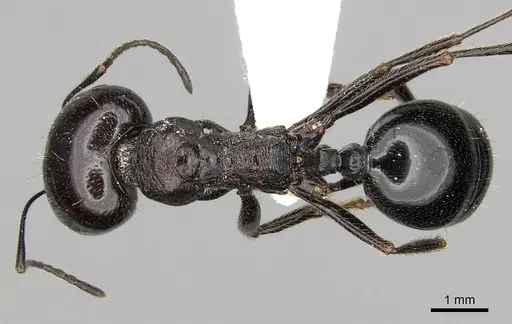
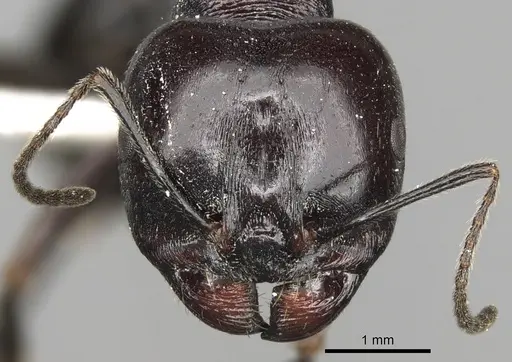
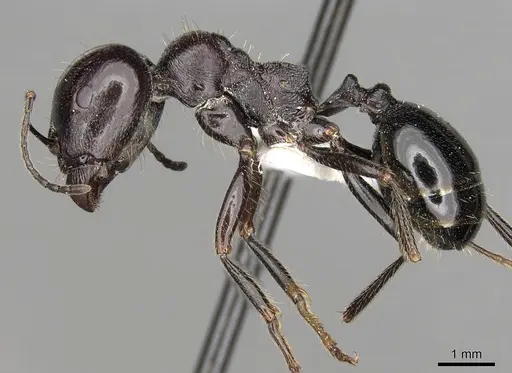
CASENT0907733
View on AntWeb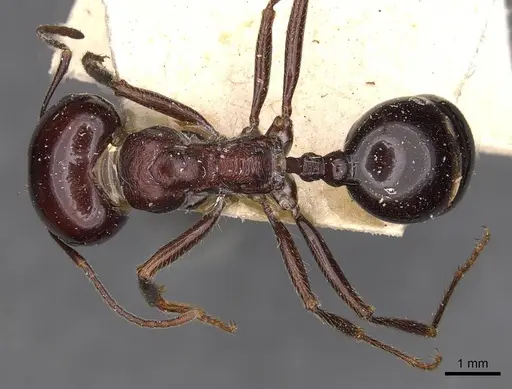
Literature
Loading...Loading products...