

Messor aralocaspius
- Scientific Name
- Messor aralocaspius
- Tribe
- Stenammini
- Subfamily
- Myrmicinae
- Author
- Ruzsky, 1902
- Distribution
- Found in 4 countries
Messor aralocaspius Overview
Messor aralocaspius is an ant species of the genus Messor. It is primarily documented in 4 countries , including Iran, Islamic Republic of, Saudi Arabia. Detailed taxonomic data and occurrence records can be further explored via authoritative databases such as AntWeb or the Global Biodiversity Information Facility (GBIF).
Messor aralocaspius
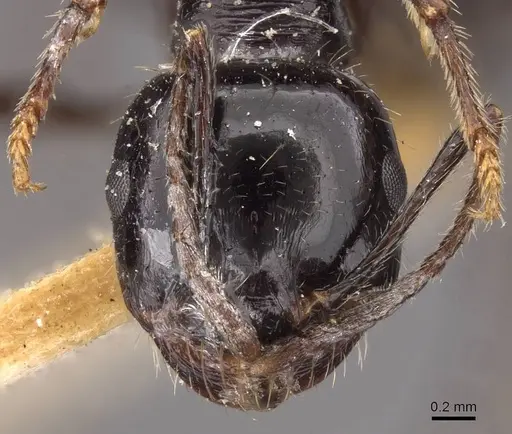
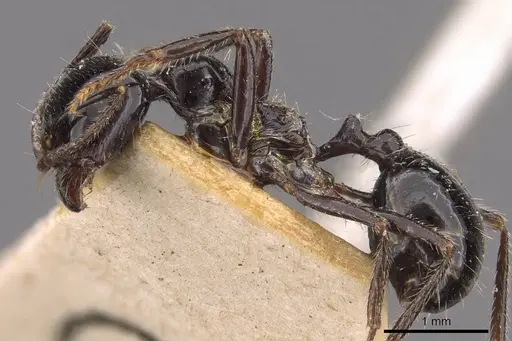
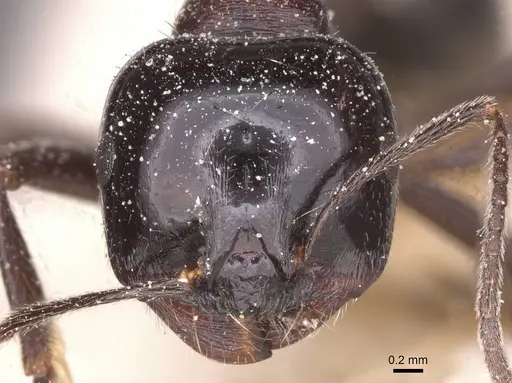
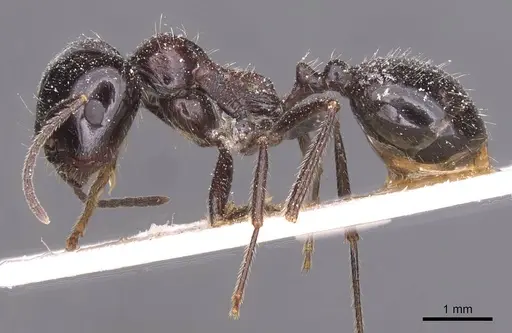
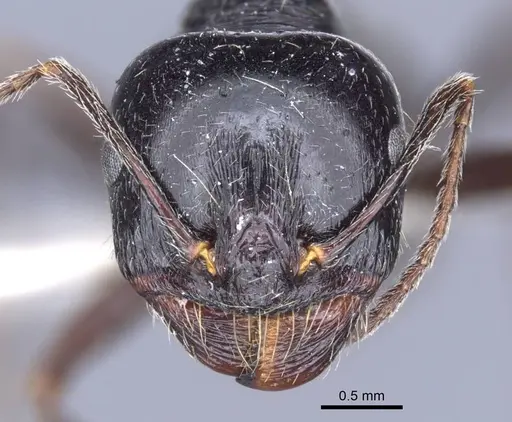
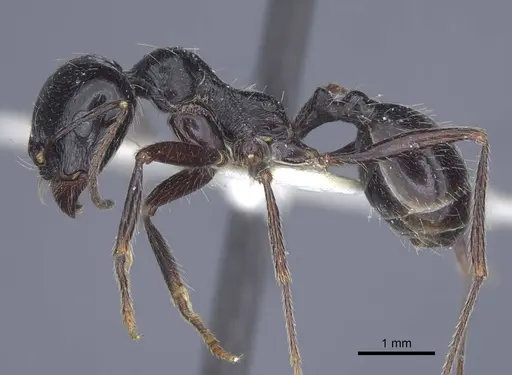
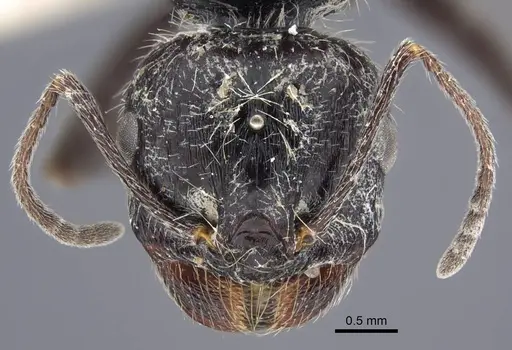
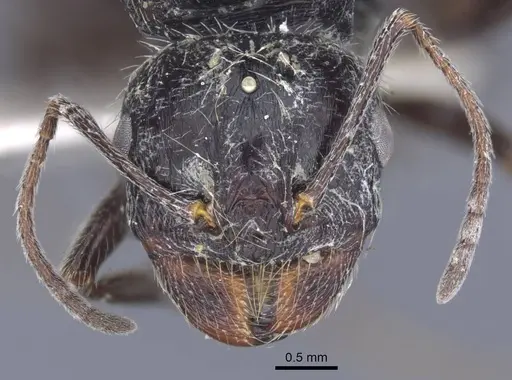
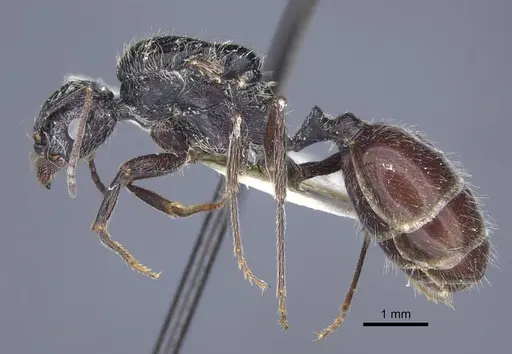
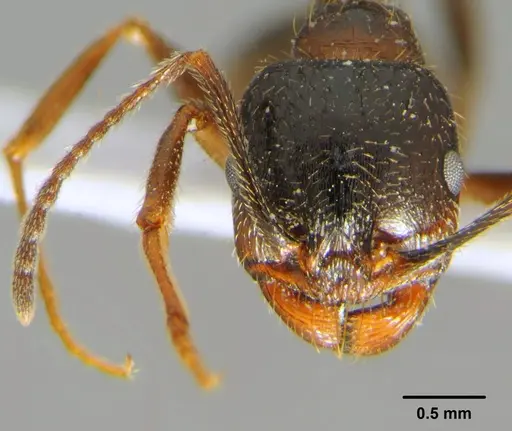
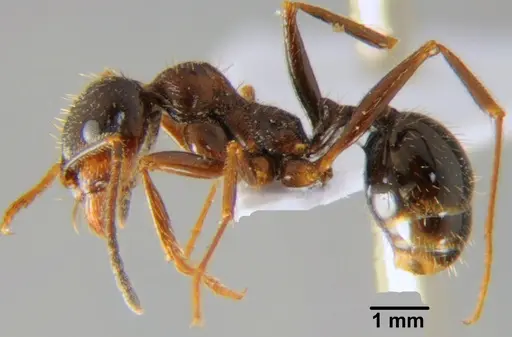
Messor aralocaspius is a medium-sized harvester ant found across Central Asia, from Eastern Europe through China. Workers measure 1.9-2.4mm in head width and have a distinctive appearance with strongly striated head and transversely striated alitrunk. All dorsal surfaces are covered with long pale hairs, and they have a moderately developed psammophore (a brush of hairs under the head for carrying sand and seeds). The propodeum is angled but lacks spines. This is a highland species in Arabia that constructs relatively large crater nests in favorable situations, with tunnel systems that can reach impressive depths, nests have been documented reaching groundwater at 10 or more meters deep [1].
Quick Summary
- Difficulty: Medium
- Origin & Habitat: Found across Central Asia including Iran, Kuwait, Saudi Arabia, Yemen, Kyrgyzstan, Turkmenistan, Mongolia, Afghanistan, and northwestern China. Also reported from South East Europe though some records may be misidentifications. This is primarily a desert zone species found in arid environments from sea level up to 950m altitude [2][3].
- Colony Type: Likely monogyne (single queen) based on typical Messor genus patterns. No specific research on colony structure for this species.
- Founding: Claustral
- Size & Growth:
- Queen: Unconfirmed in primary research, genus estimate around 7-9mm based on related Messor species
- Worker: 1.9-2.4mm head width [4]
- Colony: Colonies can reach substantial sizes with nest volumes up to 14,075 cm³ and food stores averaging 142mg [1]
- Growth: Moderate, typical for seed-eating ants
- Development: Estimated 8-12 weeks based on typical Messor genus development at optimal temperature (Development time inferred from genus patterns, direct measurements unavailable for this species)
- Antkeeping:
- Temperature: Keep at 22-26°C. This is a desert-adapted species that prefers warm, dry conditions. Room temperature is often suitable. Avoid temperatures below 18°C for extended periods.
- Humidity: Low to moderate, these are desert ants that prefer dry conditions. Keep nest substrate relatively dry with only occasional misting. Ensure good ventilation to prevent mold.
- Diapause: Yes, this species experiences cold winters in its native range. Provide a winter rest period at 10-15°C for 2-3 months during winter months.
- Nesting: Y-tong (AAC) nests work well for this species. They prefer tight-fitting chambers. Given their natural history of deep nests, they appreciate deeper nesting areas. Plaster nests are also suitable. Avoid overly humid setups.
- Behavior: Generally calm and non-aggressive foragers. These are seed-harvesting ants that collect and store seeds as their primary food source. They have a well-developed psammophore for carrying sand and seeds. Workers are medium-sized and relatively slow-moving compared to some active foragers. They are not known for stinging and pose no danger to keepers. Escape risk is moderate, use standard barrier methods but fine mesh is not critical as they're not tiny ants.
- Common Issues: colonies may fail if kept too humid, these are desert species prone to mold in damp conditions, winter dormancy is required, skipping hibernation can weaken colonies over time, seed storage behavior means they may ignore fresh protein initially, offer a variety, deep-nesting instinct may cause stress in shallow nests, provide adequate depth, wild-caught colonies may have parasites that require treatment
Nest Preferences and Housing
Messor aralacaspius is a desert-adapted harvester ant that naturally constructs deep nests reaching groundwater at depths of 10 meters or more [1]. In captivity, they do well in Y-tong (AAC) nests or plaster formicariums that provide adequate depth. They prefer relatively dry conditions with good ventilation, avoid setups that retain excessive moisture as this promotes mold growth. The nest should have tight-fitting chambers scaled to their size. Given their natural history of building extensive tunnel systems, they appreciate having space to expand. A small outworld area for foraging and seed processing is essential. Standard escape prevention is sufficient, they're not tiny ants and cannot squeeze through the gaps that smaller species exploit.
Feeding and Diet
As a true harvester ant, Messor aralacaspius is primarily seed-eating (carpophagous). In the wild, seeds make up approximately 99% of their diet [1]. They collect seeds, process them in their nest, and store them as food reserves. Workers use their psammophore (the brush of hairs under their head) to carry sand and seeds. They make 94% of their food stores during the spring months of April and May [1]. In captivity, offer a variety of grass seeds, bird seed mix, and dried grains. They also accept protein sources like small insects, but seeds should form the bulk of their diet. Offer seeds constantly in a feeding dish, and supplement with occasional protein. They are not aggressive hunters and prefer to collect and process seeds rather than chase live prey.
Temperature and Seasonal Care
These ants prefer warm, dry conditions consistent with their desert and steppe habitat. Keep the nest area at 22-26°C for optimal activity and brood development. They can tolerate brief periods outside this range but prolonged cold slows their metabolism significantly. As a species from temperate Central Asia, they require a winter dormancy period. During winter (roughly November through February in the Northern Hemisphere), reduce temperatures to 10-15°C to simulate natural seasonal changes. This diapause period is important for colony health and should not be skipped. Do not feed during deep hibernation but ensure some moisture is available. Resume normal feeding and warming gradually in spring. [2][3]
Behavior and Colony Dynamics
Messor aralacaspius is a relatively calm species compared to some active foragers. Workers are medium-sized and move at a moderate pace when foraging for seeds. They construct large crater nests in favorable situations, with visible mound structures around nest entrances [2]. Colonies can grow substantial, with nest tunnel and chamber volumes reaching nearly 14,100 cm³ in mature wild colonies [1]. The average worker dry biomass is about 2.17mg, and they typically collect seeds averaging 0.41mg in size [1]. These ants are not aggressive and pose no stinging threat to keepers. Their main defense is retreating into their nest. They are diurnal foragers, active during daylight hours when temperatures are favorable.
Frequently Asked Questions
Can I keep Messor aralacaspius in a test tube?
Test tubes can work for founding colonies but these ants will need more space as the colony grows. A single queen in a test tube setup works for the founding stage, but plan to move them to a proper nest (Y-tong or plaster) once the colony reaches 20-30 workers. They need room for seed storage and their natural deep-nesting behavior.
When should I move Messor aralacaspius to a formicarium?
Move them once the colony reaches roughly 20-30 workers and the test tube water reservoir is running low. Harvester ants need space for seed storage, so a formicarium should be provided before they become cramped. They prefer dry conditions, so avoid overly humid setups.
How long until first workers with Messor aralacaspius?
Expect first workers (nanitics) approximately 8-12 weeks after the queen lays eggs, assuming temperatures around 24-26°C. This is an estimate based on typical Messor genus development, direct measurements for this specific species are not available.
Do Messor aralacaspius ants sting?
No, these ants are not known for stinging and pose no danger to keepers. They are calm foragers that retreat when disturbed rather than aggressive defenders.
What do Messor aralacaspius eat?
Seeds should form the bulk of their diet, offer grass seeds, bird seed mix, or dried grains. They also accept occasional protein like small insects, but seeds make up 99% of their natural diet. Keep a constant supply of seeds available.
Are Messor aralacaspius good for beginners?
They are moderate difficulty, easier than tropical species but require attention to humidity (keep them dry) and winter dormancy. Their seed-based diet is straightforward to provide. Not the best choice for a first ant but manageable for beginners willing to learn.
Do Messor aralacaspius need hibernation?
Yes, they require a winter dormancy period of 2-3 months at 10-15°C. This is essential for colony health as they naturally experience cold winters in their Central Asian habitat. Skip hibernation at your own risk, it can weaken colonies over time.
Why are my Messor aralacaspius dying?
The most common causes are excessive humidity (leading to mold), improper temperatures (too cold), or skipping hibernation. These are desert-adapted ants that prefer dry conditions. Check that the nest is not too damp and that temperatures are adequate. Also ensure they have access to both seeds and clean water.
How big do Messor aralacaspius colonies get?
Colonies can become quite large with thousands of workers. In the wild, nest volumes reach nearly 14,100 cm³ with extensive tunnel systems [1]. Expect 500-2000+ workers at full maturity over several years.
Can I keep multiple Messor aralacaspius queens together?
Not recommended, Messor species are typically single-queen colonies. Combining unrelated queens has not been documented and likely results in fighting. Only attempt pleometrosis (multiple queens founding together) if you have specific documentation for this species, which we do not.
References

This caresheet is licensed under CC BY-SA 4.0 .
CASENT0907727
View on AntWeb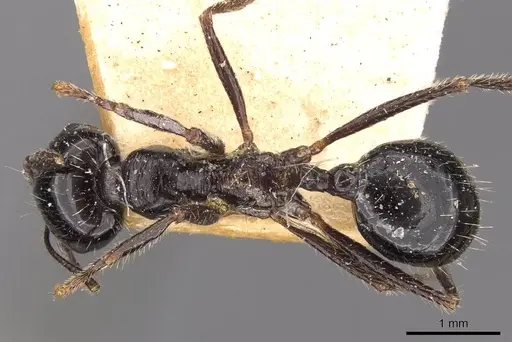
CASENT0913156
View on AntWeb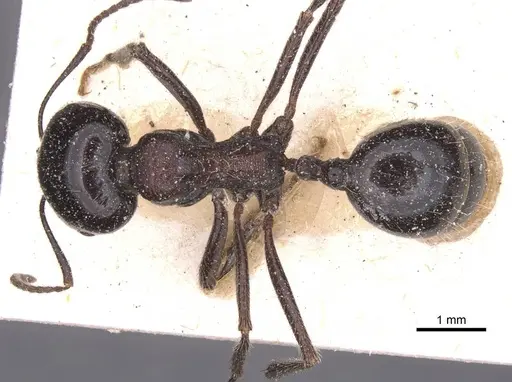
CASENT0916925
View on AntWeb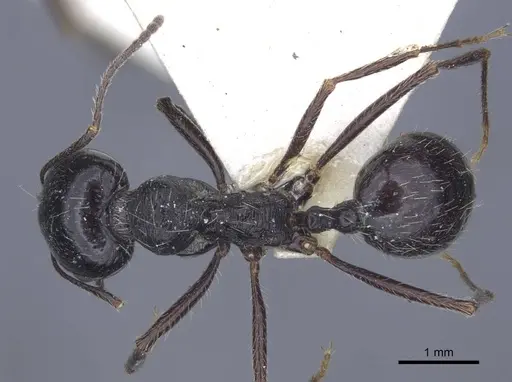
CASENT0916926
View on AntWeb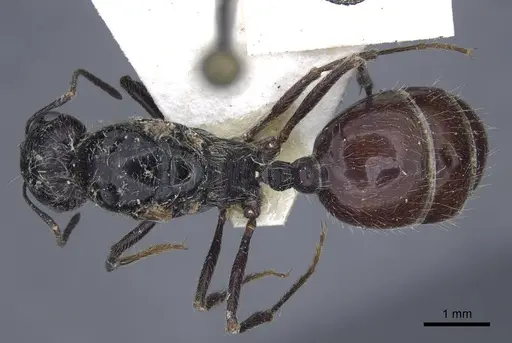
CFH000016
View on AntWeb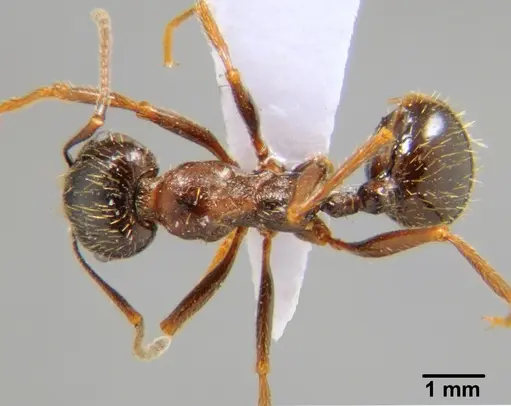
Literature
Loading...Loading products...