
Liometopum occidentale shows a March to July flight window. Peak activity occurs in May, with nuptial flights distributed across 5 months.
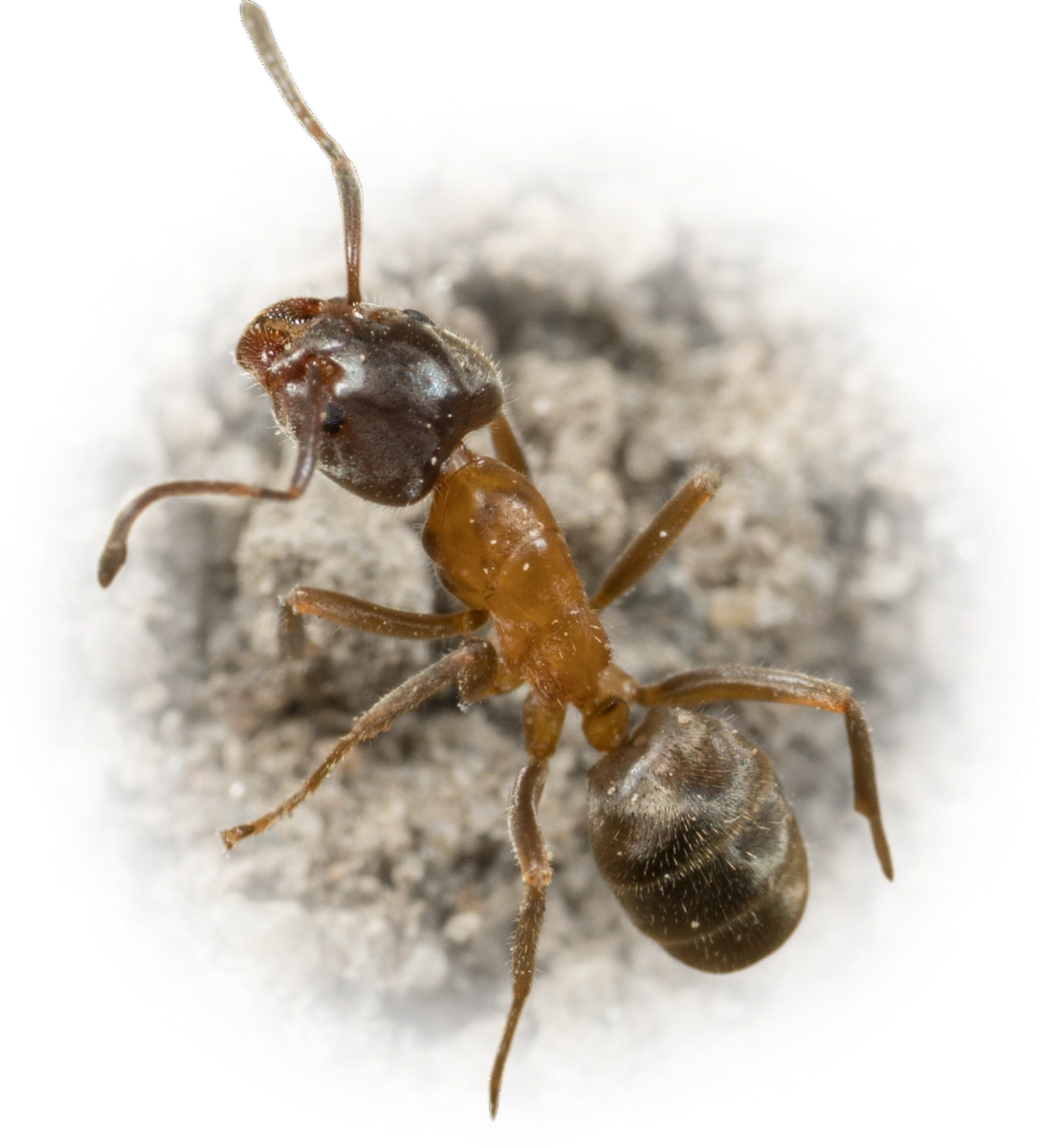
Liometopum occidentale
- Scientific Name
- Liometopum occidentale
- Tribe
- Tapinomini
- Subfamily
- Dolichoderinae
- Author
- Emery, 1895
- Common Name
- Western Velvety Tree Ant
- Distribution
- Found in 2 countries
- Nuptial Flight
- from March to July, peaking in May
AI Identifiable
try →
Liometopum occidentale Overview
Liometopum occidentale (commonly known as the Western Velvety Tree Ant) is an ant species of the genus Liometopum. It is primarily documented in 2 countries , including Mexico, United States of America. Detailed taxonomic data and occurrence records can be further explored via authoritative databases such as AntWeb or the Global Biodiversity Information Facility (GBIF).
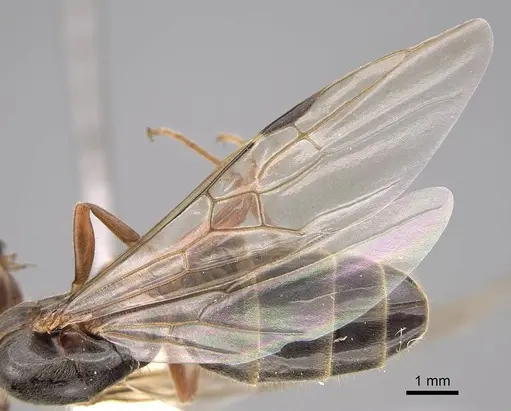
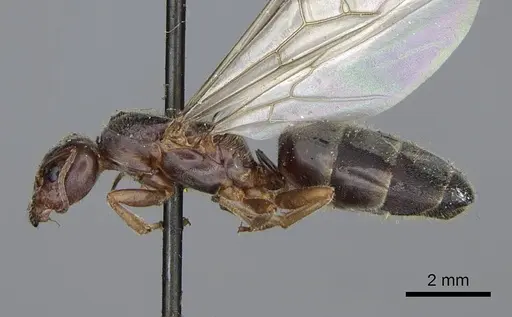
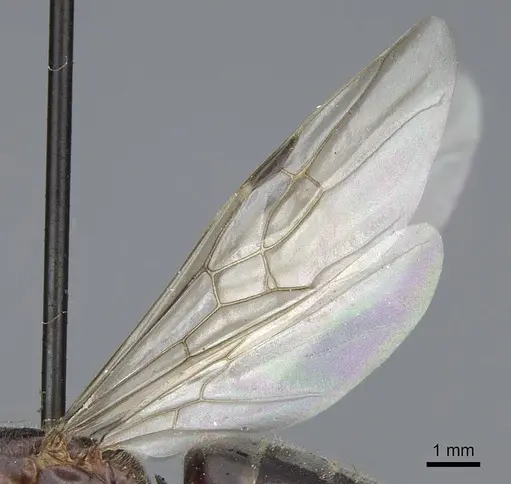
The nuptial flight of Liometopum occidentale is a significant biological event, typically occurring from March to July, peaking in May. During this time, winged queens and males leave the nest to mate and establish new colonies.
Liometopum occidentale - "Western Velvety Tree Ant"
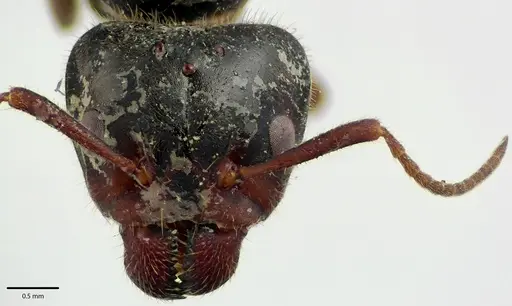
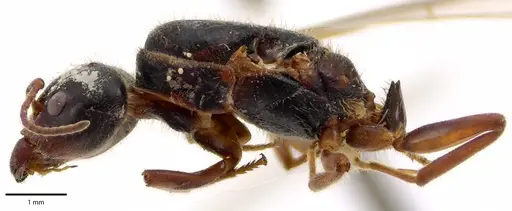
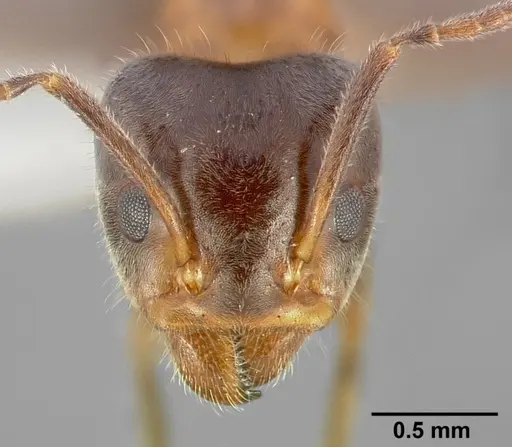
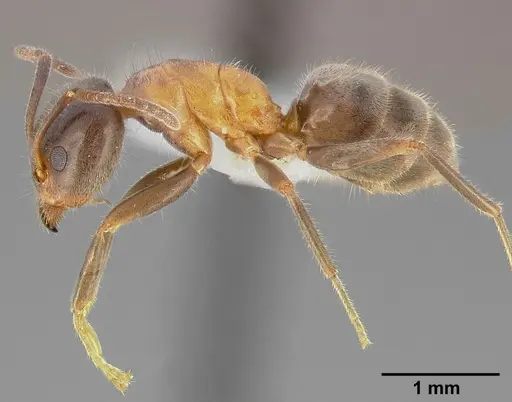
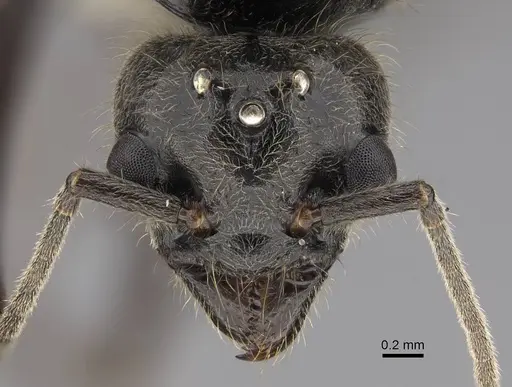
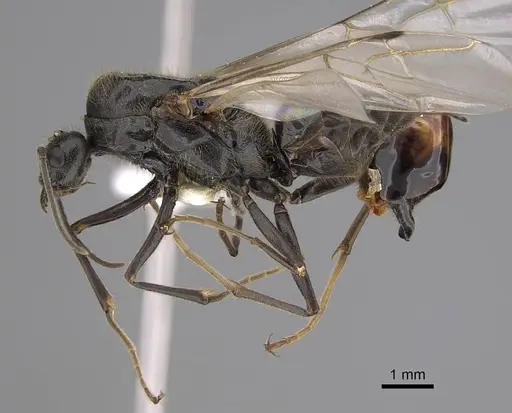
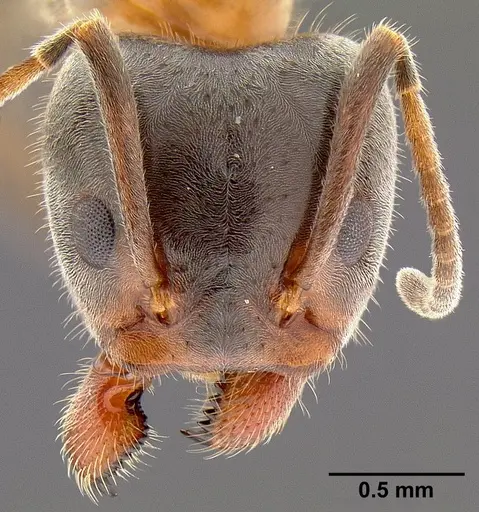
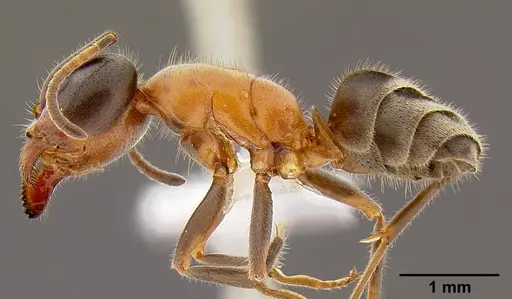
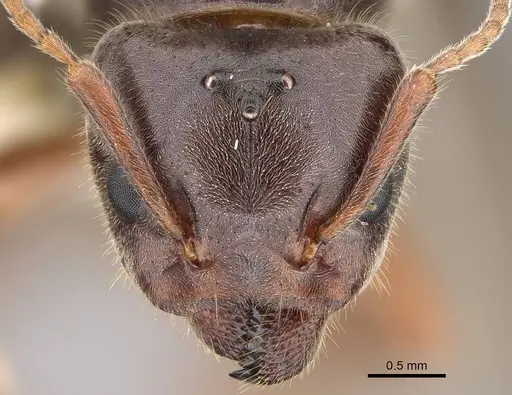
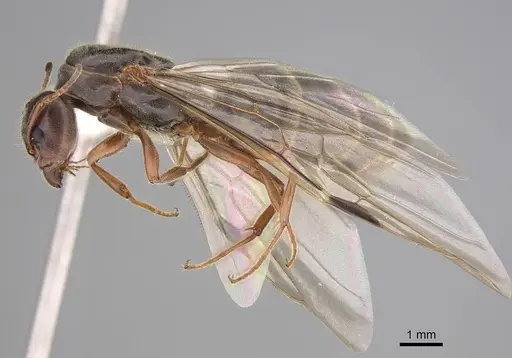
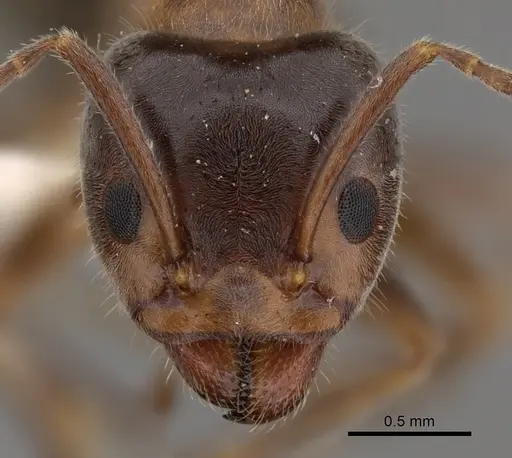
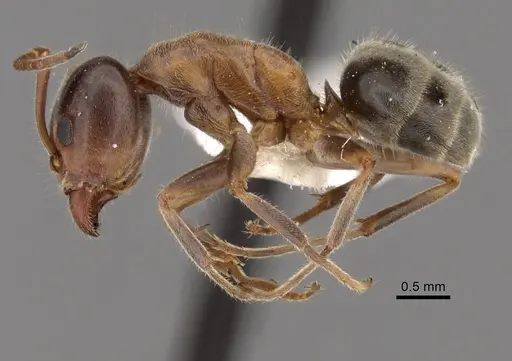
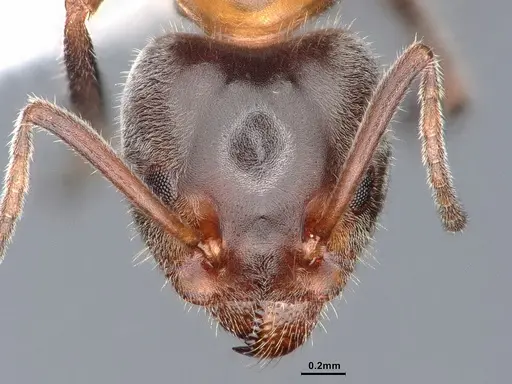
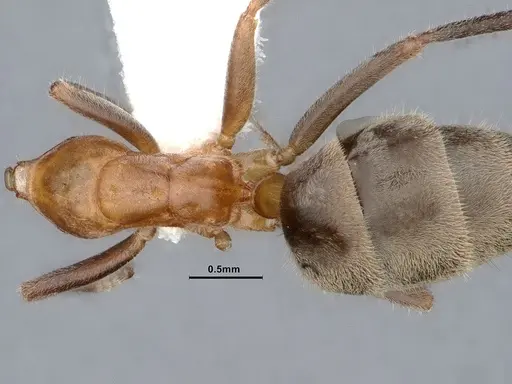
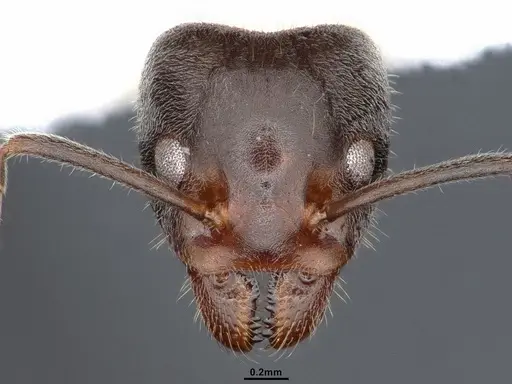
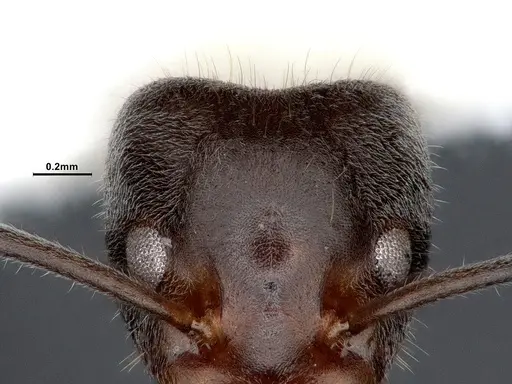
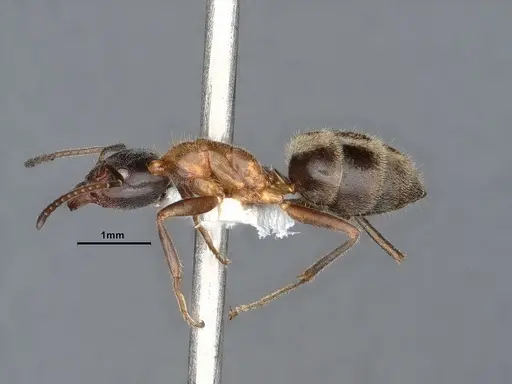
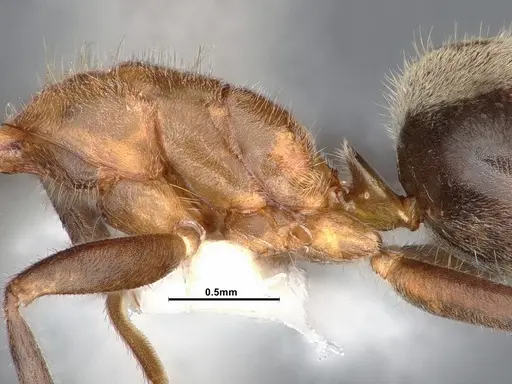
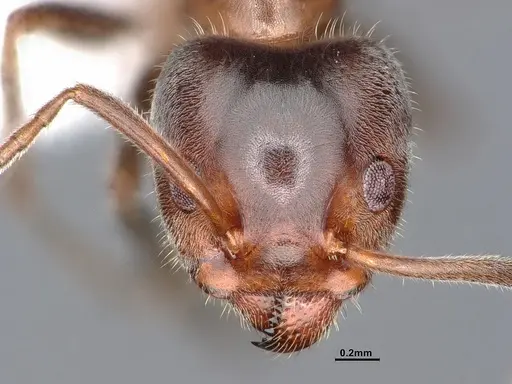
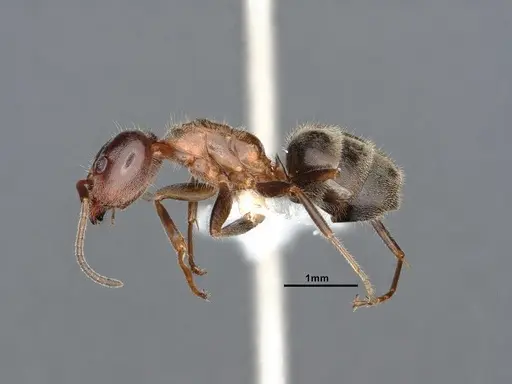
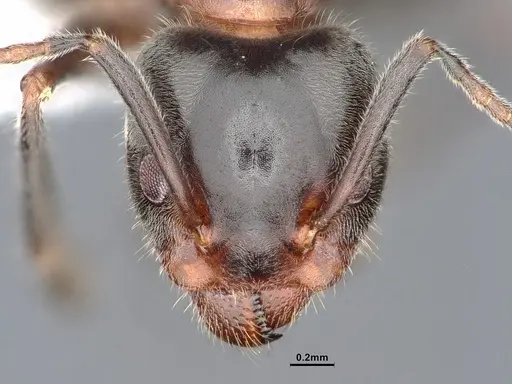
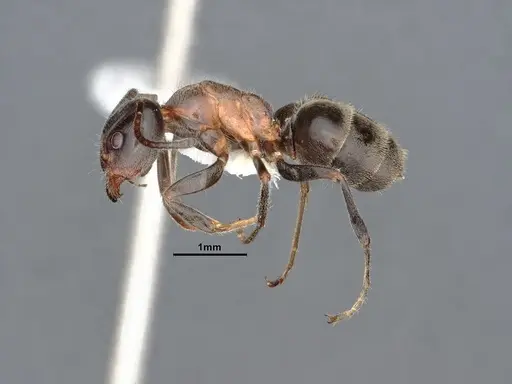
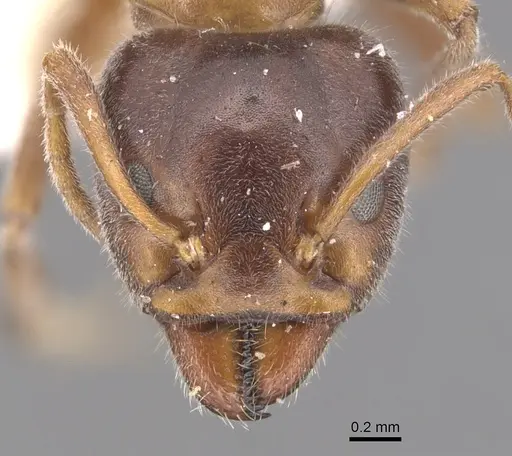
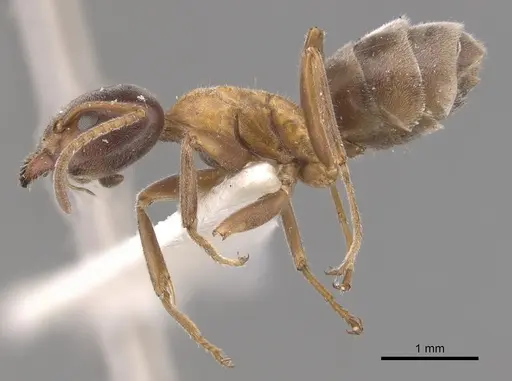
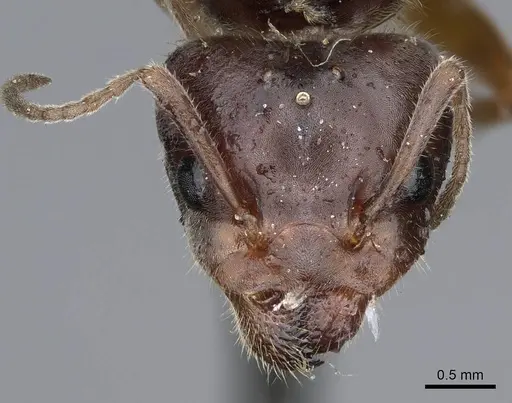
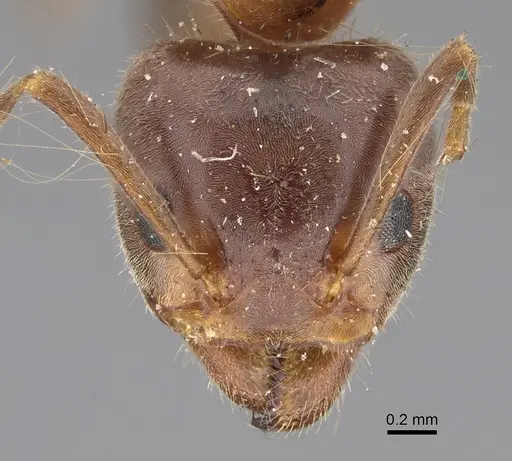
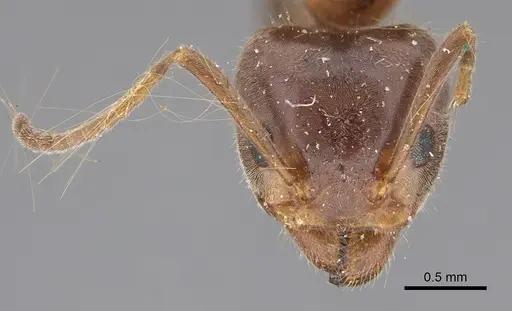
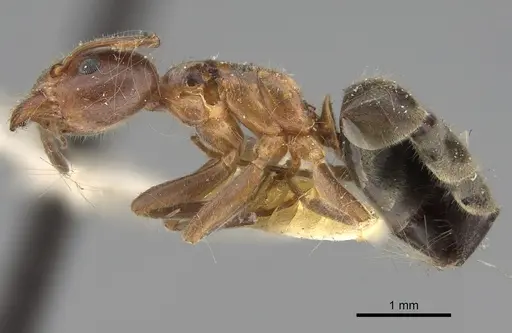
Liometopum occidentale is a large, polymorphic dolichoderine ant native to western North America, ranging from southern Washington through California to Baja California, Mexico. Workers are bicolored with a dark brown head and gaster and a lighter golden-yellow to light brown mesosoma, measuring 2.9-5.1mm. Queens are substantial at 10.5-12mm. These ants form massive colonies of 40,000-60,000 workers and create extensive foraging trails that can stretch over 60 meters, sometimes reaching 185 meters in length. They are a dominant species in oak and pine forests of the southwestern US, known for their aggressive defense when disturbed, they emit a distinctive rotten coconut-like odor and will bite. They are opportunistic omnivores with a strong preference for sugar solutions, and they tend hemipterans (aphids and scale insects) for honeydew. Colonies are speculated to be polydomous (multiple nest sites) and may have multiple queens [1][2][3].
Quick Summary
- Difficulty: Medium
- Origin & Habitat: Native to western North America (Washington, Oregon, California, Baja California). Found from sea level to over 1700m elevation in coastal regions. Prefer to nest in crevices of oaks, alders, elms, cottonwoods, and creosote, in soil, underneath bark of dead trees, and under rotten logs. Recently reported nesting in urban homes, underneath insulation or between walls [1][2][3].
- Colony Type: Likely polydomous (multiple connected nest sites) with possibly multiple maternally-related queens. Colonies can reach 40,000-60,000 workers. Workers are polymorphic (varying in size from 1.4-5.2mg). Queen number is not definitively confirmed, some evidence suggests multiple queens based on mtDNA analysis, but this needs further study [2][3].
- Size & Growth:
- Antkeeping:
- Temperature: Keep nest area around 20-24°C. Workers forage at 24-38°C in the wild and are active from 8-38°C. In captivity, a gentle gradient allowing them to choose their preferred temperature works well. In late summer when temperatures exceed 35°C, they become nocturnal in the wild [3].
- Humidity: Moderate humidity. They nest in tree crevices and soil, not in extremely wet or dry conditions. Provide a moist nest chamber but avoid waterlogging. They have relatively high body water content (68.9%) compared to some related species [3].
- Diapause: Yes, they are adapted to seasonal temperate climates. Nuptial flights occur throughout May, suggesting a winter rest period is needed. Keep them cool (around 10-15°C) for 3-4 months during winter [3].
- Nesting: In captivity, they do well in naturalistic setups with multiple chambers or in Y-tong/plaster nests. They prefer tight, dark spaces that mimic tree crevices. Provide dead wood, cork, or similar materials they can nest in. Given their large colony size and polydomous nature, they need more space than typical small ants. Outworld should be spacious with multiple foraging stations [1][2].
- Behavior: Highly aggressive toward other ant species and will defend vigorously. When disturbed, they emit a pungent rotten coconut-like odor and resort to biting. They form massive foraging trails extending 60m or more in the wild, traveling mostly underground in shallow galleries or leaf litter. Workers are polymorphic, some are much larger than others. They are generalist scavengers and predators, and they actively tend aphids and scale insects for honeydew. They have excellent trail-forming behavior and will establish persistent foraging routes. Escape risk is moderate, they are not tiny but are agile climbers. Use standard barrier methods [1][2][3].
- Common Issues: colonies can reach 40,000-60,000 workers requiring significant space, ensure your setup can accommodate large colony growth, aggressive toward other ant species, keep them isolated from other ant colonies, emit strong pungent odor when disturbed, normal defensive behavior, not an issue, sensitive to Argentine ant competition, avoid keeping in areas where Argentine ants have invaded, polymorphic workers mean varying sizes, all workers consume similar amounts of sugar regardless of size (about 0.25mg per worker) [3]
Nuptial Flight Activity Analysis 149 observations
Flight Activity by Hour 149 observations
Liometopum occidentale nuptial flight activity peaks around 12:00 during the late morning to early afternoon. Activity is spread across a 24-hour window (00:00–23:00). A secondary activity peak occurs around 22:00. Times may be influenced by human observation patterns.
Housing and Nest Setup
Liometopum occidentale requires more space than typical ants due to their massive colony sizes. In the wild, colonies can reach 40,000-60,000 workers with foraging areas covering up to 2,000 m². For captivity, start with a standard test tube setup for founding colonies, but plan to expand to a larger formicarium as the colony grows. They prefer naturalistic setups with dead wood, cork, or multiple chambers that mimic their natural tree crevice nesting sites. A Y-tong or plaster nest with multiple connected chambers works well. The outworld should be spacious, these ants form long foraging trails and need room to move. Provide multiple feeding stations since they are trail-formers. Ensure the nest has dark, tight spaces they can retreat to [1][2][3].
Feeding and Diet
These ants are opportunistic omnivores with a strong preference for sugar sources. Laboratory tests show they strongly prefer 25% sucrose, glucose, and honey solutions, these were consumed most heavily during both day and night trials. They consume about 0.25mg of 25% sucrose water per worker regardless of their size. They also accept protein baits, with anchovy being particularly popular. In the wild, they tend hemipterans (aphids and scale insects) for honeydew and actively hunt small insect prey. For captivity, provide sugar water (sucrose or honey at 25%) constantly, and offer protein sources like mealworms, crickets, or other small insects 2-3 times weekly. They will also accept fruit and other sweet substances. During hot summer months (above 35°C), they become nocturnal foragers in the wild, adjust feeding times accordingly if your colony shows this behavior [4][3].
Temperature and Seasonal Care
Keep the nest area at roughly 20-24°C with a gentle gradient allowing workers to choose their preferred temperature. In the wild, foragers are active at temperatures between 24-38°C and have been observed foraging at temperatures as low as 8°C. They are most active during early summer both day and night, but in late summer when daytime temperatures exceed 35°C, they switch to nocturnal foraging. This means you should provide a heat source on one side of the outworld during summer but allow them to escape to cooler areas. During winter, they require a diapause period, keep them cool at around 10-15°C for 3-4 months. Nuptial flights occur throughout May in the wild, so timing your hibernation to allow for spring mating flights is important [3].
Behavior and Defense
Liometopum occidentale is highly aggressive toward other ant species and will vigorously defend its territory. When threatened, workers emit a distinctive pungent odor described as rotten coconut-like (sometimes confused with the odorous house ant, Tapinoma sessile) and resort to biting. They form massive, persistent foraging trails, some trails in the wild have been observed in the same location for over two years without changing. Workers are polymorphic, meaning they come in different sizes, but surprisingly all workers consume similar amounts of sugar regardless of their size. They produce alarm pheromones that can affect related ant species like Tapinoma sessile and Forelius pruinosus. Colonies show some aggression toward each other based on geographic distance, ants from sites less than 1km apart show minimal aggression, while colonies more than 8km apart show significantly higher aggression levels [1][2][3].
Competition and Ecological Considerations
This native species is negatively impacted by invasive Argentine ants (Linepithema humile). Studies show they rarely co-occur with Argentine ants in the wild, when Argentine ants invade an area, Liometopum occidentale populations decline or disappear entirely. They are considered a habitat or resource specialist and compete poorly with the more aggressive Argentine ant. In aggression trials, Argentine ants initiated aggression against L. occidentale in 42-53% of interactions depending on how long the invasion has been established. If you live in an area where Argentine ants are present, be especially careful about escape prevention, if these ants were to escape and establish in areas with Argentine ants, they would face significant competitive pressure. They are highly aggressive toward other native ant species as well [5][3][6].
Frequently Asked Questions
How long does it take for Liometopum occidentale to produce first workers?
The exact egg-to-worker development time has not been directly studied for this species. Based on related dolichoderine ants, expect approximately 6-10 weeks from egg to first worker at optimal temperatures around 24°C. Annual productivity is high, established colonies produce 2-2.8 kg of brood per year [3].
Can I keep multiple Liometopum occidentale queens together?
The colony structure is not fully confirmed. Some evidence suggests colonies may have multiple maternally-related queens (polygynous) and are polydomous (multiple nest sites). However, combining unrelated foundress queens has not been documented and is not recommended. If you catch a queen, keep her alone until she establishes a colony [2][3].
What do Liometopum occidentale eat?
They are opportunistic omnivores with a strong preference for sugar. They readily consume 25% sucrose, glucose, and honey solutions. They also eat protein sources like insects (especially anchovy in studies) and will tend aphids and scale insects for honeydew. In captivity, provide sugar water constantly and protein (insects) 2-3 times weekly [4][3].
Are Liometopum occidentale good for beginners?
This is a medium-difficulty species. They are fascinating to watch due to their large colonies, polymorphic workers, and trail-forming behavior. However, they require more space than typical ants (colonies reach 40,000-60,000 workers), are aggressive toward other ant species, and need a winter diapause period. They also emit a strong odor when disturbed. They are best suited for keepers who can accommodate large colonies and understand temperate ant seasonal requirements [2][3].
Do Liometopum occidentale need hibernation?
Yes, they require a winter diapause period. In their native range (Washington to Baja California), they experience cold winters. Keep colonies cool at 10-15°C for 3-4 months during winter. Nuptial flights occur throughout May, so timing hibernation to end in spring allows for mating flights [3].
How big do Liometopum occidentale colonies get?
Colonies are massive, they can reach 40,000 to 60,000 workers in the wild. They are polydomous, meaning they maintain multiple connected nest sites. This is one of the largest native ant colonies in North America. You will need to plan for significant space as your colony grows [2][3].
Why do my Liometopum occidentale smell like coconut?
This is normal! Liometopum occidentale produces a distinctive rotten coconut-like odor as a defensive secretion when disturbed. This is a key identification characteristic and is often confused with the odorous house ant (Tapinoma sessile). The smell is their alarm response, they emit it when threatened along with biting [4][1].
When do Liometopum occidentale have nuptial flights?
Nuptial flights occur throughout May in the wild. If you are keeping this species, plan your colony's seasonal cycle so the queen and colony are active in spring to coincide with natural flight timing. After hibernation in early spring, colonies should become active as temperatures rise [1][3].
References

This caresheet is licensed under CC BY-SA 4.0 .
ANTWEB1041686
View on AntWeb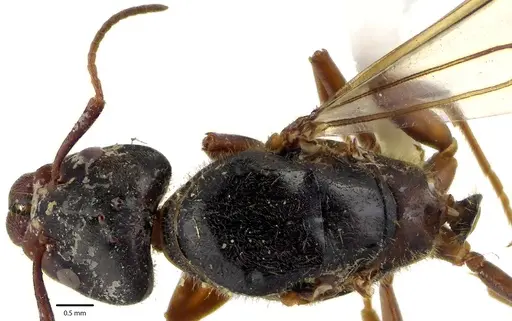
CASENT0005328
View on AntWeb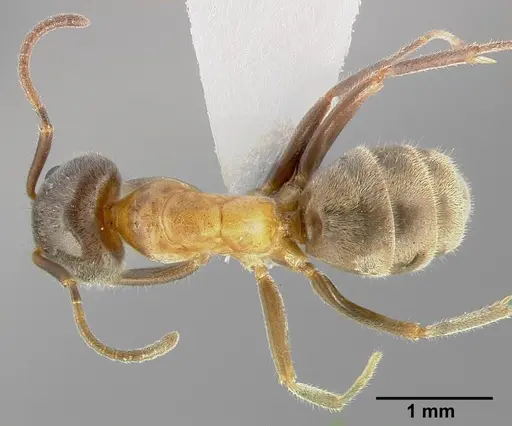
CASENT0013018
View on AntWeb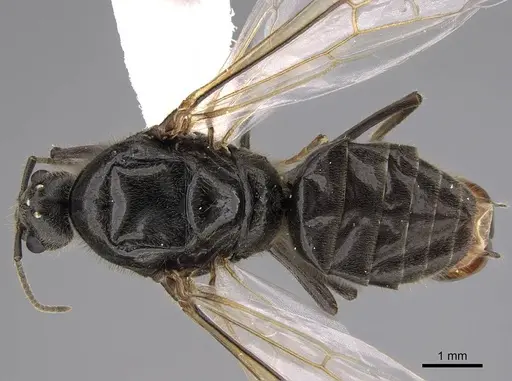
CASENT0106078
View on AntWeb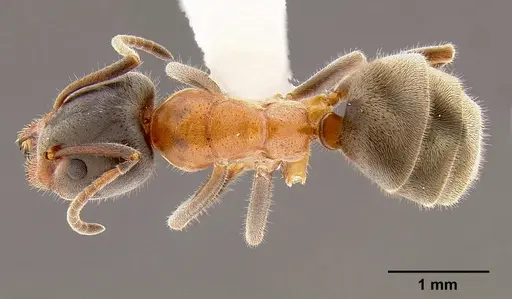
CASENT0220171
View on AntWeb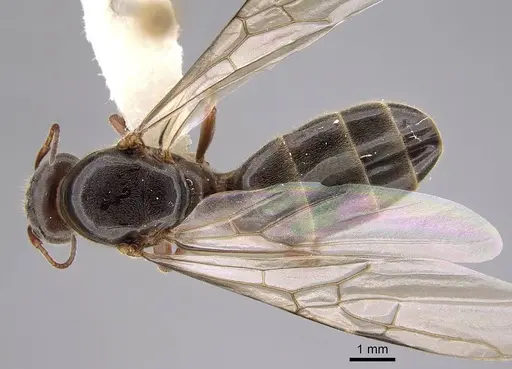
CASENT0249748
View on AntWeb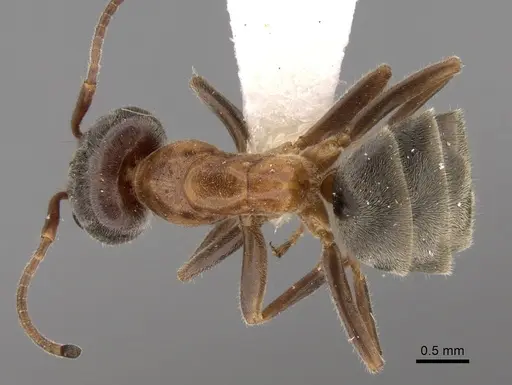
CASENT0884393
View on AntWeb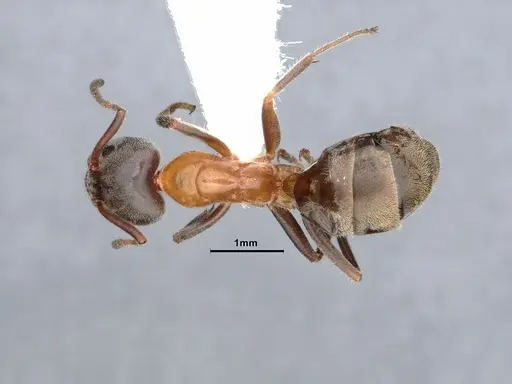
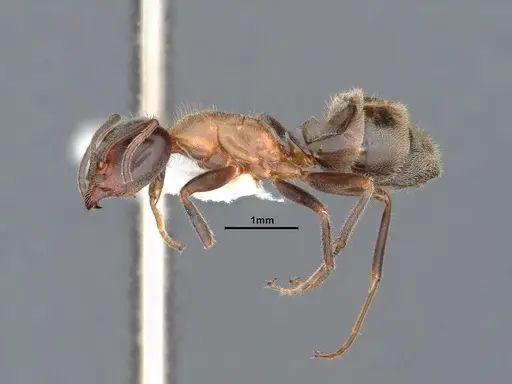
CASENT0884395
View on AntWeb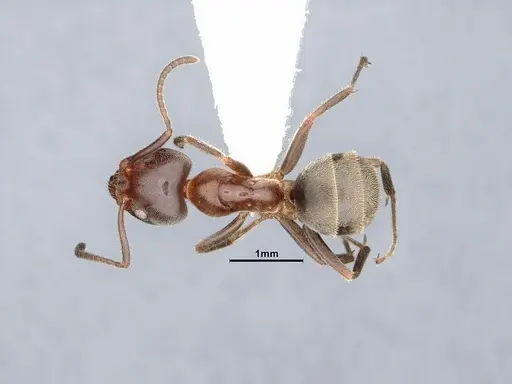
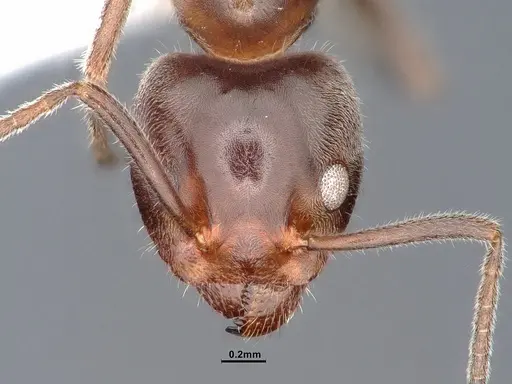
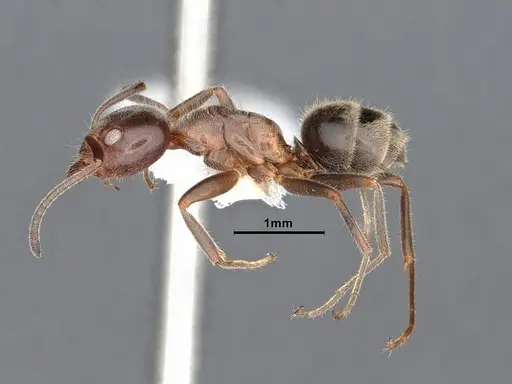
CASENT0884397
View on AntWeb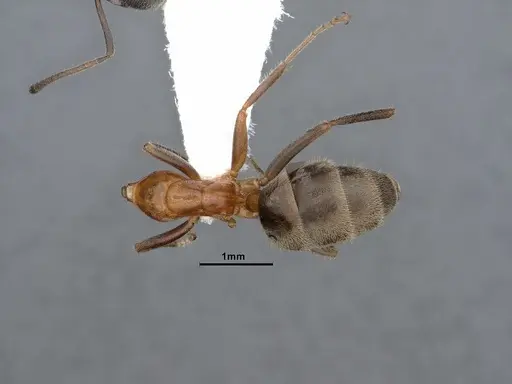
CASENT0884400
View on AntWeb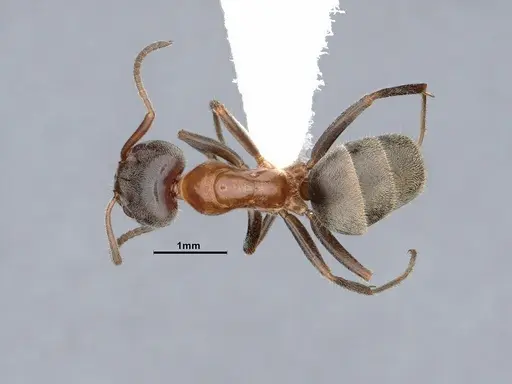
CASENT0884404
View on AntWeb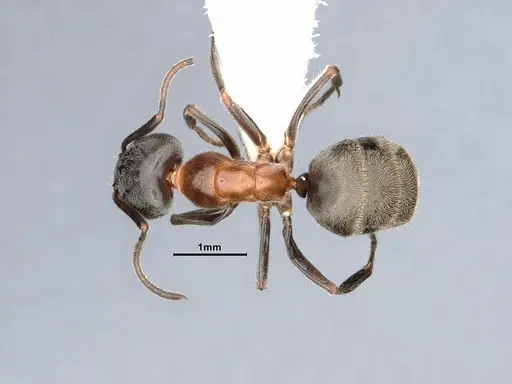
CASENT0905042
View on AntWeb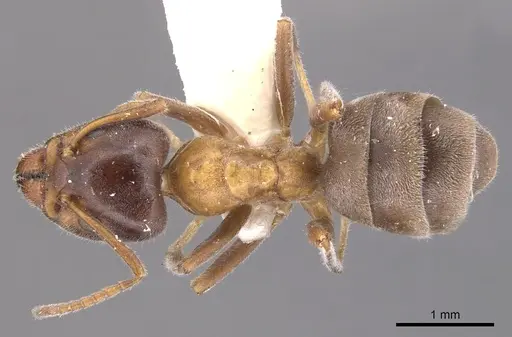
CASENT0923045
View on AntWeb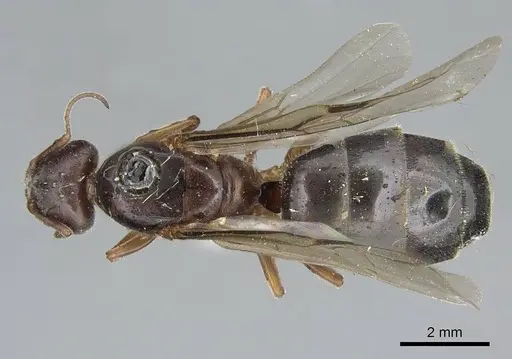
CASENT8169073
View on AntWeb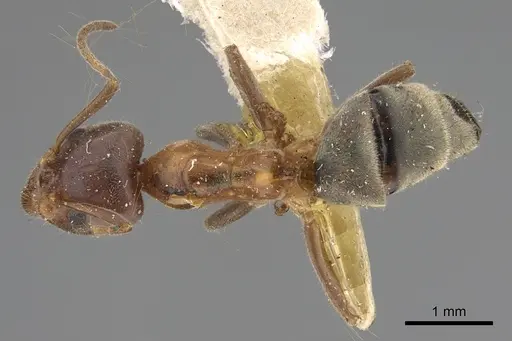
Literature
Loading...Loading products...