
Tapinoma sessile exhibits a clear seasonal flight window. Peak flight activity is concentrated in June, with the overall period spanning May to July.
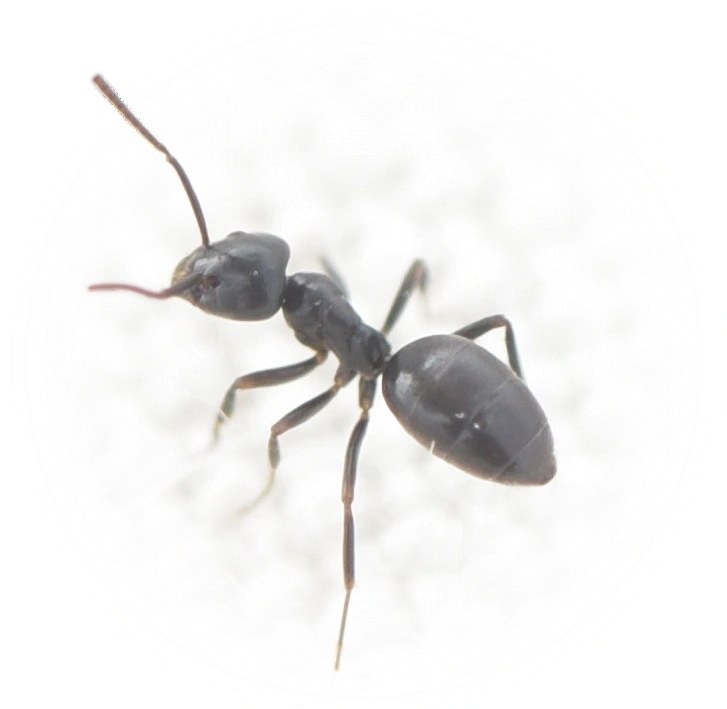
Tapinoma sessile
- Scientific Name
- Tapinoma sessile
- Tribe
- Tapinomini
- Subfamily
- Dolichoderinae
- Author
- Say, 1836
- Common Name
- Odorous House Ant
- Distribution
- Found in 3 countries
- Nuptial Flight
- from May to July, peaking in June
AI Identifiable
try →
Tapinoma sessile Overview
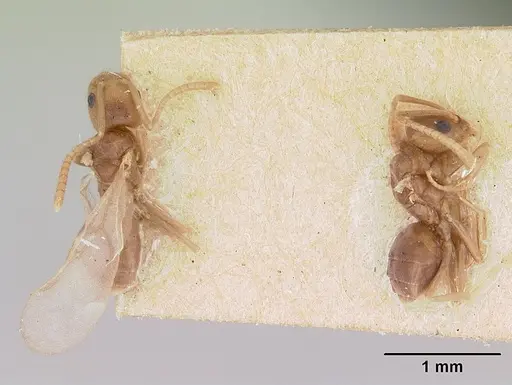
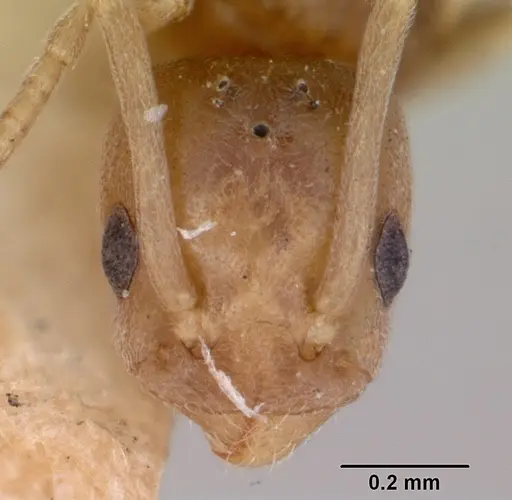
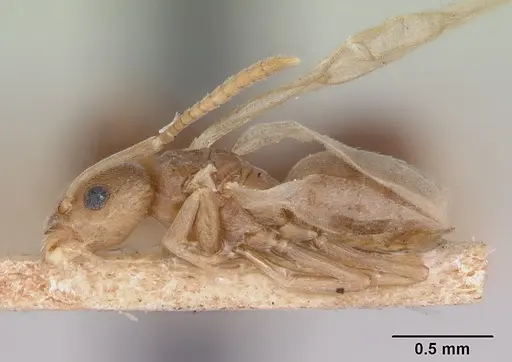
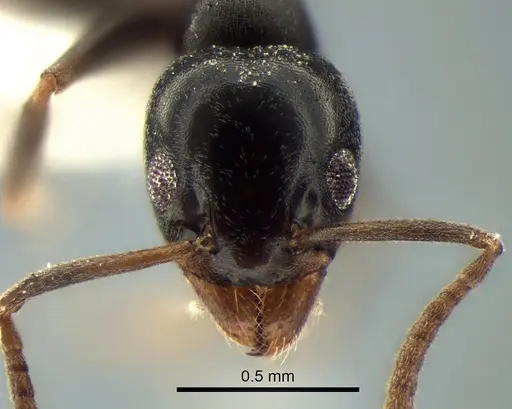
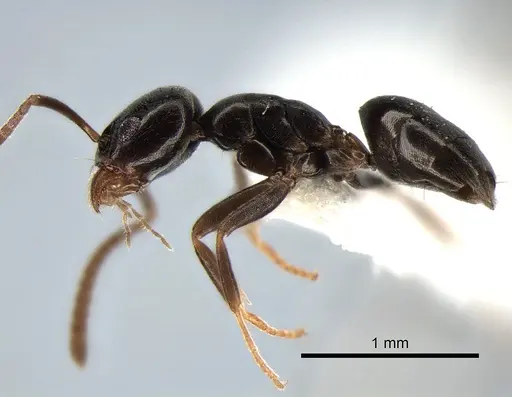
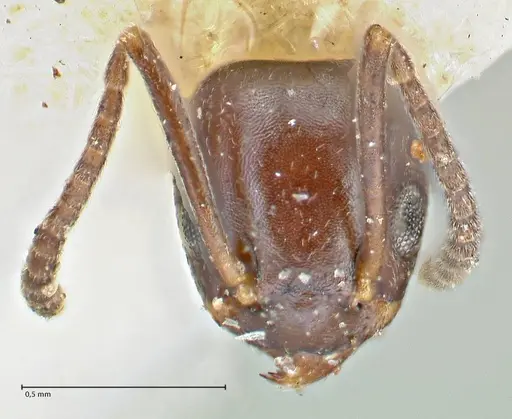
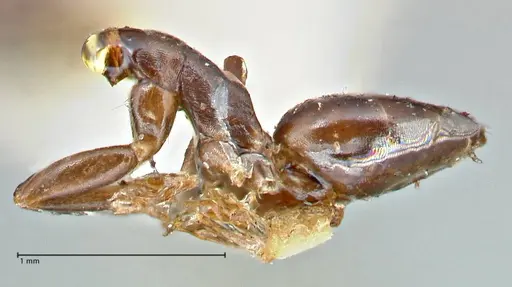
Tapinoma sessile (commonly known as the Odorous House Ant) is an ant species of the genus Tapinoma. It is primarily documented in 3 countries , including Canada, Mexico, United States of America. Detailed taxonomic data and occurrence records can be further explored via authoritative databases such as AntWeb or the Global Biodiversity Information Facility (GBIF).
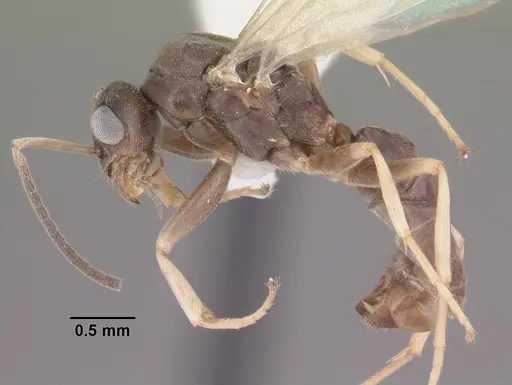
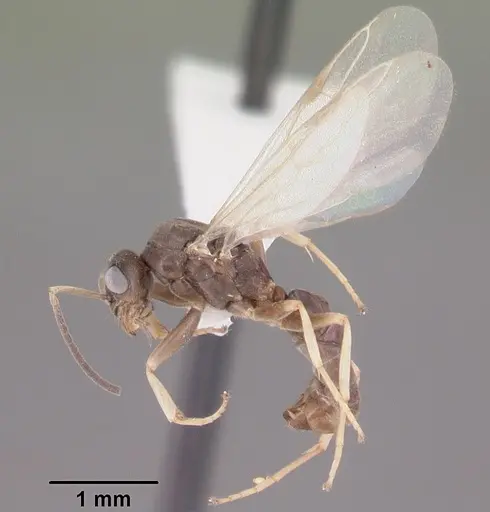
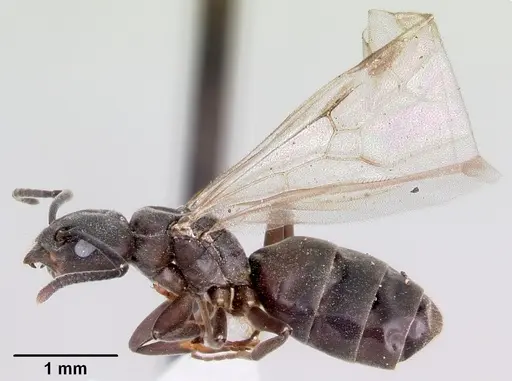
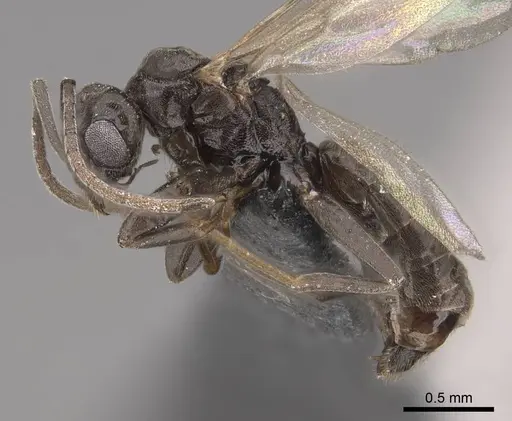
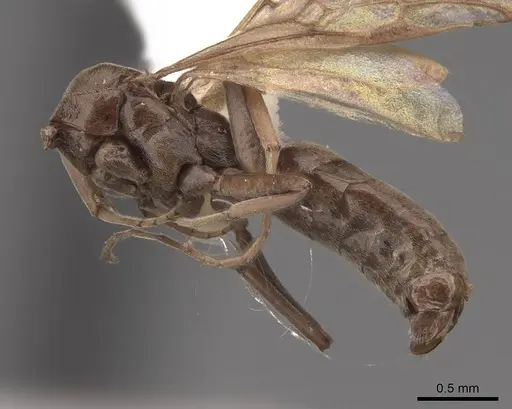
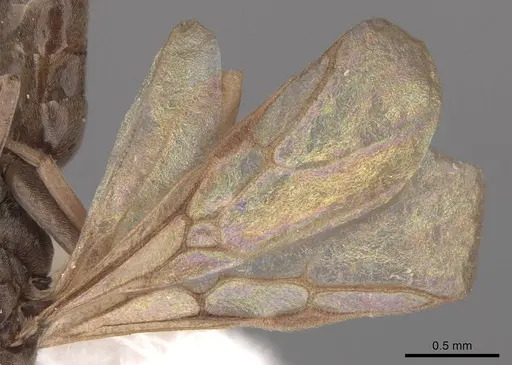
The nuptial flight of Tapinoma sessile is a significant biological event, typically occurring from May to July, peaking in June. During this time, winged queens and males leave the nest to mate and establish new colonies.
Tapinoma sessile - "Odorous House Ant"
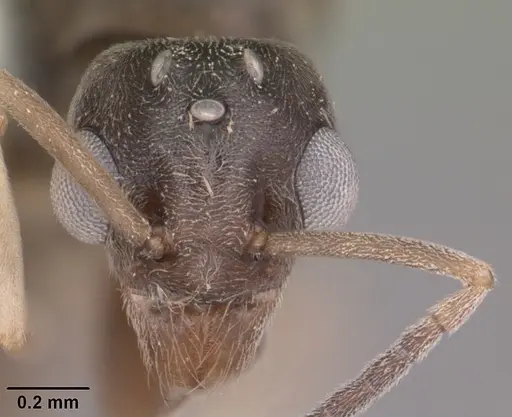
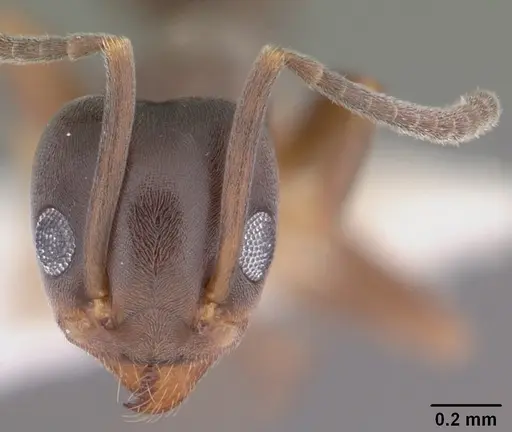
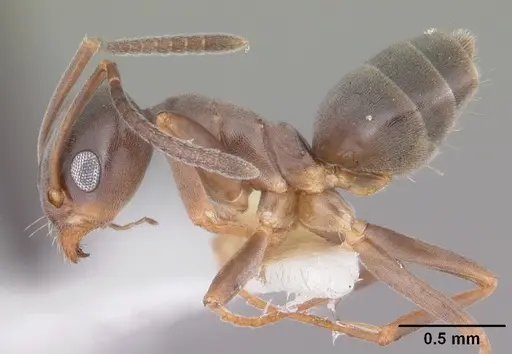
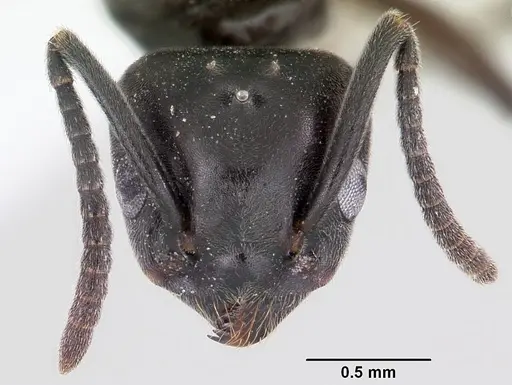
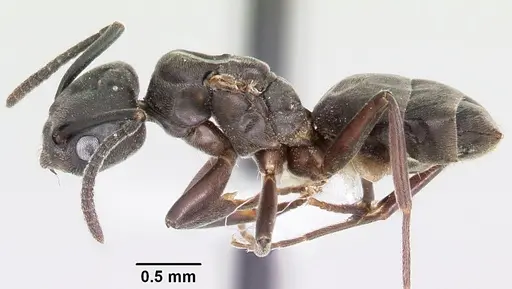
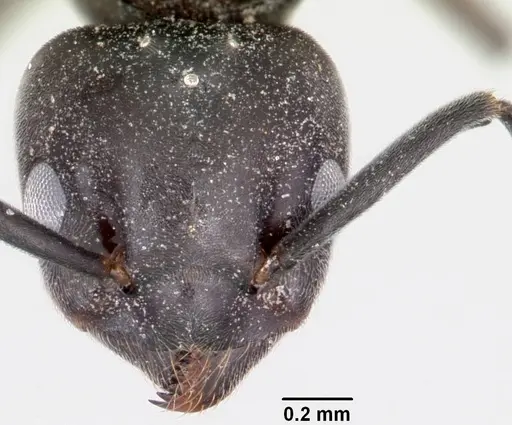
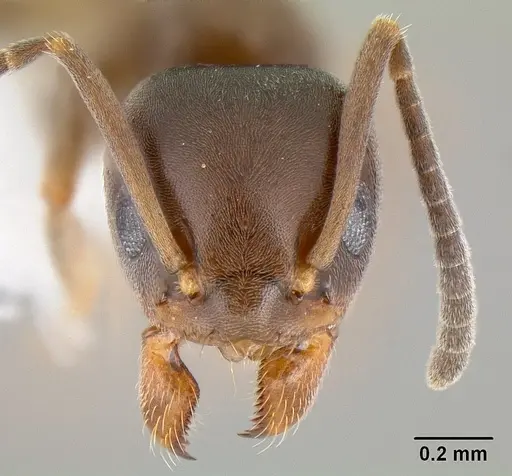
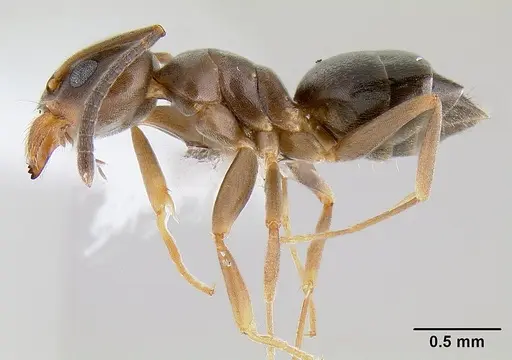
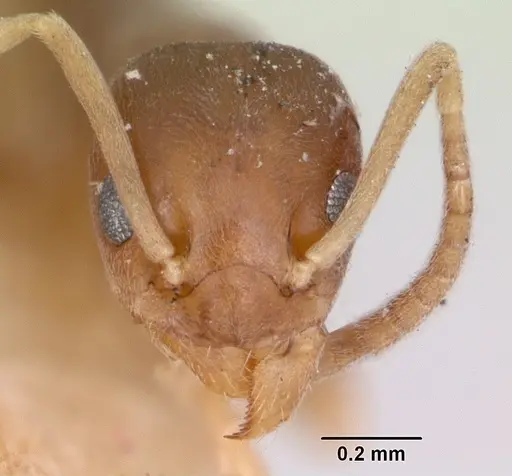
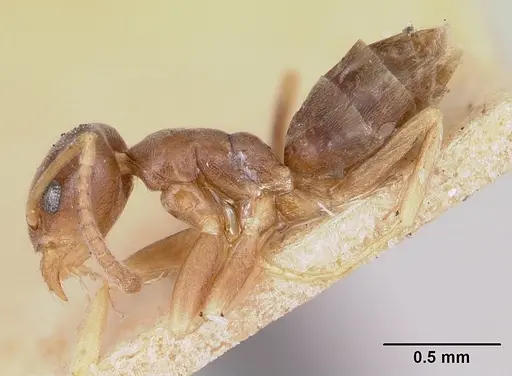
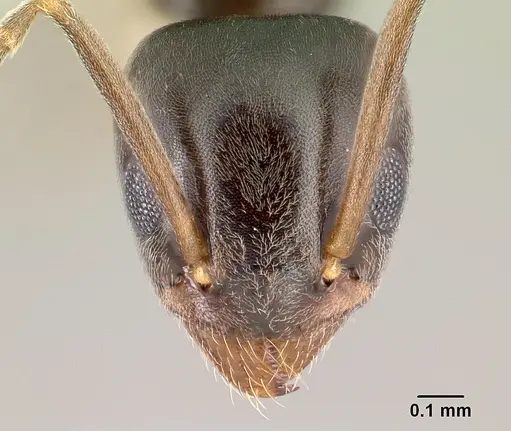
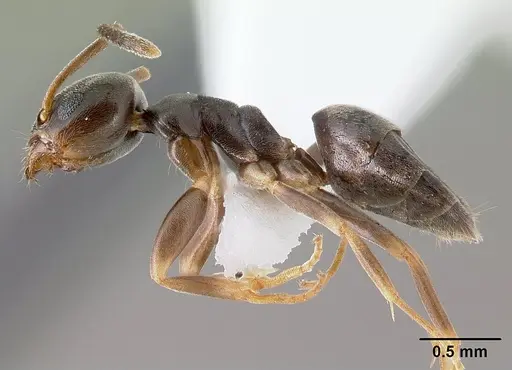
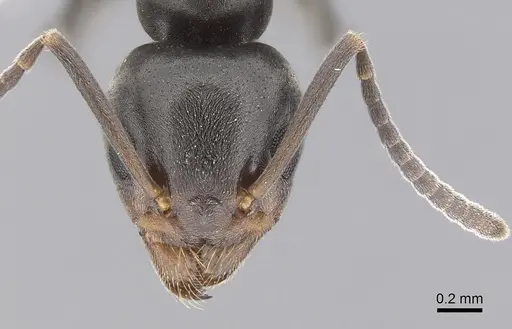
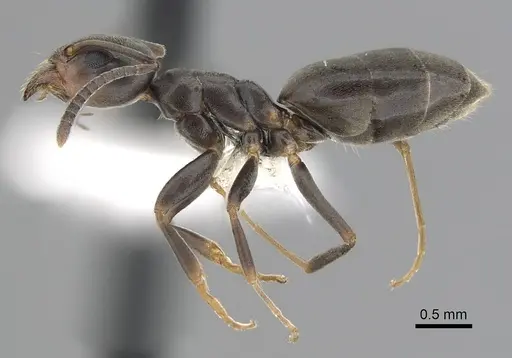
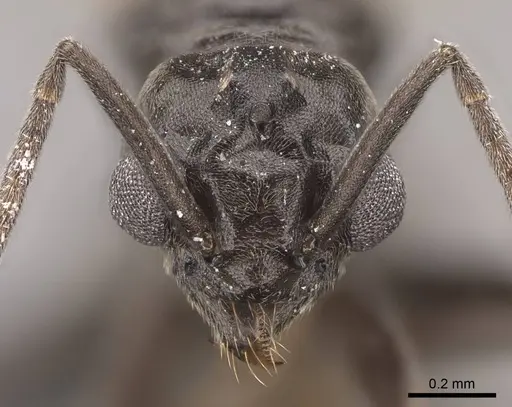
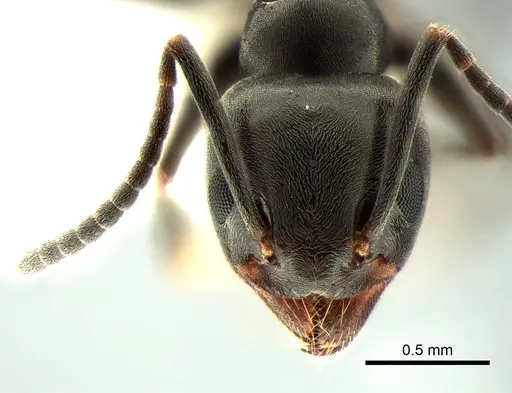
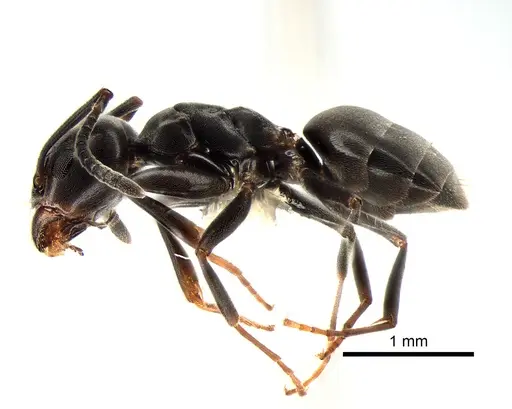
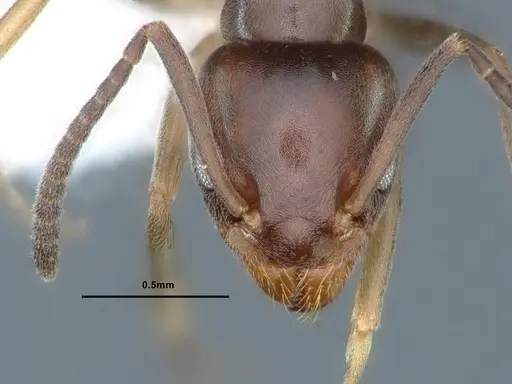
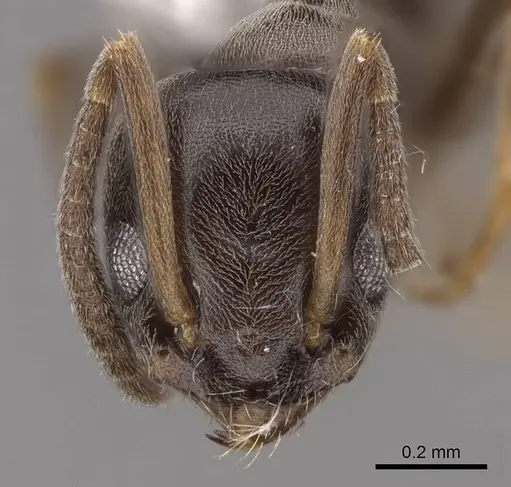
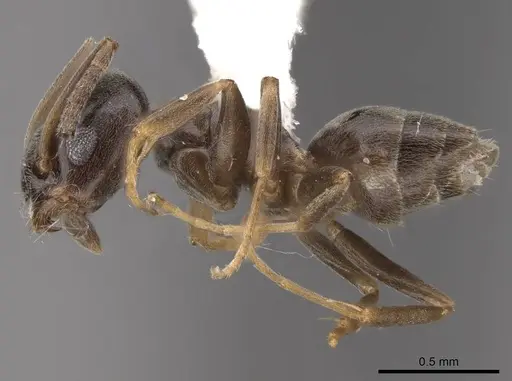
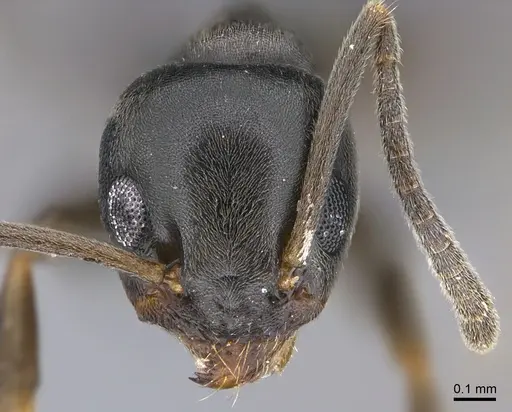
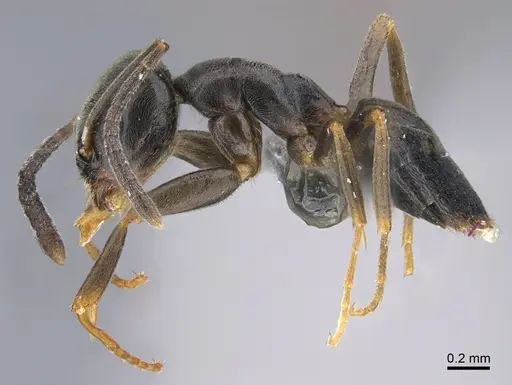
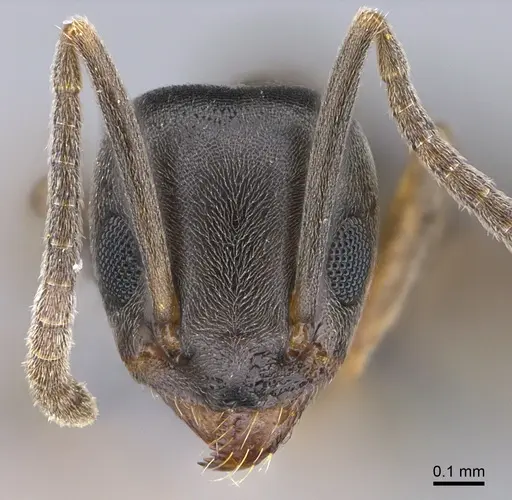
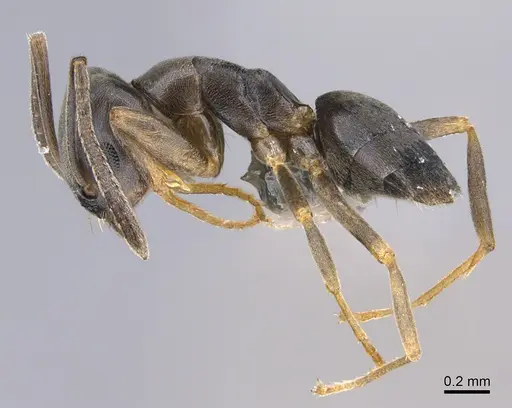
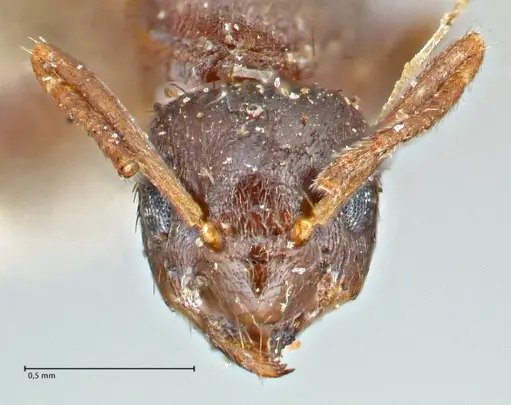
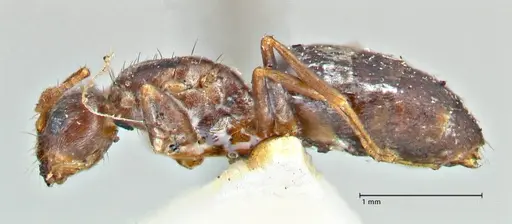
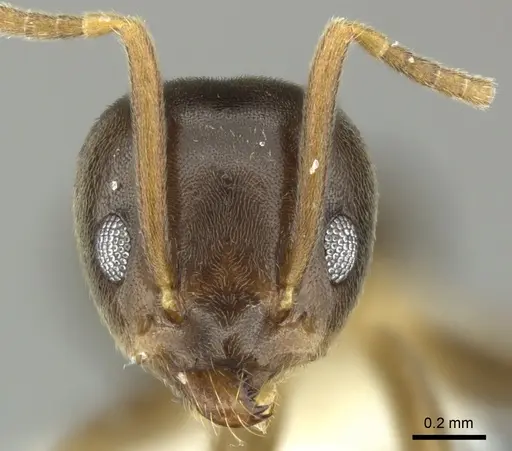
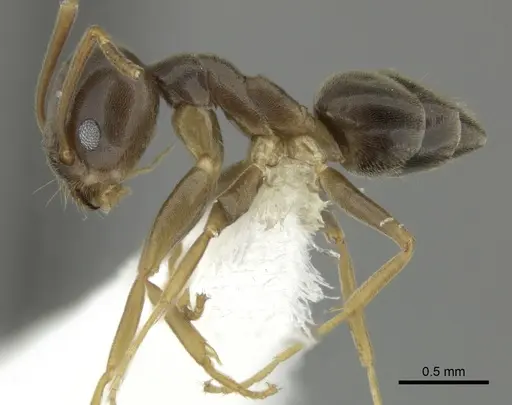
The odorous house ant is a small, dark brown to black ant native to North America, with workers measuring 2.4-3.2mm [1]. It gets its name from the distinctive rotten coconut or blue cheese odor it releases when crushed, caused by the chemical 6-methyl-5-hepten-2-one [2]. This species belongs to the subfamily Dolichoderinae and has a very small, flattened petiolar node that is often hidden beneath the abdomen, making it easy to distinguish from other ants [3]. The odorous house ant has the widest geographic range and greatest ecological tolerance of any ant in North America, found from southern Canada to Florida and west to California [4].
What makes this ant particularly fascinating is its extreme social flexibility. In natural habitats, colonies are small with just one queen and around 50-100 workers, living in single nests in preformed cavities like acorns or under rocks [5]. However, in urban environments, the same species transforms dramatically, forming massive supercolonies with thousands of queens and millions of workers spread across multiple interconnected nests [5]. This adaptability has made it one of the most common household ant pests in the United States, ranking as the number one 'call-back' ant in pest control surveys [6].
Quick Summary
- Difficulty: Easy
- Origin & Habitat: Native to North America, found throughout the continent from southern Canada to northern Mexico, in virtually every habitat type from forests and grasslands to urban areas [4][3]. In natural settings, they inhabit forests, bogs, meadows, and fields. In urban areas, they nest under mulch, concrete, buildings, and in wall voids.
- Colony Type: Facultatively polygynous, colonies can be single-queen (monogyne) in natural habitats or multi-queen (polygyny) in urban habitats. Natural colonies are monodomous (single nest), while urban colonies are polydomous (multiple interconnected nests) forming supercolonies [7][5].
- Colony: Optionally polygyne, Supercolonial
- Size & Growth:
- Queen: Approximately 5.5mm [1], estimated from species description
- Worker: 2.4-3.2mm [1]
- Colony: Natural: 50-100 workers (up to 128), Urban: can reach millions of workers across multiple nests [5]
- Growth: Fast, urban colonies can expand rapidly through seasonal polydomy, adding nests exponentially in spring [8]
- Development: 4-6 weeks (estimated based on typical Tapinoma development patterns) (Development time is temperature-dependent, warm indoor conditions can accelerate growth. First workers (nanitics) are smaller than mature workers.)
- Antkeeping:
- Temperature: Tolerates a wide range but prefers 20-30°C. Active when soil surface temperatures are 15-30°C [9]. Keep nest area at 20-25°C for optimal development. Can tolerate cooler temperatures than many tropical ants.
- Humidity: Highly adaptable, can survive in both dry and moist conditions [10]. Keep nest substrate moderately moist but not waterlogged. They adapt to whatever moisture is available in their nesting location.
- Diapause: Yes, in natural habitats, colonies are active from approximately April to October and enter winter dormancy [5]. In heated buildings, colonies can remain active year-round. If keeping colonies indoors, no diapause is needed.
- Nesting: Extremely versatile, will nest in almost any cavity. In captivity, they readily accept test tubes, acrylic nests, and Y-tong setups. They prefer tight, dark spaces and will often nest in preformed cavities. Provide a dark nesting area with some humidity.
- Behavior: Generally docile and non-aggressive. Workers do not sting and their bite is barely noticeable due to their small size [11]. They are highly active foragers that establish well-defined chemical trails to food sources. In natural habitats, they are subdominant and often displaced by other ants. In urban environments, they become behaviorally dominant through sheer numbers. They tend aphids and other honeydew-producing insects for their sugary secretions [12]. Escape risk is moderate, they are small but not particularly strong climbers. Use standard barrier methods.
- Common Issues: frequent nest relocation, colonies may move every few weeks, making them difficult to track in captivity, supercolony formation in urban settings, large colonies can be overwhelming and difficult to eliminate if unwanted, attracted to sweets, can become a persistent kitchen pest if food sources are available, competition with other ants, outcompeted by Argentine ants and other dominant species in direct confrontation, small size makes them prone to escaping through tiny gaps, ensure excellent escape prevention
Nuptial Flight Activity Analysis 466 observations
Flight Activity by Hour 466 observations
Tapinoma sessile nuptial flight activity peaks around 16:00 during the afternoon. Activity is spread across a 23-hour window (00:00–22:00). A secondary activity peak occurs around 14:00. Times may be influenced by human observation patterns.
Housing and Nest Setup
Tapinoma sessile is remarkably adaptable when it comes to housing. In captivity, they readily accept most standard nest types including test tubes, acrylic formicariums, and Y-tong nests. They prefer dark, enclosed spaces and will often nest in the most sheltered area of their enclosure. For founding colonies, a simple test tube setup works well, the queen seals herself in a water reservoir tube and the first workers emerge 4-6 weeks later. For established colonies, provide a nest chamber connected to a foraging area. These ants do not require high humidity like some tropical species, but the nest area should remain moderately moist. They are not particularly good climbers on smooth surfaces, making standard barrier methods effective for containment. One unique consideration is their tendency to frequently relocate within captivity, providing multiple potential nest sites may reduce this behavior. [3][5][11]
Feeding and Diet
The odorous house ant is a generalist omnivore with a strong preference for sugary foods. In the wild, their diet consists primarily of honeydew from aphids and other homopteran insects, which they actively tend and protect [12][3]. They also consume flower nectar, plant secretions, and will scavenge on dead insects and other protein sources. In captivity, they readily accept sugar water, honey, or diluted syrup as a constant carbohydrate source. For protein, offer small insects like fruit flies, small crickets, or mealworm pieces. They are particularly attracted to sweet liquid baits, which makes them both easy to feed and difficult to eliminate as pests. Feed sugar sources continuously and offer protein 2-3 times per week. Remove uneaten protein after 24 hours to prevent mold. Unlike some ants, they are not strict predators and can thrive on a sugar-heavy diet supplemented with occasional protein.
Temperature and Seasonal Care
One of the remarkable traits of T. sessile is its broad temperature tolerance. Workers remain active across a wide range, from around 15°C up to 30°C or more when the soil surface is warm [9]. The critical thermal maximum is approximately 36°C, beyond which they become sluggish [13]. For captive colonies, room temperature (20-25°C) is ideal for development. Brood development proceeds faster at warmer temperatures within this range. In terms of seasonal care, colonies in natural habitats enter a period of reduced activity during winter (approximately October to April), though the exact timing varies with latitude. If you keep colonies indoors in a temperature-controlled environment, they can remain active year-round and do not require a formal diapause period. However, allowing a slight cool-down period in winter may more closely match their natural cycle and promote colony health. Avoid placing nests directly on heating elements as excessive heat can be fatal.
Colony Structure and Social Organization
The social structure of T. sessile is perhaps its most fascinating aspect and demonstrates remarkable phenotypic plasticity. In natural habitats, colonies are typically small (50-128 workers), founded and maintained by a single queen (monogyne), and occupy a single nest (monodomous) [5]. These natural colonies are subdominant in their communities and coexist with many other ant species. However, in urban environments, the same species transforms dramatically. Urban colonies become polygynous with multiple reproductive queens (sometimes dozens to hundreds), polydomous with multiple interconnected nests, and can grow to contain millions of workers [5][8]. This extreme polygyny and polydomy creates supercolonies that dominate their urban environment. Genetic studies show that urban and natural colonies are the same species, with urban populations likely arising multiple times from nearby natural populations [7]. This flexibility means that when keeping this species, you may encounter either small single-queen colonies or large multi-queen supercolonies depending on their origin.
Behavior and Defense
Unlike many ants, T. sessile lacks a functional sting and poses minimal threat to keepers. Their primary defense is the famous odorous secretion that gives them their common name, when crushed, workers release a chemical (6-methyl-5-hepten-2-one) that smells like rotten coconut or blue cheese [2]. This odor is thought to deter predators and may serve as an alarm pheromone. Behaviorally, they are active foragers that establish persistent chemical trails to food sources. They use mass recruitment, sending many workers to exploit food discoveries. Workers are small but numerous and can overwhelm other ants at food sources through sheer numbers. In confrontations with Argentine ants (Linepithema humile), T. sessile typically loses due to the Argentine ant's larger colony size and cooperative fighting ability, though one-on-one interactions often favor T. sessile [14]. They are not particularly aggressive toward humans and are considered docile house guests.
Reproduction and Nuptial Flights
Reproduction in T. sessile occurs through winged reproductives (alates) that develop in established colonies. Males and females are both winged and capable of flight, though mating often occurs within or near the nest (intranidal mating) [3]. Males typically appear from May through July, with females appearing slightly later from June through early July [3]. Alate pupae have been observed from early June through mid-July in Michigan populations [9]. After mating, dealate (winged) females seek new locations to found colonies. In polygynous urban colonies, new queens may simply remain in the natal nest or establish nearby satellite colonies through budding rather than dispersing far. This flexible reproductive strategy contributes to their success in both natural and urban environments. For antkeepers, colony foundation is relatively straightforward, a single mated queen will establish a colony claustrally, sealing herself in a chamber until the first workers emerge.
Frequently Asked Questions
How long does it take for Tapinoma sessile queens to produce first workers?
First workers typically appear 4-6 weeks after the queen lays eggs, depending on temperature. Warmer temperatures (around 24-27°C) accelerate development, while cooler temperatures can extend this timeline. The first workers (nanitics) are smaller than mature workers but immediately begin caring for brood and foraging for food.
Can I keep multiple Tapinoma sessile queens together?
It depends on the colony origin. Urban-origin colonies are typically polygynous (multiple queens) and may accept additional queens through colony fusion behaviors. However, combining unrelated queens from different colonies often results in initial aggression before potential fusion. Natural-origin colonies are typically monogynous (single queen) and may be less accepting of additional queens. Start with one queen and only attempt multi-queen setups if your colony shows polygynous behavior.
Why are my Tapinoma sessile ants dying?
Common causes of colony decline include: 1) Excessive humidity leading to mold,2) Food spoilage or mold in the foraging area,3) Temperature extremes (too cold or too hot),4) Stress from frequent nest relocation,5) Inadequate protein leading to brood starvation,6) Pesticide exposure from household treatments. Ensure clean feeding practices, appropriate humidity, and stable temperatures within their preferred range.
Are Tapinoma sessile ants invasive?
In their native range (North America), they are not invasive but can become ecologically dominant in urban environments. However, they have recently been introduced to Hawaii where they have formed established supercolonies and are considered invasive [15]. They are one of the few native North American ants showing invasive characteristics in introduced ranges.
What do Tapinoma sessile ants eat?
They are generalist omnivores with a strong preference for sweets. Their diet includes: honeydew from aphids and scale insects (primary food source), flower nectar and plant secretions, sugar water, honey, or syrup, small insects and arthropods for protein, and various household foods including meats, fruits, and pet food. Offer sugar water constantly and protein prey 2-3 times weekly.
How big do Tapinoma sessile colonies get?
Colony size varies dramatically with habitat. In natural habitats, colonies typically reach 50-128 workers with a single queen. In urban environments, colonies can grow to millions of workers and thousands of queens spread across multiple interconnected nests (supercolonies). The largest recorded urban supercolonies can cover several hectares.
Do Tapinoma sessile ants need hibernation?
In natural habitats, yes, colonies enter winter dormancy from approximately October to April when temperatures drop. However, in temperature-controlled indoor environments, they can remain active year-round without a formal diapause. If you want to simulate natural conditions, you can reduce temperatures to around 15°C for 2-3 months during winter, but this is not strictly required for indoor colonies.
When should I move my colony to a formicarium?
Move to a formicarium when the colony reaches approximately 50-100 workers and the test tube setup becomes crowded. Tapinoma sessile is adaptable and can remain in test tubes longer than some species. However, provide a formicarium when you notice workers exploring outside the tube frequently or when the cotton at the water end shows significant mold from moisture.
Are Tapinoma sessile good for beginners?
Yes, they are excellent for beginners. They are hardy, adaptable, and tolerant of a wide range of conditions. They are not aggressive, don't sting, and are easy to feed. Their only drawback is their tendency to relocate nests frequently and their potential to become a persistent pest if colonies escape. Their fascinating social plasticity also makes them interesting for more experienced keepers who want to observe colony structure changes.
References

This caresheet is licensed under CC BY-SA 4.0 .
CASENT0005329
View on AntWeb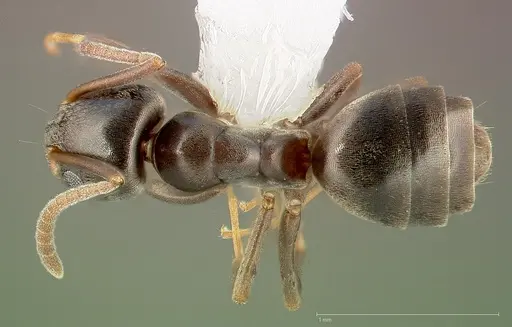
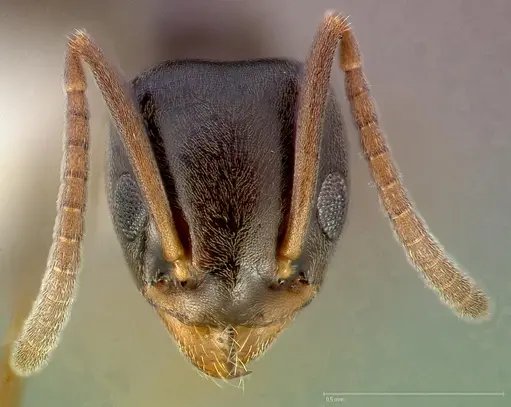
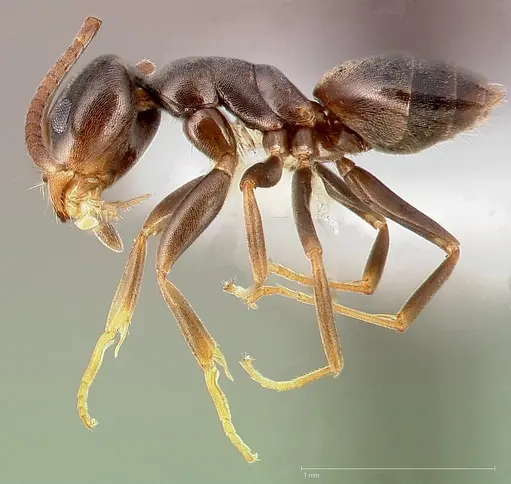
CASENT0104534
View on AntWeb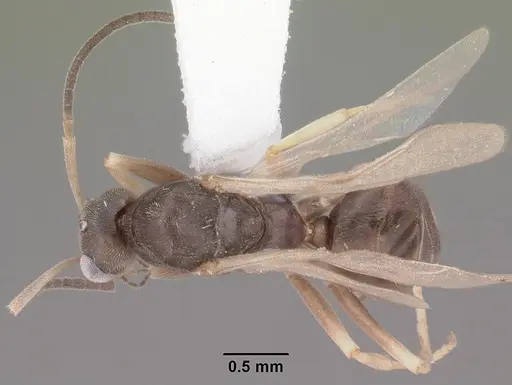
CASENT0104535
View on AntWeb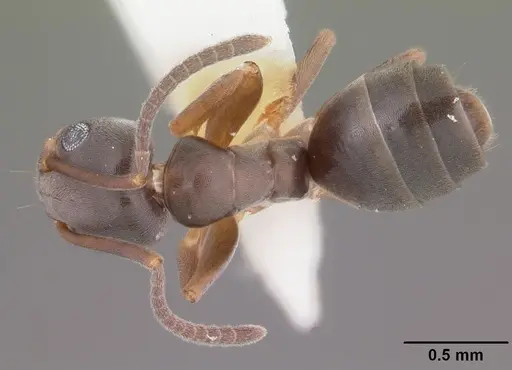
CASENT0104849
View on AntWeb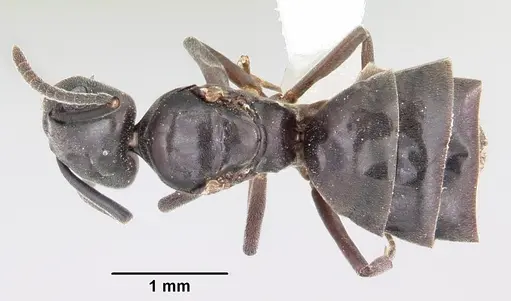
CASENT0104850
View on AntWeb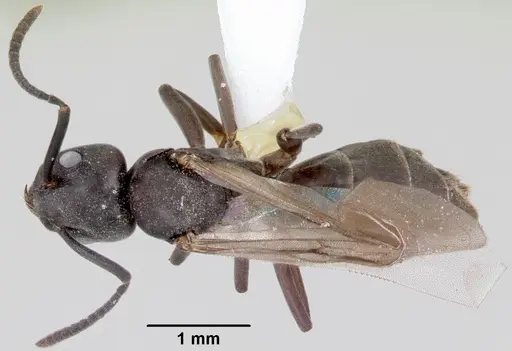
CASENT0106028
View on AntWeb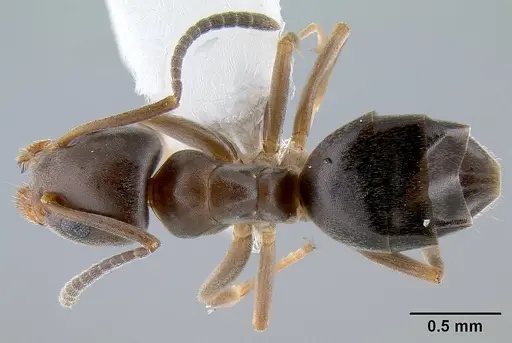
CASENT0172856
View on AntWeb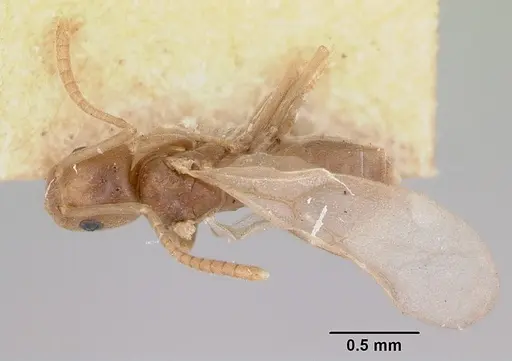
CASENT0172857
View on AntWeb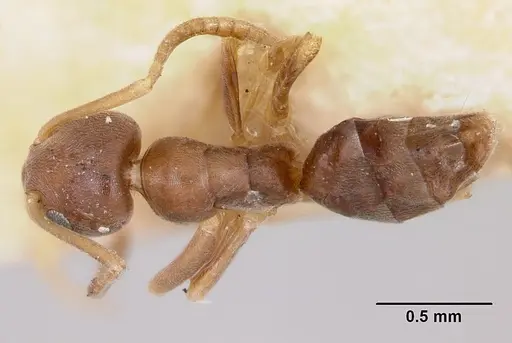
CASENT0179855
View on AntWeb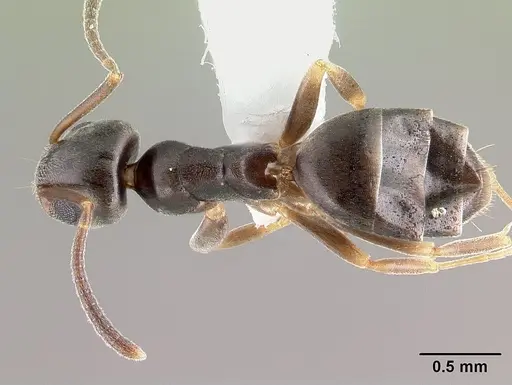
CASENT0249770
View on AntWeb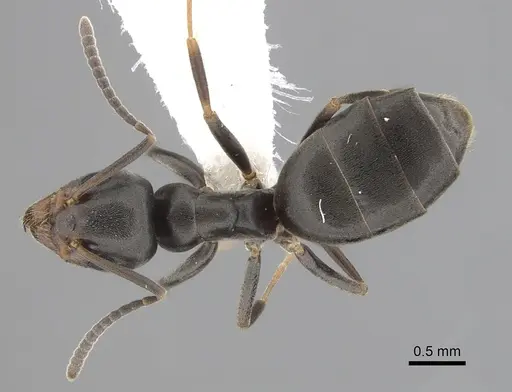
CASENT0724957
View on AntWeb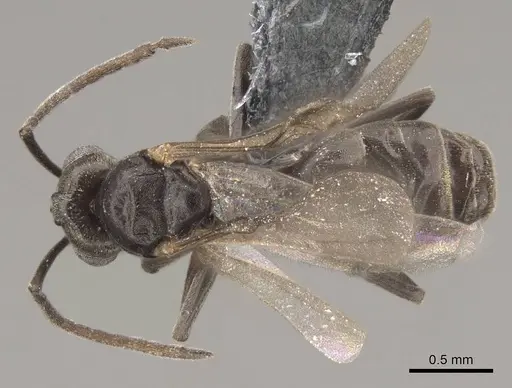
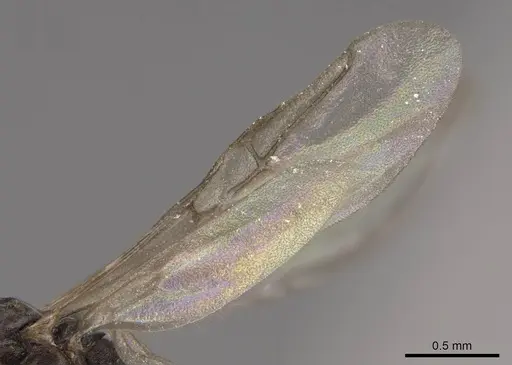
CASENT0761110
View on AntWeb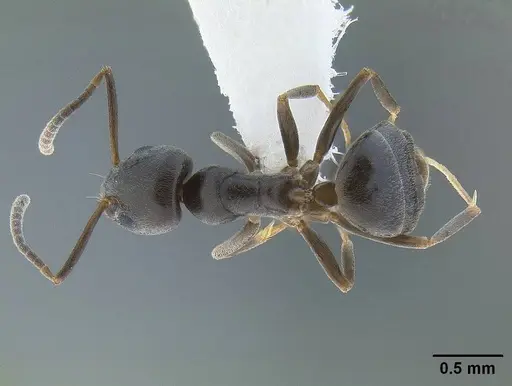
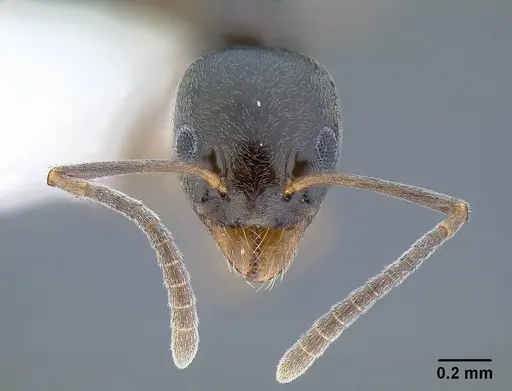
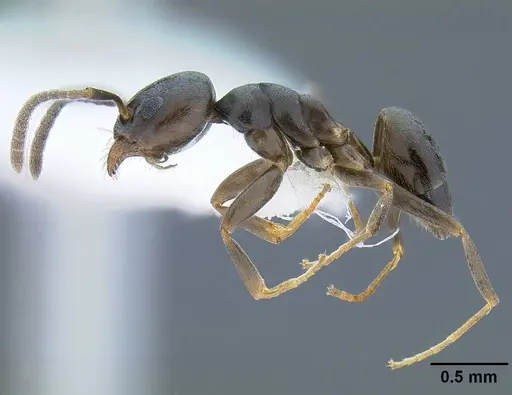
CASENT0882282
View on AntWeb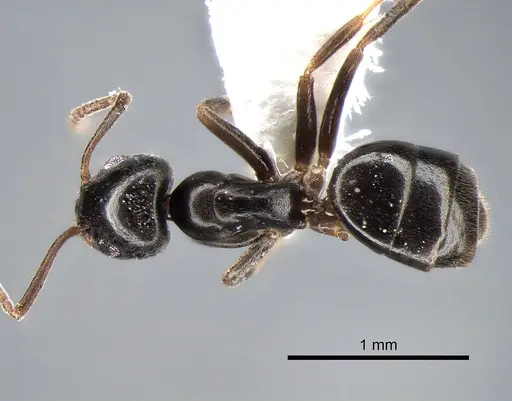
CASENT0882283
View on AntWeb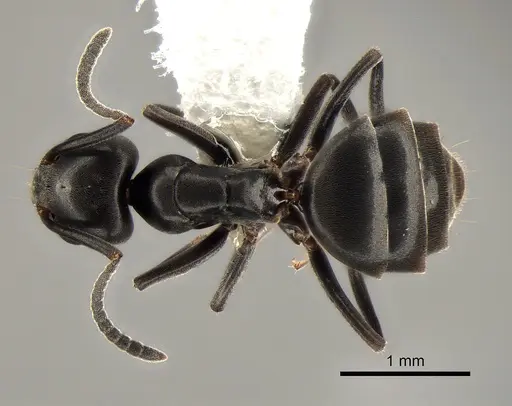
CASENT0883376
View on AntWeb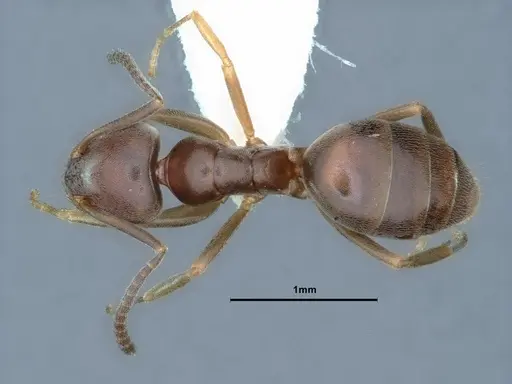
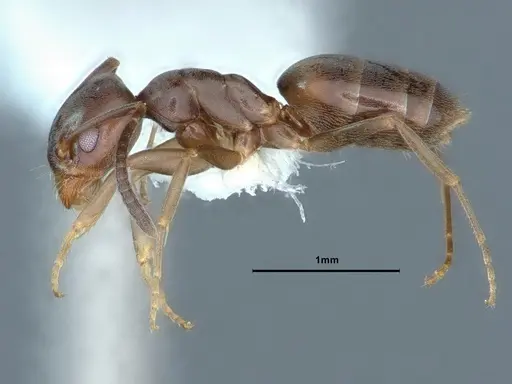
CASENT0886691
View on AntWeb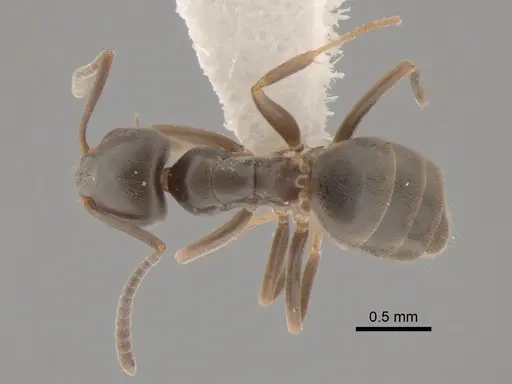
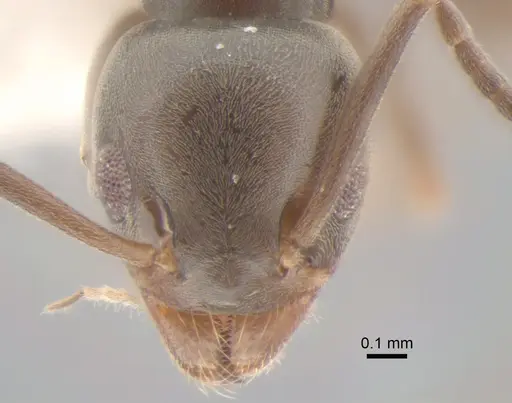
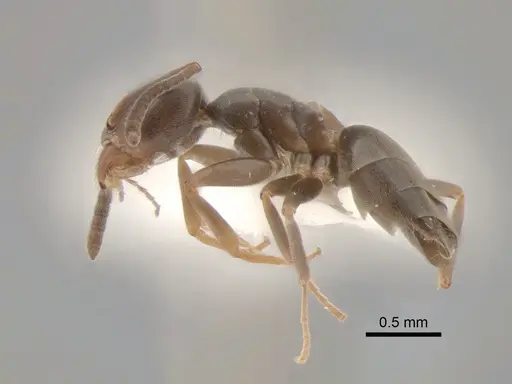
CASENT0923116
View on AntWeb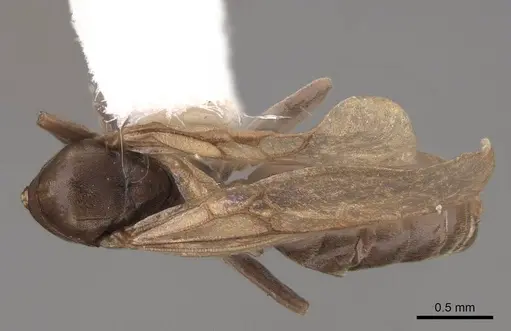
CASENT0923117
View on AntWeb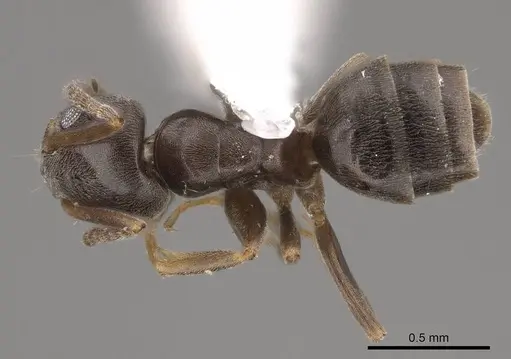
CASENT0923740
View on AntWeb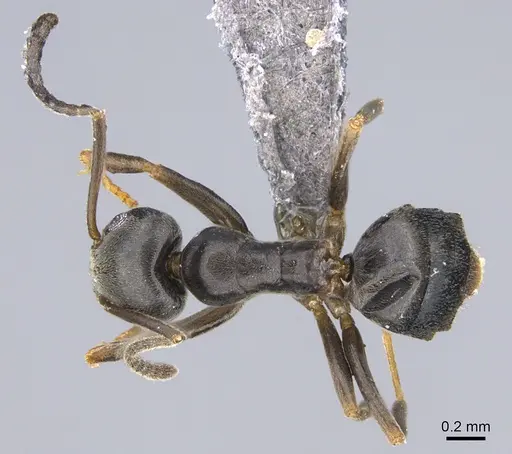
CASENT0923741
View on AntWeb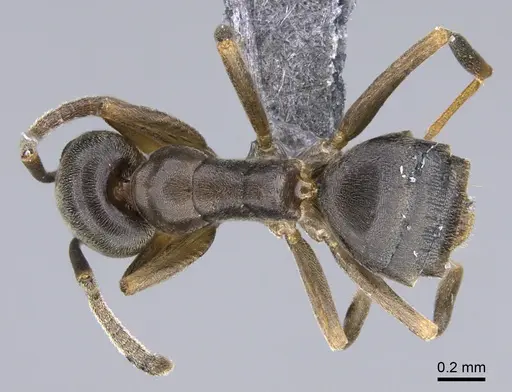
FOCOL2872
View on AntWeb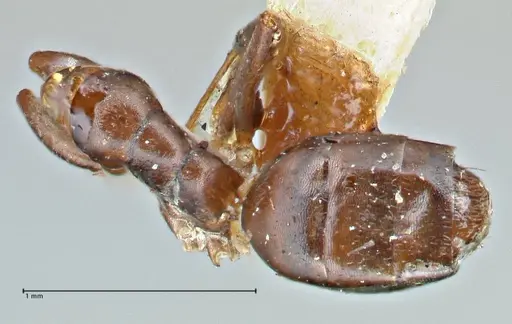
FOCOL2873
View on AntWeb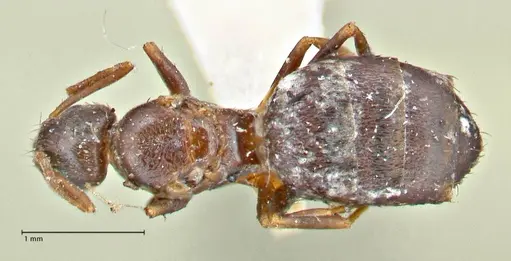
JTLC000014295
View on AntWeb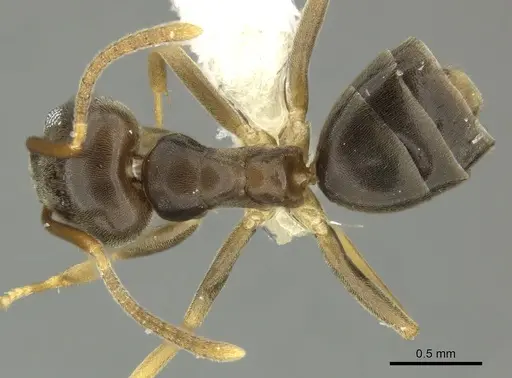
Literature
Loading...Loading products...