
Forelius pruinosus shows a March to September activity window. Peak activity occurs in May, with queen sightings distributed across 5 months.
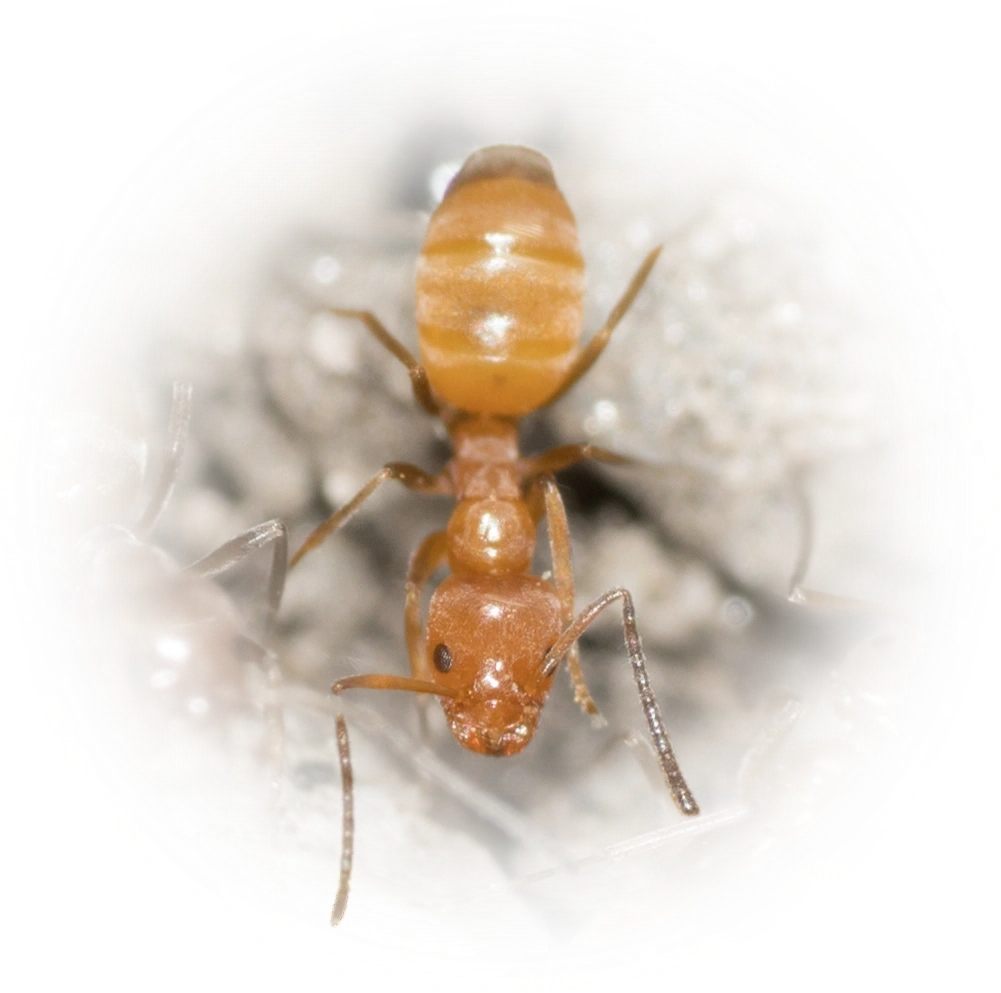
Forelius pruinosus
- Scientific Name
- Forelius pruinosus
- Tribe
- Leptomyrmecini
- Subfamily
- Dolichoderinae
- Author
- Roger, 1863
- Common Name
- High Noon Ant
- Distribution
- Found in 3 countries
- Nuptial Flight
- from March to September, peaking in May
AI Identifiable
try →
Forelius pruinosus Overview
Forelius pruinosus (commonly known as the High Noon Ant) is an ant species of the genus Forelius. It is primarily documented in 3 countries , including Cuba, Mexico, United States of America. Detailed taxonomic data and occurrence records can be further explored via authoritative databases such as AntWeb or the Global Biodiversity Information Facility (GBIF).
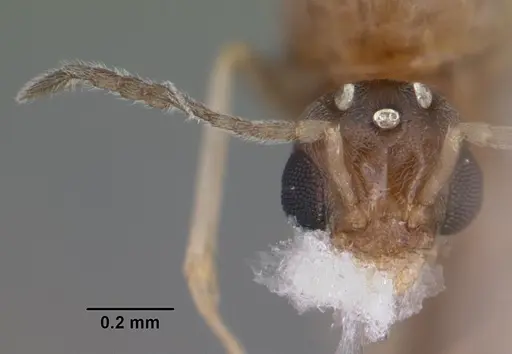
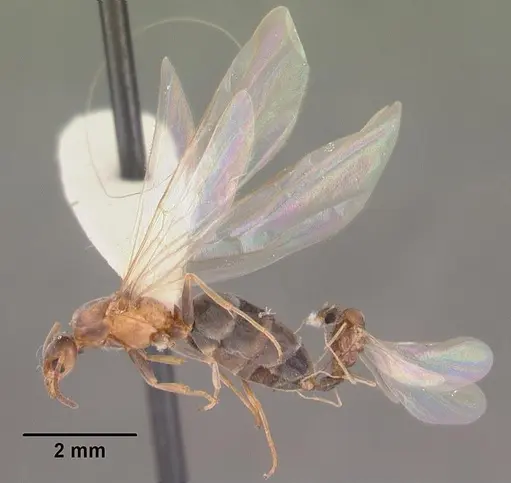
The nuptial flight of Forelius pruinosus is a significant biological event, typically occurring from March to September, peaking in May. During this time, winged queens and males leave the nest to mate and establish new colonies.
Forelius pruinosus - "High Noon Ant"
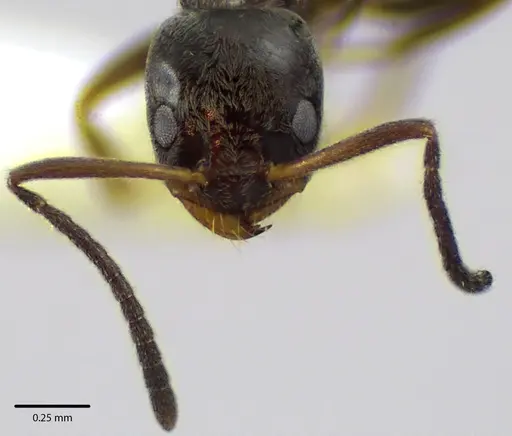
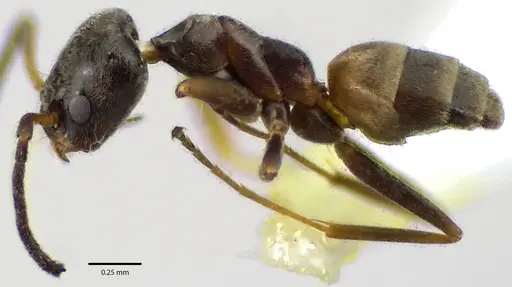
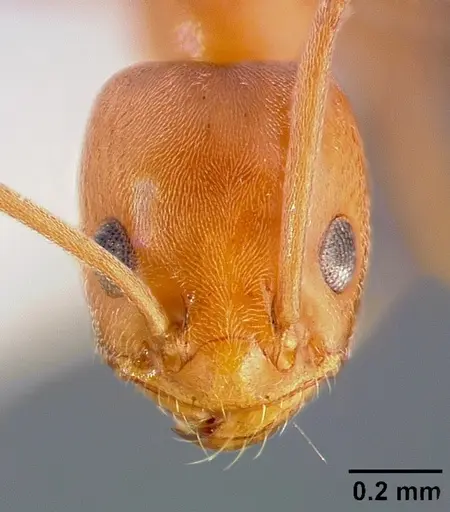
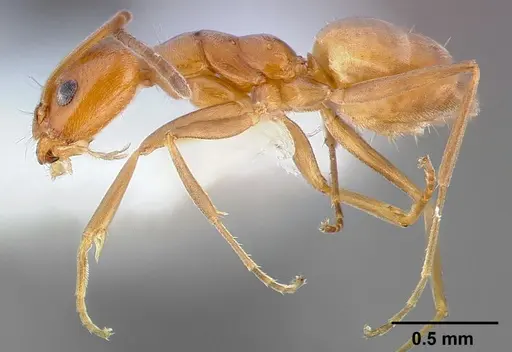
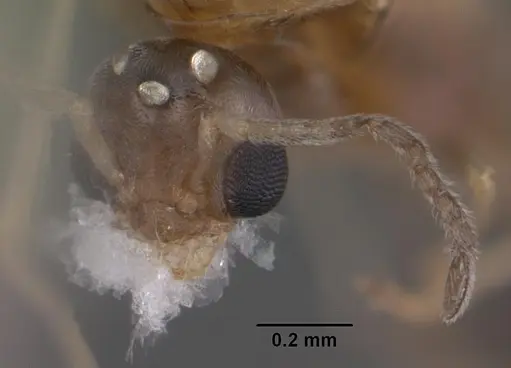
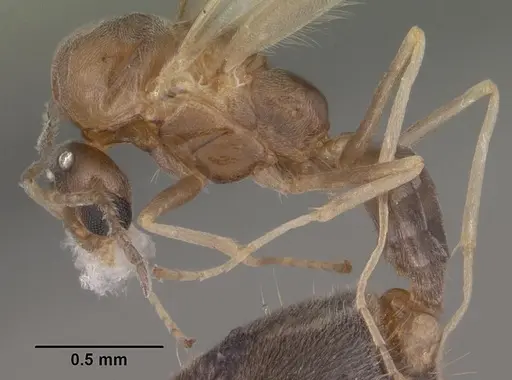
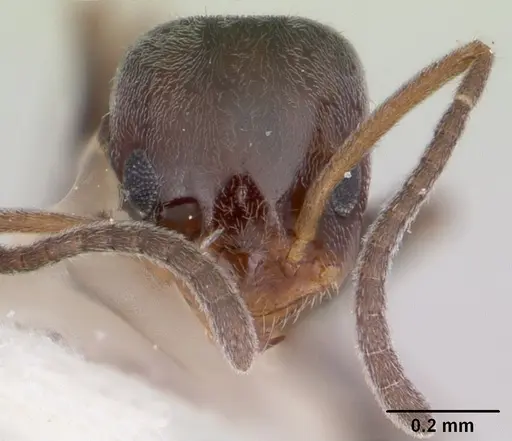
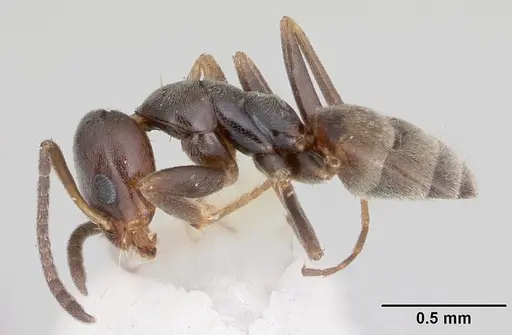
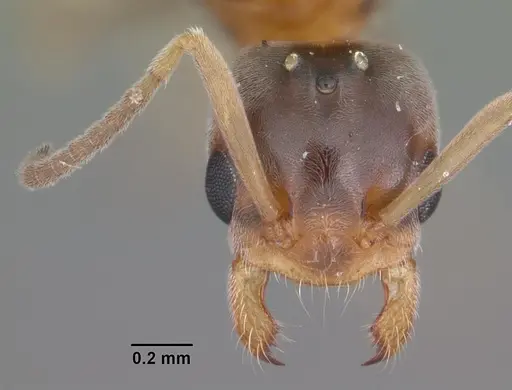
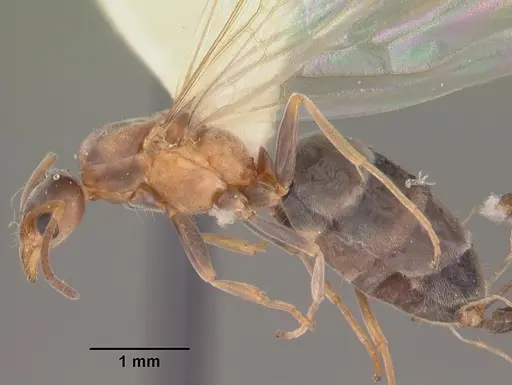
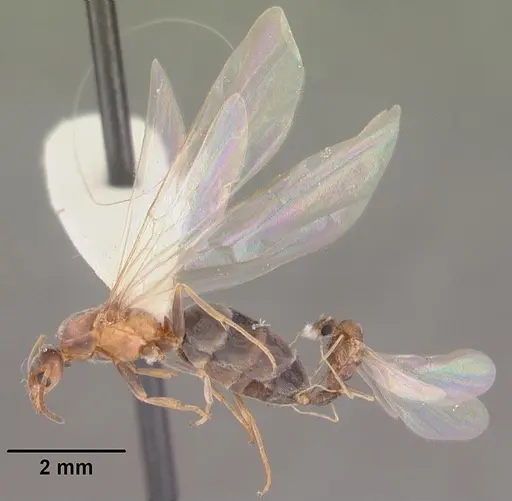
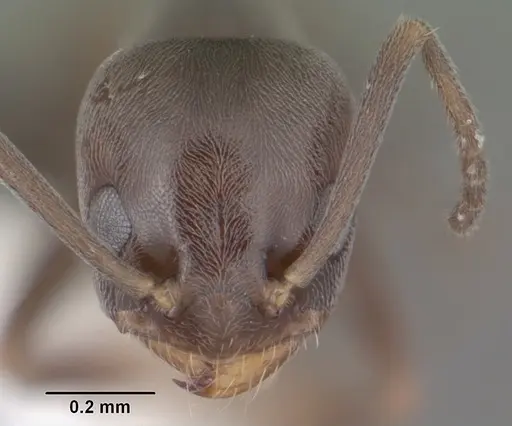
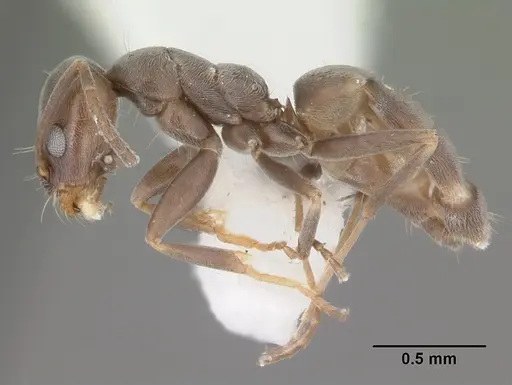
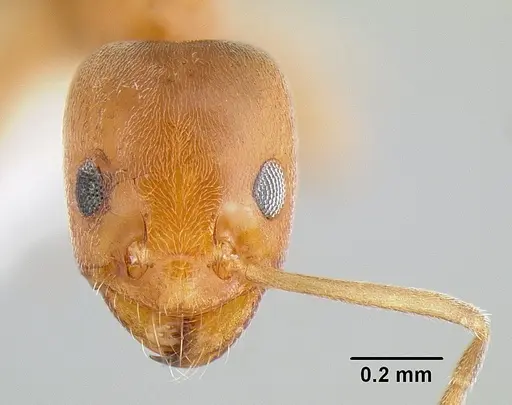
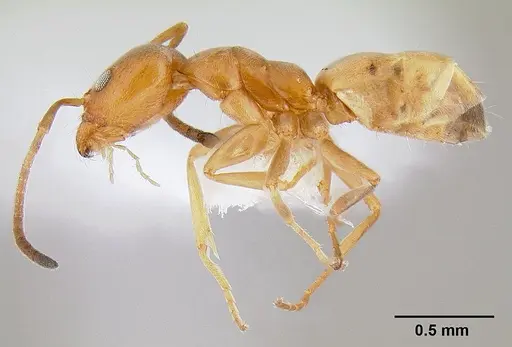
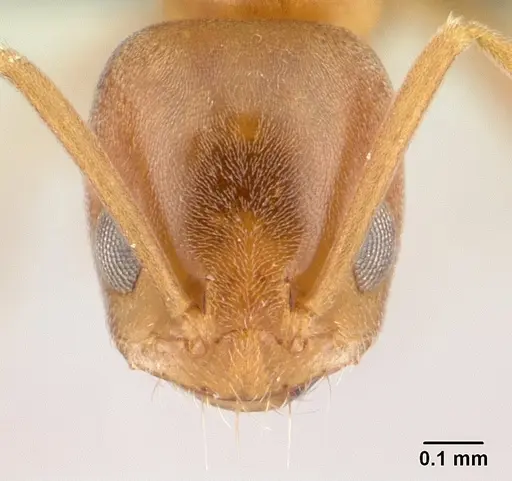
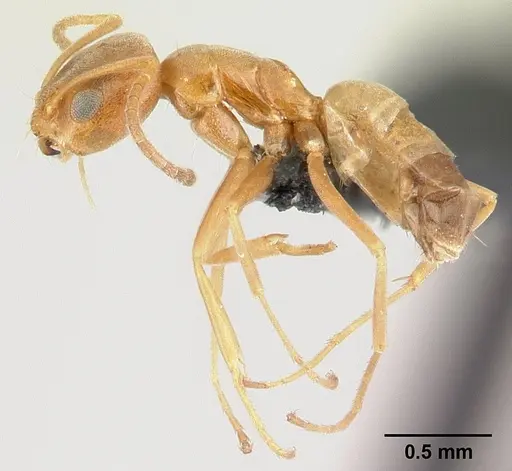
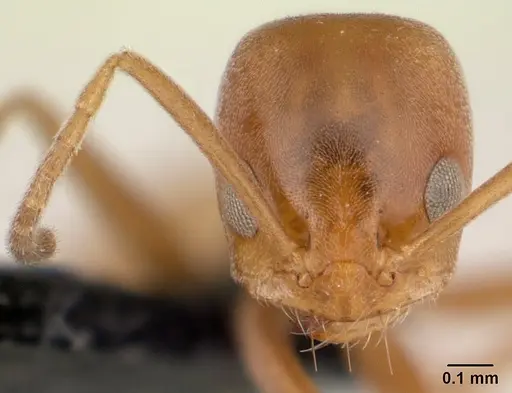
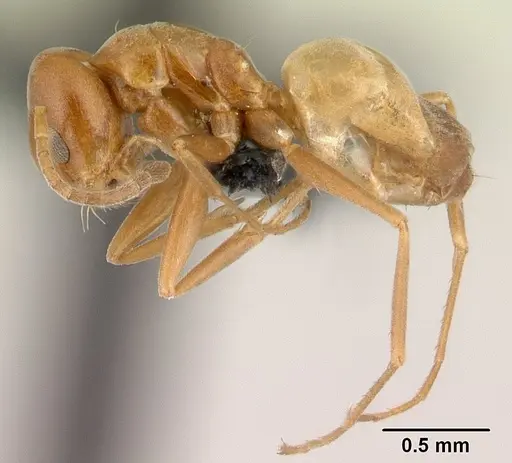
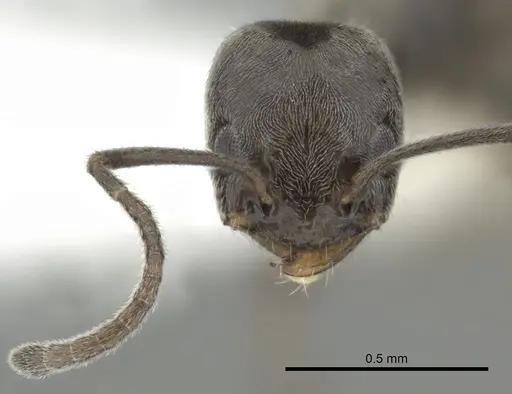
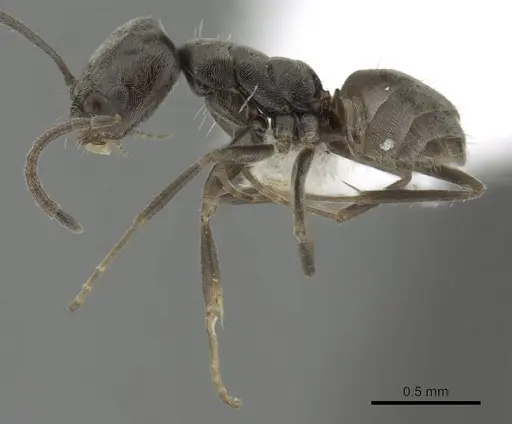
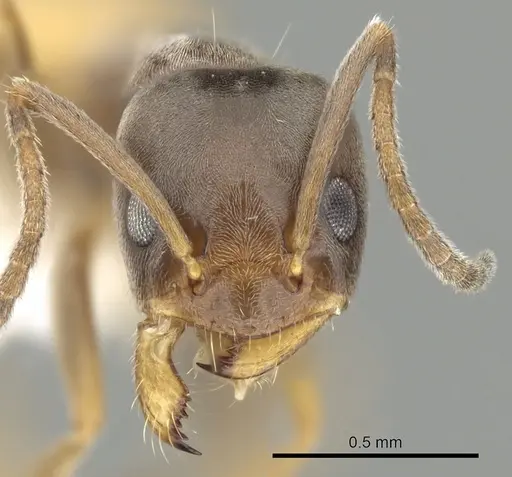
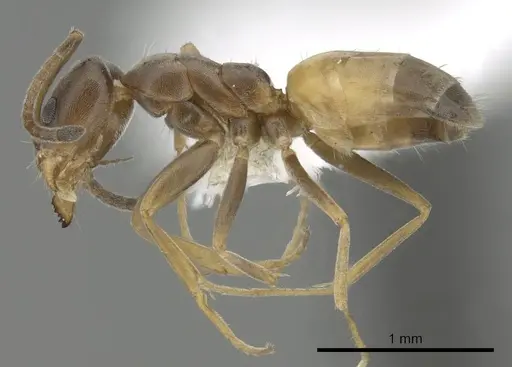
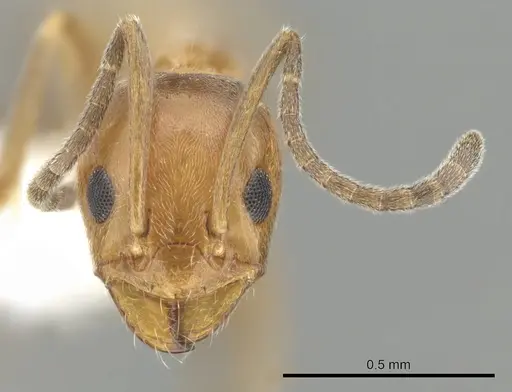
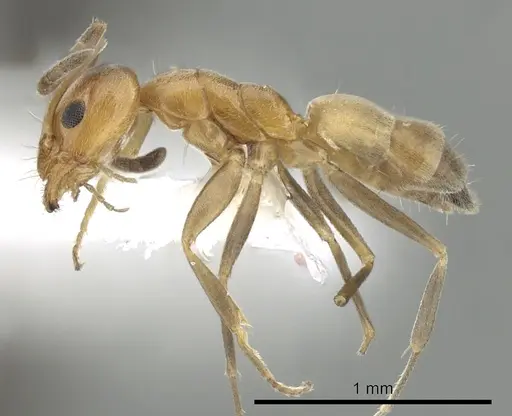
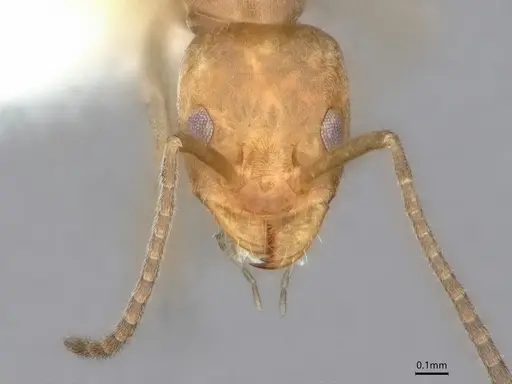
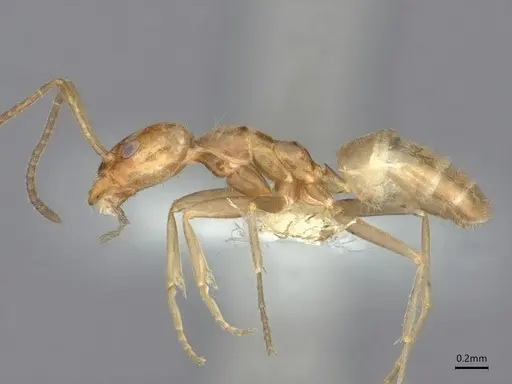
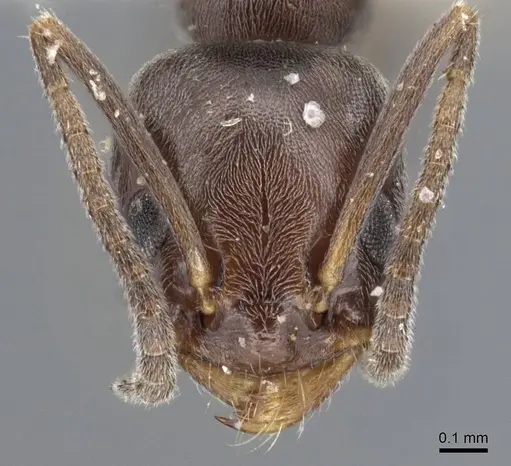
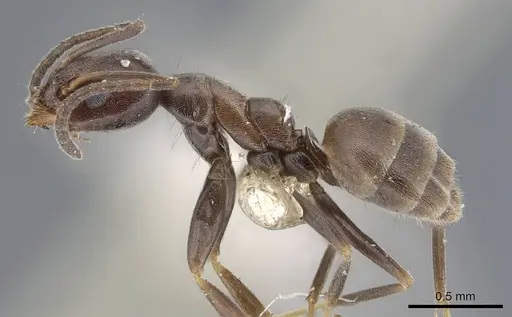
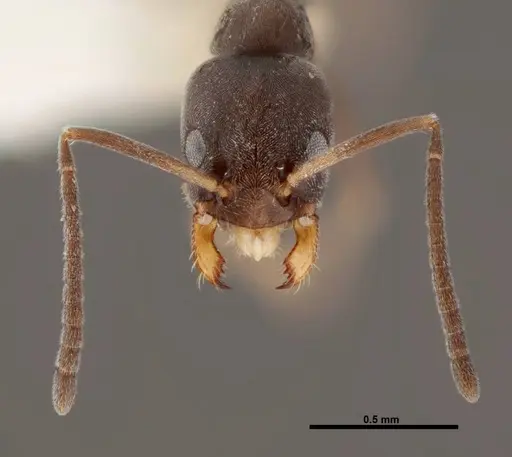
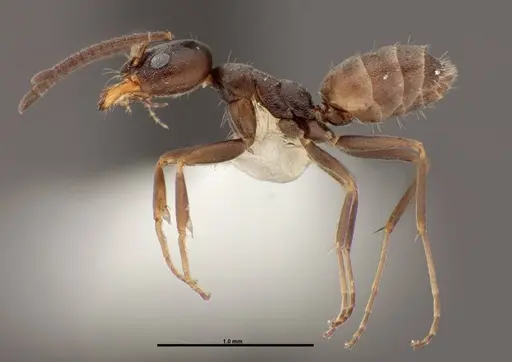
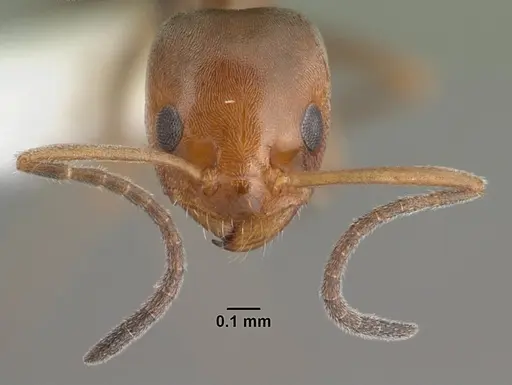
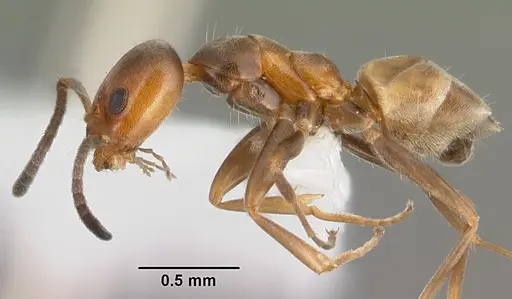
Forelius pruinosus is a small, fast-moving ant native to the southern United States, Mexico, and the Caribbean. Workers measure 2.0-2.6mm and vary in color from yellowish-brown to dark blackish-brown, often with a paler gaster. The species gets its scientific name 'pruinosus' (meaning 'covered with hoarfrost') from the dense fine hairs (pubescence) that give the workers a slightly frosted appearance. These ants belong to the Dolichoderinae subfamily and are closely related to Dorymyrmex pyramid ants. They are distinguished from similar Tapinoma ants by their slightly larger petiole that is partially hidden by the gaster [1][2].
What makes F. pruinosus remarkable is its incredible heat tolerance, they have the highest critical thermal maximum (CTmax) ever recorded for measured ant species at 56-57°C. They thrive in hot, arid conditions and remain active when other ant species retreat from the heat. This species is a confirmed seed remover and tends Homoptera for honeydew, making it a common visitor to extrafloral nectaries. Colonies can grow large with multiple queens (up to 15 documented), and they form distinct foraging trails. While native to North America, they can become house pests, particularly in Gulf Coast states [3][4][2].
Quick Summary
- Difficulty: Easy
- Origin & Habitat: Native to the southern United States, Mexico, Caribbean, and possibly South America. Found from New York to Florida, west to South Dakota, Utah, and California. Inhabits arid, open habitats including desert scrub, grasslands, fields, pastures, and disturbed areas. Thrives in hot, dry conditions and is common in anthropogenic and disturbed habitats [5][2][1].
- Colony Type: Polygyne (multi-queen) colonies. Colonies typically have multiple queens (up to 15 documented) and can grow large, with estimated worker populations around 100,000 [1][3].
- Colony: Monogyne, Polygyne
- Size & Growth:
- Queen: Estimated 5-6mm based on genus, not directly measured in available research
- Worker: 2.0-2.6mm [1]
- Colony: Up to ~100,000 workers per colony [3]
- Growth: Moderate, based on colony size estimates
- Development: 6-8 weeks (estimated based on typical Dolichoderinae development at warm temperatures) (Development timeline not directly studied for this species. Given their tropical/subtropical distribution and heat tolerance, development likely proceeds rapidly at warm temperatures.)
- Antkeeping:
- Temperature: Keep warm at 26-32°C. These ants are extreme heat specialists with CTmax around 56-57°C, they thrive in hot conditions and will remain active when other species become sluggish. A heating cable on one side of the nest creates an ideal gradient [3][4].
- Humidity: Low to moderate, arid habitat species. Keep nest substrate relatively dry with occasional moisture available. Avoid damp conditions that can kill colonies. Provide a water tube but don't over-moisten the nesting area [2].
- Diapause: Unknown, likely minimal or no true diapause given their tropical distribution. However, activity may slow in winter months in temperate regions. Monitor colony for natural slowdowns [2].
- Nesting: Natural nests are in soil, either under objects or in exposed situations with small crater-like mounds. In captivity, a Y-tong (AAC) nest or plaster nest works well. Provide dry to moderately moist substrate. They prefer nesting in open, sunny areas in the wild [1].
- Behavior: Forelius pruinosus is extremely active and fast-moving. Workers form pronounced foraging trails and are generalist scavengers that will take honeydew, insects, nectar, and seeds. They are heat specialists active in the hottest part of the day when other species cannot tolerate the temperature. They have a vestigial sting but can exude defensive secretions. The workers emit an odor similar to rotten coconuts (like Tapinoma). Escape risk is moderate due to their small size, use standard barrier methods [1][2][6].
- Common Issues: house invasion, these ants are known pests in Gulf Coast states and may invade homes seeking sweets, escape prevention, small size means they can slip through small gaps, use fine mesh barriers, overheating risk, while heat-tolerant, direct heat sources too close to the nest can kill colonies, competition with other ants, highly active and may dominate resources in multi-species setups, moisture sensitivity, too much humidity can be fatal as they are adapted to arid conditions
Queen Ant Activity Analysis 68 observations
Queen Activity by Hour 68 observations
Forelius pruinosus queen activity peaks around 12:00 during the late morning to early afternoon. Activity is spread across a 21-hour window (00:00–20:00). A secondary activity peak occurs around 17:00. Times may be influenced by human observation patterns.
Temperature and Heat Tolerance
Forelius pruinosus is one of the most heat-tolerant ant species documented. Studies show critical thermal maximum (CTmax) of 56.0-57.0°C, the highest recorded among measured ant species. They are thermophilic, activity actually increases with temperature, and they forages during the hottest part of the day when other species retreat. This allows them to avoid competition with less heat-tolerant ants. In captivity, provide temperatures between 26-32°C. A heating cable on one side of the nest creates an ideal thermal gradient. They can tolerate temperatures that would kill most other ant species, but avoid placing heat sources directly on the nest as this can cause desiccation and death. Room temperature in most homes is acceptable, but they will be more active and grow faster with supplemental warmth [3][4][7].
Feeding and Diet
These ants are generalist scavengers with a strong preference for sweets. In the wild, they primarily feed on honeydew from aphids and scale insects, visit extrafloral nectaries, and consume live and dead insects. They also remove seeds, making them part of the seed dispersal ecosystem. Workers lay chemical trails using methyl-n-amyl ketone to guide nestmates to food sources. In captivity, offer sugar water or honey constantly, protein sources like mealworms or crickets 2-3 times weekly, and occasional seeds. They are enthusiastic foragers and will quickly discover and recruit to food. Their small size means prey items should be appropriately sized, small insects work better than large ones [1][2][8].
Colony Structure and Growth
F. pruinosus forms polygyne colonies with multiple queens, up to 15 documented in some nests. Colonies can grow large, with estimates of around 100,000 workers per colony. They are monomorphic, meaning all workers are the same size. The species is also polydomous, meaning they maintain multiple nest sites. New colonies likely establish through nuptial flights, with reproductives observed in Florida from May into July and in New Mexico from May to August. Workers are extremely active and form distinct foraging trails. Given their large colony size potential, be prepared to upgrade to larger formicaria as the colony grows [1][3][8][2].
Nesting Preferences
In the wild, these ants nest in soil, either under stones, logs, and other objects or in exposed situations with small crater-like mounds around the entrance. They prefer open, sunny habitats and avoid dense shade. They are ground-nesting but can also be found under loose bark. In captivity, provide a dry to moderately moist nest environment. Y-tong (AAC) nests or plaster nests work well. Avoid overly damp conditions, these are arid-adapted ants. The nest should have chambers scaled to their small 2-3mm size. They do well in formicaria with some ventilation to prevent mold buildup [1][2].
Defense and Behavior
Workers are fast-moving and extremely active. They have a vestigial sting but can exude defensive secretions when threatened. The characteristic odor they emit is similar to rotten coconuts, much like Tapinoma species. When confronting threats (including invasive fire ants), workers spray secretions and may climb over raiders. They form strong foraging trails and recruit efficiently to food sources. In multi-species setups, their extreme activity and heat tolerance give them a competitive edge during hot periods. They are not particularly aggressive toward humans but will defend their nest. Their small size and fast movement make them entertaining to watch [6][9][2].
Frequently Asked Questions
Can I keep Forelius pruinosus in a test tube?
Yes, you can start a colony in a test tube for the founding stage. However, these ants are heat-loving and active, and colonies can grow large (up to 100,000 workers). You'll need to upgrade to a larger formicarium like a Y-tong or plaster nest as the colony expands. The test tube should be kept warm (26-32°C) and relatively dry.
What temperature do Forelius pruinosus need?
Keep them warm at 26-32°C. This species has incredible heat tolerance (CTmax of 56-57°C) and thrives in hot conditions. They remain active when other ants become sluggish. A heating cable on one side of the nest creates an ideal gradient. Room temperature is acceptable, but supplemental warmth speeds growth and activity [3][4].
How long until first workers in Forelius pruinosus?
The exact egg-to-worker timeline is not documented for this species. Based on typical Dolichoderinae development at warm temperatures, expect first workers (nanitics) in approximately 6-8 weeks after the queen lays eggs. Provide warm temperatures (26-32°C) to optimize development [3].
Are Forelius pruinosus good for beginners?
Yes, this is a good species for beginners. They are resilient, tolerate a range of conditions, and are not difficult to keep. Their heat requirements are easily met, and they are not aggressive. The main challenges are their small size (escape prevention) and potential to become a house pest if colonies escape. They are fascinating to watch due to their extreme activity and heat tolerance.
What do Forelius pruinosus eat?
They are generalist scavengers with a strong preference for sweets. Offer sugar water or honey constantly, protein (small insects like mealworms or fruit flies) 2-3 times weekly, and they will also accept seeds. They also tend aphids and visit extrafloral nectaries in the wild [1][2].
Can I keep multiple queens together?
Yes, this is a polygyne species, colonies naturally have multiple queens (up to 15 documented). However, if you're introducing an additional foundress to an existing colony, introduce her carefully and monitor for aggression. Multiple-queen colonies are the natural condition for this species [1].
Do Forelius pruinosus need hibernation?
Probably not. As a species with tropical/subtropical distribution, they likely do not require a true diapause. However, in temperate regions, activity may naturally slow during winter. If your colony shows reduced activity in winter, you can reduce temperatures slightly (to around 18-20°C) but do not cold-shock them. Monitor your colony's natural behavior patterns [2].
Why are my Forelius pruinosus dying?
Common causes include: too much moisture (they prefer dry conditions), temperatures that are too cold (they need warmth), or escape through small gaps (they are tiny). Check that humidity is low-moderate, temperatures are in the 26-32°C range, and that all barriers are secure. Also ensure food is being consumed, uneaten protein can mold and cause problems.
How big do Forelius pruinosus colonies get?
Colonies can reach approximately 100,000 workers. They are considered small to moderate in colony size but can become quite populous. Growth rate is moderate. Be prepared to provide increasing space as the colony expands [3].
Are Forelius pruinosus invasive or dangerous?
No, they are native to North America and are not considered invasive. They are not dangerous to humans, they have a vestigial sting and primarily use chemical defenses. However, they can become a nuisance pest in homes, particularly in Gulf Coast states, as they invade houses seeking sweets [2].
When should I move Forelius pruinosus to a formicarium?
Move from test tube to formicarium when the colony reaches 20-30 workers or when the test tube becomes cramped. Given their preference for dry conditions, a Y-tong (AAC) nest or plaster nest works well. Ensure the formicarium has proper ventilation and escape barriers [1].
References

This caresheet is licensed under CC BY-SA 4.0 .
ANTWEB1041659
View on AntWeb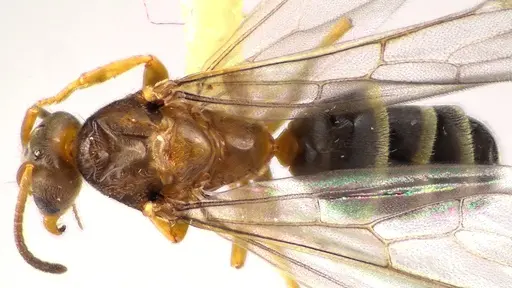
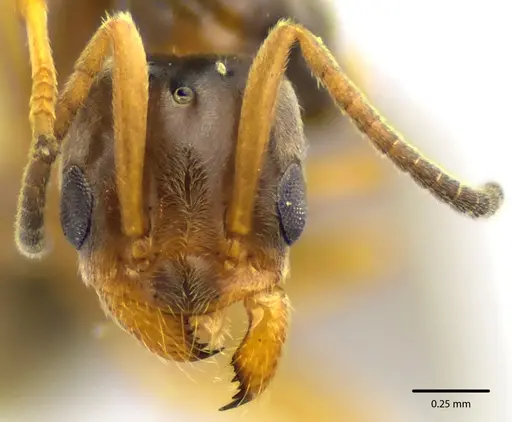
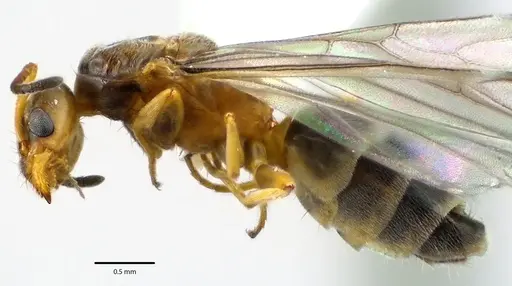
ANTWEB1041660
View on AntWeb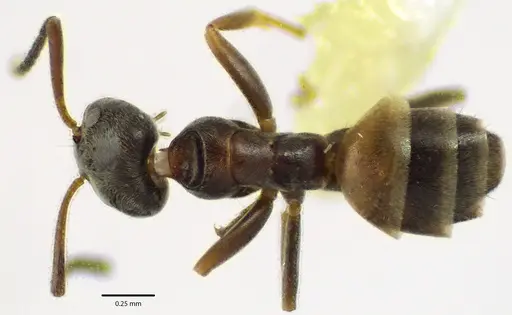
CASENT0005320
View on AntWeb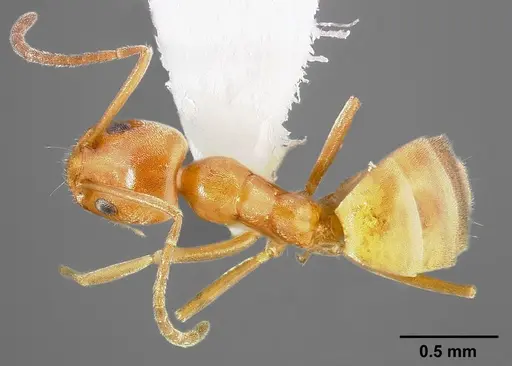
CASENT0102698
View on AntWeb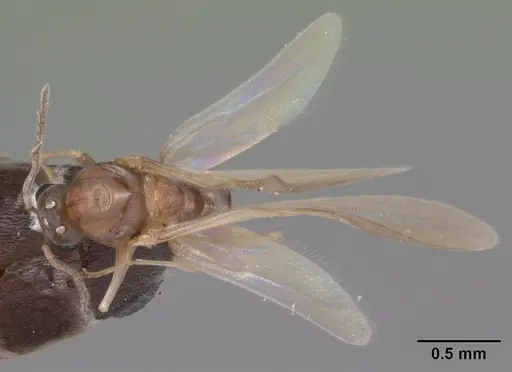
CASENT0103169
View on AntWeb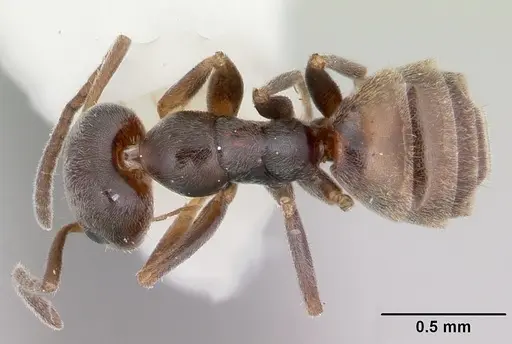
CASENT0103908
View on AntWeb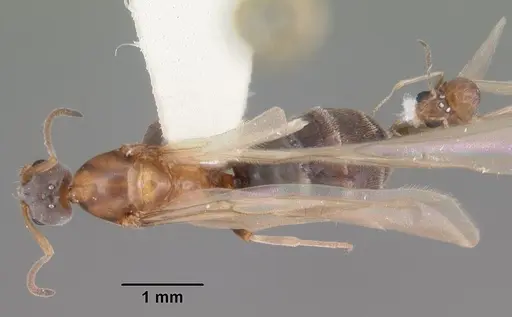
CASENT0103912
View on AntWeb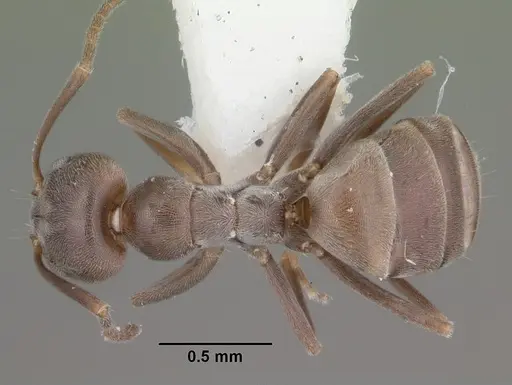
CASENT0106039
View on AntWeb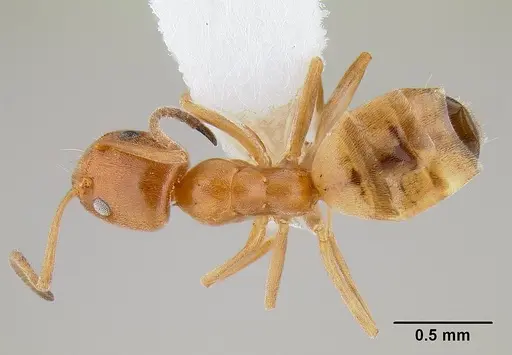
CASENT0196149
View on AntWeb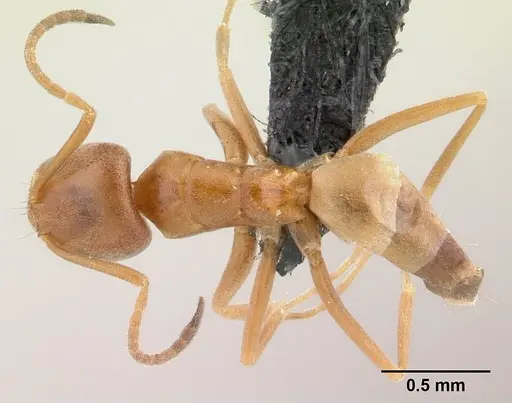
CASENT0196151
View on AntWeb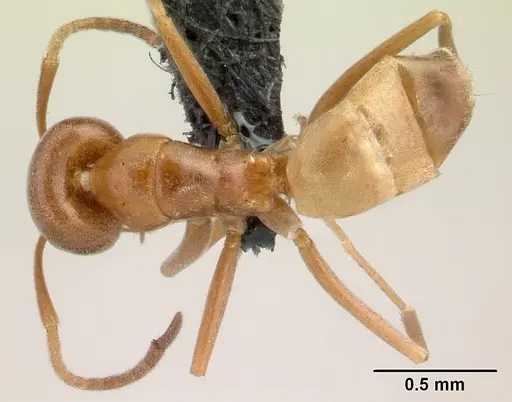
CASENT0249695
View on AntWeb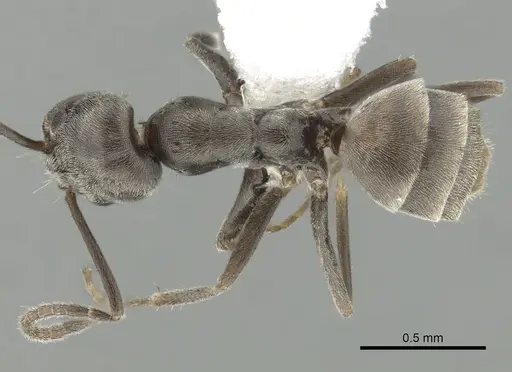
CASENT0249696
View on AntWeb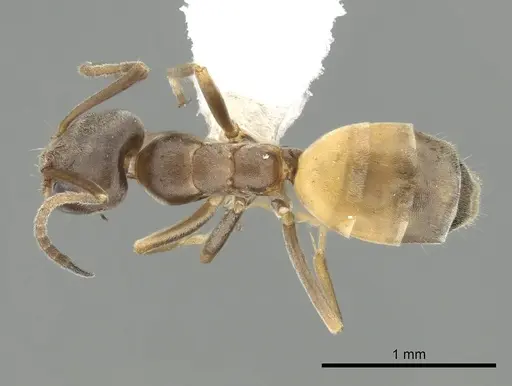
CASENT0249697
View on AntWeb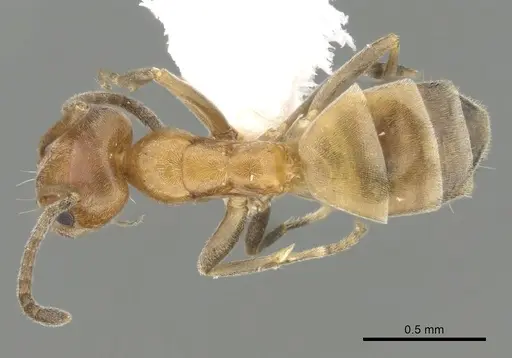
CASENT0841240
View on AntWeb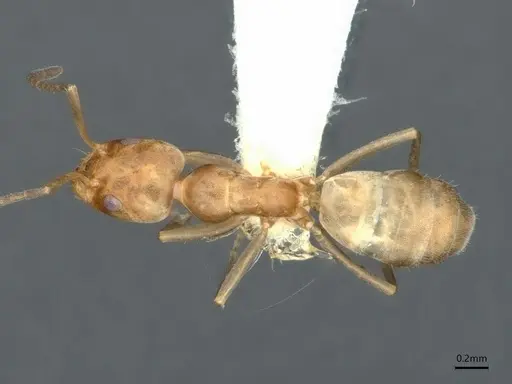
CASENT0915583
View on AntWeb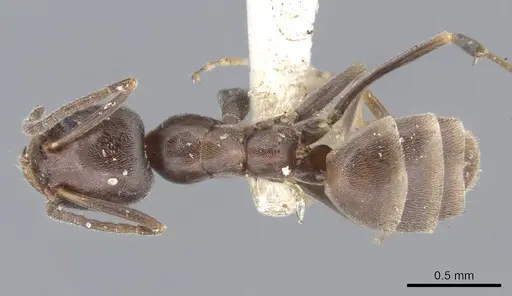
FMNHINS0000062863
View on AntWeb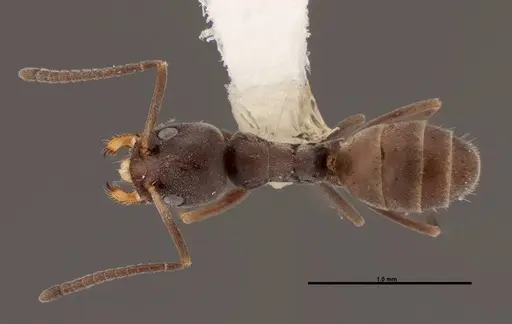
PSW14182-1
View on AntWeb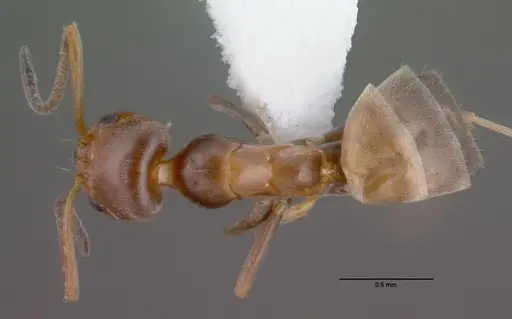
Literature
Loading...Loading products...