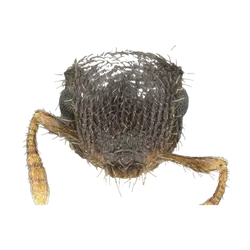
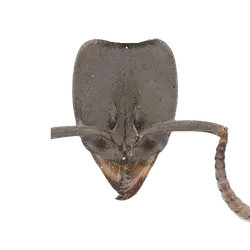
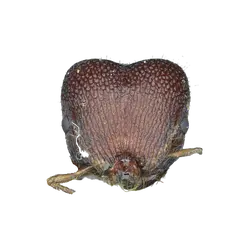
Mesoponera elisae - "Elisa's Ponerine Ant"
Mesoponera elisae is a fascinating ant species belonging to the Ponerinae subfamily, known for its generally slender build and moderate size. These ants typically exhibit weakly sculptured bodies with sparse pilosity and dense, fine pubescence. They have small eyes, positioned towards the front of their head, and their mandibles are triangular and relatively long. While specific details for Mesoponera elisae itself can be limited, the genus Mesoponera is known to include species that are mostly subterranean, often only venturing above ground during the night. They are considered omnivores, with foraging behaviors that can include cooperative hunting.
- Difficulty: Medium
- Origin & Habitat: Madagascar, South Africa, Tanzania, Zimbabwe, Ethiopia in Subterranean, Leaf litter, Forests, Grasslands.
- Colony Type: Monogyne, semi-claustral founding.
- Size & Growth:
- Queen: up to 10mm
- Worker: 5-9.5mm
- Colony: Small (hundreds). Slow growth.
- Antkeeping:
- Temperature: Around 24-28°C is generally suitable, mimicking their tropical origin. Consistent warmth aids in brood development..
- Humidity: Moderate to high humidity, around 60-80%, is crucial, as they are often found in humid, subterranean environments. A humidity gradient within the nest is beneficial..
- Diapause: Not required. Not specified at Not specified.
- Nesting: Prefers naturalistic setups like Ytong, plaster, or natural soil/sand mixes that allow for burrowing. They are known to nest hypogaeically (in the ground) or even in active or abandoned termitaries in the wild. A deep substrate or a nest with multiple chambers and good moisture retention is ideal..
- Behavior: Medium aggressiveness.
- Common Issues: Mold in nest, Mites, Colony stalling, Humidity fluctuations, Queen stress.
Keeping Mesoponera elisae presents a unique challenge for antkeepers due to their somewhat cryptic nature and preference for subterranean living. These ants are not as commonly kept as some other species, meaning detailed specific care guides are less abundant. It's crucial to observe your colony closely and adjust conditions as needed, paying attention to their activity levels and brood development. Providing a diverse protein diet and a consistent foraging area will greatly benefit their health and growth.
The genus Mesoponera is known to include species that are semi-claustral during founding, meaning the queen may need to forage for food during the initial stages of colony establishment. This differs from fully claustral species where the queen relies solely on her wing muscles for energy. Therefore, providing small insects or sugary liquids to a founding queen can be beneficial and may increase her chances of success. A secure outworld with easy access to the nest is essential for successful semi-claustral founding.
Mesoponera species are generally considered omnivores, preying on insects and also consuming sugary liquids. Offering a varied diet is key. This can include small feeder insects like fruit flies, mealworms, or crickets, alongside sugar water or diluted honey. Watch for their preferences and adjust accordingly. Some Mesoponera have been observed to cooperate in foraging and even relocate entire colonies into termite nests, suggesting interesting foraging and nesting behaviors that could be fascinating to observe in a captive setup.
Humidity management is paramount for this species, given their natural inclination for humid, underground environments. While they need good moisture, excessive dampness can lead to mold and mites, which are common issues in antkeeping. A nest design that offers a clear humidity gradient, allowing the ants to choose their preferred moisture level, is highly recommended. Monitoring the nest for signs of distress or unhealthy conditions is vital for a thriving colony.
Frequently Asked Questions
Where do Mesoponera elisae ants originate?
These intriguing ants hail primarily from Madagascar, with subspecies found in other parts of the Afrotropical region, including South Africa, Tanzania, Ethiopia, and Zimbabwe.
What is the typical size of a Mesoponera elisae colony?
Colonies of Mesoponera ants are generally considered small, often consisting of a few hundred workers, with some species observed to be around 60-120 workers strong.
Do Mesoponera elisae queens need food during founding?
Yes, Mesoponera queens are known to be semi-claustral, meaning they require food during the initial stages of founding their colony. Providing small insects or a drop of sugar water can help ensure their success.
What kind of nest is best for Mesoponera elisae?
They thrive in naturalistic nest setups like Ytong, plaster, or a well-prepared soil/sand mix, as they are naturally subterranean. A nest with varying humidity levels will allow them to choose their preferred spot.
What do Mesoponera elisae ants eat?
These ants are omnivores, readily consuming small feeder insects such as fruit flies, mealworms, and crickets, as well as sugary liquids like sugar water or diluted honey.
Are Mesoponera elisae workers aggressive?
While generally not highly aggressive towards handlers, they are ponerine ants and possess a sting. They can exhibit medium aggressiveness when hunting prey or defending their nest.
Do Mesoponera elisae require diapause (hibernation)?
Given their tropical origin, Mesoponera elisae do not typically require a diapause period. Consistent warmth is beneficial for their development.
What are common issues when keeping Mesoponera elisae?
Common challenges include maintaining proper humidity without causing mold, preventing mite infestations, ensuring the colony grows steadily, and avoiding overfeeding. Keeping an eye on humidity fluctuations and queen stress is also important.
Do Mesoponera elisae have different worker castes?
Unlike some other ant species with distinct major and minor workers, Mesoponera elisae generally exhibits a monomorphic worker caste, meaning workers are relatively similar in size and morphology.
How fast do Mesoponera elisae colonies grow?
Their colony growth rate is generally considered slow. Patience is key when keeping this species, as building a large colony will take time.
What temperatures are ideal for Mesoponera elisae?
Maintaining a temperature range of 24-28°C is optimal for Mesoponera elisae, as it mimics the warm conditions of their natural tropical habitats. Consistent warmth is crucial for efficient brood development.
How important is humidity for Mesoponera elisae?
Humidity is vital for Mesoponera elisae, with preferred levels between 60-80%. As subterranean ants, they rely on higher humidity to prevent desiccation and support their brood. A gradient allows them to choose their ideal microclimate.