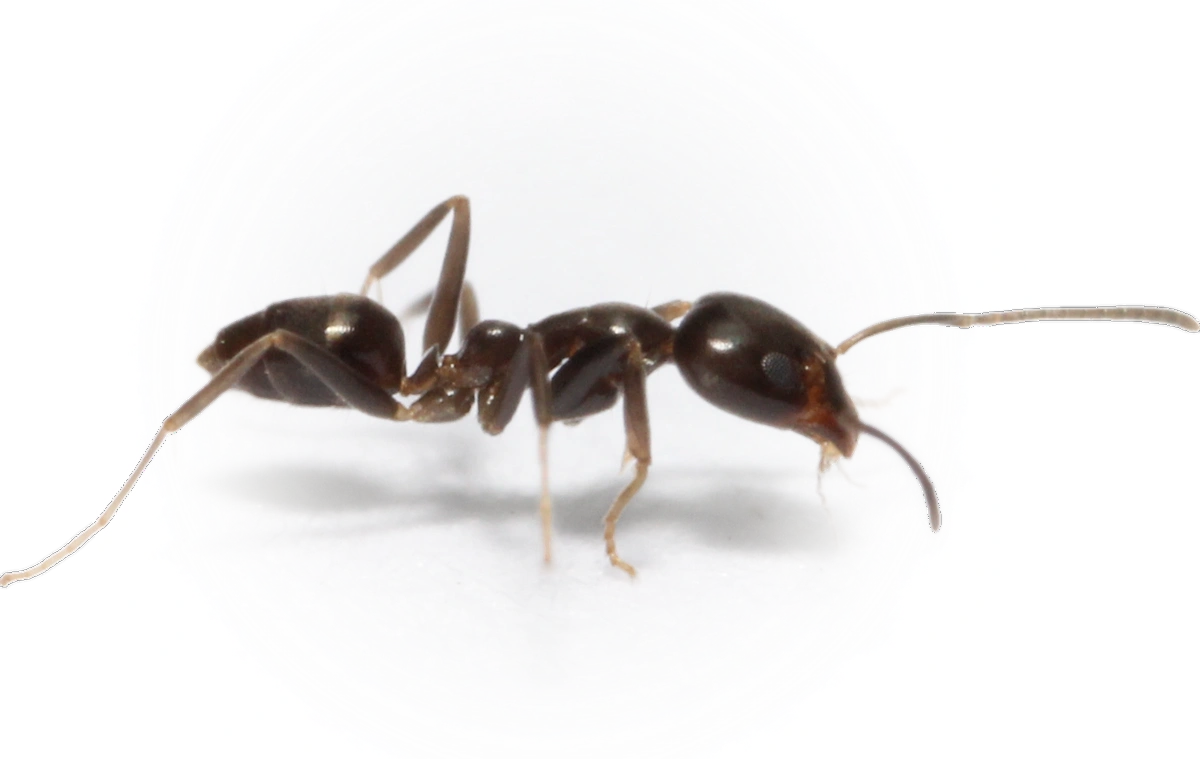

Linepithema neotropicum
- Scientific Name
- Linepithema neotropicum
- Tribe
- Leptomyrmecini
- Subfamily
- Dolichoderinae
- Author
- Wild, 2007
- Distribution
- Found in 10 countries
Linepithema neotropicum Overview
Linepithema neotropicum is an ant species of the genus Linepithema. It is primarily documented in 10 countries , including Bolivia, Plurinational State of, Brazil. Detailed taxonomic data and occurrence records can be further explored via authoritative databases such as AntWeb or the Global Biodiversity Information Facility (GBIF).
Linepithema neotropicum
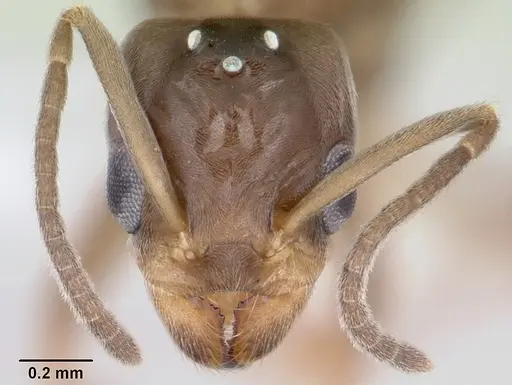
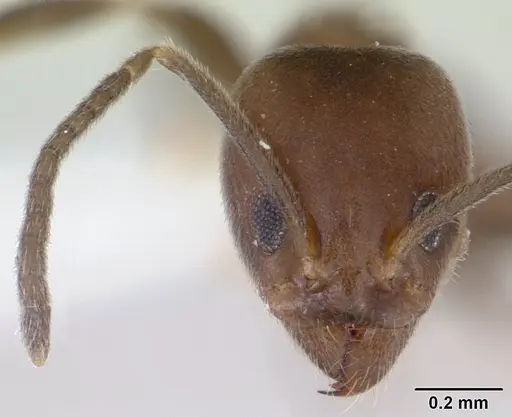
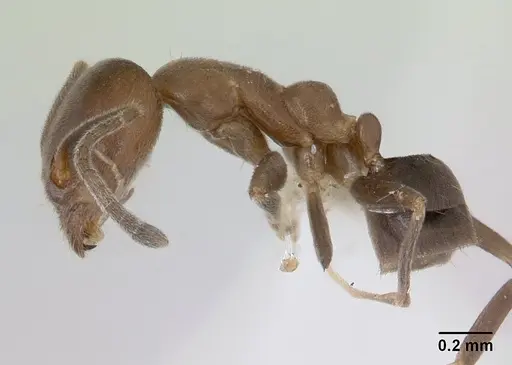
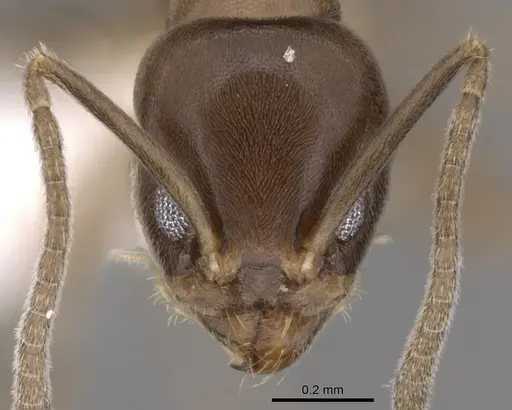
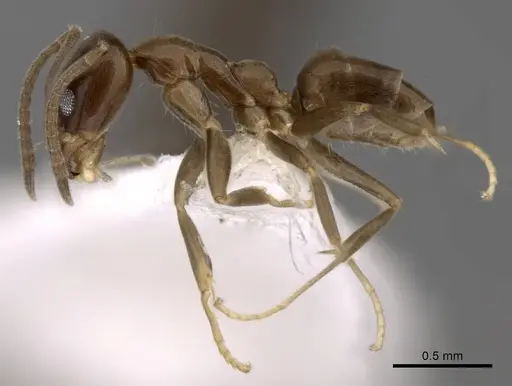
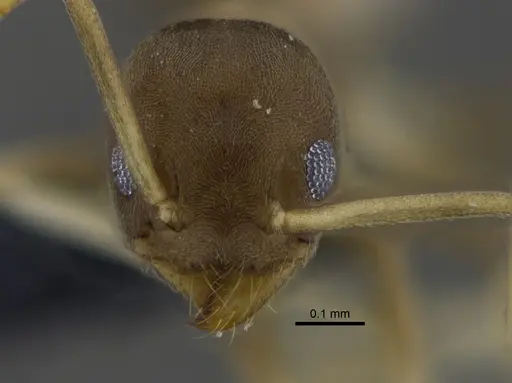
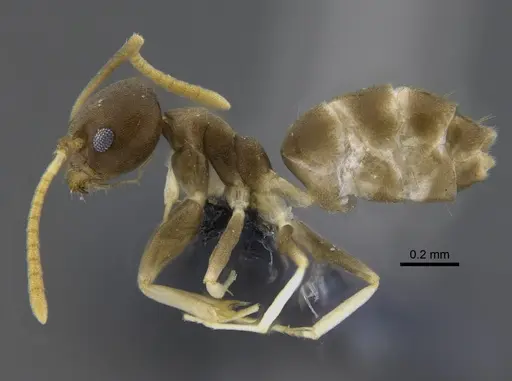
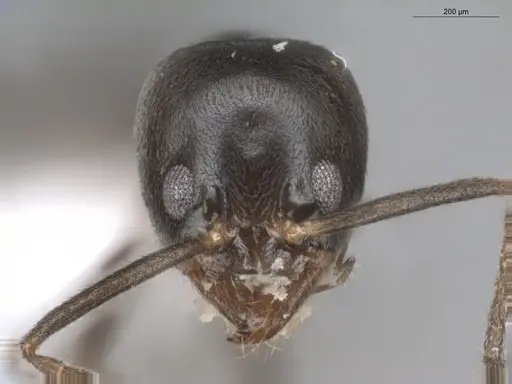
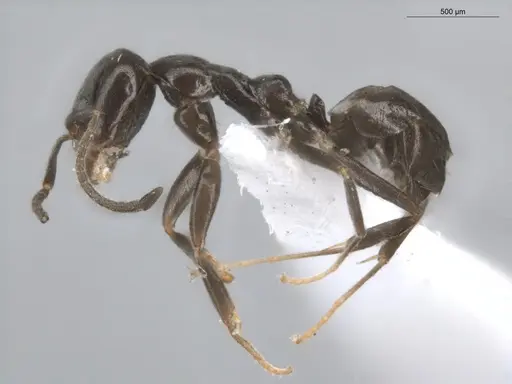
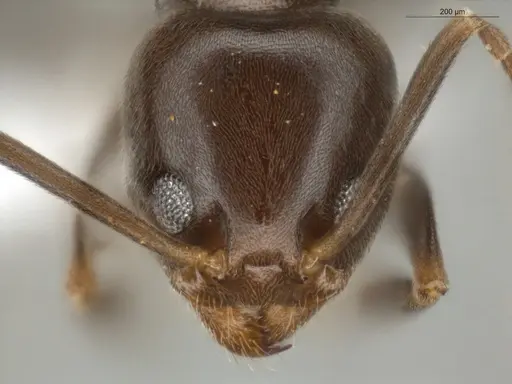
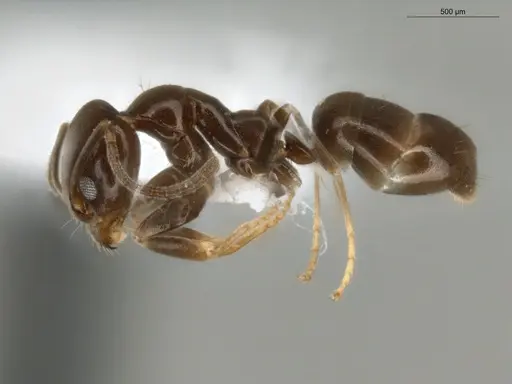
Linepithema neotropicum is a small, widespread ant species native to the Neotropics, ranging from Costa Rica down to Paraguay and southeastern Brazil. Workers measure 0.54-0.70mm and are light brown to dark brown in color, often with a lighter area around the head near the mandibles. They have relatively long maxillary palps and a low, rounded propodeum. This species is commonly found nesting in twigs within leaf litter, though they also nest in soil and under stones. Unlike their famous relative the Argentine ant (Linepithema humile), these ants form single-queen colonies and are not invasive. They are generalist feeders that will recruit to protein baits like tuna and sardines, and they commonly tend aphids and scale insects for honeydew.
Quick Summary
- Difficulty: Medium
- Origin & Habitat: Neotropical region, from Costa Rica south to Paraguay and southeastern Brazil, including Argentina, Bolivia, Colombia, Ecuador, French Guiana, and Venezuela. Found from sea level to over 2600m altitude in lowland tropical humid forests, forest edges, second growth, and occasionally agricultural areas like coffee, cacao, and banana plantations [1][2].
- Colony Type: Single-queen colonies (monogyne). The type colony from Paraguay contained 1022 workers with one dealate queen,28 alate queens,30 males, and 82 male pupae [1].
- Colony: Monogyne
- Founding: Claustral
- Size & Growth:
- Queen: Queen measurements: MML 1.59-1.72mm [1]. Moderately small.
- Worker: Workers: HL 0.54-0.70mm, HW 0.47-0.66mm [1][3].
- Colony: Colony can reach over 1000 workers. The type colony had 1022 workers [1].
- Growth: Moderate, based on typical Linepithema development patterns.
- Development: Estimated 6-8 weeks at optimal tropical temperatures based on genus patterns. (Development is typical for tropical Dolichoderinae, faster than temperate species but slower than some invasive Linepithema.)
- Antkeeping:
- Temperature: Keep at 24-28°C. This is a tropical species native to warm humid forests, so they need warmth year-round. A heating cable on one side of the nest creates a gradient [1].
- Humidity: Moderate to high humidity (60-80%). They naturally inhabit humid forest floor environments and leaf litter. Keep the nest substrate consistently moist but not waterlogged. Provide some drier areas for workers to self-regulate.
- Diapause: No, being a tropical species, they do not require hibernation. However, they may show reduced activity during cooler periods.
- Nesting: They naturally nest in small twigs and cavities within leaf litter, but also use soil nests with inconspicuous entrances. In captivity, a Y-tong (AAC) nest or test tube setup works well. They prefer tight chambers scaled to their small size. Avoid tall, open spaces.
- Behavior: These ants are generalist feeders and will recruit strongly to protein baits. They forage both on the ground and on vegetation, and commonly tend aphids and scale insects for honeydew. Workers are not particularly aggressive but will defend their colony. They are active foragers with good recruitment. Escape prevention is important, being small ants, they can squeeze through small gaps. Use fine mesh barriers and tight-fitting lids.
- Common Issues: escape prevention is critical, their small size means they can slip through tiny gaps, colonies may decline if kept too cool, maintain warm temperatures year-round, overfeeding can lead to mold in the nest, remove uneaten protein promptly, they tend hemipterans, if kept in a bioactive setup, monitor aphid populations, wild-caught colonies may have parasites that can decimate the colony
Housing and Nest Setup
Linepithema neotropicum is a small ant species that naturally nests in twigs, rotting wood, and soil cavities within leaf litter. For captivity, a Y-tong (AAC) nest works well because it provides the tight, humid chambers they prefer. Test tube setups are also suitable for founding colonies. The key is providing chambers scaled to their tiny worker size, avoid large, open spaces. They do well in naturalistic setups with leaf litter and small twigs as enrichment. Because they are small (workers are only 0.54-0.70mm), escape prevention must be excellent. Use fine mesh on any ventilation and ensure all connections are sealed. A hydration system that keeps the nest substrate consistently moist works best, these ants come from humid forest environments. [1]
Feeding and Diet
Like most Linepithema species, L. neotropicum is a trophic generalist. In the wild, they recruit to protein baits like tuna and sardines, and they tend various hemipterans (aphids and scale insects) for honeydew. Their diet includes dead arthropods, and one study found their nest middens contained fragments of nasute termites and Trachymyrmex ants. In captivity, offer protein sources like small crickets, mealworms, or fish flakes 2-3 times per week. They will also accept sugar water or honey as an energy source. Remove uneaten protein within 24-48 hours to prevent mold. Their strong recruitment behavior means you'll see many workers at food sources quickly. [1]
Temperature and Seasonal Care
Being a tropical species from the Neotropics, Linepithema neotropicum requires warm temperatures year-round. Aim for 24-28°C in the nest area. They naturally occur from sea level to over 2000m in various forest habitats, but their preference is for warm, humid conditions. A heating cable on one side of the nest creates a gentle gradient that lets workers regulate their temperature. Unlike temperate ants, they do not require a hibernation period or diapause. However, they may show reduced activity during cooler periods, so avoid placing their setup near air conditioning or cold drafts. Room temperature within their preferred range is acceptable. [1][2]
Colony Structure and Development
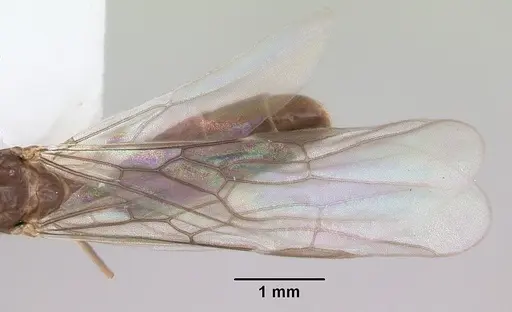
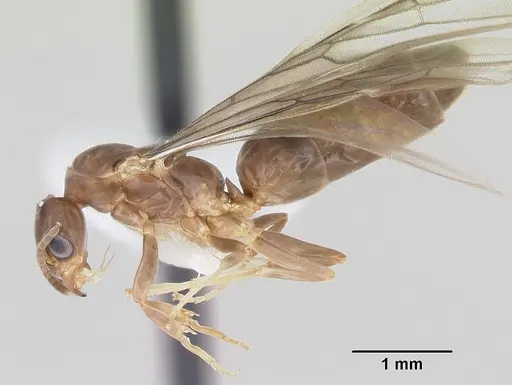
Linepithema neotropicum forms single-queen (monogyne) colonies. The type colony collected in Paraguay contained 1022 workers with one dealate queen,28 alate queens,30 males, and 82 male pupae, showing the colony was producing reproductives. Queens are moderately small at MML 1.59-1.72mm. Founding is claustral, the queen seals herself in a chamber and raises the first workers alone on stored fat reserves. Growth rate is moderate. Alate (winged) reproductives have been observed flying to lights in mid-November in Paraguay between 21:00-23:00 on warm evenings after rain. In Brazil, alates have been collected in pan traps in November and December. [1]
Behavior and Foraging
These ants are active foragers with strong recruitment behavior. They forage both on the ground and on vegetation, and are known to visit extrafloral nectaries. They commonly tend aphids and scale insects (hemipterans), one study documented them attending Toxoptera aurantii on cocoa trees. Workers are not particularly aggressive toward humans but will defend the colony if threatened. Their small size means they can access food sources that larger ants cannot. In the wild, they show seasonal shifts in foraging, during rainy seasons, foraging is restricted to the ground due to rain on vegetation, while dry season foraging on trees increases. [1]
Frequently Asked Questions
How long does it take for Linepithema neotropicum to produce first workers?
Based on typical Linepithema development patterns, expect first workers (nanitics) in about 6-8 weeks after the queen lays eggs, at optimal temperatures of 24-28°C. Development is faster than temperate ants but not as rapid as some invasive Linepithema species.
Can I keep multiple Linepithema neotropicum queens together?
No. This species is monogyne, they form single-queen colonies. Multiple unrelated queens will fight. Only keep one queen per colony.
What do Linepithema neotropicum ants eat?
They are generalist feeders. Offer protein sources like small insects (fruit flies, pinhead crickets, mealworms), fish flakes, or cooked meat 2-3 times per week. They also accept sugar water or honey. Remove uneaten protein promptly to prevent mold.
Are Linepithema neotropicum good for beginners?
They are intermediate in difficulty. They require warm temperatures year-round (no hibernation), which is easier than temperate species. However, their small size requires good escape prevention, and they need regular protein feeding. They are not invasive like their relative L. humile.
What size colony do Linepithema neotropicum reach?
Colonies can reach over 1000 workers. The type colony had 1022 workers. Growth is moderate, expect several months to a year to reach 100 workers from a founding colony.
Do Linepithema neotropicum need hibernation?
No. As a tropical species from the Neotropics, they do not require hibernation or diapause. Keep them warm year-round at 24-28°C.
When do Linepithema neotropicum alates fly?
Nuptial flights occur in mid-November in Paraguay, typically between 21:00-23:00 on warm evenings after rainfall. Alate females have been found in nests in November, and alate males have been collected in December in some regions.
Why are my Linepithema neotropicum escaping?
Their small size (workers are only 0.54-0.70mm) means they can squeeze through tiny gaps. Use fine mesh (at least 0.5mm or smaller), seal all connections with tape or silicone, and check lid fit regularly. Escape prevention must be excellent for this species.
References

This caresheet is licensed under CC BY-SA 4.0 .
CASENT0104903
View on AntWeb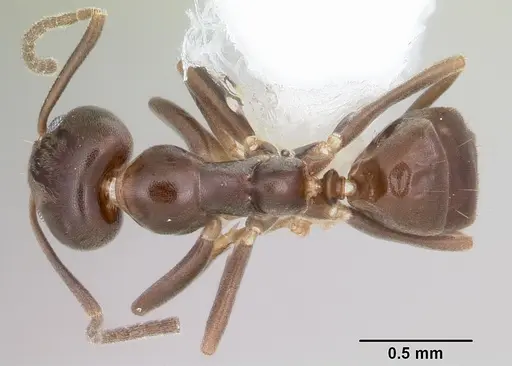
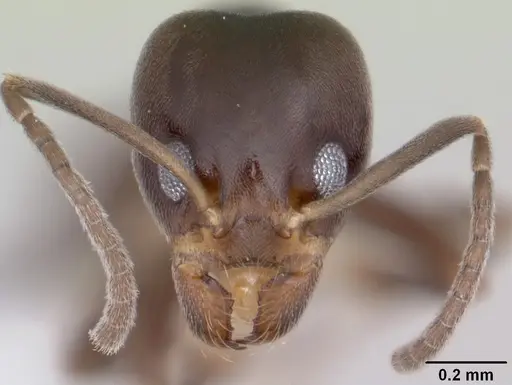
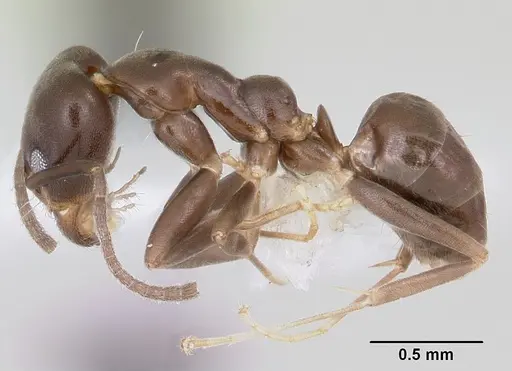
CASENT0104907
View on AntWeb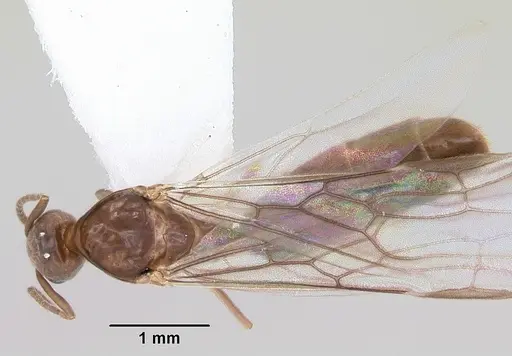
CASENT0104908
View on AntWeb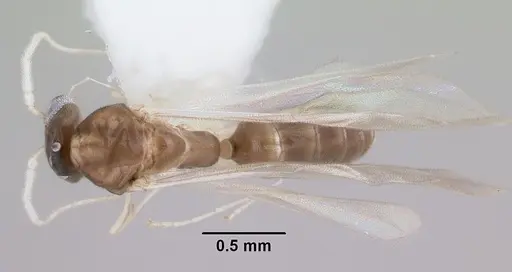
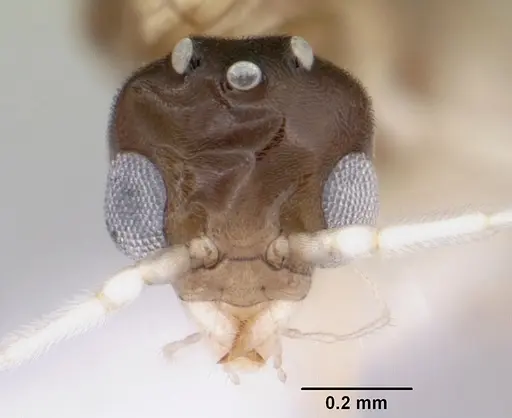
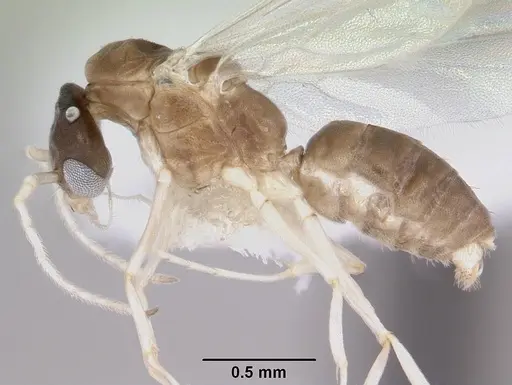
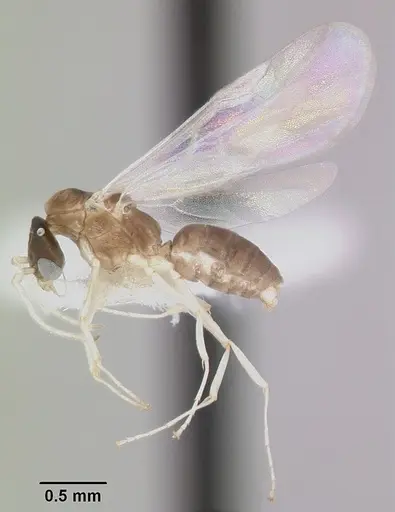
CASENT0106968
View on AntWeb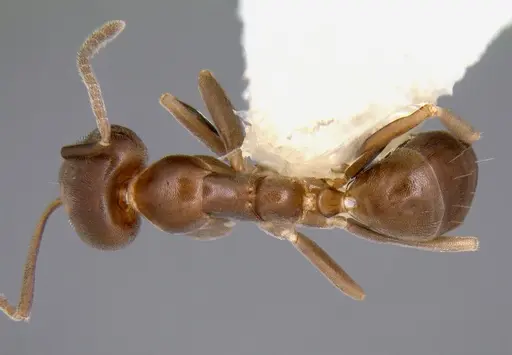
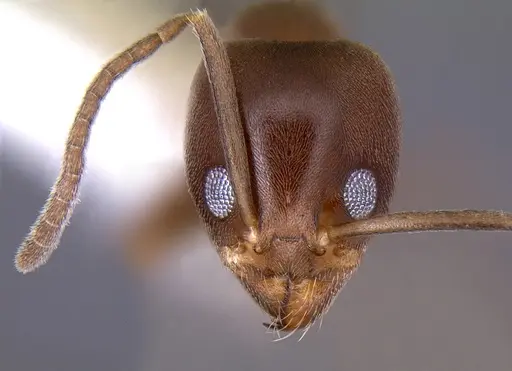
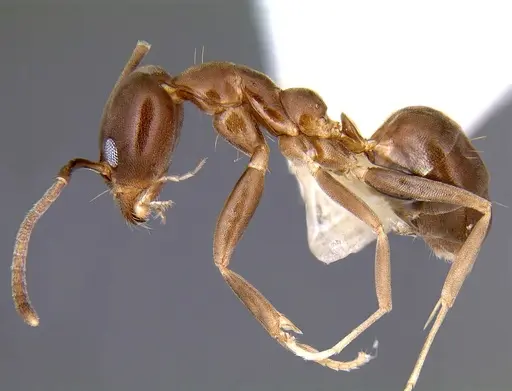
CASENT0178636
View on AntWeb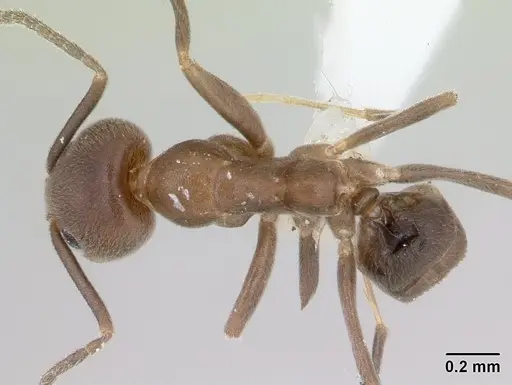
CASENT0249744
View on AntWeb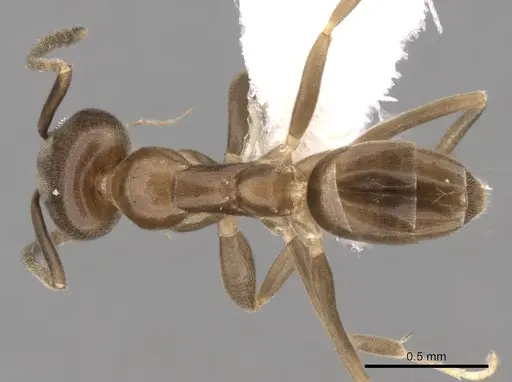
CBUMAGENT41878
View on AntWeb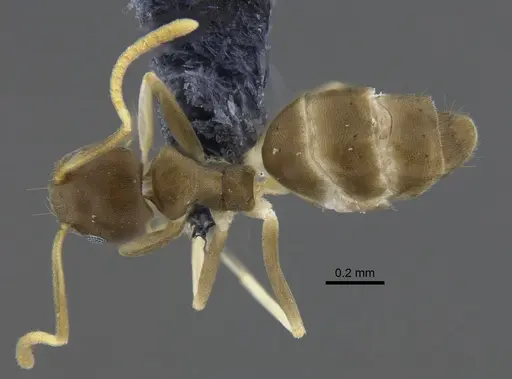
ECOFOG-BUG-0476-02
View on AntWeb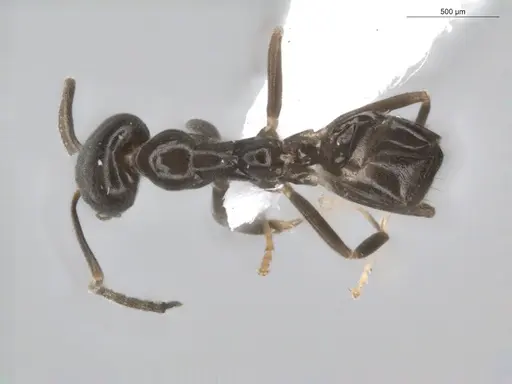
ECOFOG-SG17-0119-06
View on AntWeb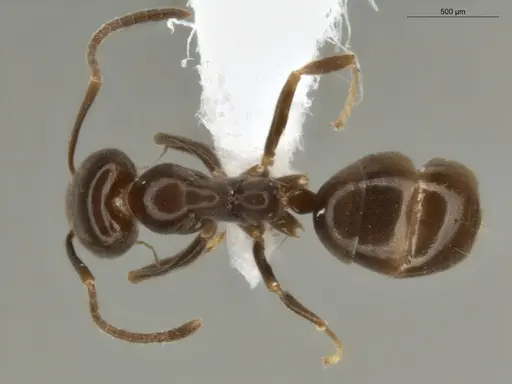
Literature
Loading...Loading products...