

Linepithema angulatum
- Scientific Name
- Linepithema angulatum
- Tribe
- Leptomyrmecini
- Subfamily
- Dolichoderinae
- Author
- Emery, 1894
- Distribution
- Found in 8 countries
Linepithema angulatum Overview
Linepithema angulatum is an ant species of the genus Linepithema. It is primarily documented in 8 countries , including Bolivia, Plurinational State of, Brazil. Detailed taxonomic data and occurrence records can be further explored via authoritative databases such as AntWeb or the Global Biodiversity Information Facility (GBIF).
Linepithema angulatum
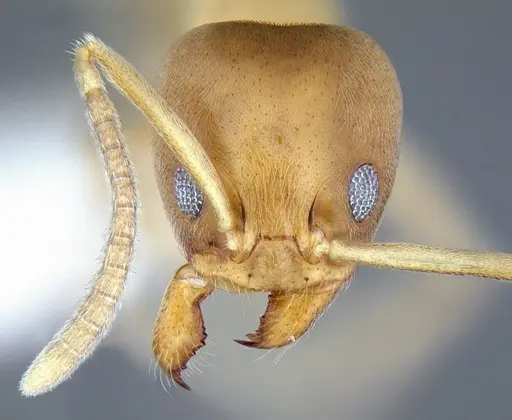
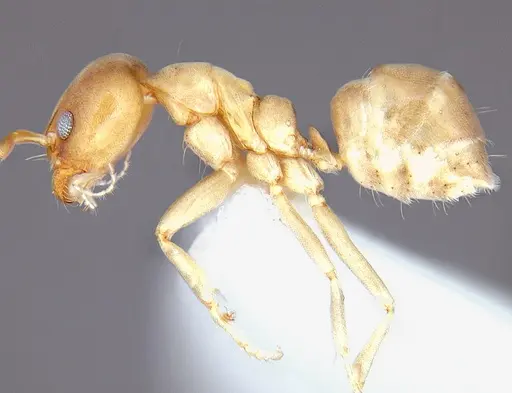
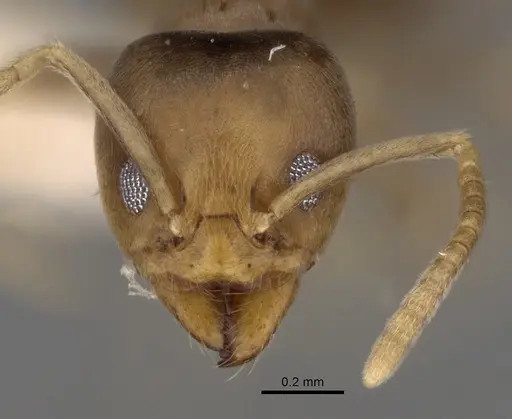
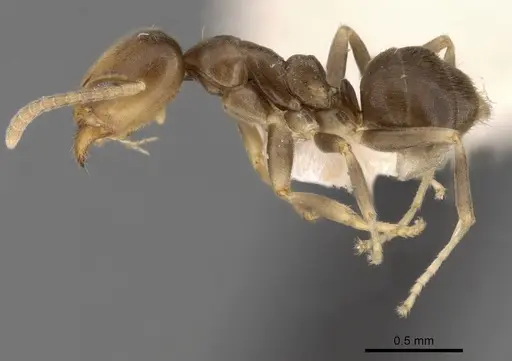
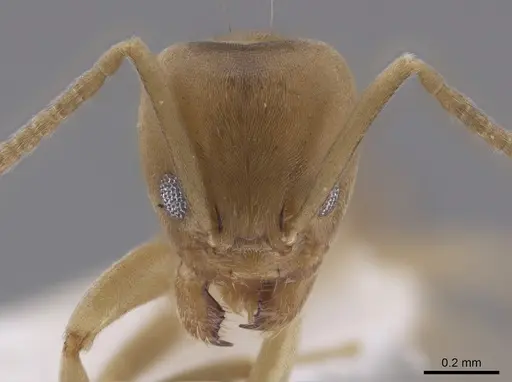
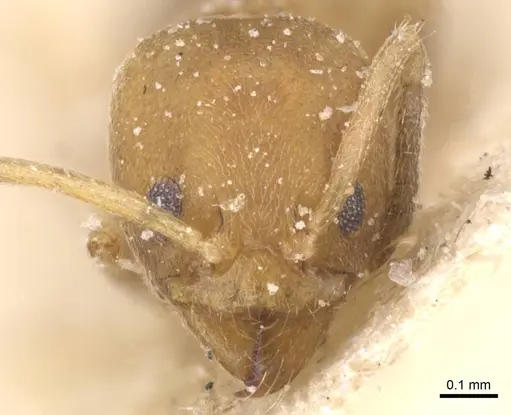
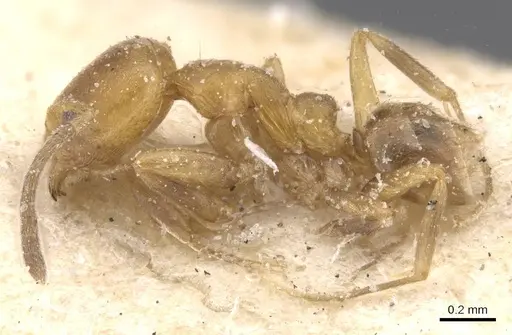
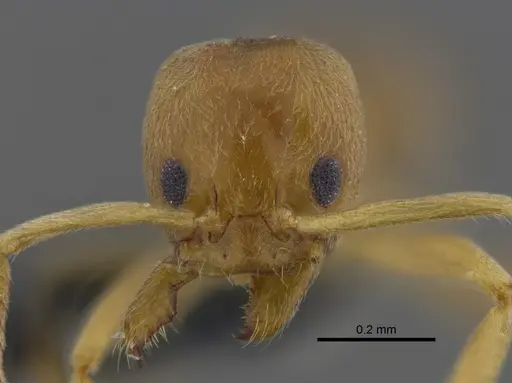
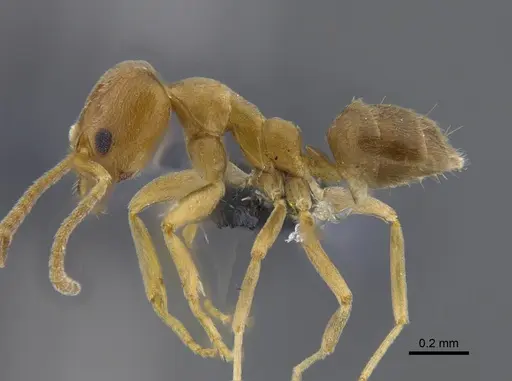
Linepithema angulatum is a small to medium-sized ant native to the Neotropics, ranging from Costa Rica south to the Brazilian Pantanal. Workers measure 2.5-3mm with a distinctive appearance featuring a strongly impressed metanotal groove (the seam between the middle and rear body sections), a straight to slightly concave dorsal face of the propodeum, and a shiny mesopleuron and metapleuron lacking pubescence. Their coloration ranges from testaceous (pale reddish-brown) to medium brown, with head width typically exceeding 0.53mm [1]. This species is considered a generalist ant that thrives in human-modified ecosystems including agricultural settings like coffee, bean, peach, and pine crops, as well as forest fragments and home gardens [2]. Notably, L. angulatum has been observed nesting inside Cecropia trees, a plant typically associated with Azteca ants, and shows interesting trophobiotic relationships, attending aphids and membracids for honeydew while also engaging in commensal relationships with other insect families [2].
Quick Summary
- Difficulty: Easy
- Origin & Habitat: Native to the Neotropical region, from Costa Rica south to the Brazilian Pantanal. Found across a wide altitude range from sea level to over 2800m, with most records from the Andean mountain system in Colombia [1][2]. Inhabits diverse environments including agricultural crops (pine, bean, coffee, peach), mature forest fragments, home gardens, and high-elevation urban parks [2].
- Colony Type: Colony structure is not directly documented in scientific literature. Based on typical Linepithema genus patterns, likely forms single-queen (monogyne) colonies. Ergatoid (wingless replacement queen) presence has not been studied for this species.
- Size & Growth:
- Queen: Queens measure 1.98-2.09mm in mesosoma length (MML) [1]. Estimated total length around 5-6mm based on related species.
- Worker: Workers are small at 2.5-3mm total length (HL 0.59-0.75mm, HW 0.54-0.72mm) [1].
- Colony: Colony size is not directly documented. Based on similar Linepithema species, likely reaches several hundred to a few thousand workers.
- Growth: Growth rate is not directly documented. Based on related species patterns, likely moderate to fast-growing.
- Development: Development timeline is unconfirmed. Based on typical Dolichoderinae patterns and related Linepithema species, estimate 6-10 weeks from egg to first worker at optimal temperature. (Direct development data for this species is lacking. Related Linepithema species typically develop within 6-10 weeks under warm conditions.)
- Antkeeping:
- Temperature: Keep at room temperature, roughly 20-26°C. The species has been recorded from high altitudes up to 2800m, suggesting tolerance to cooler conditions, but optimal development likely occurs in the low-to-mid 20s°C range. A gentle gradient allows workers to self-regulate [1].
- Humidity: Moderate humidity is suitable. In the wild, they nest in rotting wood, under stones, in bromeliads, and in Cecropia trees, environments that provide some moisture but are not waterlogged. Keep nest substrate slightly moist but allow drying between waterings. Avoid both overly dry and stagnant-wet conditions.
- Diapause: Diapause requirements are not directly studied. Given the high-altitude and broad distribution (sea level to 2800m), populations from higher elevations or southern parts of range likely require a winter rest period. Consider providing a cool period (15-18°C) for 2-3 months during winter months if the colony shows reduced activity.
- Nesting: In captivity, they accept most standard nest types. They naturally nest in rotting wood, under stones, in bromeliads, and in tree cavities. Y-tong (AAC), plaster, or naturalistic setups with rotting wood pieces work well. Provide narrow chambers and passages scaled to their small worker size. Test tubes are suitable for founding colonies.
- Behavior: Workers are active foragers that recruit nestmates to food sources through chemical trails, they readily find and dominate protein baits like tuna in both surface and underground contexts in the wild [1]. They are generalist feeders with a sweet tooth, attending aphids and membracids for honeydew while also hunting small insects. Their behavior is less aggressive than the notorious invasive L. humile (Argentine ant), but they remain confident foragers. Escape risk is moderate, their small size (under 3mm) means they can slip through small gaps, so standard barrier methods are advisable. They produce a mild acidic odor, noted in field observations [3].
- Common Issues: small size means escapes are likely without fine mesh barriers and tight-fitting lids, high altitude populations may struggle without a winter rest period, observe colony behavior in autumn, wild-caught colonies may carry phorid fly parasites (Pseudacteon lontrae) documented in Pantanal populations [1], overfeeding can lead to mold in nests, remove uneaten protein promptly, colonies may abandon nests if humidity drops too low, monitor substrate moisture
Housing and Nest Setup
Linepithema angulatum is adaptable and accepts most captive nest setups. In the wild, they nest in diverse locations including rotting wood, under stones, in bromeliads, inside Cecropia tree cavities, and in leaf litter [1][2]. For captivity, Y-tong (acrylic) nests, plaster nests, or naturalistic setups with rotting wood pieces all work well. The key is providing chambers and passages scaled to their tiny worker size (under 3mm). Test tube setups are perfect for founding colonies, use a water reservoir with a cotton plug, and once the colony reaches 15-20 workers, you can consider moving to a formicarium. Ensure the nest has some moisture retention since they naturally occur in moderately damp microhabitats, but avoid waterlogging. A small outworld connected to the nest allows for foraging and waste disposal.
Feeding and Diet
As a generalist ant species, L. angulatum accepts a wide variety of foods. In the wild, they attend aphids and membracids, collecting honeydew, the sugary waste excreted by these sap-sucking insects [2]. They also recruit strongly to protein baits like tuna, both on the surface and underground (recorded at 30cm depth) [1]. In captivity, offer sugar water or honey as a constant energy source, and provide protein foods like small insects (fruit flies, small mealworms, crickets) or commercial ant protein mixes. They will likely accept most standard ant foods. Feed protein 2-3 times per week and keep sugar water available at all times. Remove uneaten protein after 24-48 hours to prevent mold.
Temperature and Seasonal Care
This species tolerates a broad temperature range from sea level to 2800m elevation, reflecting adaptability across diverse Neotropical habitats [1]. For captive care, aim for room temperature in the low-to-mid 20s°C (roughly 20-26°C). A heating cable on one side of the nest can create a temperature gradient, allowing workers to self-regulate. Higher temperatures within this range will speed up development but monitor for excessive drying. For seasonal care, consider the altitude origin of your colony, high-altitude populations (from 2000m+) may benefit from a winter rest period. If your colony naturally slows down in autumn, provide a cool period around 15-18°C for 2-3 months. This species has been recorded in areas with seasonal temperature variation, so some cooling is likely beneficial for long-term colony health.
Behavior and Foraging
Linepithema angulatum workers are active foragers that use chemical recruitment trails to direct nestmates to food sources. In the wild, they readily dominate protein baits and have been observed recruiting to tuna placed 30cm underground in Peru [1]. They are less aggressive and less territorially dominant than their famous relative L. humile (the Argentine ant), but still compete effectively in ant communities. Workers are moderately fast-moving and will explore their outworld regularly. They produce a mild acidic odor, more typical of subfamily Dolichoderinae than the formicine ants that produce stronger formic acid smells [3]. This species is also known to be attacked by phorid parasitoid flies (Pseudacteon lontrae) in the Pantanal region, which can alter their foraging behavior in the wild [1].
Colony Growth and Development
Specific development data for L. angulatum is lacking, but based on related Linepithema species and typical Dolichoderinae patterns, you can expect the following timeline: eggs develop into larvae over 1-2 weeks, followed by a pupal stage of 2-4 weeks, with first workers (nanitics) emerging around 6-10 weeks after the queen lays her first eggs. Nanitics are typically smaller than normal workers. Colony growth is initially slow but accelerates as the worker force increases. A mature colony may reach several hundred to a few thousand workers. The queen can live for many years, with documented lifespans of 10-15 years in related species. Patience is key during the founding stage, the first few months are the most critical, as the queen alone must raise her first brood without any worker assistance.
Common Problems and Solutions
Several issues can affect captive L. angulatum colonies. First, escape prevention is important, their small size (under 3mm) means they can slip through surprisingly small gaps. Use fine mesh on any ventilation holes and apply fluon or similar barriers to container rims. Second, mold from overfeeding is common, remove uneaten protein promptly and ensure adequate ventilation. Third, wild-caught colonies may carry parasites, phorid flies (Pseudacteon lontrae) have been documented attacking this species in the wild [1], though this is more of a concern for field-collected colonies. Fourth, humidity management matters, too dry and brood may desiccate, too wet and mold becomes an issue. Finally, during winter, observe whether your colony naturally slows down, if so, provide a cool period rather than forcing year-round activity.
Frequently Asked Questions
Can I keep Linepithema angulatum in a test tube?
Yes, test tubes work well for founding colonies. Use a standard test tube setup with a water reservoir and cotton plug. Once the colony grows beyond 15-20 workers, consider moving to a formicarium with more space.
How long does it take for Linepithema angulatum to produce first workers?
Exact timing is unconfirmed for this species, but based on related Linepithema patterns, expect first workers (nanitics) around 6-10 weeks after founding at optimal temperature (low-to-mid 20s°C).
What do Linepithema angulatum ants eat?
They are generalists. Offer sugar water or honey constantly for energy, and protein foods like small insects (fruit flies, mealworms) 2-3 times per week. They readily accept most standard ant foods.
Are Linepithema angulatum good for beginners?
Yes, this species is considered easy to keep. They are adaptable, accept various nest types, and are not particularly aggressive. Their small size and generalist diet make them manageable for new antkeepers.
Do Linepithema angulatum need hibernation?
It depends on the colony origin. High-altitude populations (from 2000m+) likely benefit from a winter rest period. If your colony naturally slows in autumn, provide 2-3 months at 15-18°C. Lowland tropical populations may not require diapause.
How big do Linepithema angulatum colonies get?
Colony size is not directly documented, but based on related species, expect several hundred to a few thousand workers at maturity. The queen can live for many years.
Can I keep multiple Linepithema angulatum queens together?
Colony structure is not well-documented for this species. Based on typical Linepithema patterns, they likely form single-queen colonies. Combining unrelated queens is not recommended as it has not been studied and may result in aggression.
What temperature is best for Linepithema angulatum?
Keep them at room temperature, roughly 20-26°C. A gradient allowing workers to choose their preferred spot is ideal. They tolerate cooler conditions due to high-altitude records, but optimal development occurs in the low-to-mid 20s°C.
Why are my Linepithema angulatum dying?
Common causes include: too dry nest conditions, mold from overfeeding, escapes due to inadequate barriers, or stress from wild-caught parasites. Check humidity levels, remove uneaten food promptly, verify escape prevention, and ensure the colony is not being disturbed.
References

This caresheet is licensed under CC BY-SA 4.0 .
CASENT0106973
View on AntWeb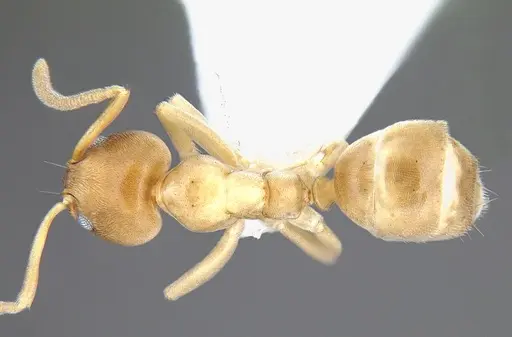
CASENT0249737
View on AntWeb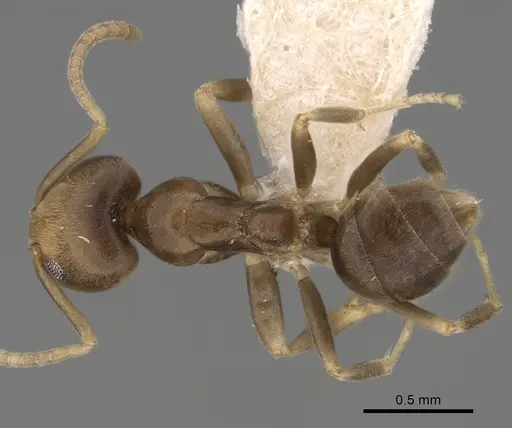
CASENT0650757
View on AntWeb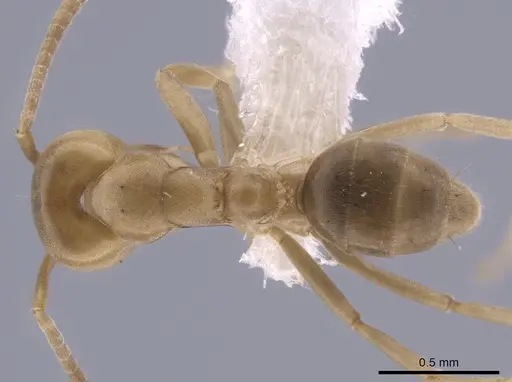
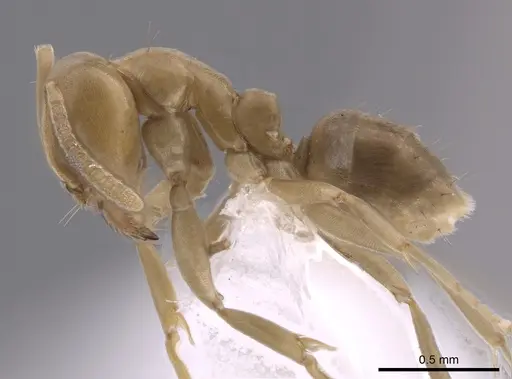
CASENT0905063
View on AntWeb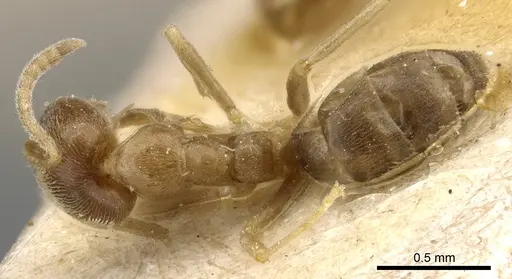
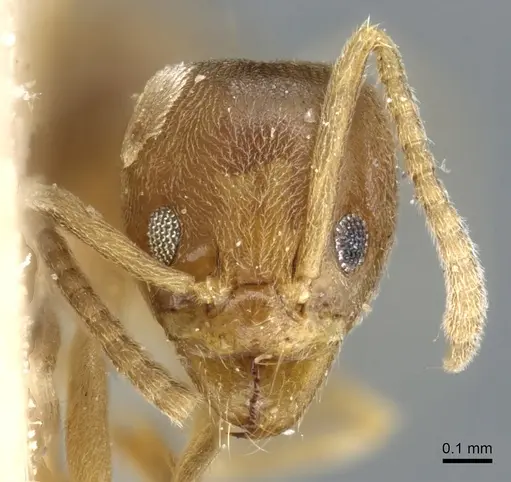
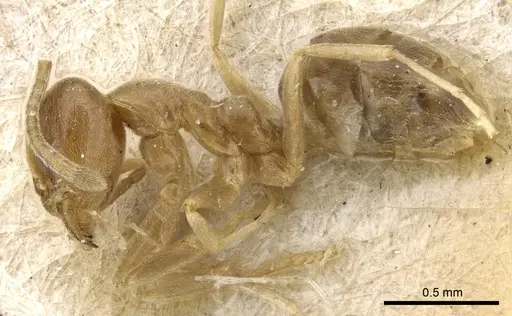
CASENT0911561
View on AntWeb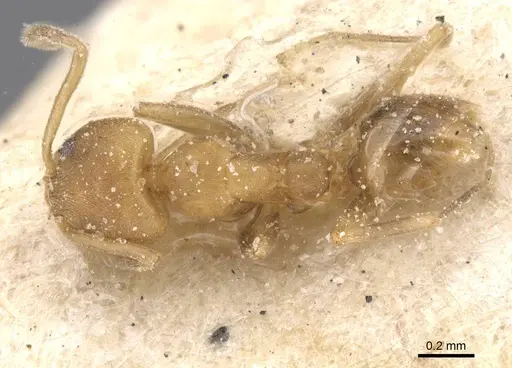
CBUMAGENT41850
View on AntWeb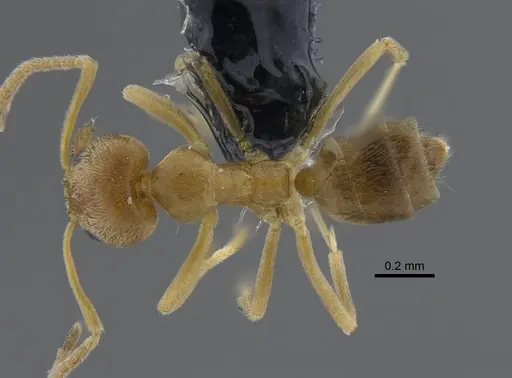
Literature
Loading...Loading products...