

Lasius tebessae
- Scientific Name
- Lasius tebessae
- Tribe
- Lasiini
- Subfamily
- Formicinae
- Author
- Seifert, 1992
- Distribution
- Found in 1 countries
Lasius tebessae Overview
Lasius tebessae is an ant species of the genus Lasius. It is primarily documented in 1 countries , including Morocco. Detailed taxonomic data and occurrence records can be further explored via authoritative databases such as AntWeb or the Global Biodiversity Information Facility (GBIF).
Lasius tebessae
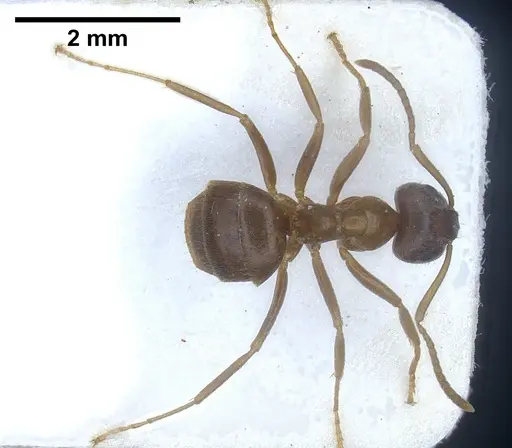
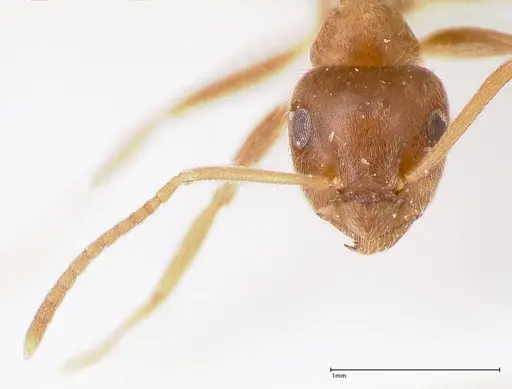
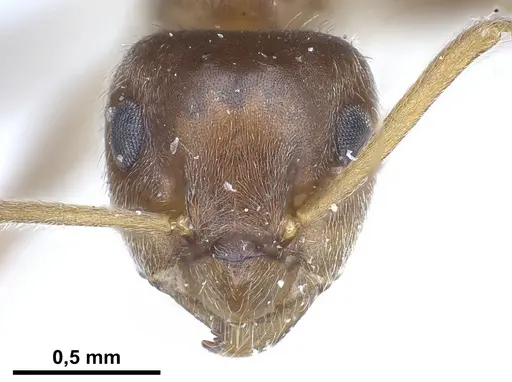
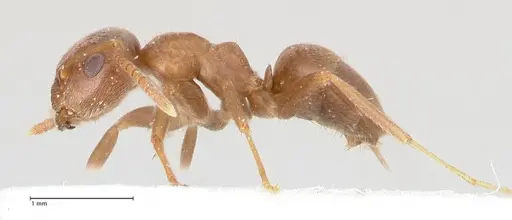
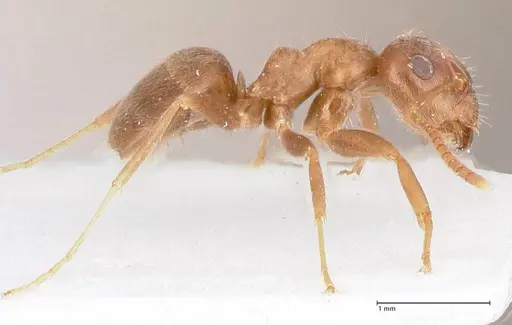
Lasius tebessae is a medium-sized ant belonging to the Lasius niger clade, closely related to Lasius emarginatus. Workers are relatively large for the genus, measuring around 3.5-4mm, with a dark brown to moderately bicolored appearance. Queens are substantially larger at approximately 7-8mm. This species is a forest-dwelling ant found in the Mediterranean region, from North Morocco through Algeria to Israel, typically at elevations between 888 and 1750 meters. It inhabits oak, pine, and spruce forest habitats, as well as open pastures with scattered trees [1][2].
What makes this species interesting is its limited distribution and specialized habitat requirements. Unlike many widespread Lasius species, L. tebessae is tied to higher elevation forested areas with moderate to cool temperatures. It was only formally described as a separate species in 1992,having previously been confused with L. emarginatus. This makes it a rewarding species for keepers interested in keeping something more unusual than common Lasius niger or Lasius alienus.
Quick Summary
- Difficulty: Medium
- Origin & Habitat: North Africa and Middle East, found from North Morocco (34.915°N) to East Algeria (35.400°N,8.117°E) and the Judean Hills in Israel. Inhabits forests at elevations 888-1750m, including Quercus ilex (oak), Pinus halepensis (pine), and Picea (spruce) forests, as well as open pastures with scattered trees [1][3][4].
- Colony Type: Likely single-queen (monogyne) colonies like other Lasius species in the niger clade, though this has not been directly studied. No documented ergatoid replacement reproductives for this specific species.
- Colony: Monogyne
- Founding: Claustral
- Size & Growth:
- Queen: Approximately 7-8mm (HL 1453.5 ± 25.1 µm) [5]
- Worker: Approximately 3.5-4mm (CS 966 ± 43 µm) [1]
- Colony: Unknown for this specific species. Based on related L. emarginatus and typical Lasius patterns, colonies likely reach several thousand workers over several years.
- Growth: Moderate, based on typical Lasius development patterns
- Development: Estimated 6-8 weeks at optimal temperature, based on genus-level data from related Lasius species. No species-specific development studies exist. (Development time is inferred from typical Lasius patterns. Expect similar timing to L. emarginatus and other temperate Lasius species.)
- Antkeeping:
- Temperature: Keep at room temperature, ideally 20-24°C. As a species from higher elevation Mediterranean forests, it prefers cooler conditions than tropical ants. A slight temperature gradient allowing workers to choose their preferred zone is beneficial [1].
- Humidity: Moderate humidity around 50-60%. As a forest-dwelling species, provide some moisture in the nest area but avoid waterlogging. The natural habitat includes relatively humid forest floor conditions.
- Diapause: Likely yes, as a species from temperate latitudes (Morocco to Algeria at 34-35°N), it probably requires a winter rest period. Based on similar Lasius species, provide 3-4 months of reduced temperatures (5-10°C) during winter.
- Nesting: Y-tong (AAC) nests or plaster nests work well. This is a forest species so it appreciates a naturalistic setup with some soil or substrate that can hold some moisture. Avoid completely dry setups.
- Behavior: Generally peaceful and non-aggressive, typical of Lasius species. Workers are active foragers that will readily collect honeydew and small prey. They are not particularly aggressive defenders and do not have a painful sting. Escape risk is moderate, these are not tiny ants but standard Lasius size, so standard escape prevention (fluon on edges) is sufficient. They are moderately active and will establish visible foraging trails.
- Common Issues: Limited availability, this is not a common species in the antkeeping hobby, making colonies hard to find, Cold sensitivity, being from higher elevations, they may struggle in warm apartments without temperature control, Winter mortality, colonies can die if diapause conditions are not provided or if temperatures fluctuate wildly during hibernation, Limited documented care information, much of care is inferred from related species rather than direct observation, Queen loss during founding, claustral queens sometimes fail to establish colonies for unknown reasons
Housing and Nest Setup
Lasius tebessae does well in standard ant keeping setups. A Y-tong (AAC) nest works excellently, these provide good humidity control and allow you to observe the colony easily. Plaster or earth nests are also suitable, especially if you want a more naturalistic setup that mimics their forest floor habitat. Given their forest origins, they appreciate having some soil or substrate in all or part of the outworld that can hold moisture. Test tubes can work for founding queens but plan to move the colony to a proper nest once workers emerge. The colony will need an outworld for foraging, a simple plastic container with fluon-coated edges works well. Provide a water tube and honey feeder in the outworld. [1]
Feeding and Diet
Like other Lasius species, L. tebessae is omnivorous with a preference for sugar sources. Offer sugar water, honey, or diluted maple syrup as a constant food source. They also readily accept protein in the form of small insects (fruit flies, small crickets, mealworms) and will collect honeydew if you have live plants with aphids. Feed protein 2-3 times per week, and keep sugar water available at all times. This species is a typical Lasius forager, workers will establish trails to food sources and communicate with nestmates. Remove uneaten prey after 24-48 hours to prevent mold.
Temperature and Seasonal Care
This species prefers cooler conditions than many common ants. Keep the nest area at 20-24°C, avoiding temperatures above 28°C. Room temperature is often ideal. As a species from higher elevation Mediterranean forests (888-1750m), they are adapted to cooler, more temperate conditions. During winter (roughly November to February in the Northern Hemisphere), provide a diapause period at 5-10°C. A simple way is to place the colony in an unheated garage or basement during winter. Do not feed during diapause but keep the nest slightly moist. Return to normal temperatures gradually in spring. [1]
Behavior and Colony Dynamics
Lasius tebessae exhibits typical Lasius behavior, workers are active foragers that form distinct trails. They are not aggressive and pose no real threat to keepers. The colony will grow moderately fast once established, with the queen laying eggs continuously during the warm season. Workers live for several months to a year, and the colony will gradually replace its workforce. Unlike some ants, they do not have a painful sting, their main defense is formic acid spraying. The species is not known for being particularly escape-prone, but standard precautions (fluon barriers) should still be used. [5]
Finding and Acquiring Colonies
This is one of the more challenging aspects of keeping Lasius tebessae, the species is not commonly available in the antkeeping hobby. You may need to find a breeder who has propagated this species or catch a queen during nuptial flights. The flight season is not well documented but likely occurs during late summer or early fall, similar to other Lasius species in the region. If you catch a founding queen, provide her with a test tube setup with water through a cotton plug, and place it in a dark, quiet location until workers emerge.
Frequently Asked Questions
Is Lasius tebessae a good species for beginners?
Not ideal for complete beginners, this is a harder species to find and less documented than common Lasius niger. If you have kept other Lasius species successfully, this makes a nice intermediate-level species to try.
How long does it take for Lasius tebessae queens to raise their first workers?
Based on typical Lasius development, expect 6-8 weeks from egg to first worker at room temperature. The exact timing for this species has not been documented but is likely similar to related species.
What temperature do Lasius tebessae need?
Keep them at 20-24°C. They prefer cooler conditions than many tropical ants and may struggle above 28°C. Room temperature is typically ideal.
Do Lasius tebessae need hibernation?
Yes, likely a 3-4 month winter rest period at 5-10°C. This matches their natural habitat at higher elevations in North Africa and Middle East.
Can I keep multiple Lasius tebessae queens together?
Not recommended. This is likely a single-queen species like most Lasius s.str. Combining unrelated queens has not been studied and would likely result in fighting.
How big do Lasius tebessae colonies get?
Likely several thousand workers over several years, based on related species patterns. The exact maximum size for this species has not been documented.
What do Lasius tebessae eat?
They are omnivorous, offer sugar water, honey, or maple syrup constantly, plus small insects (fruit flies, small crickets, mealworms) 2-3 times per week.
Where is Lasius tebessae found in the wild?
North Africa (Morocco, Algeria) and the Middle East (Israel). They live in forests at higher elevations (888-1750m), typically in oak, pine, and spruce forests.
Is Lasius tebessae invasive anywhere?
No. This species has a limited natural distribution in North Africa and the Middle East and has not been documented as invasive in other regions.
References

This caresheet is licensed under CC BY-SA 4.0 .
FOCOL0742
View on AntWeb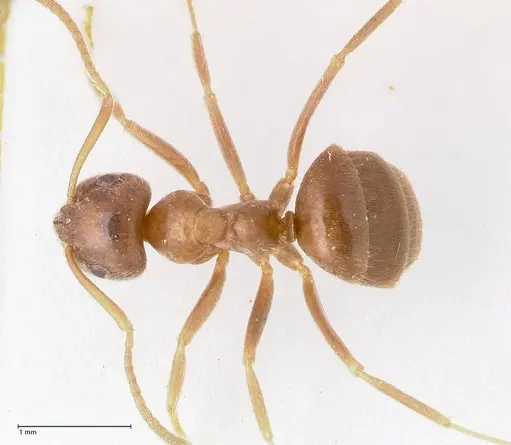
Literature
Loading...Loading products...