
Lasius emarginatus follows a consistent seasonal pattern with peak activity in July. The flight window runs from June to August, providing several months of opportunity for observations.
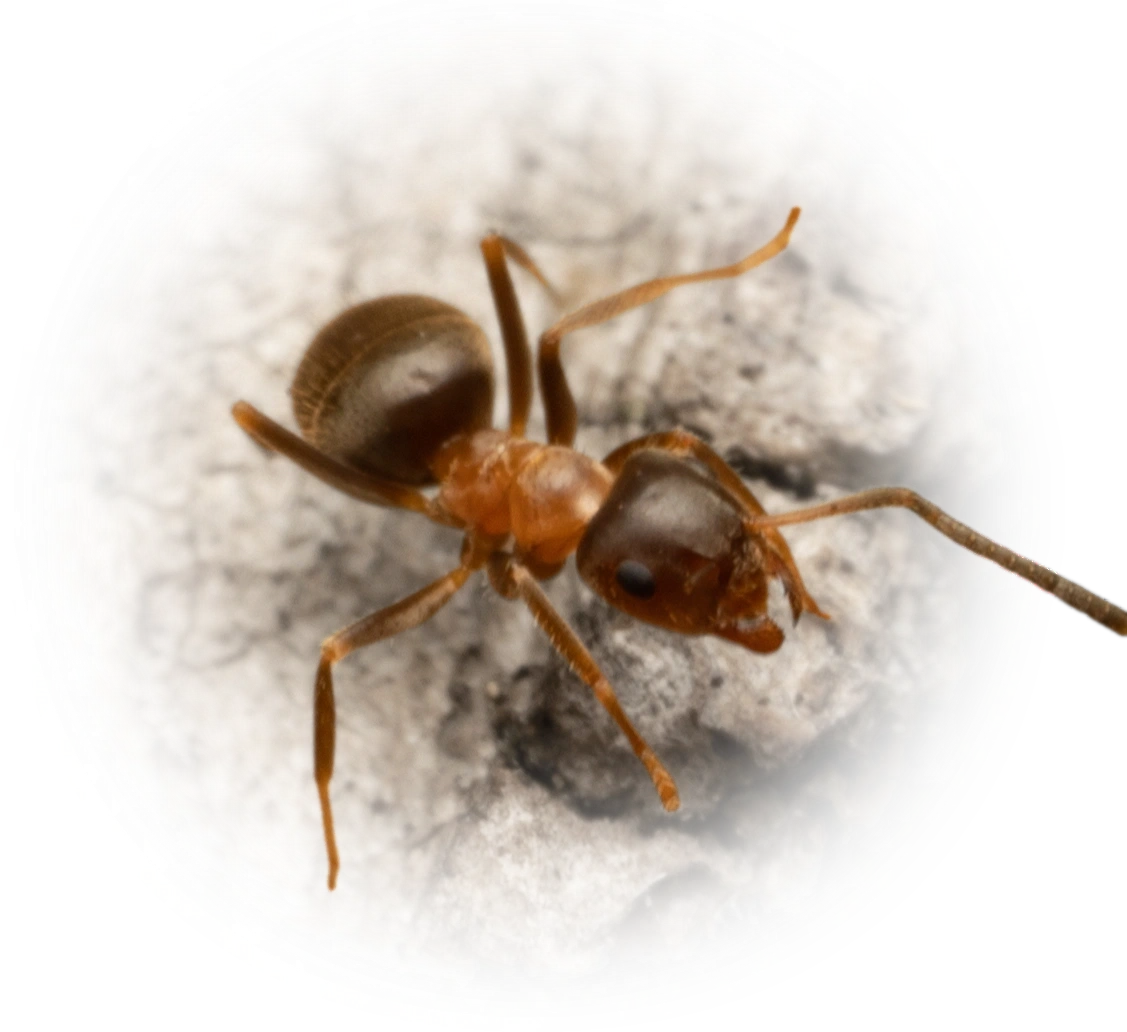
Lasius emarginatus
- Scientific Name
- Lasius emarginatus
- Tribe
- Lasiini
- Subfamily
- Formicinae
- Author
- Olivier, 1792
- Common Name
- Central European Bicolored Ant
- Distribution
- Found in 11 countries
- Nuptial Flight
- from June to August, peaking in July
AI Identifiable
try →
Lasius emarginatus Overview
Lasius emarginatus (commonly known as the Central European Bicolored Ant) is an ant species of the genus Lasius. It is primarily documented in 11 countries , including Austria, Belgium, Switzerland. Detailed taxonomic data and occurrence records can be further explored via authoritative databases such as AntWeb or the Global Biodiversity Information Facility (GBIF).
The nuptial flight of Lasius emarginatus is a significant biological event, typically occurring from June to August, peaking in July. During this time, winged queens and males leave the nest to mate and establish new colonies.
Lasius emarginatus - "Central European Bicolored Ant"
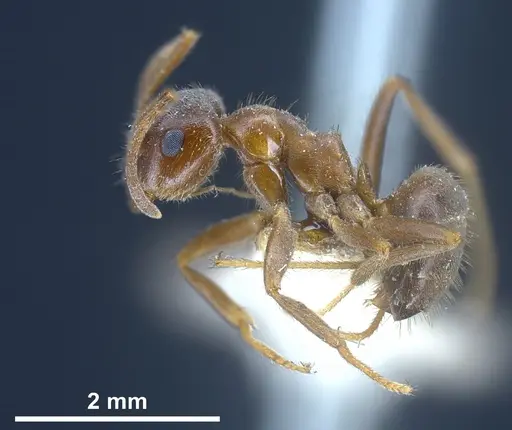
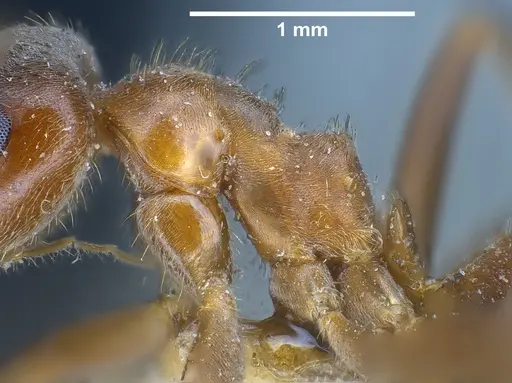
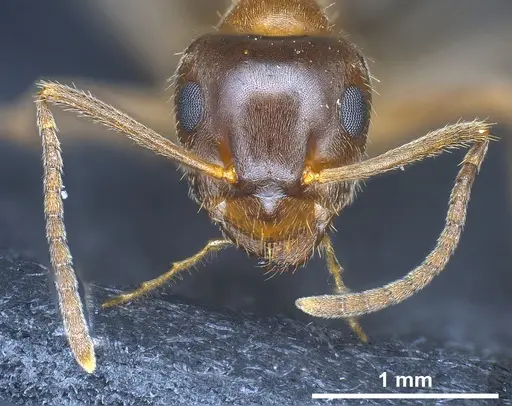
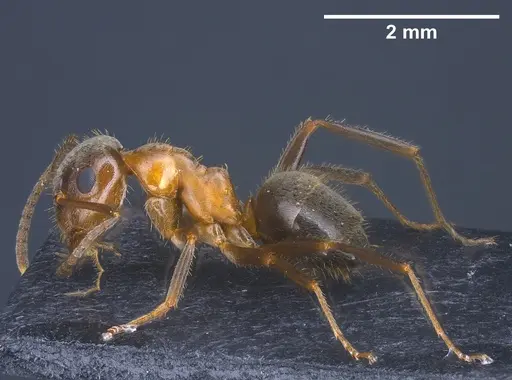
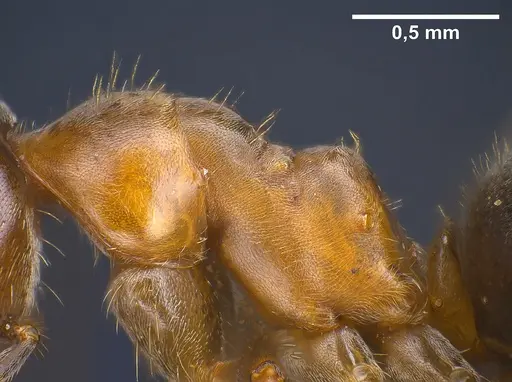
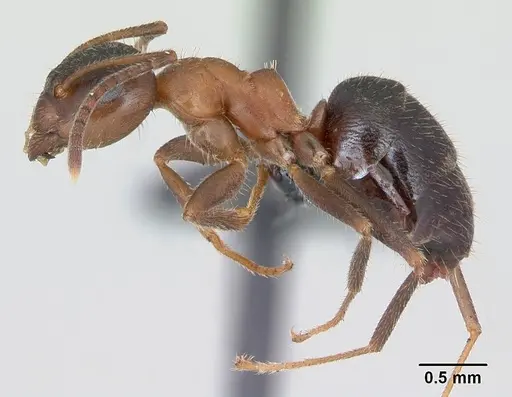
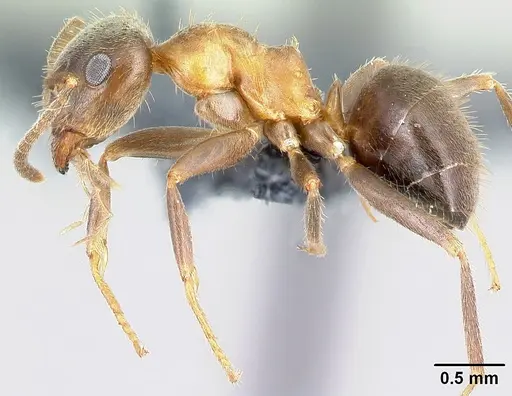
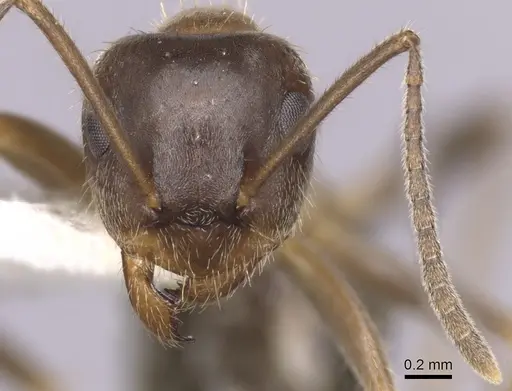
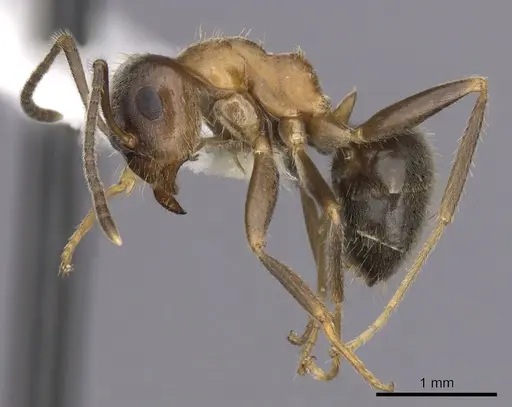
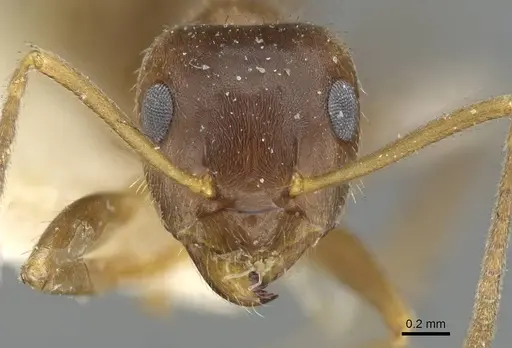
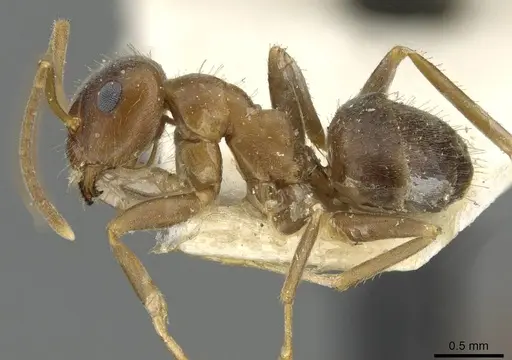
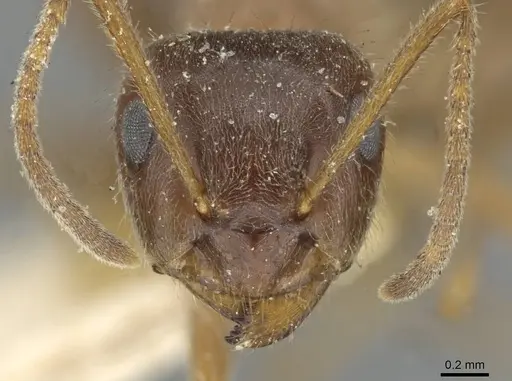
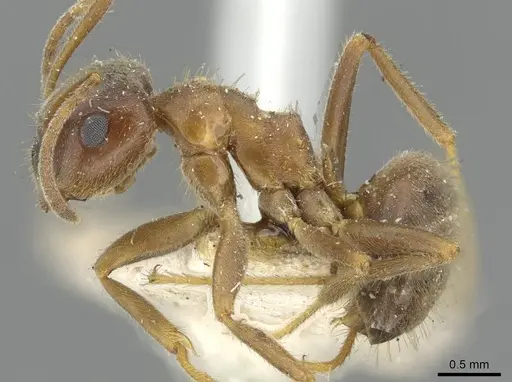
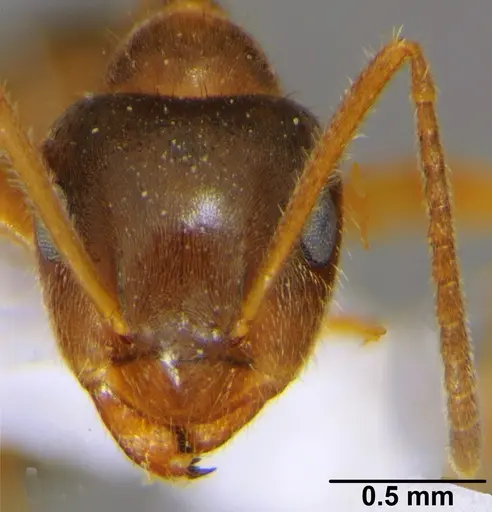
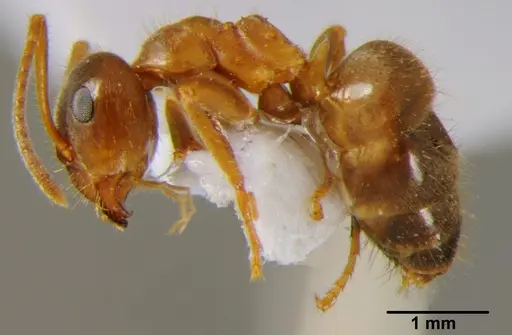
Lasius emarginatus is a medium-sized ant native to central and southern Europe, easily recognized by its distinctive bicolored pattern: the head and abdomen are dark brown to black, while the mesosoma (the middle body section) is a striking reddish-orange to yellow. Workers measure 3-5mm, making them slightly larger than the common black garden ant. This species is the most heat-loving member of the Lasius genus in Central Europe, naturally inhabiting warm, rocky sun-exposed areas with sparse vegetation, but it has also become remarkably successful in urban environments where it's often found nesting in walls, under roof insulation, and inside buildings. Colonies are monogyne (single queen) and can grow quite large, with several thousand workers. They are aggressive defenders and have the fastest walking speed and best vision of any European Lasius species. In recent years, this species has expanded its range northward and has even been introduced to New York City, where it's becoming a common pest ant in urban areas.
Quick Summary
- Difficulty: Easy
- Origin & Habitat: Central and southern Europe, from France and England east to the Caucasus and Turkey. Naturally inhabits warm, rocky sun-exposed areas with sparse vegetation, but has secondarily colonized urban environments where it frequently nests in buildings and walls [1][2].
- Colony Type: Monogyne (single queen) colonies that can reach several thousand workers. Genetic studies confirm monogynous/monandrous structure with high relatedness among workers [3].
- Colony: Monogyne
- Founding: Claustral
- Size & Growth:
- Queen: ~8mm [4]
- Worker: 3-5mm [5]
- Colony: Several thousand workers [2]
- Growth: Moderate
- Development: 6-8 weeks (estimated based on typical Lasius development at warm temperatures) (Development is temperature-dependent, warmer conditions accelerate growth. First workers (nanitics) emerge smaller than mature workers.)
- Antkeeping:
- Temperature: Keep at 20-26°C. This is the most thermophilic Lasius species and thrives in warm conditions. Room temperature is often suitable, but a gentle heat gradient can encourage faster growth [1][6]
- Humidity: Moderate humidity is fine. They naturally inhabit dry, warm rocky areas. Keep the nest substrate slightly moist but not wet. They can tolerate drier conditions than many ants [1]
- Diapause: Yes, a winter rest period is recommended. Reduce temperature to 5-10°C for 2-3 months (November-February in the Northern Hemisphere). This mimics their natural cycle and helps colonies stay healthy long-term [7]
- Nesting: Y-tong (AAC) nests work well, or a plaster nest with small chambers. They naturally nest in rock crevices and wall voids, so tight-fitting chambers suit them. Avoid overly humid setups as they prefer drier conditions. Test tubes are suitable for founding colonies [1][2]
- Behavior: Lasius emarginatus is an active, aggressive ant with excellent vision and fast movement. Workers are highly territorial and will defend the nest vigorously, they're known to bite and spray formic acid. They're excellent foragers that form long trails and can travel up to 40 meters from the nest. They tend aphids for honeydew and will hunt small insects. Escape prevention is important, while not the smallest ants, they're agile and will explore any gaps. They're known to enter homes in spring searching for food, making them a potential household pest in their native range [1][5][8].
- Common Issues: colonies can become pests in homes if kept in rooms where they can access food, aggressive behavior means they may bite if threatened, use caution during colony maintenance, fast-moving workers can escape through small gaps, check all connections regularly, they produce formic acid as defense which has a noticeable smell, overheating can be as dangerous as cold, keep temperatures below 30°C
Nuptial Flight Activity Analysis 707 observations
Flight Activity by Hour 707 observations
Lasius emarginatus nuptial flight activity peaks around 21:00 during the night. Activity is spread across a 15-hour window (09:00–23:00). Times may be influenced by human observation patterns.
Housing and Nest Setup
Lasius emarginatus adapts well to various nest types, making them excellent for beginners. Y-tong (acrylic) nests or plaster nests with appropriately sized chambers work well. In the wild, they nest in rock crevices, under stones, in wall voids, and sometimes in dead wood, so they prefer tight-fitting chambers over large open spaces. For founding colonies, a standard test tube setup with a water reservoir works perfectly, the queen will seal herself into a chamber and raise her first workers there. You can move the colony to a larger formicarium once established, but ensure the transition is smooth with proper founding materials. Because they're a heat-loving species, placing the nest in a warm location or using a heating cable on one side (never directly on the nest) can promote faster growth. They tolerate drier conditions than many ants, so avoid overly humid setups that could cause mold. [1][2][5]
Feeding and Diet
Like other Lasius species, Lasius emarginatus is omnivorous with a strong preference for sugary foods. They actively tend aphids and scale insects, collecting honeydew as a primary food source. In captivity, offer sugar water (1:3 sugar to water ratio) or honey diluted with water as a constant food source. For protein, provide small insects like fruit flies, small crickets, or mealworms twice weekly. They're also known to scavenge on dead insects. During the founding stage, the queen doesn't eat, she relies entirely on her stored fat reserves. Once workers arrive, they can handle small prey items. Watch for their feeding preferences, some colonies are more predatory than others. Avoid overfeeding as uneaten protein can attract pests and mold. They typically forage in the evening and night, so place food in the outworld in the late afternoon [1][9][5].
Temperature and Seasonal Care
This is the most thermophilic Lasius species, so warmth is key to their success. Keep nest temperatures between 20-26°C, with 22-24°C being ideal for growth. They can tolerate higher temperatures briefly but avoid sustained heat above 30°C. In summer, room temperature is often sufficient, but you can provide a gentle heat gradient using a heating cable placed on top of the nest (never underneath where it can dry out the nest). During winter (roughly November-February in the Northern Hemisphere), reduce temperatures to 5-10°C to provide their natural diapause period. This winter rest is important for colony health and mimics their natural cycle in temperate regions. Keep them in a cool basement, garage, or refrigerator during this time. Return them to warm conditions gradually in spring. Their activity typically resumes in April with warmer weather [1][7][6].
Behavior and Colony Dynamics
Lasius emarginatus colonies are monogyne (single queen) and can grow quite large, typically reaching several thousand workers. The queen is long-lived and can survive for 15-20 years or more. Workers are highly active and form long foraging trails, they can travel up to 40 meters from the nest in the wild. They're aggressive defenders and will readily bite and spray formic acid when threatened. This species has the best vision of any European Lasius, which helps with orientation and foraging. They establish satellite nests and often have polydomous (multiple nest sites) arrangements, especially in urban environments. Nuptial flights occur in July-August, typically on warm evenings after rainy weather. Alate (winged) queens and males emerge in summer. They're known to be competitive against other ant species and will dominate resources [1][5][3].
Common Keeping Issues
The main issues with keeping Lasius emarginatus are related to their aggressive nature and pest tendencies. Workers can bite when threatened, so use caution during nest checks and transfers. They produce formic acid as a defense mechanism, which has a noticeable smell. In terms of housing, ensure all connections are secure, their excellent vision and fast movement means they'll find and exploit any gaps. They're known to enter homes in large numbers, especially in early spring when food is scarce, so keep formicarium setups in areas where they can't access human food. Overheating is a risk, never place their nest in direct sunlight or use heating equipment without proper temperature control. Finally, while they're not difficult, their fast movement makes them harder to handle than slower species. Use fluon or similar barriers on the outworld rim to prevent escapes during feeding [1][5].
Frequently Asked Questions
Can I keep Lasius emarginatus in a test tube?
Yes, test tubes work perfectly for founding colonies. The queen will seal herself into a chamber and raise her first nanitic workers. Once the colony reaches 20-30 workers, you can consider moving them to a larger formicarium, though they can remain in test tubes for quite some time.
How long until first workers appear?
Expect first workers (nanitics) to emerge in 6-8 weeks at warm temperatures (22-24°C). The exact timing depends on temperature, warmer conditions speed development, while cooler temperatures slow it down. The first workers will be smaller than mature workers.
Are Lasius emarginatus good for beginners?
Yes, they're considered easy to keep. They're adaptable to various nest types, tolerate a range of conditions, and are readily available since they're common in their native range. The main considerations are their aggressive/defensive behavior and tendency to enter homes, so appropriate housing and escape prevention are important.
Do they need hibernation?
Yes, a winter rest period is recommended. Reduce temperatures to 5-10°C for 2-3 months during winter (roughly November-February). This mimics their natural cycle and helps maintain colony health. Keep them in a cool basement, garage, or unheated room during this period.
Why is my Lasius emarginatus colony dying?
Common causes include: too much moisture (they prefer drier conditions), temperatures outside their 20-26°C range, insufficient protein in their diet, or stress from too frequent disturbances. They can also fail if the queen dies during founding, this sometimes happens with older or weakened queens. Check that food is being consumed and that there are no mold issues.
Can I keep multiple queens together?
No, Lasius emarginatus is monogyne, colonies have only one queen. Unlike some Lasius species, they don't form multi-queen colonies. If you find multiple queens (such as during nuptial flights), they should be housed separately.
How big do colonies get?
Mature colonies can reach several thousand workers. In the wild, colonies are very populous. In captivity, with proper care, you can expect a few thousand workers over several years. Growth rate depends on temperature and feeding, warmer conditions and good nutrition speed development.
Are they invasive anywhere?
Yes, recently introduced to New York City, where they're spreading rapidly (about 2km per year). They're now established in many urban areas there and have become a pest species. However, in their native European range, they're a native species, not invasive.
What makes Lasius emarginatus different from Lasius niger?
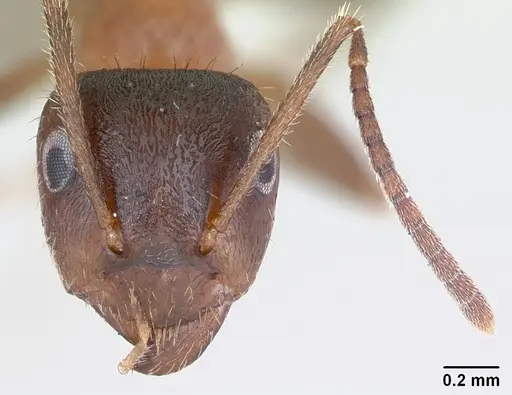
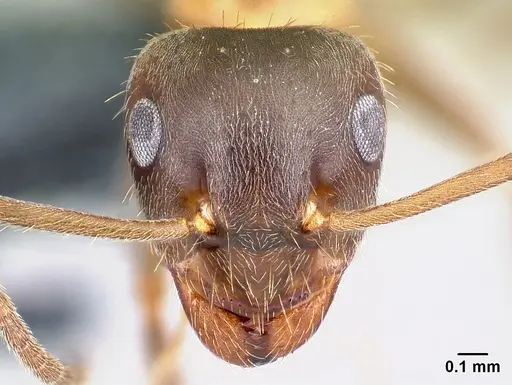
The most obvious difference is coloration: L. emarginatus has a reddish-orange mesosoma contrasting with a dark head and abdomen, while L. niger is uniformly black. L. emarginatus is also more heat-loving, has better vision, walks faster, and is more likely to enter buildings. They also have standing hairs on their scapes and tibiae, which L. niger lacks.
References

This caresheet is licensed under CC BY-SA 4.0 .
ANTWEB1041275
View on AntWeb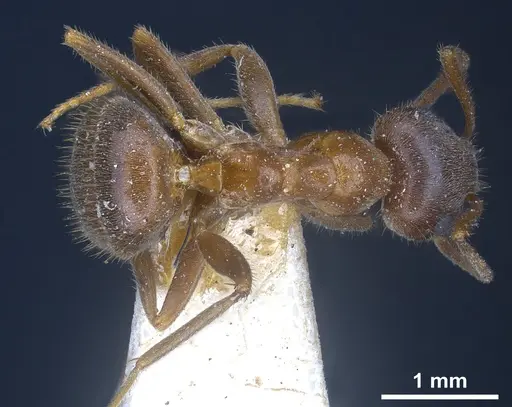
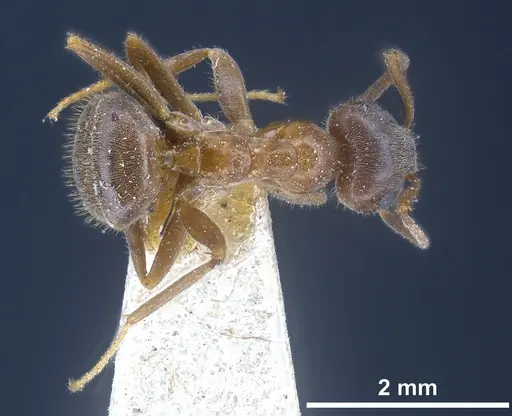
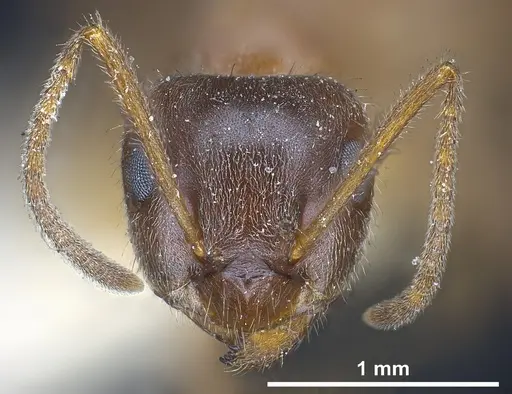
ANTWEB1041360
View on AntWeb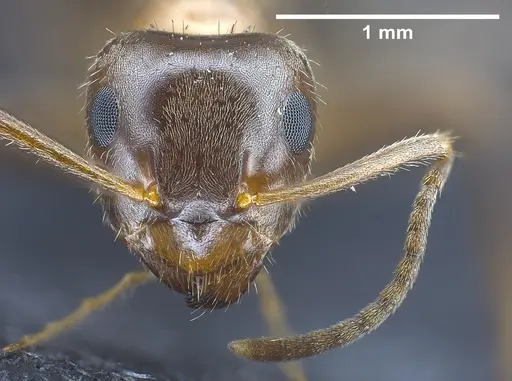
CASENT0172762
View on AntWeb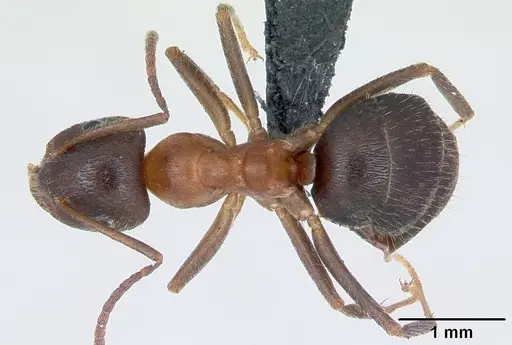
CASENT0179933
View on AntWeb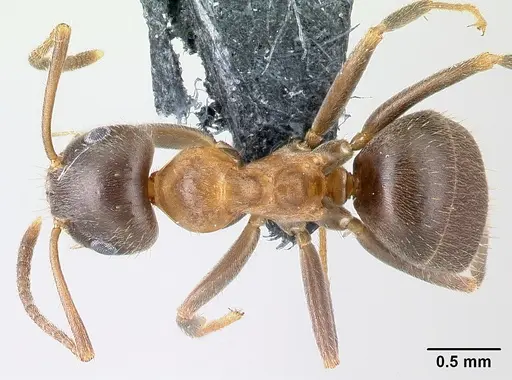
CASENT0280445
View on AntWeb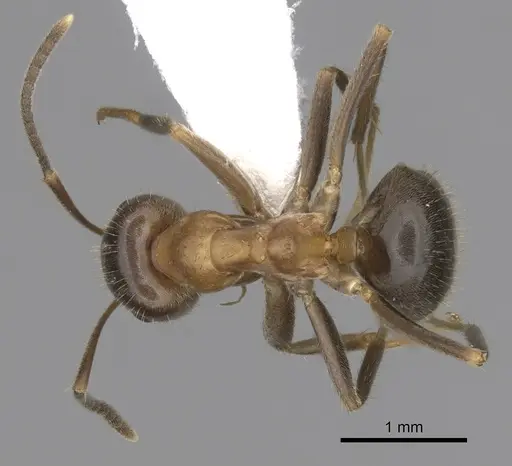
CASENT0911045
View on AntWeb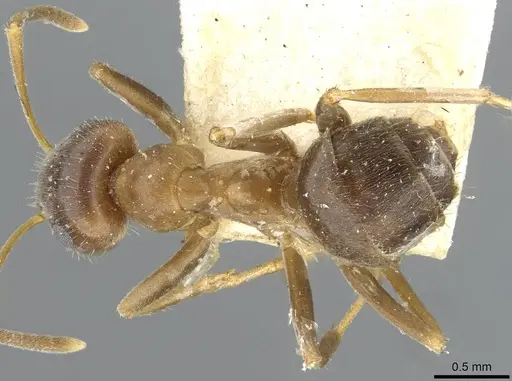
CASENT0911046
View on AntWeb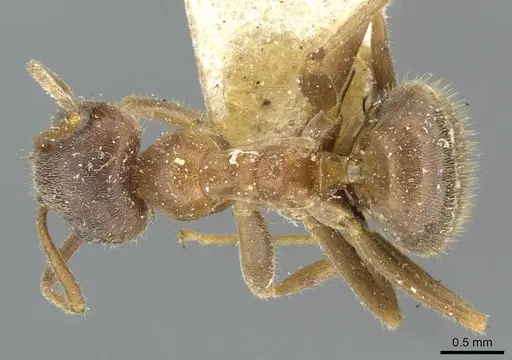
CFH000014
View on AntWeb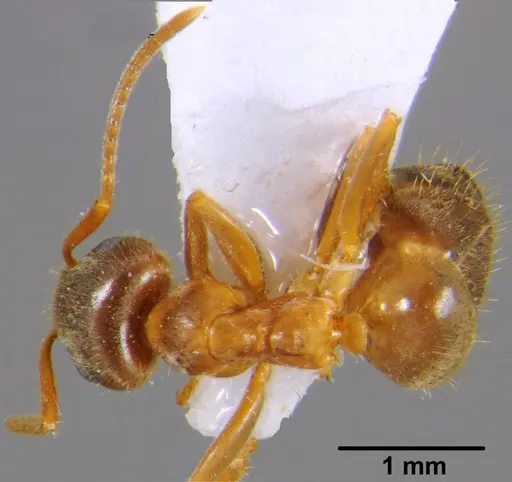
Literature
Loading...Loading products...