

Lasius precursor
- Scientific Name
- Lasius precursor
- Tribe
- Lasiini
- Subfamily
- Formicinae
- Author
- Seifert, 2020
- Distribution
- Found in 1 countries
Lasius precursor Overview
Lasius precursor is an ant species of the genus Lasius. It is primarily documented in 1 countries , including Türkiye. Detailed taxonomic data and occurrence records can be further explored via authoritative databases such as AntWeb or the Global Biodiversity Information Facility (GBIF).
Lasius precursor
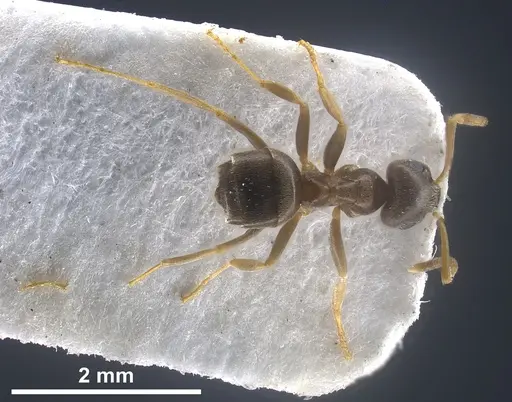
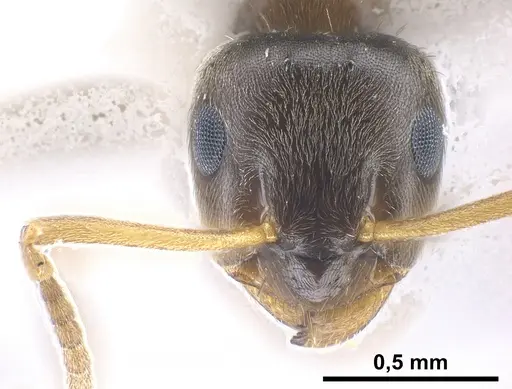
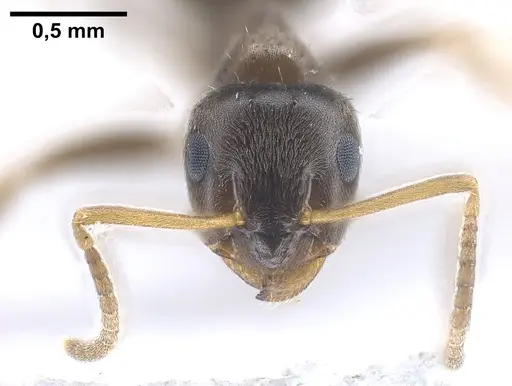
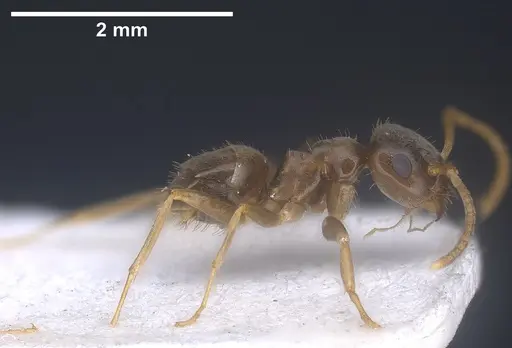
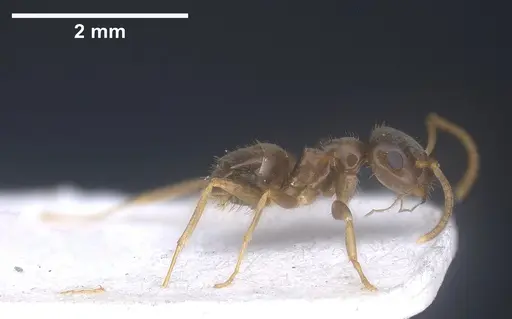
Lasius precursor is a tiny, recently described ant species from the Lasius niger complex, native to western Turkey and the Greek island of Kos. Workers are among the smallest in the genus, measuring just 0.77mm in body length, with a distinctive dark brown head and gaster contrasting against a lighter yellowish-brown mesosoma and appendages [1]. This species occupies lower elevations (median 237m, mostly below 400m) compared to its sister species Lasius turcicus, which prefers highland habitats above 400m [1]. What makes Lasius precursor particularly interesting is its intermediate social structure, it forms small-scale supercolonies with moderate relatedness between nestmates, sitting between the highly aggressive territorial colonies of L. turcicus and the massive invasive supercolonies of Lasius neglectus [1].
Quick Summary
- Difficulty: Medium
- Origin & Habitat: Western Turkey (Anatolia between 26°E-31°E) and Greek island of Kos, in rural grassland habitats at low elevations [1][2]
- Colony Type: Small-scale supercolonial structure with multiple queens per colony and moderate relatedness (0.392 ± 0.070). Several small-scale supercolonies coexist in most populations. Intranidal mating (mating within colonies) has been documented, with queens showing reduced dispersal compared to L. turcicus [1].
- Colony: Optionally polygyne, Supercolonial
- Founding: Claustral
- Size & Growth:
- Queen: ~1.33 mm [3]
- Worker: ~0.77 mm (CS 769 µm) [1]
- Colony: Likely moderate, similar to related Lasius species, estimated 1000-5000 workers based on supercolonial structure [1]
- Growth: Moderate, typical Lasius development timeline
- Development: 6-10 weeks at optimal temperature (estimated based on genus patterns for Lasius species) (Development inferred from related Lasius species, no specific data available for this species. Queens are smaller than typical Lasius, which may affect founding success.)
- Antkeeping:
- Temperature: Keep at 22-26°C. As a lower-elevation Mediterranean species, they prefer warmer conditions than northern European Lasius. A gentle gradient allowing workers to self-regulate is ideal.
- Humidity: Moderate humidity (50-60%). Rural grassland origin suggests they tolerate drier conditions than forest-dwelling Lasius. Keep nest substrate slightly moist but allow drying periods between waterings.
- Diapause: Likely requires winter rest period of 2-3 months at 5-10°C. As a Mediterranean species from relatively low elevations, may need shorter or cooler hibernation than northern species. Monitor for activity levels as guide.
- Nesting: Y-tong or acrylic nests work well for their tiny size. Provide shallow chambers scaled to their small worker size. They likely nest in soil with grass coverage in the wild, a thin soil layer in a naturalistic setup mimics their natural habitat.
- Behavior: Generally peaceful with low intraspecific aggression compared to L. turcicus. Workers are active foragers, typical of the Lasius genus. Their small size (0.77mm workers) makes escape prevention important, use fine mesh and tight-fitting barriers. They likely forage for nectar and small insects, similar to other Lasius species. Queens may be claustral founders (sealing themselves in to raise first workers alone), though this is inferred from genus patterns rather than directly studied for this species.
- Common Issues: tiny worker size means escape prevention must be excellent, they can squeeze through standard test tube cotton gaps, small colony size at founding makes queens vulnerable to stress, handle gently during setup, as a recently described species (2020), captive breeding information is limited, start with healthy wild-caught colony if possible, lower aggression between colonies may lead to queen loss if combining nests improperly, Mediterranean origin means they may not tolerate cool, damp conditions, ensure warm, dry outworld
Housing and Nest Setup
Lasius precursor requires housing scaled to their tiny worker size of just 0.77mm. Standard test tubes work for founding colonies, but ensure the cotton is tightly packed to prevent escapes, these ants can squeeze through gaps that would hold back larger species. For established colonies, Y-tong (acrylic) nests with narrow chambers work well, or you can use a naturalistic setup with a thin soil layer over a hydration reservoir. The outworld should be simple and easy to clean, these are not messy foragers. Provide a water tube and sugar water station. Because they form small-scale supercolonies in the wild, you may keep multiple queens in one setup once the colony is established, though monitor for aggression during integration [1].
Feeding and Diet
Like other Lasius species, Lasius precursor likely accepts a standard ant diet of sugar sources and protein. Offer sugar water or diluted honey regularly, these ants are small so even a drop of sugar water will sustain many workers. For protein, offer small prey items like fruit flies, small crickets, or mealworm pieces. Their tiny size means prey should be appropriately scaled, avoid large insects that could overwhelm workers. They may also tend aphids for honeydew if given the opportunity. Feed every 2-3 days, removing uneaten prey to prevent mold. The reduced dispersal behavior of this species suggests they may be more likely to exploit nearby food sources thoroughly rather than sending scouts far afield [1][2].
Temperature and Seasonal Care
As a lower-elevation Mediterranean species from Turkey and Greece, Lasius precursor prefers warmer conditions than many Lasius species. Keep the nest area at 22-26°C, with a slight gradient allowing workers to self-regulate. A heating cable on one side of the nest can help maintain warmth, but avoid direct heat that could dry out the nest too quickly. For winter, provide a cool period at 5-10°C for 2-3 months, this species comes from relatively low elevations (median 237m) so may not need as prolonged a hibernation as highland species, but some rest period is likely essential for colony health. Monitor your colony's activity levels, if they remain active through winter, try slightly cooler temperatures. The reduced dispersal and smaller size of L. precursor queens compared to L. turcicus suggests they are adapted to milder conditions [1][3].
Understanding Their Social Structure
Lasius precursor has a fascinating intermediate social structure that makes it unique among Lasius species. In the wild, it forms 'small-scale supercolonies', multiple nests connected together with queens distributed among them, showing moderate relatedness (0.392) between workers. This sits between the highly territorial single-queen colonies of Lasius turcicus and the massive invasive supercolonies of Lasius neglectus [1]. In captivity, this means you may successfully keep multiple queens together, and the colony may naturally spread across multiple nest chambers. However, unlike true supercolonial species, they still show some intraspecific aggression, don't assume complete fusion like L. neglectus. The relatedness level suggests they recognize nestmates but are more tolerant of non-relatives than typical Lasius species [1]. This makes them an interesting species for observing complex social interactions.
Colony Founding
Colony founding behavior has not been directly documented for Lasius precursor, but it can be inferred from related species in the Lasius niger complex. Queens are relatively small (1.33mm) with shorter wings compared to Lasius turcicus, suggesting reduced dispersal ability [1]. Like most Lasius species, they are likely claustral founders, the queen seals herself in a small chamber and raises the first workers alone on stored body fat reserves. The trend toward intranidal mating (mating within the colony) observed in this species suggests new colonies may often bud from existing ones rather than establishing from dispersing queens. For captive breeding, provide a claustral setup with a dark, quiet location and do not disturb the queen during the founding period. Expect 6-10 weeks for first workers (nanitics) to emerge, based on typical Lasius development.
Frequently Asked Questions
How long does it take for Lasius precursor to raise first workers?
Expect 6-10 weeks from egg to first worker at optimal temperature (22-26°C). This estimate is based on typical Lasius genus development, as specific development data for L. precursor is not available. Nanitics (first workers) will be smaller than normal workers.
Can I keep multiple Lasius precursor queens together?
Yes, this species naturally forms polygynous (multi-queen) colonies with small-scale supercolonial structure. Unlike Lasius neglectus, they are not fully supercolonial, so monitor for some aggression during integration. Multiple queens can be kept once workers are established [1].
What temperature do Lasius precursor ants need?
Keep them at 22-26°C. As a lower-elevation Mediterranean species from Turkey and Greece, they prefer warmer conditions than northern European Lasius species. A gentle temperature gradient allows workers to self-regulate.
Are Lasius precursor good for beginners?
This species is rated as medium difficulty. While their small size requires careful escape prevention, they are generally peaceful and adaptable. The main challenge is their recent description (2020) means captive breeding information is limited. Experienced antkeepers will have better success.
Do Lasius precursor need hibernation?
Yes, provide a winter rest period of 2-3 months at 5-10°C. As a Mediterranean species from relatively low elevations, they may need a shorter or cooler hibernation than northern species. Monitor colony activity as a guide.
Why are my Lasius precursor dying?
Common causes include: escape through tiny gaps (use fine mesh), cool temperatures below 20°C, excessive humidity causing mold, or stress during founding. Their small size makes them vulnerable, ensure proper escape prevention and maintain warm, stable conditions. Wild-caught colonies may carry parasites.
How big do Lasius precursor colonies get?
Colony size is estimated at 1000-5000 workers based on their supercolonial structure and related species. They form small-scale supercolonies in the wild with multiple queens, which supports moderate to large colony development [1].
When should I move Lasius precursor to a formicarium?
Move from test tube to a proper nest once the colony reaches 20-30 workers. Their tiny size means chambers should be appropriately scaled, Y-tong nests with narrow passages work well. Ensure the new setup has proper humidity control and escape prevention.
References

This caresheet is licensed under CC BY-SA 4.0 .
ANTWEB1041450
View on AntWeb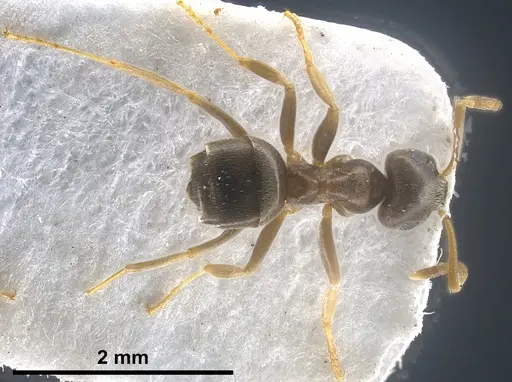
Literature
Loading...Loading products...