

Lasius turcicus
- Scientific Name
- Lasius turcicus
- Tribe
- Lasiini
- Subfamily
- Formicinae
- Author
- Santschi, 1921
- Distribution
- Found in 5 countries
Lasius turcicus Overview
Lasius turcicus is an ant species of the genus Lasius. It is primarily documented in 5 countries , including Bulgaria, Greece, Iran. Detailed taxonomic data and occurrence records can be further explored via authoritative databases such as AntWeb or the Global Biodiversity Information Facility (GBIF).
Lasius turcicus
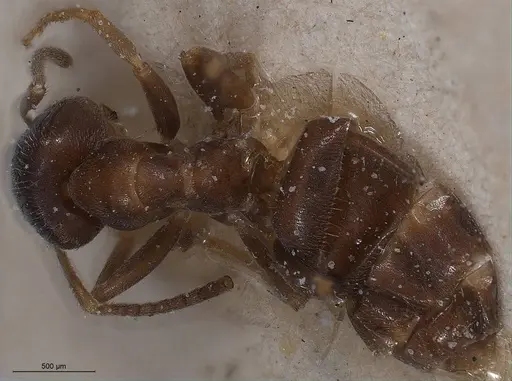
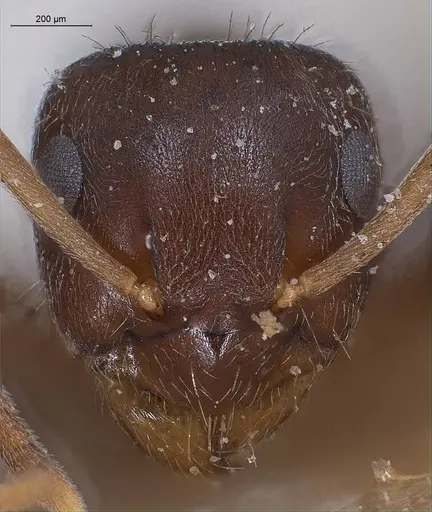
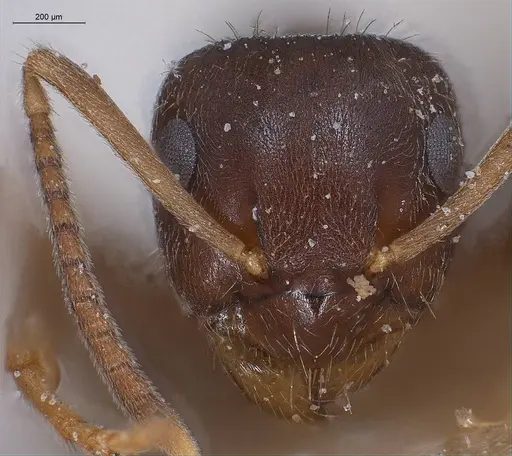
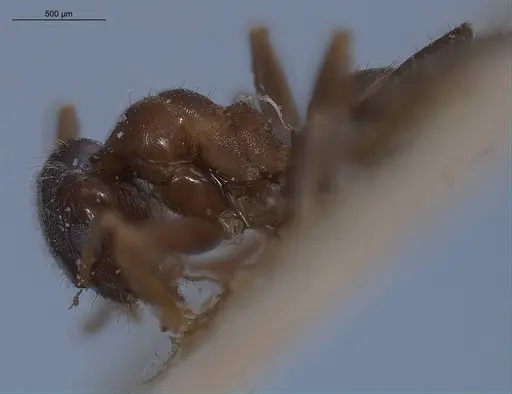
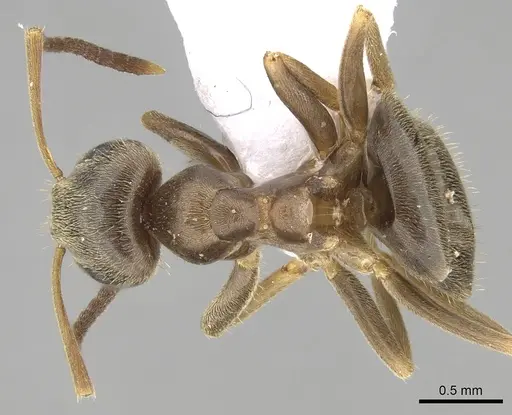
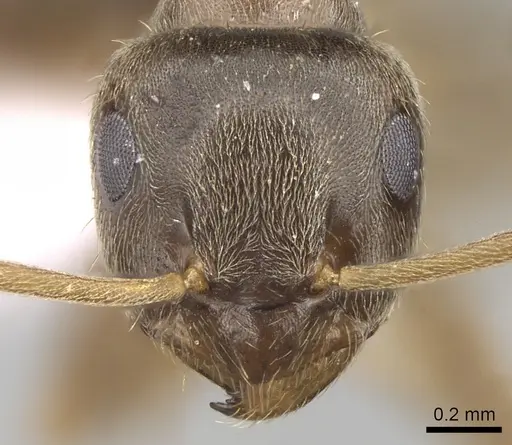
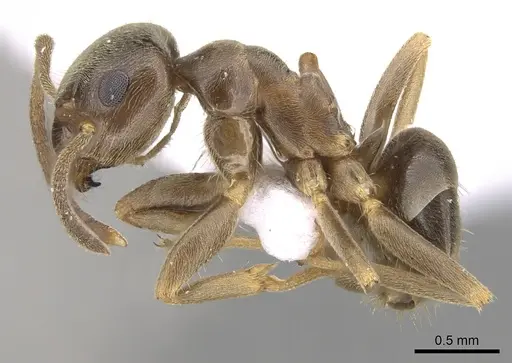
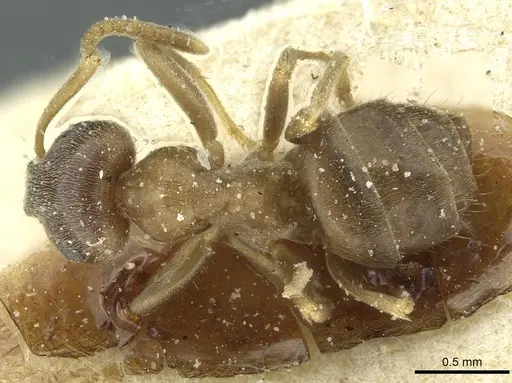
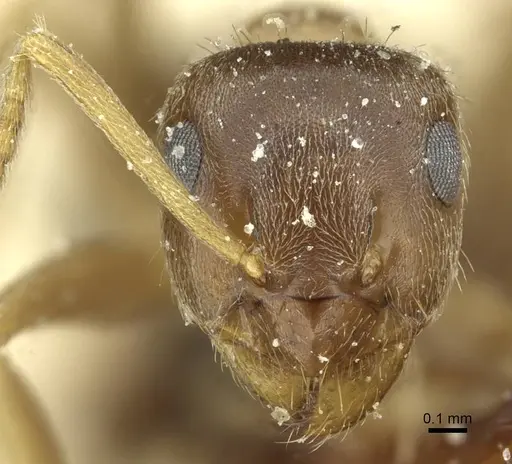
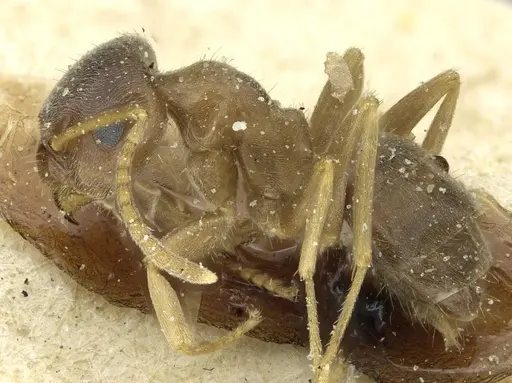
Lasius turcicus is a small to medium-sized ant native to the Mediterranean region and western Asia. Workers measure around 3.5mm with a yellowish-reddish brown to dark brown coloration, while queens are significantly larger at approximately 4.5mm. This species belongs to the brunneus species group within the Lasius genus and is closely related to the invasive Lasius neglectus. The species shows remarkable flexibility in colony structure, existing as either single-queen colonies or multi-queen supercolonies depending on environmental conditions. It thrives in diverse habitats from steppes and karst areas to urban gardens and forest margins, with a particular preference for moist, shaded locations near water sources in Greece. The species is known for its extensive associations with aphids, tending numerous aphid species for honeydew and playing an important role in aphid-ant mutualistic relationships across its range.
Quick Summary
- Difficulty: Easy
- Origin & Habitat: Native to the Mediterranean region and western Asia, ranging from the Aegean islands (Andros, Kos, Rhodos) through Anatolia to northern Iran and Syria. Found in Greece, Turkey, Iran, Georgia, Bulgaria, and Spain. Habitat includes steppes, karst areas, sand dunes, pastures, forest margins, and urban areas. In Greece, prefers shady, moist, wet habitats in forests close to water, including deciduous and coniferous forests, olive plantations, and gardens. Altitudinal distribution ranges from sea level to 1900m, with most records below 500m [1][2][3].
- Colony Type: Facultatively polygynous, can form either single-queen monogynous colonies or multi-queen polygynous supercolonies. In Greece (Crete), colonies are monogynous with a single queen. Polygynous colonies can contain 30-35 queens and develop into large supercolonies. Two distinct ecological forms exist: lowland form (Tieflandform) with multiple queens and polydomy, and highland form (Hochlandform) with single or few queens and monodomy [1][4][5][6].
- Colony: Optionally polygyne, Supercolonial
- Founding: Claustral
- Size & Growth:
- Queen: Approximately 4.5mm (HL 1230μm) [1]
- Worker: Approximately 3.5mm (CS 855μm) [7]
- Colony: Can develop into large supercolonies with thousands of workers in polygynous colonies [1]
- Growth: Moderate
- Development: Estimated 6-8 weeks based on typical Lasius genus patterns (Development time inferred from related Lasius species. Temperature-dependent development typical of the genus.)
- Antkeeping:
- Temperature: Keep at room temperature, around 20-24°C. This species tolerates a range from cool lowlands to warmer highland areas. A gentle gradient is beneficial [1]
- Humidity: Moderate to high humidity preferred. In nature, they inhabit moist forest and montane areas with moderate rainfall. Keep the nest substrate consistently moist but not waterlogged, with some drier areas available for the ants to choose [2]
- Diapause: Likely requires a winter rest period. As a temperate to Mediterranean species, they probably experience reduced activity during winter months. Provide a cool period around 10-15°C for 2-3 months [1]
- Nesting: Soil-nesting species that naturally nests under stones, in soil, and inside dead trees. In captivity, a standard test tube setup works well for founding colonies. For established colonies, a Y-tong or plaster nest with moist substrate mimics their natural preferences. They adapt well to various nest types [8][4]
- Behavior: Generally non-aggressive and tolerant of handling, typical of Lasius species. Workers are active foragers that primarily tend aphids for honeydew but also hunt small insects. They are not known for stinging and pose no danger to keepers. The species has moderate escape risk, use standard barrier methods. In polygynous colonies, workers show no aggression toward neighbors (forming small supercolonies), while highland forms show high aggression between neighboring colonies. They are prolific aphid farmers and will aggressively defend their aphid colonies [1][5].
- Common Issues: polygynous colonies can become very large and space-consuming, plan for expansion, colonies may decline if aphid honeydew is not consistently available, overheating can be problematic, avoid temperatures above 28°C, wild-caught colonies may carry parasites that can devastate captive colonies, supercolonial forms may be prone to stress-related issues when confined
Housing and Nest Setup
Lasius turcicus is adaptable and will do well in most standard ant housing setups. For founding colonies, a simple test tube setup with a water reservoir works perfectly, fill the tube about one-third with water, plug with cotton, and place the queen in the dark. The queen will seal herself in and raise her first brood without leaving. Once workers arrive (nanitics), you can keep them in the test tube for several months before considering a formicarium. For established colonies, a Y-tong (acrylic) nest or plaster nest works well. These ants prefer slightly moist substrate conditions, so keep the nest material damp but not soggy. A small outworld for foraging allows them to hunt and tend aphids. Because they can form large supercolonies, plan for expansion space if you have a polygynous colony. Standard escape prevention like Fluon on container edges is sufficient, they are not particularly escape-prone compared to some tiny species [4][9].
Feeding and Diet
Like other Lasius species, Lasius turcicus is primarily a honeydew farmer but also accepts protein sources. In captivity, offer sugar water or honey water constantly, this mimics the honeydew they would collect from aphids in the wild. They have documented associations with numerous aphid species including Acyrthosiphon gossypii, Aphis craccivora, Aphis fabae, Brachycaudus amygdalinus, Chaitophorus hillerislambersi, and many others [10]. For protein, offer small insects like fruit flies, small crickets, or mealworms. Feed protein roughly twice per week, and keep sugar water available at all times. These ants are enthusiastic foragers and will quickly recruit nestmates to food sources. If you want to simulate their natural behavior, consider establishing a small aphid colony on a potted plant in their outworld, they will tend the aphids and harvest honeydew [10][9].
Temperature and Seasonal Care
Lasius turcicus adapts well to typical room temperatures between 20-24°C. They are found across a wide altitude range from sea level to nearly 2000m, indicating good temperature tolerance. In their natural range, they experience hot summers and cool winters, so they can handle temperature fluctuations. However, avoid extremes, do not exceed 28°C or drop below 10°C for extended periods. As a species from temperate to Mediterranean climates, they likely require a winter rest period. During winter, reduce temperatures to around 10-15°C for 2-3 months to simulate natural seasonal cycles. This diapause period helps maintain colony health and triggers reproductive cycles in spring. Reduce feeding during this period and keep the nest slightly cooler but not cold [1][9].
Colony Structure and Behavior
One of the most fascinating aspects of Lasius turcicus is its flexible colony structure. The species exists in two distinct ecological forms that differ in their social organization. The lowland form (Tieflandform) lives in multi-queen colonies with 30-35 queens per nest, shows no aggression between neighboring nests, and forms 'small supercolonies.' The highland form (Hochlandform) has single or few queens per colony, shows high aggression between neighboring colonies, and maintains strict territorial boundaries. This flexibility means your colony could be either single-queen or multi-queen depending on its origin. In polygynous colonies, reproduction occurs through intranidal mating (mating inside the nest), and nuptial flights are reduced. In monogynous colonies, alate queens participate in nuptial flights, one was collected on July 5th in Turkey [5][6][1].
Growth and Development
Lasius turcicus colonies grow at a moderate pace typical of the genus. Queens are claustral founders, after mating, the queen seals herself in a small chamber and raises her first brood using energy from her stored fat reserves. She does not leave to forage during the founding period. The first workers (nanitics) are typically smaller than mature workers but will quickly begin foraging for food. Once the nanitics arrive, the colony enters a growth phase as the queen continues laying eggs and workers take over foraging and brood care. A mature polygynous colony can become quite large, potentially containing thousands of workers. Growth rate depends on feeding and temperature, well-fed colonies at optimal temperatures develop faster. Expect 6-8 weeks from egg to first worker under warm conditions [1][9].
Common Challenges
While Lasius turcicus is generally easy to keep, a few issues can arise. First, polygynous colonies can become massive, if you have a multi-queen colony, be prepared for rapid population growth and plan housing accordingly. Second, these ants are heavily dependent on honeydew, so colonies may struggle if sugar sources are inconsistent. Always keep honey water available. Third, wild-caught colonies sometimes harbor parasites that can decimate captive colonies, quarantine and observe new colonies before introducing them to established setups. Fourth, avoid overheating, while they tolerate warmth, sustained high temperatures cause stress. Finally, supercolonial forms may be prone to stress-related issues when confined to small spaces, so provide adequate room for expansion [1][5].
Frequently Asked Questions
Is Lasius turcicus a good species for beginners?
Yes, Lasius turcicus is an excellent choice for beginners. They are adaptable, tolerant of various housing setups, and not aggressive. Their dietary needs are simple, sugar water and occasional protein. They handle typical room temperatures well and do not require specialized equipment. The main consideration is providing consistent sugar sources and planning for potential colony growth if you have a polygynous colony [9].
How long does it take for the first workers to appear?
Expect 6-8 weeks from egg to first worker (nanitics) at room temperature (around 22-24°C). This is typical for Lasius species. The queen will seal herself in and raise the first brood alone, so be patient, do not disturb the founding chamber during this time. Once workers emerge, they will begin foraging and the colony will grow more quickly [1][9].
Can I keep multiple Lasius turcicus queens together?
This species is facultatively polygynous, meaning colonies can have either one queen or multiple queens. However, combining unrelated foundress queens is risky and not recommended, they may fight. If you want a multi-queen colony, it is safer to start with a single queen and allow the colony to grow naturally. Some wild colonies are already polygynous, so queen number depends on colony origin. Do not force queens together [5][6].
What do Lasius turcicus eat?
Their primary food is sugar, offer honey water or sugar water constantly. They also need protein from small insects like fruit flies, small crickets, or mealworms. In the wild, they are avid aphid farmers, so if possible, provide them access to a small aphid colony for honeydew harvesting. Feed protein roughly twice per week and keep sugar water available at all times [10][9].
Do Lasius turcicus need hibernation?
Yes, they likely require a winter rest period. As a species from temperate to Mediterranean climates, they experience seasonal temperature changes. Provide a cool period around 10-15°C for 2-3 months during winter. Reduce feeding during this time and keep the nest slightly cooler but not freezing. This diapause helps maintain colony health [1][9].
How big do Lasius turcicus colonies get?
Colony size varies significantly depending on whether the colony is monogynous or polygynous. Single-queen colonies may reach several hundred workers, while polygynous supercolonies can grow to thousands of workers. The largest supercolonies, like those in Budapest, can become massive and displace other ant species. In captivity, expect moderate to large colony sizes [1][5].
What temperature range is best for Lasius turcicus?
Keep them at room temperature, ideally between 20-24°C. They tolerate a range from roughly 15°C to 28°C, but consistent moderate temperatures are best. Avoid temperatures above 28°C or below 10°C. A gentle temperature gradient in the nest allows the ants to choose their preferred zone [1][9].
Why are my Lasius turcicus dying?
Common causes include: inconsistent sugar supply (they need constant access to honey water), parasites from wild-caught colonies, overheating or temperatures above 28°C, excessive dryness, or stress from disturbance during founding. Ensure sugar water is always available, keep the nest at appropriate humidity, and avoid disturbing founding colonies. If wild-caught, watch for signs of parasites [1][5].
References

This caresheet is licensed under CC BY-SA 4.0 .
Literature
Loading...Loading products...