
Lasius fuliginosus follows a consistent seasonal pattern with peak activity in June. The flight window runs from May to July, providing several months of opportunity for observations.
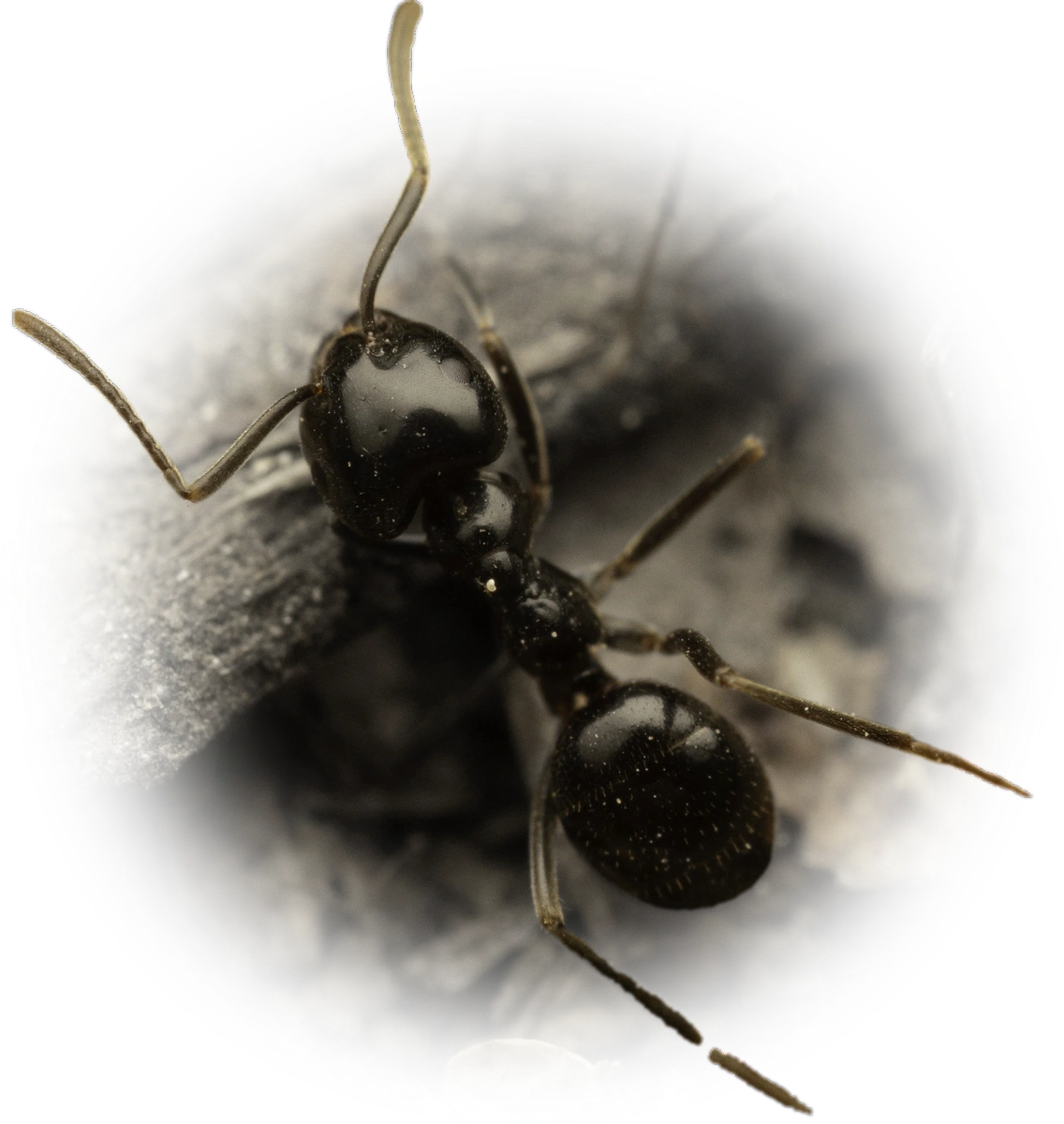
Lasius fuliginosus
- Scientific Name
- Lasius fuliginosus
- Tribe
- Lasiini
- Subfamily
- Formicinae
- Author
- Latreille, 1798
- Common Name
- Jet Ant
- Distribution
- Found in 15 countries
- Nuptial Flight
- from May to July, peaking in June
AI Identifiable
try →
Lasius fuliginosus Overview
Lasius fuliginosus (commonly known as the Jet Ant) is an ant species of the genus Lasius. It is primarily documented in 15 countries , including Austria, Belgium, Switzerland. Detailed taxonomic data and occurrence records can be further explored via authoritative databases such as AntWeb or the Global Biodiversity Information Facility (GBIF).
The nuptial flight of Lasius fuliginosus is a significant biological event, typically occurring from May to July, peaking in June. During this time, winged queens and males leave the nest to mate and establish new colonies.
Lasius fuliginosus - "Jet Ant"
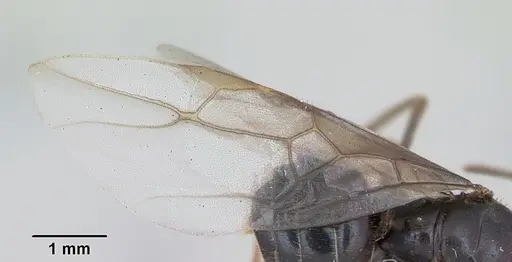
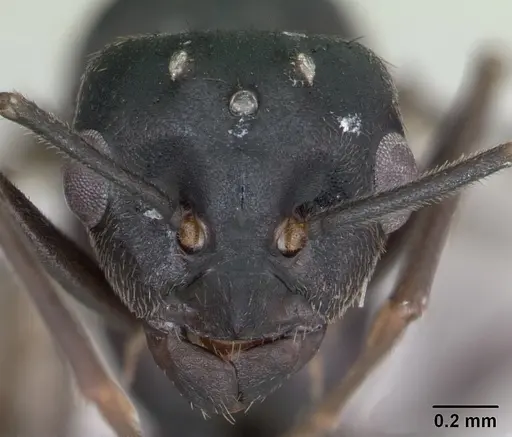
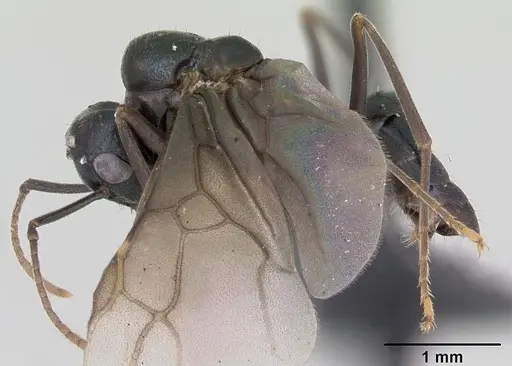
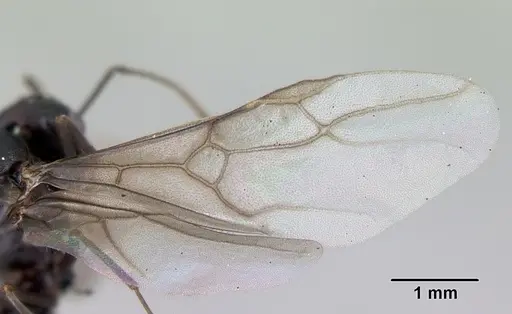
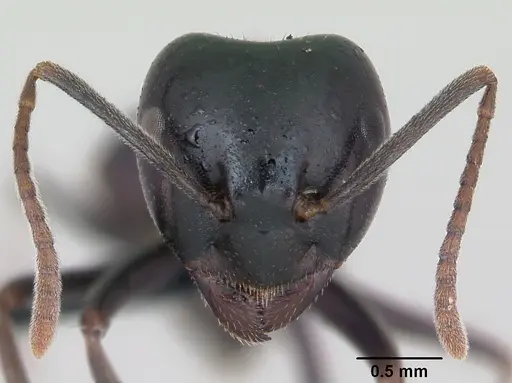
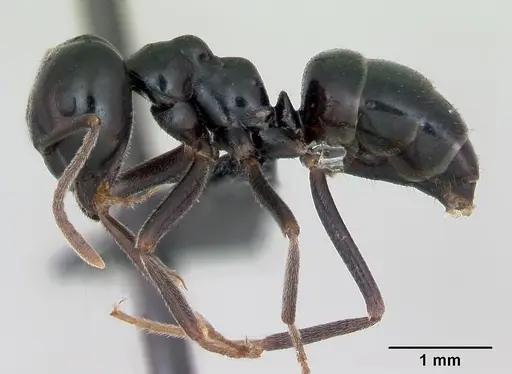
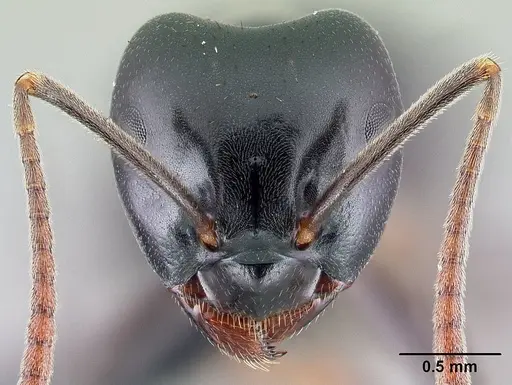
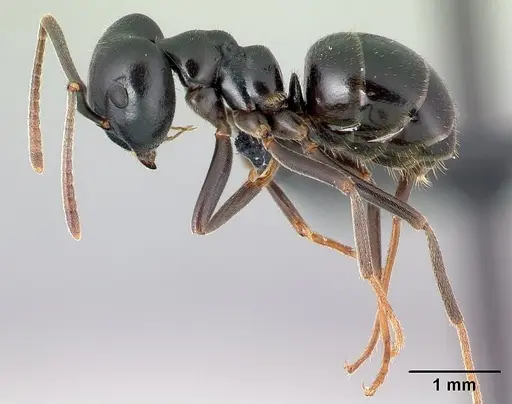
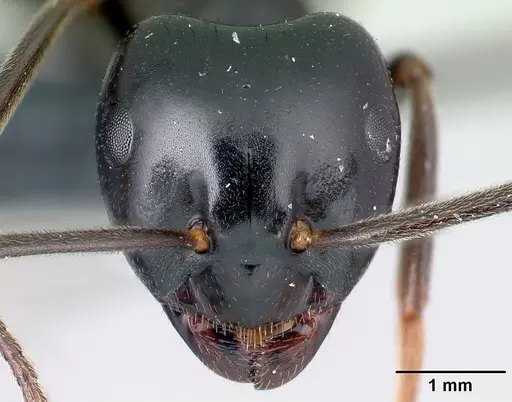
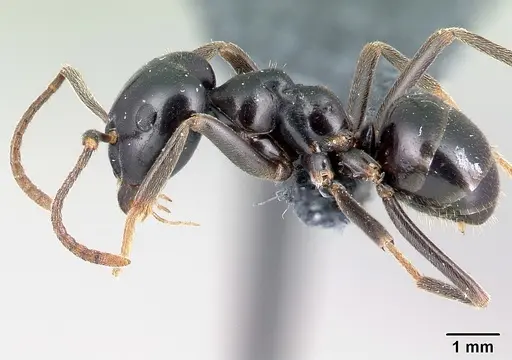
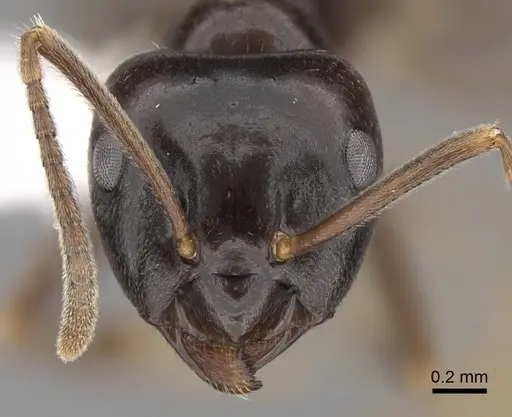
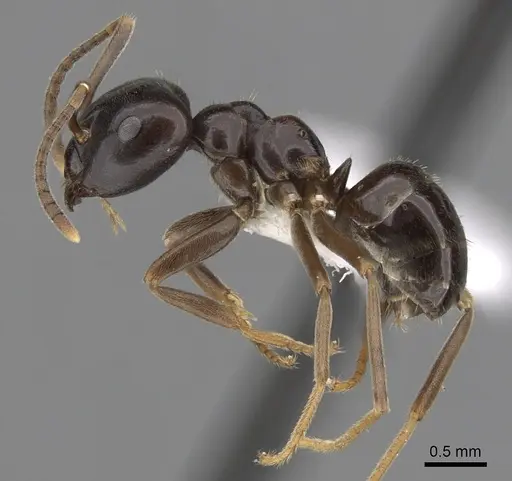
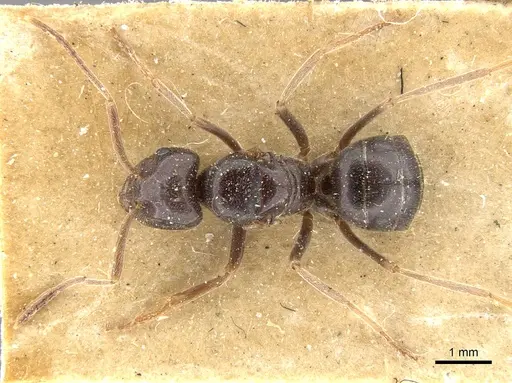
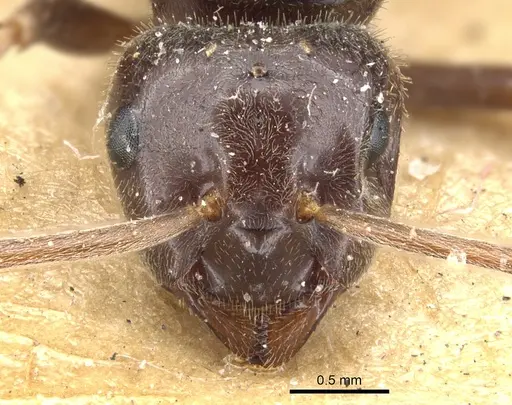
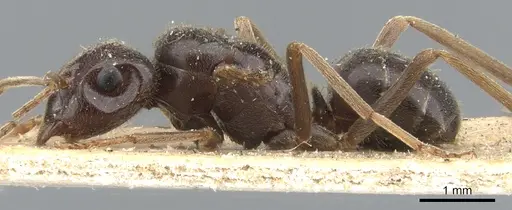
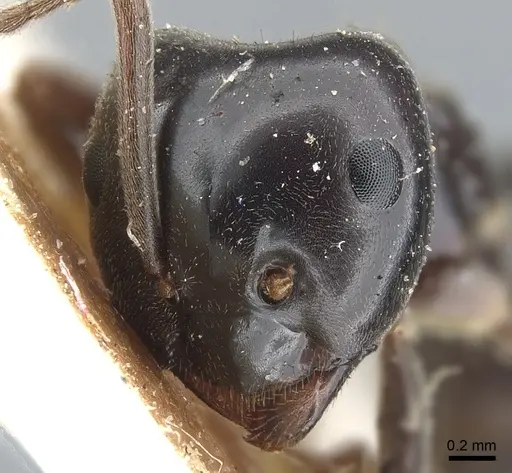
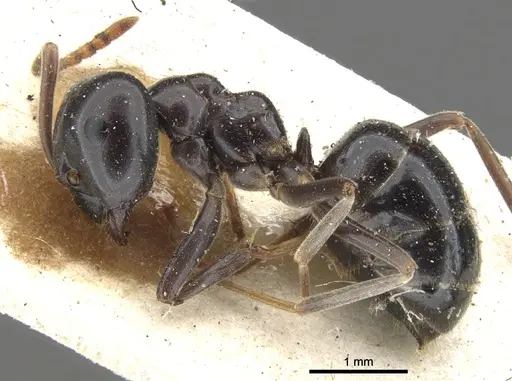
Lasius fuliginosus is one of Europe's most distinctive ants, workers are jet black with a glossy, polished appearance and a characteristic heart-shaped head with a deep notch at the back. They reach 4-6mm as workers, with queens at 6-6.5mm. This species is famous for building elaborate carton nests inside hollow tree trunks, constructed from chewed wood fibers glued together with honeydew and reinforced with fungal mycelium. Colonies can grow enormous, up to 2 million workers across multiple nest sites. They create famous 'ant highways' between their nests and aphid colonies, often running for dozens of meters along well-maintained trails.
Quick Summary
- Difficulty: Expert
- Origin & Habitat: Palearctic species found across Europe, the Caucasus, and parts of Asia (Japan, Korea, northern China). It ranges from Portugal to Japan and from southern Scandinavia (62°N) to the Mediterranean. This is a forest-dwelling species that lives in deciduous and mixed forests, parks, and old orchards, always where there are trees with suitable hollows [1][2].
- Colony Type: Facultatively polygynous, genetic studies show 88% of colonies have a single queen, but polygynous colonies do occur. Colonies are polycalic, meaning they maintain multiple connected nests. This is a temporary social HYPERPARASITE, queens must invade and take over colonies of Lasius umbratus (which itself is a parasite of Lasius niger) [3][4].
- Colony: Optionally polygyne
- Queen: Socially parasitic, Temporary parasitic
- Size & Growth:
- Queen: 6-6.5 mm [5]
- Worker: 4-6 mm [6]
- Colony: Up to 2 million workers [6]
- Growth: Slow
- Development: Unknown, development timeline has not been directly studied. Based on related Lasius species and the parasitic lifestyle, expect 6-10 weeks at warm temperatures, but this is an estimate. (Colony growth is slow due to the parasitic founding mechanism and the time required to establish the colony in the host nest before producing workers.)
- Antkeeping:
- Temperature: Keep at room temperature (18-24°C). They tolerate a range but prefer stable conditions. Avoid temperature extremes, they are mesothermophilic [6].
- Humidity: Requires high humidity, these are forest ants that need moist conditions. Keep nest substrate consistently damp but not waterlogged. The carton nests naturally hold moisture well due to the honeydew content.
- Diapause: Yes, requires a winter rest period. In their native range, colonies become less active from late autumn through early spring. Keep at cool temperatures (5-10°C) for 3-4 months during winter.
- Nesting: This is the most challenging aspect. They MUST have access to wood/wood-like material for building their characteristic carton nests. In captivity, this means providing a naturalistic setup with dead wood, cork, or a specially designed formicarium with wood chambers. They will not thrive in standard test tube setups. Y-tong nests with wood inserts or custom wooden formicaria work best.
- Behavior: Despite their glossy, almost elegant appearance, these ants are fierce defenders of their territory. They don't rely on biting, instead, they produce powerful chemical weapons (dendrolasin and undecane) from their mandibular and Dufour glands that paralyze and repel intruders. Workers move in characteristic dense columns along permanent pheromone trails. They are photophobic and avoid sunlight, often restricting activity to shaded trails and underground tunnels. They show remarkable fidelity to specific foraging routes and trees, with some trails remaining in use for years. They will raid other ant colonies to steal brood and are aggressive toward any species entering their territory.
- Common Issues: Colony foundation is extremely difficult, queens cannot found colonies independently and must be introduced to established Lasius umbratus colonies. Wild-caught colonies are the primary source for keepers., Slow growth, colonies take years to reach significant sizes due to the parasitic founding mechanism and the need to establish the fungus garden., Specific nesting requirements, they need wood or wood-like material to build their carton nests. Standard test tubes or acrylic nests are unsuitable., Escape prevention, while not the smallest ants, they are excellent climbers and will use any gap. Ensure connections are sealed., They are aggressive and will attack other ant species, keep separately from other colonies., Finding a host colony (L. umbratus) is essential for queen introduction, this makes them one of the most difficult ants to establish.
Nuptial Flight Activity Analysis 1513 observations
Flight Activity by Hour 1513 observations
Lasius fuliginosus nuptial flight activity peaks around 19:00 during the evening. Activity is spread across a 15-hour window (09:00–23:00). Times may be influenced by human observation patterns.
Colony Foundation - The Hyperparasite Challenge
This is the most critical and challenging aspect of keeping Lasius fuliginosus. Unlike most ants where you can simply introduce a queen to a test tube, L. fuliginosus is a temporary social HYPERPARASITE. This means:
- The queen cannot found a colony alone, she must invade an existing Lasius umbratus colony
- L. umbratus itself is a temporary social parasite of Lasius niger
- So L. fuliginosus is essentially a 'parasite of a parasite'
In practice, this means you cannot start a colony from a single queen. The only reliable method is to obtain an already-established colony (either wild-caught or from a keeper who has successfully introduced a queen to a host colony). The introduction process involves:
- Finding an orphaned L. umbratus colony (one without its own queen)
- Introducing the L. fuliginosus queen to the workers
- The queen kills the host queen and is accepted by the workers
- Over time, the colony transitions from L. umbratus to L. fuliginosus
This complexity makes L. fuliginosus suitable only for experienced antkeepers who understand parasitic colony foundation [3][4].
The Carton Nest - Architecture and Fungi
Lasius fuliginosus is famous for building carton nests, structures made from chewed wood fibers glued together with honeydew and reinforced with fungal mycelium (Cladosporium myrmecophilum). This is unique among European ants.
The nest material starts as wood particles that workers process with their mandibles. They mix this with honeydew collected from aphids, which serves as both binder and food for the cultivated fungus. The fungus grows through the carton walls, providing structural strength, similar to how termites use fungi in their nests.
In captivity, you need to replicate this. Provide:
- Dead wood, cork, or wooden formicarium chambers
- Access to honeydew (sugar water can substitute)
- High humidity to support the fungus
The nest structure is a maze of chambers and tunnels, often extending over half a meter in natural tree hollows. The interior has a characteristic velvet-like coating from the fungal mycelium [7][8].
Feeding and Trophobiosis
Lasius fuliginosus has a dual diet:
HONEYDEW (primary): They maintain permanent trails to aphid colonies, especially giant aphids like Stomaphis quercus on oak trees. Workers 'milk' aphids for honeydew, which forms the majority of their carbohydrate intake. They will tend aphids on any suitable plants in their territory.
PROTEIN: They actively hunt small insects and are known to raid other ant colonies for brood. Observed prey includes aphids, small beetles, caterpillars, and the brood of other ant species (especially Myrmica and Formica).
In captivity, offer:
- Sugar water or honey constantly (they rarely take sugar baits in the wild due to abundant honeydew)
- Small insects (fruit flies, crickets, mealworms) regularly
- They may accept other protein sources
Their foraging system is sophisticated, workers specialize as 'honeydew collectors' or 'hunters, ' and they maintain permanent pheromone trails that can extend 40 meters or more [9][10][11].
Territory and Chemical Warfare
Lasius fuliginosus is extremely territorial and maintains exclusive foraging areas. Unlike aggressive ants that rely on physical attacks, L. fuliginosus uses chemical warfare:
- DENDROLASIN: Produced in massively enlarged mandibular glands (which occupy nearly half the head volume). This compound is a powerful deterrent comparable to DDT in its insecticidal properties.
- UNDECANE: Found in the Dufour gland, also used as an alarm pheromone and defensive substance.
When threatened, workers release these chemicals, which cause immediate disorientation, loss of coordination, and paralysis in opponent ants. Even Formica rufa (red wood ants) retreat after exposure, rubbing their mandibles against the ground to remove the contaminant.
Their trails and territory boundaries are precisely maintained, other ant species respect these boundaries to the centimeter. This passive but effective defense is why they can dominate territories despite relatively weak mandibles [6][12][13].
Winter Care and Seasonal Activity
Like all temperate ants, Lasius fuliginosus requires a winter dormancy period. In their natural range:
- Activity slows from late autumn (around November)
- Colonies retreat deeper into the nest
- They become active again in early spring (March)
In captivity:
- Provide 3-4 months of cold storage at 5-10°C
- This can be in a refrigerator (not freezer) or cool cellar
- Reduce food during this period
- Resume normal feeding when temperatures rise
They are more cold-tolerant than many Lasius species and will remain active longer into the autumn. Their colonies can also be found in cooler climates up to 62°N latitude [14][2].
Housing and Escape Prevention
Housing Lasius fuliginosus requires careful planning:
NEST TYPE: They MUST have access to wood or wood-like material. Options include: , Naturalistic setups with dead wood/branches , Cork-based formicaria , Custom wooden nests with chambers , Y-tong nests with wood inserts
FORAGING AREA: Provide a spacious outworld connected to the nest
HUMIDITY: Keep the nest material consistently moist
ESCAPE PREVENTION: While not tiny, they are excellent climbers. Use fluon on container edges and ensure all connections are tight.
The most common failure mode is keeping them in inappropriate housing (standard test tubes or acrylic nests without wood). They need to build and maintain their characteristic carton nest structure [15][16].
Frequently Asked Questions
Can I keep Lasius fuliginosus in a test tube?
No, this is not recommended. They need wood or wood-like material to build their characteristic carton nests. Standard test tubes or basic acrylic formicaria are unsuitable. Use a naturalistic setup with cork, dead wood, or custom wooden formicarium chambers.
How do I start a Lasius fuliginosus colony?
You cannot start from a single queen like most ants. L. fuliginosus is a temporary social hyperparasite, the queen must be introduced to an established Lasius umbratus colony (which itself is a parasite of L. niger). The practical approach is to obtain an already-established colony, either wild-caught or from an experienced keeper who has completed the introduction.
What do Lasius fuliginosus eat?
They primarily feed on honeydew from aphids, which they collect by maintaining permanent trails to aphid colonies. They also hunt small insects and will raid other ant colonies for brood. In captivity, provide sugar water/honey constantly and small insects (fruit flies, crickets, mealworms) regularly.
Are Lasius fuliginosus good for beginners?
No, this species is for expert antkeepers only. The colony foundation is extremely difficult (requires a host colony), they have specific nesting requirements (need wood for carton nests), and colonies grow very slowly. They are one of the most challenging European ants to keep.
Do Lasius fuliginosus need hibernation?
Yes, they require a winter rest period of 3-4 months at cool temperatures (5-10°C). This can be provided in a refrigerator or cool cellar. Reduce feeding during this period and resume normal care when temperatures rise in spring.
How big do Lasius fuliginosus colonies get?
Mature colonies can reach 100,000 to 2 million workers across multiple nest sites. However, growth is very slow, it takes several years for a colony to reach significant numbers. The parasitic founding mechanism and the time needed to establish the fungus garden contribute to this slow growth.
Why do they build carton nests?
The carton nest is a unique adaptation. Workers chew wood fibers and mix them with honeydew, which serves as both binder and nutrient for the cultivated fungus Cladosporium myrmecophilum. The fungal mycelium grows through the nest walls, providing structural reinforcement. This creates a strong, humidity-retaining nest structure that protects the colony.
Can I keep multiple queens together?
Genetic studies show most colonies (88%) are monogynous (single queen), but polygynous colonies do occur. Introducing multiple unrelated queens to the same colony is not recommended and has not been studied. If you have a polygynous wild colony, it may be possible to keep them together, but this is uncommon.
What's the egg to worker timeline?
This has not been directly studied. Based on related Lasius species and their parasitic lifestyle, expect approximately 6-10 weeks at warm temperatures (20-25°C). However, this is an estimate, actual development time may differ due to the unique parasitic founding mechanism.
References

This caresheet is licensed under CC BY-SA 4.0 .
CASENT0172764
View on AntWeb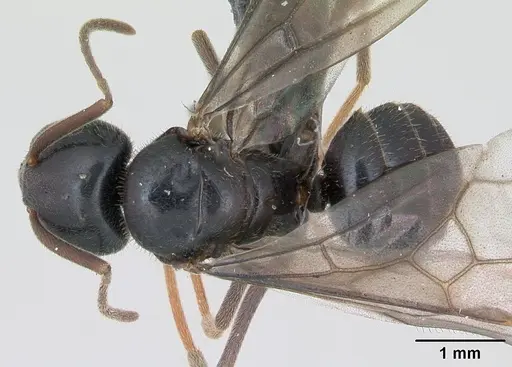
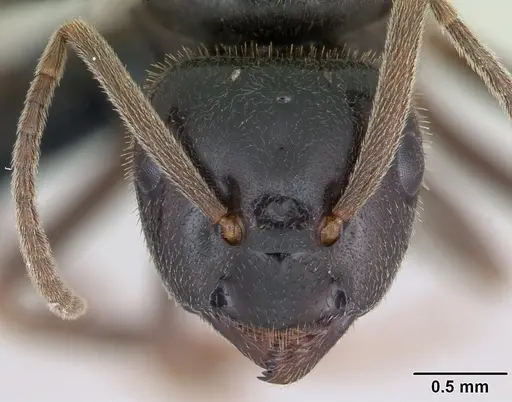
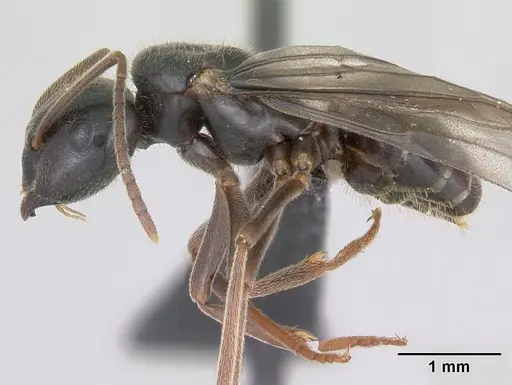
CASENT0172765
View on AntWeb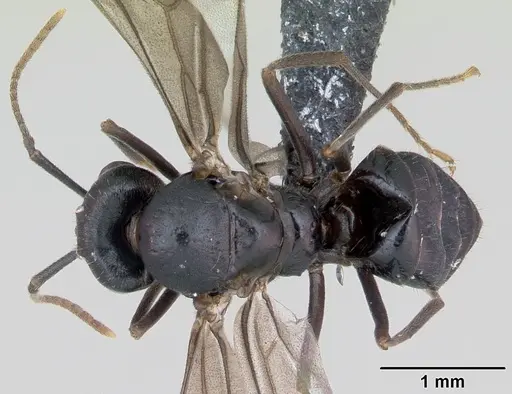
CASENT0173166
View on AntWeb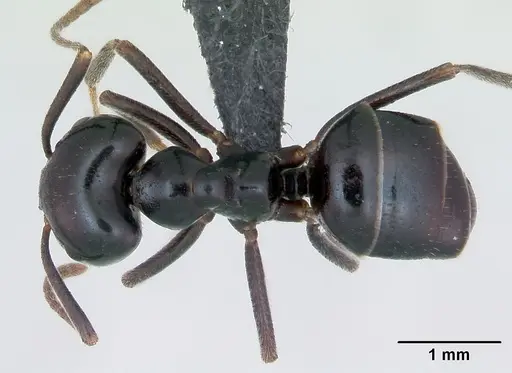
CASENT0179898
View on AntWeb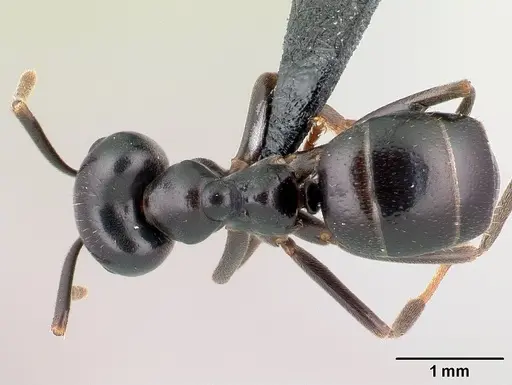
CASENT0179910
View on AntWeb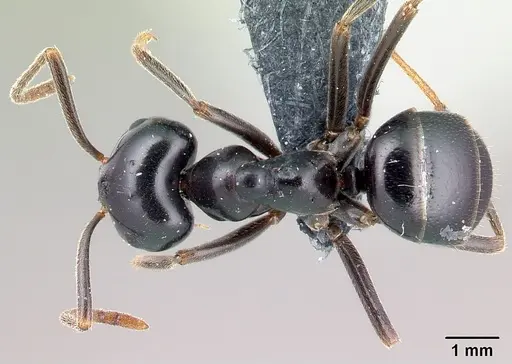
CASENT0280458
View on AntWeb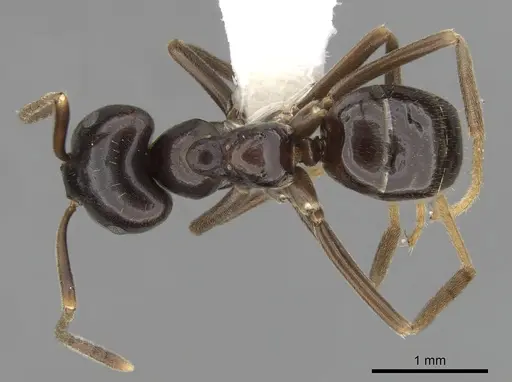
CASENT0903207
View on AntWeb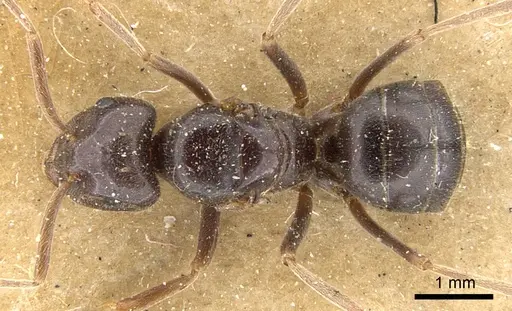
CASENT0903208
View on AntWeb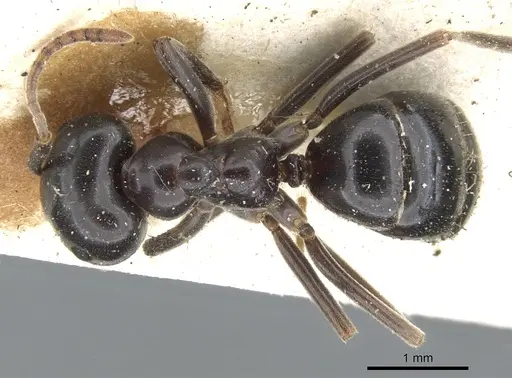
Literature
Loading...Loading products...