

Lasius casevitzi
- Scientific Name
- Lasius casevitzi
- Tribe
- Lasiini
- Subfamily
- Formicinae
- Author
- Seifert & Galkowski, 2016
- Distribution
- Found in 3 countries
Lasius casevitzi Overview
Lasius casevitzi is an ant species of the genus Lasius. It is primarily documented in 3 countries , including Switzerland, France, Italy. Detailed taxonomic data and occurrence records can be further explored via authoritative databases such as AntWeb or the Global Biodiversity Information Facility (GBIF).
Lasius casevitzi
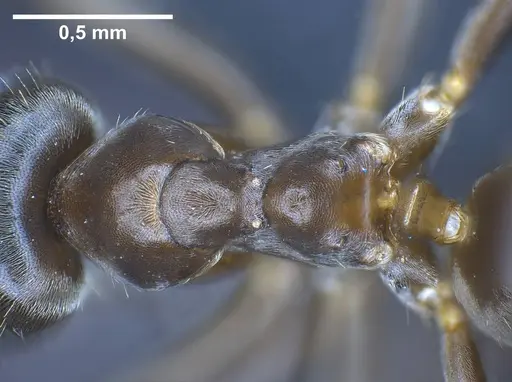
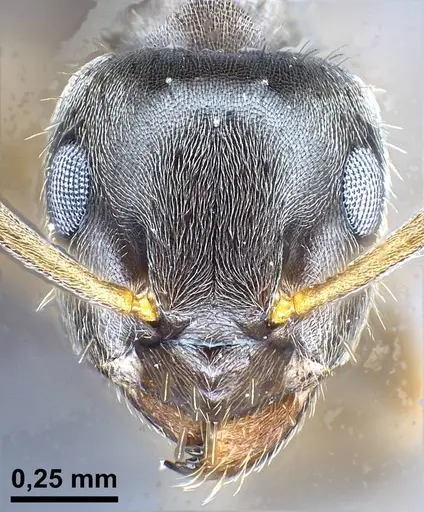
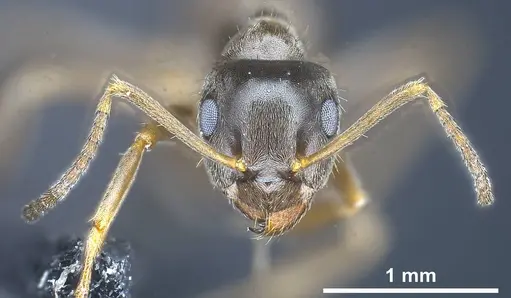
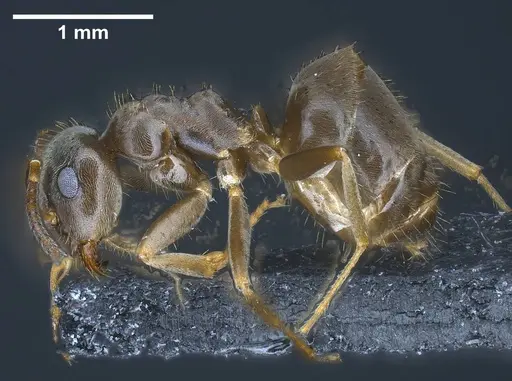
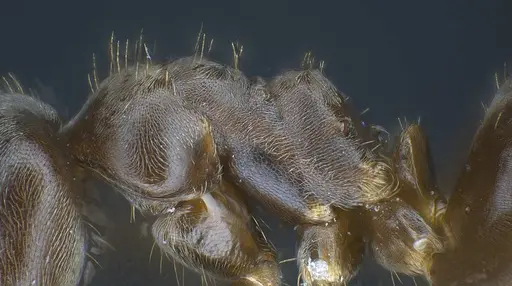
Lasius casevitzi is a small, dark brown ant belonging to the Lasius paralienus species complex within the Lasius niger clade [1]. Workers measure approximately 0.85mm in body length and feature notably long maxillary palps and a dense whitish pubescence covering their entire body [1][2]. The species was only described in 2016 and was originally thought to be endemic to Corsica, but has since been discovered in Trieste (northeastern Italy), Sicily, and the Aeolian Islands [2][3][4].
This species prefers semi-arboreal habitats and dry open forest, nesting in soil under trees or beneath stones [1][2]. It avoids coastal environments and high elevations above 1100m, with most nests found between 300-800m altitude [1]. Workers are known to behave aggressively when their nest is disturbed [1]. The species forms a well-supported clade with L. paralienus, from which it was only recently separated based on subtle but consistent morphological differences [4].
Quick Summary
- Difficulty: Medium
- Origin & Habitat: Mediterranean islands (Corsica, Sicily, Aeolian Islands) and northeastern Italy (Trieste). Prefers semi-arboreal habitats and dry open forest, nesting in soil under trees or under stones [1][2]. Found from sea level to 1100m altitude, most commonly between 300-800m.
- Colony Type: Single-queen colonies (monogyne), typical for Lasius s. str. species. Colony structure in this species has not been directly studied but follows the genus pattern.
- Colony: Monogyne
- Founding: Claustral
- Size & Growth:
- Queen: Approximately 1.65mm head width (HW) [5]
- Worker: Approximately 0.85mm (CS 849 ± 41 µm) [1][2]
- Colony: Unknown for this species, likely several hundred workers based on typical Lasius paralienus complex patterns
- Growth: Moderate, based on related species in the Lasius alienus complex
- Development: Estimated 6-10 weeks at optimal temperature (based on typical Lasius development patterns) (Direct development data not available for this species. Estimates based on genus-level patterns for small Lasius species.)
- Antkeeping:
- Temperature: Keep at 20-25°C. As a Mediterranean species from Corsica and Sicily, they prefer warmer conditions than northern Lasius species. A gentle temperature gradient allows workers to self-regulate [1][2].
- Humidity: Moderate humidity, they nest in soil in dry open forest, so avoid overly damp conditions. Keep the nest substrate lightly moist but allow it to partially dry between waterings. This species tolerates drier conditions than many Lasius [1][2].
- Diapause: Yes, as a temperate Mediterranean species, they require a winter rest period. Reduce temperature to 10-15°C for 2-3 months during winter, mimicking natural seasonal cycles [1][2].
- Nesting: Y-tong (AAC) nests or plaster nests work well. They prefer dry to moderately humid conditions. Provide a shallow water reservoir but avoid flooding. Naturalistic setups with stones over soil also suit their natural nesting behavior under stones [1].
- Behavior: Workers are small at ~0.85mm and very active. They are known to be aggressive when their nest is disturbed, this defensive behavior carries over to captivity, so handle the nest gently [1]. They are foragers and will readily search for food. Escape prevention is important due to their small size, use fine mesh barriers and ensure all connections are sealed. They readily accept sugar water and protein foods.
- Common Issues: small size means escapes are likely without fine mesh barriers, aggressive defensive behavior when nest is disturbed, work gently around colonies, limited distribution in the hobby means established colonies may be difficult to find, winter diapause is required, colonies that aren't cooled properly may decline, dry forest habitat means overwatering can cause mold problems
Nest Preferences and Setup
Lasius casevitzi naturally nests in soil, under trees, or under stones in dry open forest and semi-arboreal habitats [1][2]. In captivity, they adapt well to various nest types. Y-tong (AAC) nests or plaster nests work particularly well because they allow you to control humidity levels while providing the dark, enclosed spaces these ants prefer. Avoid overly humid conditions, this species comes from relatively dry Mediterranean habitats. Provide a shallow water reservoir connected to the nest area, but ensure it cannot flood the chambers. A small outworld for foraging completes the setup. Because workers are tiny (~0.85mm), ensure all connections and barriers are tight-fitting with no gaps larger than 1mm.
Feeding and Diet
Like other Lasius species, Lasius casevitzi is omnivorous with a preference for sugar sources and protein. Offer sugar water or honey water regularly as a constant energy source. For protein, provide small insects such as fruit flies, small mealworms, or other tiny arthropods. They will also scavenge on dead insects. In the wild, they likely tend aphids for honeydew, so sugar sources are definitely accepted. Feed protein 2-3 times per week, and keep sugar water available at all times. Remove uneaten prey after 24-48 hours to prevent mold. Given their small size, prey items should be appropriately sized, very small pieces or tiny insects. [1]
Temperature and Seasonal Care
As a Mediterranean species from Corsica and Sicily, Lasius casevitzi prefers warmer temperatures than northern European Lasius species. Keep the nest area at 20-25°C, with a gentle gradient if possible so workers can choose their preferred temperature [1][2]. Room temperature in most homes (20-22°C) should be suitable. During winter, they require a diapause period, reduce temperatures to 10-15°C for 2-3 months to mimic natural seasonal cycles [1][2]. This winter rest is important for colony health and may trigger reproductive behavior in mature colonies. Do not cool them suddenly, allow a gradual temperature reduction over 1-2 weeks in autumn.
Behavior and Handling
Lasius casevitzi workers are known to be aggressive when their nest is disturbed, they will readily defend against threats [1]. This defensive behavior carries over to captivity, so work gently around the colony and avoid sudden vibrations or frequent nest inspections. Despite their small size, they are active foragers and will quickly explore the outworld in search of food. They are not escape artists in the traditional sense (they don't climb smooth surfaces exceptionally well), but their tiny size means they can squeeze through very small gaps. Use fine mesh on all ventilation holes and ensure tube connections are secure. When the colony grows, they may become more defensive, this is normal Lasius behavior.
Colony Development
Lasius casevitzi is a recently described species (2016), and detailed captive breeding data is not yet available. Based on typical Lasius patterns, claustral founding queens will seal themselves in a small chamber and raise the first brood using stored fat reserves [1]. The first workers (nanitics) will be smaller than mature workers and will emerge after approximately 6-10 weeks at optimal temperature. After that, colony growth is moderate, expect several months to reach 50 workers, and potentially a year or more to reach several hundred. Queen longevity in the wild is several years, so established colonies can grow substantial over time. The species is still rare in the hobby, so acquiring a founding colony may require connecting with specialized breeders.
Frequently Asked Questions
How long does it take for Lasius casevitzi to produce first workers?
Based on typical Lasius development patterns, expect first workers (nanitics) approximately 6-10 weeks after the queen lays eggs, at optimal temperatures around 22-25°C. This is an estimate since direct development data for this specific species is not available.
What temperature do Lasius casevitzi need?
Keep them at 20-25°C. As a Mediterranean species from Corsica and Sicily, they prefer warmer conditions than northern Lasius species. Room temperature is usually suitable.
Do Lasius casevitzi need hibernation?
Yes, they require a winter rest period. Reduce temperatures to 10-15°C for 2-3 months during winter. This diapause period mimics their natural seasonal cycle in the Mediterranean.
Can I keep multiple Lasius casevitzi queens together?
No, Lasius casevitzi is monogyne (single-queen colony). Combining unrelated queens is not recommended and would likely result in fighting. Only keep one queen per colony.
What do Lasius casevitzi eat?
They are omnivorous. Offer sugar water or honey water constantly, and protein (small insects like fruit flies, tiny mealworms) 2-3 times per week. They will readily accept both sugar and protein sources.
Are Lasius casevitzi good for beginners?
They are rated as Medium difficulty. While not the easiest species, they are manageable for intermediate antkeepers. The main challenges are their small size (escape prevention), aggressive defensive behavior, and the need for winter diapause. They may be harder to acquire since the species is still rare in the hobby.
How big do Lasius casevitzi colonies get?
Colony size is not well documented, but based on related species in the Lasius paralienus complex, colonies likely reach several hundred workers. Maximum size is estimated at several hundred to perhaps over 1000 workers.
When do Lasius casevitzi alates appear?
Alates were not observed in July and August in Corsica [1]. Nuptial flights likely occur during warmer months, possibly late spring to early summer, though exact timing is not documented.
Why is my Lasius casevitzi colony declining?
Common causes include: improper temperature (too cold or too hot), lack of winter diapause, overhumidity (they prefer dry conditions), insufficient protein or sugar, or stress from excessive disturbance. Review your setup against their Mediterranean dry forest habitat preferences.
References

This caresheet is licensed under CC BY-SA 4.0 .
ANTWEB1038019
View on AntWeb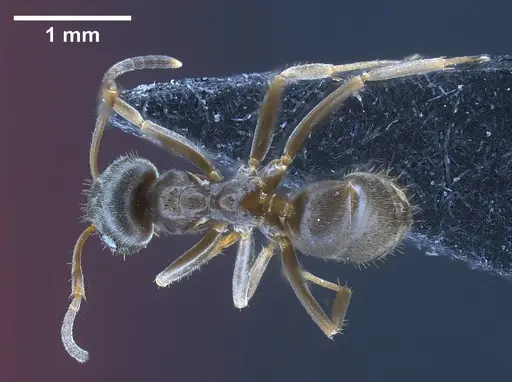
Literature
Loading...Loading products...