

Lasius californicus
- Scientific Name
- Lasius californicus
- Tribe
- Lasiini
- Subfamily
- Formicinae
- Author
- Wheeler, 1917
- Common Name
- California Citronella Ant
- Distribution
- Found in 2 countries
Lasius californicus Overview
Lasius californicus (commonly known as the California Citronella Ant) is an ant species of the genus Lasius. It is primarily documented in 2 countries , including Mexico, United States of America. Detailed taxonomic data and occurrence records can be further explored via authoritative databases such as AntWeb or the Global Biodiversity Information Facility (GBIF).
Lasius californicus - "California Citronella Ant"
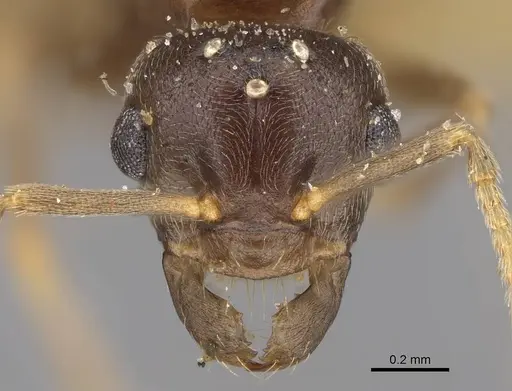
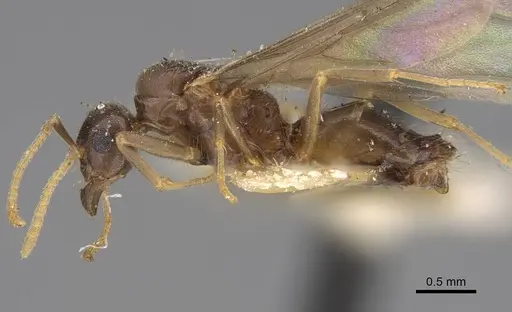
Lasius californicus is a medium-sized ant native to the mountains of Southern California and Baja California, Mexico. Workers are yellow to yellowish brown with a somewhat shining appearance, while queens can range from brown to yellow throughout. This species belongs to the claviger group (sometimes placed in the subgenus Acanthomyops) and is characterized by having standing hairs on the body and a distinctive emarginate petiolar scale. Colonies are found at mid-mountain elevations in oak-pine-juniper woodland and chaparral habitats, typically nesting under stones in soil. What makes this species particularly interesting is that it's a temporary social parasite, the queen invades a colony of another Lasius species, kills the host queen, and uses the host workers to raise her own brood until the first workers emerge.
Quick Summary
- Difficulty: Medium
- Origin & Habitat: Mountains of Southern California and Baja California, Mexico. Found in oak-pine-juniper woodland, montane chaparral, and oak woodland at elevations between 5600-7200 feet [1][2].
- Colony Type: Temporary social parasite, queen invades host Lasius colony, kills host queen, and uses host workers. Colony structure after establishment is likely monogyne (single queen).
- Colony: Monogyne
- Queen: Socially parasitic, Temporary parasitic
- Size & Growth:
- Queen: Estimated 7-9mm based on related Lasius claviger group species
- Worker: Estimated 4-6mm based on genus
- Colony: Unknown for this species, likely similar to related species at several hundred workers
- Growth: Moderate, estimated based on related species
- Development: Estimated 6-10 weeks based on related Lasius species at optimal temperature (Development time is estimated as no specific data exists for this species. Temporary parasitic founding may affect initial colony development timeline.)
- Antkeeping:
- Temperature: Keep around 20-24°C. Being a mountain species from Southern California, they likely tolerate cooler conditions than tropical ants but need warmth for brood development [3].
- Humidity: Moderate humidity around 50-60%. Nest in soil under stones suggests they prefer moderately damp substrate that doesn't dry out completely.
- Diapause: Likely requires a winter rest period (diapause). As a species from temperate mountain regions with seasonal climate, they probably need 3-4 months of cooler temperatures (around 10-15°C) during winter.
- Nesting: Soil-nesting species that naturally nests under stones. In captivity, a Y-tong (AAC) nest or plaster nest with soil chambers works well. Provide a moisture gradient so ants can choose their preferred humidity level.
- Behavior: Workers are moderate in size and not particularly aggressive. As a temporary social parasite, the founding queen will need a host colony to establish, this is the critical challenge for keepers. Once established, colonies are relatively peaceful. Escape risk is moderate, standard barrier methods work well.
- Common Issues: temporary parasitic founding requires a host colony, this is the biggest challenge for keepers, host species identification is difficult, you need the right Lasius species, queen may be rejected by host colony if not introduced properly, limited information means care is largely based on related species, colonies may be slow to establish compared to non-parasitic species
Understanding Temporary Parasitic Founding
Lasius californicus is a temporary social parasite, which means its colony founding is fundamentally different from most ant species. Unlike claustral ants where the queen seals herself in a chamber and raises her first workers from stored fat, Lasius californicus queens must invade an established colony of another Lasius species. The invading queen kills the host queen and uses the host workers to raise her own brood. This parasitic relationship continues only until the first workers of the parasitic queen emerge, after that, the colony becomes self-sustaining. The host species for Lasius californicus has not been definitively identified, but it's likely to be a common Lasius species from the same geographic area. In captivity, this presents a significant challenge: you need to obtain both the parasitic queen AND a suitable host colony. Related species like Lasius claviger and Lasius interjectus use similar parasitic founding strategies. [1][3]
Housing and Nest Setup
Since Lasius californicus naturally nests in soil under stones, a naturalistic setup or Y-tong (AAC) formicarium with soil chambers works best. Provide a moisture gradient by keeping one end of the nest slightly damp and the other drier, this lets the ants regulate their own humidity. Use a test tube setup for the founding queen with a small host colony fragment. The outworld should have a standard foraging area where you can offer food. Because this is a parasitic species, the setup needs to accommodate both the parasite and host. Some keepers have success introducing the parasitic queen to a host colony by first cooling both colonies to slow them down, then introducing the queen in a way that allows her to approach the host queen. [1]
Feeding and Diet
Like most Lasius species, Lasius californicus likely has a mixed diet. They probably consume honeydew from aphids and other homopteran insects, and hunt small invertebrates for protein. In captivity, offer sugar water or honey water as a constant energy source. For protein, provide small insects like fruit flies, pinhead crickets, or mealworm pieces. Since they are temporary parasites using host workers, the host colony's diet needs to be maintained as well. The host workers will forage and feed both themselves and the parasitic queen's brood. [2]
Temperature and Seasonal Care
As a mountain species from Southern California, Lasius californicus experiences seasonal temperature variation in the wild. During the active season (spring through fall), keep the nest at room temperature or slightly warm, around 20-24°C. This temperature range supports brood development. In winter, the colony should be allowed to cool down, a period of diapause (winter rest) at temperatures around 10-15°C for 3-4 months mimics their natural seasonal cycle. This rest period is important for colony health and may trigger reproductive behavior. The nuptial flights occur from late June through August, so if you have a mature colony, alates (reproductives) may appear during summer. [1][3]
Finding and Introducing a Host Colony
The biggest challenge in keeping Lasius californicus is obtaining a suitable host colony. In the wild, the queen would find a colony of another Lasius species after her nuptial flight. In captivity, you need to provide this host. The most common hosts for related Lasius parasitic species are Lasius niger, Lasius alienus, or other native Lasius species from your region. When introducing the parasitic queen, approach it carefully: cool both colonies to reduce aggression, introduce the queen into the outworld rather than directly into the nest chamber, and give the host workers time to accept her pheromones. Success is not guaranteed, host colonies may reject or kill the invading queen. Some keepers recommend using a small colony fragment (queenless workers) as an initial host to improve acceptance rates. [3][1]
Frequently Asked Questions
How do I start a Lasius californicus colony?
Starting a Lasius californicus colony is challenging because they are temporary social parasites. You need both a newly mated queen AND a host colony of another Lasius species. The queen must invade and kill the host queen to establish her colony. This is very different from most ant species where the queen founds alone.
What host species do I need for Lasius californicus?
The specific host species for Lasius californicus has not been definitively identified. Based on related species, likely hosts include native Lasius species from the same geographic area. In captivity, Lasius niger or Lasius alienus are commonly used as hosts for related parasitic species.
How long does it take for Lasius californicus to produce first workers?
Once the queen successfully establishes in the host colony, expect first workers (nanitics) in about 6-10 weeks, similar to other Lasius species. However, the initial establishment success rate is lower than non-parasitic species because the queen may be rejected by the host colony.
What do Lasius californicus eat?
Like most Lasius species, they likely eat honeydew from aphids and small insects. In captivity, offer sugar water or honey water constantly, and provide small insects like fruit flies or mealworm pieces for protein.
Do Lasius californicus need hibernation?
Yes, as a mountain species from a temperate climate, they likely require a winter rest period (diapause). Keep them at cool temperatures (around 10-15°C) for 3-4 months during winter to mimic their natural seasonal cycle.
Are Lasius californicus good for beginners?
No, this species is not recommended for beginners. The temporary parasitic founding requirement makes them significantly more difficult to keep than typical ant species. You need to obtain and maintain a host colony, and the introduction process has a high failure rate.
How big do Lasius californicus colonies get?
The maximum colony size is unknown for this specific species. Based on related Lasius species, colonies likely reach several hundred to a thousand workers. They are not among the largest Lasius species.
When do Lasius californicus have nuptial flights?
Nuptial flights occur from late June through August, based on collection records of alates and dealate queens from June 27 to August 10.
Can I keep multiple Lasius californicus queens together?
No, this is not recommended. Lasius californicus is a temporary social parasite that invades OTHER species' colonies, not its own. Multiple unrelated queens would fight. Even in founding, only one queen successfully establishes per host colony.
References

This caresheet is licensed under CC BY-SA 4.0 .
CASENT0005398
View on AntWeb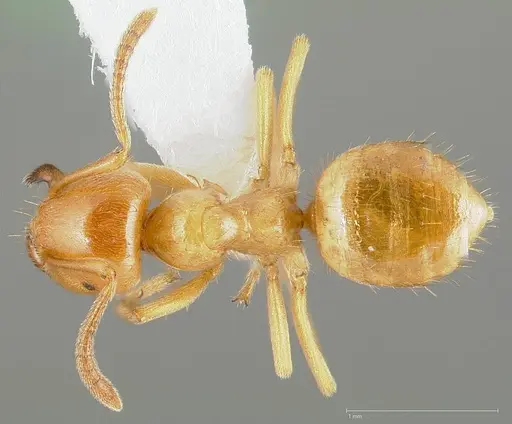
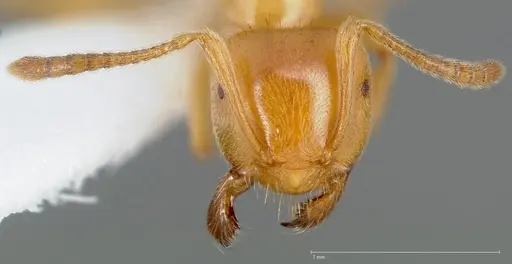
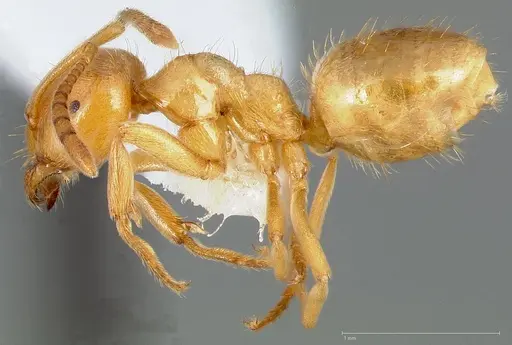
CASENT0106045
View on AntWeb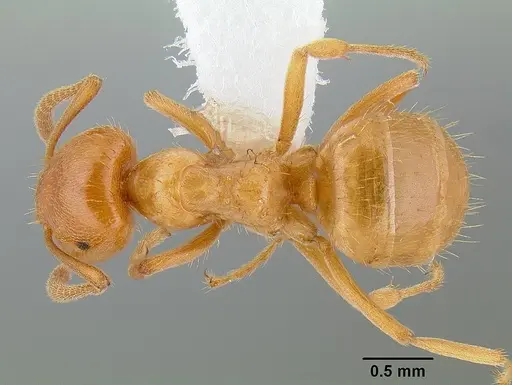
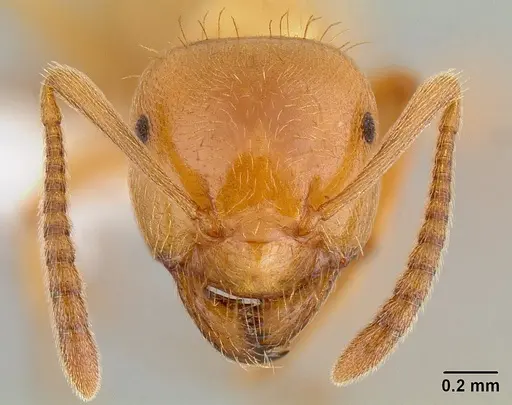
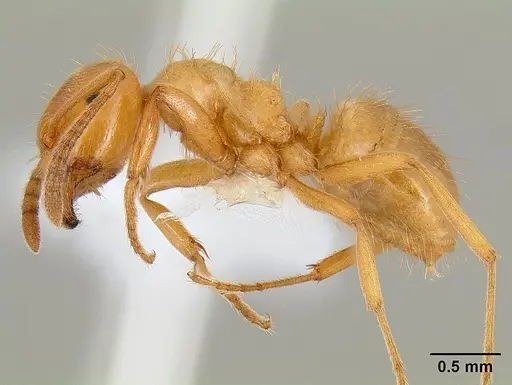
CASENT0280433
View on AntWeb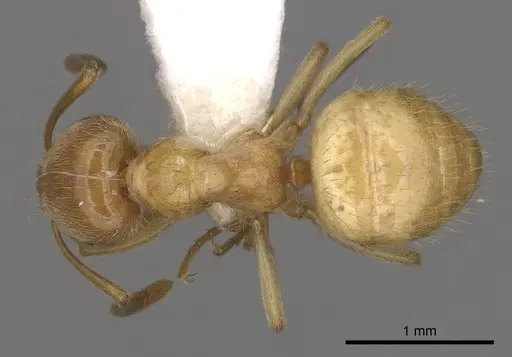
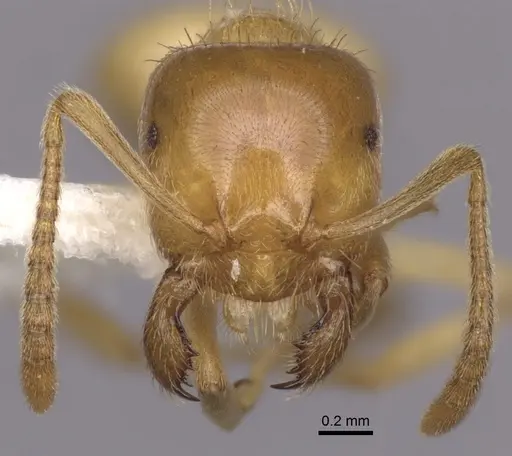
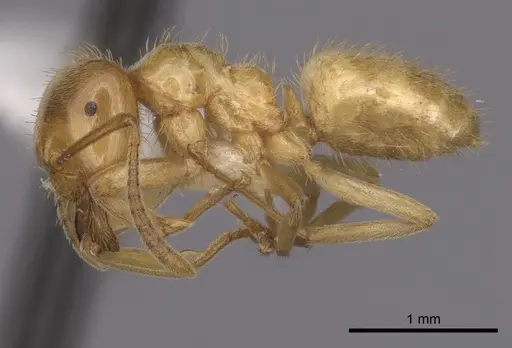
CASENT0843994
View on AntWeb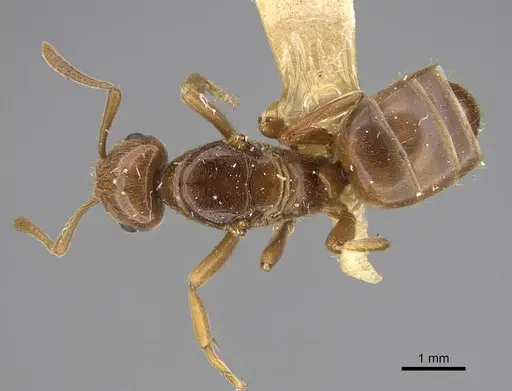
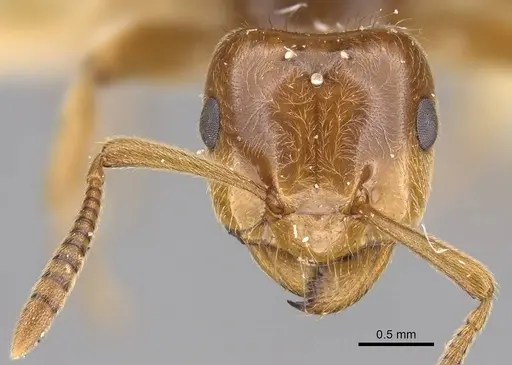
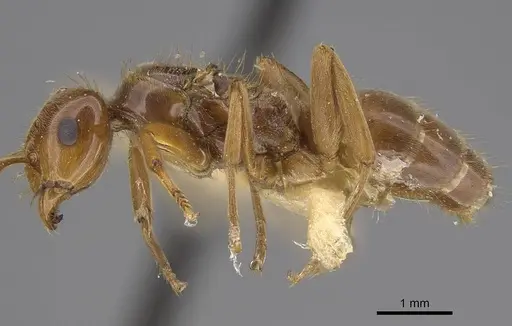
CASENT0843995
View on AntWeb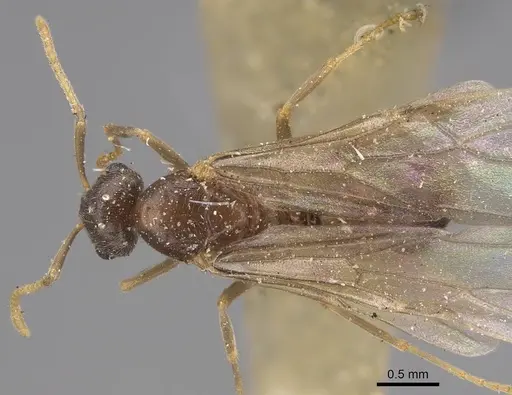
Literature
Loading...Loading products...