
Lasius claviger follows a consistent seasonal pattern with peak activity in October. The flight window runs from September to November, providing several months of opportunity for observations.
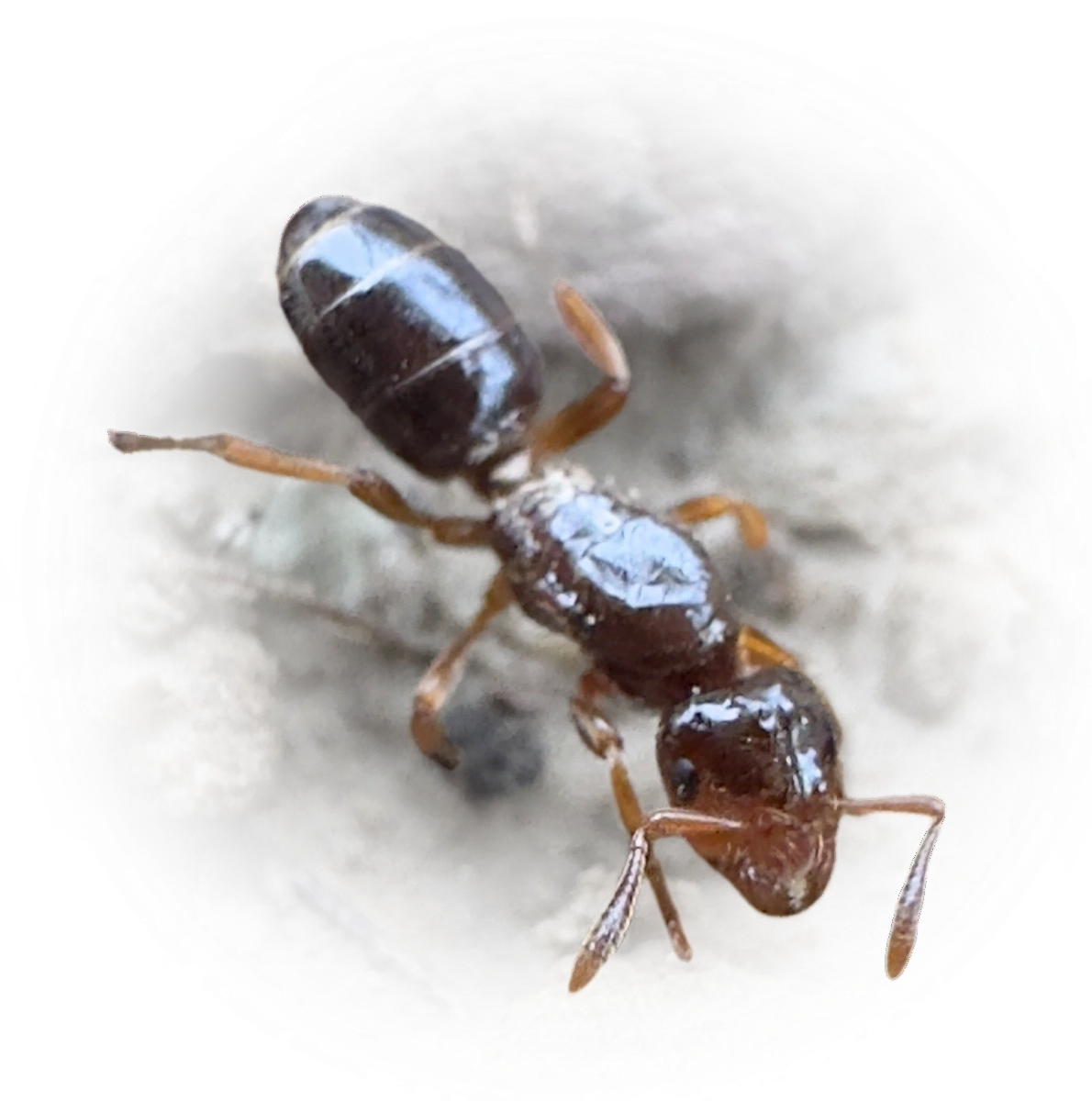
Lasius claviger
- Scientific Name
- Lasius claviger
- Tribe
- Lasiini
- Subfamily
- Formicinae
- Author
- Roger, 1862
- Common Name
- Common Citronella Ant
- Distribution
- Found in 2 countries
- Nuptial Flight
- from September to November, peaking in October
AI Identifiable
try →
Lasius claviger Overview
Lasius claviger (commonly known as the Common Citronella Ant) is an ant species of the genus Lasius. It is primarily documented in 2 countries , including Canada, United States of America. Detailed taxonomic data and occurrence records can be further explored via authoritative databases such as AntWeb or the Global Biodiversity Information Facility (GBIF).
The nuptial flight of Lasius claviger is a significant biological event, typically occurring from September to November, peaking in October. During this time, winged queens and males leave the nest to mate and establish new colonies.
Lasius claviger - "Common Citronella Ant"
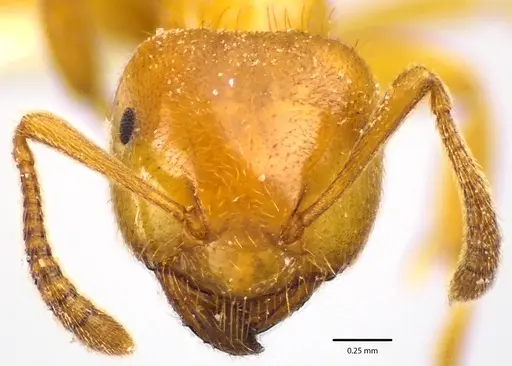
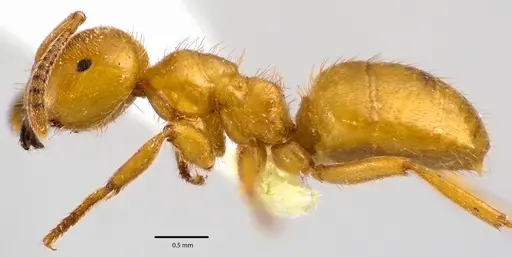
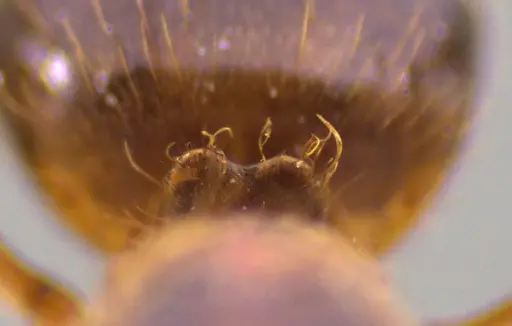
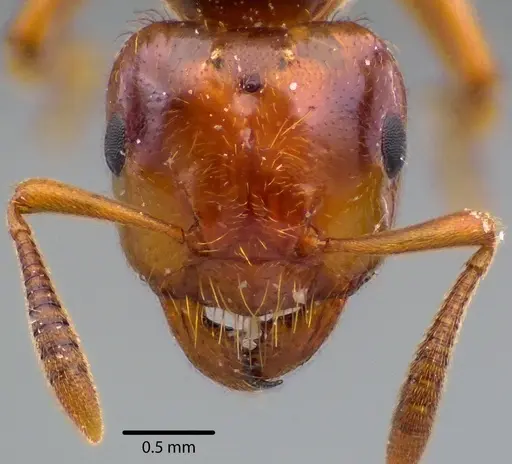
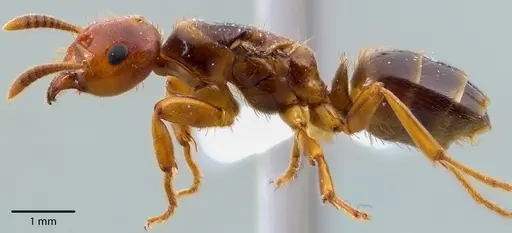
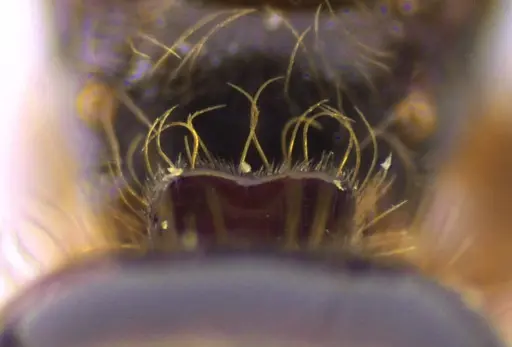
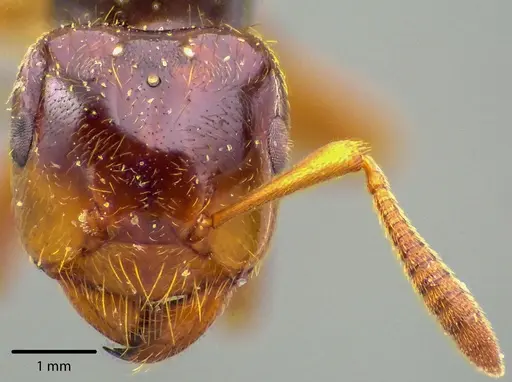
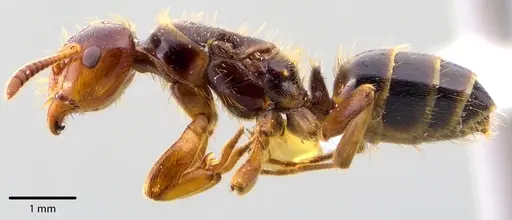
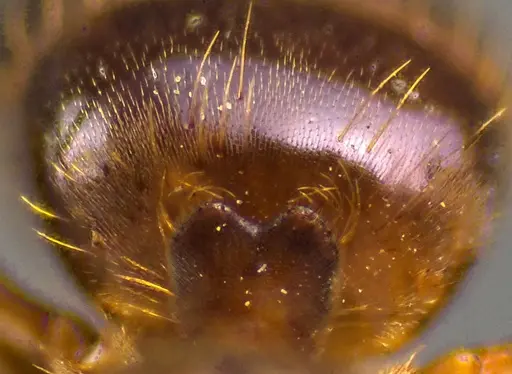
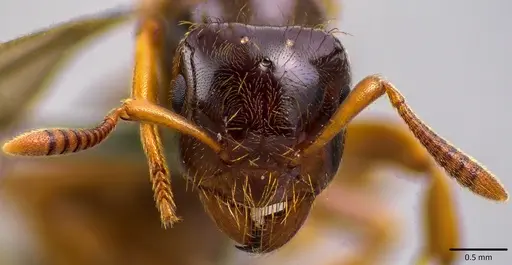
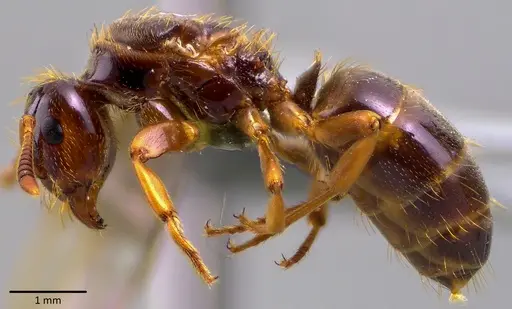
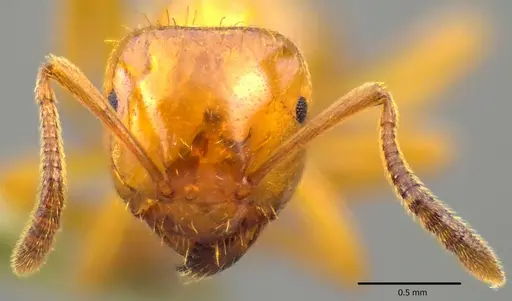
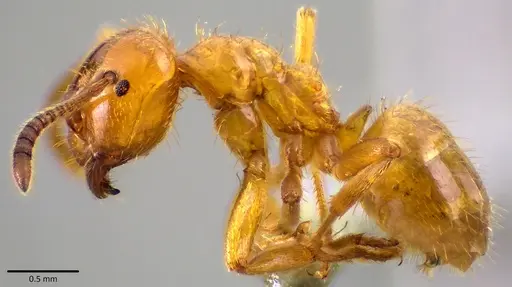
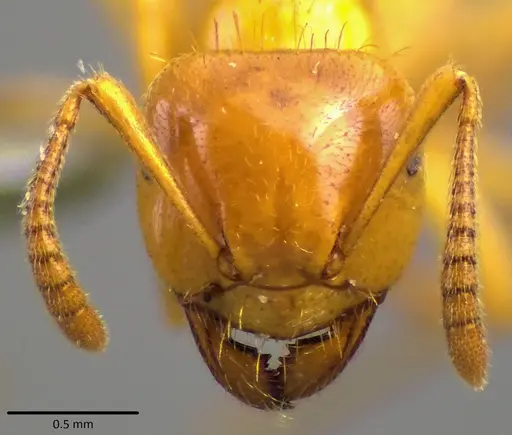
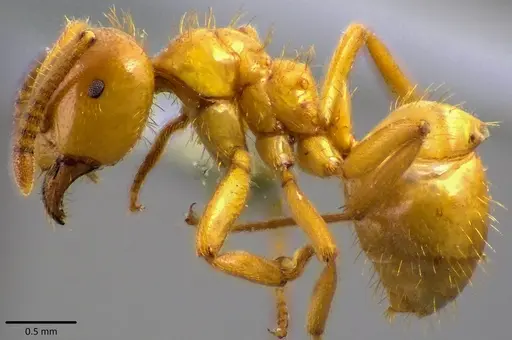
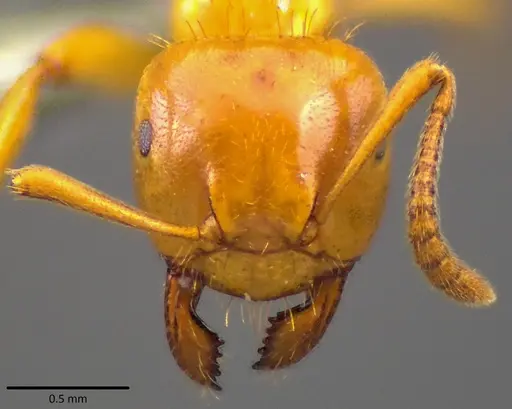
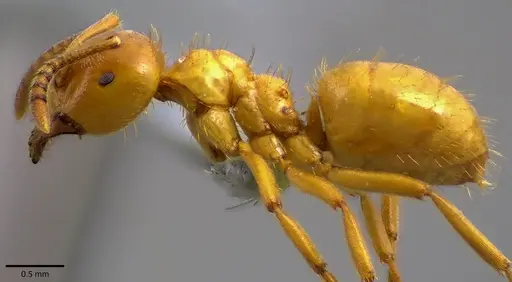
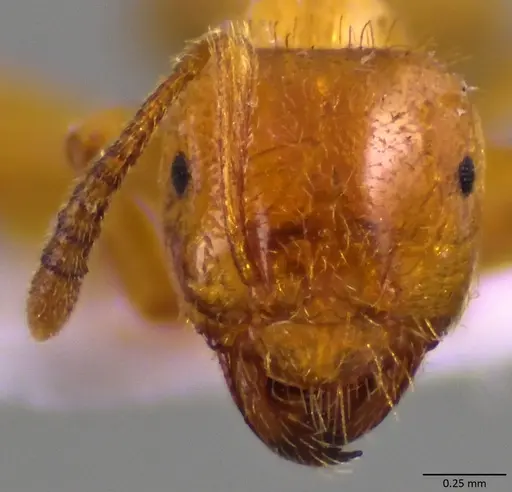
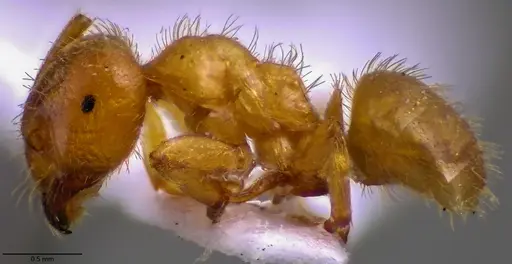
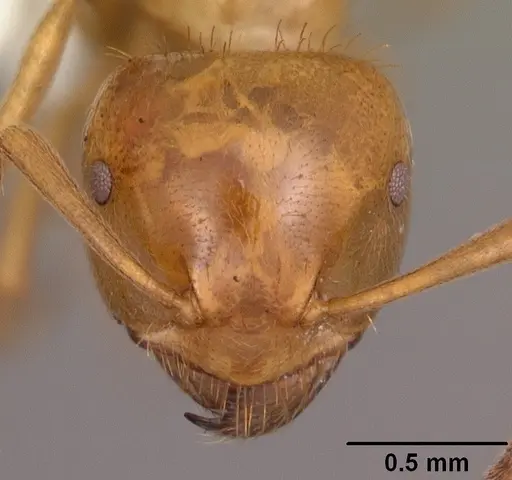
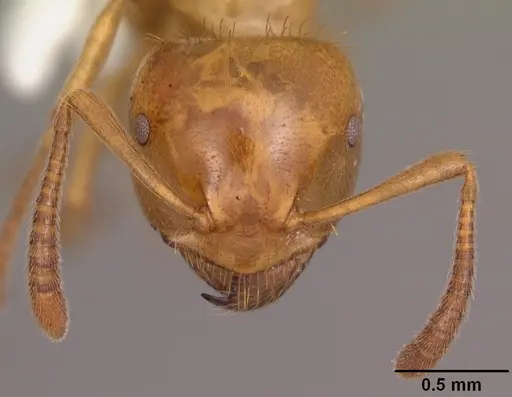
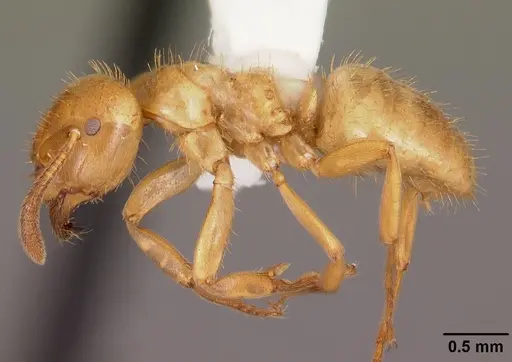
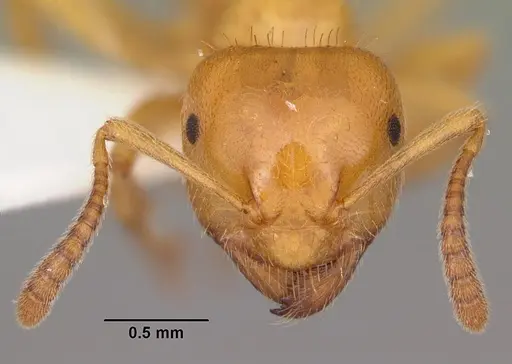
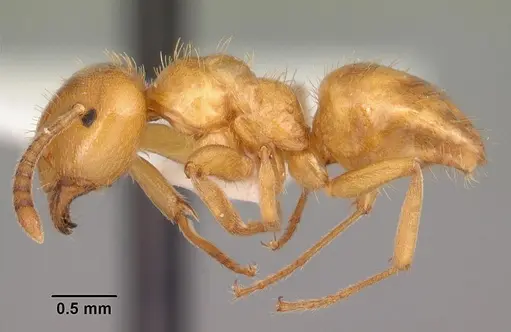
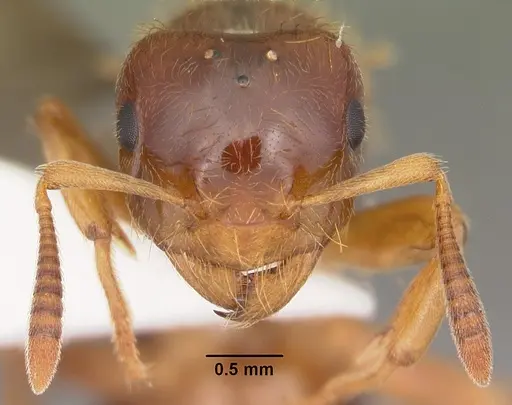
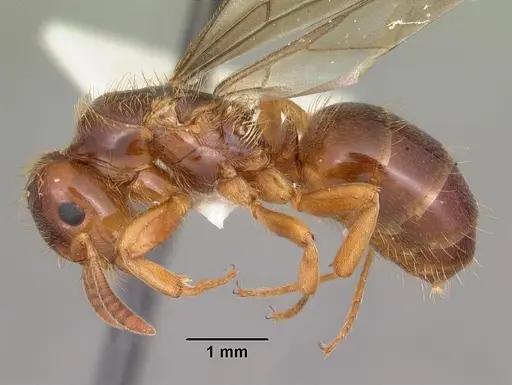
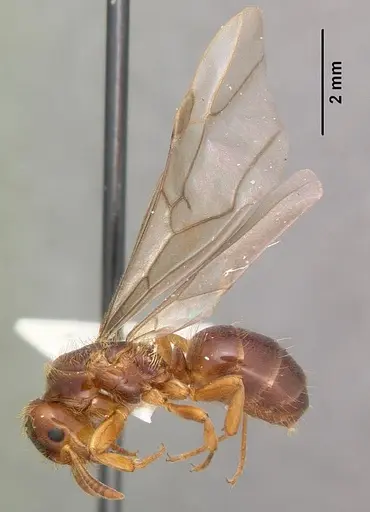
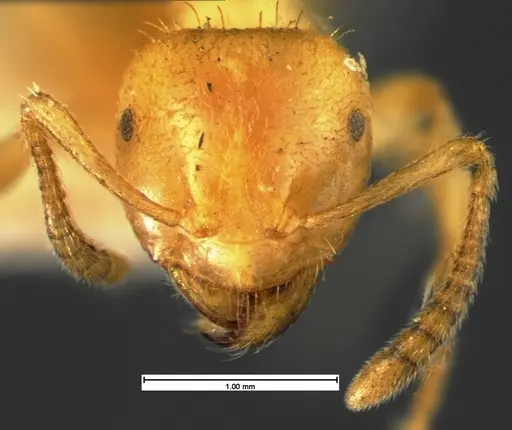
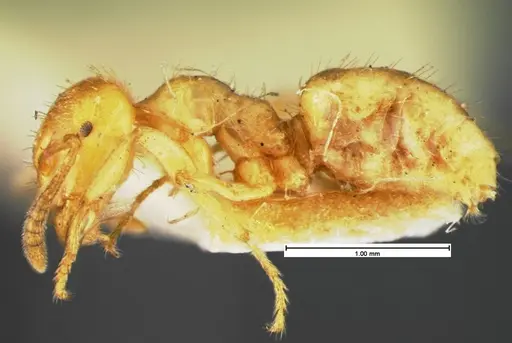
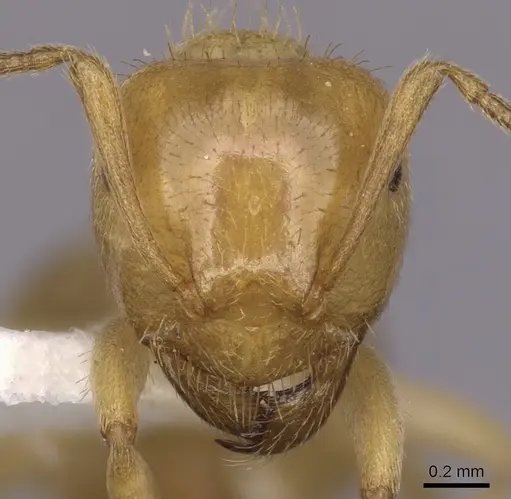
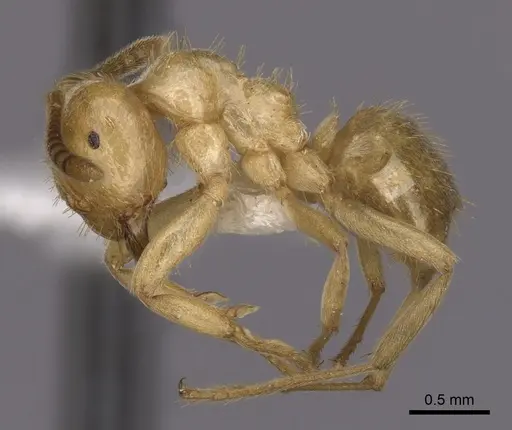
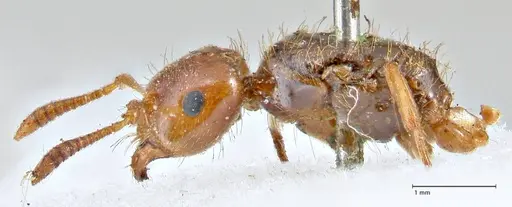
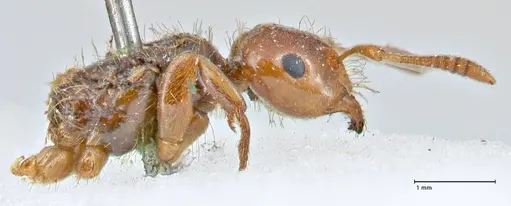
Lasius claviger is a subterranean ant native to eastern North America, ranging from southern New England to Minnesota and south to Florida. Workers are small at 3-5mm, typically yellow to brownish-yellow in color, with a distinctive covering of long standing hairs and sparse to moderate pubescence. Queens are larger at 6-7mm with a dark brown body that appears almost black to the naked eye. This species is notable for its temporary social parasitism, queens must invade and take over colonies of other Lasius species to establish their own colonies, making them challenging to found in captivity. Colonies can grow enormous and spread over wide areas in forest habitats.
Quick Summary
- Difficulty: Hard
- Origin & Habitat: Eastern North America, found from southern New England to Minnesota, south to Kansas and east to Florida. Nests in soil under stones and in well-decayed tree stumps in young to mature forests [1].
- Colony Type: Temporary social parasite, queens must invade host Lasius colonies (L. latipes, L. americanus, and related species) to found new colonies. Queens kill the host queen and use host workers to raise their first brood [1][2].
- Colony: Monogyne, Polygyne
- Queen: Socially parasitic, Temporary parasitic
- Size & Growth:
- Queen: 6-7mm (HW 1.22-1.38mm, AL 2.08-2.82mm)
- Worker: 3-5mm [3][4]
- Colony: Can grow to enormous size, spreading over wide areas in forest habitats [1]
- Growth: Moderate
- Development: Unknown, direct development data not available. Based on related Lasius species, expect 6-10 weeks at optimal temperature (Queens develop slowly, this is the latest developing of all five Acanthomyops species [5]. It takes 6 weeks to 2 months from first appearance of queen larvae to adult queens in the nest [1].)
- Antkeeping:
- Temperature: Keep at 20-24°C. Nuptial flights occur at lower temperatures than other Acanthomyops species, as low as 17.8-21.1°C [5]. Avoid overheating.
- Humidity: Moderate to high, this species is more moisture-tolerant than related species like L. latipes [5]. Keep nest substrate moderately moist but not waterlogged.
- Diapause: Yes, requires winter hibernation. In the wild, dealate queens overwinter under rocks or wood and enter host colonies in spring [1]. Provide 3-4 months at 5-10°C.
- Nesting: Subterranean nester. In captivity, use a test tube setup for founding queens, then transition to a naturalistic or Y-tong nest with moist substrate. Provide deep soil chambers or a substrate layer for their subterranean habits.
- Behavior: Generally docile and non-aggressive. Workers are generalist predators and also farm honeydew from root-feeding mealy-bugs and aphids. They are subterranean and rarely seen foraging in the open. Escape risk is moderate, standard test tube barriers are usually sufficient for workers of this size.
- Common Issues: founding queens have extremely high mortality, they must successfully invade a host colony to survive, host colony acceptance is uncertain, not all invasions succeed, colonies grow very slowly due to the parasitic founding method, queens may be rejected or killed by host colonies, requires careful host colony matching, need appropriate Lasius host species
Nuptial Flight Activity Analysis 3722 observations
Flight Activity by Hour 3722 observations
Lasius claviger nuptial flight activity peaks around 17:00 during the afternoon. Activity is spread across a 10-hour window (11:00–20:00). Times may be influenced by human observation patterns.
Colony Founding - The Parasitic Lifestyle
Lasius claviger is a temporary social parasite, meaning queens cannot found colonies independently like most ants. Instead, a newly mated queen must locate and infiltrate an established colony of another Lasius species (primarily L. latipes, L. americanus, or related species). She enters the host nest, kills the resident queen, and uses the host workers to raise her first brood. This process is challenging to replicate in captivity and accounts for the species' difficulty rating. In the wild, dealate queens mate in late September to October, then overwinter alone under rocks or wood before emerging in spring to seek host colonies [1][2]. Host colonies tend to accept the parasitic gynes, which improves success chances compared to some other parasitic species [2].
Feeding and Diet
Workers are generalist predators that hunt small invertebrates, but they also maintain a strong mutualistic relationship with aphids. Lasius claviger is an obligate tender of root-feeding aphids, particularly Prociphilus species, which they farm in subterranean nests [6]. They also feed on honeydew secreted by mealy-bugs. In captivity, offer a varied diet including sugar water or honey as an energy source, small live prey like fruit flies or pinhead crickets for protein, and occasional offerings of aphid honeydew or sugar sources. Protein should be offered 2-3 times per week, with sugar water available constantly.
Temperature and Seasonal Care
This species prefers cooler temperatures than many ants, nuptial flights occur at surprisingly low temperatures of 17.8-21.1°C, which is lower than other Acanthomyops species [5]. Keep the nest at room temperature (20-24°C) and avoid excessive heat. As a temperate species, they require a winter diapause period of 3-4 months at 5-10°C to trigger proper reproductive cycling. The annual sexual cycle begins in June with queen larvae appearing, developing to adulthood over 6 weeks to 2 months. Adult alates are present by August, with nuptial flights occurring from September through November, very late in the season compared to most ants [1].
Nesting Preferences
In the wild, Lasius claviger is a subterranean species that nests in soil under stones and in well-decayed tree stumps in forested areas. They show remarkable versatility in nesting habits, in deep woods they associate with logs and stumps, in open woods they use stones and logs, and in open fields they often create small mounds without cover. Some mounds can reach 3 feet in diameter and 2-4 inches high. They are more moisture-tolerant than related species like L. latipes [5]. In captivity, provide a nest with deep, moist substrate chambers. A Y-tong or plaster nest with a substrate layer works well, or a naturalistic setup with flat stones over moist soil.
Behavior and Temperament
This is a docile, non-aggressive species that spends most of its time underground. Workers are generalist predators but are not particularly aggressive toward intruders. They have a distinctive lemon or citronella scent when disturbed, which serves as an alarm-defense mechanism [7]. Colonies can become massive in the wild, spreading over wide areas in forest habitats. They are hypogaeic (ground-dwelling) and rarely venture into the open. Workers are relatively long-lived compared to some other ant species, which helps colonies persist through the slow initial growth phase during parasitic founding.
Frequently Asked Questions
How do I start a Lasius claviger colony?
This is challenging. Unlike most ants, you cannot simply start a queen in a test tube, she needs to invade a host Lasius colony. Your best options are: 1) Collect a dealate queen in spring as she searches for a host nest, then introduce her to a small Lasius colony (L. latipes or L. americanus work as hosts), or 2) Collect a colony that is already parasitized. Success rates are naturally low, which is why this species is rated as difficult.
What ants can serve as hosts for Lasius claviger?
Lasius claviger parasitizes other Lasius species, primarily L. latipes (the most common host), L. americanus, and related species in the flavus clade [1]. You will need to maintain a healthy colony of one of these host species to attempt an introduction.
When do Lasius claviger nuptial flights occur?
Very late in the season, typically late September through early October, with some flights continuing into November [1]. This is unusually late for ants. Males and females mate at relatively cool temperatures of 17.8-21.1°C [5].
How long does it take for a Lasius claviger colony to grow?
Growth is slow initially due to the parasitic founding method. The first workers may take many months to appear because the queen relies on host workers rather than raising her own brood from eggs. Once established, growth is moderate. This is the latest-developing of all five Acanthomyops species [5].
Do Lasius claviger colonies need hibernation?
Yes, they require a winter diapause. In the wild, dealate queens overwinter under rocks or wood before entering host colonies in spring [1]. Provide 3-4 months of cold storage at 5-10°C during winter.
Are Lasius claviger good for beginners?
No. This species is rated as difficult to expert level due to the parasitic colony founding requirement. You need to either find an already-parasitized colony or successfully introduce a queen into a host colony, both challenging scenarios. Beginners should start with easier species like Lasius niger or Camponotus species.
What do Lasius claviger eat?
They are generalist predators that accept small live prey (fruit flies, pinhead crickets, small mealworms), plus they farm root aphids for honeydew. Offer protein prey 2-3 times weekly and provide constant access to sugar water or honey. They also tend mealy-bugs in captivity.
Can I keep multiple Lasius claviger queens together?
This species can be polygynous (multiple queens per colony) in the wild, but combining unrelated foundress queens is not recommended and has not been documented in captivity. If you collect a dealate queen, she should be introduced to an existing host colony, not to other L. claviger queens.
Where is Lasius claviger found in the wild?
Eastern North America, from southern New England to Minnesota, south to Kansas and east to Florida. They prefer forested areas and open meadows, nesting under stones, in rotting stumps, and sometimes building small mounds in fields [1][3].
References

This caresheet is licensed under CC BY-SA 4.0 .
ANTWEB1041618
View on AntWeb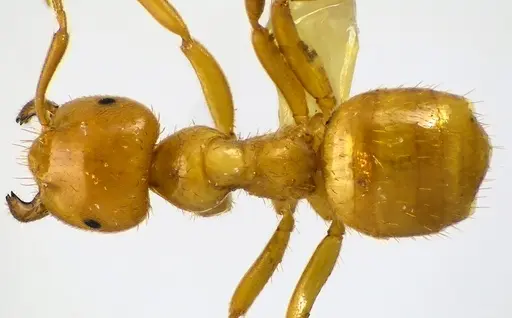
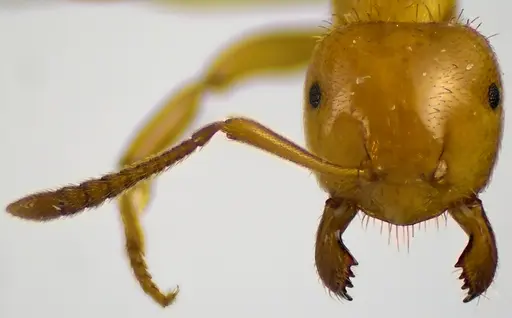
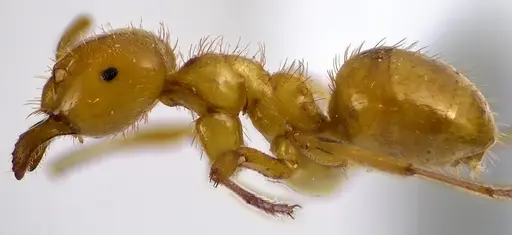
ANTWEB1041645
View on AntWeb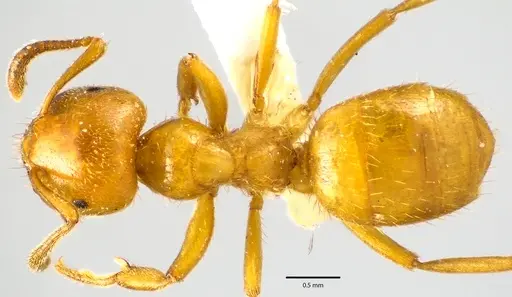
ANTWEB1041727
View on AntWeb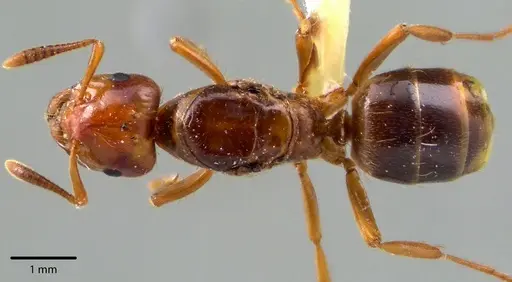
ANTWEB1041728
View on AntWeb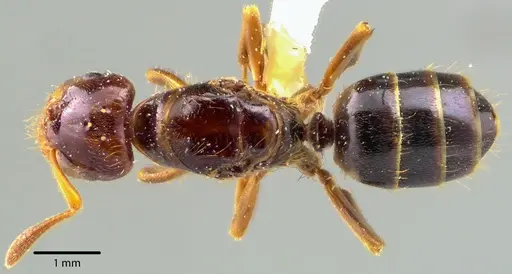
ANTWEB1041768
View on AntWeb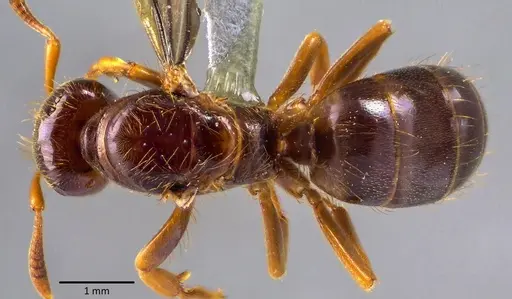
ANTWEB1041770
View on AntWeb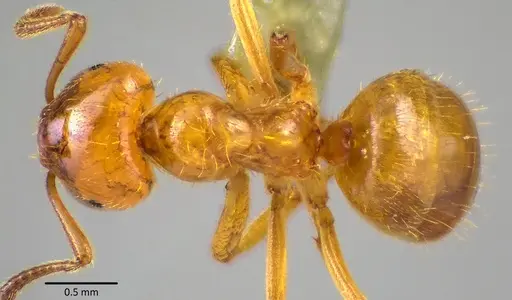
ANTWEB1041809
View on AntWeb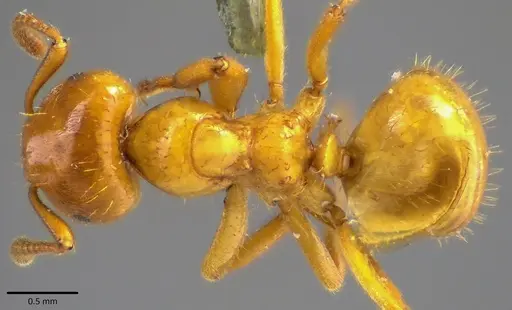
ANTWEB1041810
View on AntWeb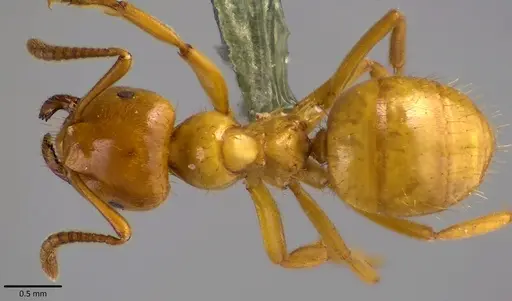
ANTWEB1060010
View on AntWeb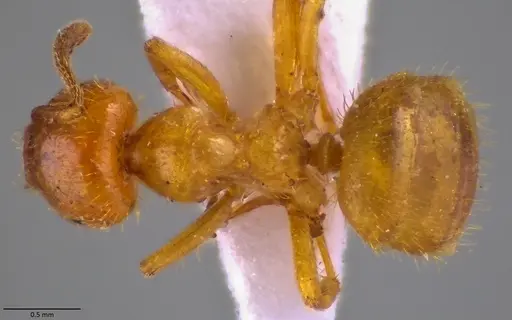
CASENT0103541
View on AntWeb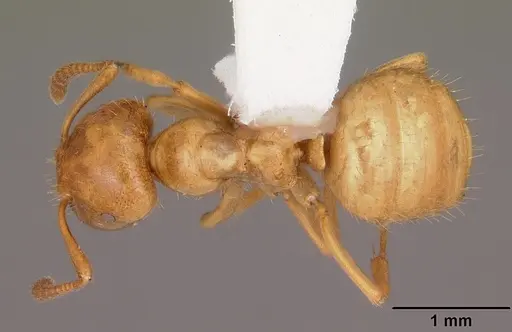
CASENT0103542
View on AntWeb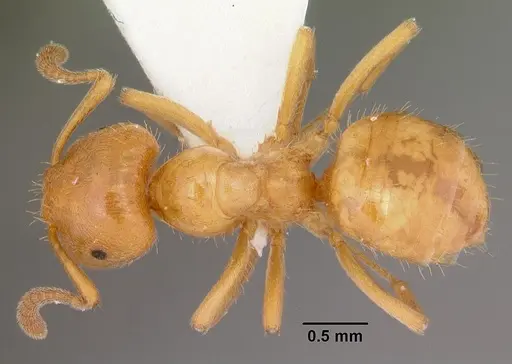
CASENT0103543
View on AntWeb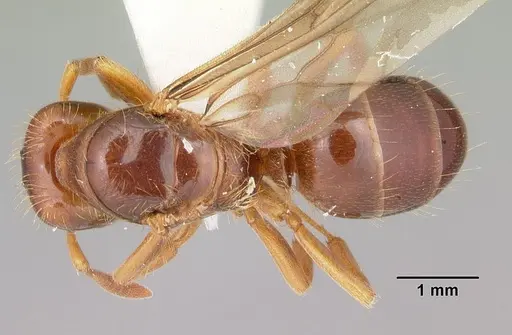
CASENT0105572
View on AntWeb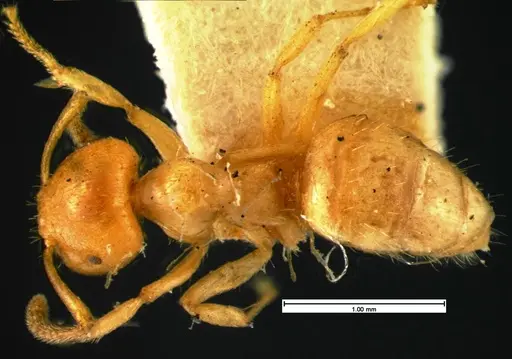
CASENT0280435
View on AntWeb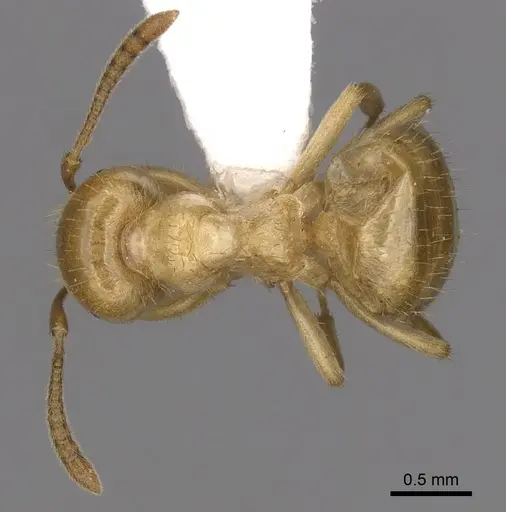
FOCOL2736
View on AntWeb
Literature
Loading...Loading products...