

Iridomyrmex pallidus
- Scientific Name
- Iridomyrmex pallidus
- Tribe
- Leptomyrmecini
- Subfamily
- Dolichoderinae
- Author
- Forel, 1901
- Distribution
- Found in 2 countries
Iridomyrmex pallidus Overview
Iridomyrmex pallidus is an ant species of the genus Iridomyrmex. It is primarily documented in 2 countries , including Australia, Papua New Guinea. Detailed taxonomic data and occurrence records can be further explored via authoritative databases such as AntWeb or the Global Biodiversity Information Facility (GBIF).
Iridomyrmex pallidus
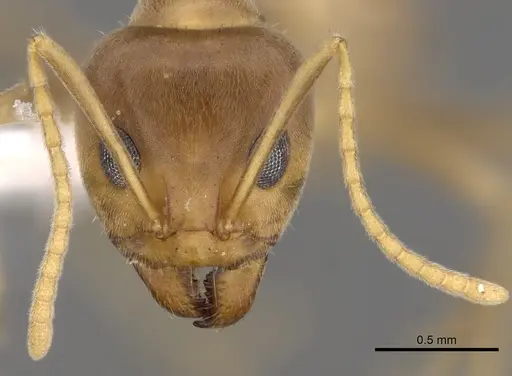
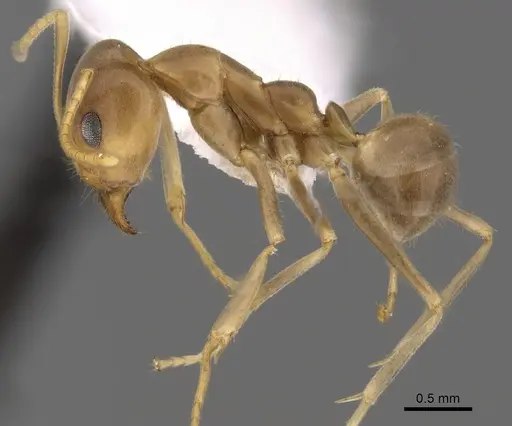
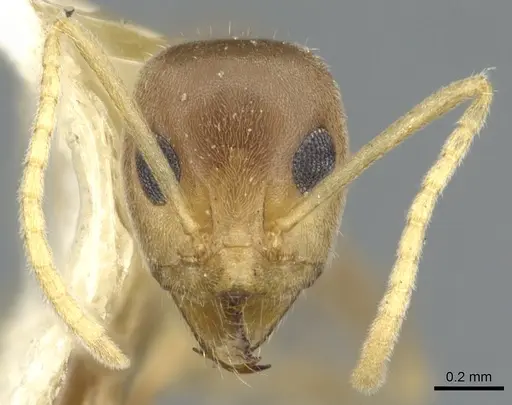
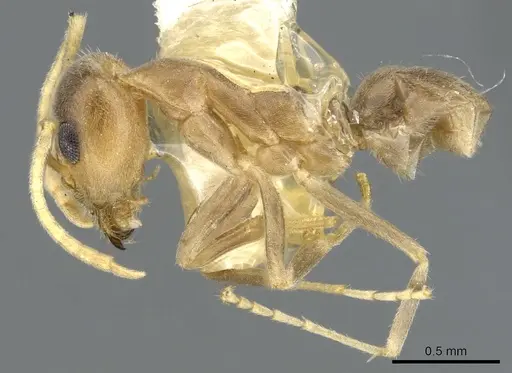
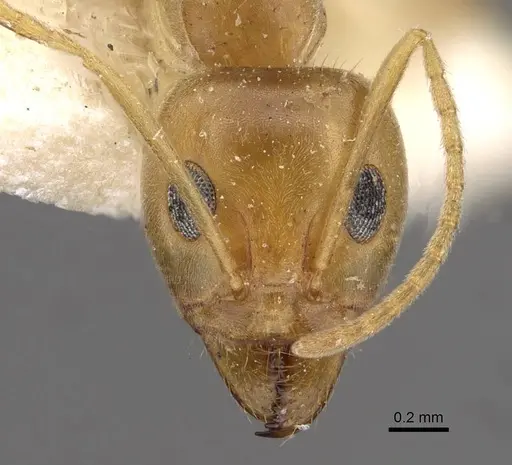
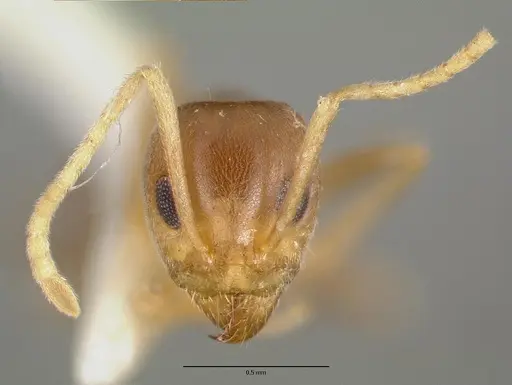
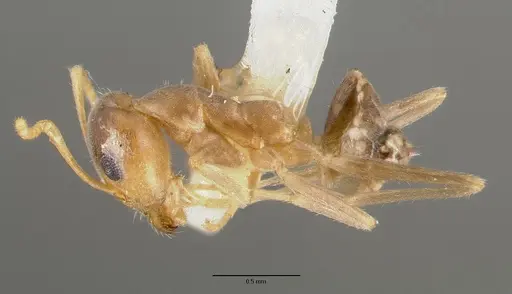
Iridomyrmex pallidus is a distinctive pale yellow to brownish-yellow ant native to northern Australia, New Guinea, and the Solomon Islands. Workers have large, asymmetrical eyes positioned toward the front of the head and are covered in abundant short silvery hairs that give them a shaggy appearance [1]. This species is extremely abundant throughout tropical Australia and is considered a dominant nocturnal dolichoderine ant, representing 7.9% of all ants collected in some studies and appearing in 58% of traps [2]. It nests in soil and is mainly nocturnal, though workers may forage during the day under suitable conditions [1]. The species was raised to full species status in 2011 from being a subspecies of Iridomyrmex rufoniger, and is closely related to Iridomyrmex hartmeyeri from more arid regions [1][3].
Quick Summary
- Difficulty: Medium
- Origin & Habitat: Northern Australia (Western Australia, Queensland, Northern Territory), New Guinea, and Solomon Islands. Inhabits tropical rainforest and tropical eucalypt forest, where it fills a similar niche to Iridomyrmex hartmeyeri in xeric regions [1].
- Colony Type: Unconfirmed colony structure. As a dominant dolichoderine, colonies likely reach large sizes, but specific queen numbers and colony size data are not documented.
- Size & Growth:
- Queen:{.size-link} Size data unavailable, queen measurements not documented in available literature
- Worker:{.size-link} ~3-5 mm, inferred from Iridomyrmex genus worker size range
- Colony: Up to several thousand workers based on dominance and abundance in the wild [2]
- Growth: Moderate, inferred from typical Dolichoderinae development patterns
- Development: Approximately 6-8 weeks based on typical genus development at tropical temperatures (Development timeline not directly studied for this species. Estimates based on related Iridomyrmex species and tropical temperature ranges.)
- Antkeeping:
- Temperature: Keep at 24-28°C. This is a tropical species from northern Australia and New Guinea, so warmth is essential for colony activity and brood development.
- Humidity: Moderate to high humidity (60-80%). Native to tropical rainforest and eucalypt forest habitats. Keep nest substrate consistently moist but not waterlogged.
- Diapause: Likely minimal or none required. As a tropical species from northern Australia, they likely remain active year-round without a true hibernation period.
- Nesting: Soil-nesting species. In captivity, a naturalistic setup with moist substrate or a Y-tong/plaster nest works well. Provide access to a water tube and keep the nesting area humid.
- Behavior: Mainly nocturnal but can forage diurnally under suitable conditions. As a dominant dolichoderine, they are likely aggressive toward other ants and defend their territory actively. Workers are medium-sized and capable of chemical defense through their metapleural gland. Escape risk is moderate, use standard barrier precautions.
- Common Issues: tropical species requires consistent warmth, cold temperatures can suppress activity and slow brood development, colonies may be sensitive to drying out, maintain humidity in the nest area, dominant species may be aggressive toward other ant colonies if housed in multi-species setups, wild-caught colonies may have parasites that affect captive survival, slow founding phase means patience is required, queens may take weeks to lay first eggs
Natural History and Distribution
Iridomyrmex pallidus is a pale yellow to brownish-yellow ant that inhabits the Torresian biogeographic zone, encompassing northern Australia (Western Australia, Queensland, and the Northern Territory), New Guinea, and the Solomon Islands [1][4]. Within this range, which consists mainly of tropical rainforest and tropical eucalypt forest, the species probably fills a similar ecological niche to Iridomyrmex hartmeyeri in more arid regions of Australia [1]. The species was originally described as a subspecies of Iridomyrmex rufoniger by Forel in 1901,then raised to full species status by Heterick and Shattuck in their 2011 revision of the genus [3]. Two distinct forms exist: the typical form with few or no erect setae on the hind tibiae, and the 'pallidior' form with genuine erect setae. These phenotypes blend in a clinal pattern throughout the range, with hairiest workers found in Papua New Guinea and the most glabrous workers in southern parts of the Australian mainland [1]. Molecular data has surprisingly linked this species to the stick-nest ants (Iridomyrmex conifer and relatives) from southwestern Australia and with Iridomyrmex alpinus from cool montane regions of New South Wales, Victoria, and Tasmania.
Nesting and Habitat
In the wild, Iridomyrmex pallidus nests in soil. Nests are identifiable by small mounds of topsoil on the ground surface, as observed near the CSIRO Tropical Ecosystems Research Centre in Darwin [1]. The species is mainly nocturnal but may forage during the day under suitable conditions, workers have been collected from tree-trunks at 3 pm in the afternoon and from a garden tree at 9 am in the morning [1]. For captive care, provide a naturalistic setup with moist soil substrate or a Y-tong/plaster nest that maintains humidity. The nest area should be kept consistently moist but not waterlogged. As a soil-nesting species, they benefit from a gradient where they can choose between slightly drier and more humid areas within the nest.
Temperature and Care
As a tropical species from northern Australia and New Guinea, Iridomyrmex pallidus requires warm temperatures. Keep the nest area at 24-28°C for optimal colony activity and brood development. A heating cable on one side of the nest can create a temperature gradient, allowing workers to regulate their exposure to warmth. This species is abundant throughout tropical Australia and is ecologically dominant, which suggests it can tolerate some temperature variation but performs best in warm, stable conditions. Humidity should be maintained at 60-80%, mist the nest area when it begins to dry out, and always provide a water tube. Since they are nocturnal, ensure the setup is not exposed to direct bright light during the night cycle. [1][2]
Feeding and Diet
Iridomyrmex pallidus is a dominant dolichoderine ant, and like most members of this subfamily, they likely have an omnivorous diet. In the wild, dolichoderine ants typically feed on honeydew from sap-sucking insects, nectar from plants, and small insects. For captive colonies, offer a combination of sugar water or honey as a constant energy source, and protein-rich foods such as small crickets, mealworms, or other insects. Feed protein 2-3 times per week, adjusting based on colony size. Remove uneaten prey after 24-48 hours to prevent mold. Since they are nocturnal, offering food in the evening or at night may better align with their natural foraging patterns. [2]
Behavior and Temperament
This is a dominant nocturnal dolichoderine ant species. In studies, Iridomyrmex pallidus represented 7.9% of all ants collected and was recorded in 58% of traps, making it one of the most abundant species in its habitat [2]. It is abundant in all habitat plots studied and responds to fire regimes in ways that indicate high ecological resilience [5]. Workers are medium-sized with large asymmetrical eyes and a distinctive shaggy appearance due to abundant small setae. They are likely aggressive toward competing ants and will defend their territory. For antkeeping, house them separately from other ant colonies. Their metapleural gland provides chemical defense. Escape prevention is important, use standard barriers and ensure the outworld is secure.
Frequently Asked Questions
How long does it take for Iridomyrmex pallidus to produce first workers?
The exact timeline is unconfirmed for this species, but based on typical Iridomyrmex development at tropical temperatures (24-28°C), expect first workers (nanitics) in approximately 6-8 weeks after the queen lays eggs. Patience is key during the founding phase.
Can I keep Iridomyrmex pallidus in a test tube setup?
Yes, a test tube setup can work for founding colonies. Keep the tube humid but not flooded, and maintain temperatures around 24-28°C. Once the colony grows beyond 20-30 workers, consider moving to a larger naturalistic setup or formicarium with soil substrate.
What temperature do Iridomyrmex pallidus need?
Keep them warm at 24-28°C. This tropical species from northern Australia and New Guinea requires consistent warmth for optimal activity and brood development.
Are Iridomyrmex pallidus good for beginners?
This species is rated as medium difficulty. While they are resilient and dominant in the wild, their tropical warmth requirements and the need for patience during colony founding make them better suited for antkeepers with some experience.
How big do Iridomyrmex pallidus colonies get?
Colony size is not specifically documented, but as a dominant and extremely abundant species in the wild, colonies likely reach up to several thousand workers. They are one of the most common ants in their range.
Do Iridomyrmex pallidus need hibernation?
Likely no. As a tropical species from northern Australia and New Guinea, they probably remain active year-round without a true hibernation period. Maintain normal temperatures throughout the year.
What do Iridomyrmex pallidus eat?
Like most dolichoderine ants, they are omnivorous. Offer sugar sources (honey water, sugar water) constantly for energy, and protein (small insects like crickets or mealworms) 2-3 times per week.
Why are my Iridomyrmex pallidus not foraging?
Check temperature first, they need 24-28°C to be active. Also ensure humidity is adequate and they have a dark, secure nesting area. As nocturnal ants, they may be more active in evening hours.
Report an Issue
The current care sheet is based fully on literature. See inconsistencies, or something that's incorrect? Please , it will be resolved after review from an admin. Contributing to the blogs tab also helps providing information, to make us be able to further improve the caresheets. Thank you for your support!
References

This caresheet is licensed under CC BY-SA 4.0 .
CASENT0106152
View on AntWeb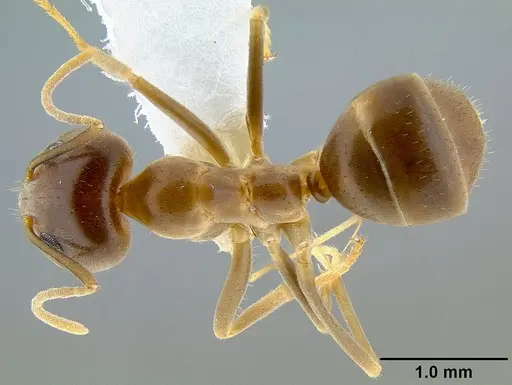
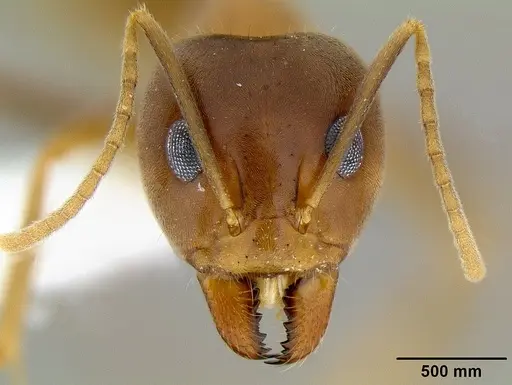
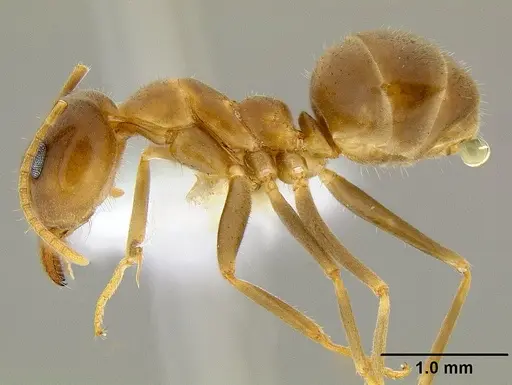
CASENT0118636
View on AntWeb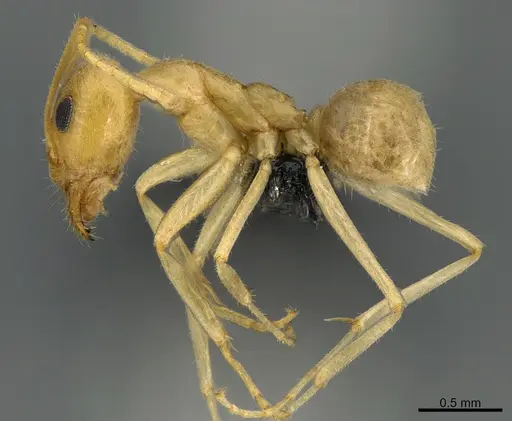
CASENT0249719
View on AntWeb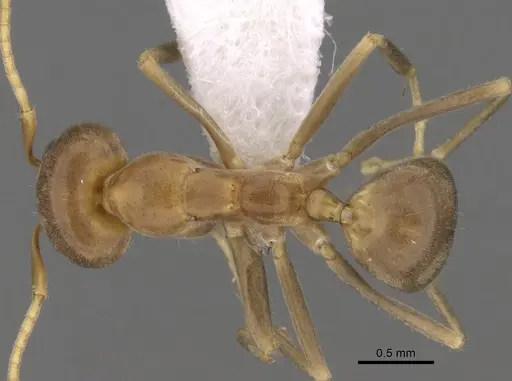
CASENT0903084
View on AntWeb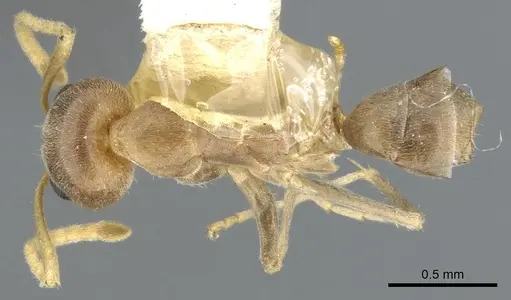
CASENT0909557
View on AntWeb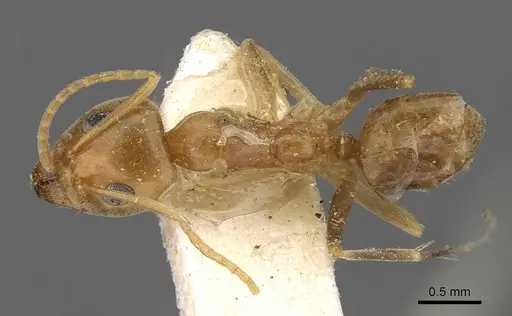
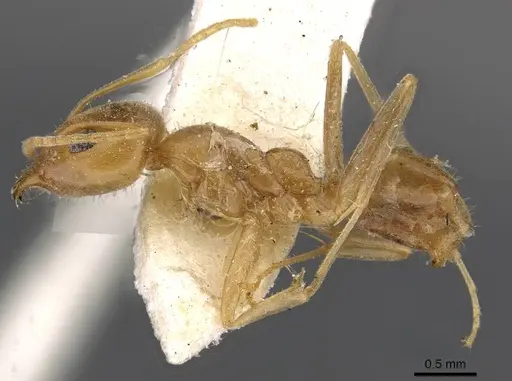
CASENT0909558
View on AntWeb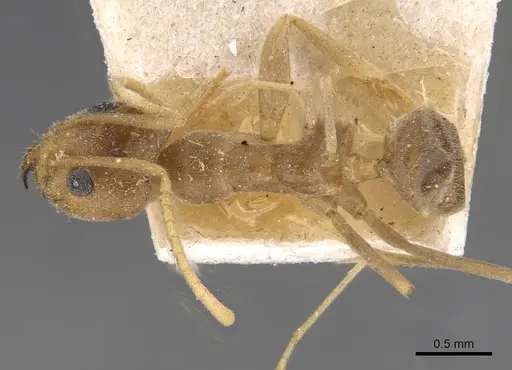
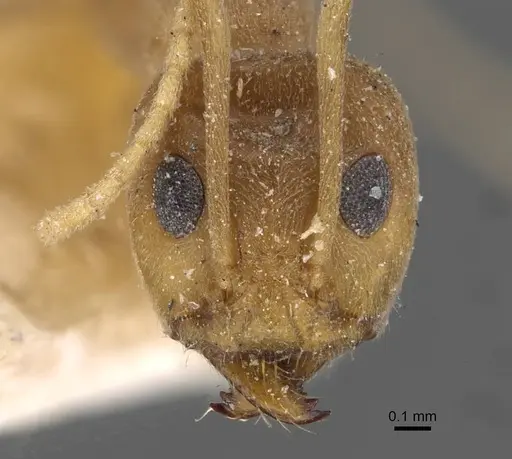
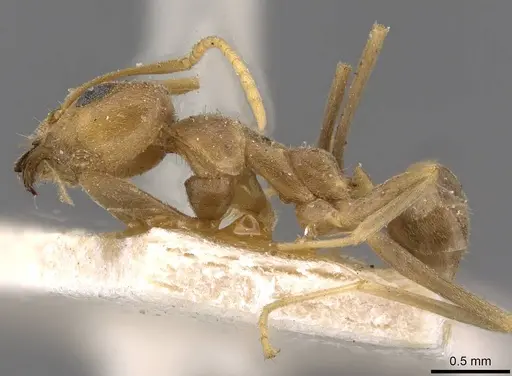
CASTYPE06982
View on AntWeb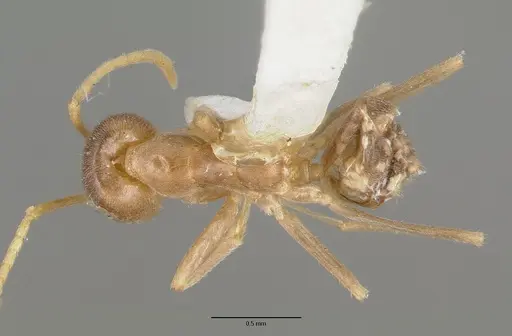
Literature
Loading...Loading products...