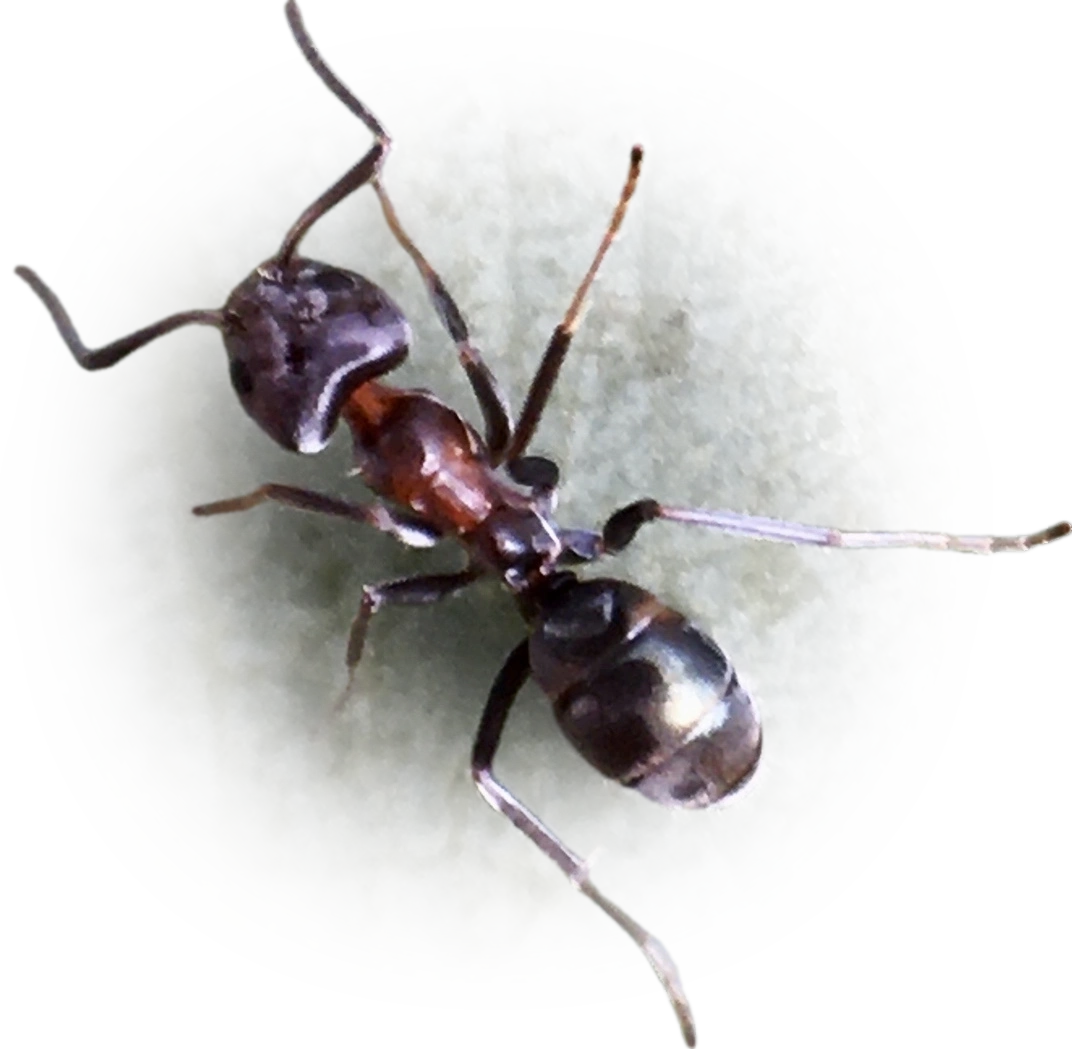

Iridomyrmex rufoniger
- Scientific Name
- Iridomyrmex rufoniger
- Tribe
- Leptomyrmecini
- Subfamily
- Dolichoderinae
- Author
- Lowne, 1865
- Common Name
- Tufted Tyrant Ant
- Distribution
- Found in 1 countries
Iridomyrmex rufoniger Overview
Iridomyrmex rufoniger (commonly known as the Tufted Tyrant Ant) is an ant species of the genus Iridomyrmex. It is primarily documented in 1 countries , including Australia. Detailed taxonomic data and occurrence records can be further explored via authoritative databases such as AntWeb or the Global Biodiversity Information Facility (GBIF).
Iridomyrmex rufoniger - "Tufted Tyrant Ant"
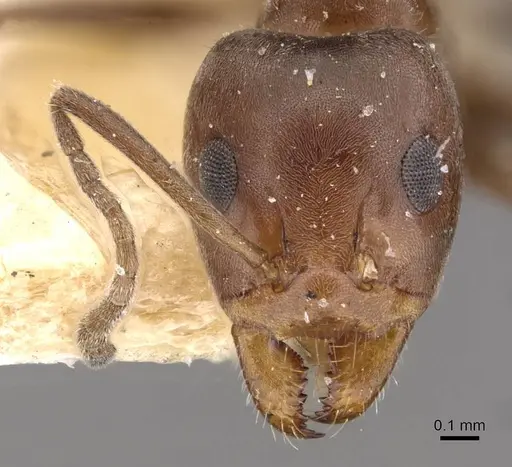
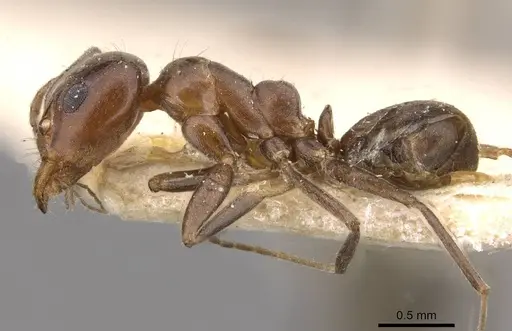
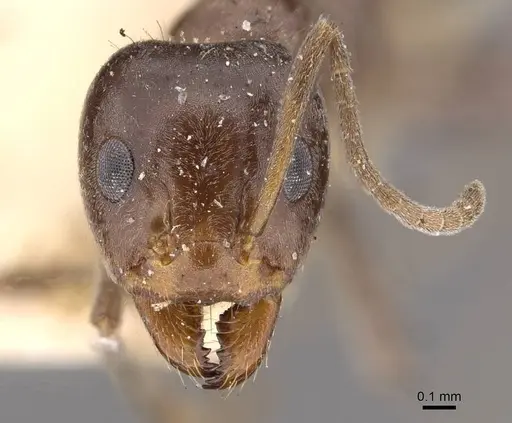
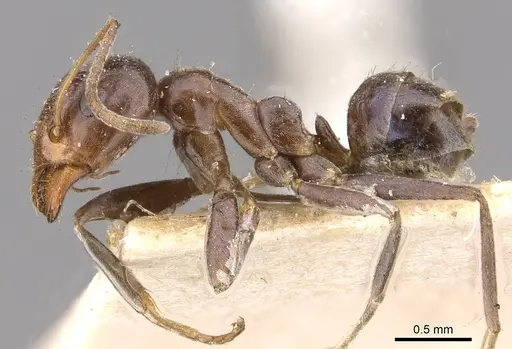
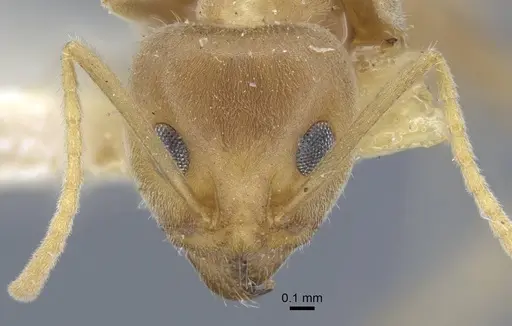
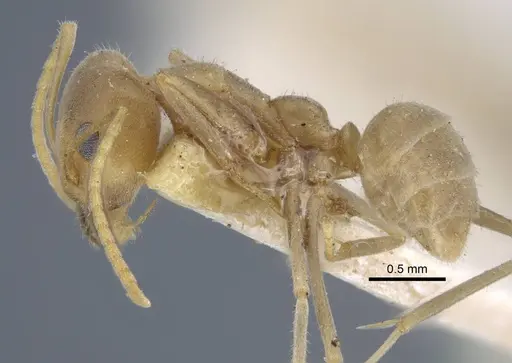
Iridomyrmex rufoniger is a small ant species native to Australia, known for its bluish- to yellowish-green iridescence on the gaster. Workers measure 1.5-4.5 mm in total length [1]. They have a squat, broad-headed appearance with a strongly humped pronotum [2]. This species is dominant wherever it occurs and is known for aggressively defending its nests, earning it the common name 'Tyrant Ant' [1]. It thrives in disturbed areas like mine dumps and urban environments, building numerous nests in soil with crater-shaped entrances [2].
Quick Summary
- Difficulty: Medium
- Origin & Habitat: Native to Australia, found in all mainland states, with records in New Caledonia and Solomon Islands [2][3][4]. Lives in varied habitats from urban paths to dry sclerophyll woodland, preferring semi-arid to arid conditions [2][5].
- Colony Type: Colony structure is unconfirmed, but based on typical Iridomyrmex patterns, likely single-queen colonies with populous nests [2].
- Size & Growth:
- Queen:{.size-link} Size data unavailable, no total length measurements in literature. Inferred from Iridomyrmex genus patterns at ~6-8 mm
- Worker:{.size-link} 1.5-4.5 mm total length [1]
- Colony: Colonies can become populous with many workers, but exact maximum unknown [2]
- Growth: Moderate, based on typical Iridomyrmex development patterns
- Development: Unknown, no direct data available. Based on genus patterns, estimated 6-10 weeks at optimal temperature (Development may vary with temperature and conditions)
- Antkeeping:
- Temperature: Keep warm, roughly 22-28°C, based on thermal studies [6].
- Humidity: Low to moderate, allow substrate to dry between waterings, mimicking semi-arid habitat [2][5].
- Diapause: No, based on geographic range, likely no diapause required.
- Nesting: Soil-nesting species. Provide naturalistic setup with soil substrate or Y-tong/plaster nest. Nests have crater entrances and may be under stones [2].
- Behavior: Highly aggressive and territorial, workers defend nests fiercely when disturbed [1]. Active foragers day and night, climbing plants for nectar and honeydew. Dominant in ant communities, displacing other species [2]. Small size requires excellent escape prevention.
- Common Issues: escape prevention is critical due to very small worker size around 1.5-4.5 mm, aggressive defense means handling requires caution, they will bite, colonies may be slow to establish, patience needed during founding, dominance behavior may stress other ant species kept nearby, dry habitat requirements mean overwatering can be fatal
Housing and Nest Setup
Iridomyrmex rufoniger is a soil-nesting species that does well in naturalistic setups with a soil substrate layer. In the wild, they build nests in soil with crater-shaped entrances, and some nests form under stones [2]. For captive care, a Y-tong or plaster nest with a soil chamber works well. Test tube setups are acceptable for founding colonies but plan to move them to a larger setup as the colony grows. Because workers are small, escape prevention must be excellent, use fine mesh barriers and ensure all connections are tight. These ants do not need high humidity, a relatively dry nest environment mimics their natural semi-arid habitat [5].
Feeding and Diet
In the wild, I. rufoniger has a varied diet. Workers forage for nectar and honeydew, climbing eucalypts and other plants to reach these sugar sources. They tend scale insects (Saisettia oleae) and aphids (Aphis hederae) for honeydew, and also attend the larvae of at least four lycaenid butterfly species [2]. They scavenge dead insects and forage on Leptospermum flowers. For captive care, offer sugar water or honey regularly, along with small insects like fruit flies or small mealworms. Their small size means prey items should be appropriately sized.
Temperature and Seasonal Care
As an Australian species from semi-arid to arid regions, I. rufoniger prefers warm conditions. Keep the nest at roughly 22-28°C, which covers typical room temperature for most keepers [6]. They are active foragers both during the day and at night [2]. Unlike temperate species, they do not require a formal diapause period. Avoid cold conditions and drafts.
Behavior and Colony Dynamics
This species is famously aggressive, known as the 'Tyrant Ant' for its fierce defense of nests when disturbed [1]. Workers will readily bite any intruder that threatens the colony. Colonies are dominant wherever they occur and will displace other ant species [2]. In the wild, they build numerous nests within a given area. They are highly territorial and should be kept away from other ant colonies. The small worker size means excellent escape prevention is essential.
Growth and Development
Colony growth follows typical Iridomyrmex patterns. Founding behavior is unconfirmed, but queens likely seal themselves in a chamber to raise the first brood. Development from egg to worker is unknown, but estimated based on genus patterns. Colonies can become populous over time with many workers. The species is an opportunist that thrives in disturbed areas [5], suggesting colonies can grow robustly when conditions are favorable.
Frequently Asked Questions
How long does it take for Iridomyrmex rufoniger to produce first workers?
No direct data is available. Based on typical Iridomyrmex development patterns, expect 6-10 weeks from egg to first worker at optimal temperature (22-28°C).
Are Iridomyrmex rufoniger good for beginners?
This species is rated as medium difficulty. They are small and require excellent escape prevention. Their aggressive behavior and dominance can be challenging. However, they are resilient and adapt well to various conditions.
What do Iridomyrmex rufoniger eat?
They are opportunistic omnivores. Offer sugar water or honey for carbohydrates, and small insects like fruit flies or small mealworms for protein. In nature they also feed on nectar, honeydew from aphids and scale insects, and scavenge dead insects [2].
Can I keep multiple queens together?
Not recommended. Colony structure is unconfirmed, but based on typical Iridomyrmex patterns, colonies are likely single-queen. Combining unrelated queens has not been documented and would likely result in fighting.
Do Iridomyrmex rufoniger need hibernation?
No, they do not require formal hibernation. As an Australian species from temperate to arid regions, they may reduce activity in cooler months but do not need a diapause period.
How big do Iridomyrmex rufoniger colonies get?
Colonies can become populous with many workers. They are described as opportunist species building populous colonies in disturbed areas [5]. Exact maximum colony size is not documented.
Why is my Iridomyrmex rufoniger colony dying?
Common causes include: escape due to small size (ensure fine mesh barriers), excessive humidity (they prefer dry conditions), cold temperatures (keep warm), or stress from disturbance. Check that the nest is not too damp and temperature is in the 22-28°C range.
What size is Iridomyrmex rufoniger?
Workers measure 1.5-4.5 mm in total length [1]. This makes them one of the smaller Iridomyrmex species and requires fine escape prevention.
Where is Iridomyrmex rufoniger found?
Native to Australia, found in all mainland states. Also recorded in New Caledonia, Solomon Islands, and Samoa. They are particularly common in urban areas, along paths, and in disturbed areas like mine dumps [2][3][4].
Report an Issue
The current care sheet is based fully on literature. See inconsistencies, or something that's incorrect? Please , it will be resolved after review from an admin. Contributing to the blogs tab also helps providing information, to make us be able to further improve the caresheets. Thank you for your support!
References

This caresheet is licensed under CC BY-SA 4.0 .
CASENT0249731
View on AntWeb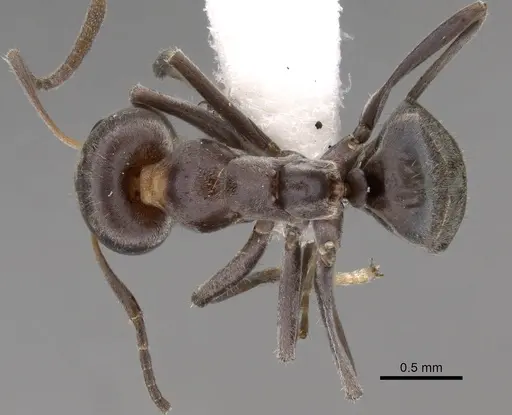
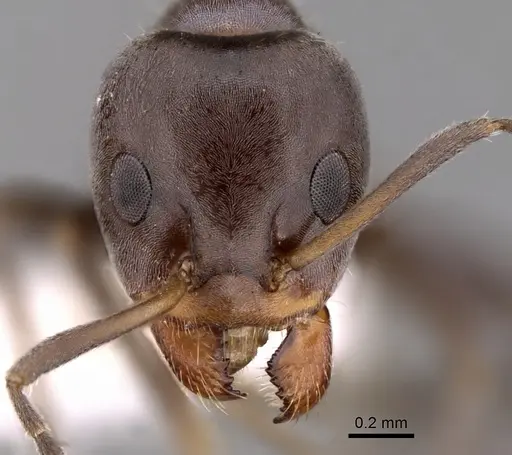
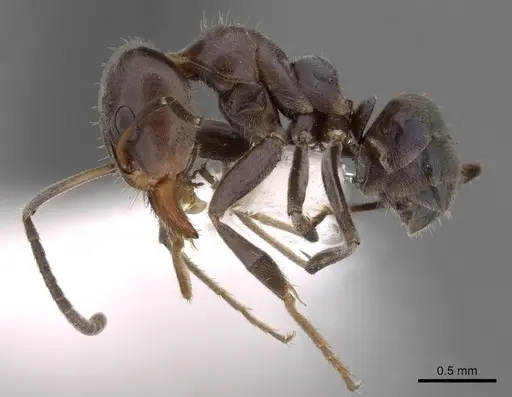
CASENT0909555
View on AntWeb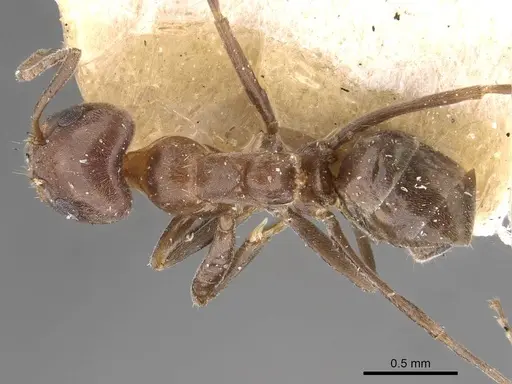
CASENT0909556
View on AntWeb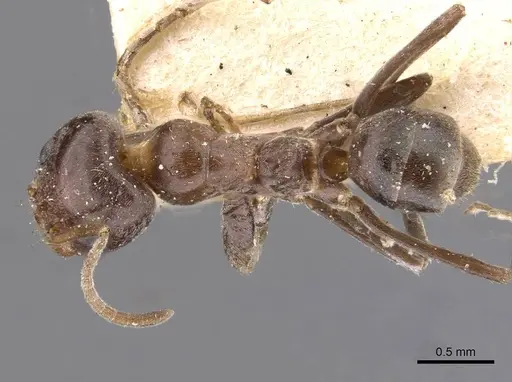
CASENT0917108
View on AntWeb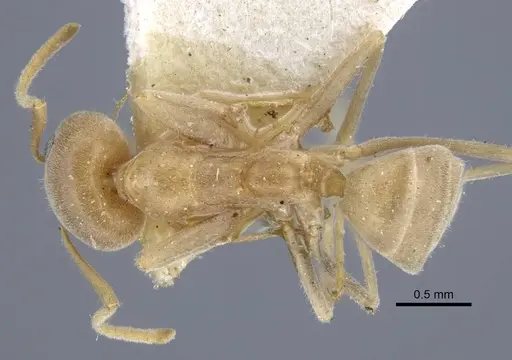
Literature
Loading...Loading products...