

Iridomyrmex conifer
- Scientific Name
- Iridomyrmex conifer
- Tribe
- Leptomyrmecini
- Subfamily
- Dolichoderinae
- Author
- Forel, 1902
- Distribution
- Found in 1 countries
Iridomyrmex conifer Overview
Iridomyrmex conifer is an ant species of the genus Iridomyrmex. It is primarily documented in 1 countries , including Australia. Detailed taxonomic data and occurrence records can be further explored via authoritative databases such as AntWeb or the Global Biodiversity Information Facility (GBIF).
Iridomyrmex conifer
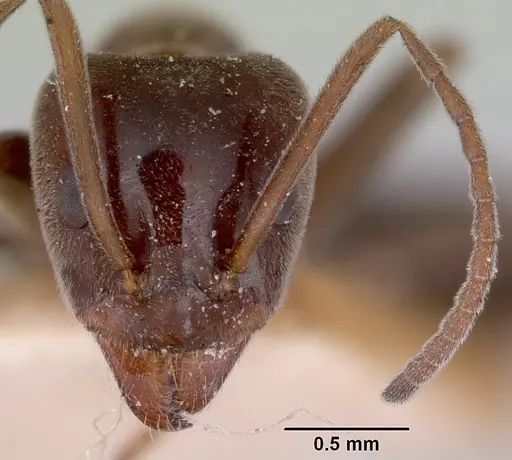
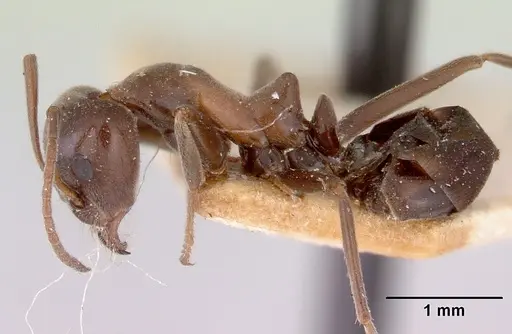
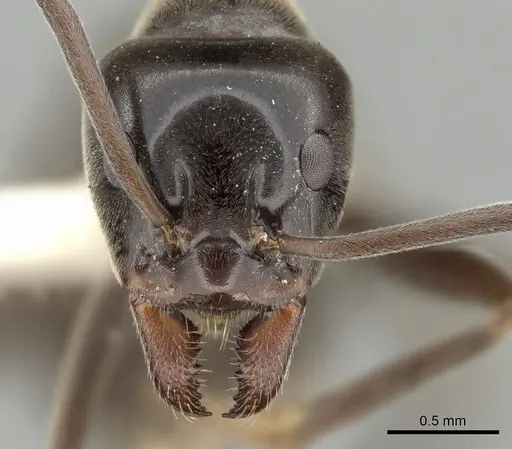
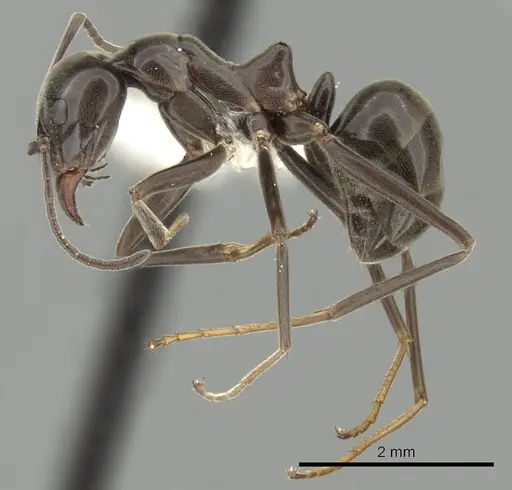
Iridomyrmex conifer is a medium-sized Australian ant known for its distinctive triangular propodeum (the rear body section) that sets it apart from other Iridomyrmex species. Workers measure 1.05-1.38mm in head width and display a reddish-brown to reddish-black coloration with yellowish erect hairs. This species is famous for its unique seasonal nesting behavior: it builds above-ground thatched mound nests during winter and switches to subterranean nests in summer. Found exclusively in coastal and near-coastal areas of southwestern Australia, particularly around Perth and the south/southeast coasts, these ants thrive in sandy soils and have the broadest distribution of any species in the I. conifer group [1][2].
What makes I. conifer truly fascinating is its remarkable adaptation to temperature extremes. During hot summer months, these ants construct deep underground chambers up to 60cm below the surface, always within 1m of a food source. When winter arrives, they build distinctive thatched mounds from grasses, Casuarina twigs, and other plant material, positioning these nests in sunny open areas up to 12m from food sources. This seasonal migration between nest types is triggered by temperature changes, they begin underground excavation when daily maximum temperatures exceed 20°C for several days, and return to mound-building when temperatures drop below 20°C [1].
Quick Summary
- Difficulty: Medium
- Origin & Habitat: Southwestern Australia, primarily coastal areas within 50km of the coast (most records within 30km), from Perth region east to Albany and Israelite Bay. Found in sandy soils, particularly in Banksia sandplain and coastal heathland environments [1][2].
- Colony Type: Polygynous colonies with one fertile queen and 2-3 non-reproductive queens (often alate). Colonies reproduce through budding, where a fertile dealate female moves to a new location with workers, larvae, and pupae. Nuptial flights have not been observed, fertilization likely occurs in or on the nest surface [1].
- Colony: Polygyne
- Size & Growth:
- Queen: Not directly measured in primary literature, estimated 6-8mm based on genus patterns
- Worker: 1.05-1.38mm head width,1.08-1.35mm head length [1][3]
- Colony: Colony size not explicitly documented, but established nests contain multiple queens and large worker populations. Related Iridomyrmex species typically reach several thousand workers.
- Growth: Moderate, development timeline not directly studied but estimated 6-10 weeks from egg to worker based on genus patterns for Dolichoderinae
- Development: Estimated 6-10 weeks based on typical Dolichoderinae development patterns (Larvae and pupae present year-round in established colonies. Development likely faster in warmer summer months when colonies are most active.)
- Antkeeping:
- Temperature: Keep nest area at 22-32°C for optimal foraging activity. Foraging slows above 32°C and ceases entirely above 40°C. In captivity, provide a temperature gradient allowing workers to self-regulate. Room temperature (20-24°C) is suitable, with a slight warm area (around 28°C) beneficial for brood development [1].
- Humidity: Moderate humidity is appropriate. These ants naturally experience Mediterranean climate with dry summers and wet winters. Keep nest substrate lightly moist but not waterlogged. Provide a water tube as a constant moisture source. The summer subterranean nests suggest they tolerate and prefer drier conditions underground, while mound nests in winter would have some moisture from dew and rain [1].
- Diapause: Partial winter slowdown rather than true diapause. In their native habitat, colonies reduce activity during winter months (May-August) when building mound nests. However, they remain active within the mound structure and do not enter full hibernation. Keep them at slightly cooler temperatures (15-18°C) during winter months if possible, but avoid cold shocking them [1].
- Nesting: Provide options for both nest types. A test tube setup works for founding colonies, but established colonies benefit from a formicarium with both a humid chamber (for summer) and a dry, warm area (simulating the mound). These ants are medium-sized and can use standard acrylic or Y-tong nests. Given their unique seasonal behavior, consider providing a shallow foraging area with plant material they can use for mound construction, this encourages natural building behaviors [1].
- Behavior: Generally non-aggressive and more focused on foraging than defending territory. Workers are primarily nectarivorous but will scavenge dead insects, small invertebrates, and even tiny vertebrate remains. They actively tend honeydew-producing insects (Hemiptera) and exclude other ant species from these food sources during the day. Foraging activity peaks between 22-32°C and ceases above 40°C. Workers are moderate in size (1.05-1.38mm HW) and can be contained with standard escape prevention, though they are agile and may explore for gaps. They do not possess a sting but can bite and secrete defensive chemicals from their anal gland, however, they are not considered dangerous to humans [1][3].
- Common Issues: temperature management is critical, they will stop foraging above 32°C and become stressed above 40°C, colonies may fail if kept too cold continuously, they need warm conditions for brood development, their seasonal nesting behavior may be difficult to replicate in captivity, potentially causing stress, wild-caught colonies may have parasites or diseases that can decimate captive populations, they are highly active foragers and may escape if enclosure gaps are not sealed properly
Nest Preferences and Seasonal Behavior
Iridomyrmex conifer displays one of the most unique nesting behaviors among Australian ants. During summer (roughly October through April in their native range), they construct subterranean nests up to 60cm deep, with multiple chambers connected by passageways. These summer nests are always located within easy foraging distance, typically no more than 1m from a food source, and are positioned in shaded, sheltered areas near trees, shrubs, or succulents that host honeydew-producing insects [1].
As temperatures drop in autumn, colonies transition to building above-ground thatched mound nests. These mounds are constructed from grasses, Casuarina cladodes, small twigs, and leaves, all interwoven with sand grains. The workers waterproof the exterior of these mounds using glandular secretions, applying them by touching the mound surface with the underside of their mandibles while moving their heads side-to-side. These winter mounds are always positioned in sunny, open areas with northern exposure to maximize solar radiation, and can be located up to 12m from food sources [1].
For captive care, replicate this by providing a formicarium with both humid underground-style chambers and a dry, warm surface area where they can construct mound-like structures. Including small plant materials (grasses, small twigs) in the foraging area encourages natural building behavior.
Feeding and Diet
These ants are primarily nectarivorous, with workers foraging extensively on floral nectar from Banksia, Myrtaceae, and Xanthorrhoea preissii. They actively tend honeydew-producing Hemiptera including aphids, scale insects, and psyllids, and will aggressively exclude other ant species (like Dolichoderus and Camponotus) from these honeydew sources during daylight hours [1].
In captivity, offer sugar water or honey water as a constant food source. They will also readily accept protein in the form of small insects (fruit flies, small crickets, mealworms), and will scavenge dead arthropods. Occasional offerings of very small pieces of raw meat or fish may be accepted. Their workers are not aggressive predators but will scavenge protein opportunistically. Feed sugar sources continuously and offer protein 2-3 times per week. Remove uneaten protein after 24-48 hours to prevent mold [1][3].
Temperature and Seasonal Care
Temperature is the most critical factor in keeping Iridomyrmex conifer successfully. Workers forage most actively between 22-32°C, with foraging activity decreasing above 32°C and stopping entirely above 40°C. During summer, they normally cease foraging between 1100 and 1600 hours when temperatures peak [1].
Maintain your colony at 22-28°C for optimal growth and activity. Provide a temperature gradient so workers can self-regulate, a warm end around 28°C and a cooler area around 22°C. In winter (May-August in the Southern Hemisphere), you can reduce temperatures slightly to 15-18°C to simulate their natural seasonal slowdown, but avoid prolonged cold exposure below 15°C. The seasonal temperature changes trigger their unique nesting behavior, if kept at constant warm temperatures year-round, they may not exhibit natural mound-building instincts [1].
Colony Structure and Reproduction
Iridomyrmex conifer colonies are polygynous, typically containing one actively reproductive queen alongside 2-3 non-reproductive queens (often alate/winged). Unlike many ant species that have dramatic nuptial flights, this species reproduces primarily through budding, a fertile dealate (wingless) queen moves from the parental nest to establish a new colony, accompanied by a large group of workers plus larvae and pupae [1].
Nuptial flights have never been observed, suggesting mating likely occurs within the nest or on the nest surface. Winged males are frequently observed on nests and can fly significant distances, specimens have been collected 600m from the nearest known colonies. Larvae and pupae are present year-round in established colonies, indicating continuous brood production with seasonal variation in intensity [1].
For antkeepers, this means you cannot expect a dramatic nuptial flight event. If you acquire a colony, expect it to contain multiple queens. Do not combine unrelated colonies as this species has not been studied for interspecific aggression.
Frequently Asked Questions
How long does it take for Iridomyrmex conifer to produce first workers?
The exact development timeline has not been directly studied, but based on typical Dolichoderinae development patterns, expect 6-10 weeks from egg to first worker at optimal temperatures (24-28°C). Established colonies maintain brood year-round, so you should see continuous development once the colony is settled.
Can I keep Iridomyrmex conifer in a test tube setup?
Yes, test tubes work well for founding colonies and small established colonies. However, given their unique seasonal nesting behavior, consider transitioning them to a formicarium as they grow. A setup that provides both humid chambers (for summer) and a dry surface area (for potential mound-building) is ideal.
What do Iridomyrmex conifer ants eat?
They are primarily nectar feeders. In captivity, provide constant access to sugar water or honey water. They also readily accept small insects and will scavenge dead arthropods. Offer protein (small crickets, fruit flies, mealworms) 2-3 times per week.
Do Iridomyrmex conifer need hibernation?
They do not require true hibernation but benefit from a cooler winter period. In their native southwestern Australian habitat, colonies reduce activity during winter months (May-August) while remaining active within their mound nests. Reduce temperatures to 15-18°C during winter if possible, but avoid cold shocking them below 15°C.
How big do Iridomyrmex conifer colonies get?
Colony size has not been directly documented, but based on related species patterns and the polygynous structure (multiple queens), mature colonies likely reach several thousand workers. The presence of multiple queens and continuous brood production supports substantial colony growth over time.
Why do my Iridomyrmex conifer keep trying to build mounds?
This is completely normal behavior! Iridomyrmex conifer naturally builds thatched mound nests during winter months. If your colony is building with plant materials in the foraging area, it likely means the temperature has dropped enough to trigger their seasonal instinct. This is actually a sign of healthy, content ants expressing natural behaviors.
Are Iridomyrmex conifer good for beginners?
They are rated as medium difficulty. While not as challenging as some species, they have specific temperature requirements (active between 22-32°C, stressed above 40°C) and unique seasonal nesting behaviors that require some attention. Their non-aggressive nature and interesting behaviors make them rewarding for keepers willing to manage temperature carefully.
Can I keep multiple queens together in one colony?
Yes, this is natural for the species. Established colonies typically contain one fertile queen along with 2-3 non-reproductive queens. However, if you are starting with multiple unrelated foundresses, combining them is not recommended as this has not been studied and unrelated queens may fight.
Why did my Iridomyrmex conifer stop foraging?
Check your temperatures first. Foraging activity drops significantly above 32°C and stops entirely above 40°C. If your setup is too hot, move the colony to a cooler location. Other causes include insufficient sugar (they need constant access), too cold temperatures (below 15°C slows them dramatically), or colony stress from recent transport.
References

This caresheet is licensed under CC BY-SA 4.0 .
CASENT0172061
View on AntWeb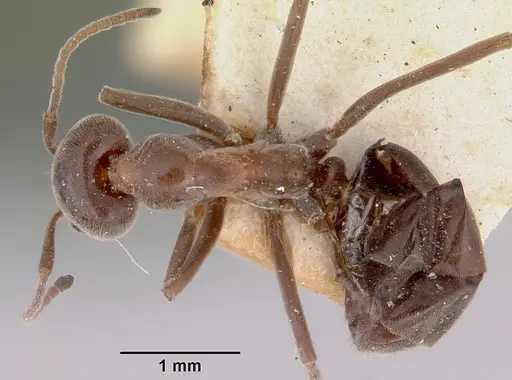
CASENT0249714
View on AntWeb
Literature
Loading...Loading products...