

Iridomyrmex alpinus
- Scientific Name
- Iridomyrmex alpinus
- Tribe
- Leptomyrmecini
- Subfamily
- Dolichoderinae
- Author
- Heterick & Shattuck, 2011
- Distribution
- Found in 1 countries
Iridomyrmex alpinus Overview
Iridomyrmex alpinus is an ant species of the genus Iridomyrmex. It is primarily documented in 1 countries , including Australia. Detailed taxonomic data and occurrence records can be further explored via authoritative databases such as AntWeb or the Global Biodiversity Information Facility (GBIF).
Iridomyrmex alpinus
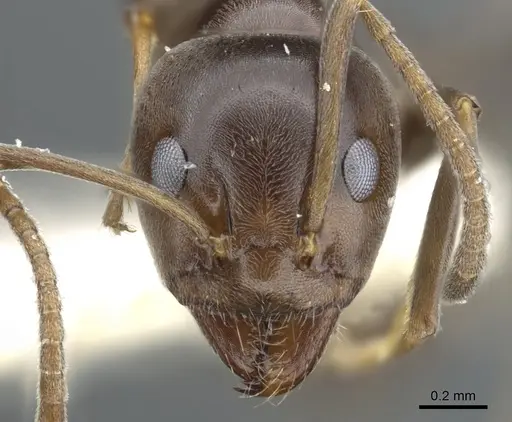
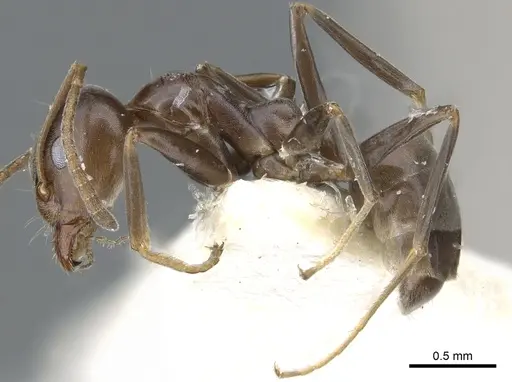
Iridomyrmex alpinus is a medium-sized ant native to the cool, wet regions of southeastern Australia. Workers measure 0.75-1.12mm in head width and have a distinctive medium brown to black coloration [1]. This species is remarkably adaptable, found from sea level up to alpine elevations exceeding 2000m in New South Wales, Victoria, and Tasmania. Unlike most Iridomyrmex species, these ants thrive in very wet conditions and are often found nesting adjacent to waterways or in sphagnum moss [2].
What makes I. alpinus stand out is its tolerance for cold, damp conditions that would stress most ant species. They nest in remarkable variety, under stones, in rotting wood, under leaf litter, or directly in wet soil. One specimen was even found in the nest of a stick ant, showing their flexible nesting habits [2]. This species plays an important role in the eastern Australian ant fauna, particularly in habitats where few ant species can survive.
Quick Summary
- Difficulty: Medium
- Origin & Habitat: Montane and alpine regions of New South Wales, Victoria, and Tasmania in Australia. Found in alpine meadows, rainforest edges, and wet sclerophyll forest [1][2].
- Colony Type: Colony structure is not well-documented in scientific literature. Based on typical Iridomyrmex patterns, likely single-queen (monogyne) colonies.
- Colony: Monogyne
- Founding: Claustral
- Size & Growth:
- Queen: Not directly measured in available literature, estimated 10-12mm based on genus patterns
- Worker: 0.75-1.12mm head width (HL 0.82-1.13mm) [1]
- Colony: Colony size data not available, likely moderate colonies based on genus patterns
- Growth: Moderate, inferred from temperate climate adaptations
- Development: 8-12 weeks, estimated based on related Iridomyrmex species and cool climate (Development likely slower due to cold native habitat, expect extended timelines compared to tropical species)
- Antkeeping:
- Temperature: Keep cool: 15-22°C. This species naturally tolerates cold, avoid overheating. Room temperature is often ideal. A slight gradient allows workers to choose their preferred zone [1].
- Humidity: High humidity required, these ants naturally live in very wet conditions. Keep nest substrate consistently moist but not waterlogged. Mist occasionally and provide a water tube. They tolerate wet soil better than most ants [2].
- Diapause: Yes, likely requires winter dormancy given alpine distribution. Reduce temperature to 10-15°C for 2-3 months during winter months. Keep slightly moist during this period.
- Nesting: Prefers damp nest conditions. Y-tong (AAC) nests work well, the moisture-retaining properties help maintain humidity. Alternatively, a naturalistic setup with damp soil, stones, and rotting wood mimics their natural nesting sites. Avoid completely dry environments.
- Behavior: Workers forage in leaf litter and on vegetation. They are typical Iridomyrmex in temperament, moderately active and not particularly aggressive. Escape risk is moderate given their medium size, standard barriers work well. They likely tend aphids for honeydew like other Iridomyrmex species.
- Common Issues: overheating, these cold-adapted ants suffer in warm conditions above 25°C, dry conditions, they need consistent moisture unlike many ants that prefer drier nests, colonies may grow slowly due to cold-adapted biology, patience is required, escape prevention is still important though they are not strong climbers like some species
Temperature and Cooling Needs
Iridomyrmex alpinus is one of the few ant species that actually prefers cooler conditions. Native to alpine and montane regions of southeastern Australia, these ants have evolved to thrive in temperatures that would slow down or kill most tropical ant species. Keep their nest in the range of 15-22°C, room temperature is often perfect for them. Avoid placing the nest near heat sources or in direct sunlight. If your room runs warm, consider using a small fan or positioning the nest in a cooler area of your home. Signs of overheating include workers clustering away from the heat source and reduced activity. Unlike most ant species where warmer temperatures speed up development, this species may actually develop more slowly in consistently warm conditions. The key is stable, cool temperatures rather than trying to speed up their growth. [1][2]
Humidity and Moisture Requirements
This species stands out for its love of wet conditions. Unlike most ants that you keep relatively dry, I. alpinus needs consistent moisture. They naturally nest in sphagnum moss, wet soil adjacent to waterways, and in rainforest edge habitats [2]. Keep the nest substrate damp to the touch, think of a wrung-out sponge rather than a soaked one. A water tube attached to the formicarium helps maintain humidity through evaporation. The Y-tong (AAC) style nests work particularly well because they retain moisture better than acrylic nests. You can also lightly mist the nest occasionally, but avoid creating standing water. These ants are unusual in that they tolerate (and prefer) wet soil, this is actually a feature, not a problem. Just ensure there's no actual flooding.
Nesting Preferences
In the wild, Iridomyrmex alpinus shows remarkable flexibility in where it nests. They've been found under stones, in rotting wood, buried in piles of dead leaves and twigs, directly in sphagnum moss, and even in simple holes in the ground [2]. Mature colonies sometimes build mound-shaped nest entrances. For captivity, mimic these natural preferences with a setup that stays damp. A Y-tong nest with moist substrate works well, the ants can burrow into the material just as they would in nature. You could also create a naturalistic setup with damp soil, some flat stones on top for cover, and pieces of rotting wood. The key is providing a damp, cool environment with some cover. They don't need elaborate tunnel systems, they simply need moist spaces they can move through.
Feeding and Diet
Like other Iridomyrmex species, these are likely omnivores with a preference for sweet liquids and protein. Feed them sugar water or honey water regularly, a small dish or cotton ball soaked in sweet solution works well. For protein, offer small insects like fruit flies, small mealworms, or cricket pieces. They probably tend aphids for honeydew in captivity too, if you keep any aphid-infested plants nearby, you may see them farming these. Feed protein 2-3 times per week and keep sugar water available constantly. Remove any uneaten prey after 24-48 hours to prevent mold. Given their cold-adapted biology, they may eat less frequently than tropical species, watch for how quickly they consume food and adjust accordingly.
Winter Care and Diapause
Given their alpine distribution in the wild, these ants almost certainly need a winter rest period. During the colder months (roughly June-August in the Southern Hemisphere, or December-February if you're in the Northern Hemisphere), reduce the temperature to 10-15°C. You can move them to an unheated garage, basement, or refrigerator (not freezer). Keep the nest slightly moist during this period, don't let it dry out completely, but reduce watering frequency. The colony will slow down significantly and may cluster together for warmth. This dormancy period is important for their health and may trigger reproductive behavior in the spring. After winter, gradually warm them back up to their normal 15-22°C range. [1][2]
Behavior and Temperament
Iridomyrmex alpinus workers are moderately active foragers, collecting food in leaf litter and on low vegetation [2]. They are not particularly aggressive toward keepers, typical Iridomyrmex temperament means they will defend their nest if threatened but won't actively chase or attack unnecessarily. Workers are medium-sized (0.75-1.12mm head width) and good climbers, though not as escape-artist prone as some tiny species. Standard escape prevention with fluon barriers on smooth surfaces works well. They don't have a painful sting, while they can technically sting, their venom is mild and they rarely use it against humans. The colony will likely establish a single nest site and expand gradually as the colony grows.
Frequently Asked Questions
What temperature do Iridomyrmex alpinus ants need?
Keep them cool at 15-22°C. These alpine ants prefer temperatures that would be too cold for most ant species. Room temperature is often ideal, avoid heat sources and direct sunlight.
Do Iridomyrmex alpinus ants need high humidity?
Yes, they need consistently moist conditions unlike most ants. Keep the nest substrate damp but not waterlogged. They naturally live in wet habitats and even nest in sphagnum moss and wet soil.
How long does it take for Iridomyrmex alpinus to develop from egg to worker?
Estimated 8-12 weeks based on related Iridomyrmex species and their cold-adapted biology. Expect slower development than tropical species due to their native cool climate.
Do Iridomyrmex alpinus ants need hibernation?
Yes, given their alpine distribution, they require a winter dormancy period. Reduce temperature to 10-15°C for 2-3 months during winter and keep the nest slightly moist.
What do Iridomyrmex alpinus ants eat?
Feed sugar water or honey water as a constant food source. Offer protein (small insects like fruit flies, mealworms) 2-3 times per week. They likely also accept honeydew from aphids.
Are Iridomyrmex alpinus ants good for beginners?
Medium difficulty, their need for cool, damp conditions is the opposite of most beginner ant setups. If you can provide the right temperature and humidity, they are rewarding. Not ideal as a first ant unless you're prepared for their specific needs.
What size are Iridomyrmex alpinus workers?
Workers measure 0.75-1.12mm in head width (HL 0.82-1.13mm). They are medium-sized ants, larger than many house ants but not among the biggest species.
Where is Iridomyrmex alpinus native to?
Southeastern Australia, specifically New South Wales, Victoria, and Tasmania. They are found in alpine and montane areas, including elevations exceeding 2000m.
Can I keep multiple Iridomyrmex alpinus queens together?
Not recommended, Iridomyrmex species are typically single-queen colonies. Combining unrelated queens has not been documented and would likely result in fighting.
What nest type is best for Iridomyrmex alpinus?
Y-tong (AAC) nests work well because they retain moisture. Alternatively, a naturalistic setup with damp soil, stones, and rotting wood mimics their natural nesting sites. Avoid dry acrylic nests.
Why is my Iridomyrmex alpinus colony dying?
The most common causes are overheating (temperatures above 25°C) or dry conditions. These cold-adapted, moisture-loving ants suffer in warm, dry environments. Check your temperature and humidity levels first.
References

This caresheet is licensed under CC BY-SA 4.0 .
CASENT0249716
View on AntWeb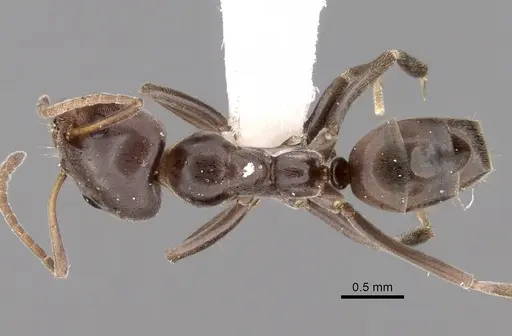
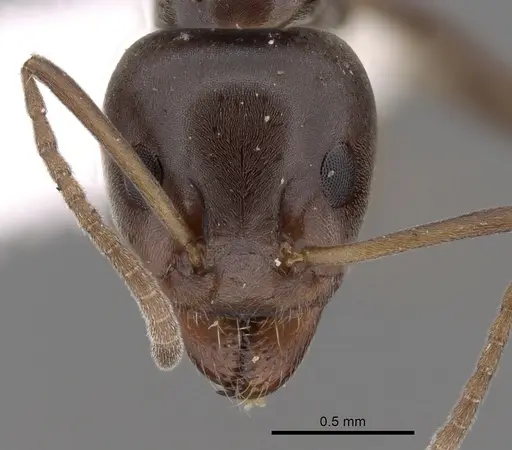
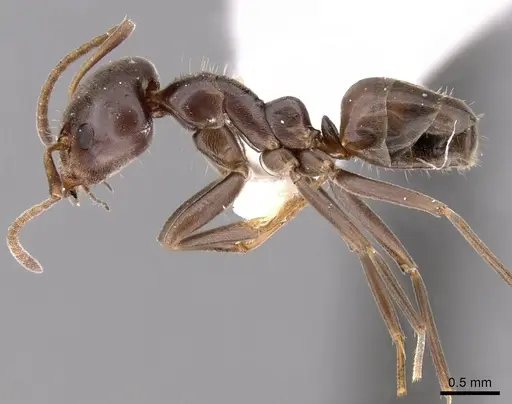
CASENT0903092
View on AntWeb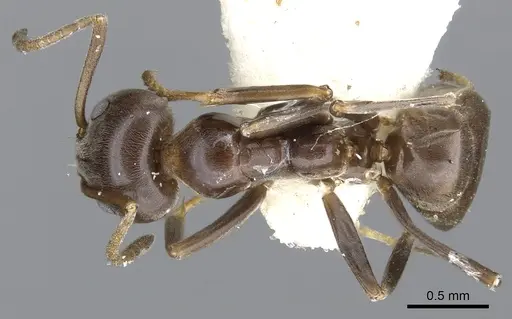
Literature
Loading...Loading products...