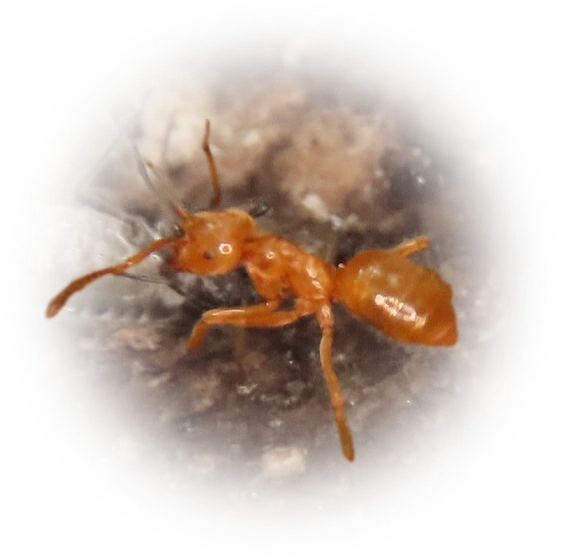
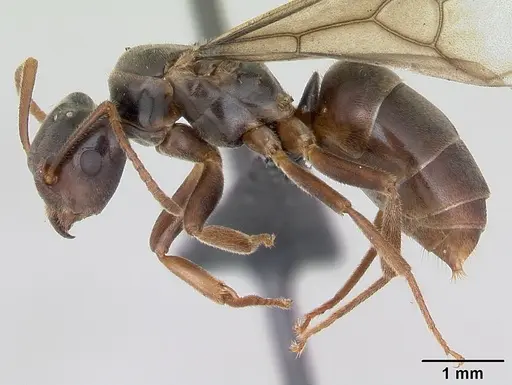
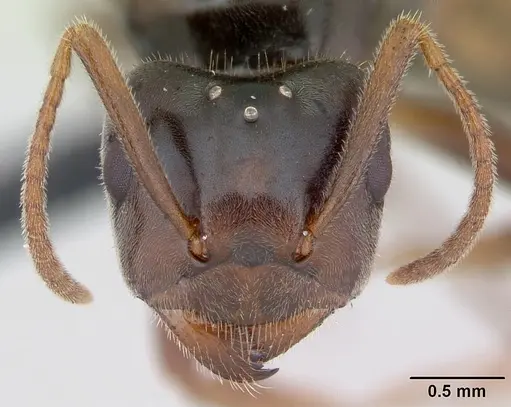
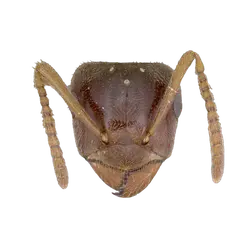
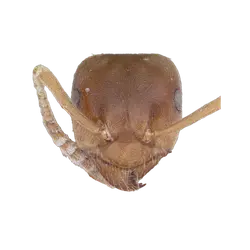
Lasius meridionalis - "Southern Wood Ant (also 'Higenaga-ameiro-ke-ari' in Japanese)"
Lasius meridionalis, often called the Southern Wood Ant, is a small, pale yellow ant that can be tricky to distinguish from other similar yellow Lasius species like L. flavus, L. mixtus, L. sabularum, and L. umbratus. These ants typically measure between 3.5 to 5 millimeters in length, with an elongated body divided into the head, thorax, and abdomen. Their heads are slightly longer than wide with rounded sides and very small eyes. They are known for their subterranean lifestyle, with workers rarely seen above ground. An interesting behavior noted in L. meridionalis males is their ability to pick up objects and feed themselves, which is quite unusual for male ants.
- Difficulty: Medium
- Origin & Habitat: Europe and Japan, with records in Southern Europe, North Europe, and parts of Asia. in Lowland sandy heaths, forests, forest margins, and sandy xerothermous grasslands. They are also found in woodland environments, nesting in soil or under stones, and can inhabit areas with rich vegetation. In Europe, nests are often in the ground with low earth mounds, while in Japan, they can be found in tree trunks near roots..
- Colony Type: Monogyne, though sometimes several queens may invade the same host nest during founding., temporary parasitic (queens invade established nests of host species). principal hosts include lasius psammophilus, and possibly lasius alienus, lasius hayashi, lasius japonicus, and lasius niger (though some hosts are unconfirmed). founding.
- Size & Growth:
- Queen: Not specified
- Worker: 3.5-5mm
- Colony: Large (tens of thousands, potentially up to 100,000 individuals).. Medium, with a single queen laying up to 50 eggs per day, contributing to rapid colony growth. growth.
- Antkeeping:
- Temperature: A stable temperature, ideally around 20-24°C, is generally good for Lasius species, aiding brood development. While specific data for L. meridionalis is limited, related Lasius species thrive at around 25°C..
- Humidity: These ants require a humid environment. Related Lasius species prefer moisture levels from 10% to 50%, and don't like dry climates..
- Diapause: Required. 3-5 months at 5-10°C.
- Nesting: Given their natural preference for nesting in soil, often with low earth mounds or under stones, a natural setup like a dirt nest or a plaster/Ytong nest with good humidity retention would be suitable. They are subterranean, so visibility may be limited..
- Behavior: Low (towards handler, primarily defensive bite if provoked, not known to sting). aggressiveness.
- Common Issues: Host colony rejection during founding, Humidity fluctuations, Mold in nest, Queen stress during parasitic founding.
One of the most crucial aspects of keeping Lasius meridionalis is their temporary parasitic founding method. This means a queen cannot start a colony on her own; she needs to invade an existing nest of a host species, typically Lasius psammophilus, and potentially others like Lasius alienus or Lasius niger. This makes founding these colonies significantly more challenging for antkeepers compared to fully claustral species. You'll need to acquire a queen and introduce her to a small host colony, mimicking the natural process of adoption, where the queen will often carry a host worker to acquire the nest's scent.
Because Lasius meridionalis workers are rarely seen above ground in their natural habitat, preferring to forage principally on honeydew from root-feeding aphids and other bugs, providing a consistent and varied sugar source is paramount. They are primarily subterranean foragers, so an outworld might see less activity than with other Lasius species. Consider offering various sugar solutions, diluted honey, or even fruit to ensure they receive adequate carbohydrates. Supplementing with small insect protein is also important for brood development, though their main diet in the wild consists of honeydew.
Lasius meridionalis is a relatively rare species, particularly in some parts of its European range where it's considered nationally scarce. This rarity can make obtaining a queen or a starter colony quite difficult. If you manage to acquire one, be prepared for a long-term commitment, as Lasius colonies can live for many years, with some reported to survive up to 20 years. Their colonies can also grow quite large, potentially reaching populations of 100,000 workers, so planning for future expansion of their formicarium is essential.
Given their preference for sandy habitats and subterranean nesting, the choice of nest setup is vital. A formicarium that allows for a deep substrate of sand or a mix of sand and loam would be ideal to replicate their natural environment. Ensuring proper humidity gradients within the nest is also critical, as they don't thrive in overly dry conditions. Misting part of the substrate or using a nest with a dedicated water reservoir can help maintain the necessary moisture levels without creating stagnant conditions that might lead to mold.
Despite their complex founding method, Lasius species in general are considered hardy and forgiving once established, making them a good option for antkeepers willing to take on the parasitic founding challenge. They are generally active and do not reject food, which can make their care quite rewarding once the colony is past its initial delicate founding stages. Observing their intricate social behaviors and the sheer scale of a mature colony can be a truly captivating experience for any dedicated ant enthusiast.
Frequently Asked Questions
What's the best way to start a Lasius meridionalis colony?
Starting a Lasius meridionalis colony is an advanced antkeeping challenge because their queens are temporary social parasites. This means a queen cannot raise her first brood alone; she needs to be introduced to a small, established host colony of another Lasius species, such as Lasius psammophilus, or possibly Lasius alienus or Lasius niger. The queen will invade the host nest and eventually take over, using the host workers to raise her own brood. It's a delicate process, so research thoroughly on temporary social parasitism before attempting it!
What kind of nest setup does Lasius meridionalis need?
These Southern Wood Ants are primarily subterranean, meaning they live mostly underground. So, for a formicarium, you'll want a setup that mimics their natural sandy heath or woodland soil environments. A naturalistic dirt nest or a plaster/Ytong nest that allows for deep substrate and good humidity gradients would be ideal. An outworld can be connected for foraging, but expect most of their activity to be hidden underground.
What do Lasius meridionalis ants eat?
In the wild, Lasius meridionalis workers largely feed on honeydew from root-feeding aphids and other small bugs they find underground. For your colony, this translates to needing a consistent supply of sugary foods like sugar water or diluted honey. Don't forget to offer small insect protein regularly, like fruit flies or small roaches, especially for the queen and developing brood, as they are omnivorous.
Do Lasius meridionalis queens do pleometrosis?
Yes, while typically monogyne (single queen colonies) as adults, Lasius meridionalis queens can engage in pleometrosis during the founding stage. This means multiple queens might cooperate to start a colony within a host nest, though often only one queen survives long-term. This strategy can boost initial brood production, but queen fights usually lead to a single reigning queen eventually.
Is Lasius meridionalis a good species for beginners?
Unfortunately, Lasius meridionalis is generally not recommended for beginner antkeepers. Their temporary parasitic founding method adds a significant layer of complexity, requiring a host colony to even begin. While Lasius species in general are hardy, the specialized founding makes L. meridionalis more suited for experienced enthusiasts looking for a challenge in their antkeeping journey.
How big do Lasius meridionalis colonies get?
These colonies can grow quite large over time! Estimates suggest they can reach impressive populations of up to 100,000 individuals, making them a substantial colony to care for once fully established. Be prepared for a growing setup if you plan to keep them long-term.
Do Lasius meridionalis need to hibernate?
Yes, like many temperate Lasius species, Lasius meridionalis requires a diapause period (hibernation) during the cooler months. This is crucial for the queen's health and the colony's long-term vitality. A typical diapause period for Lasius ants is around 3-5 months, at temperatures between 5-10°C.
Are Lasius meridionalis workers aggressive?
Lasius meridionalis workers are generally considered to have low aggressiveness towards handlers. While most Lasius ants can give a small bite if provoked, they aren't known for a painful sting. Their primary defense would likely be formic acid.
What's the typical lifespan of a Lasius meridionalis queen?
Lasius queens, including Lasius meridionalis, can be quite long-lived. While specific data for L. meridionalis is scarce, related Lasius species queens can live anywhere from 10 to 20 years with proper care, making them a long-term commitment for an antkeeper.
How fast do Lasius meridionalis colonies grow?
Once the initial parasitic founding phase is successful, Lasius meridionalis colonies can exhibit a medium growth rate. A single queen can lay up to 50 eggs per day, contributing to a steady increase in worker numbers and overall colony expansion.
What are common issues when keeping Lasius meridionalis?
The biggest challenge with Lasius meridionalis is the successful integration of the parasitic queen into a host colony during founding. Beyond that, common issues can include maintaining consistent humidity levels within the nest, preventing mold growth in humid setups, and ensuring the colony doesn't stall due to improper diet or environmental conditions.
Do Lasius meridionalis workers have specialized castes like soldiers?
Lasius meridionalis workers are generally monomorphic, meaning there isn't a strong physical distinction between different worker sizes. While colonies do have a complex social structure with workers performing various roles like foraging and caring for the young, they don't typically have distinct soldier castes like some other ant species.