

Hylomyrma versuta
- Scientific Name
- Hylomyrma versuta
- Tribe
- Pogonomyrmecini
- Subfamily
- Myrmicinae
- Author
- Kempf, 1973
- Distribution
- Found in 5 countries
Hylomyrma versuta Overview
Hylomyrma versuta is an ant species of the genus Hylomyrma. It is primarily documented in 5 countries , including Costa Rica, Guatemala, Honduras. Detailed taxonomic data and occurrence records can be further explored via authoritative databases such as AntWeb or the Global Biodiversity Information Facility (GBIF).
Hylomyrma versuta
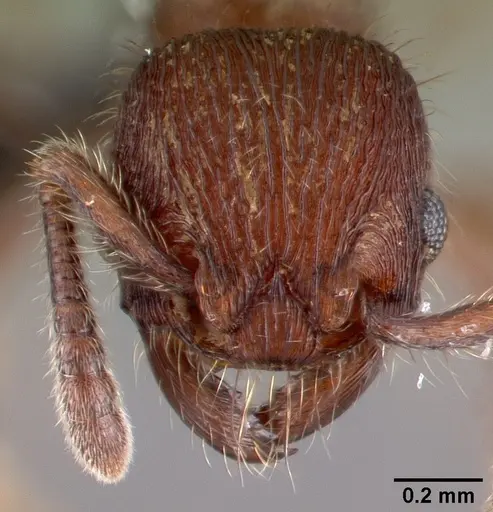
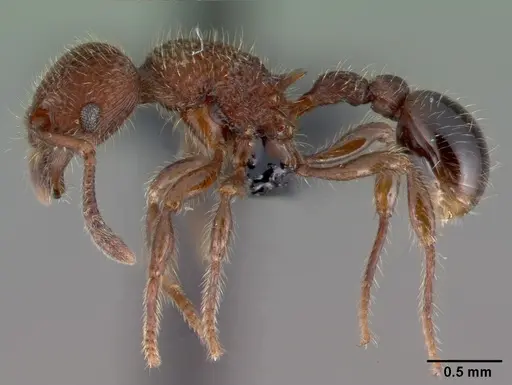
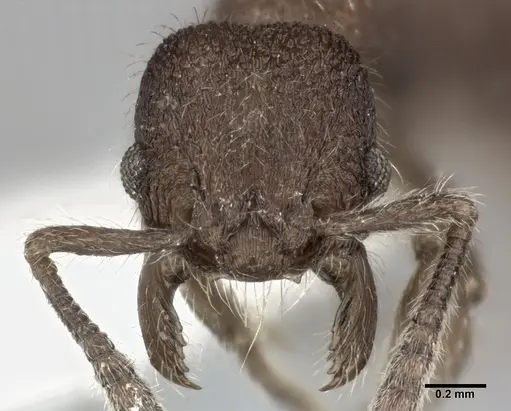
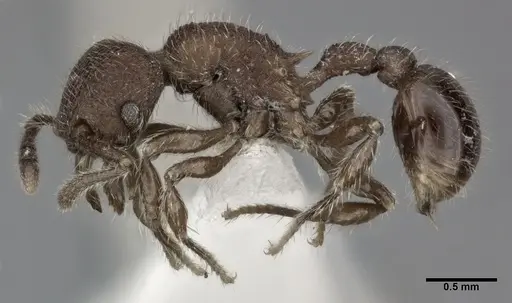
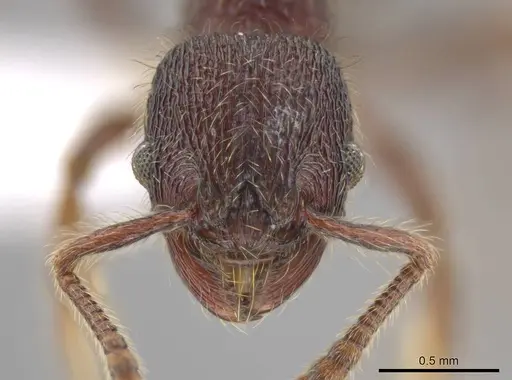
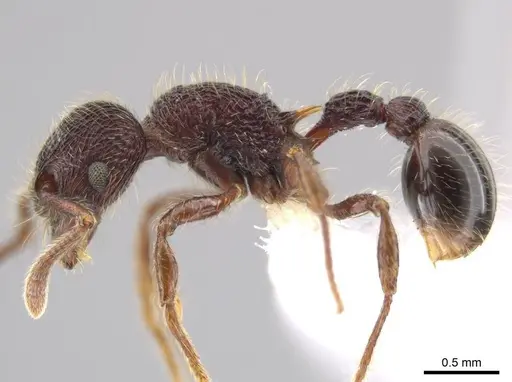
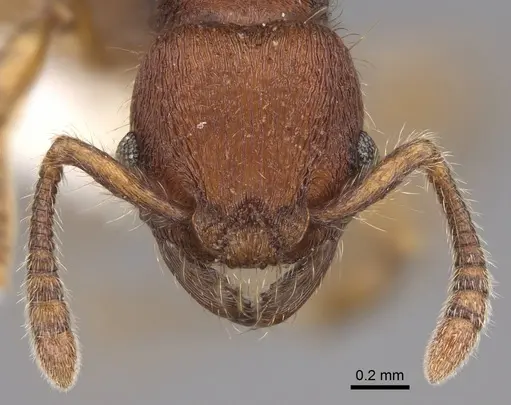
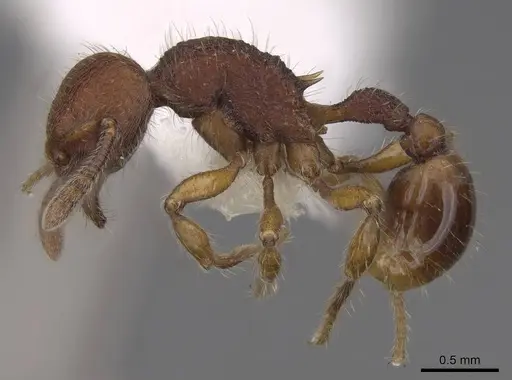
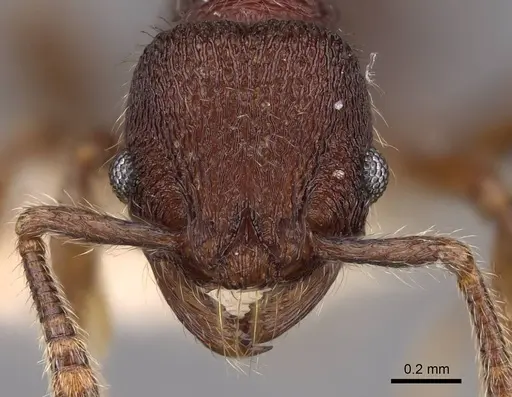
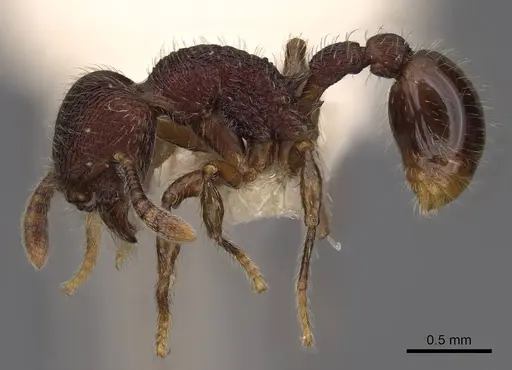
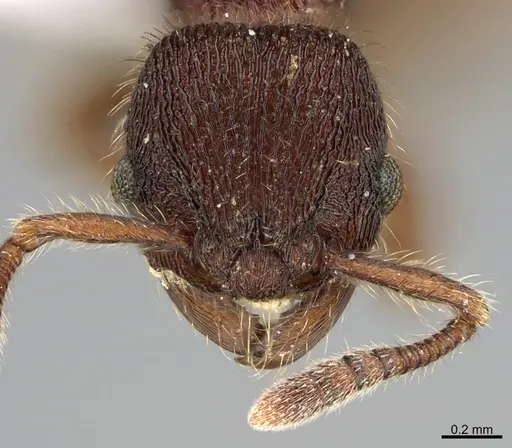
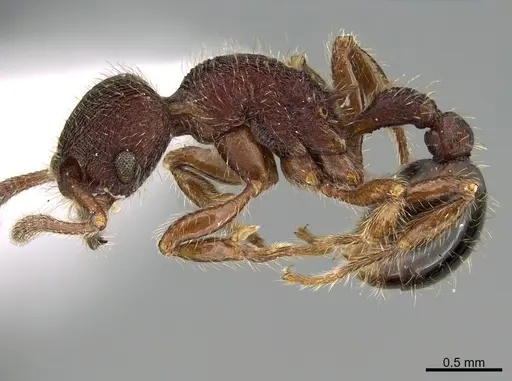
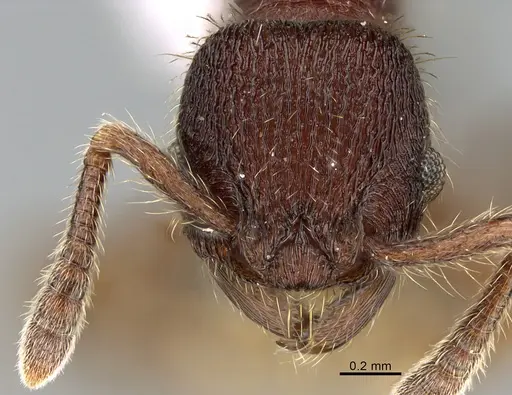
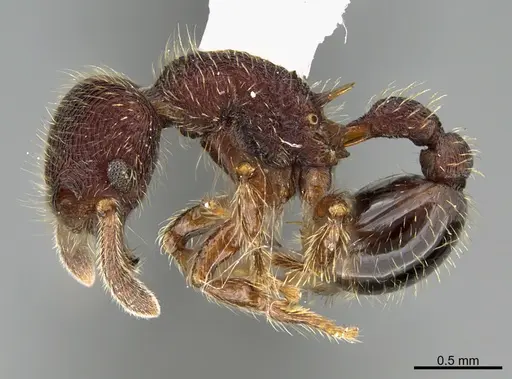
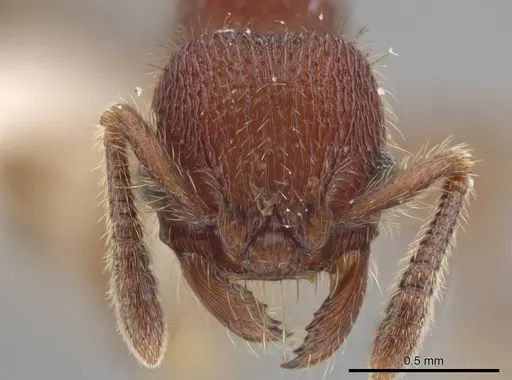
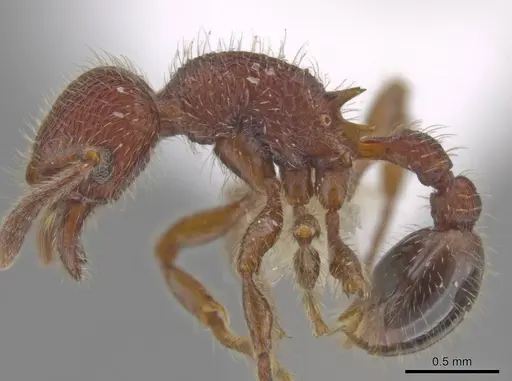
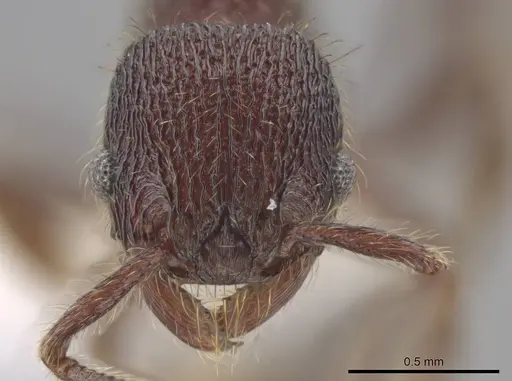
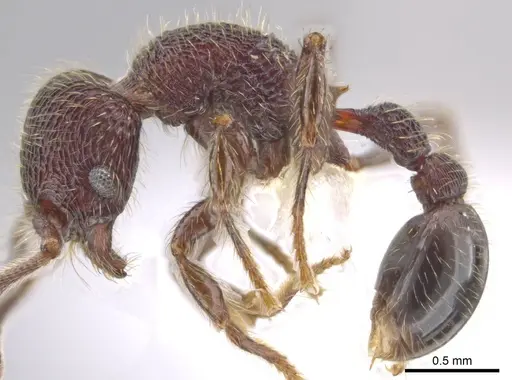
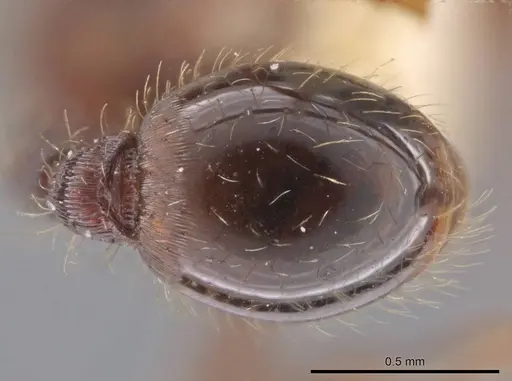
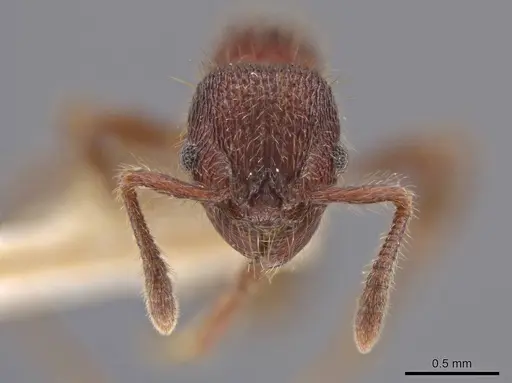
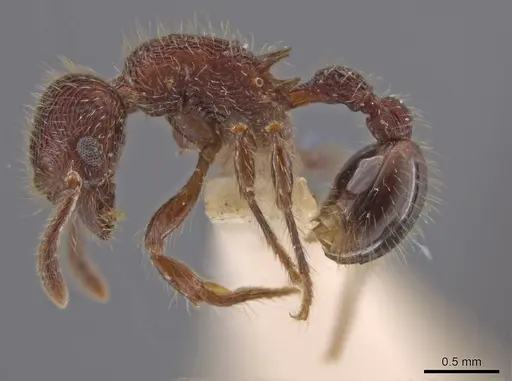
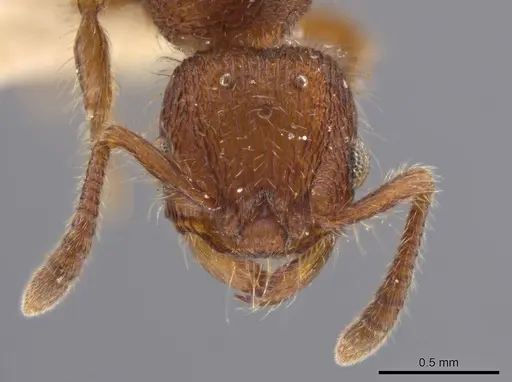
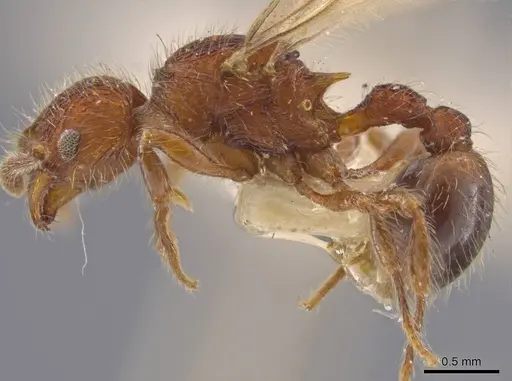
Hylomyrma versuta is a small Myrmicinae ant native to Central America, ranging from southern Mexico through Belize, Guatemala, Honduras, Nicaragua, Costa Rica, Panama, and into western Colombia. Workers measure 4.4-4.9mm with a shiny dark brown to black body covered in distinctive branched setae, some thin with multiple small branches, others thick and flattened toward the tip. They have relatively large eyes and show dense striation patterns on the head and body. This species inhabits elevations between 50 and 1520 meters, primarily in wet montane forests but also found in second-growth forests, bamboo stands, and agricultural areas like coffee and cardamom plantations. The species name 'versuta' means crafty or sly in Latin, likely referring to the difficulty in distinguishing it from similar species like H. dentiloba and H. plumosa. A notable trait is that workers are predatory, capturing small invertebrates like flies and springtails to feed directly to larvae.
Quick Summary
- Difficulty: Medium
- Origin & Habitat: Central America from southern Mexico to western Colombia, at elevations 50-1520m. Found in wet montane forests, second-growth forests, and agricultural plantations (coffee, cardamom). [1]
- Colony Type: Colony structure is unconfirmed, no published data on queen number or colony organization.
- Size & Growth:
- Queen: 5.18-5.58 mm [1]
- Worker: 4.40-4.88 mm [1]
- Colony: Unknown, no colony size data published
- Growth: Unknown, no development timing data available
- Development: Unconfirmed, no direct measurements. Based on similar small Myrmicinae, estimate 6-10 weeks at optimal temperature. (No published data on development timeline. Related Hylomyrma species suggest moderate growth rates.)
- Antkeeping:
- Temperature: Keep at 20-26°C. Based on wet montane forest habitat at 50-1520m elevation, they prefer moderate, stable temperatures with some humidity. Avoid extremes.
- Humidity: High humidity preferred, wet montane forest origin. Keep nest substrate consistently moist but not waterlogged. Provide a gradient with slightly drier areas available.
- Diapause: Likely no true diapause, tropical species from Central America. May have reduced activity during cooler/drier seasons but no hibernation requirement.
- Nesting: Leaf-litter nesting species. In captivity, they do well in naturalistic setups with moist substrate or Y-tong/plaster nests with good humidity retention. Provide deep substrate for burrowing.
- Behavior: Workers are predatory, actively hunting small invertebrates like flies and springtails. They have been observed capturing prey in captivity and directly feeding it to larvae. They are not aggressive toward keepers but will defend the nest. Escape risk is moderate, workers are around 4-5mm so standard barriers work well.
- Common Issues: no published colony size data makes growth expectations uncertain, humidity requirements are high, drying out is a common cause of colony loss, predatory diet means they need live prey, sugar sources alone are insufficient, no data on founding behavior makes establishing wild-caught queens challenging, temperature sensitivity, avoid cold drafts or overheating
Natural History and Distribution
Hylomyrma versuta is found across Central America from southern Mexico through Belize, Guatemala, Honduras, Nicaragua, Costa Rica, Panama, and western Colombia. They inhabit elevations between 50 and 1520 meters, with most specimens collected from leaf-litter in wet montane forests. Some specimens have been found in drier forest types, bamboo stands, and agricultural areas including coffee and cardamom plantations. The type locality is Belize, Belmopan, collected from second-growth forest in August 1972. Notably, one specimen was found in the stomach contents of the frog Incilius coniferus in Nicaragua, showing these ants can be part of the diet of forest amphibians. The species is very similar to H. dentiloba and can only be differentiated geographically, H. versuta occurs on the Atlantic slope of Costa Rica northward to Mexico, while H. dentiloba occurs from the Osa Peninsula eastward through Panama. [1]
Feeding and Diet
Hylomyrma versuta is a predatory ant species. In captivity observations, workers actively captured flies, springtails, and other small invertebrates offered in the feeding chamber. A notable behavior is that workers directly feed prey to larvae, rather than just storing it for later consumption. This means your colony needs a steady supply of small live prey. Offer flightless fruit flies, pinhead crickets, small mealworms, and most importantly, springtails, which seem to be a preferred food based on the captive observations. Sugar sources may be accepted but should not be the primary food. Feed prey 2-3 times per week, adjusting based on colony size and consumption rate. Remove uneaten prey after 24-48 hours to prevent mold. [1]
Nest Preferences and Housing
In the wild, Hylomyrma versuta is a leaf-litter nesting species found in forest floor environments. They prefer moist, humid conditions with plenty of organic matter. For captive housing, naturalistic setups work well, use a mix of soil and organic material as substrate, keeping it consistently moist. Y-tong (AAC) nests or plaster nests with good humidity retention are also suitable options. Provide a water tube or moisture source to maintain humidity. Because they come from montane forest environments with moderate temperatures, avoid both excessive heat and cold. A small outworld for foraging allows you to observe their predatory behavior as they hunt down prey items. [1]
Temperature and Seasonal Care
Based on their habitat in wet montane forests at elevations of 50-1520m, Hylomyrma versuta prefers moderate, stable temperatures in the range of 20-26°C. Avoid temperatures below 18°C or above 30°C. Since they come from tropical Central America, they likely do not require a true diapause or hibernation period. However, they may show reduced activity during cooler or drier seasons in the wild. In captivity, maintain consistent warmth year-round. Being from higher elevations, they may tolerate slightly cooler conditions than true lowland tropical ants, but still need warmth for optimal activity and brood development. [1]
Behavior and Temperament
Workers are active foragers and demonstrate predatory behavior, actively hunting small invertebrates rather than just scavenging. When prey is captured, workers have been observed directly feeding it to larvae, which is an interesting feeding behavior. The species is not particularly aggressive toward keepers but will defend the nest if threatened. Workers are medium-sized (4-5mm) so standard escape prevention measures work well, no special fine mesh required like with tiny ants. They are primarily nocturnal or crepuscular in activity patterns based on their forest floor habitat, so you may see more activity in the evening hours. Provide darkness and hiding spots to reduce stress. [1]
Frequently Asked Questions
How long does it take for Hylomyrma versuta to develop from egg to worker?
The exact development timeline has not been documented in scientific literature. Based on similar small Myrmicinae ants, estimate 6-10 weeks from egg to first worker at optimal temperature (around 22-26°C). This is an estimate only, actual timing may vary.
What do Hylomyrma versuta ants eat?
They are predatory ants. Feed them small live invertebrates like flightless fruit flies, springtails, pinhead crickets, and small mealworms. Springtails seem to be particularly accepted based on captive observations. Sugar water or honey may be offered occasionally but should not be the primary food source.
Can I keep Hylomyrma versuta in a test tube?
Test tubes can work for founding colonies, but you must maintain high humidity. These ants come from wet montane forests and need consistent moisture. For established colonies, a naturalistic setup with moist substrate or a Y-tong/plaster nest works better to maintain the humidity they need.
Do Hylomyrma versuta ants need hibernation?
No, they are tropical ants from Central America and do not require true hibernation. They may show reduced activity during cooler periods but no special winter care is needed. Keep them at consistent warm temperatures year-round.
Are Hylomyrma versuta good for beginners?
They are rated as medium difficulty. The main challenges are their high humidity requirements and predatory diet needing live prey. If you have experience keeping ants that need humid conditions and live food, they can be rewarding. Beginners may struggle with maintaining proper humidity and providing appropriate prey.
How big do Hylomyrma versuta colonies get?
The maximum colony size is not documented in scientific literature. Based on their size and similar species, colonies likely reach several hundred workers. Growth rate is also unknown, expect moderate, steady growth over months to years.
What temperature should I keep Hylomyrma versuta at?
Keep them at 20-26°C, ideally around 22-24°C. This matches their natural habitat in wet montane forests. Avoid temperatures below 18°C or above 30°C. A heating cable on one side of the nest can create a gradient if your room temperature is below this range.
When should I move Hylomyrma versuta to a formicarium?
Wait until the colony has at least 20-30 workers before moving to a formicarium. The founding phase in a test tube setup should continue until the colony is well-established. Make sure the new setup maintains high humidity, naturalistic setups or plaster nests work well.
Why are my Hylomyrma versuta dying?
The most common causes are: 1) Low humidity, they need consistently moist substrate, drying out kills colonies quickly. 2) Lack of appropriate prey, they need live small invertebrates, not just sugar water. 3) Temperature extremes, too cold or too hot causes stress and mortality. 4) Poor nutrition, variety in prey items helps ensure healthy colonies.
References

This caresheet is licensed under CC BY-SA 4.0 .
CASENT0039723
View on AntWeb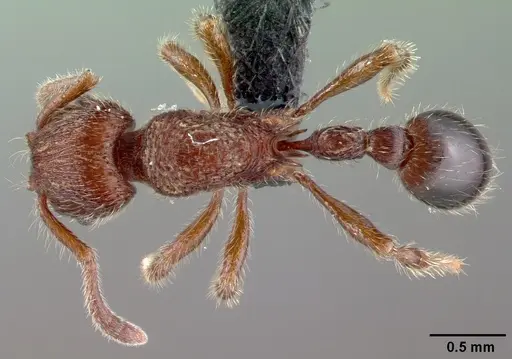
CASENT0246042
View on AntWeb
CASENT0617621
View on AntWeb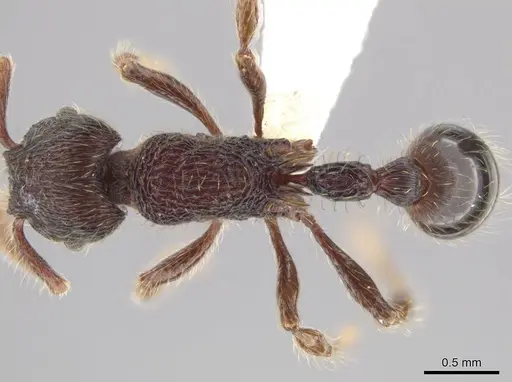
CASENT0923015
View on AntWeb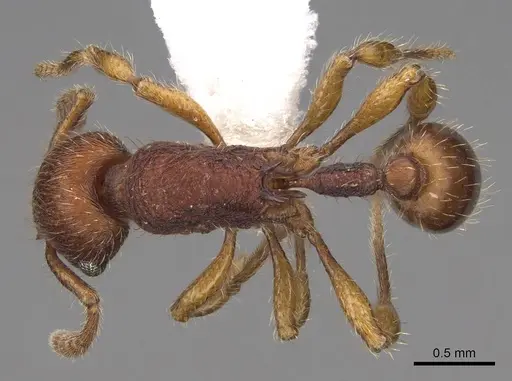
CASENT0923022
View on AntWeb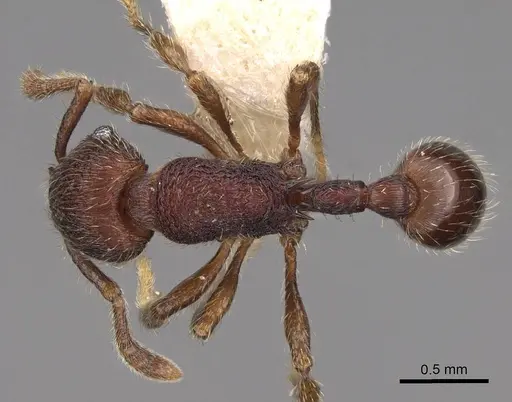
CASENT0923633
View on AntWeb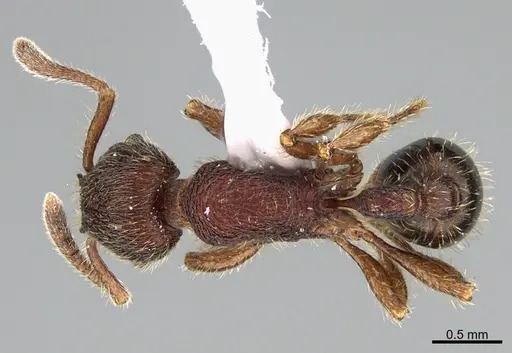
CASENT0923635
View on AntWeb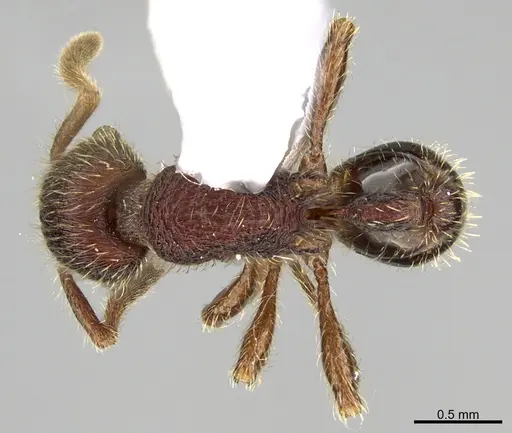
JTLC000008112
View on AntWeb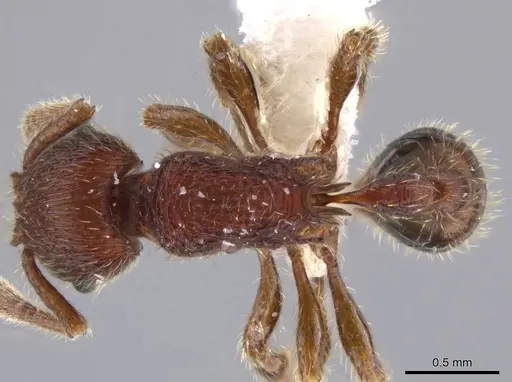
JTLC000014425
View on AntWeb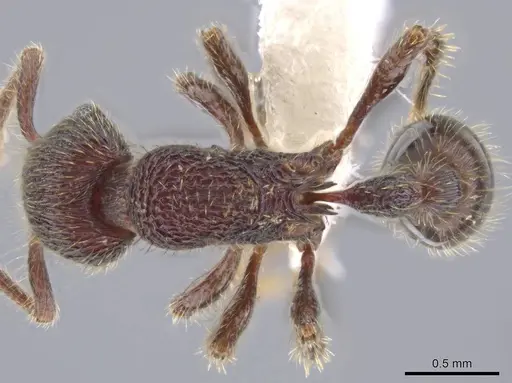
MCZ-ENT00035424
View on AntWeb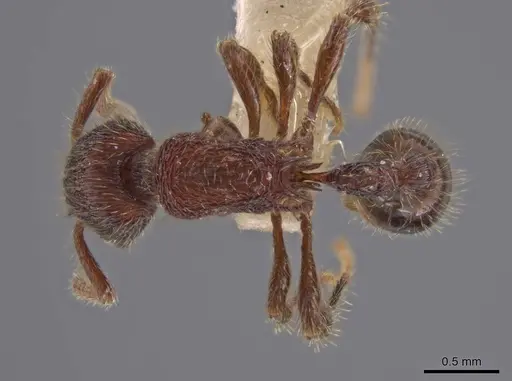
MCZ-ENT00594451
View on AntWeb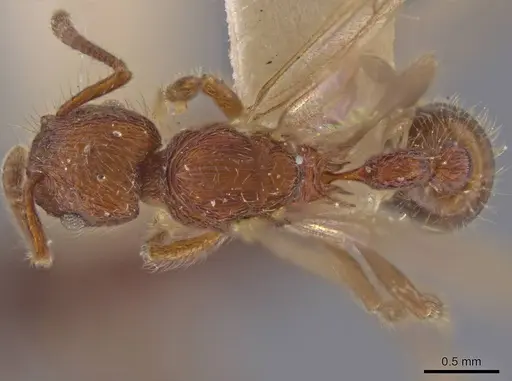
Literature
Loading...Loading products...