

Hylomyrma wachiperi
- Scientific Name
- Hylomyrma wachiperi
- Tribe
- Pogonomyrmecini
- Subfamily
- Myrmicinae
- Author
- Ulysséa, 2021
- Distribution
- Found in 1 countries
Hylomyrma wachiperi Overview
Hylomyrma wachiperi is an ant species of the genus Hylomyrma. It is primarily documented in 1 countries , including Peru. Detailed taxonomic data and occurrence records can be further explored via authoritative databases such as AntWeb or the Global Biodiversity Information Facility (GBIF).
Hylomyrma wachiperi
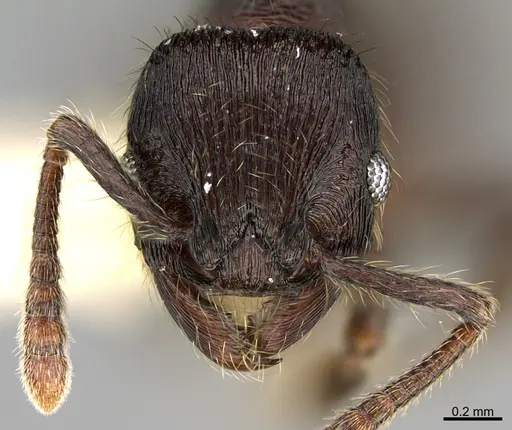
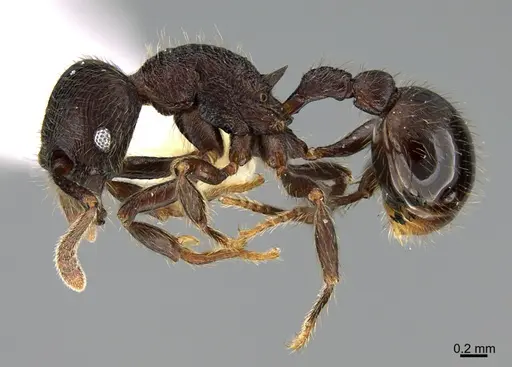
Hylomyrma wachiperi is a midsized ant species measuring around 5mm in total length. Workers have a shiny integument with distinctive longitudinal striations on the head and mesosoma. The species features a unique propodeal spine with the apex curved upward and a propodeal lobe with only a ventral tooth present. This ant is known only from a single location in the Kcosñipata District of Cusco, Peru, where it was collected at 1828m elevation in tropical rainforest leaf-litter. The genus Hylomyrma is rare in ant collections, and this species represents one of fourteen newly described species from a 2021 taxonomic revision. The combination of physical features, including the oval eye with nine ommatidia and the striated first gastral segment, makes this species unlikely to be confused with any other member of the genus [1].
Quick Summary
- Difficulty: Unknown, limited data available
- Origin & Habitat: Tropical rainforest in Kcosñipata District, Cusco, Peru at 1828m elevation. Collected from leaf-litter, suggesting nests are located in fallen logs, rotten wood, or natural cavities in superficial soil layers [1][2].
- Colony Type: Unconfirmed, colony structure has not been documented. Two intercaste specimens (workers with queen-like features including three ocelli) were collected, which may indicate potential for ergatoid replacement reproductives [1].
- Size & Growth:
- Queen: Unknown, queen has not been described
- Worker: 4.95-5.00mm total length,1.22-1.26mm Weber's length [1]
- Colony: Unknown, no colony size data available
- Growth: Unknown
- Development: Unknown, no development data available (Development timeline has not been studied. Related Hylomyrma species may provide estimates, but specific data is lacking.)
- Antkeeping:
- Temperature: Likely prefers cooler conditions than typical tropical ants due to high elevation origin (1828m). Based on similar highland rainforest ants, aim for 18-22°C with a gentle gradient. Monitor colony activity to adjust.
- Humidity: High humidity required, native to tropical rainforest leaf-litter. Keep substrate consistently moist but not waterlogged. Provide a gradient from damp to slightly drier areas.
- Diapause: Unknown, no seasonal data available for this species. The high elevation location may experience cooler temperatures seasonally, but captive diapause requirements are unstudied.
- Nesting: Naturalistic setup with moist substrate works best. Based on leaf-litter collection, they likely nest in fallen logs, rotten wood, or between layers of decomposing vegetation. In captivity, a Y-tong or plaster nest with moisture access, or a naturalistic terrarium-style setup with damp substrate and hiding spots is appropriate.
- Behavior: Behavior is unstudied. Workers are midsized (5mm) so standard escape prevention measures are adequate. Based on genus placement and collection method, they likely forage in leaf-litter and may be generalist foragers. No information on aggression or sting potency is available.
- Common Issues: no biological data available, this is one of the least studied ant species in captivity, colony founding method unknown, may have special requirements, humidity requirements are estimated, not confirmed, temperature preferences are inferred from elevation, not directly studied, no information on acceptable foods or feeding schedules
Discovery and Taxonomy
Hylomyrma wachiperi was only recently described in 2021 as part of a comprehensive taxonomic revision of the genus Hylomyrma. The species name 'wachiperi' is a non-Latin noun in apposition, referring to the local ethnic group in the Kcosñipata region of Peru and serving as a tribute to indigenous populations for protecting biodiversity. The type specimens were collected in September 2004 from the Estacion Climatologica Ordinaria Rocotal in Cusco, Peru, at an elevation of 1828 meters. The species is named locally and represents a rare find in ant surveys, with only the type series known to science [1].
Identification and Distinguishing Features
This species can be identified by several unique physical characteristics within the genus Hylomyrma. The most distinctive feature is the apex of the propodeal spine, which curves upward rather than pointing straight or downward. The propodeal lobe is unidentate, meaning it has only the ventral tooth present while the dorsal region is rounded. Workers have oval eyes with nine ommatidia, regular longitudinal striations on the head that slightly diverge toward the posterior margin, and irregular longitudinal striations on the mesosoma. The first gastral segment bears long striations on the tergum. These features combined make confusion with other Hylomyrma species unlikely. The species is allopatric, meaning it does not overlap in range with its closest relatives, Hylomyrma reitteri occurs in Brazil and Paraguay, while Hylomyrma dandarae is found in Bolivia and Colombia [1].
Natural Habitat and Collection
Hylomyrma wachiperi is known only from the Kcosñipata District in Cusco, Peru, at approximately 1828 meters elevation. This location falls within tropical rainforest zone, though the high elevation creates cooler conditions than typical lowland tropical forests. All specimens were collected from leaf-litter samples, which suggests the species nests in fallen logs, rotten wood, between layers of decomposing leaves, or within natural cavities in the superficial soil layers. This microhabitat preference is common among forest-floor ants that prefer stable, humid conditions. The elevation of 1828m is notably high for a tropical rainforest species, which may influence their temperature requirements in captivity [1][2].
Intercastes and Colony Structure
One of the most interesting aspects of this species is the presence of intercaste specimens in the type series. Intercastes are individuals that exhibit characteristics of both workers and queens, in this case, they possess three ocelli (normally a queen trait), a more pronounced depression on the promesonotal junction, modifications on the mesonotum and metanotum, and larger body measurements than typical workers. This suggests the species may have mechanisms for worker-to-queen replacement, though the exact colony structure remains unstudied. The intercaste measurements show significantly larger body sizes: head length 1.02-1.05mm, head width 0.98-1mm, and total length 5.38-5.51mm compared to normal workers at 4.95-5mm. This flexibility in caste development may indicate potential for ergatoid (wingless queen) reproduction if the primary queen is lost [1].
Keeping Hylomyrma wachiperi in Captivity
This species is extremely rare in the antkeeping hobby, and no established care protocols exist. Based on the natural history data available, the following recommendations can be made. For housing, a naturalistic setup with moist substrate is most appropriate, a terrarium-style enclosure with damp soil, leaf litter, and pieces of rotting wood or bark for hiding places mimics their natural leaf-litter environment. Alternatively, a Y-tong or plaster nest with a water reservoir and good humidity retention could work. Temperature should be kept cooler than typical tropical ants due to their high elevation origin, aim for 18-22°C with a gradient allowing the ants to choose their preferred zone. Humidity should be high, with consistently moist but not waterlogged substrate. No data exists on their diet, but based on genus patterns and the leaf-litter microhabitat, they likely forage for small invertebrates and may tend aphids for honeydew. Start with small live prey like fruit flies or pinhead crickets, and offer sugar water or honey occasionally [1][2].
What We Don't Know
It must be emphasized that Hylomyrma wachiperi is one of the least studied ant species available in the hobby. Almost every aspect of their biology in captivity remains unknown: colony founding method, exact temperature and humidity requirements, diet preferences, growth rate, nuptial flight timing, queen size, colony size potential, and behavior. This species would be best suited for advanced antkeepers who are comfortable experimenting and documenting their observations carefully. If you obtain this species, be prepared to take detailed notes on behavior, feeding preferences, and colony development. Sharing this information with the antkeeping community would be valuable since scientific literature provides almost no captive care data. Consider this species a research opportunity rather than a straightforward pet [1].
Frequently Asked Questions
How do I keep Hylomyrma wachiperi ants?
No established care protocol exists for this species. Based on their natural history (leaf-litter nesting in high-elevation tropical rainforest), use a naturalistic setup with moist substrate, keep temperatures cooler than typical tropical ants (18-22°C), and maintain high humidity. This is an experimental species, be prepared to adapt based on colony behavior.
What do Hylomyrma wachiperi eat?
Diet is unstudied. Based on genus patterns and leaf-litter microhabitat, they likely accept small live prey (fruit flies, pinhead crickets) and may also feed on honeydew from aphids. Offer a variety and observe what they accept.
How big do Hylomyrma wachiperi colonies get?
Colony size is unknown, no data exists on maximum colony size. Workers are approximately 5mm, and only the type series (12 workers and 3 intercastes) has been documented.
Is Hylomyrma wachiperi good for beginners?
No, this species is not recommended for beginners. Almost no biological or captive care data exists, making it an experimental species that requires advanced husbandry skills and careful documentation.
What temperature should I keep Hylomyrma wachiperi at?
Based on their high elevation origin (1828m in Peru), they likely prefer cooler conditions than typical tropical ants. Start around 18-22°C and provide a temperature gradient so the ants can choose their preferred zone. Monitor activity levels to fine-tune.
Do Hylomyrma wachiperi need hibernation?
Diapause requirements are unknown. The high elevation location may experience seasonal temperature changes, but captive diapause needs have not been studied. Observe colony behavior as temperatures change seasonally.
Where is Hylomyrma wachiperi found in the wild?
This species is known only from the Kcosñipata District in Cusco, Peru, at 1828 meters elevation in tropical rainforest. All specimens were collected from leaf-litter in this single location.
Can I keep multiple Hylomyrma wachiperi queens together?
Colony structure is unstudied. No data exists on whether they are monogyne (single queen) or polygyne (multiple queens). The presence of intercastes suggests potential for ergatoid replacement reproductives, but combining unrelated queens is not recommended due to lack of data.
How long does it take for Hylomyrma wachiperi to develop from egg to worker?
Development timeline is completely unstudied. No egg-to-worker data exists for this or related species. Expect a wait of several months based on typical Myrmicinae patterns, but this is purely an estimate.
References

This caresheet is licensed under CC BY-SA 4.0 .
USNMENT00534693
View on AntWeb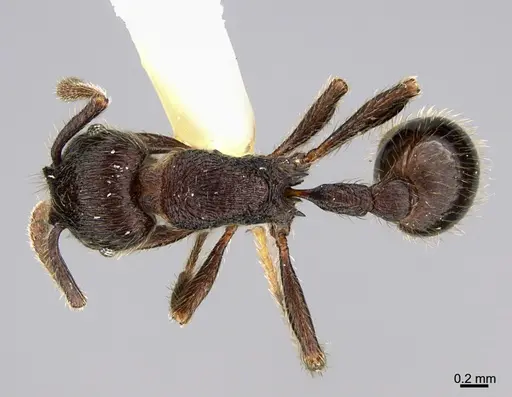
Literature
Loading...Loading products...