

Hylomyrma mitiae
- Scientific Name
- Hylomyrma mitiae
- Tribe
- Pogonomyrmecini
- Subfamily
- Myrmicinae
- Author
- Ulysséa, 2021
- Distribution
- Found in 1 countries
Hylomyrma mitiae Overview
Hylomyrma mitiae is an ant species of the genus Hylomyrma. It is primarily documented in 1 countries , including French Guiana. Detailed taxonomic data and occurrence records can be further explored via authoritative databases such as AntWeb or the Global Biodiversity Information Facility (GBIF).
Hylomyrma mitiae
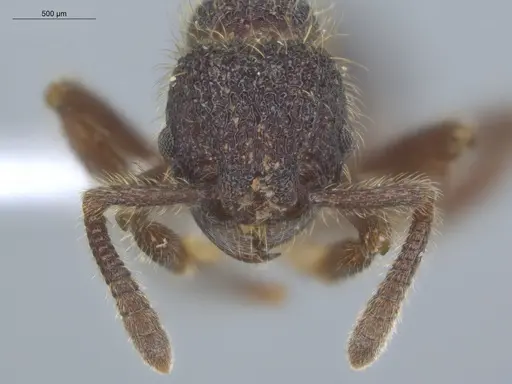
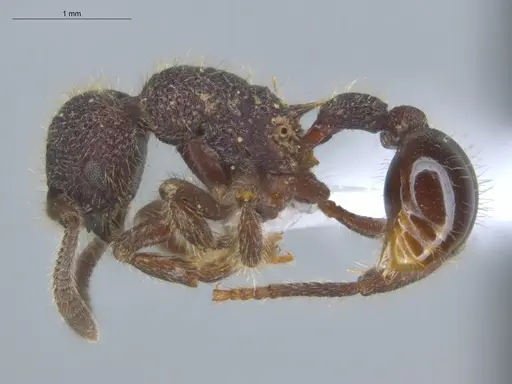
Hylomyrma mitiae is a medium-sized ant species endemic to French Guiana in the Amazon rainforest region. Workers measure 5.27-5.52mm with a shiny appearance and distinctive striated pattern on their head and mesosoma. They have a prominent subtriangular subpostpetiolar process and branched setae with two short branches of equal size. Queens are slightly larger at 5.96-6.06mm. This species was only recently described in 2021 and is known only from the Mitaraka Mountains in French Guiana, making it one of the rarer ants in the hobby. It is similar to Hylomyrma virginiae and H. sagax but these species are allopatric, meaning they occur in different geographic areas.
Quick Summary
- Difficulty: Unknown, limited data available
- Origin & Habitat: French Guiana (Amazon rainforest region). Found in leaf-litter samples, suggesting nests in fallen logs, rotten wood, or natural cavities in soil [1][2]
- Colony Type: Unconfirmed, colony structure has not been documented
- Size & Growth:
- Queen: 5.96-6.06 mm [1]
- Worker: 5.27-5.52 mm [1]
- Colony: Unknown, no colony size data available
- Growth: Unknown, no development data available
- Development: Estimated 6-10 weeks based on typical Myrmicinae patterns at tropical temperatures (No direct development data exists for this species. Estimates based on genus-level patterns for related Myrmicinae in tropical conditions.)
- Antkeeping:
- Temperature: Keep at 24-28°C, they are a tropical rainforest species from French Guiana [1]
- Humidity: High humidity required, aim for 70-85%. Keep nest substrate consistently moist but not waterlogged, mimicking the damp leaf-litter environment they inhabit [2]
- Diapause: No, as a tropical species from French Guiana, they do not require hibernation. Maintain warm temperatures year-round
- Nesting: Provide a humid nest with fine substrate. Test tubes with water reservoirs work well, or a naturalistic setup with moist soil/leaf litter. They prefer tight, humid chambers typical of leaf-litter nesting ants [2]
- Behavior: Behavior is not well documented. Based on their leaf-litter habitat, they are likely slow-moving foragers that search through substrate rather than actively hunting. They probably nest in confined spaces between logs, under bark, or in rotting wood. Escape risk is moderate, their medium size means standard barriers are usually sufficient.
- Common Issues: limited availability, this is a newly described species rarely available in the antkeeping hobby, no established care protocols, keepers are essentially pioneering captive breeding, humidity management is critical, they may be prone to desiccation in dry conditions, slow growth expected, like many tropical leaf-litter species, colonies may develop slowly, wild-caught colonies may have parasites or adaptation issues since this species has not been captive-bred
Natural History and Distribution
Hylomyrma mitiae is one of the rarest ants in the antkeeping hobby, being endemic only to French Guiana. It was formally described in 2021 by Mônica Antunes Ulysséa and C.R.F. Brandão. The type locality is the Mitaraka Mountains in southwestern French Guiana, where specimens were collected using Winkler extractors from leaf-litter samples. This collection method (sifting leaf litter and extracting ants into a bag) indicates they nest in the superficial soil layers, fallen logs, or rotting wood, typical of leaf-litter ant communities. The species name honors Mítia Heusi Silveira, a friend of the describing author who was murdered. Related species H. virginiae occurs in Ecuador and western Colombia, while H. sagax is found in southeastern Colombia, all three species are separated geographically despite being in the same region. [1]
Housing and Nest Setup
Based on their natural habitat in leaf-litter samples, Hylomyrma mitiae should be kept in humid conditions. A test tube setup with a water reservoir works well for founding colonies, but ensure humidity is maintained by keeping the setup in a humid environment or using a moist formicarium. naturalistic setups with a layer of damp soil and leaf litter mimic their natural environment and may encourage more natural behavior. Avoid dry conditions, these ants are adapted to the constantly humid rainforest floor. The nest should have tight chambers rather than large open spaces, as they naturally nest in confined spaces between logs and in rotting wood. [2]
Feeding and Diet
The diet for Hylomyrma mitiae has not been specifically documented, but based on typical Myrmicinae behavior and their leaf-litter habitat, they likely forage for small invertebrates and tend aphids for honeydew. Offer a varied diet including small live prey like fruit flies or pinhead crickets, and sugar sources such as honey water or sugar water. Protein should be offered regularly, especially for colonies with brood. Start with small prey items and observe acceptance. As a newly kept species, experimental feeding will help determine preferences.
Temperature and Humidity Requirements
As a tropical species from French Guiana near the equator, Hylomyrma mitiae requires warm temperatures year-round. Maintain temperatures between 24-28°C (75-82°F). They are adapted to the warm, humid conditions of the Amazon rainforest and will not tolerate cool temperatures. High humidity is essential, aim for 70-85% relative humidity. The substrate should remain consistently moist but never waterlogged. A heating cable on one side of the nest can help maintain temperature gradients, but ensure the water portion of the nest does not evaporate too quickly. Room temperature in heated indoor spaces often falls within their acceptable range. [1]
Colony Development and Growth
No specific development timeline data exists for Hylomyrma mitiae. Queens measure 5.96-6.06mm and workers are 5.27-5.52mm, making this a medium-sized Myrmicinae species. Based on typical Myrmicinae development at tropical temperatures, expect 6-10 weeks from egg to first worker. Colonies likely remain small to moderate in size, as is typical for leaf-litter nesting species. Growth is expected to be slow, especially in the founding stage. Patience is essential, this species has not been captive-bred extensively, so keepers are essentially pioneering successful husbandry protocols. [1]
Behavior and Temperament
Specific behavioral observations for Hylomyrma mitiae are not documented in scientific literature. However, their leaf-litter collection method suggests they are substrate foragers rather than active ground-hunting ants. They likely construct nests in pre-existing cavities in rotting wood or soil, rather than excavating extensive tunnel systems. Their medium size and Myrmicinae classification suggest they have a stinger, though it may be too small to penetrate human skin effectively. Defensive behavior is unknown but likely similar to other leaf-litter Myrmicinae, they may retreat rather than aggressively defend when disturbed. [1]
Frequently Asked Questions
How do I keep Hylomyrma mitiae ants?
This is a newly described species with limited care information. Keep them in humid conditions (70-85% humidity) at warm temperatures (24-28°C). Use a test tube setup or naturalistic formicarium with moist substrate. Offer small live prey and sugar sources. This species is extremely rare in the hobby and no established protocols exist, you will be pioneering their captive care.
What do Hylomyrma mitiae ants eat?
Their specific diet is unconfirmed, but they likely accept small invertebrates and sugar sources like other Myrmicinae. Offer fruit flies, small crickets, and honey water or sugar water. Start with small prey items and adjust based on colony acceptance.
How long does it take for Hylomyrma mitiae to raise first workers?
No specific development data exists for this species. Based on typical Myrmicinae development at tropical temperatures, expect approximately 6-10 weeks from egg to first worker. Growth is likely slow, as is common for leaf-litter species.
Do Hylomyrma mitiae ants need hibernation?
No. As a tropical species from French Guiana near the equator, they do not require hibernation. Maintain warm temperatures year-round.
How big do Hylomyrma mitiae colonies get?
Colony size data is not available. Based on their medium size and leaf-litter habitat, colonies likely remain small to moderate (likely under a few hundred workers).
Is Hylomyrma mitiae good for beginners?
No. This is a newly described species (2021) with no established care protocols in the antkeeping hobby. They are extremely rare and limited availability makes them unsuitable for beginners. Only experienced antkeepers should attempt to keep this species.
Can I keep multiple Hylomyrma mitiae queens together?
Colony structure (monogyne vs polygyne) has not been documented for this species. Do not combine unrelated queens until more information is available.
What temperature do Hylomyrma mitiae ants need?
Keep them warm at 24-28°C (75-82°F). They are tropical rainforest ants from French Guiana and require warm temperatures year-round.
Do Hylomyrma mitiae ants sting?
As a Myrmicinae species, they have a stinger but it is likely too small to penetrate human skin effectively. Specific sting potency is unconfirmed.
References

This caresheet is licensed under CC BY-SA 4.0 .
CASENT0923636
View on AntWeb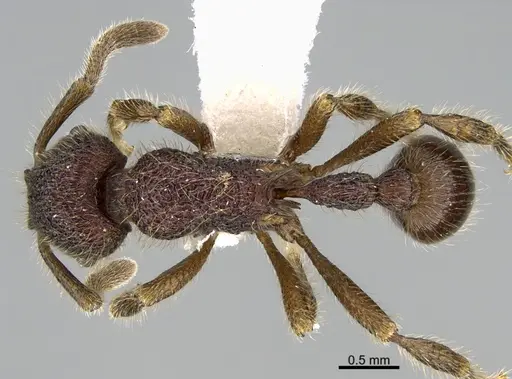
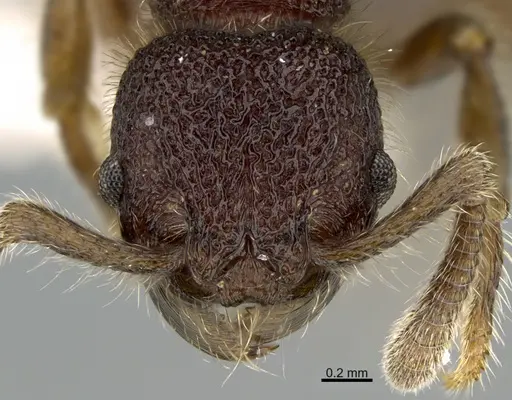
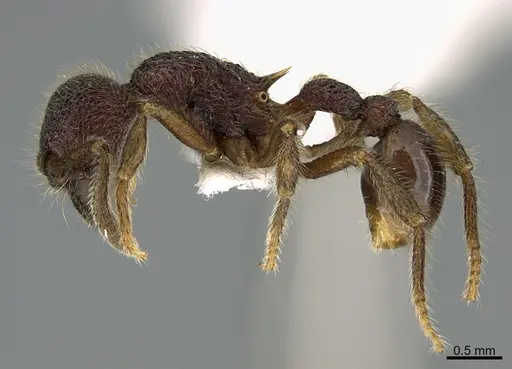
ECOFOG-MI15-0374-27
View on AntWeb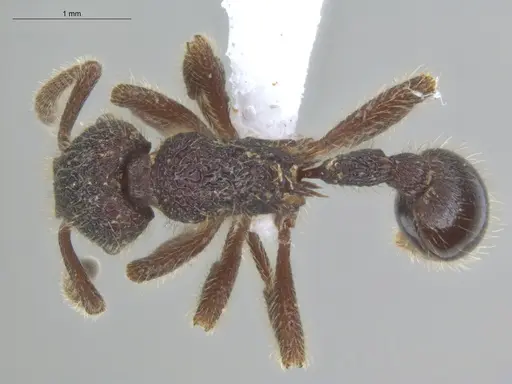
Literature
Loading...Loading products...